
Top Benefits of Using Scotch Yoke Actuator for Automation?

Time:2026-07-29 Author:Liam
0%

The Scotch Yoke Actuator is becoming increasingly popular in automation. This innovative device offers unique benefits that enhance operational efficiency. Its design translates rotary motion into linear movement effectively, making it highly versatile.

One significant advantage of the Scotch Yoke Actuator is its compact size. This feature allows it to fit into tighter spaces, making it ideal for various applications. Additionally, the actuator provides smooth operation, minimizing vibrations. This quality can lead to longer system lifespans.

Moreover, the Scotch Yoke Actuator is known for its reliability. Industries seek automation solutions that can perform consistently. The actuator's simple design reduces the chances of mechanical failure. However, users must also consider proper maintenance. Regular checks can prevent unexpected downtime, ensuring optimal performance.
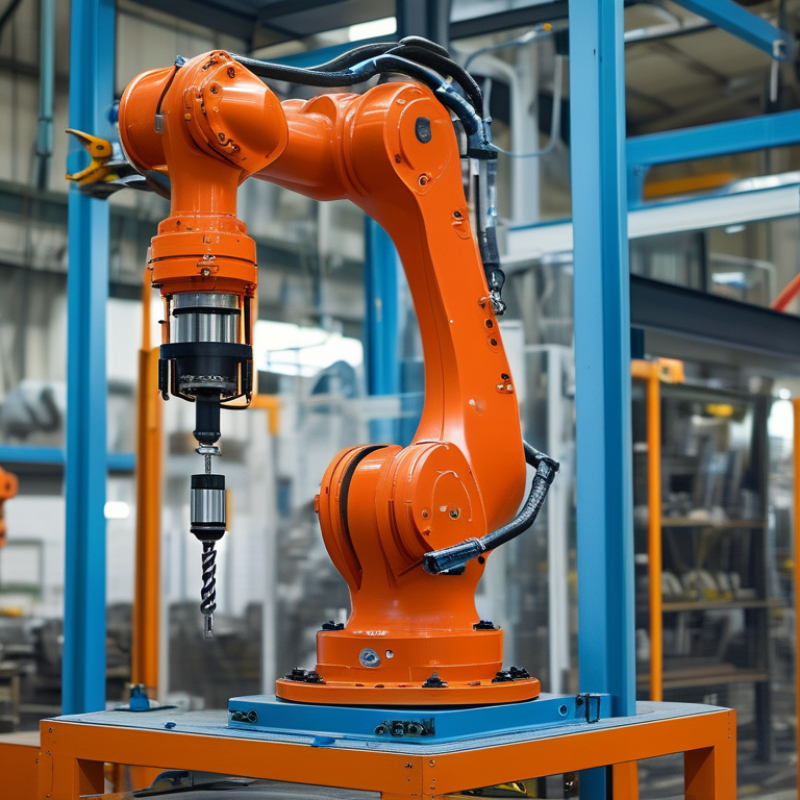
Top Benefits of Using Scotch Yoke Actuator for Automation?

Understanding the Scotch Yoke Actuator Mechanism and Design Principles

The Scotch yoke actuator operates on a simple yet effective mechanism. It converts rotary motion into linear motion with impressive efficiency. Typically, it consists of a yoke that slides along a guide. This allows for smooth and consistent movements. Its design includes a slot or groove where a pin fits snugly. This connection translates rotational force into linear displacement, making it a suitable choice for various automation needs.

One notable aspect of the Scotch yoke is its ability to handle high loads. This feature ensures that it can endure the demands of industrial applications. However, its design can lead to wear over time. Careful monitoring and maintenance are necessary to avoid sudden failures. Understanding how these actuators function is crucial for optimizing performance.

Another interesting point is their versatility. Scotch yoke actuators can be applied in different contexts. They work well in applications ranging from valve control to robotic movement. Despite the benefits, users must reflect on specific project requirements. An actuator that excels in one scenario may not be the best for another. The balance of speed, load, and application environment is pivotal in making the right choice.

Key Advantages of Scotch Yoke Actuators in Industrial Automation

Scotch yoke actuators offer significant advantages in industrial automation. One key benefit is their ability to convert rotary motion into linear motion efficiently. This design helps in minimizing wear and tear on components. According to a report from the International Society of Automation, the efficiency of Scotch yoke actuators can reach up to 90% in optimal conditions. This level of efficiency leads to reduced operational costs over time.


Another advantage is their compact design. Scotch yoke actuators require less space than traditional actuators. This aspect is crucial in environments with limited real estate. A study by the Automation Federation highlighted that using compact actuators can increase plant productivity by 25%. This improvement often results from enhanced workflow and optimized machine layouts.


However, these actuators can exhibit non-linear motion profiles under certain loading conditions. This characteristic may require careful calibration during installation. It highlights the importance of proper assessment before implementation. Adequate training for operators is essential to handle these potential challenges effectively. The balance between their advantages and operational nuances makes Scotch yoke actuators a compelling choice in automation.

Comparison of Scotch Yoke Actuators with Other Actuator Types

Scotch yoke actuators offer unique advantages, particularly when compared to other actuator types. Their design converts linear motion into rotary motion efficiently. This mechanism can enhance the performance of various automation applications. In contrast, electric or hydraulic actuators may face limitations in speed and responsiveness.

One notable aspect of Scotch yoke actuators is their ability to handle high torque loads with minimal input. This feature makes them ideal for heavy-duty applications. On the other hand, traditional actuators may struggle with such demands. They often require more maintenance, especially in environments with high wear and tear. Some users have reported challenges with seal integrity in competing actuators, which can lead to costly downtime.

However, Scotch yoke actuators are not without their drawbacks. Their motion characteristics can introduce vibrations in high-speed applications. This can lead to mechanical stress over time. Furthermore, the initial installation may require careful calibration. In some cases, simple wear can affect their performance, making periodic assessments crucial. Users must weigh these factors against the benefits when choosing the right actuator for their needs.

Top Benefits of Using Scotch Yoke Actuator for Automation

Actuator Type Power Efficiency Speed of Operation Maintenance Requirements Cost-Effectiveness
Scotch Yoke Actuator High Efficiency Medium to High Low Maintenance Cost-Effective
Pneumatic Actuator Medium Efficiency High Medium Maintenance Moderate Cost
Electric Actuator High Efficiency Medium High Maintenance Higher Cost
Hydraulic Actuator Very High Efficiency Medium High Maintenance High Cost

Common Applications and Industries Utilizing Scotch Yoke Actuators

Scotch yoke actuators are gaining traction across various industries. Their design allows for efficient linear motion conversion. This makes them valuable in automation processes. They have a significant presence in sectors like manufacturing, energy, and robotics. In manufacturing, these actuators can handle tasks like precise material handling. They excel in environments that require rapid actuation cycles.

In the energy sector, Scotch yoke actuators play a key role. They drive valves in natural gas and oil pipelines. Their ability to operate under high pressures is notable. Moreover, in robotics, these actuators help enhance the movement of robotic arms. They enable smooth, controlled motions that are crucial for assembly tasks.

There are challenges with Scotch yoke actuators. They require regular maintenance to ensure long-term efficiency. Any wear in components can lead to reduced performance. Users must also consider the potential for backlash. Addressing these issues early is important for optimizing performance. Overall, Scotch yoke actuators continue to show great potential in automating complex systems. The focus should remain on refining their application to maximize benefits.

Top Benefits of Using Scotch Yoke Actuator for Automation

Factors to Consider When Choosing Scotch Yoke Actuators for Automation

When selecting a Scotch yoke actuator for automation, several factors need consideration. The actuator's design offers unique benefits, such as greater torque output and quicker response times. According to a recent market analysis, demand for Scotch yoke systems is projected to grow by 7% annually due to these advantages. The capacity for high forces in confined spaces makes it a preferred choice in various industries.

Material choice and durability are also vital. Opt for actuators made from corrosion-resistant materials to extend service life. Additionally, ensure that the actuator can withstand the specific environmental conditions of your application. Research indicates that over 30% of actuator failures result from unsuitable materials.

Tips: Check the actuator's temperature ratings. This can prevent operational failures. Regular maintenance is crucial, too; 20% of actuators fail from lack of upkeep. Investing in quality and proper maintenance pays off in the long-term reliability of your automation systems.

FAQS

: What is the main function of the Scotch yoke actuator?

: The Scotch yoke actuator converts rotary motion into linear motion efficiently.

Why is maintenance important for Scotch yoke actuators?

Regular maintenance prevents wear, which can lead to sudden performance failures.

In which industries are Scotch yoke actuators commonly used?

They are used in manufacturing, energy, and robotics for various automation tasks.

How do design features enhance the efficacy of Scotch yoke actuators?

Their design allows for smooth movements and high-load capacity, making them effective in many applications.

What should you consider regarding materials for Scotch yoke actuators?

Choose corrosion-resistant materials to ensure durability and longer service life.

Why might the same actuator not be suitable for every application?

Different projects have varying demands; speed and load requirements vary greatly.

How can temperature ratings affect actuator performance?

Checking temperature ratings can help prevent operational failures in extreme conditions.

What impact does regular upkeep have on Scotch yoke actuators?

Without regular maintenance, actuators are more prone to failure; about 20% fail due to neglect.

What role do Scotch yoke actuators play in robotics?

They provide smooth, controlled motions that enhance the functionality of robotic arms.

What factors can lead to actuator failure?

Unsuitable materials and lack of maintenance are common contributors to actuator failures.

Conclusion

The article "Top Benefits of Using Scotch Yoke Actuator for Automation" delves into the mechanism and design principles of Scotch Yoke Actuators, highlighting their unique functionality in transforming rotational motion into linear motion. It emphasizes the key advantages of these actuators in industrial automation, such as enhanced efficiency, high torque output, and minimal maintenance requirements.

Additionally, the article provides a comparative analysis of Scotch Yoke Actuators against other types of actuators, illustrating their superior performance in specific applications. Common uses across various industries are outlined, showcasing their versatility. Finally, it discusses the critical factors to consider when selecting Scotch Yoke Actuators for automation projects, ensuring that users can make informed choices tailored to their operational needs.

Liam

Liam

Liam is a dedicated marketing professional with a profound expertise in the industry, where he excels at highlighting the unique advantages of our core products. With a keen understanding of market trends and consumer needs, Liam frequently updates our company’s professional blog, providing......