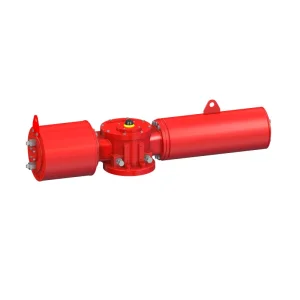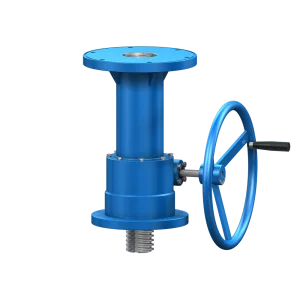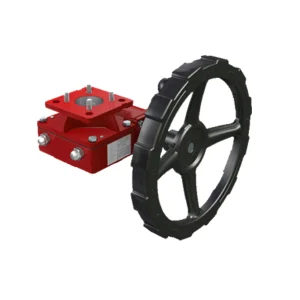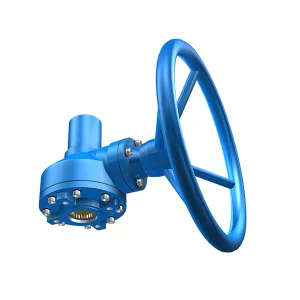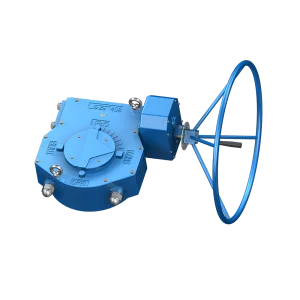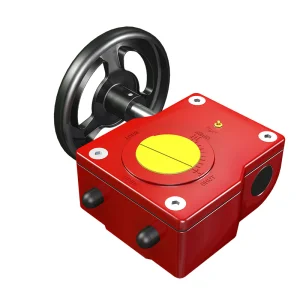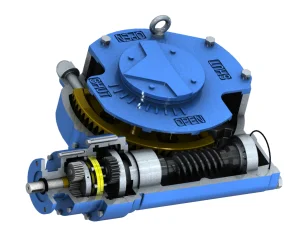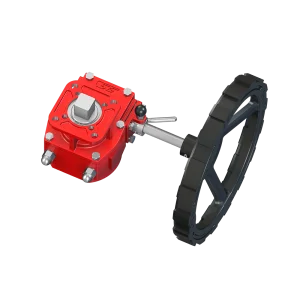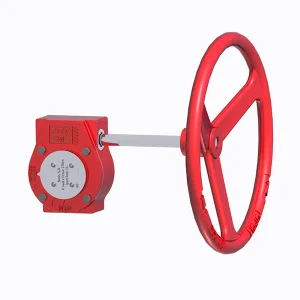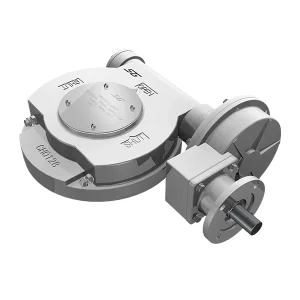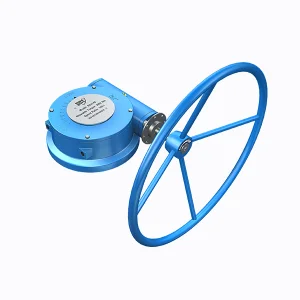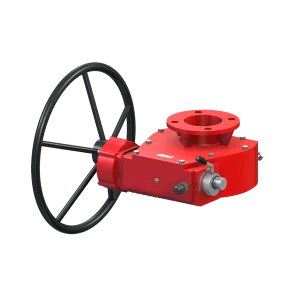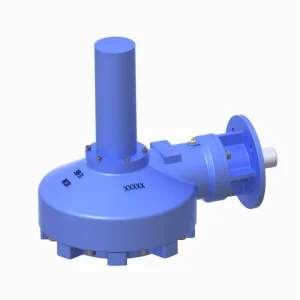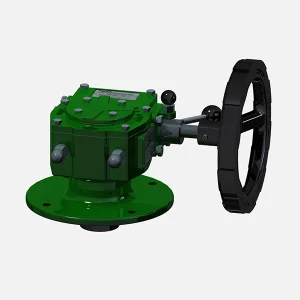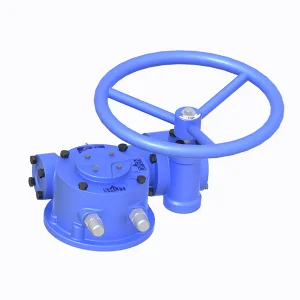
Explore our high-performance gear operators and pneumatic actuation systems engineered to perform in critical industrial applications.
Founded in 1999 and strategically situated in the prestigious Suzhou Industrial Park, Stard-gears has established itself as an authoritative global manufacturer of high-end valve control mechanisms and robust pneumatic actuation accessories. Spanning a modern manufacturing footprint of 8,900㎡ accompanied by a 2,500㎡ dedicated technology headquarters, our facility runs at peak operational efficiency.
With an annual sales volume of $7,000,000—experiencing an organic, innovation-led year-on-year growth rate of 10% to 20%—our enterprise leverages over 25 years of specialized valve control design experience. Stard-gears serves critical infrastructure industries across the globe including Oil & Gas extraction, petrochemical plants, natural gas distribution networks, nuclear facilities, and municipal water management systems.
Our commitment to rigorous engineering guarantees that all components are fully optimized for torque transmission, mechanical longevity, and environmental resistance. Backed by the internationally recognized ISO9001 quality management framework, our facility delivers up to 100,000 sets of high-precision valve control gears and actuation gearboxes annually to ensure global industrial operations remain secure.
ISO9001 Certified: Full regulatory compliance and end-to-end traceablity.
Yangtze River Delta Advantage: Access to premier casting, machining, and logistics resources.
Proven Exporter: Serving key clients in the USA, Italy, Germany, Mexico, Singapore, Japan, and beyond.
Situated in Suzhou within the Yangtze River Delta, Stard-gears harnesses a world-class manufacturing matrix. From advanced metallurgical raw material sourcing to specialized high-grade casting, machining capabilities, and precision heat-treating facilities, this localization enables minimized lead times, optimal structural raw material cost controls, and rapid manufacturing agility.
By partnering with nearby ISO-certified foundries, we enforce severe-duty casting standards (e.g., WCB, Ductile Iron, LCC). High-speed CNC machining centers perform dimensional scaling down to micrometer clearances, guaranteeing that the planetary gear operators and Scotch yoke slots maintain perfect geometric tolerances and low frictional resistance.
Whether processing custom requirements for buried underground pipeline valve gearboxes or adapting CE-certified declutchable gearboxes for hazardous environments, the Suzhou industrial ecosystem empowers our engineers to turn complex CAD prototypes into physical verification tests in a fraction of standard Western timeline constraints.
At Stard-gears, we leverage structural engineering tools to construct valve controls of exceptional durability. Through high-fidelity 3D CAD design, dynamic mechanical simulation, and Finite Element Analysis (FEA), our engineers visually simulate, iterate, and verify mechanical stress thresholds, shear forces, torque profiles, and deflection rates before the manufacturing stage begins. This drastically compresses design cycles, improves physical margins of safety, and eliminates mechanical structural bottlenecks.
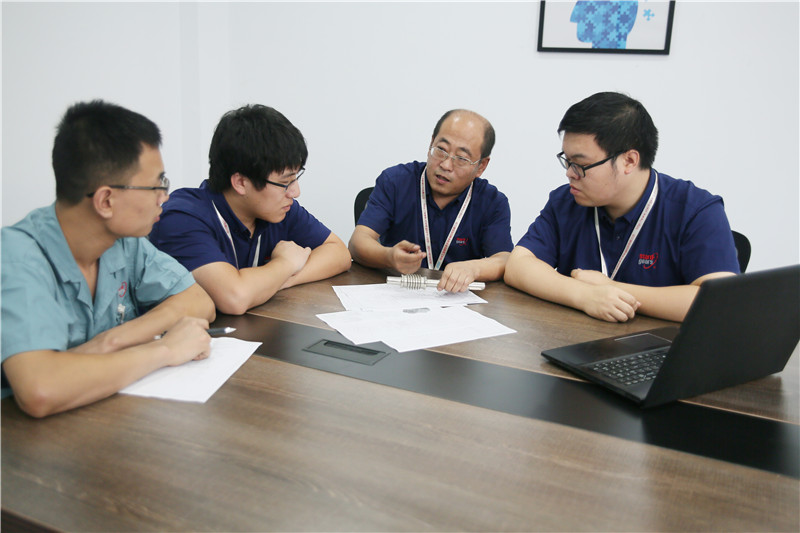
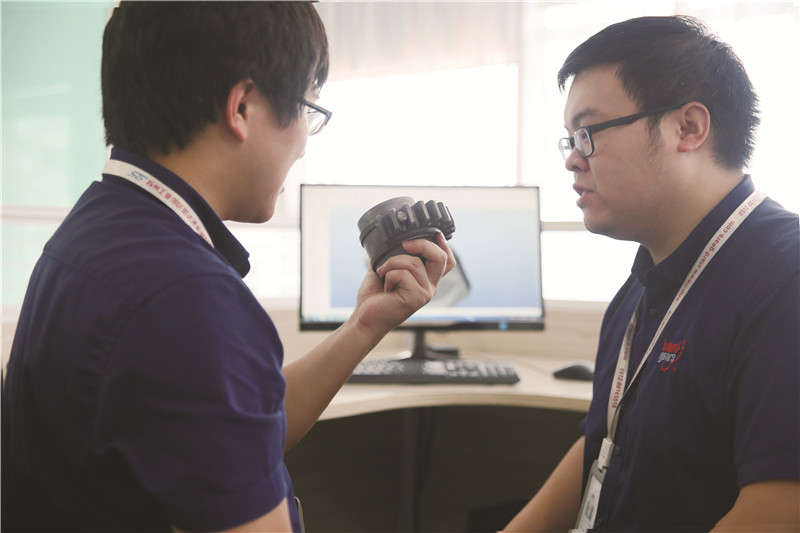
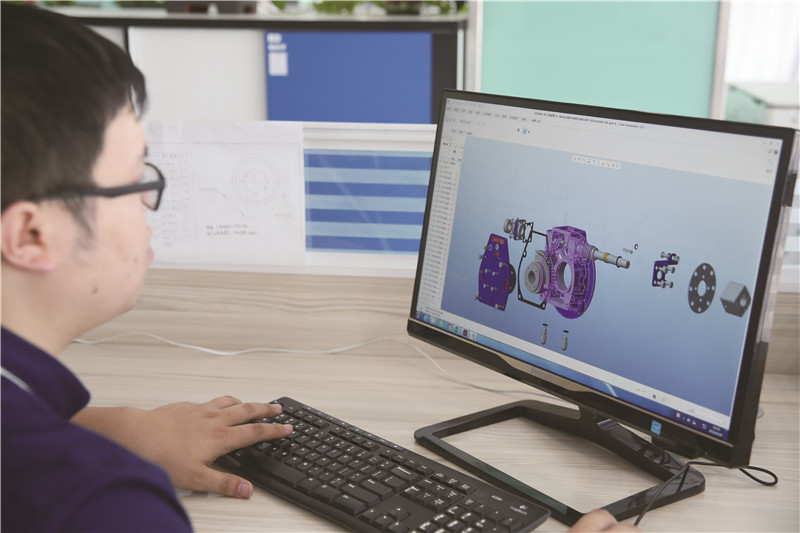
Using FEA helps us determine the optimum wall thicknesses and rib architectures for our pneumatic actuator casings and declutchable gearboxes. This structural validation guarantees that our components endure harsh seismic forces, external hydraulic hammer shocks, and aggressive industrial environments without structural fatigue or body failure.
To monitor manufacturing accuracy, Stard Automation employs a comprehensive, real-time ERP (Enterprise Resource Planning) management system. Every production order is logged, scheduled, and tracked down to individual line operators, machining steps, and raw material heat numbers. This full operational transparency eliminates scheduling bottlenecks, optimizes supply chain allocation, and ensures on-time deliveries for global engineering contracts.
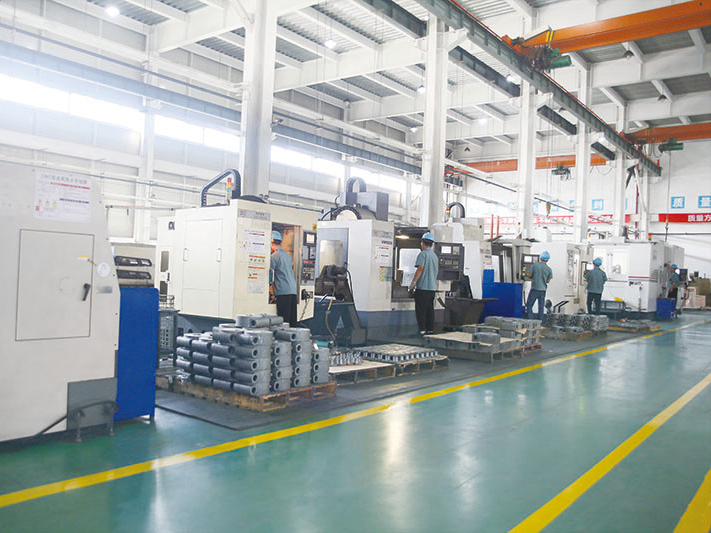
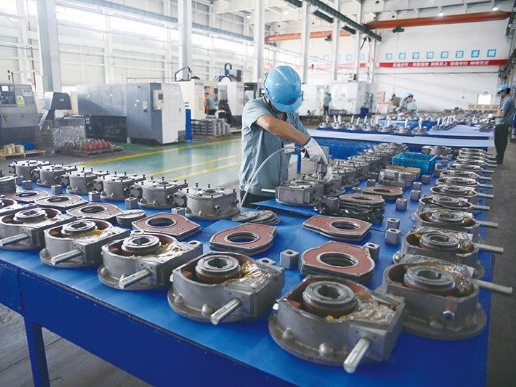
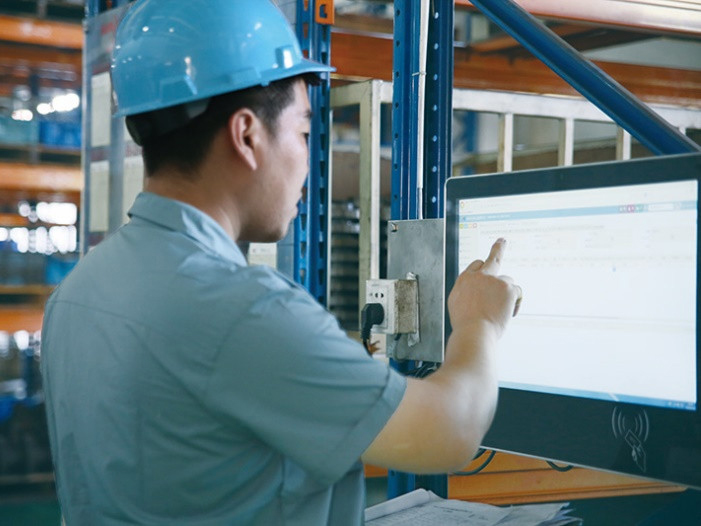
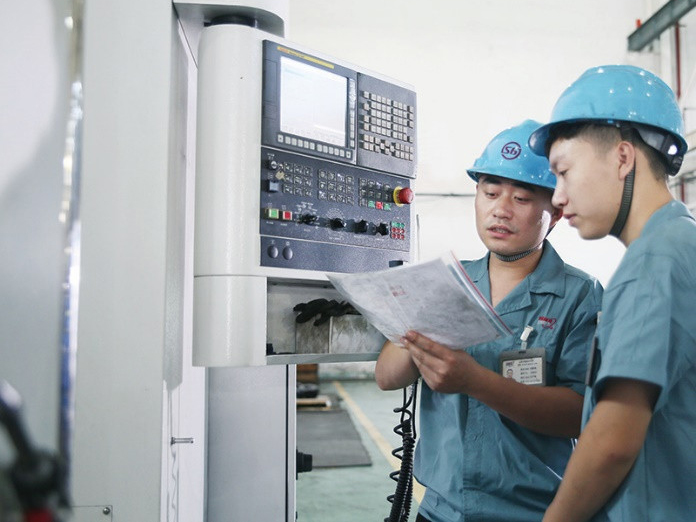
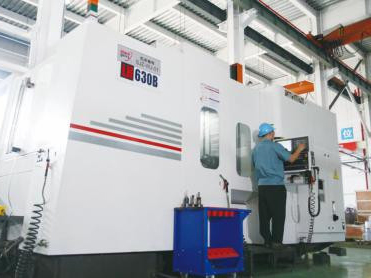
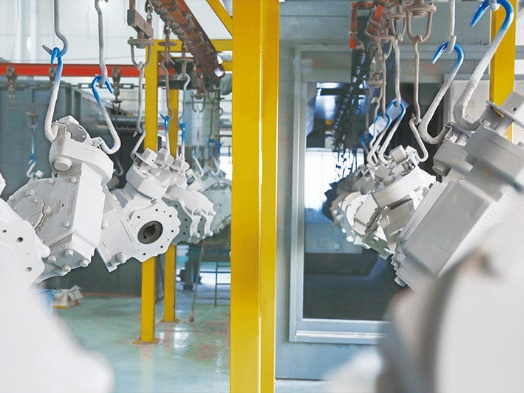
The annual output value of the Suzhou plant has scale to $9,000,000, translating to an annual production limit of 100,000 completed sets. This strong infrastructure makes us a preferred OEM partner for top-tier international valve brands and industrial EPC contractors.
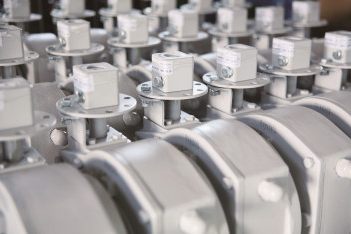
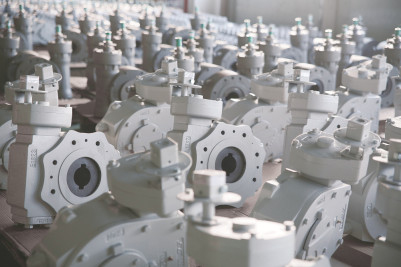
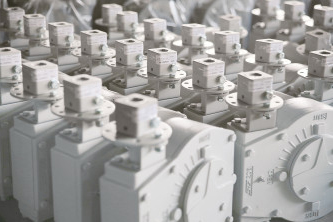
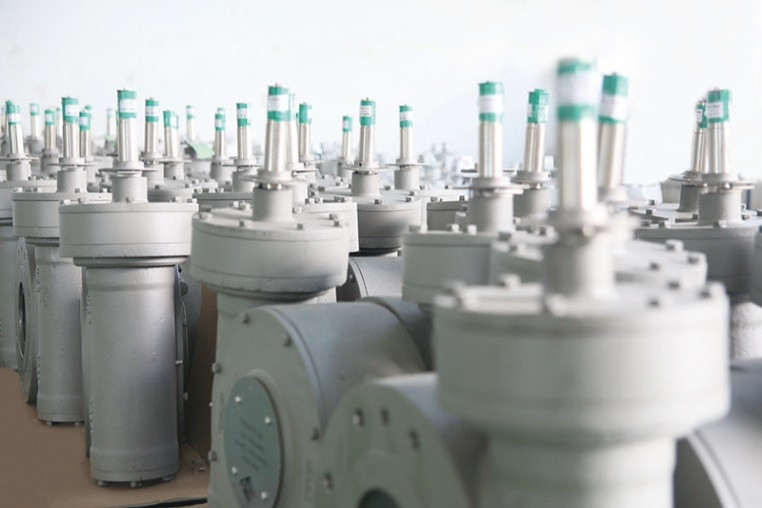
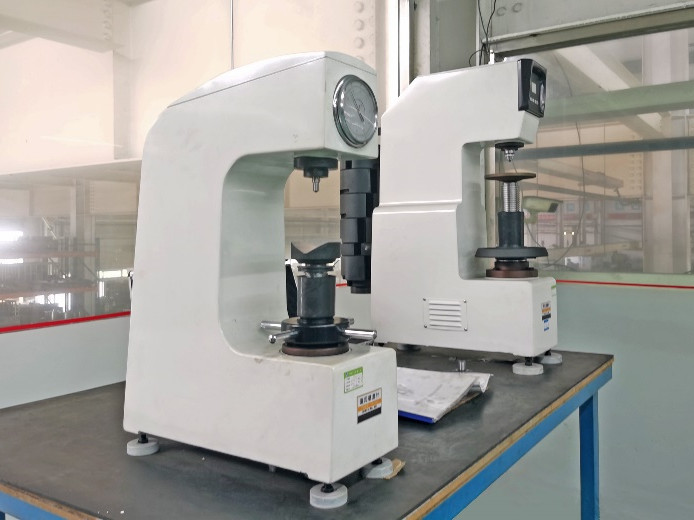
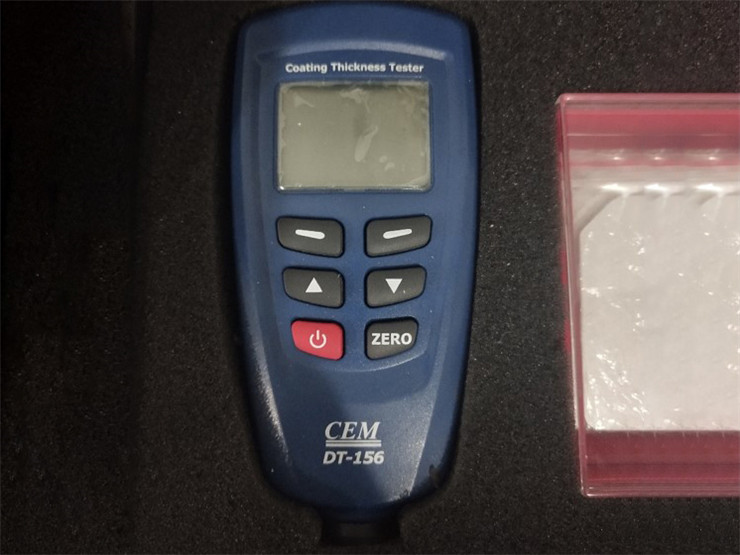
Quality at Stard-gears is a non-negotiable metric. To maintain a 100% qualification rate before shipment, we deploy full-time Quality Control (QC) officers at every point of the manufacturing pipeline. Our quality protocol operates through three distinct gates: Incoming Material Control (IQC), In-Process Quality Control (IPQC), and Outgoing Quality Assurance (OQA).
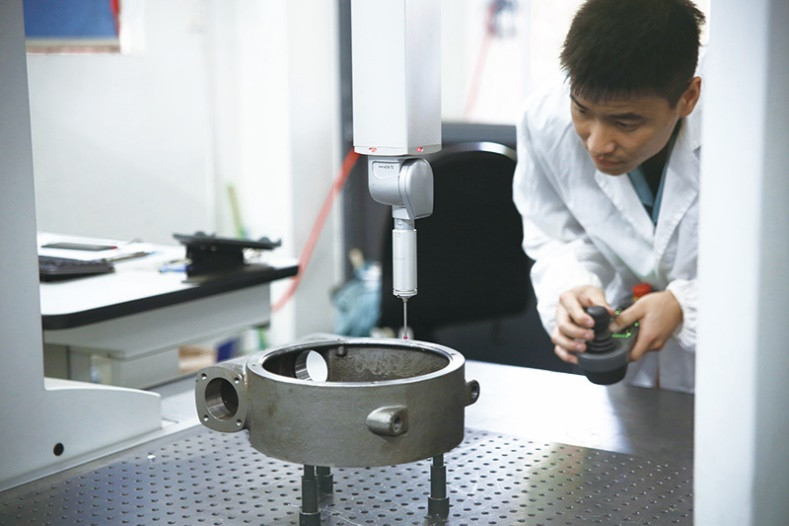
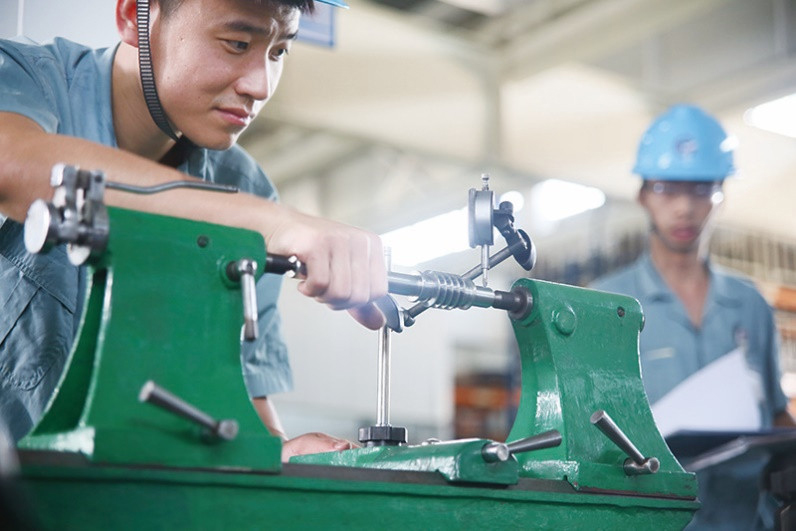
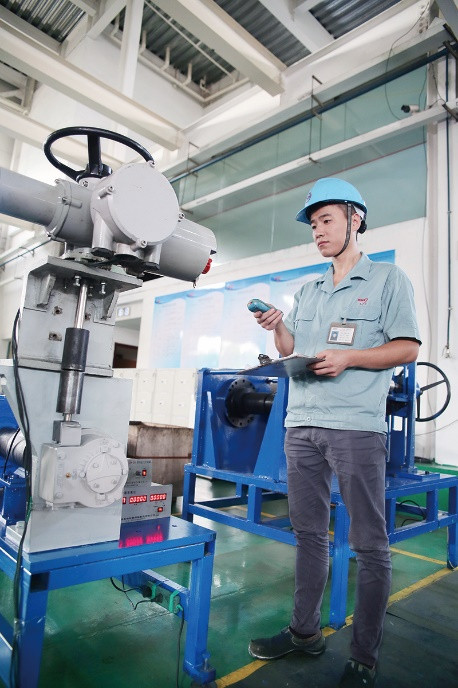
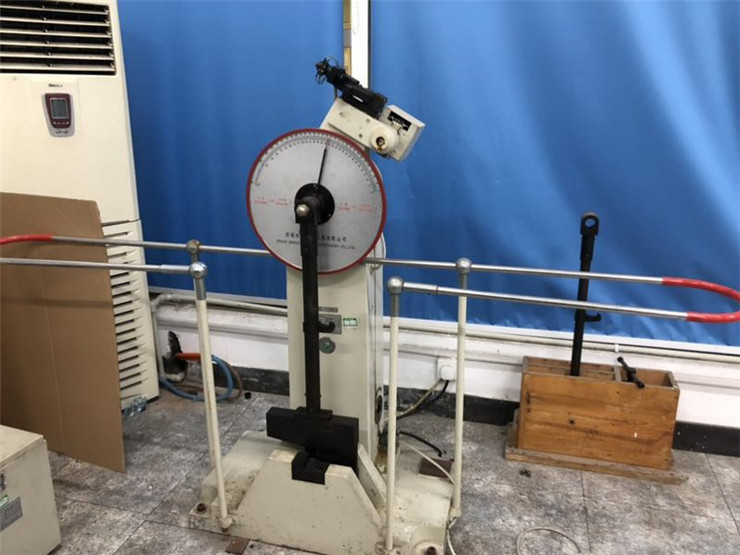
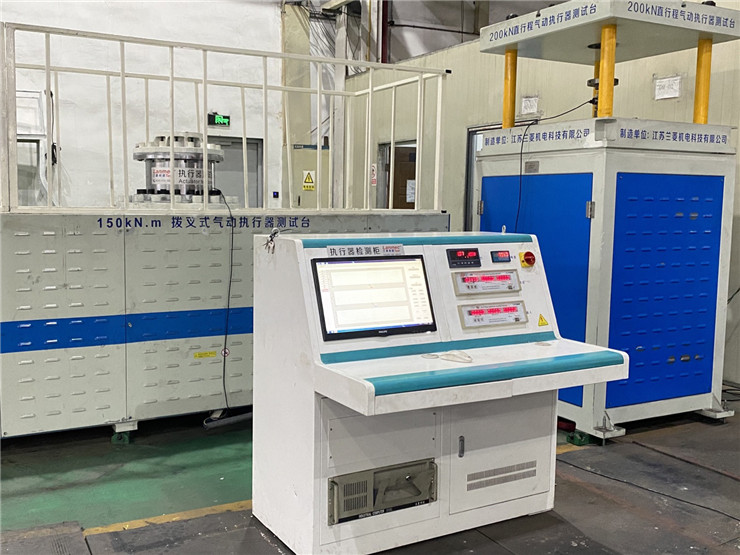
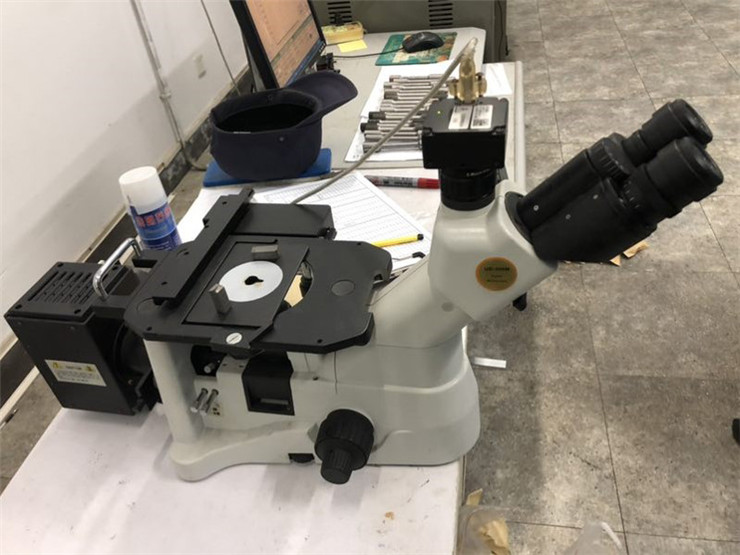
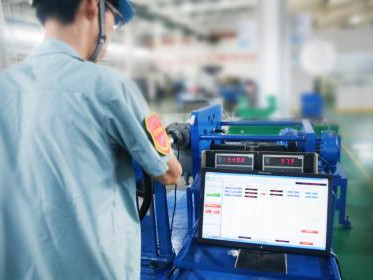
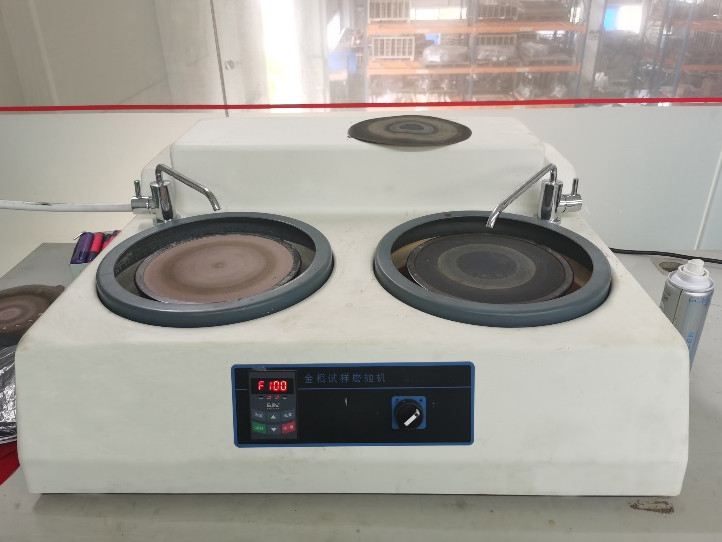
Stard Automation owns a complete suite of advanced inspection and testing equipment to evaluate each actuator under simulated field conditions. This includes high-capacity torque testing benches, pneumatic high-pressure gas tightness testers, salt spray chambers for corrosion testing, and life cycle testers designed to cycle assemblies under maximum operational load to verify mechanical durability.
Modern process facilities demand actuators certified to SIL 3 parameters under IEC 61508. Scotch yoke pneumatic actuators are heavily selected for safety instrumented systems (SIS) because of their predictable mechanical wear cycles, fail-safe spring architectures, and long-term diagnostic reliability.
Universal compatibility requires rigid adherence to ISO 5211. This standard outlines standard dimensions for the actuator flange and driving stem connection, allowing procurement departments to swap actuators and gearboxes across various quarter-turn ball, butterfly, and plug valves.
Offshore oil rigs, petrochemical platforms, and subsea pipelines require robust exterior protection. Multi-coat epoxy finishes, marine-grade polyurethane topcoats, and Electroless Nickel Plating (ENP) are standard specifications to combat high saline moisture, ambient humidity, and chemical exposure.
For heavy industry procurement directors, selecting a pneumatic actuator manufacturer involves evaluating more than just the base price. Crucial metrics include the breakaway torque (the torque required to lift a valve from its seat), running torque, and spring return values under critical loss-of-air events. Stard-gears provides complete torque profile charts and finite engineering specifications for each product series, helping engineers minimize safety margins and lower overall valve package costs.
The valve automation sector is transitioning towards smarter, more sustainable solutions. In this technological shift, three trends stand out:
Stard-gears actively monitors these technology shifts, continually refining our design methodologies to offer products compatible with the next generation of smart manufacturing plants.
Stard-gears pneumatic actuators and manual gear operators are engineered to perform in critical industrial processes. Key applications include:
Operating in refinery pipelines, LNG offloading bays, and chemical reactors. Here, scotch yoke pneumatic actuators provide the high torque profiles required to operate massive high-pressure metal-seated ball valves under extreme temperatures.
Critical steam bypass loops, turbine cooling systems, and cooling towers require fail-safe pneumatic actuators with manual overrides. The integrated declutchable gearbox ensures that in case of instrument air failure, operators can manually steer the valve back to safety.
Controlling flow in municipal wastewater pipelines, pumping stations, and RO desalination units. The environment demands reliable, high-durability epoxy-coated gear operators and aluminum alloy quarter-turn manual operators to resist continuous moisture exposure.
Industrial-grade gear operators designed to withstand severe weather, buried service, and high-frequency automation.