1 / 4

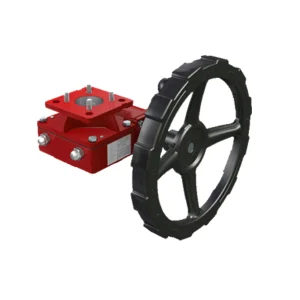
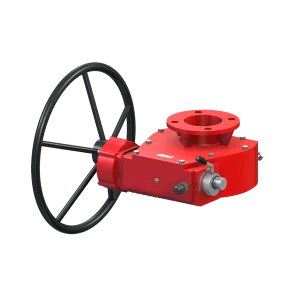
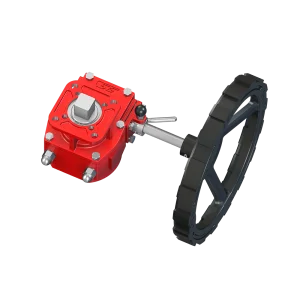
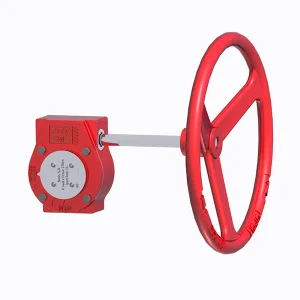
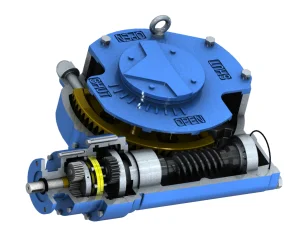
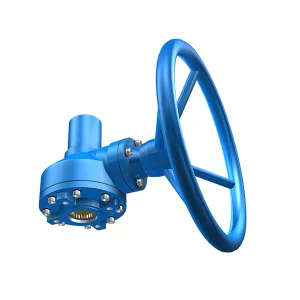
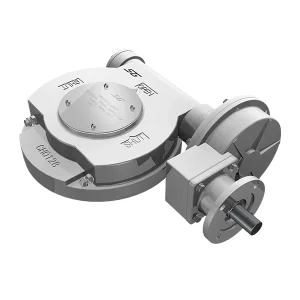
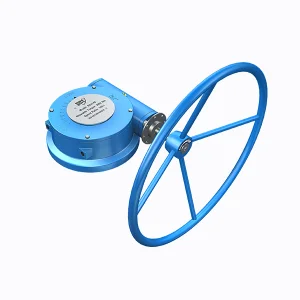
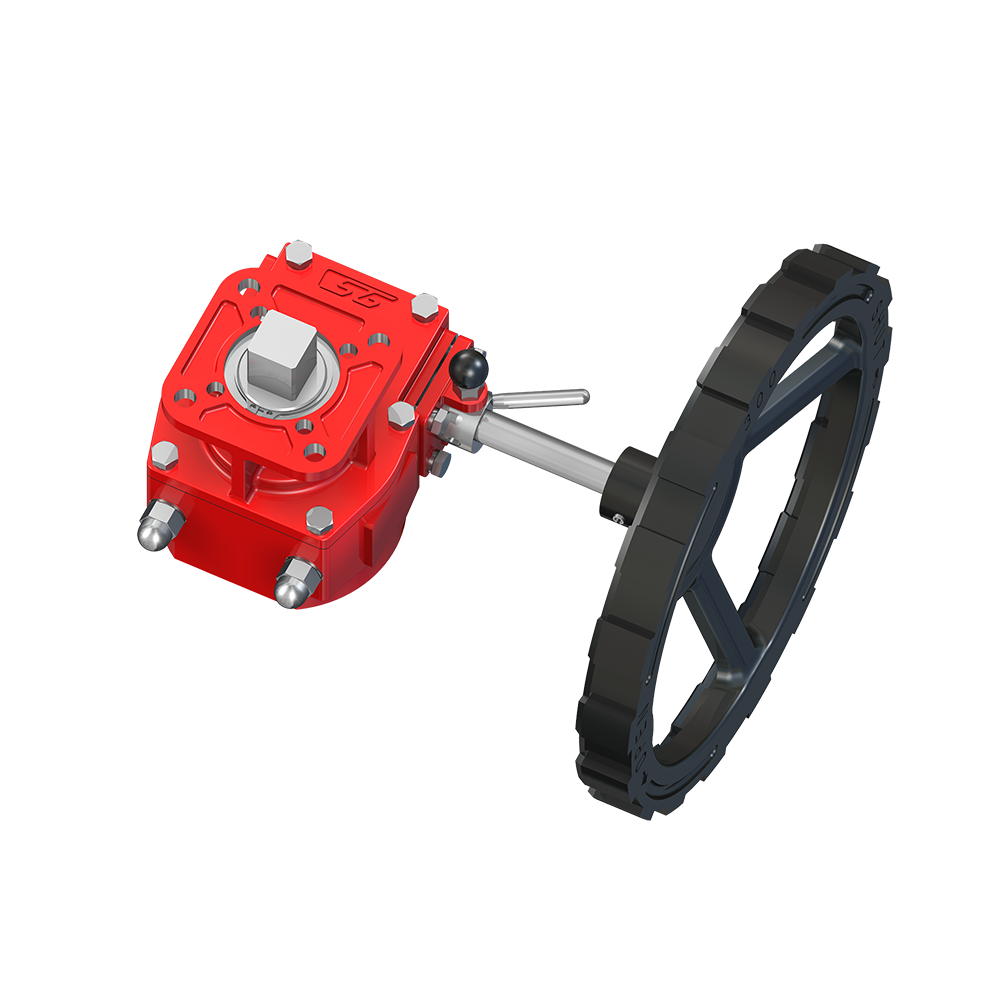
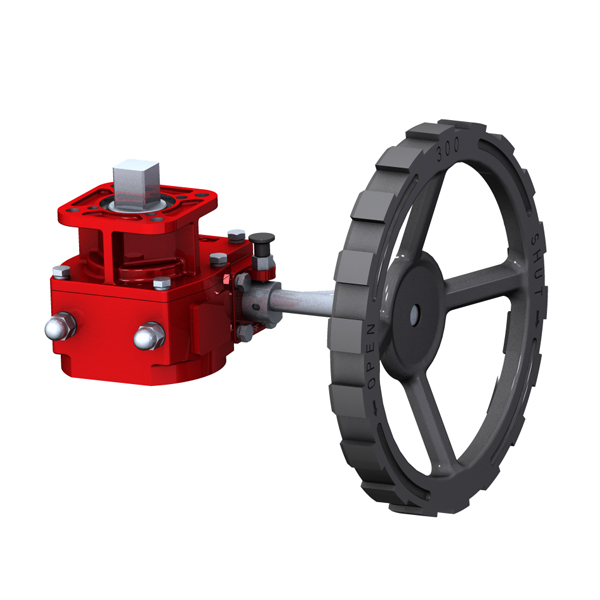
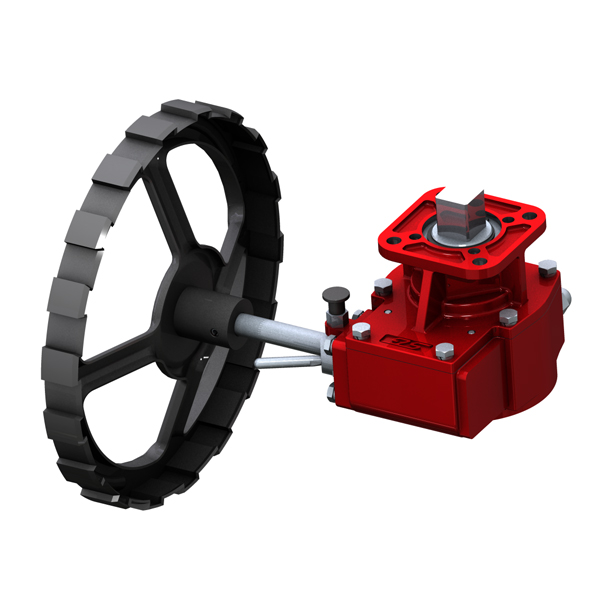
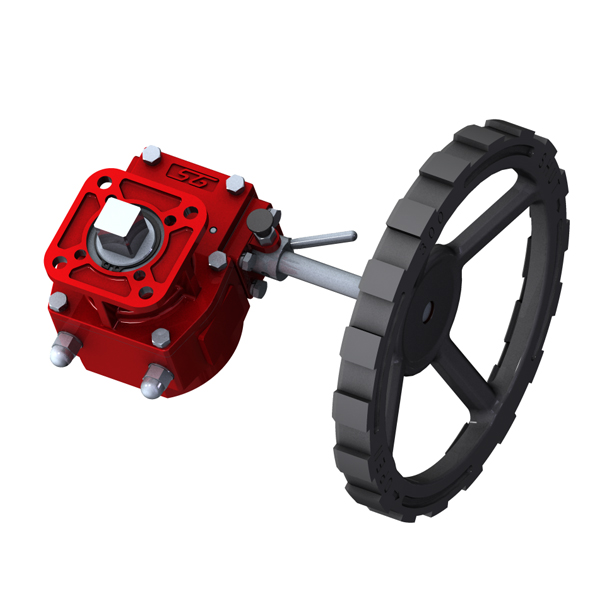
Connect the bottom side of the reducer to the valve and the bracket face to the cylinder. Then slide the valve shaft into the inner hole on the cylinder until the valve shaft end is well matched with the square hole of the cylinder on all four sides. A tooth collision may occur when rotating the lever (by 180° outwards) to engage the worm. In such case, you need to turn the hand-wheel to a certain angle so that they can become engaged with each other.
Actuating the device through pneumatic and manual means simultaneously is not allowed.
| Part name | Material |
|---|---|
| Insert | Carbon steel |
| Housing | Ductile iron |
| Worm gear | QT500-7/ Bronze |
| Bracket cap | Ductile iron |
| Hand wheel | Carbon structural steel |
| Model | Ratio | Rating input (Nm) | Rating output (Nm) | Efficiency (%) |
|---|---|---|---|---|
| SLJ30 | 35:1 | 35 | 300 | 24 |
| SLJ70 | 38:1 | 70 | 700 | 26 |
| SLJ120 | 54:1 | 90 | 1200 | 25 |
When manual operation is necessary, such as during power outages or system maintenance, the actuator must first be disconnected from the power source to prevent unwanted accidental operation.
Next, the operator engages the clutch mechanism. This engagement allows the gear override to engage the actuator and valve drive train and operate the valve open or closed.
In the normal operating mode, the gear operator is "declutched" or disengaged from the actuator and valve drive train, allowing the actuator to freely move the valve without interference.
The automated control system or electric motor drives the actuator, and the declutch gear remains in a disengaged state.
After manual operation is complete, the operator disengages the clutch mechanism to disconnect from the actuator and valve drive train.
After disengagement, the actuator can be reconnected to the power source for normal automated function.
No, actuating the device through pneumatic and manual means simultaneously is not allowed to ensure safe operation and prevent mechanical conflicts.
If a tooth collision occurs when rotating the lever 180° outwards, you need to turn the hand-wheel to a certain angle so that the gears can align and engage with each other properly.
The main housing is constructed of ductile iron, and the worm gear is made of QT500-7/Bronze or standard ductile iron depending on the specific model specifications.
The standard model operates efficiently between -20℃ and 120℃. Special configurations are available for extreme low temperatures down to -40℃ and high temperatures up to 320℃.
In normal operating mode, the gear operator is "declutched" or completely disengaged from the actuator and valve drive train, allowing the automated system to drive the valve without interference.
The rated output torque ranges from 300 Nm (SLJ30, 24% efficiency) up to 1200 Nm (SLJ120, 25% efficiency) depending on the selected model.