Engineered for high performance, reliability, and precision valve command
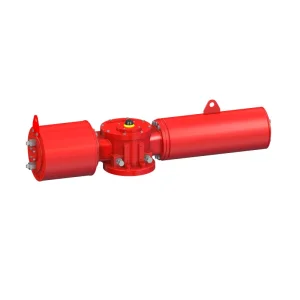
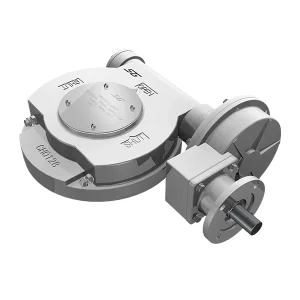
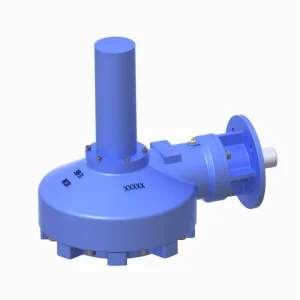
In heavy-duty valve automation, choice of actuator kinematics directly dictates operational integrity and system lifespan. The Scotch Yoke mechanism remains the engineering standard for high-torque applications. Unlike conventional rack-and-pinion actuators that generate a constant torque output, the Scotch Yoke actuator yields a torque curve that peaks at both the start and end points of its 90-degree rotational stroke.
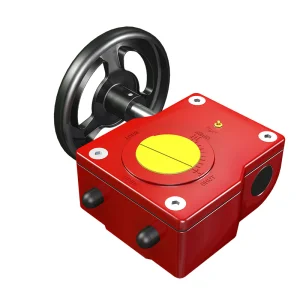
This dynamic profile matches the breakaway and seating torque requirements of ball, butterfly, and plug valves. In typical quarter-turn configurations, the torque demand is highest during break-open (cracking the valve seal against pressure) and shut-off (tight shut-off seating). Scotch Yoke actuators optimize energy efficiency by delivering maximum thrust at these key phases. Our YP Series Scotch Yoke Actuators are optimized for these requirements, minimizing mechanical stress and preventing structural fatigue in heavy-duty cycles.
Founded in 1999, Stard-gears has established itself in the valve control industry. Located in the Suzhou Industrial Park, our advanced manufacturing plant covers 8,900 m² with a dedicated 2,500 m² office space. We focus on continuous engineering innovation and operational excellence, yielding annual sales of $7,000,000, with a steady growth rate of 10% to 20% year-on-year. Our ISO9001 certification ensures compliance at every stage of production, helping us reach a production capacity of 100,000 sets of actuators and gearboxes annually.
Stard-gears provides valve control solutions for industries handling high pressures and demanding environments. Our products are used globally in oil, chemical, natural gas, nuclear, and water treatment applications. We prioritize product innovation and reliable solutions, helping customers improve operation safety and process control accuracy.
Our 25 years of industry experience allow us to supply cost-effective, high-reliability gear operators and actuators. In the last 10 years, our products have been exported to key international markets, including the United States, Italy, Germany, Mexico, Singapore, and Japan.
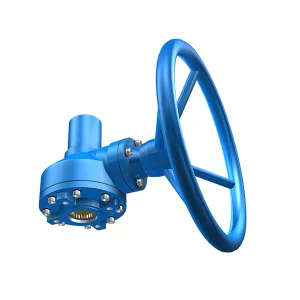
Stard-gears integrates research & development, production, sales, and trade. We support a range of configurations, offering 9 series and approximately 80 varieties of gear operators and actuators to meet standard and customized industrial specifications.
Our R&D processes utilize modern simulation technologies. Through 3D modeling, dynamic simulation, and Finite Element Analysis (FEA), our engineers verify mechanical designs and load paths before manufacturing begins. This process shortens the development cycle for custom requests, helps ensure structural safety, and reduces material waste, ensuring components can withstand maximum operating pressures.
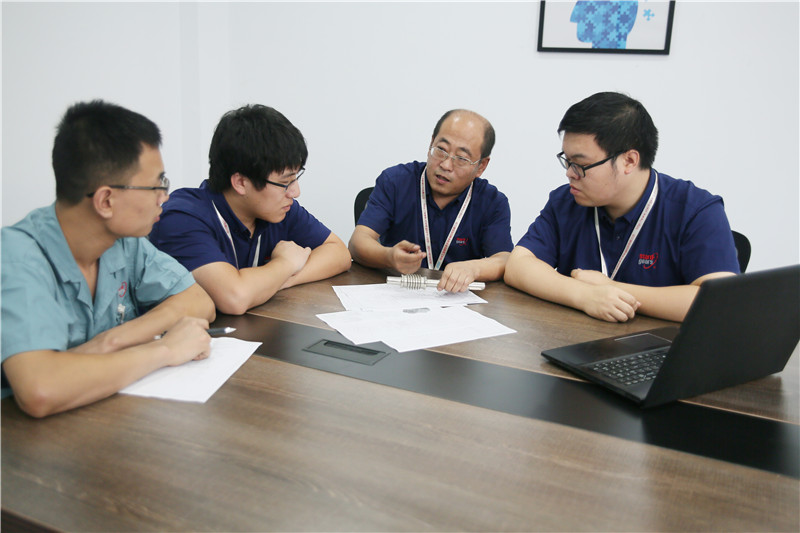
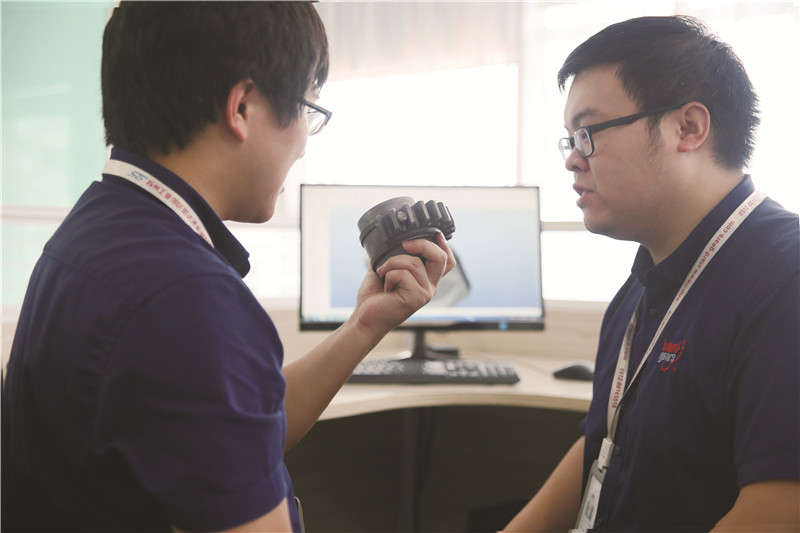
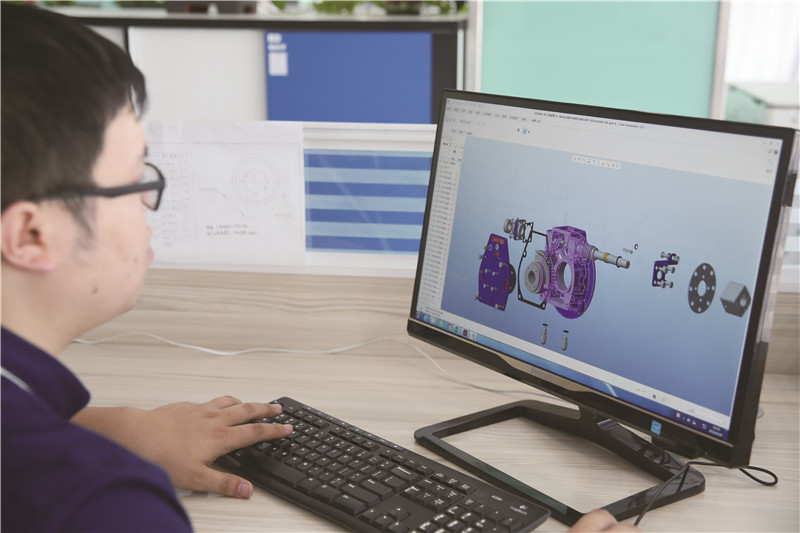
Our Suzhou plant runs a comprehensive ERP management system. This digital workflow provides visibility over production schedules, raw material stocks, machining runs, and quality inspections. Real-time monitoring helps improve resource allocation, reduce lead times, and ensure consistent on-time delivery for global orders.
With an annual output value of up to $9,000,000, our manufacturing lines handle batch production and custom single-run projects. The Suzhou facility is equipped with automated horizontal machining centers, multi-axis lathes, and custom test benches, enabling us to deliver up to 100,000 sets per year.
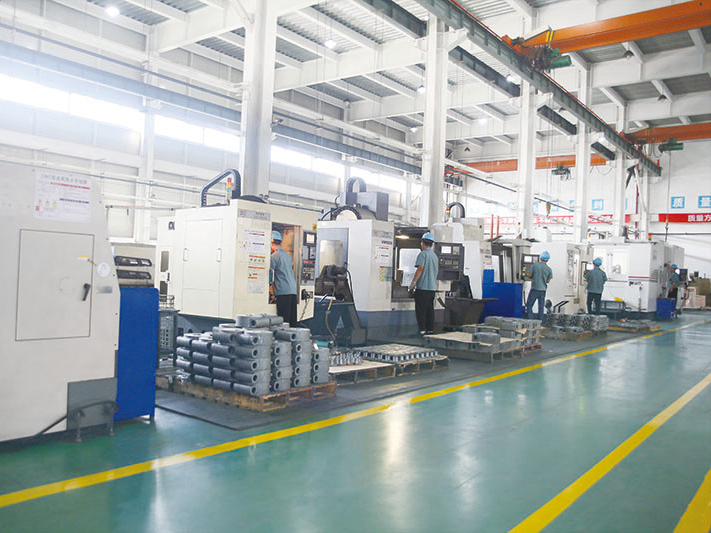
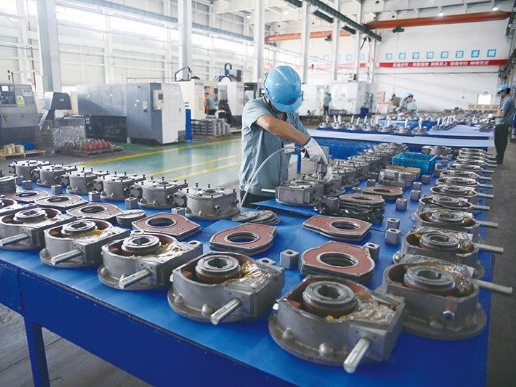
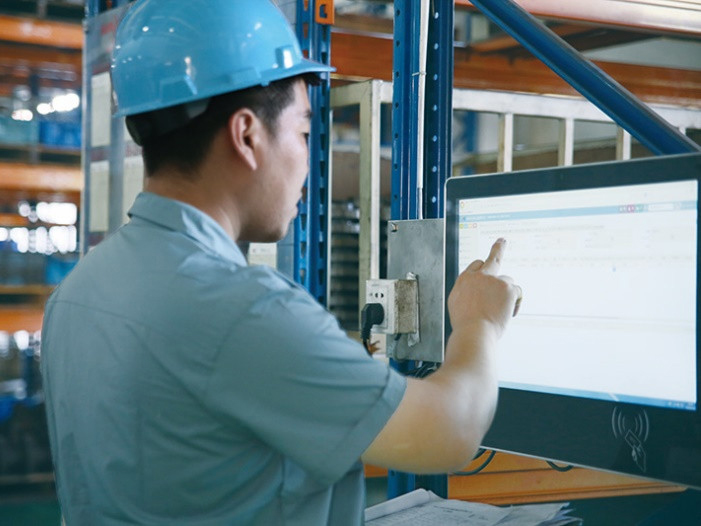
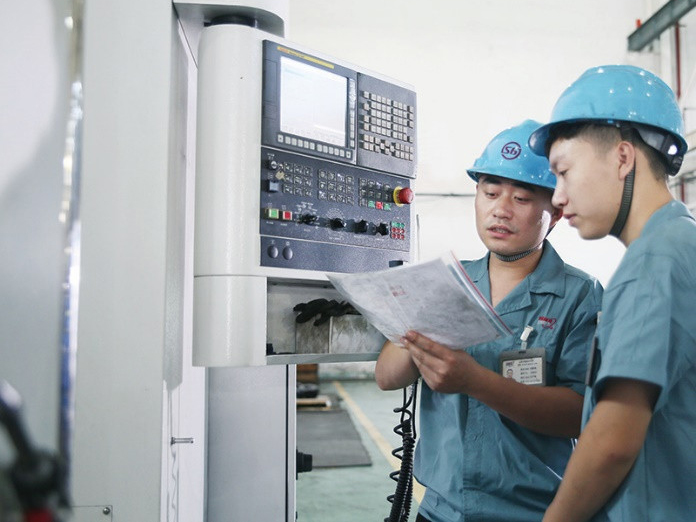
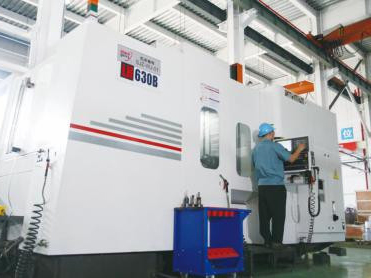
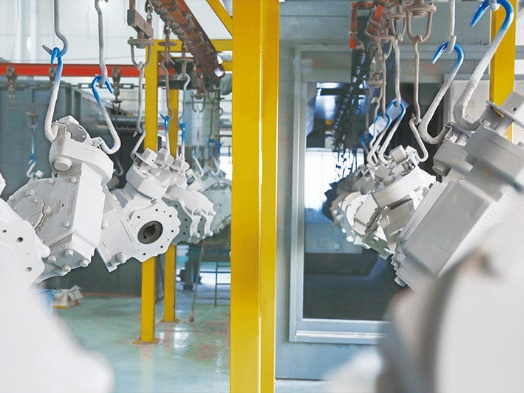
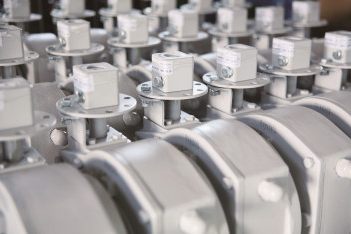
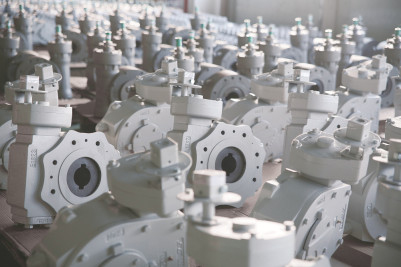
Stard-gears' facility in the Suzhou Industrial Park offers geographic and supply chain advantages. The Yangtze River Delta region contains a dense cluster of casting foundries, precision machining shops, surface treatment facilities, and component suppliers. This proximity reduces transit times and transport costs for raw castings, seals, and specialty steel bars.
We work with regional casting partners to secure ductile iron, WCB carbon steel, and CF8M/CF3M stainless steel castings. With nearby testing labs, heat treatment facilities, and plating operations (electroless nickel plating, zinc plating, epoxy powder coating), we can accelerate design modifications and shorten lead times compared to manufacturers reliant on fragmented supply lines. This enables us to maintain fast delivery speeds without compromising material quality or dimensional tolerance.
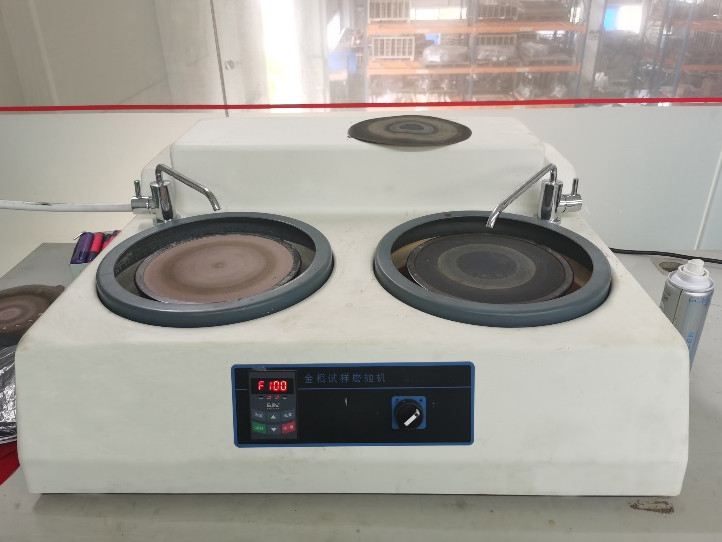
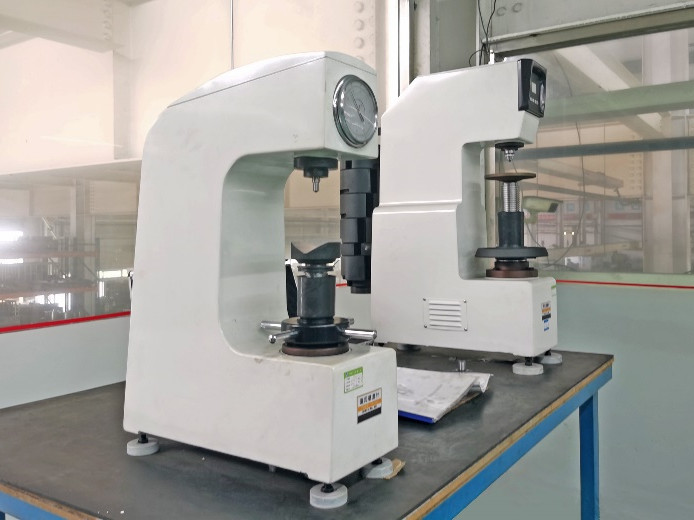
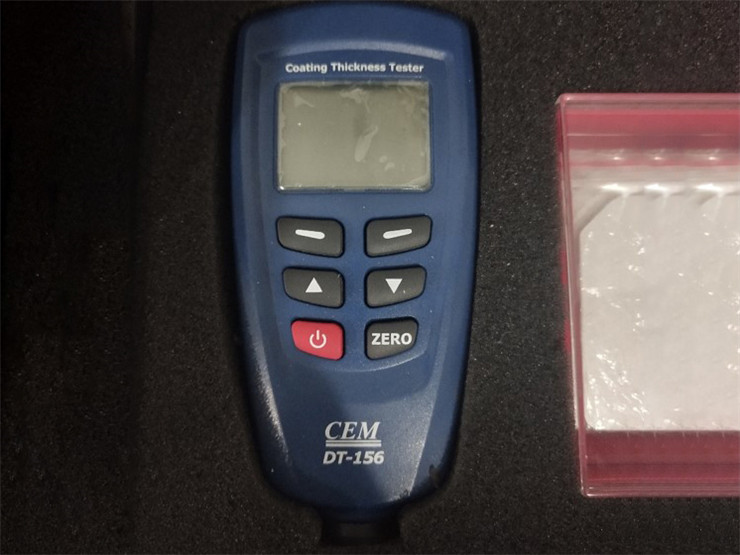
Our quality assurance program is designed to deliver reliable products. Stard-gears employs full-time quality control inspectors at every stage of production—from incoming raw materials (IQC) to in-process line inspections (IPQC), and final testing (FQC). All finished products must pass standard checks before packaging and dispatch.
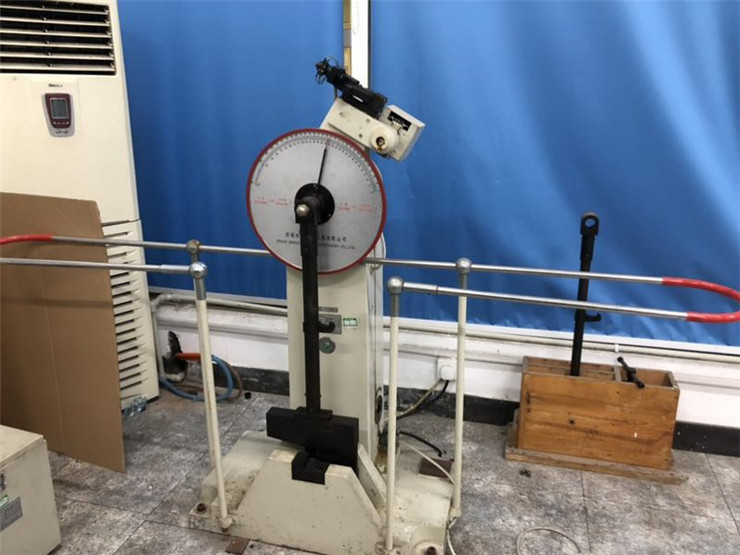
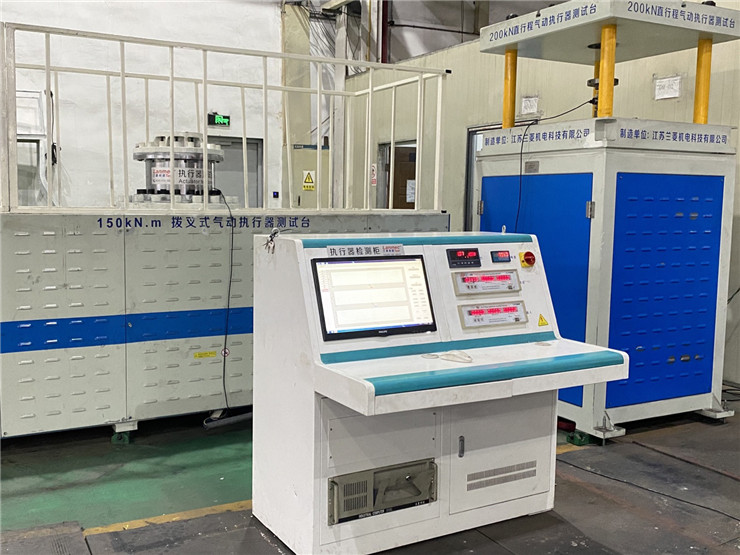
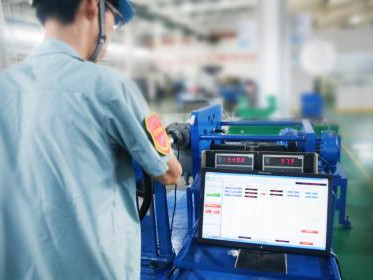
Our facilities include specialized testing equipment for torque performance and life-cycle tests. We verify starting, running, and ending torque output profiles against engineering specifications to confirm that each unit meets safety and design parameters.
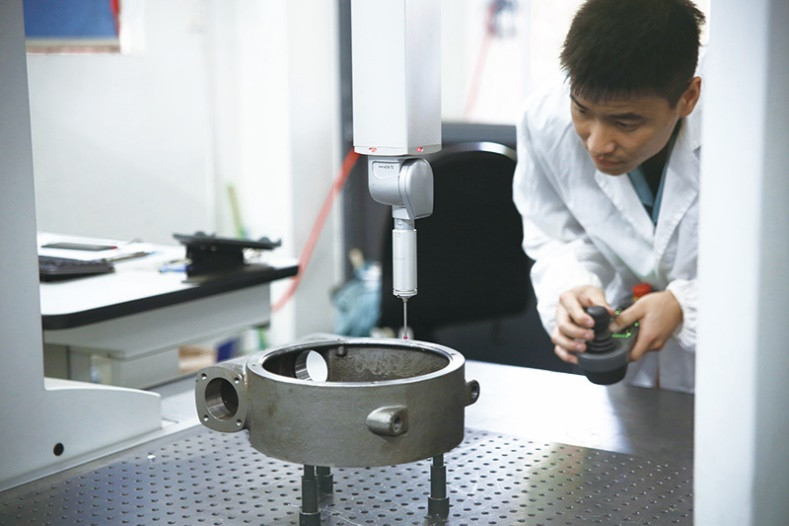
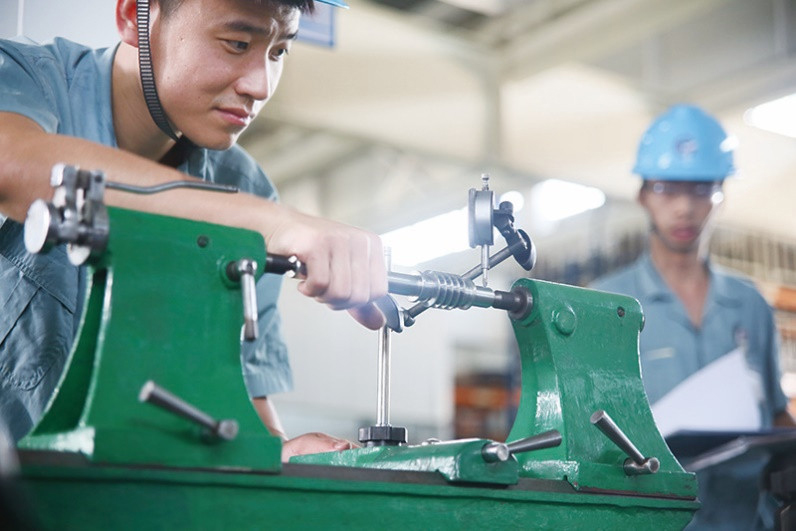
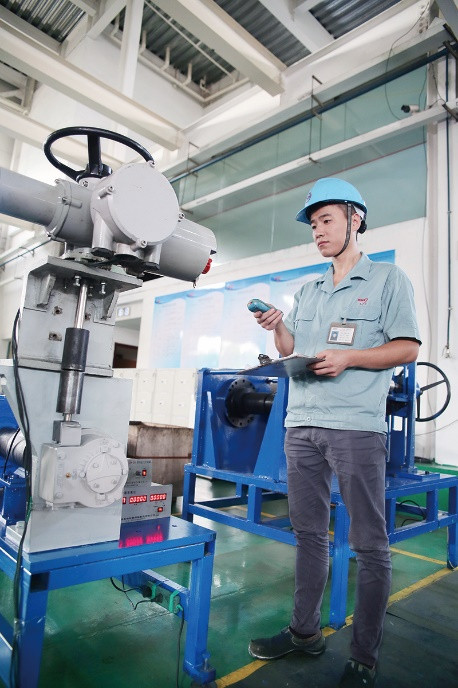
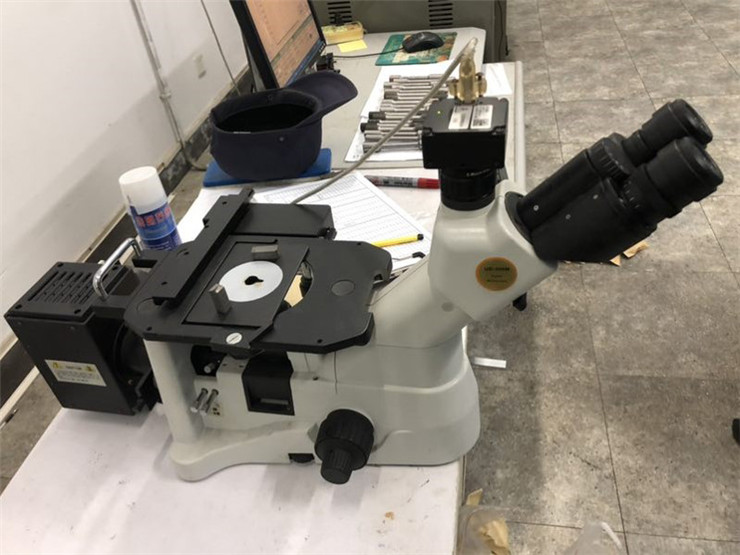
Our technicians use coordinate measuring machines (CMM), ultrasonic thickness gauges, magnetic particle defect detectors, and torque testing rigs to confirm tolerance compliance and structural integrity. This prevents micro-cracks or sizing discrepancies from affecting performance in high-cycle installations.
Heavy industries require flow control equipment that operates reliably in extreme environments, such as high-temperature chemical reactions, deep subsea lines, and cryogenic liquified natural gas transport. Stard-gears designs and manufactures valve control systems for these conditions.
Global procurement teams seek manufacturers that offer technical compliance, cost-effectiveness, and stable lead times. Stard-gears works with international EPC (Engineering, Procurement, and Construction) companies and valve packagers to customize configurations, dimensions, mounting flanges (ISO 5211), and coating systems.
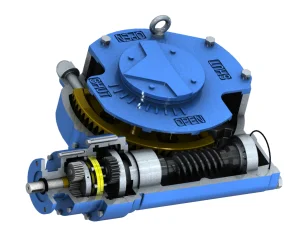
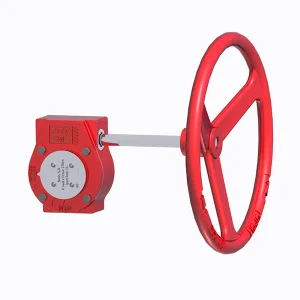
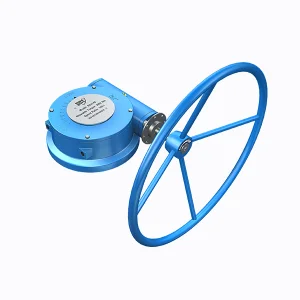
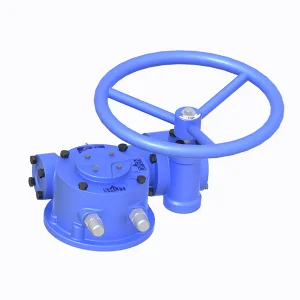
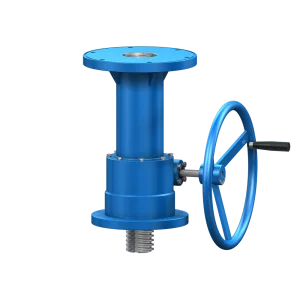
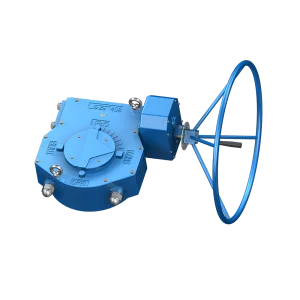
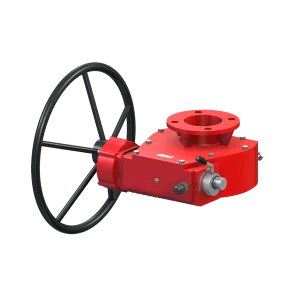
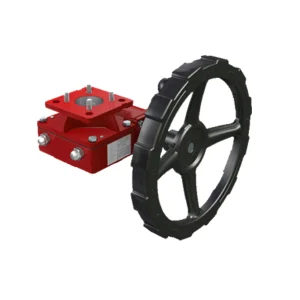
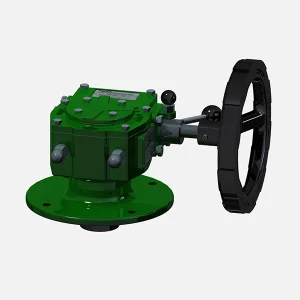
For subsea or underground installations, we manufacture customized buried-service gear operators with extension shafts and IP68 waterproof ratings. For systems requiring manual override, our Declutchable Gear Operators (SLJ WCB series) allow plant operators to switch between pneumatic actuation and manual control during maintenance or utility loss, maintaining control over critical processes.
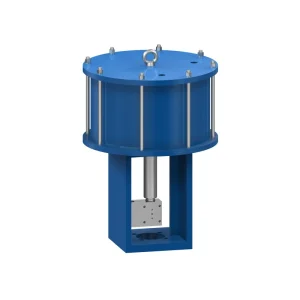
The valve automation sector is evolving toward smart systems and reduced carbon emissions. The integration of digital positioners and smart diagnostic modules allows for predictive maintenance, tracking parameters like cylinder friction, seal wear, and response delays before a hardware fault occurs.
In addition, reducing fugitive emissions remains a priority. Energy-efficient pneumatic cylinders, designed to minimize control gas consumption, help lower the carbon footprint of production plants. Stard-gears continues to design low-emissions seal configurations and light-weight, high-strength alloys to support sustainable operations.
Explore our complete range of manual overrides, linear actuators, and specialized gearboxes