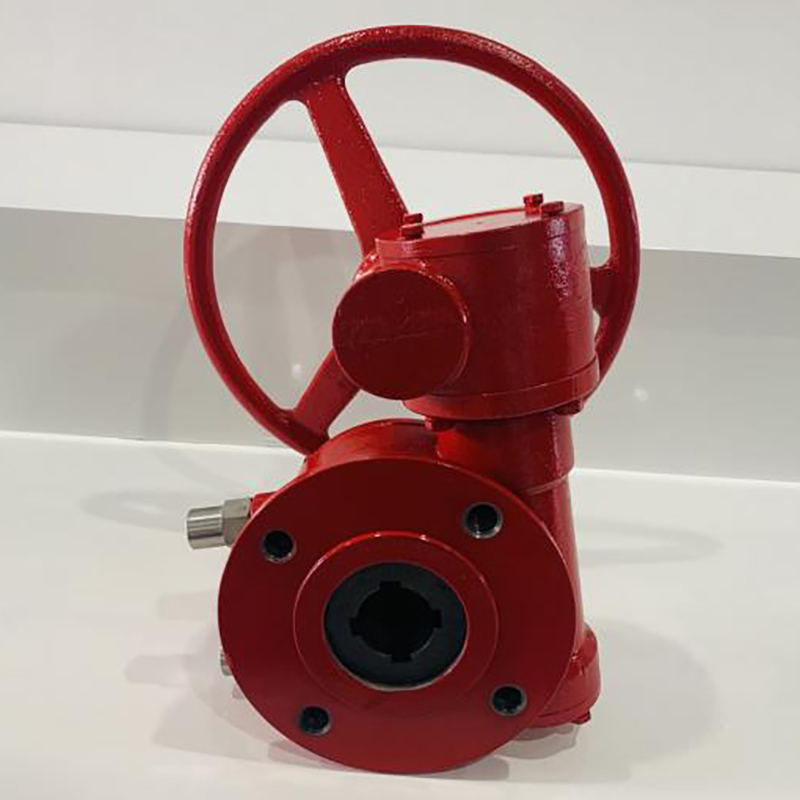
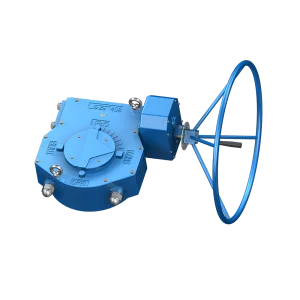
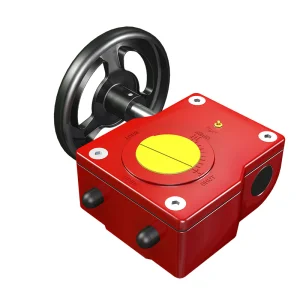
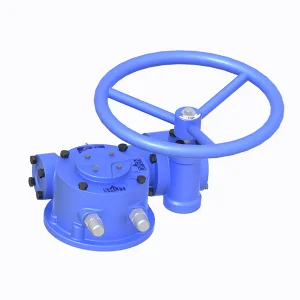
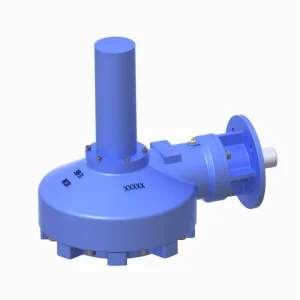
CE Certification Underground Pipe Valve Gearbox Buried Applications Manufacturers, Suppliers
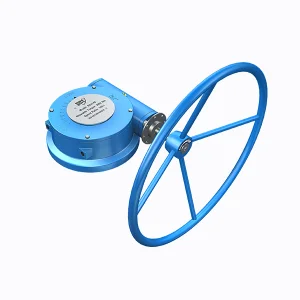
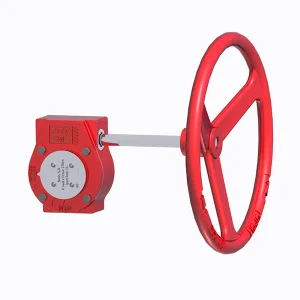
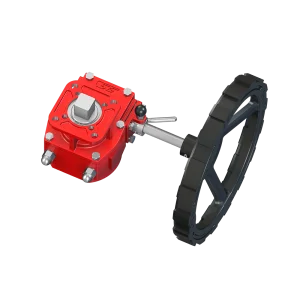
This series consists of 6 models varying from 182:1 to 780:1 in terms of gear ratio and from 1500NM to 15000NM in terms of torque.
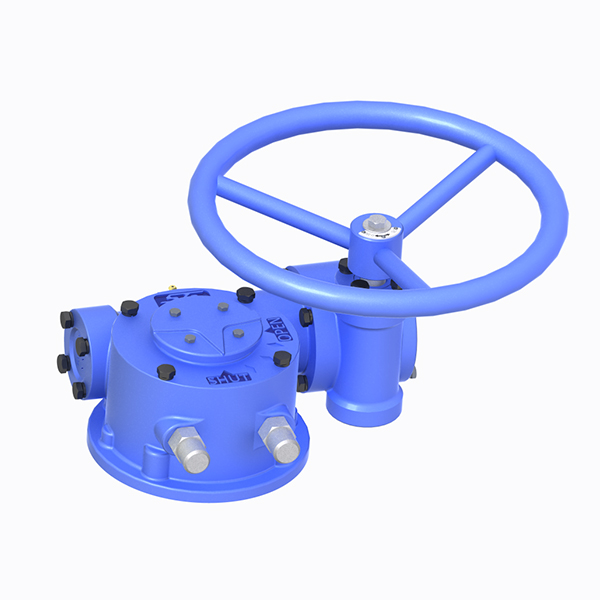
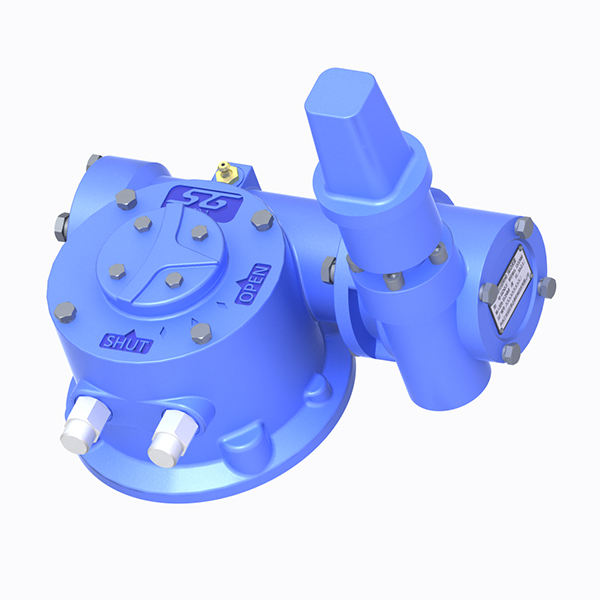
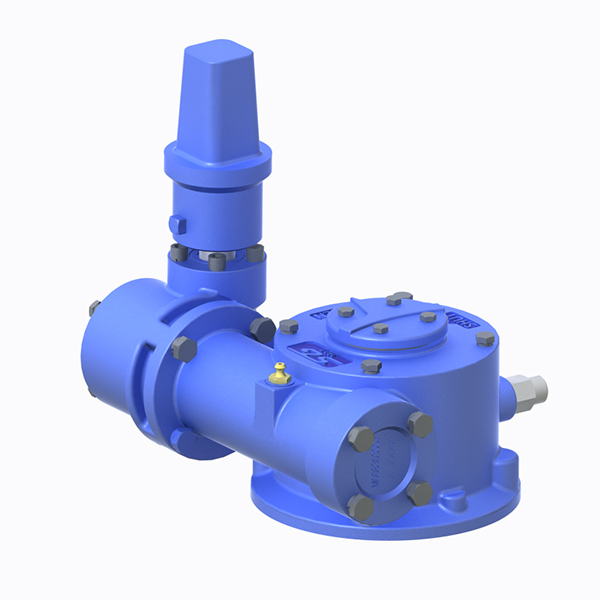
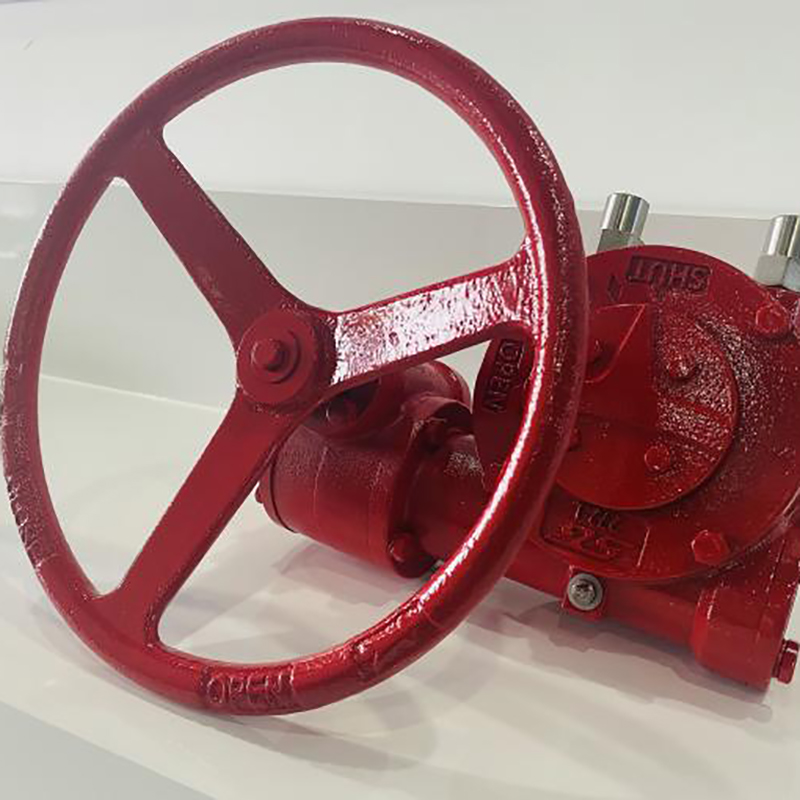
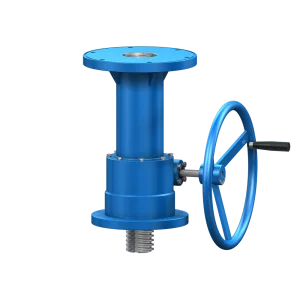
The input stage can be adjusted by 90° and can be operated with a choice of handwheel or T-stem, usually used for valves in underground pipeline networks (e.g. butterfly valves, ball valves, etc.)
Connect the bottom flange of the gear operator to the upper flange of the valve and slide the valve shaft into the hole on the worm gear. Tighten the flange bolt. The valve can be closed by turning the hand-wheel clockwise and opened by turning the hand-wheel counterclockwise. On the upper face of the gear operator, a position indicator and a position marking are mounted, through which the position of switch can be directly observed. The gear operator is also equipped with a mechanical limit screw, which can be adjusted and function to limit the position at the switch extreme position.
Input shaft and worm are integrated (higher strength)
Frequently Asked Questions
How do I operate the valve using the gear operator?
The valve can be closed by turning the hand-wheel clockwise and opened by turning the hand-wheel counterclockwise.
How can I check the current valve switch position?
The switch position can be directly observed through the position indicator and position marking mounted on the upper face of the gear operator.
What temperature ranges can this gear operator withstand?
It can withstand extreme temperatures from low to -46 °C and high temperatures up to +200 °C. The standard suitable working condition range is -20℃ to 120℃.
What is the maximum torque output capacity of these models?
There are 6 models available that provide a range of output ratings, reaching a maximum output torque of up to 15,000 Nm for the SDQ8 model.
Is the valve stroke adjustable?
Yes, the stroke is 0 to 90° and is adjustable by ± 5°. The mechanical limit screw helps restrict the position at the extreme switch position.
What materials are used for the main components?
The housing and cover are constructed of durable ductile iron, the input shaft is protected steel (with optional stainless steel), the worm is made of carbon steel, and the sealing materials are NBR.