
Selecting the right Water Treatment Valve Gearbox can influence plant safety, flow control, and long-term maintenance costs. Global buyers often compare torque capacity, enclosure protection, materials, and operating conditions before approving a supplier. A gearbox that performs well in a clean indoor room may struggle beside salt spray, chlorine vapors, or constant humidity.
This guide reviews seven valve gearbox options for municipal plants, industrial facilities, desalination systems, and wastewater networks. It considers practical details, including handwheel effort, output torque, mounting compatibility, lubrication access, and corrosion-resistant finishes. Reliable models should support repeatable valve positioning without excessive backlash or difficult servicing. Small details matter. A jammed actuator can delay an entire treatment line.
The comparison also reflects real purchasing concerns, such as documentation, factory testing, spare parts, and after-sales support. Buyers should verify specifications against their actual valve size, pressure range, duty cycle, and local installation conditions. No single gearbox suits every project. That point is easy to overlook. Some recommendations may appear strong on paper but require further inspection in harsh environments or unusual layouts. Product data can also vary between suppliers, so independent checks remain valuable. With engineering judgment and clear technical questions, buyers can narrow the field and select equipment that is dependable, serviceable, and appropriate for global water treatment applications.
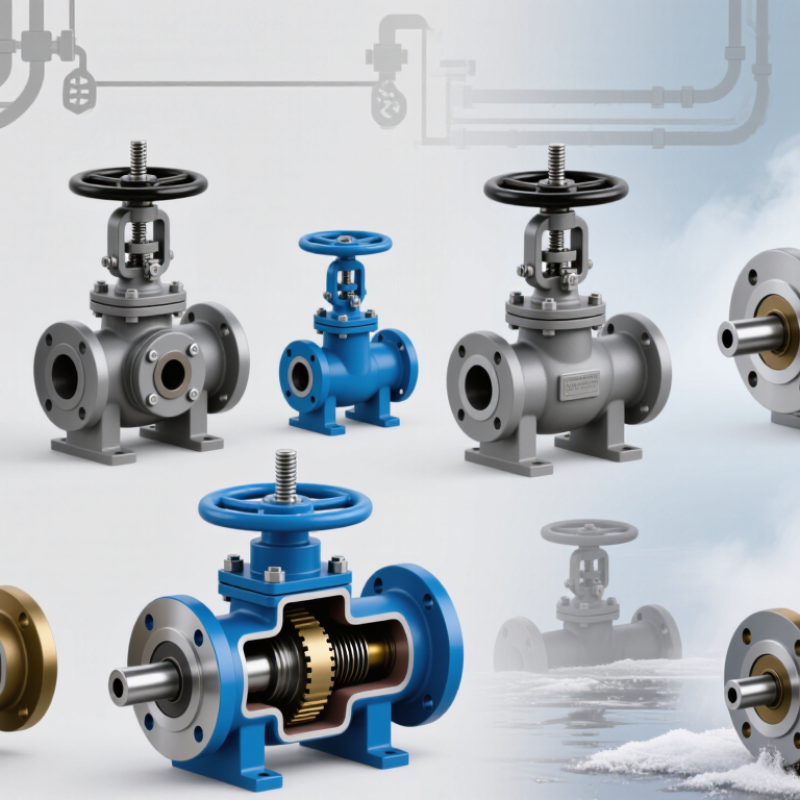
Water treatment valve gearbox basics start with torque. A gearbox converts actuator speed into controlled valve movement. A handwheel or electric actuator turns the input shaft. Worm, bevel, and spur gears change speed, direction, and output force.
Quarter-turn gearboxes suit butterfly and ball valves. Multi-turn units serve gate and globe valves. That distinction matters.
The WHO/UNICEF Joint Monitoring Programme 2023 report estimates that 2.2 billion people lacked safely managed drinking water in 2022.
Reliable isolation and flow control therefore support essential infrastructure. During operation, input torque passes through gears to the valve stem or shaft. The gear ratio increases torque but reduces travel speed. Correct sizing must consider breakaway torque, seating torque, pressure, friction, and temperature.
The U.S. EPA’s 2024 Drinking Water Infrastructure Needs Survey estimates 625 billion dollars in needs over twenty years. Maintenance access and corrosion resistance are practical purchasing criteria.
Global buyers should check enclosure protection, duty cycle, manual override, travel stops, and position indication. Mounting dimensions should match ISO 5211 where applicable. Lubricant selection changes performance in wet or chemically aggressive rooms. A worm gearbox may hold position, but self-locking is not guaranteed under every load. That assumption deserves review. Field teams should verify torque with calibrated instruments, not guess from valve size. Record opening time, backlash, and unusual noise during commissioning. Small errors become shutdowns.
7 Best Water Treatment Valve Gearboxes for Global Buyers
Key Selection Criteria for Global Water Treatment Projects
Water treatment projects demand more than rated torque. The WHO/UNICEF Joint Monitoring Programme reported that 2.2 billion people lacked safely managed drinking water in 2022. That pressure makes dependable valve control essential. Start with torque calculations, including breakaway force, line pressure, valve size, and a safety margin. Oversizing can waste money and reduce control accuracy. Undersizing can stop a critical process.
Check the operating environment carefully. Select corrosion-resistant housings for humid rooms, coastal sites, and chemical dosing areas. Confirm the enclosure rating, temperature range, lubrication method, and duty cycle. ISO 5211 compatibility can simplify mounting across international projects. However, interface dimensions alone do not prove performance. Request torque curves, cycle-test records, material certificates, and traceable inspection documents. Ask whether manual override remains practical during power loss.
The United Nations World Water Development Report 2024 highlights rising water stress and growing infrastructure demands. A gearbox should therefore support maintainability, not only initial installation. Look for accessible inspection points, replaceable seals, clear position indicators, and local spare-part availability. Delivery planning also matters. Confirm export packaging, documentation languages, and service response times before purchase. A lower price can look attractive. It may become an expensive mistake. I would not pretend one gearbox suits every plant; chemical exposure, valve type, and maintenance skill can change the decision. Test the complete valve-and-gearbox assembly when possible, because isolated component data may hide real operating problems.
How to read this chart: The ranges show typical mechanical transmission efficiency for common industrial gearbox configurations used with water-treatment valves. Actual performance depends on gear ratio, load, duty cycle, lubrication, temperature, sealing, and actuator design.
7 Best Water Treatment Valve Gearboxes for Global Buyers
Selecting a gearbox depends on movement, torque, water quality, and maintenance access. UN-Water reported that 2.2 billion people lacked safely managed drinking water in 2022. Reliable valve control is not optional. It protects treatment continuity.
A worm gearbox suits infrequent isolation on butterfly valves. Its self-locking action can help prevent unwanted movement. A bevel gearbox fits large gate valves, especially where operators need lower handwheel effort. A helical gearbox supports repeated cycles with improved mechanical efficiency. For remote plants, an electric actuator gearbox enables scheduled opening, feedback, and alarm integration.
Small details matter. Check ISO 5211 mounting dimensions and calculate breakaway torque, not only running torque. A quarter-turn gearbox works well with ball and plug valves. A multi-turn gearbox supports rising-stem valves and penstocks. Pneumatic rack-and-pinion systems suit rapid cycling, but compressed-air quality becomes critical. Corrosion-resistant sealed gearing is useful in coastal or chemically aggressive rooms.
The International Energy Agency notes that water services consume significant electricity through pumping and treatment operations. Efficient gearing can reduce avoidable actuator demand, although savings vary by installation. That point is often overstated. Site testing still matters. Operators should compare duty cycle, enclosure protection, manual override, spare-part access, and local service capability before selecting one of these seven options.
Choosing a water treatment valve gearbox starts with torque, not price. The gearbox must handle the valve’s running torque, breakaway torque, and occasional overload. Add a safety margin, but avoid excessive sizing. An oversized unit can reduce control accuracy and increase installation costs. In field inspections, seized valves often need more torque than the original design suggests. Sediment, corrosion, and infrequent operation are common causes.
Materials should match the environment. Ductile iron suits many indoor systems, while coated steel or stainless components perform better in humid rooms and coastal facilities. Check the shaft, housing, fasteners, and internal gears separately. One weak component can limit the whole gearbox. Protection ratings also need practical interpretation. An IP rating may resist dust and water, but it does not replace correct cable glands, drainage, or regular inspection.
Tips: Ask for tested torque data, not only a nominal rating. Confirm the valve stem size and mounting pattern. For outdoor units, inspect seals after seasonal temperature changes. Keep a simple maintenance record. It may reveal a pattern before failure. Lubrication intervals depend on duty cycle, temperature, and orientation. Some specifications look complete, yet omit emergency operation or handwheel access. That omission deserves a second review. A gearbox that is easy to inspect usually remains reliable longer.
7 Best Water Treatment Valve Gearboxes for Global Buyers
Buying water treatment valve gearboxes requires more than comparing torque and price. Start with compliance, operating conditions, supplier traceability, shipping, and after-sales support. Match the gearbox to valve movement, torque demand, duty cycle, and emergency operation. Use ISO 5210 or ISO 5211 for actuator mounting, depending on the valve design. IEC 60529 ingress protection ratings also matter in wet pump rooms. IP ratings alone are not enough. Corrosion-resistant coatings and sealed housings need verification.
UN-Water’s World Water Development Report 2024 states that agriculture accounts for roughly 70% of global freshwater withdrawals. This pressure encourages treatment upgrades, but equipment selection remains site-specific. Stainless components may suit corrosive environments, while coated ductile iron can reduce cost in controlled conditions. Do not guess. Request torque curves, material certificates, test records, and maintenance intervals. A small document gap can become a large commissioning delay.
Supplier capability affects the purchase well after production. The World Bank Logistics Performance Index 2023 evaluates customs, infrastructure, shipment reliability, and delivery timeliness. Ask whether the supplier can provide export packing, moisture protection, spare parts, and clear customs documentation. UNCTAD’s Review of Maritime Transport 2023 notes that over 80% of global merchandise trade moves by sea, so shipping damage deserves serious attention. Support matters. Remote troubleshooting, local service partners, and response times should appear in the contract. I would not choose the lowest quote without checking these details. A lower price can mislead.
Comparative selection guide based on common water-treatment valve duties, internationally recognized standards, logistics requirements, and after-sales support criteria.
| Rank | Gearbox Type and Best-Fit Duty | Typical Valve Compatibility | Indicative Output Torque | Typical Ratio Range | Environmental Protection | Materials and Corrosion Considerations | Key Standards to Request | Global Buying and Supplier Checks | Shipping and Support Priorities |
|---|---|---|---|---|---|---|---|---|---|
| 1 |
Heavy-Duty Worm Gearbox Recommended for reliable manual operation of large isolation valves and sluice gates. |
Butterfly valves Gate valves Sluice gates | Approximately 250–25,000 N·m, depending on frame size and service factor. | Typically 30:1–400:1; higher ratios provide increased handwheel force multiplication and slower operation. | Look for IP65–IP68 protection where equipment is exposed to washdown, flooding, or underground chambers. | Ductile-iron or cast-iron housing; sealed bearings; stainless-steel input shaft; epoxy or polyurethane external coating for wet environments. |
ISO 5211 for mounting interfaces where applicable; ISO 5210 for multi-turn connections; IEC 60529 for enclosure protection; AWWA C540 for waterworks power-actuating devices. |
Confirm static and dynamic torque ratings, self-locking behavior, output flange dimensions, lubrication method, and corrosion-coating test records. | Compact and economical to ship. Request spare seals, compatible handwheels, installation drawings, torque charts, and regional technical assistance. |
| 2 |
Quarter-Turn Worm Gearbox Best for cost-effective 90-degree operation in treatment-plant flow isolation. |
Butterfly valves Ball valves Plug valves | Approximately 100–16,000 N·m for common water-treatment sizes. | Typically 30:1–150:1 for 90-degree valve operation. | IP65 is common for sheltered installations; IP67 or IP68 is preferable for outdoor or below-grade applications. | Coated cast housing with stainless or plated hardware; verify compatibility with chlorine, humidity, wastewater gases, and coastal exposure. |
ISO 5211 for valve mounting; EN 15714-3 for industrial valve gearboxes where applicable; IEC 60529 for ingress protection. |
Check end-stop adjustment range, mechanical travel stops, handwheel direction, mounting position flexibility, and valve stem-key dimensions. | Usually lightweight and pallet-friendly. Ask for dimensional inspection reports, replacement worm-wheel availability, and clear commissioning instructions. |
| 3 |
Bevel Gearbox Preferred when the operator must be positioned at an angle or when lower operating effort is important. |
Large butterfly valves Gate valves Penstocks | Approximately 500–40,000 N·m, with multi-stage designs used for higher loads. | Typically 4:1–150:1, depending on whether the unit is used for direct or multi-turn operation. | Specify IP66–IP68 for outdoor, buried, or intermittently submerged service. | Robust cast or ductile-iron body; hardened alloy-steel gears; stainless fasteners and high-build protective coating are useful in corrosive sites. |
ISO 5210 or ISO 5211 as applicable; IEC 60529; AWWA C540 for waterworks applications; EN 15714-2 or EN 15714-3 where relevant. |
Evaluate gear efficiency, backlash, permissible input load, mounting orientation, and whether the supplier can provide customized shaft extensions. | Heavier than basic worm units and may require reinforced export packaging. Request lifting points, preservation instructions, spare gear sets, and service manuals. |
| 4 |
Multi-Turn Worm Gearbox Suitable for rising-stem valves requiring repeated opening and closing cycles. |
Gate valves Globe valves Rising-stem penstocks | Approximately 200–20,000 N·m at the gearbox output, excluding stem thrust limits. | Typically 20:1–500:1; final selection must account for valve travel and operating time. | IP66–IP68 is recommended for outdoor and water-exposed valve chambers. | Use sealed thrust bearings, corrosion-resistant stem nuts, coated housings, and grease suitable for the operating temperature range. |
ISO 5210 for multi-turn actuator connections; IEC 60529; AWWA C540; EN 1074 where the complete valve assembly falls within drinking-water valve requirements. |
Verify stem-nut dimensions, maximum thrust, travel count, thrust-bearing capacity, lubrication intervals, and compatibility with electric actuators. | Confirm whether the stem nut is supplied separately or machined to order. Request spare nuts, thrust washers, limit-setting guidance, and local commissioning support. |
| 5 |
Helical-Bevel Gearbox A strong choice for frequent cycling, smoother transmission, and improved mechanical efficiency. |
Control valves Butterfly valves Large process valves | Approximately 300–30,000 N·m, subject to duty cycle, speed, and service factor. | Typically 5:1–250:1 for manual or motorized valve operation. | Specify IP66 or higher for exposed installations and verify shaft-seal performance during continuous cycling. | Hardened helical and bevel gears, sealed-for-life or replenishable bearings, coated housings, and stainless external hardware are preferred. |
ISO 5210 or ISO 5211; IEC 60529; ISO 12944 coating classification for corrosion protection; EN 15714-3 where applicable. |
Compare efficiency, thermal limits, duty-cycle rating, noise, backlash, motor compatibility, and availability of certified performance data. | Typically more expensive than standard worm gearboxes. Request factory alignment records, spare bearing kits, vibration guidance, and remote troubleshooting support. |
| 6 |
Planetary Gearbox Best for high torque in a compact footprint where installation space is restricted. |
Large-diameter butterfly valves High-load gate valves Actuated process valves | Approximately 2,000–150,000 N·m, depending on stages and configuration. | Typically 20:1–1,000:1, with multi-stage units used for very high reduction ratios. | Commonly available with IP65–IP68 protection; confirm sealing performance for submerged or buried service. | High-strength alloy gears, rigid housing, protected bearings, and specialized coatings are important for high-load or corrosive installations. |
ISO 5210 or ISO 5211; IEC 60529; ISO 12944; AWWA C540 where used in waterworks actuator assemblies. |
Check peak torque, continuous torque, shock-load capacity, backlash, torsional stiffness, mounting envelope, and replacement-part lead time. | High torque-to-weight ratio can reduce installation space, but packaging must protect precision components. Request lifting instructions, preservation measures, and advanced service training. |
| 7 |
Stainless or High-Corrosion-Resistance Gearbox Recommended for seawater, desalination, coastal, chemical-dosing, and wastewater environments. |
Butterfly valves Ball valves Plug valves Gate valves | Approximately 100–20,000 N·m, depending on the selected worm, bevel, or multi-turn arrangement. | Typically 20:1–400:1 for manual or actuator-assisted applications. | Specify IP67 or IP68 when flooding or temporary immersion is possible; require verified sealing around shafts and covers. | Prefer stainless-steel or heavily coated housings, stainless fasteners, corrosion-resistant shafts, and coatings selected for the site’s chemical exposure. |
IEC 60529; ISO 12944; ISO 5210 or ISO 5211; EN 1074 where applicable to potable-water valve assemblies. |
Request salt-spray or coating evidence where relevant, material certificates, potable-water compliance documentation, and a written chemical-compatibility statement. | Material upgrades can increase cost and lead time. Confirm export packing, humidity protection, spare-seal availability, warranty terms, and regional replacement support. |
Include running torque, breakaway torque, line pressure, valve size, and occasional overload. Add a sensible safety margin. Avoid excessive sizing. Oversizing can waste money and reduce control accuracy.
A worm gearbox can suit infrequent isolation duties. Its self-locking action may limit unwanted movement. It is not foolproof. Confirm actual valve torque before selection.
A bevel gearbox suits large gate valves and can reduce handwheel effort. It works especially well where operators need controlled multi-turn movement.
A helical gearbox can support repeated cycles with improved mechanical efficiency. Check duty cycle, temperature, lubrication, and maintenance access. Efficiency claims still need site verification.
Quarter-turn gearboxes suit butterfly, ball, and plug valves. Multi-turn gearboxes suit rising-stem valves and penstocks. Matching movement incorrectly can stop the process.
Use corrosion-resistant housings, shafts, fasteners, and internal gears. Coated steel or stainless components may suit coastal rooms. Ductile iron can work in many indoor systems.
Confirm enclosure protection, temperature range, seals, cable glands, drainage, and lubrication. An IP rating does not replace inspection. Outdoor seals need checks after seasonal changes.
Request tested torque curves, cycle-test records, material certificates, inspection records, and mounting details. Confirm documentation languages and export packaging. Nominal torque alone is insufficient.
Choose accessible inspection points, replaceable seals, clear position indicators, and available spare parts. Confirm manual override during power loss. Keep a simple maintenance record.
Isolated component data may hide real operating problems. Test the assembly when possible, including breakaway movement and repeated cycles. Site conditions can be messier than specifications.
This guide explains the essential role of a Water Treatment Valve Gearbox in controlling valves used in filtration, pumping, desalination, wastewater, and distribution systems. It introduces basic operating principles, including how gear reduction converts actuator input into reliable valve torque and precise movement. For global water treatment projects, buyers should evaluate torque range, operating speed, valve compatibility, corrosion resistance, enclosure design, protection ratings, service life, and ease of maintenance. The guide also presents seven practical gearbox options suited to different applications, from compact installations to demanding outdoor and submerged environments.
A detailed comparison of materials, torque capacity, sealing performance, protection levels, lubrication requirements, and maintenance needs helps users match equipment with site conditions and project budgets. It also highlights important global purchasing factors, such as recognized technical standards, supplier experience, quality documentation, production lead times, packaging, shipping arrangements, spare parts availability, and after-sales support. By considering both technical performance and supply-chain reliability, project teams can select a durable, efficient, and cost-effective valve gearbox solution for long-term water treatment operation.
