Choosing the right Linear Pneumatic Actuator is crucial for optimal performance in various industrial applications. The global market for these actuators is projected to reach $5 billion by 2026, growing steadily due to rising automation needs. Industry expert Dr. Emily Chen emphasizes, "The correct actuator choice can significantly enhance system efficiency and reduce operational costs."
In many cases, businesses overlook the specific requirements of their applications. This can lead to suboptimal actuator performance. Factors such as speed, load capacity, and environment impact the selection process. According to a recent report by Technavio, nearly 30% of companies faced performance issues due to incorrect actuator specifications.
Understanding these details ensures that operators make informed decisions. Selecting a Linear Pneumatic Actuator requires careful evaluation of both technical and operational parameters. Even minor errors in choice can result in inefficiencies. As the industry evolves, staying updated and prioritizing precise selection criteria will become increasingly important.
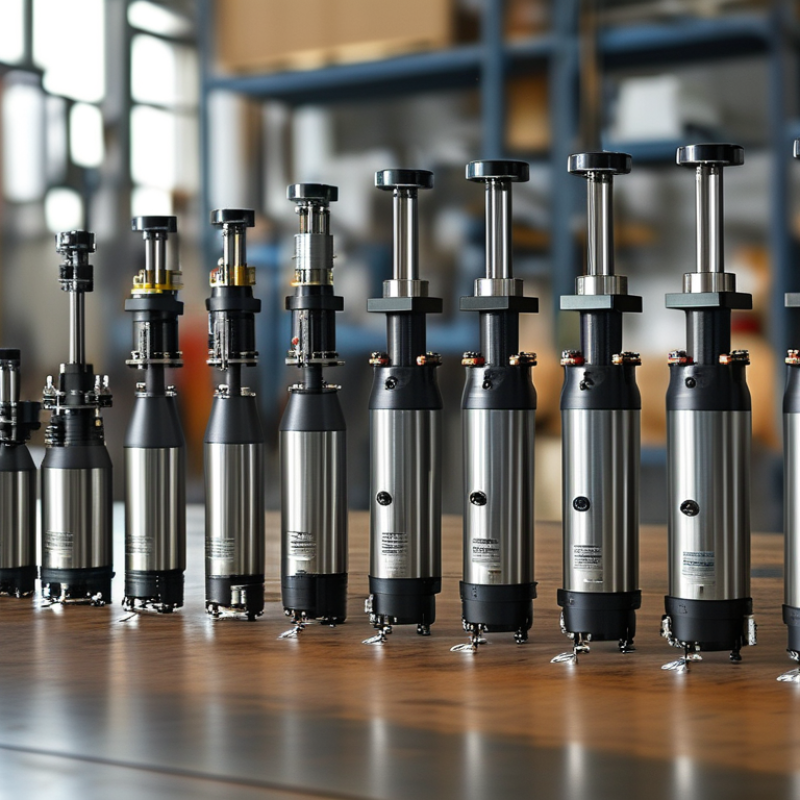
Understanding Linear Pneumatic Actuators: A Comprehensive Guide
Understanding linear pneumatic actuators is essential for various industrial applications. These devices convert compressed air into linear motion, enabling precise control over mechanical systems. According to a report by MarketsandMarkets, the global pneumatic actuator market is expected to reach $12 billion by 2026. This growth reflects their importance in automation and control technologies.
When selecting a linear pneumatic actuator, consider critical factors like load capacity and speed requirements. It's vital to analyze the specifications of your application. For instance, different models handle different pressure levels, which impacts their efficiency and longevity.
Tips: Before making a decision, assess the environment of operation. Factors like temperature and humidity can affect performance, sometimes leading to unforeseen failures. It's also important to review maintenance requirements. Neglect can lead to increased wear and tear, undermining reliability.
The choice of materials significantly influences performance. Corrosion-resistant materials can enhance durability and reduce maintenance costs. As you navigate different options, reflect on the specific needs of your application. A mismatch can lead to inefficiency or breakdowns. This consideration ensures that you invest wisely in linear pneumatic actuators, aligning performance with application requirements.
Key Factors to Consider When Selecting a Linear Pneumatic Actuator
When choosing a linear pneumatic actuator, several key factors deserve careful consideration. The operating pressure is crucial, as it affects the actuator's performance. Higher pressures can provide greater force, but they may also lead to quicker wear. It's essential to balance power and longevity.
The type of application also plays a significant role. Some projects require precise movements, while others can tolerate more variability. Speed is another factor; some applications thrive on rapid actuation, while others need deliberate, slower movements. Be mindful of these requirements. Ask yourself: will the actuator meet the project demands over time?
Material selection is important too. Choose materials that can withstand the surrounding environment. Corrosion resistance can extend the actuator's life, especially in harsh conditions. Do not overlook maintenance needs. A well-maintained actuator performs better and lasts longer. Sometimes, it's easy to underestimate the importance of simple preventive care. Reflect on these elements to ensure an informed choice.
Types of Linear Pneumatic Actuators and Their Applications
Linear pneumatic actuators are essential components in various industries. They convert compressed air into mechanical motion. There are several types, each suitable for different applications. Common types include rod-style actuators, diaphragm actuators, and rack-and-pinion actuators. Each type has its unique characteristics that make it ideal for specific tasks.
Rod-style actuators are prevalent in manufacturing. They offer precise linear movement. These actuators are known for their reliability and ability to handle heavy loads efficiently. In contrast, diaphragm actuators are often used in the food and pharmaceutical sectors. Their construction allows for hygienic operations with minimal contamination risk. Rack-and-pinion types are best for applications requiring faster motion and high torque, such as in robotics.
When selecting a linear pneumatic actuator, consider the application requirements. Think about load capacity, speed, and stroke length. Air quality and pressure are also critical.
Tips: Always consult technical specifications when making a choice. Ensure compatibility with existing systems. Regular maintenance can prolong actuator life. Remember, not all actuators are created equal; choose wisely for optimal performance.
Applications of Linear Pneumatic Actuators
Evaluating Performance Specifications for Linear Pneumatic Actuators
Choosing the right linear pneumatic actuator requires evaluating specific performance specifications. These specifications include stroke length, load capacity, and response time. Each factor significantly influences the actuator's effectiveness in your application.
Tips: Always assess the operating environment. Temperature and humidity can impact actuator performance. A high load capacity might be vital for your project, but maximum load should be tested under actual conditions.
Consider the actuator's
response time. A quick response ensures precision in applications like automation. However, sometimes faster isn't better. Balance performance with
energy efficiency for optimal results.
Don't overlook the installation requirements. Some actuators may need complex setups. If space is limited, a
compact actuator could be essential. However, compact designs may have reduced load capacities. Reflect on your needs carefully before making a decision.
Maintenance and Troubleshooting Tips for Linear Pneumatic Actuators
When working with linear pneumatic actuators, maintenance is crucial. Regular checks prevent unexpected failures. According to industry reports, 30% of actuator issues stem from inadequate lubrication. This needs attention. Lubrication frequency should align with usage conditions. Operators often overlook this, leading to performance drops.
Troubleshooting these actuators requires some knowledge. Checking for air leaks is vital. Even small leaks can reduce efficiency by 20%, impacting production. A simple soap solution can help identify leaks. Many technicians neglect this basic step, risking system integrity. Additionally, monitoring operating pressure is essential. Deviations of just 10 psi can cause a significant performance decline.
Lastly, ensure that the actuator is clean. Dust and debris can affect movement and lead to wear. Users frequently underestimate the importance of cleanliness. Regular cleaning routines can extend the lifespan of the actuator. Industry data suggests that proper maintenance can increase actuator lifespan by up to 40%. Keeping these factors in mind promotes reliability and efficiency in operations.
2026 How to Choose the Right Linear Pneumatic Actuator? - Maintenance and Troubleshooting Tips for Linear Pneumatic Actuators
| Dimension |
Description |
Recommended Value |
Use Case |
| Stroke Length |
The distance the actuator can move |
50 cm |
General automation tasks |
| Max Load |
The maximum weight the actuator can handle |
300 kg |
Material handling |
| Operating Pressure |
The air pressure required for operation |
0.5 - 6 bar |
Pneumatic systems |
| Cycle Time |
The time it takes to complete one full cycle |
0.5 seconds |
Fast operation requirements |
| Temperature Range |
The temperature limits for the actuator |
-10°C to 70°C |
Indoor and outdoor applications |
FAQS
: Consider stroke length, load capacity, and response time for effective performance.
Temperature and humidity can impact the actuator's functionality significantly.
A quicker response enhances precision, but balance it with energy efficiency.
Some actuators require complex setups. Space limitations may necessitate compact designs, but performance might be affected.
Lubrication frequency depends on usage conditions. Regular checks can prevent performance drops.
Check for leaks using a soap solution. Even small leaks can reduce efficiency significantly.
Deviations can lead to performance declines. Just 10 psi can cause issues.
Dust and debris can hinder movement. Regular cleaning routines are often underestimated but necessary.
Effective maintenance can extend actuator lifespan by up to 40%.
Many overlook lubrication needs, which can lead to unexpected failures.
Conclusion
Choosing the right Linear Pneumatic Actuator is critical for optimizing performance in various applications. Understanding the fundamentals of linear pneumatic actuators is essential, as they convert compressed air into linear motion, providing the actuation needed for numerous industrial tasks. When selecting an actuator, key factors such as load requirements, speed, stroke length, and environmental conditions must be considered to ensure effective operation.
The article outlines different types of linear pneumatic actuators and their specific applications, helping users match their needs with the appropriate technology. Furthermore, evaluating performance specifications—such as response time and reliability—is crucial for ensuring that the actuator meets operational demands. Finally, the piece offers valuable maintenance and troubleshooting tips to prolong the lifespan and efficiency of linear pneumatic actuators, enabling users to achieve optimal results in their systems.