
Selecting a reliable Nuclear Grade Valve Gearbox manufacturer requires more than comparing product brochures. Nuclear facilities depend on precise valve movement during normal operation, maintenance, and demanding safety scenarios. A gearbox may sit behind a steel valve cabinet, yet its torque accuracy can influence an entire fluid system.
This guide reviews ten manufacturers associated with nuclear-grade valve gearbox solutions. The comparison considers engineering experience, material control, torque capacity, seismic performance, environmental qualification, and production consistency. It also examines documentation, testing practices, spare-part support, and field service. These details matter when equipment must perform after years of heat, vibration, radiation exposure, or infrequent operation.
A strong supplier should provide traceable materials, controlled assembly records, and clear qualification evidence. Independent certifications can support confidence, but they do not replace project-specific verification. No ranking is flawless. Supplier capabilities change, and public information may be incomplete. Buyers should confirm current certifications, approved component lists, delivery history, and technical compatibility before making a decision.
The top manufacturers are therefore assessed as potential partners, not merely equipment brands. Their value appears in details: a documented gear inspection, a calibrated torque test, or responsive engineering support during commissioning. Small omissions can create large uncertainties. This article offers a practical starting point for engineers, procurement teams, and plant operators seeking dependable Nuclear Grade Valve Gearbox technology for demanding applications.
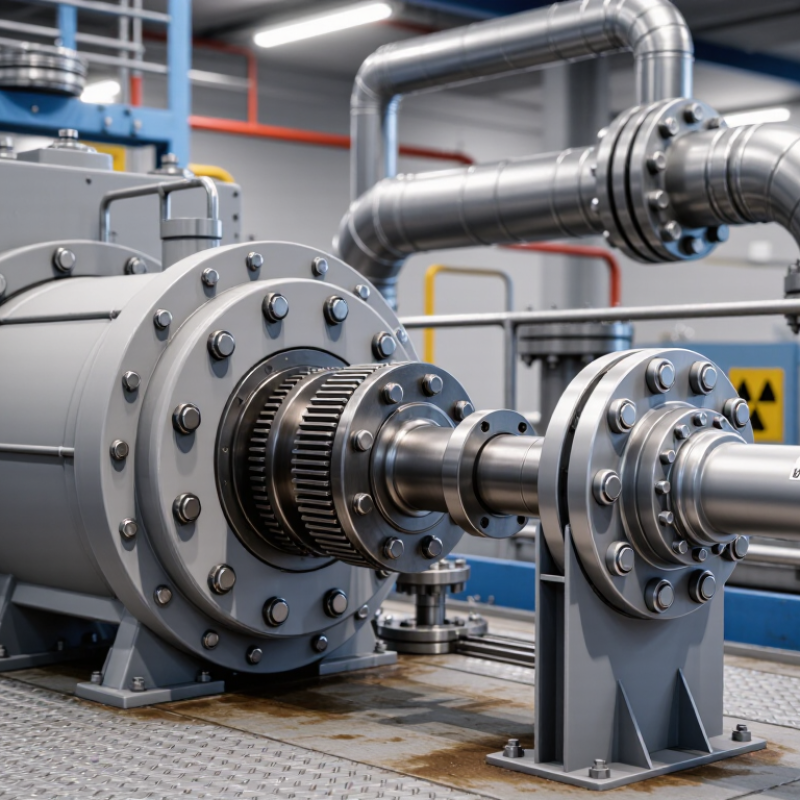
A nuclear-grade valve gearbox transmits handwheel or actuator torque to a valve stem. It supports controlled fluid isolation, regulation, and emergency operation. Unlike standard industrial gearboxes, it must perform under demanding nuclear plant conditions. These may include radiation, vibration, humidity, temperature changes, seismic loads, and long periods without operation.
The gearbox must match the valve’s torque, travel, speed, and mounting design. Engineers also review enclosure protection, lubrication stability, material traceability, and qualification records. A reliable unit should operate smoothly after years of standby. It should also provide clear position feedback and predictable manual override. Small details matter. A stiff bearing can delay isolation. Poor sealing can damage internal components. No selection process is perfect, so documented testing and independent review remain essential.
Tips: Check the required safety classification before comparing manufacturers. Request torque curves, seismic qualification data, environmental test results, and maintenance instructions. Confirm that materials and manufacturing records are traceable. Do not judge quality from appearance alone. A compact gearbox may look robust but still lack validated performance. Regular inspection should check backlash, corrosion, lubricant condition, fastener security, and handwheel movement. Actual plant conditions may differ from laboratory assumptions, which deserves honest review.
When comparing the top 10 nuclear valve gearbox manufacturers, qualification evidence matters more than catalogue torque. IAEA PRIS data records more than 400 operating power reactors worldwide, creating demanding expectations for long-term equipment reliability. A gearbox should match the valve’s torque curve, not only its maximum rating. In practice, engineers must examine breakaway torque, thrust loads, speed, backlash, and motor inertia. Small errors can prevent a safety valve from reaching its confirmed position.
Key qualification usually follows ASME QME-1, IEEE 382, IEC 60780, and applicable national nuclear codes. These frameworks address seismic qualification, environmental aging, functional performance, and quality assurance. IEEE 382 is especially relevant to electric valve actuators and their safety-related functions. Qualification records should show temperature, humidity, radiation, vibration, seismic shock, and repeated operation. IAEA safety guidance also stresses graded quality assurance and traceable design decisions. The World Nuclear Association reported nuclear generation above 2,600 TWh in 2023, showing how heavily plants depend on reliable equipment. Yet operating hours alone do not prove qualification.
Tips: Request the complete test matrix, not a certificate alone. Check whether the tested lubricant, seals, switches, and mounting position match site conditions. Review material certificates and calibration records. Ask how aging assumptions were calculated. Some specifications still overlook emergency torque spikes. That deserves a second review. A credible supplier should explain failed tests, design changes, and remaining uncertainties without hiding behind generic compliance language.
The chart compares the publication year of widely referenced standards used when qualifying safety-related valve actuators, gearboxes, and associated equipment for nuclear applications. Edition year is shown for reference and is not a manufacturer ranking or performance score.
Qualification programs commonly address mechanical design, actuator performance, seismic resistance, environmental aging, electrical interfaces, quality assurance, and evidence of traceability. The applicable edition and test scope should be confirmed against the project’s regulatory basis and procurement specification.
Ranking nuclear-grade valve gearbox manufacturers requires more than catalog claims. The top ten should be assessed through traceable evidence, not marketing language.
Engineers examine torque accuracy, duty-cycle endurance, seismic resistance, and safe operation after long storage. A gearbox that moves a heavy valve smoothly matters during routine maintenance and abnormal plant conditions. Test certificates should identify materials, serial numbers, calibration dates, and acceptance criteria. Missing records reduce confidence quickly.
Reliability begins with design control.
Reviewers should check documented calculations, drawing revisions, configuration management, and independent quality audits. Suppliers with experienced nuclear engineers can explain failure modes in plain technical terms. They should also show fatigue testing, lubrication performance, corrosion protection, and enclosure ingress resistance.
Factory acceptance testing deserves close attention. Measured output torque, travel time, backlash, and limit-switch repeatability should match approved specifications. Small deviations may become expensive field problems.
Service capability separates a strong manufacturer from a capable workshop.
Assess spare-part continuity, training, response time, and on-site troubleshooting records. Ask how technicians handle obsolete components.
Real experience leaves evidence: inspection photos, nonconformance reports, corrective actions, and lessons learned.
No supplier is flawless. A ranking should penalize vague answers, even when the equipment looks excellent. Cost matters, but lifecycle value matters more. Sometimes the cheapest gearbox teaches the hardest lesson.
The top 10 nuclear-grade valve gearbox manufacturers are judged by evidence, not visibility. Their products must operate reliably inside demanding nuclear facilities. A qualified supplier should demonstrate long-term experience with safety-related valve actuation. Factory records matter. So does field performance.
A practical review examines torque accuracy, seismic resistance, radiation tolerance, and environmental sealing. Engineers should check whether gearboxes maintain position during power loss. Manual override should remain usable in a controlled emergency scenario. Materials must resist corrosion, vibration, temperature changes, and repeated cycling. Test reports should identify the exact configuration, not merely the product family.
Documentation separates serious manufacturers from ordinary industrial suppliers. Look for traceable material certificates, calibrated test equipment, inspection records, and clear maintenance instructions. Independent quality audits add confidence. However, certificates alone cannot prove dependable operation. Witnessed endurance tests and service history provide stronger evidence. No ranking is perfect. A supplier may perform well in one reactor design but poorly in another. Procurement teams should question unsupported claims and review references carefully. Small details, such as a stiff handwheel after storage, can reveal weaknesses that brochures never mention.
Top 10 Nuclear Grade Valve Gearbox Manufacturers?
Selection and Application Considerations for Nuclear Facilities
Selecting a nuclear-grade valve gearbox requires more than comparing torque ratings. Engineers should verify design codes, seismic qualification, radiation resistance, and environmental performance. The gearbox must operate after years of storage, vibration, heat, and humidity. Ask for complete qualification records, not only a polished certificate.
Application details matter greatly. A gearbox controlling a containment isolation valve may face high torque, limited access, and emergency operation requirements. Check the full valve stroke, travel speed, duty cycle, and handwheel effort. Confirm that the actuator can overcome seating and unseating torque under degraded conditions. Allowance is necessary, but excessive margin can reduce control sensitivity.
Traceability should reach individual gears, bearings, seals, and fasteners. Manufacturing records, material certificates, inspection results, and calibration data support long-term reliability. Suppliers should also demonstrate maintainability through mock-up testing and documented spare-part controls. In practice, installation errors remain a serious risk. Misalignment, incorrect lubrication, or poor limit-switch adjustment can defeat a qualified design.
A practical assessment should include factory acceptance testing, site acceptance testing, and periodic inspection intervals. Test results should reflect realistic loads, not ideal laboratory conditions. Some specifications still focus heavily on paperwork. That is a weakness worth challenging. Operators need clear procedures, accessible inspection points, and support during abnormal events. The best selection is not always the most expensive option. It is the one with verified performance, disciplined documentation, and a credible service plan for the facility’s entire operating life.
It transfers handwheel or actuator torque to a valve stem. It supports isolation, regulation, and emergency operation. It must remain reliable after long standby periods.
It may face radiation, vibration, humidity, temperature changes, and seismic loads. Seals and lubrication must remain stable. Laboratory conditions may not mirror the plant.
Compare breakaway torque, running torque, thrust, travel, speed, and mounting dimensions. Do not rely only on maximum torque. Torque curves reveal more.
Request seismic, environmental aging, radiation, vibration, humidity, and repeated-operation test records. The evidence should identify test conditions and acceptance limits. A certificate alone is insufficient.
Common frameworks include ASME QME-1, IEEE 382, and IEC 60780. Applicable national nuclear requirements may also apply. The correct classification must be confirmed for each installation.
Review output torque, travel time, backlash, limit-switch repeatability, and mounting configuration. Check serial numbers, material certificates, calibration dates, and drawing revisions. Small deviations can become field problems.
Check handwheel movement, corrosion, backlash, lubricant condition, fasteners, and sealing surfaces. Look for stiff bearings or unusual resistance. Photographs help track gradual changes.
Compare traceable testing, design control, service response, spare-part continuity, and technician training. Review corrective actions and nonconformance records. Appearance proves little.
Ask about failed tests, design changes, aging assumptions, obsolete parts, and emergency torque spikes. Request evidence, not broad compliance statements. Vague answers deserve concern.
Not necessarily. A lower purchase price may hide higher maintenance or replacement costs. Evaluate lifecycle value, qualification evidence, and support availability. The cheapest option can teach an expensive lesson.
This article provides a practical overview of the Nuclear Grade Valve Gearbox, explaining its role in operating and controlling valves within demanding nuclear facility environments. It discusses how these gearboxes must deliver precise torque, reliable positioning, long service life, and stable performance under radiation, temperature changes, vibration, humidity, and other challenging conditions. The article also outlines key qualification considerations, including quality assurance, material traceability, seismic capability, environmental durability, maintenance requirements, and compliance with applicable nuclear industry standards.
To identify the top 10 manufacturers, the article evaluates suppliers according to engineering expertise, product reliability, testing capability, customization options, documentation quality, lifecycle support, and experience with safety-related applications. It concludes with practical guidance for selecting and applying a Nuclear Grade Valve Gearbox, emphasizing valve type, load requirements, operating frequency, fail-safe needs, installation conditions, inspection procedures, and long-term support. The goal is to help nuclear facility operators make informed, risk-conscious purchasing and application decisions.
