
China Top 10 Manual Override Gearbox Suppliers?

Time:2026-09-17 Author:Liam
0%

China has become a major manufacturing base for industrial transmission equipment. Its suppliers serve automation, valves, packaging, energy, marine, and process-control applications. This article examines China’s top 10 Manual Override Gearbox suppliers through practical purchasing criteria, not marketing claims alone.

Industry reports support this expanding context. Grand View Research valued the global industrial automation market at approximately USD 191 billion in 2021. It also projects continued growth through 2030, driven by robotics, smart factories, and process efficiency. Fortune Business Insights reported that the global industrial gearbox market was worth about USD 28 billion in 2023. These figures suggest stronger demand for dependable mechanical control components. However, gearbox categories differ between reports. Direct comparisons can therefore be imperfect.

A credible supplier should provide verifiable factory information, torque data, material specifications, dimensional drawings, and inspection records. ISO 9001 certification can indicate structured quality management, but it cannot replace product testing. Buyers should check housing strength, gear backlash, lubrication methods, sealing performance, and operating temperature. Field experience matters. A compact handwheel may look suitable, yet fail under repeated emergency operation. That detail is often missed.

Our comparison considers manufacturing capability, customization, delivery reliability, technical support, and documented customer applications. It also distinguishes manufacturers from trading companies where evidence is available. The ranking is not an official certification. It is a practical starting point for engineers, distributors, and procurement teams comparing Chinese suppliers. In the end, the best choice depends on load, environment, installation space, and lifecycle expectations. No single supplier fits every project.
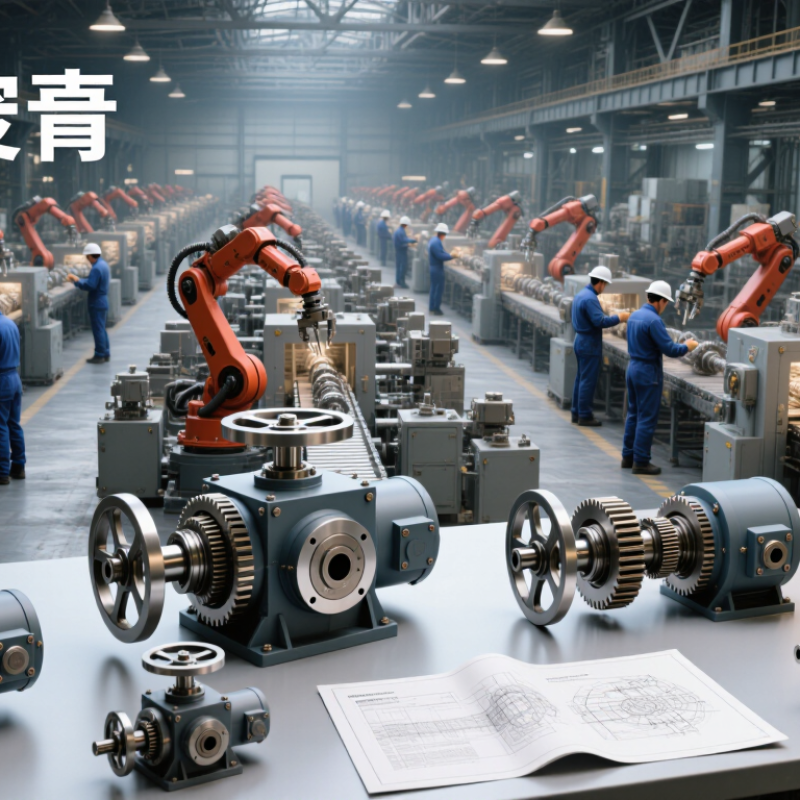
China Top 10 Manual Override Gearbox Suppliers?

What Is a Manual Override Gearbox and Where Is It Used?

China Top 10 Manual Override Gearbox Suppliers

What Is a Manual Override Gearbox and Where Is It Used?

A manual override gearbox is a mechanical unit that operates equipment without electrical, pneumatic, or hydraulic power. It usually connects to an actuator, valve, damper, or other driven mechanism. A handwheel or lever transfers human effort through gears, increasing torque and controlling movement.

This function matters during power loss, commissioning, inspection, and emergency maintenance. In water treatment plants, operators may use it to adjust isolation valves beside large pipelines. HVAC systems use similar gearboxes for dampers in cramped plant rooms. Process facilities may install them on heavy valves where direct hand operation would require excessive force.

A reliable design should match output torque, travel distance, mounting dimensions, and operating frequency. Gear reduction can make movement easier, but it also increases operating time. A locking feature helps prevent unwanted movement from vibration or pressure. Weather-resistant housing is useful outdoors, while clear position indicators reduce mistakes.

Field checks should include lubrication, fastener tightness, and smooth handwheel movement. Small problems become expensive when ignored. Yet manual override gearboxes are not universal solutions. An undersized unit may bind under load, while an oversized one can waste space and increase cost. Selecting suppliers requires more than comparing prices; technical drawings, test records, material data, and after-sales support deserve careful review. My practical view is simple: verify the real operating torque, not only the catalog value.

China Top 10 Manual Override Gearbox Suppliers?

What Is a Manual Override Gearbox and Where Is It Used?

A manual override gearbox is a mechanical transmission that allows an operator to open, close, or position a valve or damper by hand when the primary actuator is unavailable. It is commonly used with quarter-turn valves, multi-turn valves, industrial dampers, and emergency shutdown systems.

The chart shows the calculated output torque for common reduction ratios using a constant 50 Nm handwheel input and an indicative mechanical efficiency of 70%. Actual torque depends on gearbox design, lubrication, temperature, valve load, and operating conditions. Higher reduction ratios provide greater torque multiplication but require more handwheel turns.

Key Criteria for Evaluating Chinese Gearbox Suppliers

China Top 10 Manual Override Gearbox Suppliers?

Key Criteria for Evaluating Chinese Gearbox Suppliers

Selecting among China’s leading manual override gearbox suppliers requires more than comparing catalog prices. According to Grand View Research’s 2024 industrial gearbox market report, the sector is projected to grow steadily through 2030, driven by automation, energy, and material-handling demand. That growth increases supplier choice, but also makes technical screening essential.

Start with documented performance. Ask for torque curves, reduction ratios, backlash measurements, lubrication details, and manual override cycle tests. A gearbox may look robust yet fail after repeated emergency operation. Request material certificates for gears, shafts, and housings. Traceability matters. So does inspection depth. Confirm whether testing covers every unit or only sampled production.

Production consistency deserves close attention. ISO 9001 certification can support process control, but it cannot replace factory audits or independent inspection. Review nonconformity records, calibration schedules, and corrective-action reports. Check whether the supplier can maintain tolerances across different batches. This is often where attractive quotations become expensive.

Service evidence is equally important. The supplier should provide assembly drawings, replacement-part lists, installation guidance, and realistic lead times. Ask for references from comparable loads, temperatures, and duty cycles, without accepting vague claims. A strong supplier will explain limitations clearly. That honesty is valuable.

No checklist is perfect. I would still inspect a production sample before approval, because paperwork can hide practical weaknesses. Payment terms, export documentation, packaging protection, and communication speed also affect total reliability. A gearbox that performs well but arrives damaged is still a poor purchase.

China’s Top 10 Manual Override Gearbox Supplier Profiles

China’s top 10 manual override gearbox suppliers can be compared through practical supplier profiles, not polished claims alone. These manufacturers typically serve industrial automation, packaging, agricultural machinery, marine equipment, and emergency actuation systems. Their products may include handwheel overrides, worm gearboxes, bevel gear units, and compact planetary designs. Each profile should show torque ranges, reduction ratios, housing materials, sealing methods, and available shaft configurations.

A reliable supplier profile also explains factory experience. Look for evidence of CNC machining, heat-treatment control, assembly testing, and documented inspection procedures. Some suppliers support custom mounting patterns and keyways. Others focus on standardized units with faster delivery.

Ask whether backlash, lubrication, corrosion resistance, and operating temperature are tested under realistic loads. A clear technical drawing matters more than a broad catalog.

The strongest profiles include traceable quality records, responsive engineering teams, and practical export experience. Certifications can support credibility, but they do not replace independent verification. Request samples and inspect gear noise, handwheel effort, and shaft alignment.

Small details matter. One weakness is easy to miss: a supplier may publish impressive torque figures without explaining duty cycles. Buyers should question this gap. A factory visit or third-party inspection may reveal inconsistencies between prototype quality and mass production.

That is inconvenient, but useful. Reliable decisions require comparing ten suppliers against the same technical checklist, delivery terms, warranty conditions, and after-sales response time.

How to Compare Gearbox Design, Materials, and Performance

When comparing manual override gearbox suppliers, study the load path before reviewing the catalog photograph. Ask for torque ratings, service factors, backlash limits, and duty-cycle assumptions. ISO 6336 calculations should reflect actual speed, shock loading, and operating life. A polished spreadsheet can still lie.

Material choices reveal engineering discipline. Case-hardened alloy steel suits heavily loaded gears, while ductile iron can reduce housing cost and vibration. Check hardness depth, gear accuracy, shaft runout, and sealing details. A gearbox with impressive peak torque may perform poorly after repeated hand operation. Request inspection records, lubrication guidance, and sample test results. Small details matter.

Performance should connect with real energy and maintenance risks. The U.S. Department of Energy’s motor-systems sourcebook reports that motor-driven systems consume about 69% of industrial electricity. The IEA estimates electric motor systems use roughly 46% of global electricity. These figures are not gearbox ratings, but they show why mechanical losses deserve attention. Compare measured efficiency, temperature rise, noise, and manual operating force. Also examine failure data across 5,000 or more operating hours. Suppliers rarely present weak results. That is worth questioning.

How to Choose the Right Supplier for Your Application

Choosing among China’s top manual override gearbox suppliers requires more than comparing unit prices. Start with the application: valve size, operating torque, duty cycle, ambient temperature, and required override speed. A gearbox for a compact process valve differs greatly from one installed outdoors on a pipeline.

Grand View Research estimated the global industrial gearbox market at about USD 28.7 billion in 2023, with continued growth expected through 2030. This growth increases supplier choice, but not every factory offers equal engineering depth. Request torque curves, gear-material specifications, sealing details, and endurance-test records. Ask whether production follows ISO 9001 procedures and whether gear calculations reference recognized standards such as ISO 6336. A factory visit can reveal more than a polished catalogue. Look closely at machining control, lubricant handling, and final inspection. Small details matter.

Tips: Send a complete technical sheet before requesting quotations. Compare rated torque, not only maximum torque. Confirm backlash, corrosion protection, mounting dimensions, and spare-part availability. Require a sample inspection before mass production. Independent testing is useful when the gearbox controls safety-critical equipment. Also, challenge optimistic claims. I have seen suppliers provide excellent prototypes but inconsistent second batches. That risk deserves attention. Industry reports provide market direction, not proof of supplier capability. A practical shortlist should combine documented testing, application experience, responsive engineering support, and transparent corrective-action records.

FAQS

What technical documents should buyers request from a manual override gearbox supplier?

Request torque curves, reduction ratios, backlash limits, lubrication details, and manual override cycle tests. A production drawing helps.

Why are material certificates important when evaluating gearbox quality?

Certificates should identify the materials used for gears, shafts, and housings. They improve traceability. They also support failure investigations.

How can buyers check whether production quality remains consistent?

Review inspection records, calibration schedules, nonconformity reports, and corrective actions. Ask whether every unit is tested or only selected samples.

What should a realistic gearbox performance comparison include?

Compare torque, service factors, duty cycles, operating temperature, noise, efficiency, and manual operating force. Peak torque alone can mislead.

Which materials may suit heavily loaded gearbox applications?

Case-hardened alloy steel can suit loaded gears. Ductile iron may reduce housing cost and vibration. Actual loads still matter.

How should buyers evaluate manual override durability?

Request repeated cycle-test results and inspect handwheel effort, shaft alignment, and gear noise. A strong first impression proves little.

Why is independent inspection useful before approving a supplier?

Inspecting a production sample may reveal differences between prototypes and mass production. Paperwork can hide practical weaknesses.

What service information should a reliable supplier provide?

Look for assembly drawings, replacement-part lists, installation guidance, warranty terms, and realistic lead times. Clear limitations are valuable.

How do packaging and export handling affect gearbox reliability?

Confirm corrosion protection, internal support, impact protection, and export documents before shipment. A damaged gearbox remains a poor purchase.

Is a perfect supplier checklist possible?

No checklist is perfect. Combine documents, sample testing, factory review, delivery terms, and communication response. I would still question attractive quotations.

Conclusion

A Manual Override Gearbox is a mechanical device that allows operators to open, close, or adjust valves and other equipment by hand when automated control is unavailable, unsafe, or unnecessary. It is commonly used in industrial pipelines, water treatment systems, energy facilities, chemical processing, and other applications requiring reliable manual intervention. This article explains the main factors for evaluating Chinese gearbox suppliers, including engineering capability, manufacturing consistency, quality control, customization support, delivery reliability, and after-sales service.

It also presents ten supplier profiles based on general strengths such as product range, technical experience, material selection, and application support, without focusing on brand promotion. Readers will learn how to compare gearbox design, housing materials, gear construction, torque capacity, protection levels, operating temperature, and service life. The final section provides a practical framework for choosing the right supplier according to valve type, operating conditions, installation requirements, budget, certification needs, and long-term maintenance expectations.

Liam

Liam

Liam is a dedicated marketing professional with a profound expertise in the industry, where he excels at highlighting the unique advantages of our core products. With a keen understanding of market trends and consumer needs, Liam frequently updates our company’s professional blog, providing......