
Why Choose a Chemical Process Pneumatic Actuator?

Time:2026-09-27 Author:Isabella
0%

Chemical plants demand motion that is predictable, fast, and resistant to harsh surroundings. A Chemical Process Pneumatic Actuator converts compressed air into controlled valve movement, often beside hot pipes, corrosive vapors, and constant vibration. That physical reality matters more than a catalogue promise.

Industry research supports this focus. MarketsandMarkets’ Industrial Automation Market report identifies process industries as major users of automation, driven by safety, productivity, and stricter operating requirements. ARC Advisory Group’s process automation studies also emphasize asset reliability and lifecycle performance, not merely initial equipment cost. These findings explain why pneumatic actuation remains common in emergency shutdown, isolation, and control-valve applications. It is simple by design. That can be a strength.

Reliability consultant Ricky Smith, CMRP, is widely known for saying, “The goal of maintenance is not to fix things; it is to prevent failure.” His principle applies directly here. Correct actuator sizing, clean instrument air, suitable seals, and routine stroke testing can prevent a small valve problem from becoming a costly process interruption. Yet pneumatic systems are not automatically maintenance-free. Moisture, inadequate lubrication, incorrect fail-action selection, or poor installation can quietly reduce response quality. I have seen specifications focus heavily on torque while overlooking air quality and access for inspection. That is an avoidable weakness. Choosing a Chemical Process Pneumatic Actuator therefore requires engineering judgment, verified operating data, and a realistic maintenance plan.
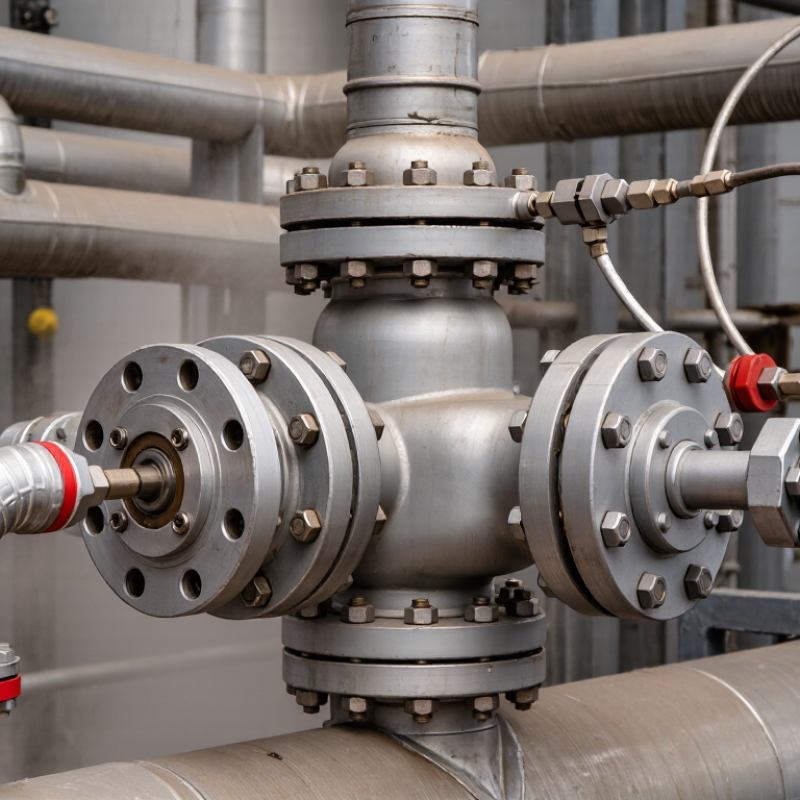
Why Choose a Chemical Process Pneumatic Actuator?

What Is a Chemical Process Pneumatic Actuator?

Why Choose a Chemical Process Pneumatic Actuator?

What Is a Chemical Process Pneumatic Actuator?

A chemical process pneumatic actuator converts compressed-air pressure into mechanical movement. It turns or lifts a valve stem, helping regulate liquids and gases through pipes. Inside, a piston or diaphragm moves against a spring or a second air chamber. The result is typically quarter-turn or linear motion. Simple hardware, but sizing still matters.

In a chemical plant, the actuator is usually outside the process fluid boundary. The valve and its seals contact the fluid; the actuator must withstand the surrounding heat, moisture, washdown, and possible corrosive vapors. A spring-return model can move a valve to a chosen position when air fails. Double-acting models use air for movement in both directions. Neither arrangement is automatically fail-safe; the required response depends on the process hazard and valve design.

Compressed air has an energy cost. The U.S. Department of Energy’s Improving Compressed Air System Performance sourcebook says compressed air can account for about 10% of electricity use in manufacturing facilities, with some sites using more. That makes leaks, pressure settings, and actuator air demand worth checking. Air is not free. A practical selection also considers torque, cycle frequency, temperature limits, and mounting compatibility, such as ISO 5211 interfaces. One detail is easy to miss: a correctly sized actuator can still perform poorly if the air supply is wet or unstable.

How Pneumatic Actuators Work in Chemical Processing

Compressed air converts pressure into motion inside a pneumatic actuator. In a linear model, air pushes a piston that moves the valve stem; in a rotary model, it turns a shaft to open or close a valve. The actuator responds to a control signal, often through a solenoid valve or positioner. Small movements matter.

In chemical processing, this motion can regulate flow through pipes carrying hot, corrosive, or viscous fluids. When a signal changes, the control system directs air into one side of the actuator. The resulting pressure moves the piston or diaphragm, while air on the opposite side exits through a port. For on-off service, a spring-return design can move the valve to a preset position if air pressure is lost. That position must match the process risk; it is not automatically the safest choice.

Reliable operation depends on more than actuator size. Engineers check supply pressure, valve torque, operating temperature, and the compatibility of seals and external materials with the site environment. Clean, dry instrument air helps limit sticking and wear. Yet real plant conditions are messy: moisture, vibration, and changing loads can expose weaknesses that calculations miss. Regular stroke tests and inspection of tubing, fittings, and seals can reveal problems early, though maintenance intervals should reflect actual service conditions.

Key Benefits for Safety, Control, and Reliability

In a chemical process unit, a pneumatic actuator can move a valve quickly without placing an electric motor at the valve. That can simplify equipment selection in areas where electrical classification and heat need careful review. But “pneumatic” does not automatically mean safe. Loss of air only drives a valve to its fail position when the actuator and valve are designed for that response.

Control depends on more than the actuator. A positioner can adjust valve travel against a changing process signal, while clean, dry instrument air helps prevent sticking. During commissioning, technicians should verify stroke time, feedback, and the actual fail position—not just the datasheet. Small leaks matter. The U.S. Department of Energy’s Improving Compressed Air System Performance: A Sourcebook for Industry reports that compressed air accounts for about 10% of industrial electricity use. That figure covers entire systems, not actuators alone, but it makes air leakage worth tracking.

Reliability also depends on sizing and maintenance. An undersized actuator may struggle against high differential pressure; moisture or debris can wear seals and impair movement. Spring-return designs can support a defined response on air loss, while double-acting units may need a separate stored-air or shutdown strategy. There is a trade-off. Pneumatics offer straightforward, rapid motion, yet they rely on a dependable air supply and sound tubing connections. Check these details under real operating conditions; paper specifications can miss a stubborn valve.

Why Choose a Chemical Process Pneumatic Actuator?

Typical industrial compressed-air supply pressures illustrate the operating range commonly used for pneumatic actuators. Actual requirements vary by actuator and application.

Why it matters: Compressed air supports responsive actuation, while a spring-return actuator can move a valve to its configured fail-safe position if air supply is lost. Confirm pressure and fail-safe requirements against the specific actuator and process design.

Material and Performance Requirements in Harsh Environments

Why Choose a Chemical Process Pneumatic Actuator?

Material and Performance Requirements in Harsh Environments

In chemical plants, actuators can face washdown spray, corrosive vapor, temperature swings, and vibration. A painted housing may look sound while corrosion advances beneath damaged coating. Material choice should reflect actual exposure, not just the process label. ISO 9223:2012 classifies C5 atmospheres as causing first-year corrosion losses of 80–200 micrometres for carbon steel and 4.2–8.4 micrometres for zinc. These figures describe atmospheric exposure, not every chemical spill or cleaning cycle. Still, they show why coating condition and inspection matter.

For pneumatic actuators, compare housing material, shaft protection, fasteners, and seal compounds against the site’s chemicals and temperature range. Stainless steel can resist many corrosive environments, but chloride exposure may still cause pitting. Elastomer seals also differ: a compound suited to hot water may swell or harden in another process fluid. Check chemical compatibility data and operating limits together. Specify spring-return behavior, air quality, and required torque at the lowest expected supply pressure. A tidy specification sheet can miss real exposure details; site conditions deserve a second look.

Tips:

Ask maintenance staff where condensation collects and which cleaners are used. Inspect coating edges, fasteners, and seals after washdown. Small details matter. Then verify the selected materials against documented exposure data before installation.

How to Select the Right Actuator for a Chemical Process

Why Choose a Chemical Process Pneumatic Actuator?

Selecting the right actuator starts with the valve and the process, not just the available air supply. Check the required torque or thrust across the full operating range, including the pressure difference when the valve moves. A valve that works easily during commissioning may need more force under real process conditions. Consider the fluid’s temperature, corrosiveness, and potential deposits when choosing actuator materials and seals. Also define the required action on air failure: should the valve open, close, or remain in position? That decision should match the process hazard review, not convenience alone.

Tips: Record normal and worst-case pressure, temperature, cycle rate, and air pressure before sizing. Confirm that instrument air stays clean and dry. Small gaps in these details matter.

Ask how the actuator will be controlled and maintained. Frequent cycling may call for different sizing and inspection intervals than occasional isolation. Check available space, mounting arrangement, response time, and feedback needs. Verify that the actuator can deliver the required force at the lowest expected supply pressure, with an appropriate design margin. Do not oversize blindly; excess force can stress valve components. I would revisit assumptions with operations and maintenance staff, since drawings rarely capture every field constraint. A practical selection balances reliable movement, material compatibility, and straightforward inspection.

FAQS

How does a pneumatic actuator move a valve?

Compressed air pushes a piston for linear motion or turns a shaft in a rotary actuator. A control signal directs air into one chamber while air exits the other. Small movements matter.

What happens if the air supply fails?

A spring-return actuator moves the valve to a preset position when air pressure is lost. That position might be open or closed. It should match the process risk, not convenience.

Which conditions should guide actuator material selection?

Consider corrosive vapors, washdown spray, temperature swings, and vibration. Check housing, fasteners, shaft protection, and seals against actual site exposure. A painted surface can hide corrosion beneath damaged coating.

Can stainless steel resist every corrosive environment?

No. It resists many conditions, but chloride exposure can still cause pitting. Check documented exposure data and inspect the material after installation.

How should an actuator be sized?

Check valve torque or thrust across the full operating range, including pressure differences during movement. Confirm the actuator can deliver enough force at the lowest expected air pressure. Do not oversize blindly; excess force may stress valve parts.

Why do seal materials need careful checking?

Seal compounds respond differently to process fluids and temperatures. A seal suitable for hot water may swell or harden elsewhere. Check chemical compatibility and operating limits together.

What helps pneumatic actuators operate reliably?

Clean, dry instrument air can reduce sticking and wear. Moisture, vibration, and changing loads may reveal problems that calculations miss. Real plant conditions are messy.

What should routine inspections include?

Check stroke movement, tubing, fittings, seals, coating edges, and fasteners. Ask maintenance staff where condensation collects and which cleaners are used. I would revisit inspection intervals based on actual service, since drawings rarely show every field constraint.

Conclusion

A Chemical Process Pneumatic Actuator uses compressed air to operate valves and other process equipment. In chemical processing, it converts a control signal into mechanical movement, helping regulate the flow of liquids or gases and supporting consistent operation. Its straightforward design can provide responsive control, dependable performance, and a safer alternative to some electrically powered equipment in demanding plant environments.

Choosing an actuator requires attention to the conditions it will face. Corrosive substances, temperature changes, moisture, vibration, and frequent cycling can affect materials and service life, so construction and protective features should suit the application. Buyers should also consider required torque, operating pressure, valve type, response time, control accuracy, maintenance needs, and available air supply. Matching these factors to the process helps improve reliability, maintain safe operation, and reduce avoidable downtime.

Isabella

Isabella

Isabella is a dedicated marketing professional with a sharp focus on driving brand growth and engagement through strategic content creation. With an extensive background in digital marketing, she combines her passion for storytelling with her keen understanding of industry trends to deliver......