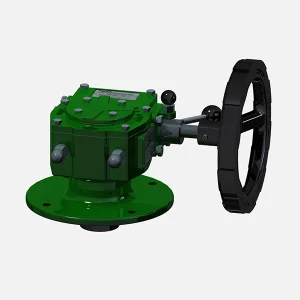
Kuwait Industrial Landscape & Valve Actuation Reality
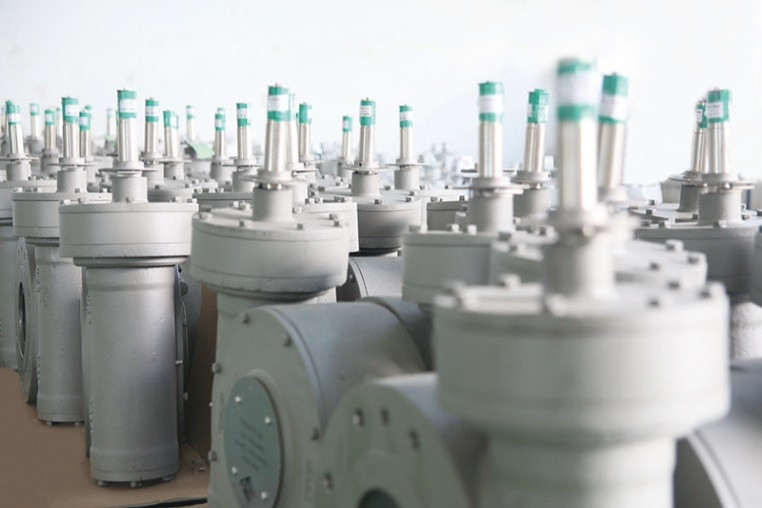
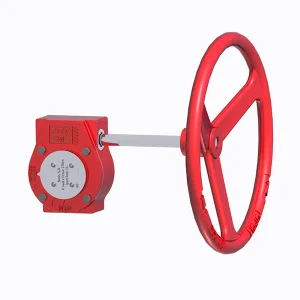
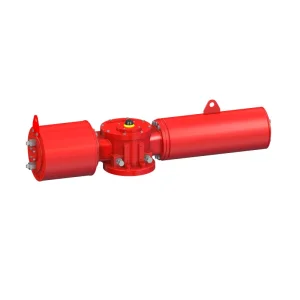
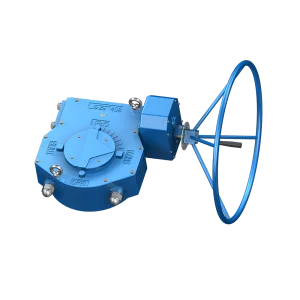
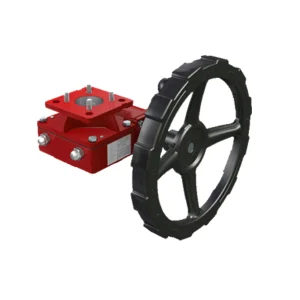
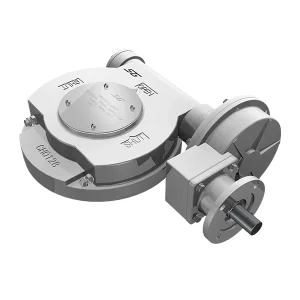
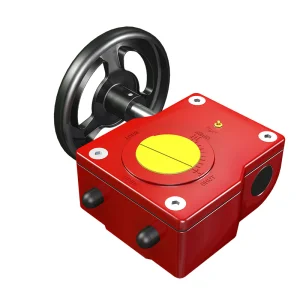
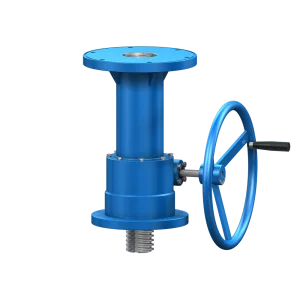
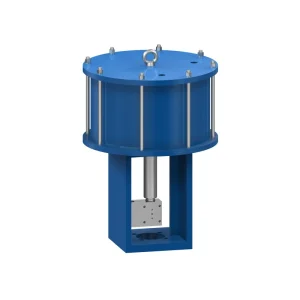
The State of Kuwait holds approximately 7% of the global oil reserves, with industrial hubs centered in locations such as the Al-Zour Refinery, Shuaiba Industrial Area, and Mina Al-Ahmadi. These mega-complexes demand highly sophisticated automation and safety measures. Among the critical components of these automated environments are control valves actuated by high-thrust Linear Pneumatic Actuators. When power grids fail or control air lines rupture in remote desert installations, the manual override mechanism becomes the final line of defense against catastrophic overpressure, process fluid release, or complete production shutdowns.
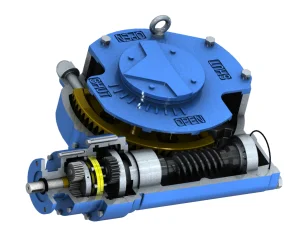
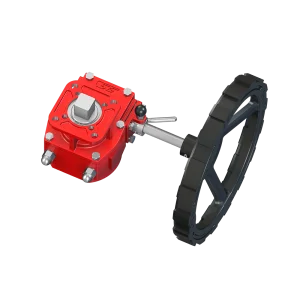
Operating valve hardware in Kuwait presents unique challenges that standard off-the-shelf actuators fail to survive. The ambient temperatures in the Kuwaiti desert frequently peak at 55°C, with direct exposure to intense solar radiation raising metal surface temperatures to over 80°C. Coupled with high relative humidity and airborne salinity from the Arabian Gulf, fine abrasive sand particles act as a destructive element on exposed seals and piston rods. Consequently, manual overrides configured for Kuwaiti installations must meet stringent specifications, ensuring isolation of the drive gears from the aggressive atmosphere while retaining high torque capability under physical stress.
Corrosion Resistance
Specialized epoxy coatings and stainless steel hardware components built to withstand high hydrogen sulfide (H2S) exposure in Kuwait gas processing facilities.
Declutch Safety
Automatic disengagement of handwheel systems to protect personnel during high-speed remote operations by pneumatic cylinders.
Fail-Safe Integration
Certified compatibility with Safety Integrity Level (SIL 2 & SIL 3) control systems, ensuring the override does not defeat safety interlocks.
Global Actuation Trends & Market Drivers
On a global scale, the industrial valve market is moving rapidly towards digital integration, predictive diagnostics, and lower carbon footprints. However, the requirement for mechanical robustness remains absolute. Industry statistics indicate that over 40% of valve automation failures in the hydrocarbon sector stem from auxiliary instrument faults or loss of primary utilities (pneumatic power supply). Because of this, global engineering standards such as API 6D, ASME B16.34, and ISO 12490 enforce redundant manual operation configurations for critical emergency shutdown (ESD) and control valves.
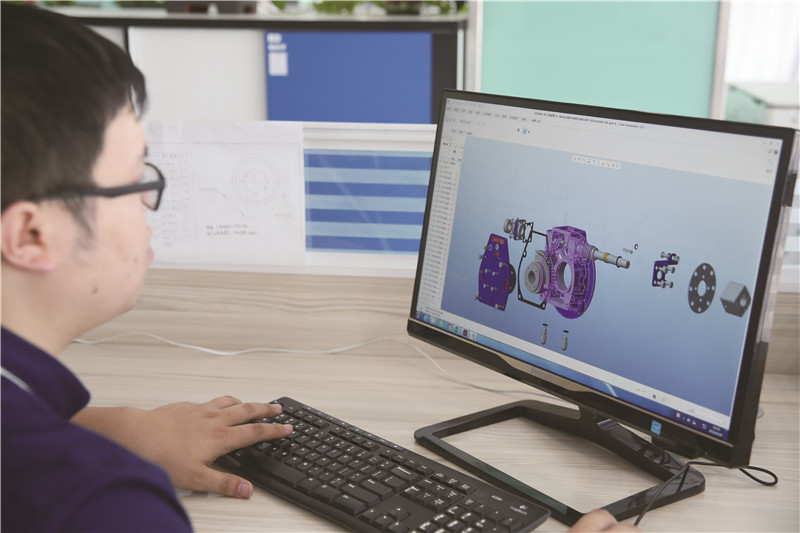
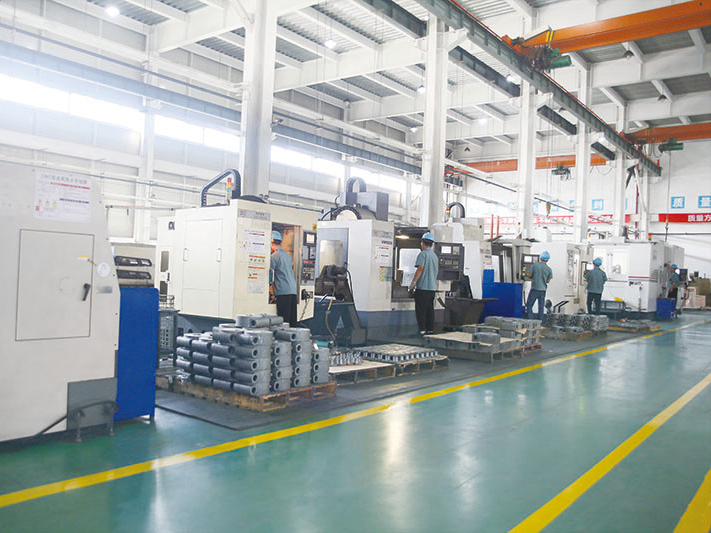
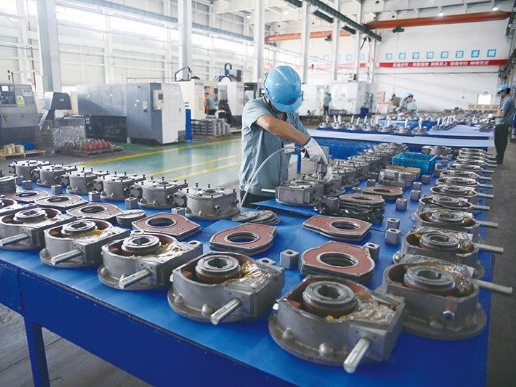
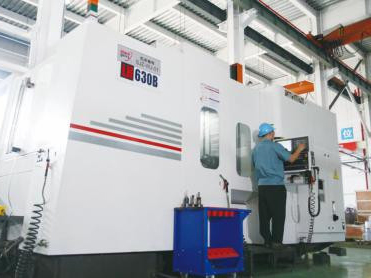
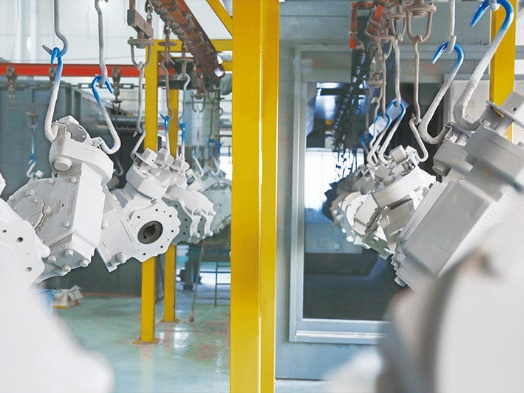
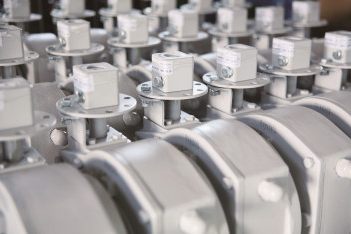
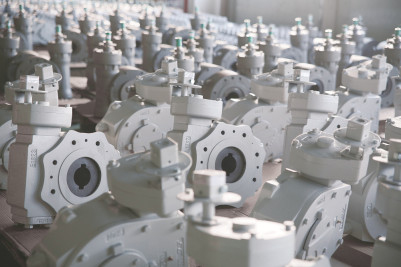
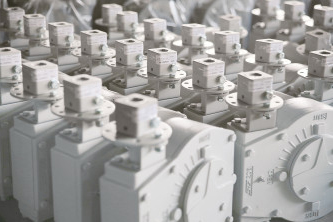
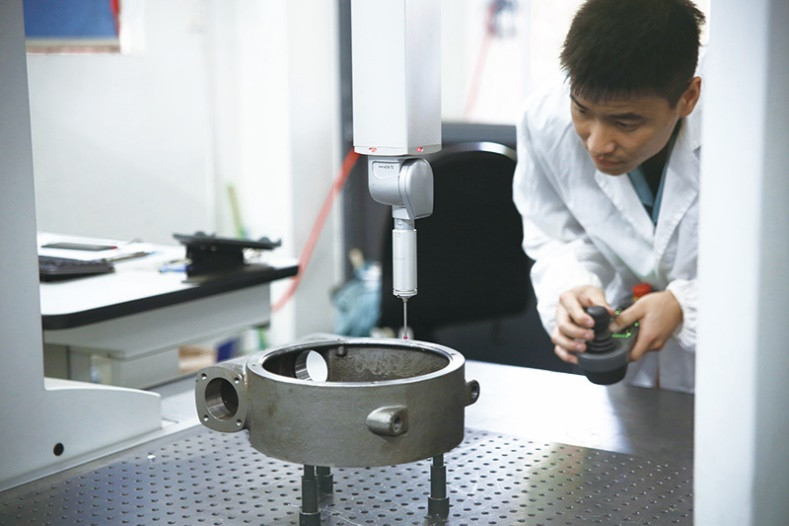
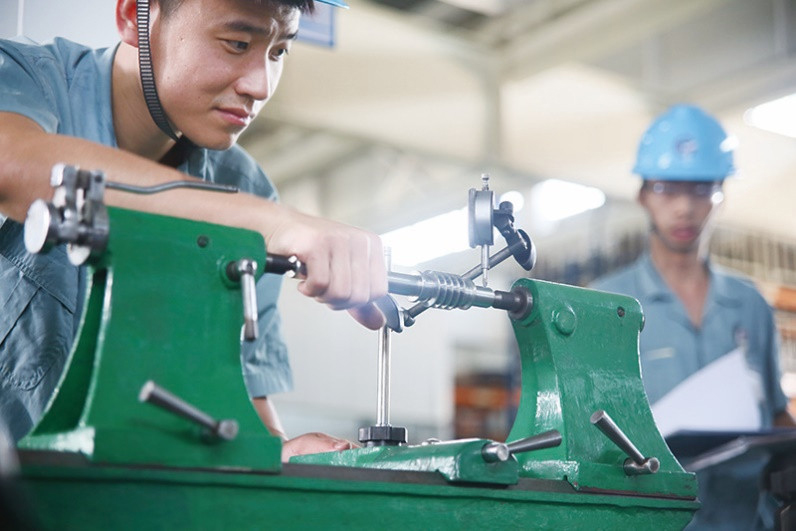
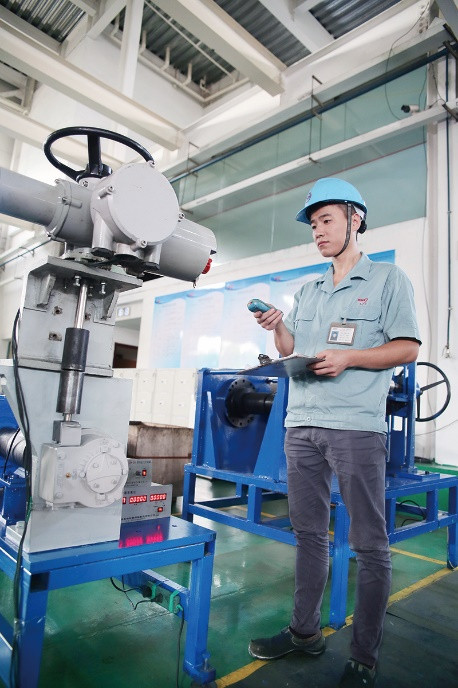
The rise of green hydrogen production and carbon capture facilities globally has also placed tighter constraints on fugitive emissions. Actuator gearboxes must maintain zero-leakage configurations. Our production plant address these criteria through precise 3D dynamic simulations, FEA testing, and rigorous inspection techniques, giving engineers and operators complete confidence under critical operation states.