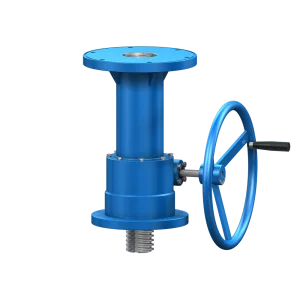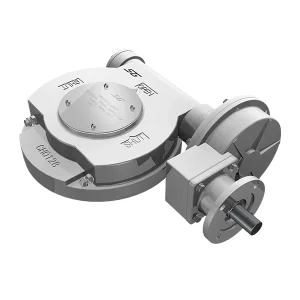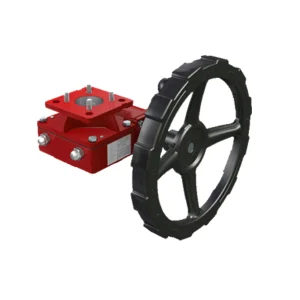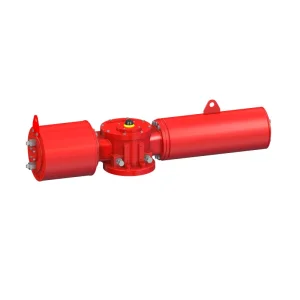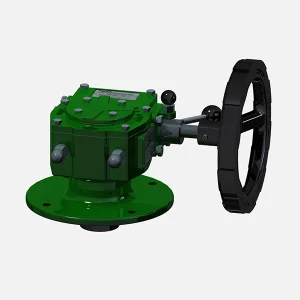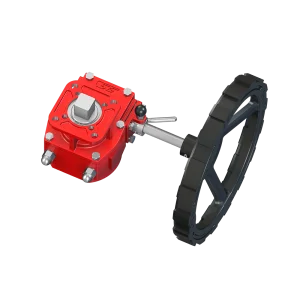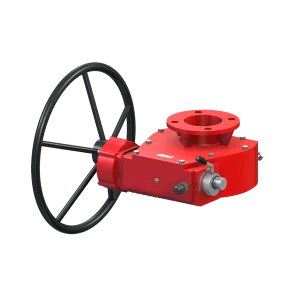
Premium quarter-turn solutions deployed across heavy chemical networks, geothermal piping systems, and major municipal water projects.
Costa Rica has steadily shifted from an agrarian economy toward a high-tech manufacturing, medical device packaging, and renewable energy powerhouse in Central America. With major industrial parks located across the Gran Área Metropolitana (GAM), including Alajuela, Heredia, and Cartago, the demand for precise flow management infrastructure has never been higher.
From a macro perspective, Costa Rica's industrial strategy relies heavily on green energy. Geothermal plants in the Guanacaste region, operated by the Instituto Costarricense de Electricidad (ICE), harness deep volcanic heat. These processes involve high-pressure steam, condensed mineral water, and corrosive gases that demand heavy-duty valves and robust mechanical gearboxes. A cast iron quarter-turn gear operator is crucial here: it converts minimal handwheel input force into thousands of Newton-meters of output torque required to close isolation butterfly and ball valves securely under extreme operational loads.
Beyond green energy, Costa Rica's food processing sector (including sugar refineries, fruit pulping plants, and beverage production lines) and municipal water treatment plants operated by AyA (Instituto Costarricense de Acueductos y Alcantarillados) require highly reliable quarter-turn valve controls. These components must withstand high humidity, coastal air salinity near major shipping hubs like Puerto Limón and Puerto Caldera, and frequent washdown cycles. High-grade cast iron and ductile iron gearboxes with protective epoxy powder coatings offer the best cost-to-performance ratio for these challenging applications.
Industrial Insight: Choosing the right gear operator is not simply about sizing the mounting flange. In Costa Rica's humid climates, moisture ingress is the leading cause of internal gear wear. Opting for gear operators with IP67/IP68 ingress protection and internal grease lubrication ensures long-term operational reliability and prevents costly production shutdowns.
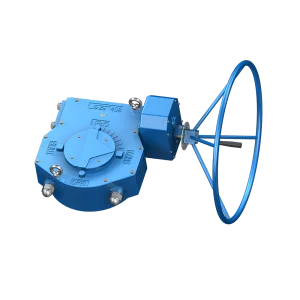
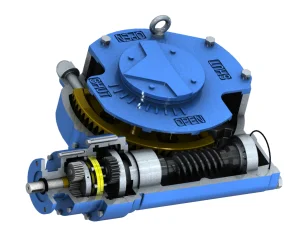
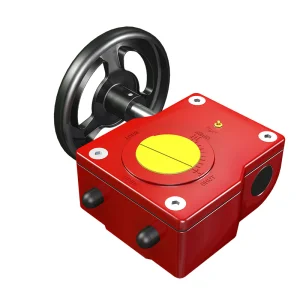
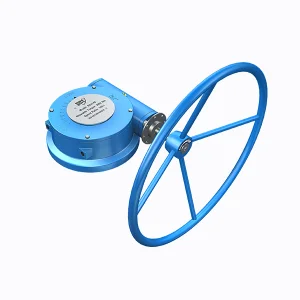
A quarter-turn gear operator is a mechanical device designed to reduce the physical effort needed to rotate a valve's closure element (such as a disc, ball, or plug) by 90 degrees. These operators are typically paired with high-performance butterfly valves or ball valves, converting manual handwheel rotation into high-torque actuation.
| Housing Material | Typical Torque Range (Nm) | Standard Coating | Common Applications | Corrosion Resistance |
|---|---|---|---|---|
| Cast Iron (GG25) | 150 - 4,500 | Standard Epoxy Powder (120μm) | Water distribution, HVAC systems | Moderate |
| Ductile Iron (GGG40/50) | 300 - 15,000 | High-build Polyurethane | High-pressure water, chemical, industrial processing | High |
| Cast Steel (WCB) | 500 - 32,000 | Two-pack Epoxy System | Petrochemical, high-pressure steam, geothermal plants | Very High |
| Aluminum Alloy | 50 - 600 | Anodized + Polyester Powder | Lightweight applications, food processing, packaging | High |
Founded in 1999, Stard-gears is a leading global provider specializing in high-performance valve control technology. Located in the Suzhou Industrial Park, our plant covers 8,900 m², with an office area of 2,500 m². With annual sales reaching $7,000,000 and growing by 10% to 20% each year, we are committed to delivering innovative, reliable, and cost-effective solutions for clients worldwide.
Our applications span oil, chemical, natural gas, nuclear, and water treatment industries. Backed by more than 25 years of field experience, our team designs products to handle the most demanding conditions. By leveraging advanced engineering and simulation tools, we help plant managers, engineers, and buyers improve operational safety and efficiency.
Our design cycle combines virtual testing with physical validation. Using 3D CAD modeling, dynamic simulation, and Finite Element Analysis (FEA), our engineering team verifies the mechanical integrity and gear engagement of every product line before production. This process helps ensure safety, reduce material waste, and speed up custom design cycles.
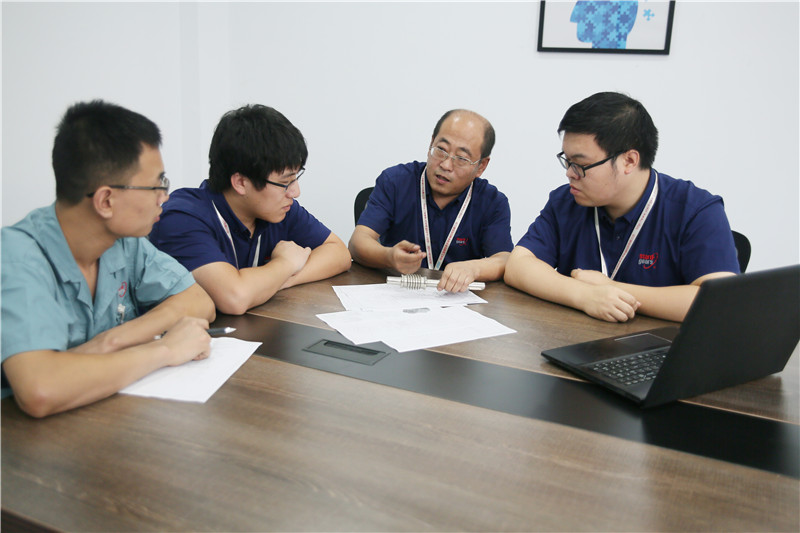
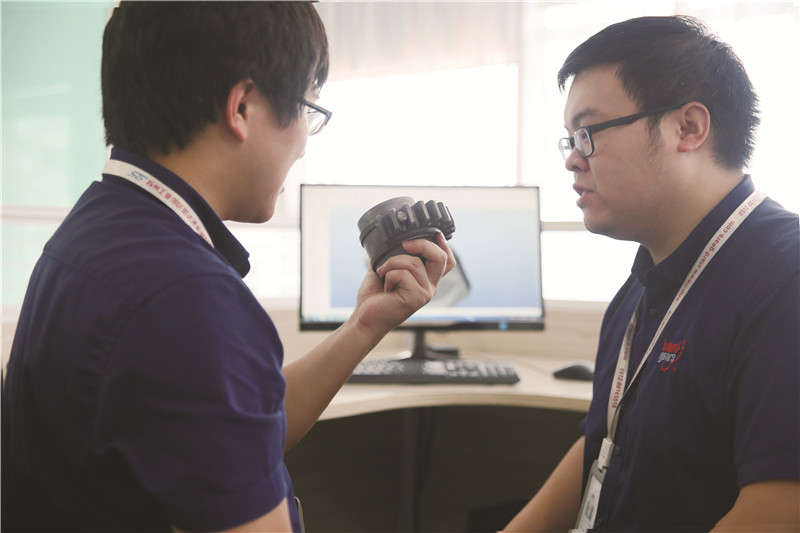
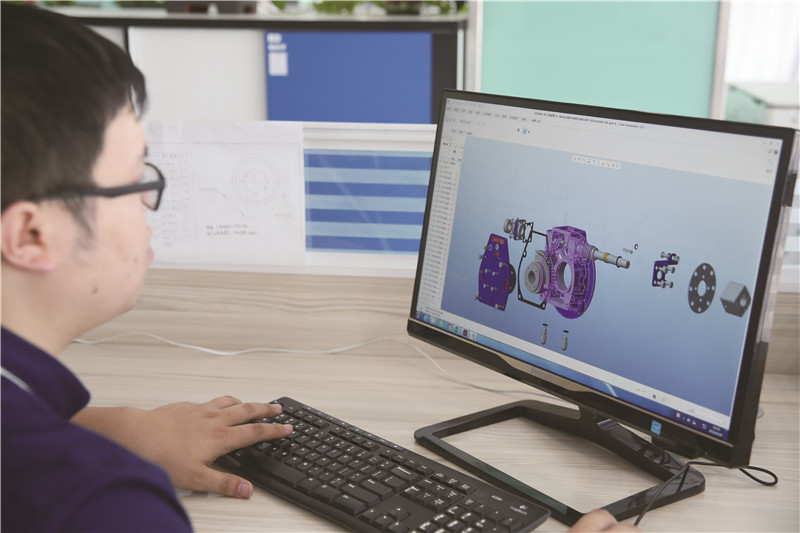
The Yangtze River Delta region of China is home to one of the world's most integrated industrial supply chains. From our facility in Suzhou, Stard-gears manages casting, machining, surface treatment, and testing in-house or through closely monitored regional partners. This setup allows us to balance rapid order turnaround times with strict quality control.
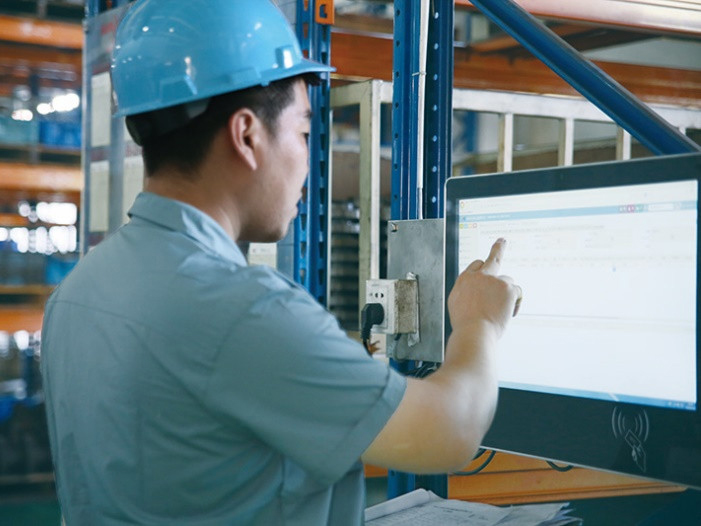
Our facility runs an integrated ERP system that tracks production from raw casting delivery to final testing. This system helps prevent bottlenecks, optimizes material use, and gives customers clear updates on their order status.
Supply Chain Security for Costa Rican Procurement: Recent shifts in global trade highlight the importance of supply chain resilience. By keeping raw castings, precision gears, and seals in stock, Stard-gears can minimize delivery delays to Costa Rican ports, providing a reliable alternative to local sourcing constraints.
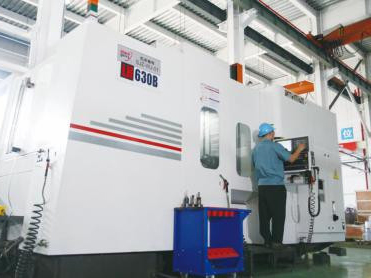
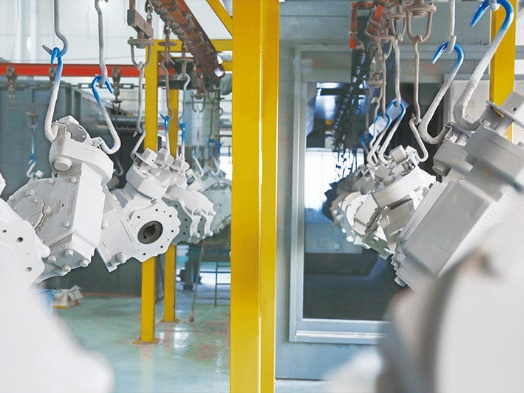
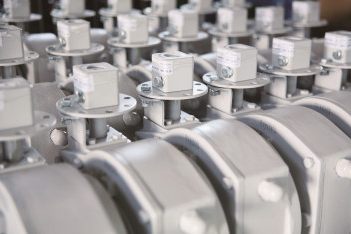
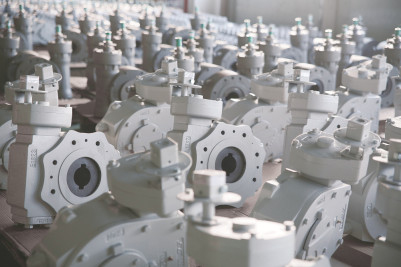
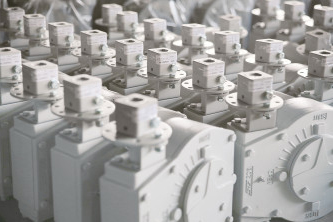
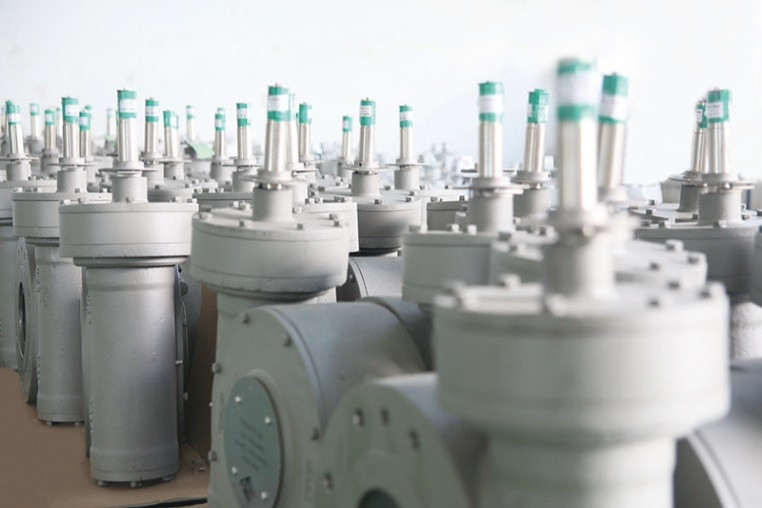
Our Suzhou facility produces up to 100,000 sets annually, with a total potential output value of $9,000,000. Below is a look at our manufacturing facilities and assembly lines:
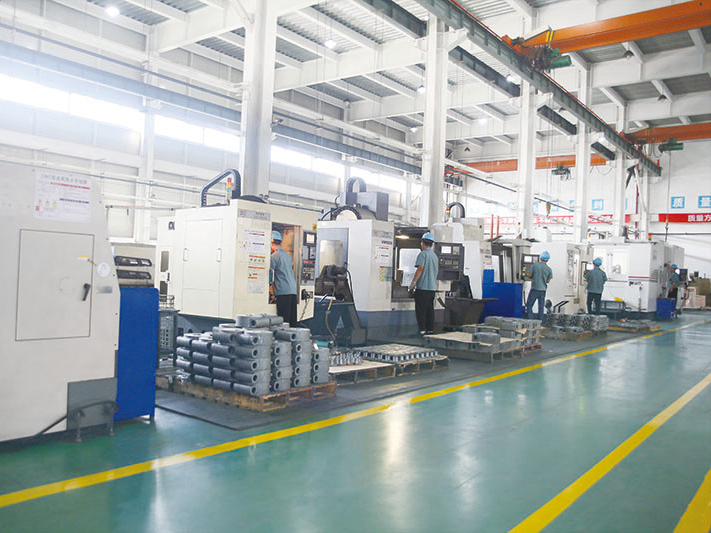
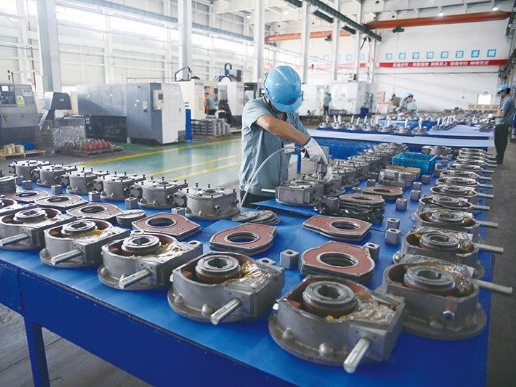
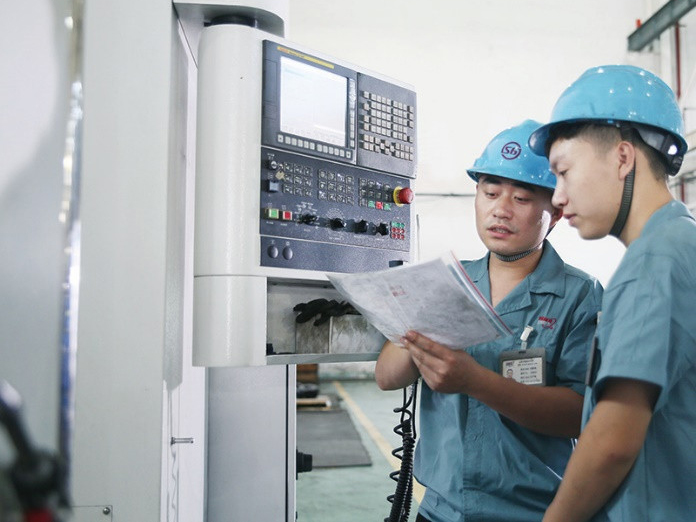
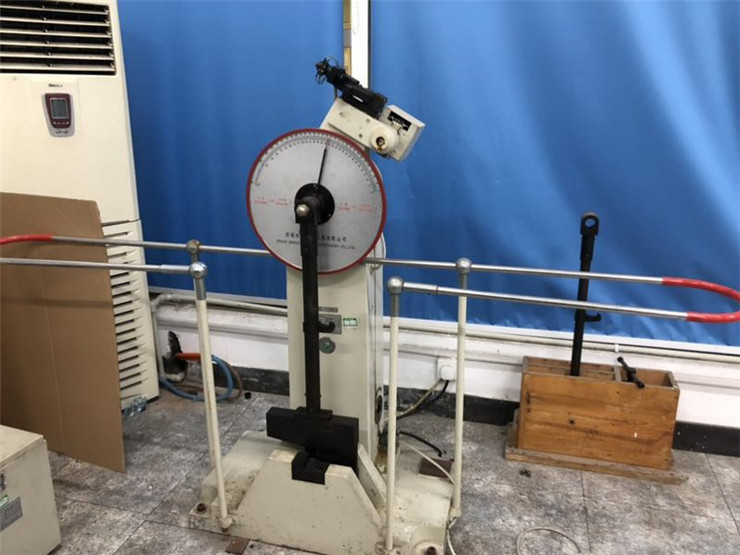
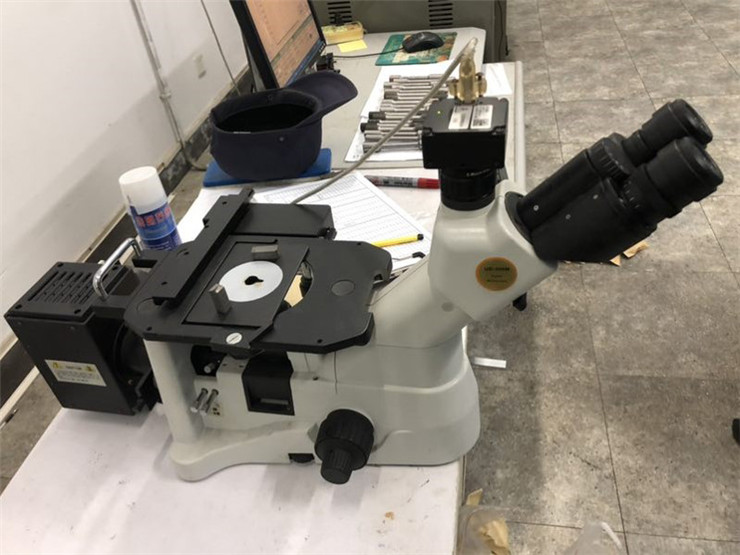
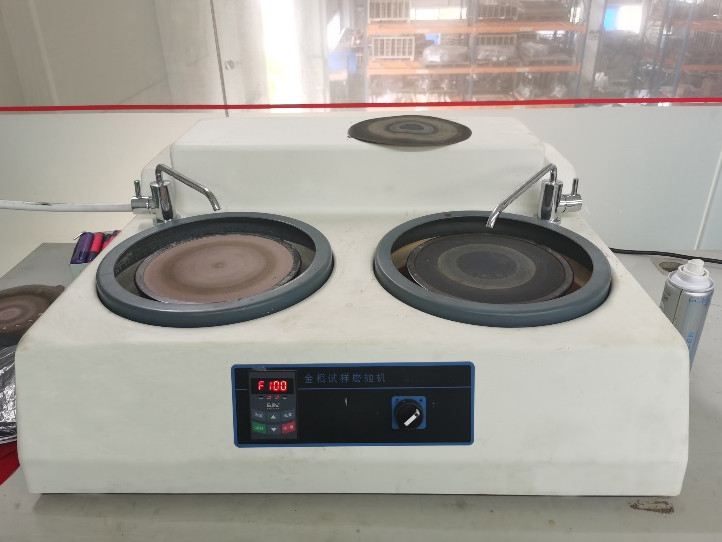
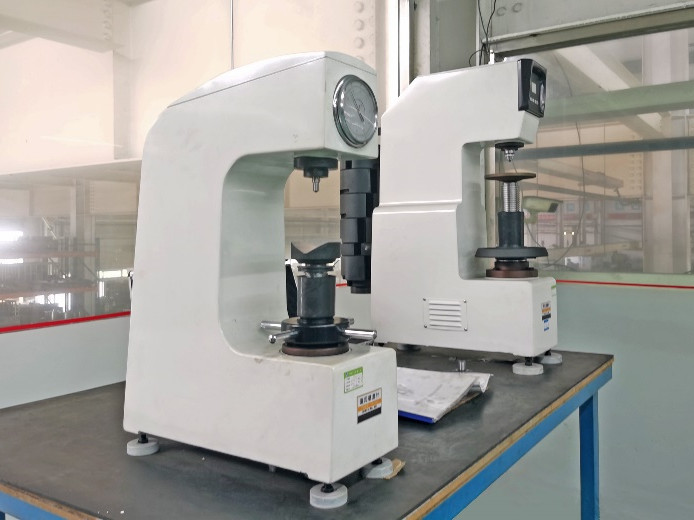
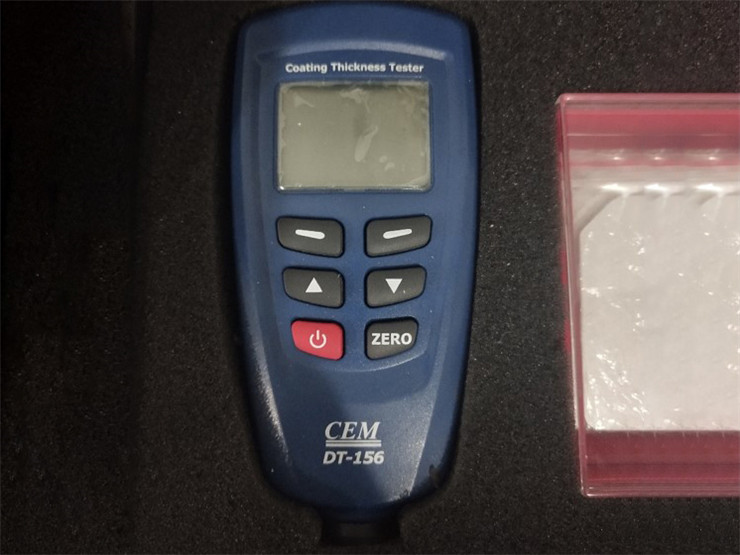
To maintain consistent quality, Stard Automation places full-time QC inspectors at every stage of production—from incoming materials and mid-process machining to final assembly and testing. Every batch of castings undergoes chemical analysis and hardness testing to confirm the materials meet ASTM, EN, and ISO standards.
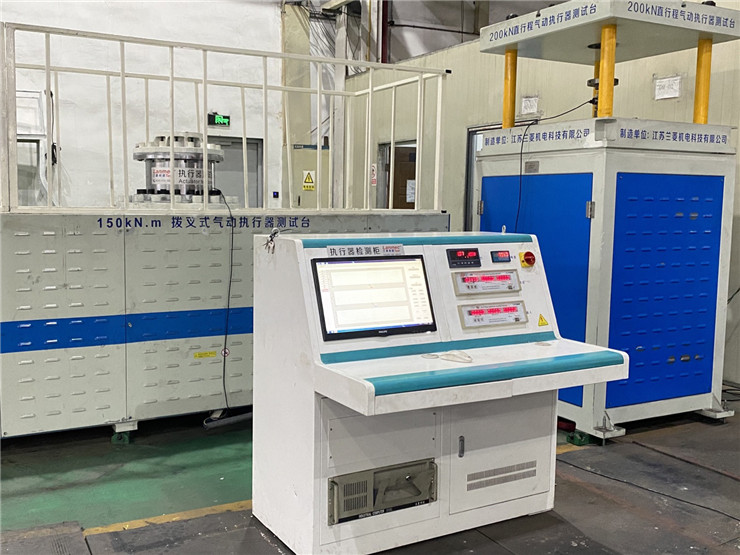
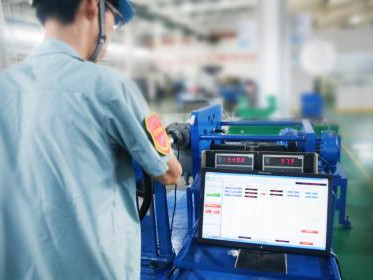
Our testing labs are equipped to perform both torque and life-cycle tests. The torque testing rig measures input-to-output mechanical efficiency, confirming that the gear operator delivers the rated torque without slippage or excessive mechanical resistance.
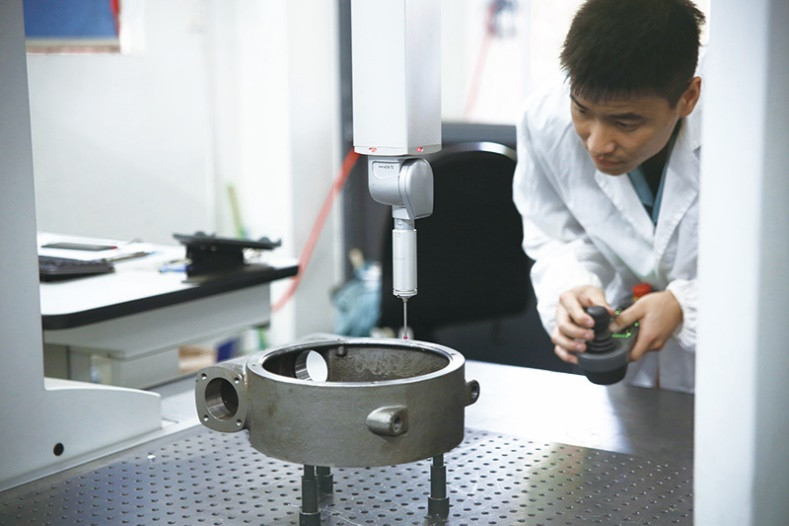
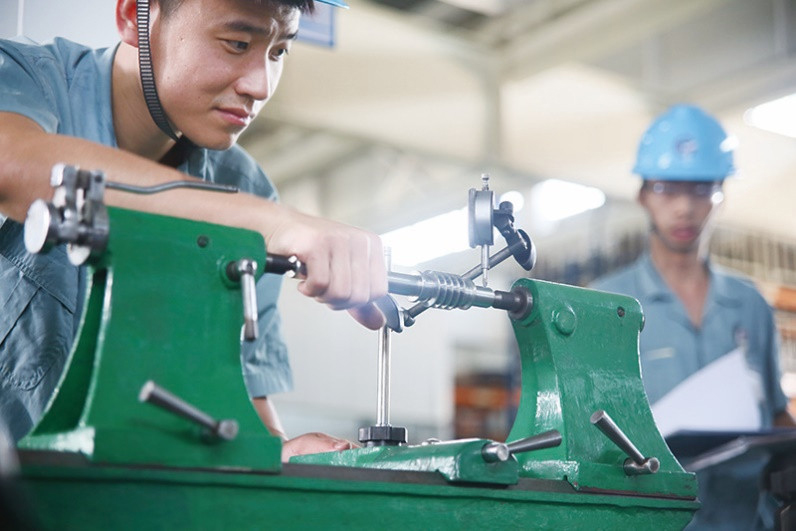
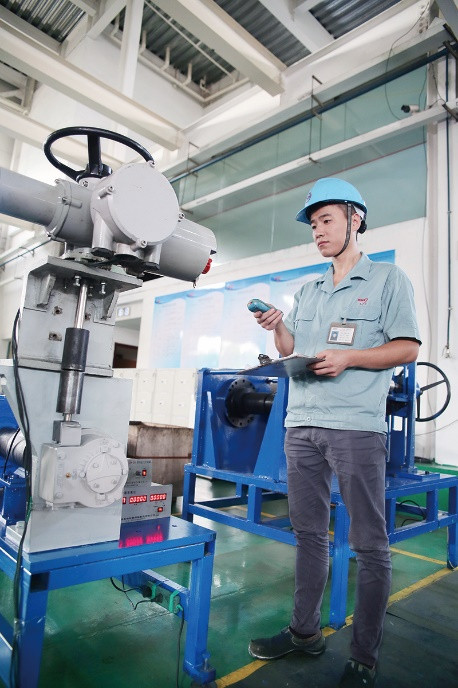
Our testing labs utilize coordinate measuring machines (CMM), spectrum analyzers, and automated test benches to verify dimensional tolerances and mechanical integrity:
A comprehensive selection of robust gearboxes, manual overrides, and multi-turn operators engineered to meet Costa Rica's industrial and environmental requirements.
The selection depends on the valve's breakout torque under full differential pressure and the maximum allowable handwheel pull-force. A higher gear ratio increases the output torque while requiring less manual effort, but it also increases the number of turns needed to open or close the valve. We can help you select a model that balances speed with operating force.
Ductile iron contains graphite in spherical nodules, which makes it stronger, tougher, and more ductile than grey cast iron. GGG40 ductile iron gearboxes are recommended for applications with higher line pressures, water hammer risks, or cold temperatures. For standard municipal water lines, GG25 cast iron provides a reliable and cost-effective option.
Yes. We manufacture declutchable gearboxes (override gearboxes) specifically for automated systems. Under normal conditions, the automated actuator operates the valve directly. In the event of a power or air pressure failure, the clutch can be manually engaged to operate the valve using the handwheel.
We use multi-lip NBR or Viton O-rings on the input shaft, static gaskets on the body joints, and sealed indicator caps. In high-salinity zones, we apply marine-grade polyurethane or epoxy coatings and use 304/316 stainless steel external fasteners to prevent rust and corrosion.
Yes. All of our gearboxes conform to ISO 5211 standards. We support mounting patterns from F05 to F40, with custom bore, keyway, and square drives available to fit various international and domestic valve brands.
By utilizing the shipping networks from Shanghai Port, we offer container sea freight to Puerto Limón and Puerto Caldera. Standard lead times range from 4 to 6 weeks. Air freight is available for urgent replacement projects.
Get in touch with our engineering team today for technical drawings, 3D CAD step files, price estimates, and custom valve integration advice.
Send Inquiry Now