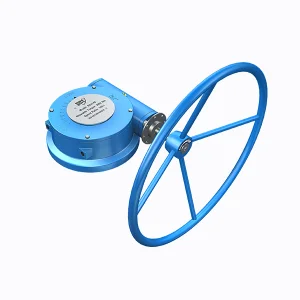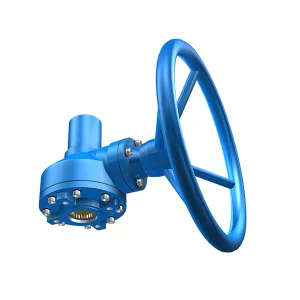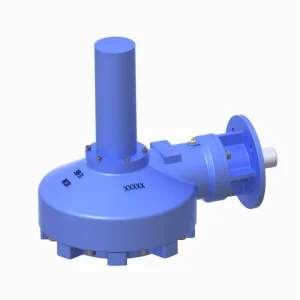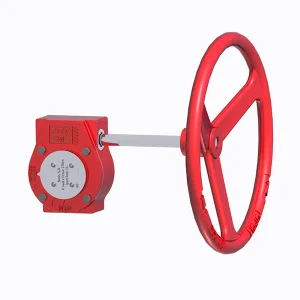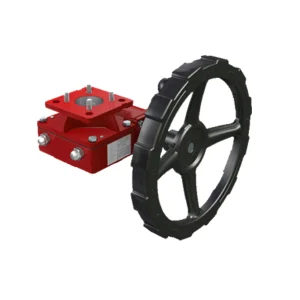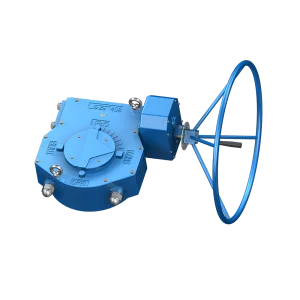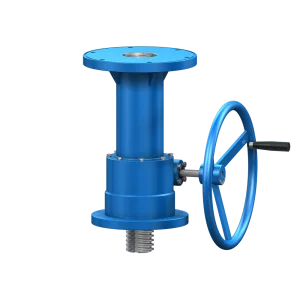
Deploying robust design mechanisms that conform to CE directives and strict local environmental standards. Optimized for swift integration with European pipeline standards.
Germany stands at the pinnacle of European industrial output. Its manufacturing strength is anchored in chemical parks (Chemieparks in regions like Ludwigshafen, Marl, and Leverkusen), heavy machinery production, and advanced municipal water facilities. Operating within this terrain demands compliance with stringent engineering frameworks such as the DIN (Deutsches Institut für Normung) standards, AD 2000-Merkblatt for pressure vessels, and environmental laws like the TA-Luft (Technical Instructions on Air Quality Control).
Unlike standard ductile iron (GGG40/50), which can experience brittle fractures under cyclical pressure spikes or extreme temperature fluctuations, cast steel (WCB, LCB, LCC) offers superior yield strength, ductility, and impact toughness. In Germany's district heating grids and chemical processing plants, gearboxes operate in demanding conditions where failure can lead to catastrophic system downtime or hazardous leaks.
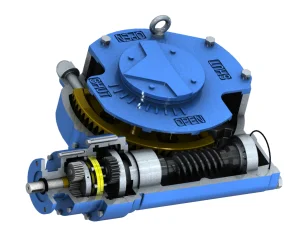
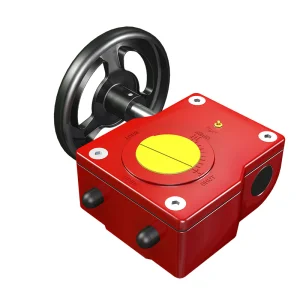
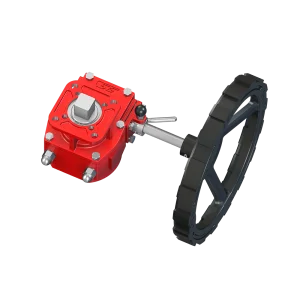
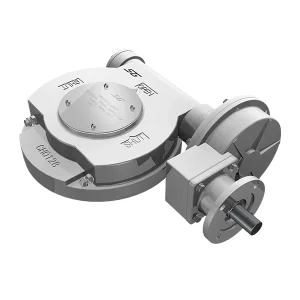
By utilizing cast steel housings, our quarter-turn gearboxes deliver the structural density needed to absorb massive valve seat torque changes. Furthermore, the material chemistry enables precise surface preparation for C5-M high-durability offshore coatings, safeguarding installations from corrosive chemical plant vapours or marine climates near northern German ports.
Founded in 1999 and located in the Suzhou Industrial Park, Stard-gears is a modern enterprise integrating research & development, production, quality control, and international trade. Serving as a leading global provider specializing in valve control technology, our solutions are applied in oil, gas, chemical, nuclear, and municipal water facilities globally.
Our strategic base in the Yangtze River Delta region provides access to a highly integrated industrial supply chain. This concentration ensures that our steel castings, precision CNC machining, heat treatment processes, and seal procurement are cost-efficient and subject to rigid quality controls. By combining advanced Chinese industrial efficiency with ISO 9001 quality systems, we provide European clients with competitive lead times and robust product lifecycles.
Before physical casting begins, Stard-gears engineers utilize 3D simulation, dynamic motion profiling, and Finite Element Analysis (FEA) to verify stress distribution, safety parameters, and gear mesh alignment. This reduces prototyping cycles and ensures compliance with mechanical safety norms.
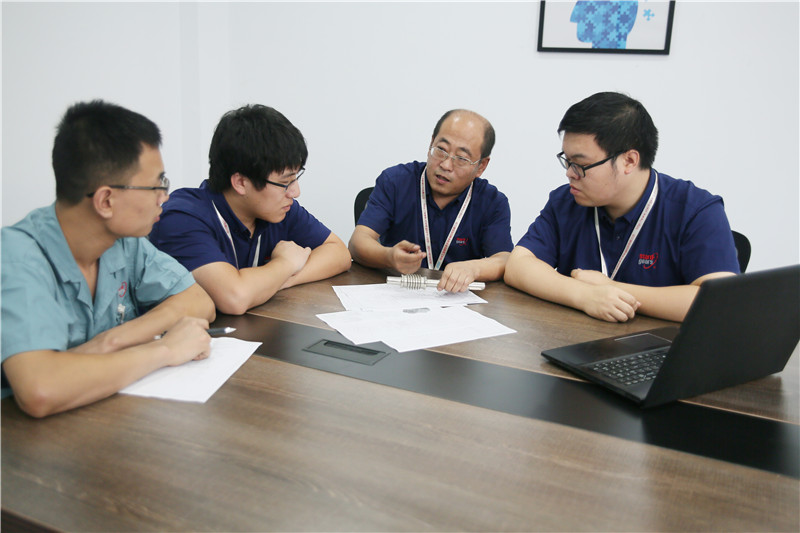
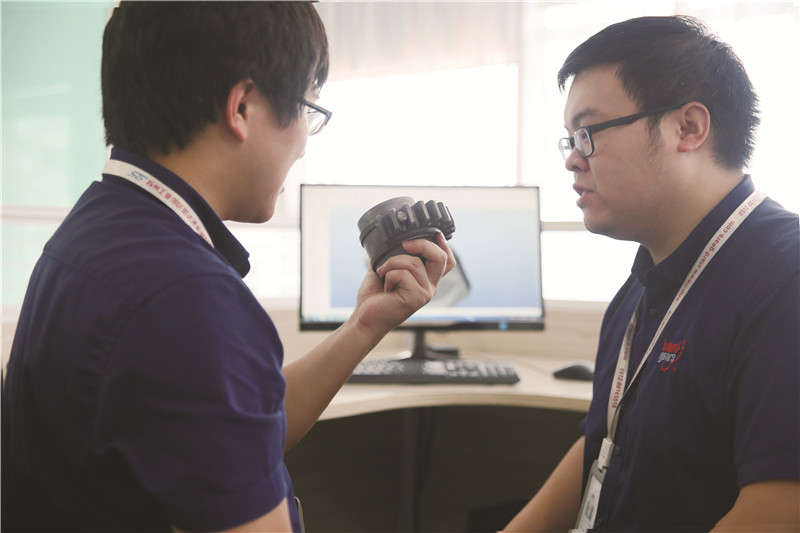
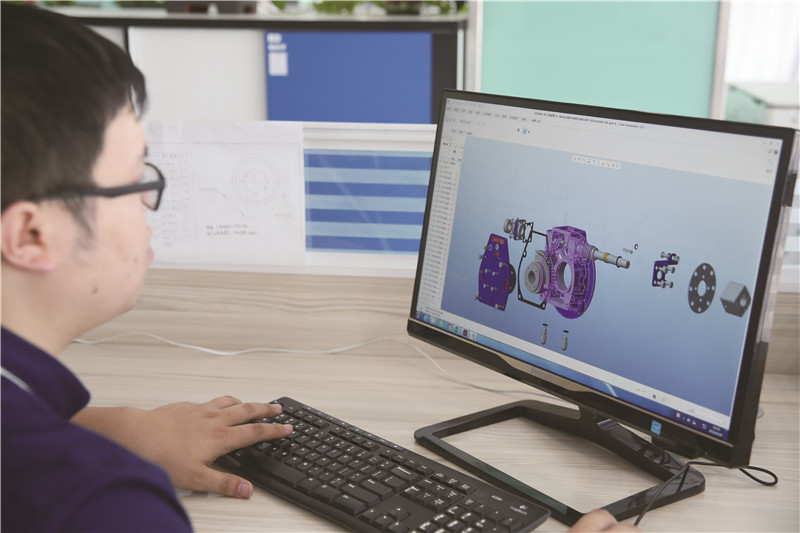
We utilize an ERP system that monitors every phase of the manufacturing cycle in real-time. This provides traceability for each batch of cast steel gearboxes shipped to Germany and other global destinations.
The integration of ERP tracking and modern CNC processing ensures our machining tolerances stay within critical design margins. This minimizes backlash in the gear drive, reduces manual input effort, and extends the operational life of the internal worm gears.
Over the last decade, our industrial gearboxes have been exported to the United States, Italy, Germany, Mexico, Singapore, Japan, and other industrialized nations, satisfying custom requirements for marine, underground, and chemical plant environments.
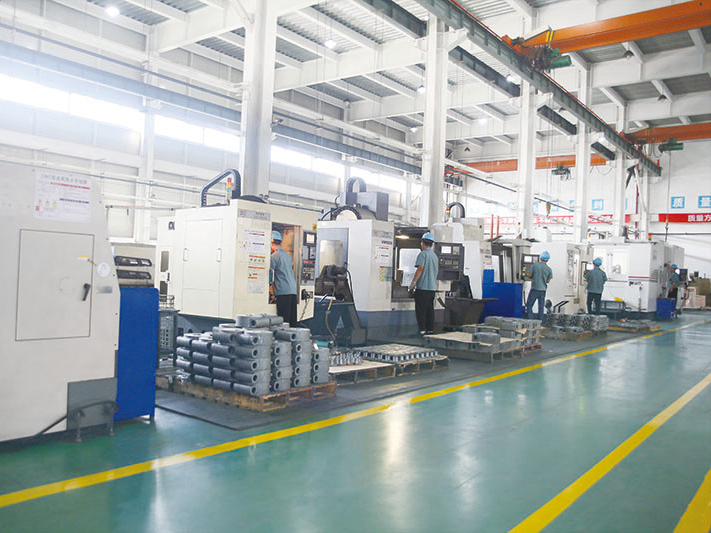
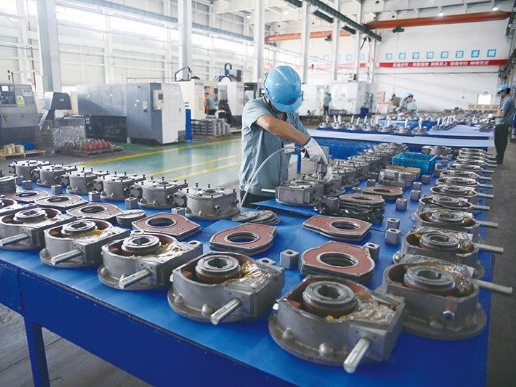
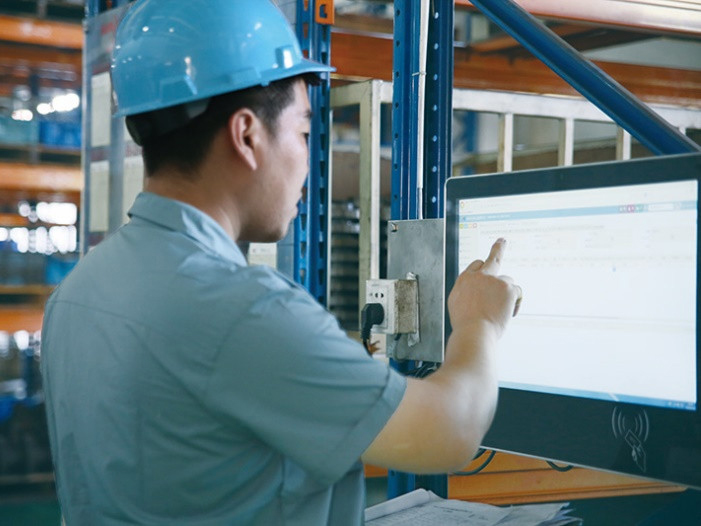
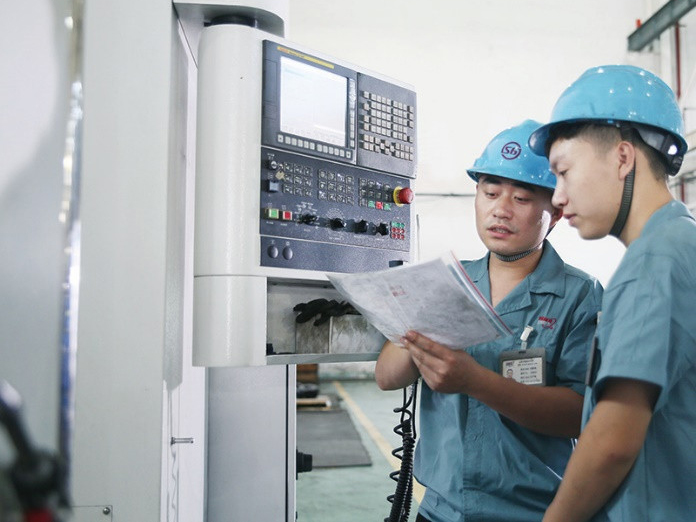
With an annual capacity of 100,000 sets and a $9,000,000 max output value, our facility can accommodate large-scale project procurements. Here is a glance at our bulk supply storage and automated component processing:
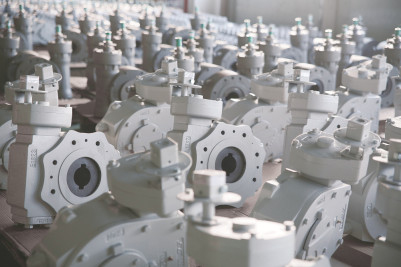
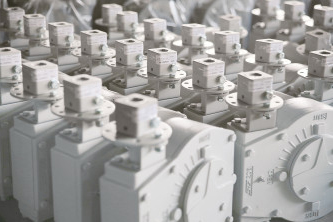
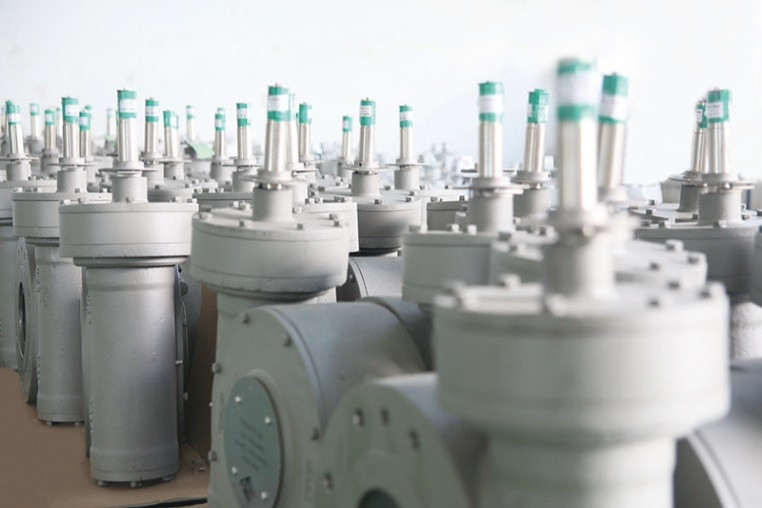
To ensure that our products are 100% qualified before shipment, Stard-gears maintains full-time QC checkpoints at every stage of the manufacturing process, from incoming raw materials inspection to in-process manufacturing audits and final torque verification.
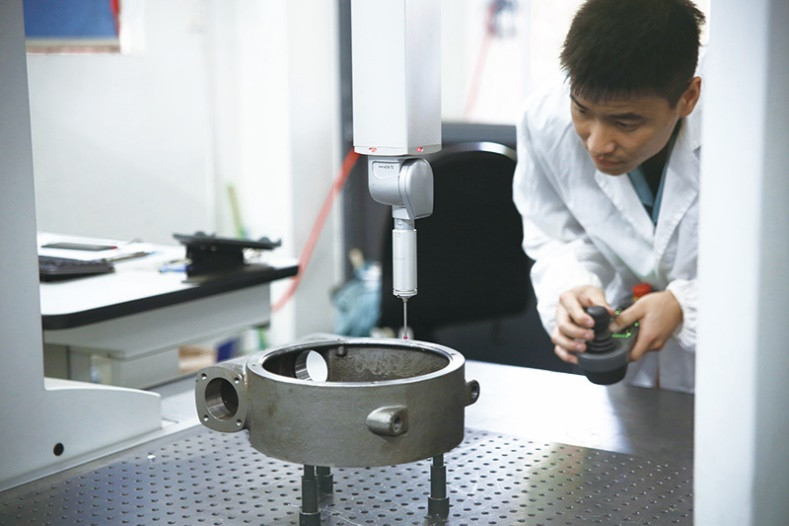
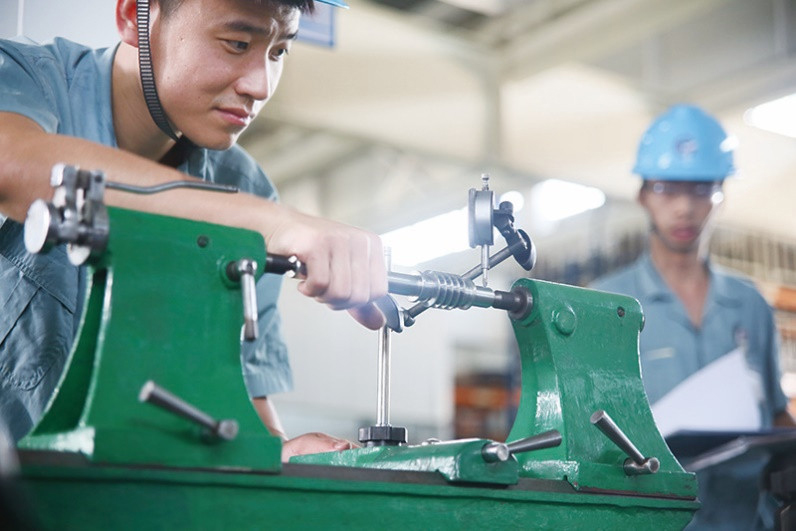
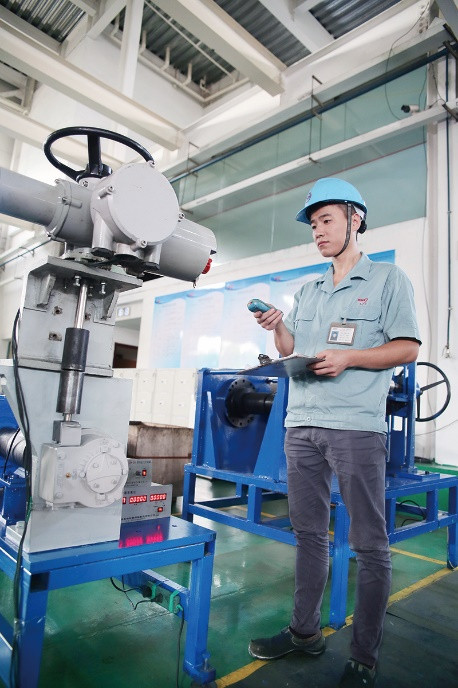
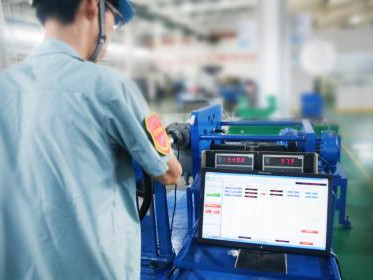
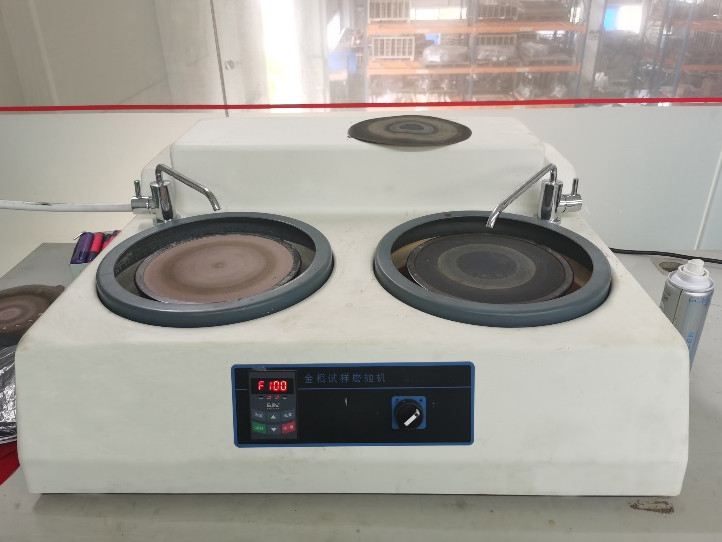
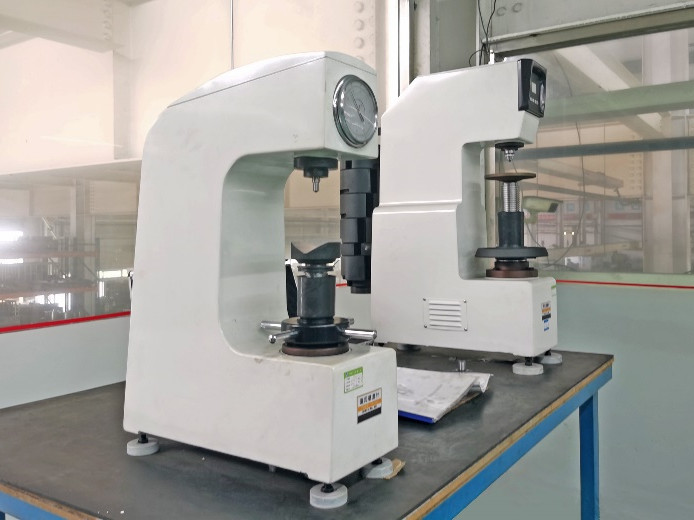
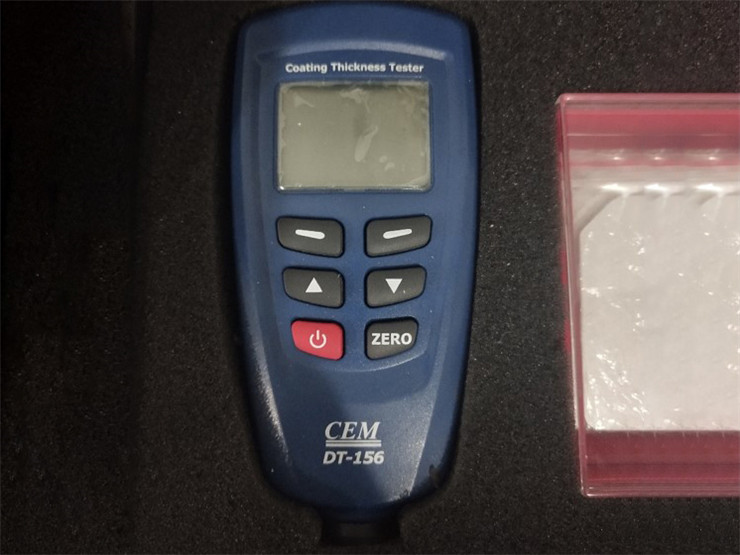
We perform rigorous life-cycle tests and real-time torque load profile diagnostics using dedicated testing machinery. Below are some of our laboratory testing units:
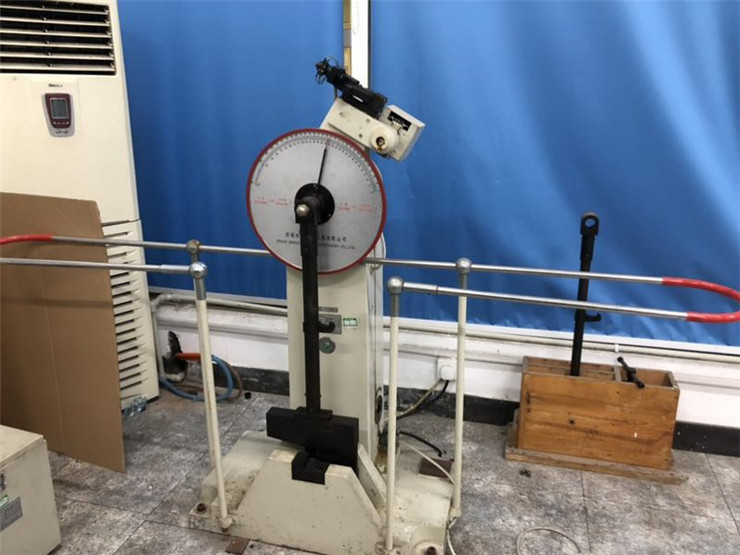
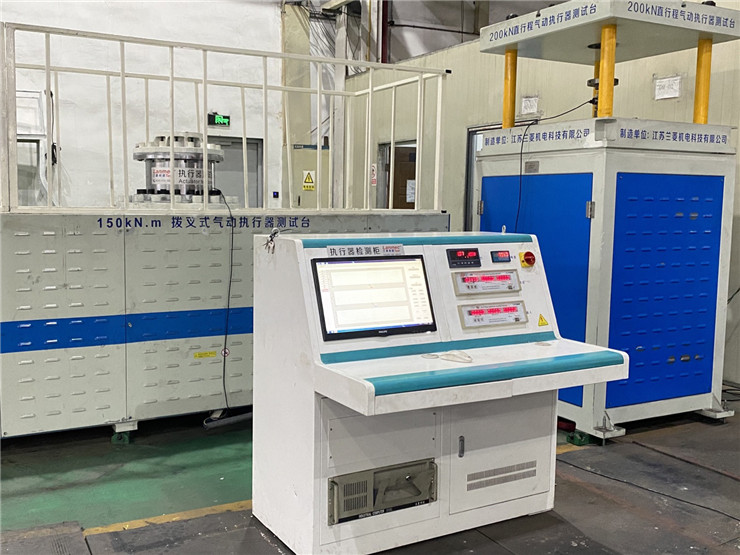
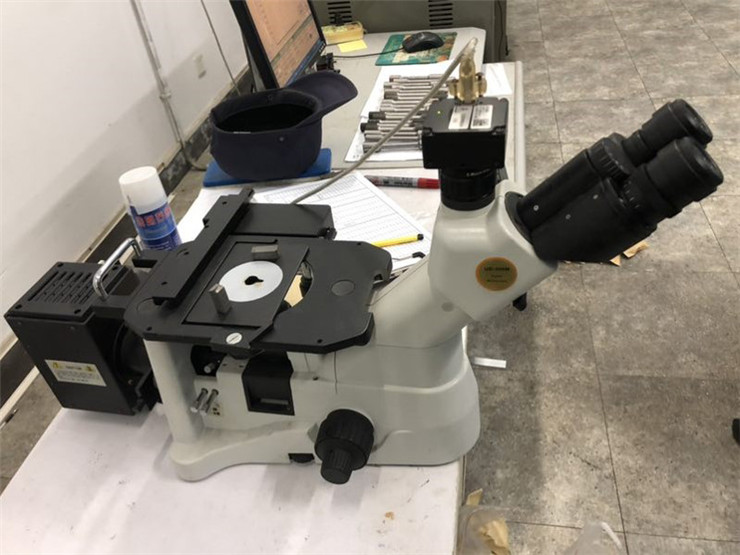
B2B procurement managers from major German valve manufacturers often balance a challenging trade-off: securing cast steel components that meet strict material safety thresholds while keeping raw unit costs within competitive budgets. By utilizing our production lines in Suzhou, German firms can leverage the efficiency of one of the world's most advanced manufacturing hubs.
Within a 50km radius of Suzhou, we procure premium alloy additives, sealing components (such as specialized Viton or NBR gaskets compatible with German chemicals), and precision fasteners. This proximity helps prevent supply chain bottlenecks and reduces raw material transport costs.
Our production facilities operate around the clock, deploying specialized machinery that distributes setup costs across long runs. We offer customizable shaft adapters, handwheel ratios, and locking systems to meet bespoke European OEM design drawings.
Located near the Port of Shanghai, we offer streamlined container transport to European destinations. Shipments arrive regularly at northern German hubs like Hamburg, Bremen, or Duisburg via direct maritime and rail networks.
Different industrial processes require distinct mechanical actuation profiles. Below is how our cast steel quarter-turn gearboxes are integrated within Germany's key infrastructure sectors:
In chemical plants handling hazardous media, quarter-turn ball and butterfly valves require reliable, predictable torque. Our WCB Cast Steel Gearboxes provide strong shear resistance and can be customized with limit switches for remote control rooms, aligning with German automation priorities.
German municipal wastewater treatment systems require reliable valve operation. For buried pipe systems, our specialized underground pipe valve gearboxes offer IP68 protection, sealing out water, soil, and dust over extended operating periods.
District heating networks require materials that maintain mechanical strength under high temperatures. Our cast steel gearboxes resist thermal deformation, helping prevent manual override jams during plant maintenance shutdowns.
When purchasing managers source valves and actuate gearboxes globally, several critical variables must be checked to ensure standard compatibility and long-term reliability:
Ensure the gearbox mounting flange matches the valve's ISO 5211 configuration. Match the drive shaft dimensions (whether keyway, square, or double-D shape) to avoid transmission play.
Select a gearbox with a rated output torque that includes an appropriate safety margin (typically 20% to 50% above the valve's breakout torque) to handle scale buildup and seat friction changes over time.
Verify that the manufacturer can supply EN 10204 3.1 material certificates, CE declarations of conformity, and IP test certificates to satisfy audit trail requirements in Western Europe.
Specify the required coating thickness. For chemical or offshore installations, epoxy-polyurethane paint systems conforming to ISO 12944 (C4 or C5 classes) protect the steel from oxidation.
Explore our range of valve operators, including declutchable gearboxes, aluminum alloys, and high-efficiency underground operators.
Review detailed specifications, standardization requirements, and logistical processes for shipments to European ports.
Consult our engineering team to align with local DIN standards, configure mechanical flanges, or arrange standard quality audit visits.
Contact Our Engineering Team