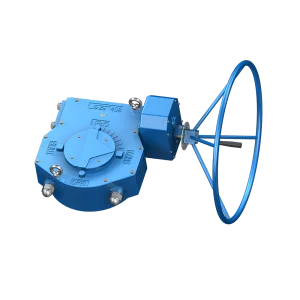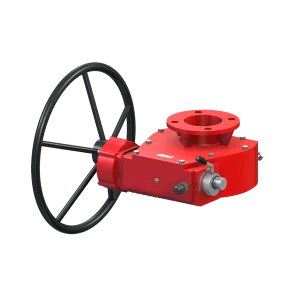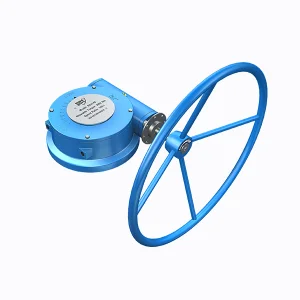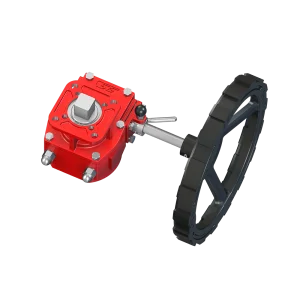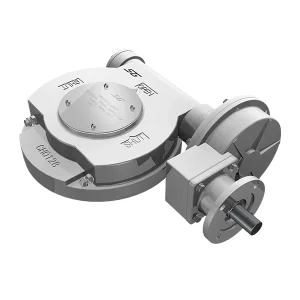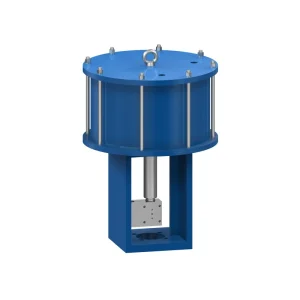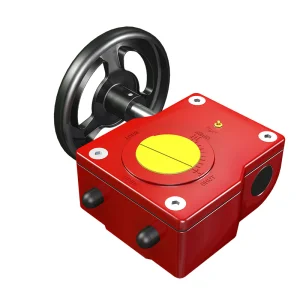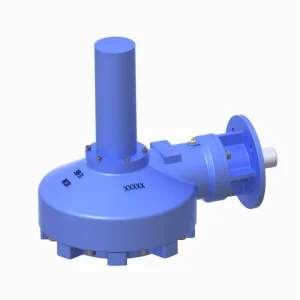
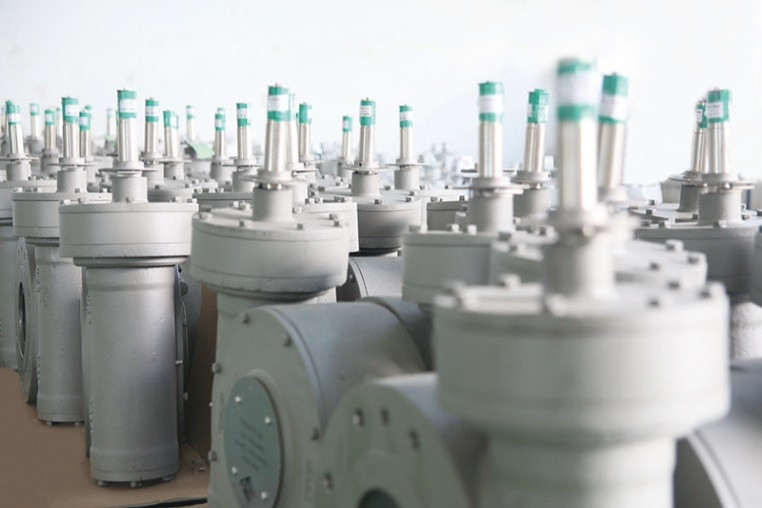
Engineered for high-torque applications in Tokyo municipal and industrial piping plants. Discover our premium cast iron selection.
The Tokyo metropolitan region is home to some of the world's most sophisticated and demanding industrial infrastructure systems. From the extensive pipeline networks managed by the Tokyo Metropolitan Bureau of Waterworks to the critical gas pipelines of Tokyo Gas, and the massive district heating and cooling (DHC) plants operating in Shinjuku and Marunouchi, there is an absolute zero-tolerance policy for component failures. Manual valve operations within these networks depend heavily on premium-grade mechanical actuators.
Tokyo's industrial landscape demands unique localized application profiles. The city is subject to strict seismic regulations under the Japanese Building Standards Act and the High-Pressure Gas Safety Act. Valve installations must be equipped with seismic-resistant manual overrides, declutchable configurations for emergency manual operation, and materials that withstand high humidity, coastal air salinity near the Port of Tokyo, and dense underground moisture. Cast Iron Quarter-Turn Gear Operators play an indispensable role in these setups, offering high mechanical advantage, robust self-locking capabilities, and compliance with strict JIS (Japanese Industrial Standards) mounting dimensions.
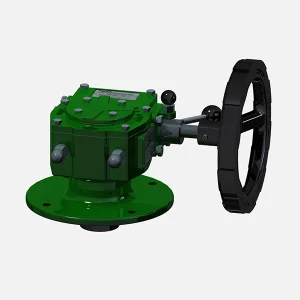
Designed to withstand continuous humidity and submersion, ensuring Tokyo's municipal water systems operate efficiently under tight JIS B2003 guidelines.
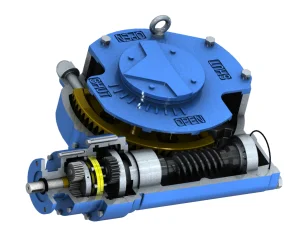
Featuring declutchable gear mechanisms that allow operators to quickly override automated systems during seismic emergencies or power outages.
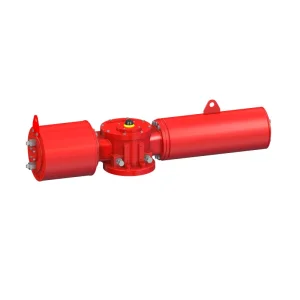
Engineered for hot water, steam, and industrial cooling loops in high-density commercial developments across Tokyo Port and Shinagawa areas.
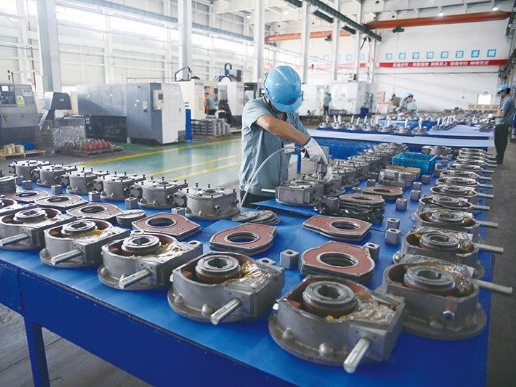
Founded in 1999 and situated in the Suzhou Industrial Park (SIP), Jiangsu, China, Stard-Gears occupies an 8,900 m² modern manufacturing plant coupled with a 2,500 m² engineering office. With annual sales reaching $7,000,000 to $9,000,000 and sustaining a consistent 10%-20% yearly growth, Stard-Gears has developed into a premier global designer and manufacturer of manual valve control mechanisms. Holding full ISO9001 quality system certifications, our annual output routinely reaches 100,000 actuator packages.
Our capabilities span high-efficiency gear design, finite element analysis (FEA), and precision casting operations. Over the last decade, our high-torque quarter-turn actuators, Scotch Yoke pneumatic actuators, and declutchable manual overrides have been exported to demanding industrial buyers in the United States, Italy, Germany, Mexico, Singapore, and Japan. Our corporate commitment remains clear: high-integrity product manufacturing, robust engineering solutions, and cost-effective operational value.
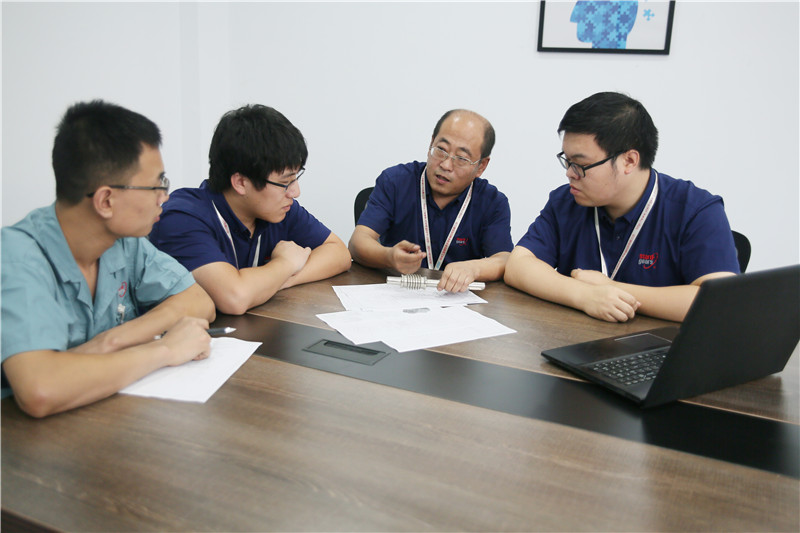
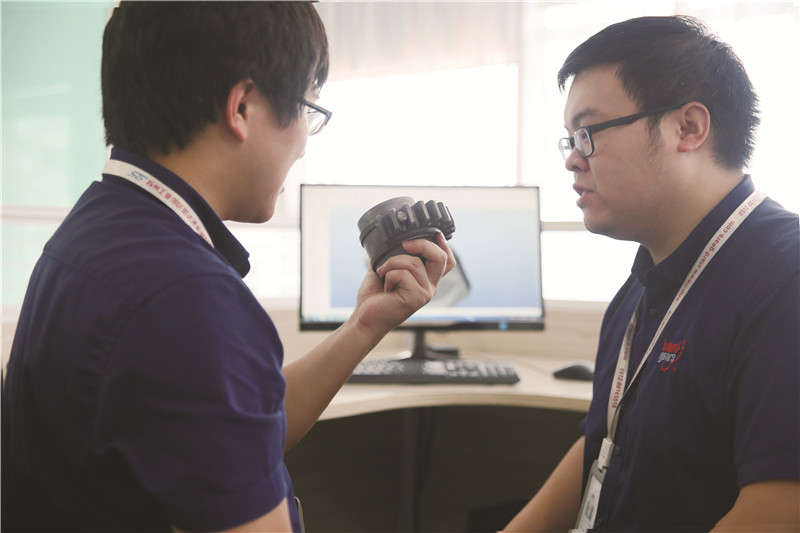
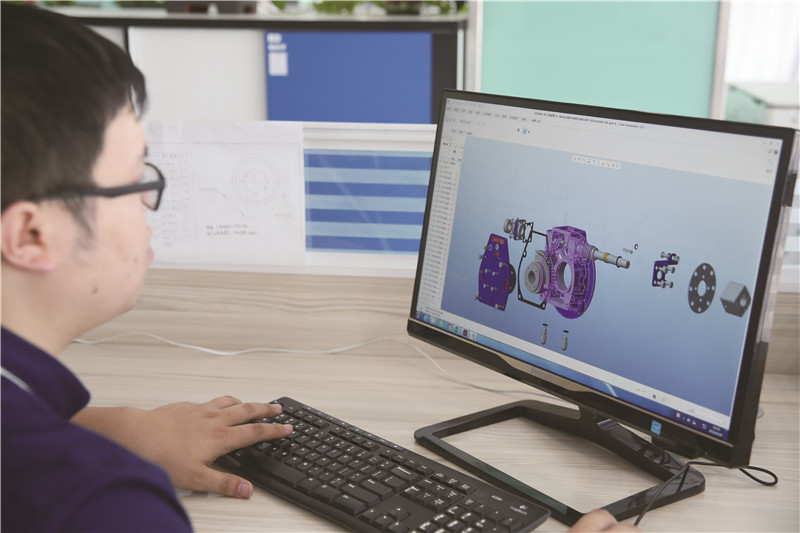
Leveraging 3D solid modeling, kinematic simulations, and stress analysis to optimize wall thicknesses, tooth profiles, and load distributions.
Stard-Gears utilizes state-of-the-art virtual testing environments. By running comprehensive finite element analyses (FEA) on worm gear assemblies and ductile iron casings, our design engineers can predict elastic deformation and stress distribution patterns under maximum torque loads. This dramatically cuts development time, minimizes physical prototyping costs, and ensures that the final gear operators shipped to Tokyo operate with a safety factor of 1.5 to 2.0 times nominal torque ratings.
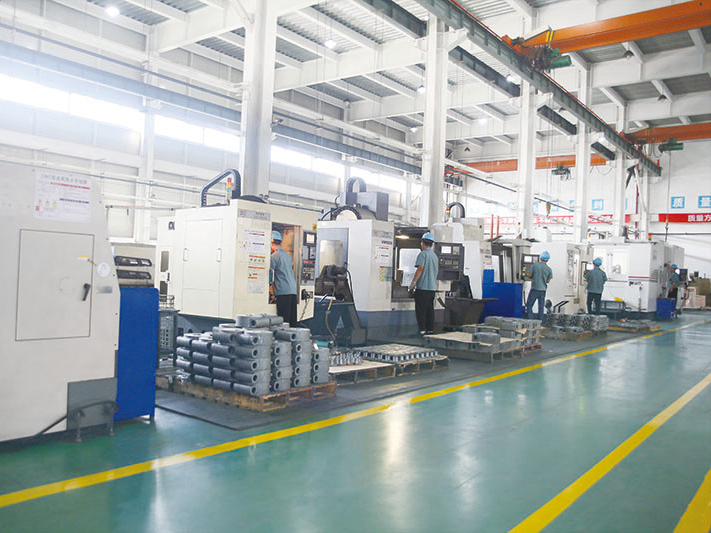
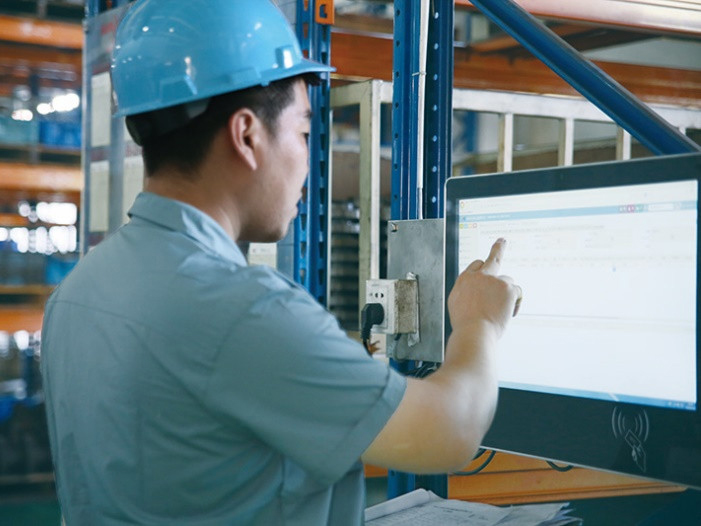
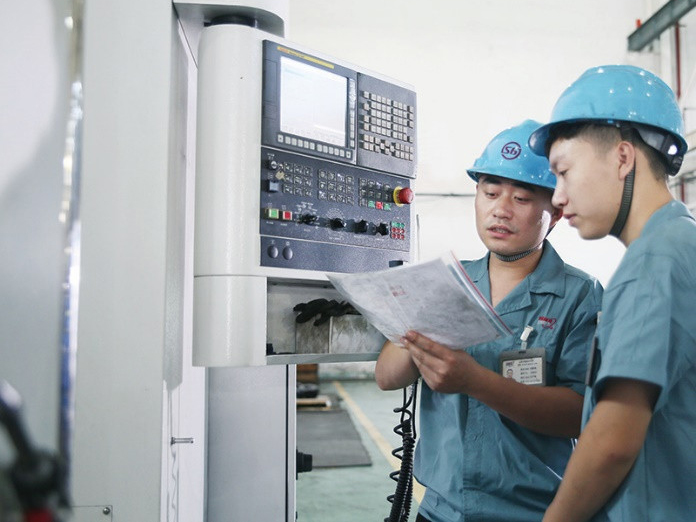
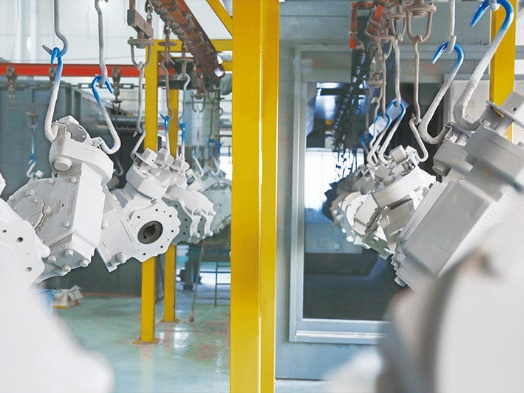
Our Suzhou plant integrates computerized ERP management structures to secure manufacturing traceability and consistent cycle times.
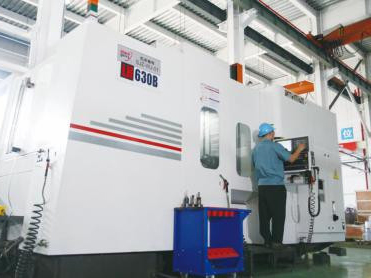
Real-time manufacturing data is tracked at every CNC machining station, gear cutting machine, and automated painting line. Our integrated ERP system tracks batch numbers, casting certificates, and machining tolerances. This structural transparency ensures that large-scale infrastructure orders destined for the Tokyo market are processed without logistical bottlenecks, providing reliable lead times and predictable shipping schedules through local container ports.
A look into our annual performance metrics, demonstrating high scaling capacity to feed international pipeline supply chains.
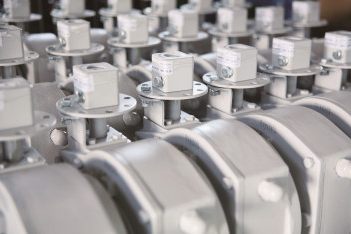
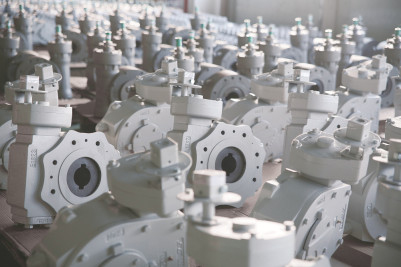
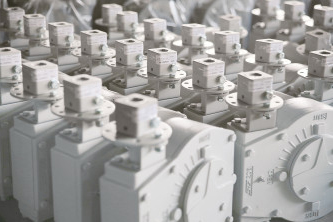
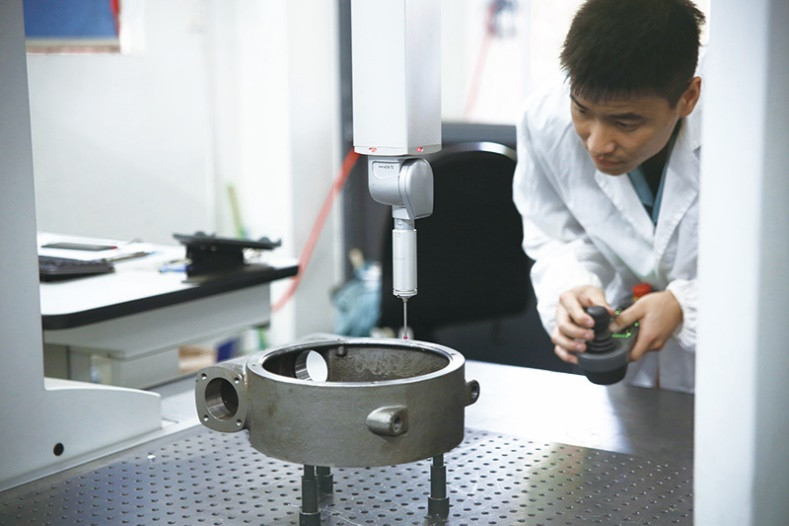
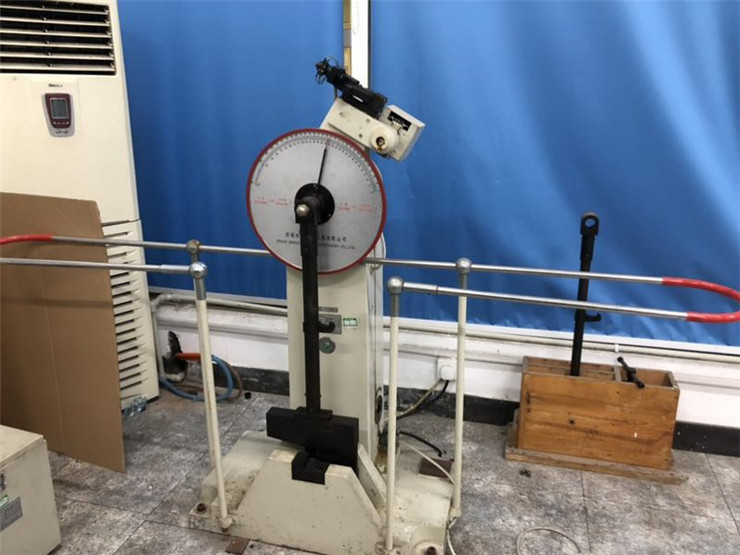
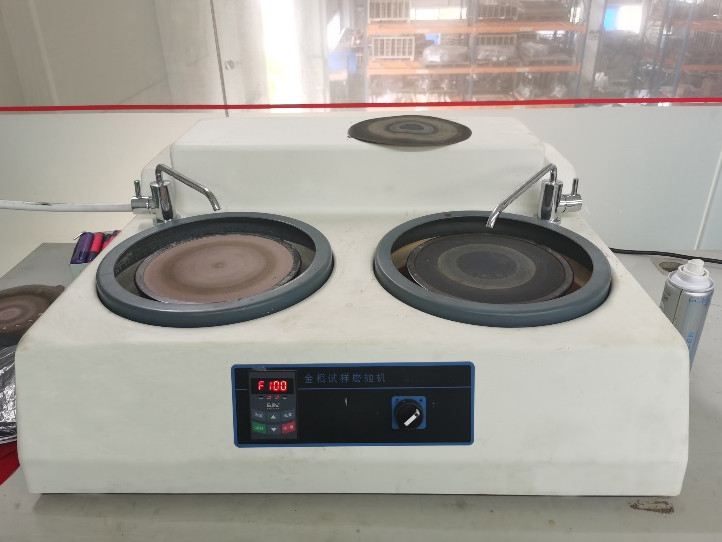
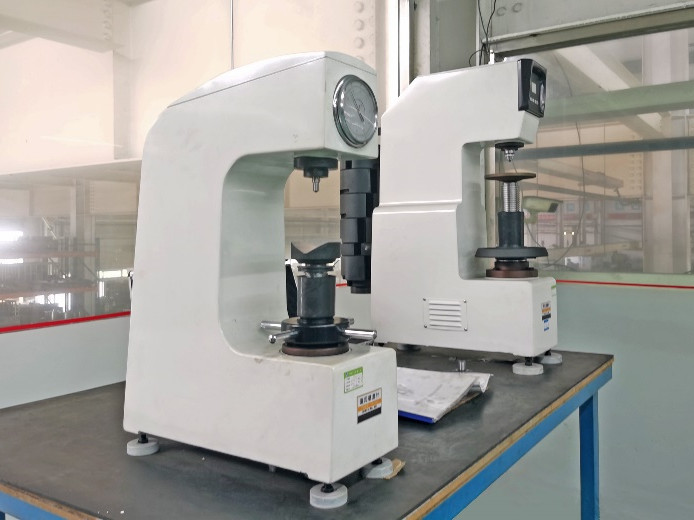
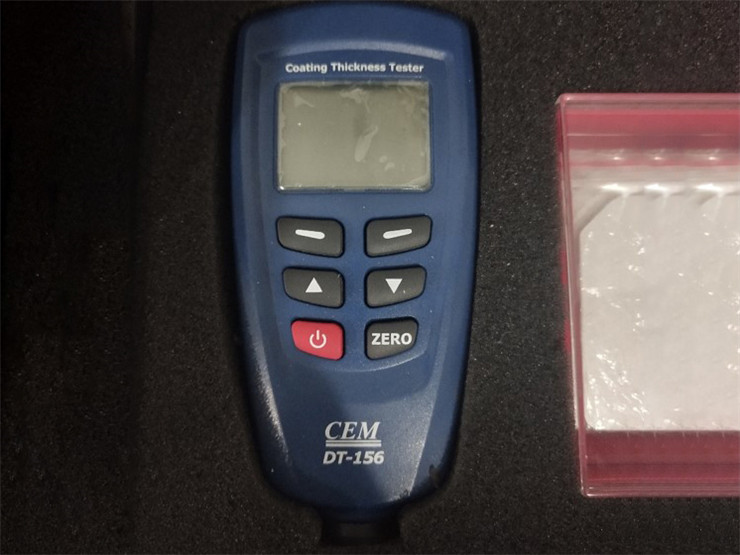
100% compliance with strict international codes, verified through state-of-the-art non-destructive testing and mechanical verification.
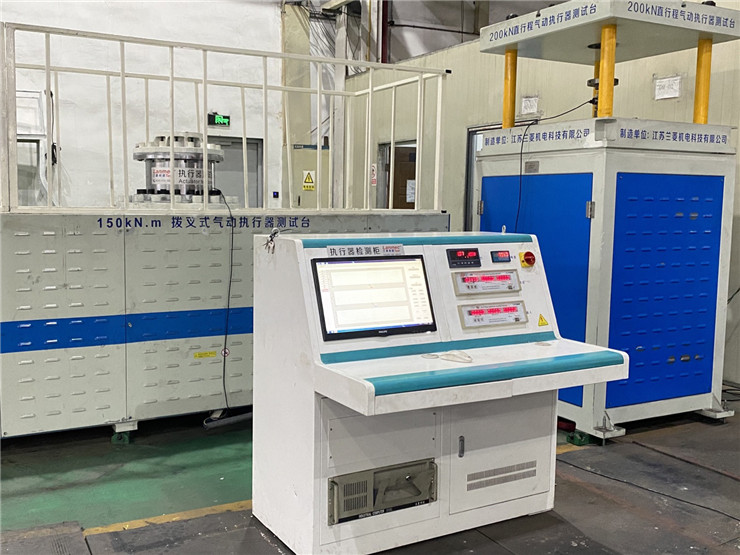
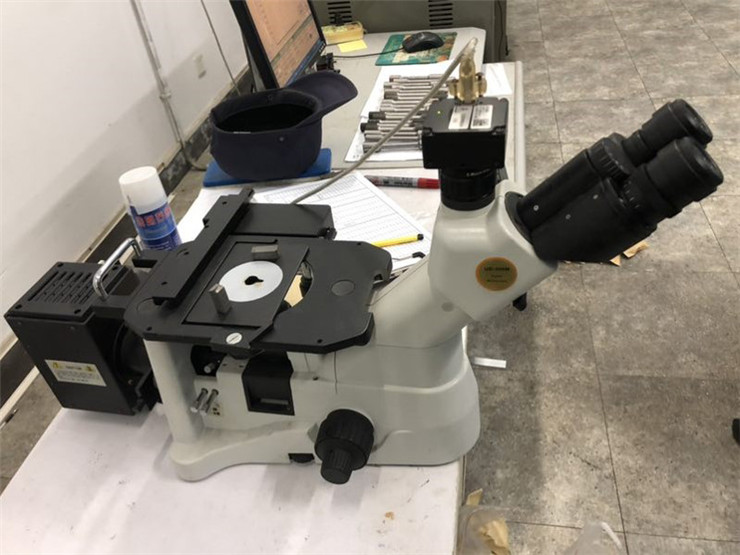
To ensure that every cast iron housing has no interior gas pockets or micro-cracks, QC specialists run non-destructive testing (NDT), including ultrasonic and magnetic particle examinations. Raw cast components (GG25 grey cast iron, GGG40 ductile iron) are evaluated for tensile strength, elongation percentages, and nodular graphite structures. Advanced torque testing rigs determine exact break-away torques and mechanical efficiencies of the internal gearing system prior to protective primer coatings.
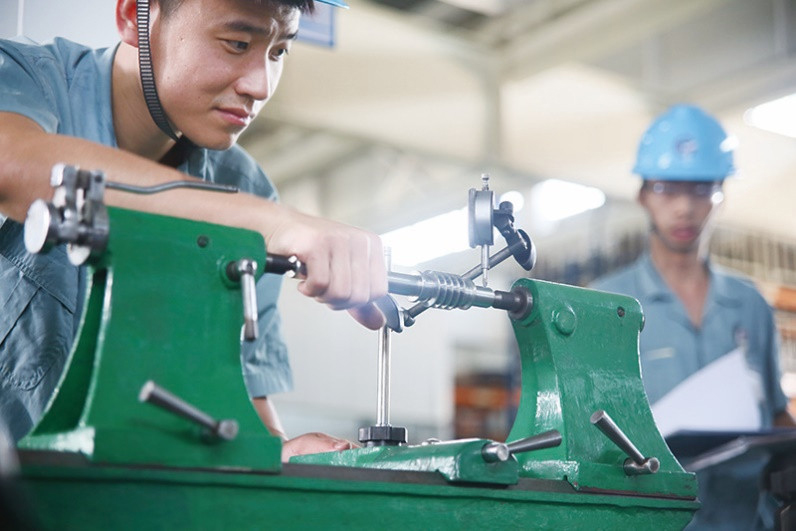
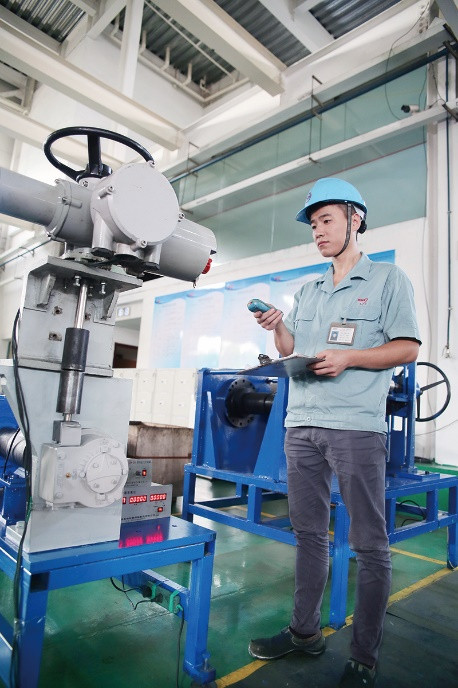
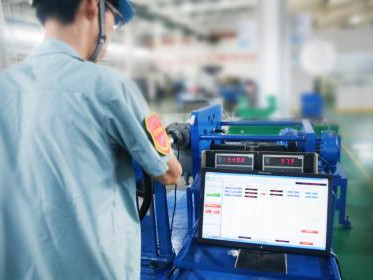
Dynamic torque profile testing rigs verify the output torque range of manual overrides and gear reductions under load simulations.
The Yangtze River Delta region of China, anchored by the Suzhou Industrial Park, represents the world’s most integrated industrial supply ecosystem for fluid control hardware. This concentration of raw material cast-foundries, precision CNC machining mills, heat-treatment centers, and specialized fastener manufacturers allows Stard-Gears to streamline production workflows, compress product cycle times, and minimize costs.
For industrial buyers in Tokyo, this translates into unique strategic advantages. Because we can source high-grade pig iron, spherical nodulizers, carbon steels, and mechanical seal rings locally, our raw supply pipeline is immune to international shipping disruptions. The short physical distance from our production plant in Suzhou to Shanghai and Ningbo Ports permits fast maritime freight links. Standard orders can reach the Port of Tokyo or Port of Yokohama within 5 to 7 transit days, offering Japanese clients a responsive option for replenishment or direct project site deliveries.
The manual valve operator sector is moving beyond basic worm gear mechanical design. Stard-Gears is actively focusing on three primary technical domains:
Future iterations of our heavy-duty declutchable gearboxes will feature optional built-in electronic position sensors. By embedding compact, low-power IoT transceivers inside the cast iron protective cover, operators can wirelessly transmit real-time valve position telemetry to control centers, satisfying the digital transformation (DX) initiatives of modern Tokyo processing facilities.
We are expanding the use of specialized epoxy-polyester coatings and thermal-sprayed zinc treatments. These advancements prevent oxidation in highly saline coastal environments, ensuring compliance with both JIS K5516 standards and international corrosion resistance categories up to C5-M.
Through alloying enhancements (such as nickel and chromium modifications in casting melts), we are producing high-toughness nodular cast irons. This maintains structural integrity under seismic vibrations down to sub-zero temperatures, providing safety overheads for refrigeration and liquefied gas distribution centers throughout Kanto.
Selling to the Japanese market requires strict adherence to technical and procedural requirements. Stard-Gears guarantees the following support frameworks for Tokyo clients:
Answers to technical questions regarding material selection, mounting standards, and torque margins for quarter-turn gear systems.
Explore our complete selection of quarter-turn manual actuators, declutchable gearboxes, and pneumatic systems built for Tokyo's industrial demands.