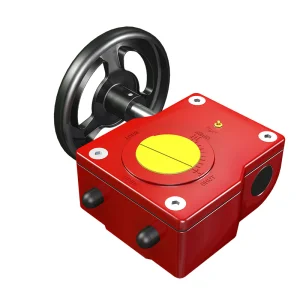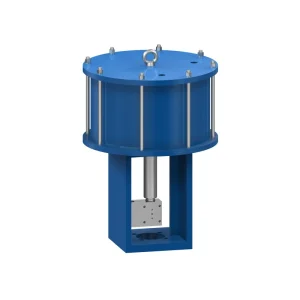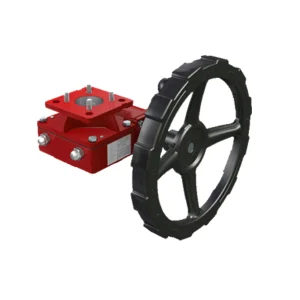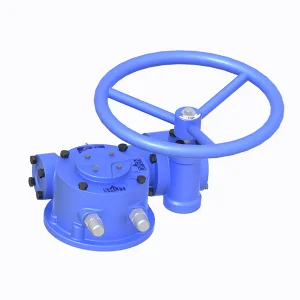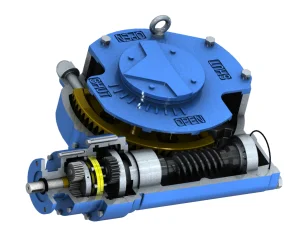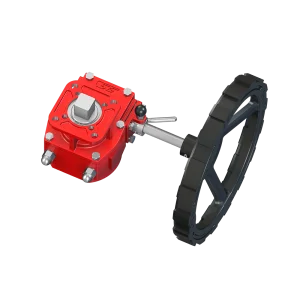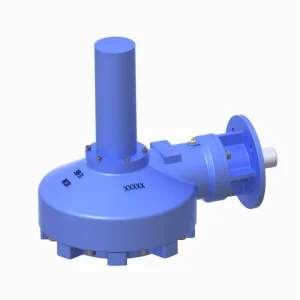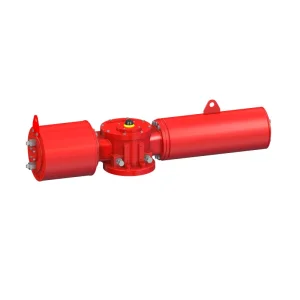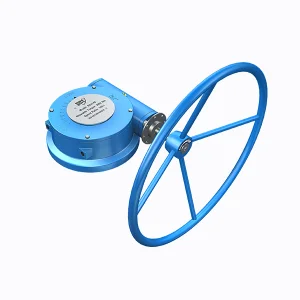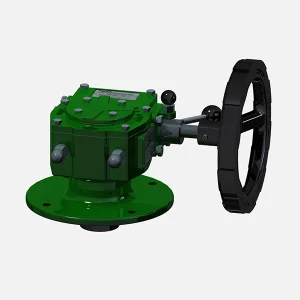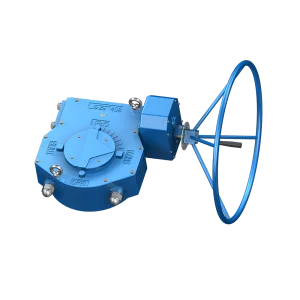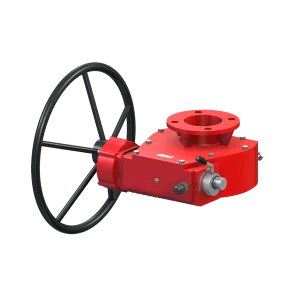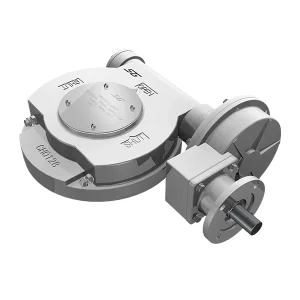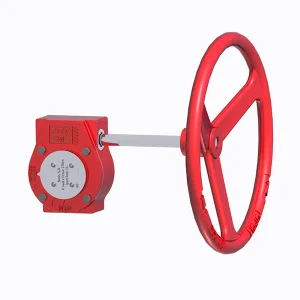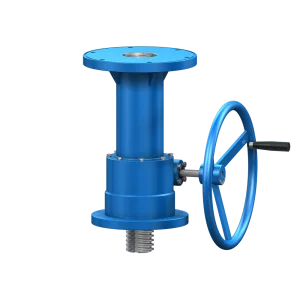
Discover our primary lineup of CE-certified aluminium alloy manual overrides, declutchable gearboxes, and linear actuators engineered for severe service pipelines.
Traditionally, heavy cast steel and ductile iron have dominated the field of valve automation. However, modern environmental and structural demands have accelerated the adoption of Aluminium Alloy (typically grades like A380 or ADC12). The primary driver is weight reduction—aluminium components reduce the weight load on structural pipeline supports by up to 50% compared to cast iron. This is critical for offshore platforms, complex chemical plants, and elevated pipe racks where structural load margins are razor-thin.
Additionally, weight reductions yield dramatic savings in shipping costs, cargo handling safety, and installation labor, while maintaining comparable yield strength and long-term durability under high cyclic loads.
Aluminium alloy naturally forms an oxidation layer that shields the internal mechanical assembly from ambient moisture, sea air, and aggressive gases. In wastewater treatment facilities and coastal industrial parks, this intrinsic protective barrier—often enhanced with advanced polyurethane or epoxy coating technology—ensures that the quarter-turn gearbox operates reliably without fracturing or freezing due to rust.
Advanced chemical formulations and hard anodized surface treatments enable these manual gearboxes to survive in highly acidic, saline, and petrochemical environments, outlasting standard raw cast iron operators by multiple lifecycle intervals.
Procurement executives and design engineers in the modern industrial landscape evaluate suppliers through a complex matrix of compliance, mechanical reliability, and structural cost efficiency.
Compliance is the threshold for any safety-critical application. Top-tier engineering firms require suppliers to maintain ISO 9001 quality management certificates, CE markings for European markets, and ATEX/IECEx certifications for explosive environments. Testing data for IP67/IP68 ingress ratings and fire-safe testing reports are mandatory for high-risk processes.
Interchangeability is crucial. Modern manual overrides must align perfectly with standard ISO 5211 mounting interfaces to support modular attachment to pneumatic or electric actuators. Standardized drive sleeves, keyways, and bolt patterns reduce transition brackets, eliminating mechanical hysteresis and shaft misalignment.
For double-acting pneumatic systems, a declutchable gearbox is vital. In normal operations, the gearbox is disengaged (declutched). During air pressure loss, the manual override is engaged via an eccentric cam system, providing a failsafe mechanism to actuate butterflies or ball valves manually.
| Performance Parameters | Aluminium Alloy Gearbox | Ductile Iron Gearbox | Cast Steel Gearbox |
|---|---|---|---|
| Average Weight Savings | 40% - 60% (Superior) | Base Reference | +10% to +20% (Heavy) |
| Natural Corrosion Protection | High (Al₂O₃ oxide layer) | Low (Subject to rust scales) | Medium (Requires heavy priming) |
| Tensile Yield Strength | 230 - 320 MPa | 350 - 450 MPa | 480 - 600 MPa |
| Best Applications | Offshore, Chemical, Coastal Water | Water Supply, General Mining | High-Pressure Steam, Power Plant |
| Mounting Options | ISO 5211 F05 to F16 | ISO 5211 F07 to F25 | ISO 5211 F10 to F35 |
How Stard-gears integrates smart automation, dynamic material tracking, and geographic localized supplier networks to ensure rapid lead times and superior product consistency.
Founded in 1999 and located in the Suzhou Industrial Park, Stard-gears sits at the center of the Yangtze River Delta's high-tech manufacturing cluster. This strategic location offers exceptional supply chain synergy: raw aluminium casting foundries, precision machining centers, high-tolerance gasket manufacturers, and international logistics hubs are all located within a 50-kilometer radius.
This localized ecosystem allows us to purchase premium materials rapidly, perform machining at optimized tolerances, and maintain short manufacturing lead times. We handle custom orders that standard manufacturers reject due to component sourcing friction.
Efficiency is driven by data. Stard-gears operates a comprehensive, custom-tailored Enterprise Resource Planning (ERP) platform. Every raw ingot purchase order, machining cycle, and QA inspection result is digitally logged, offering end-to-end trace documentation.
This level of control ensures that batch-to-batch inconsistencies are eliminated. Large engineering projects can track their production stages in real-time, matching standard milestones for safety-critical industrial projects.
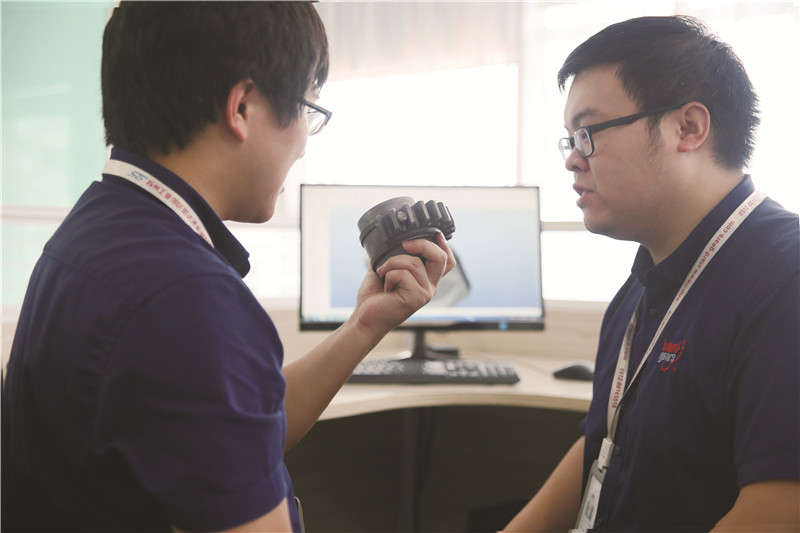
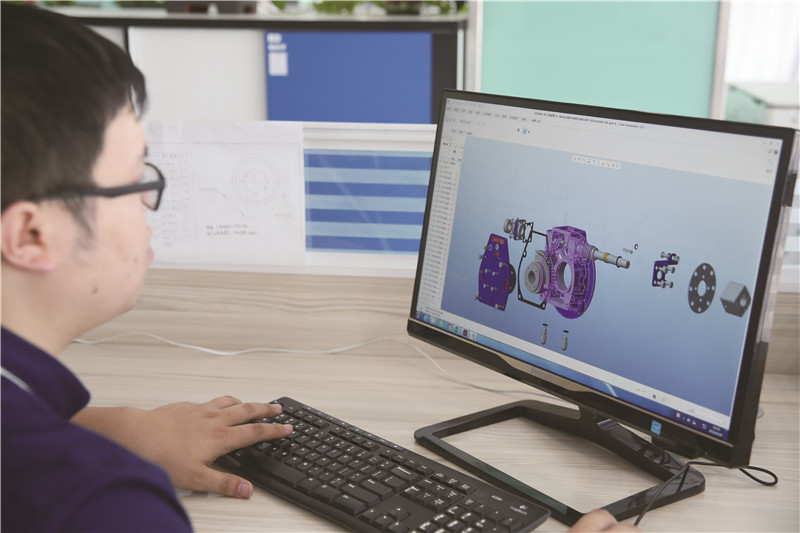
Our engineering team leverages virtual mechanics simulation to ensure that every structural design withstands the maximum operating torque (MAST) limits before tooling and casting.
Through 3D simulation, dynamic simulation, and finite element analysis (FEA), our design engineers can virtually verify the structural soundness, torque transfer efficiency, and fatigue life of every new gearbox model. This rigorous computational approach significantly shortens the design and development cycle, ensures the safety of the final product, and minimizes manufacturing and material costs.
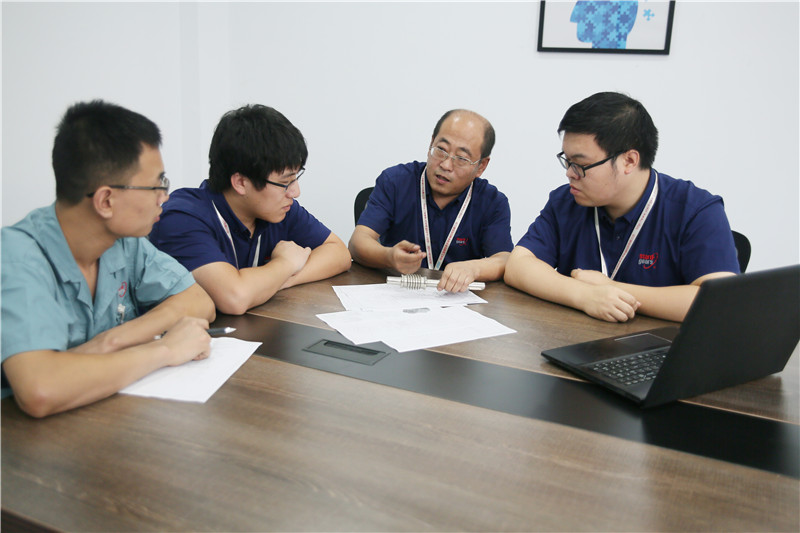
With over 25 years of engineering experience serving global markets, our high-volume production lines deliver up to 100,000 sets per year.
Stard Automation runs a comprehensive ERP management system to ensure that the production schedule and progress of each order is clear at a glance. This system plays an important role in business operations and management, supporting real-time supervision throughout production to maximize efficiency and shorten lead times.
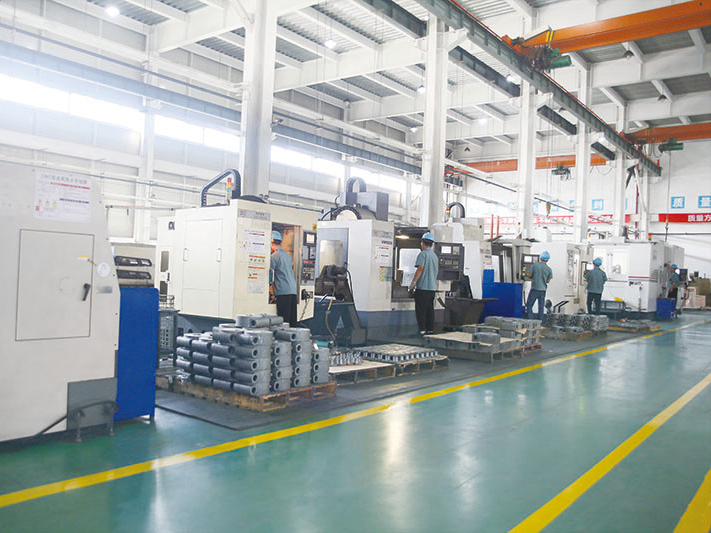
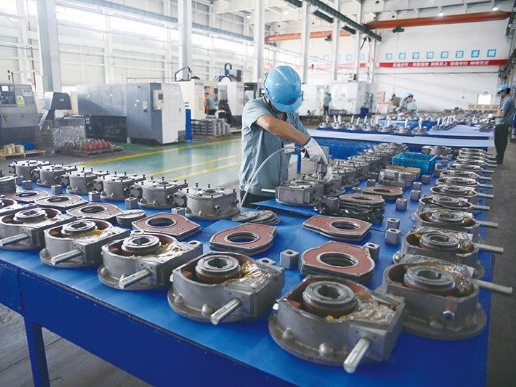
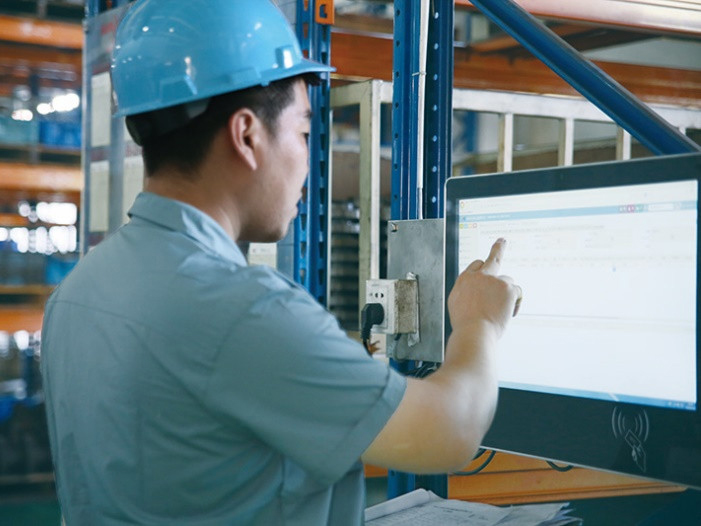
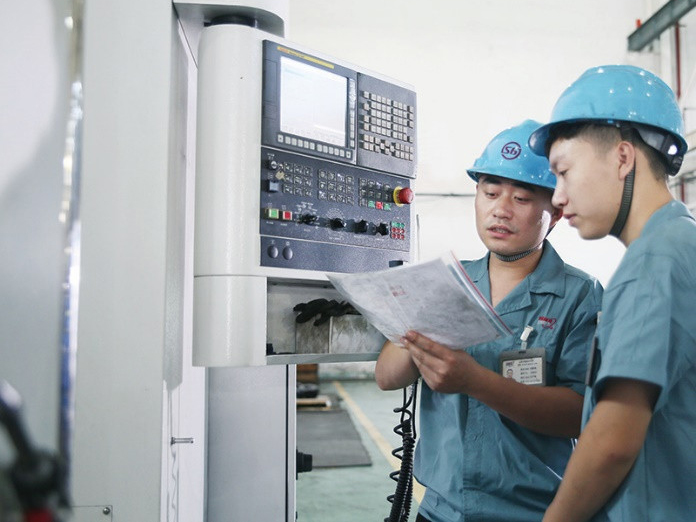
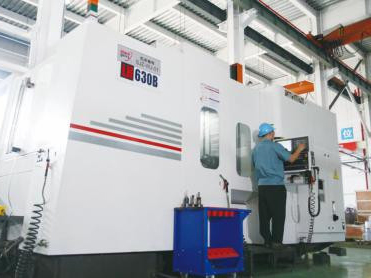
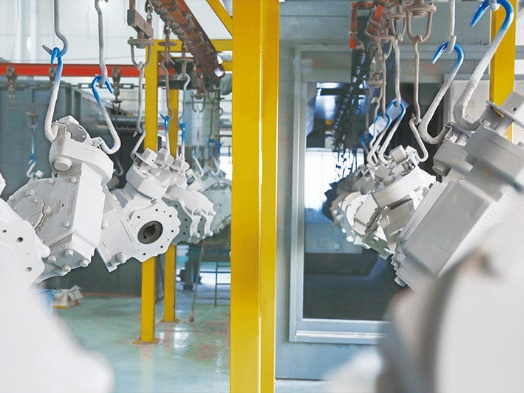
Stard-gears is a modern company integrating research & development, production, sales, and trade. We have set a clear goal of becoming an industry leader. Over the last decade, our products have been exported to the United States, Italy, Germany, Mexico, Singapore, Japan, and other countries. Annual sales of $7,000,000 continue to grow steadily by 10% to 20% per year, demonstrating high customer satisfaction and repeat orders.
Every single gearbox component undergoes dimensional verification and functional testing before leaving our facility.
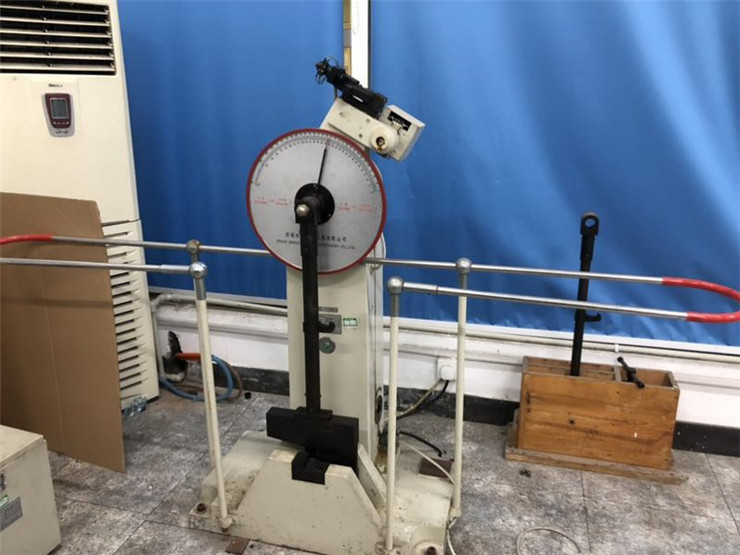
To improve our inspection and testing processes, Stard Automation has set up full-time QC stations at every stage of the manufacturing process—from incoming raw material inspection to in-process quality control (IPQC) and final pre-shipment inspections. This ensures our products are 100% qualified before delivery.
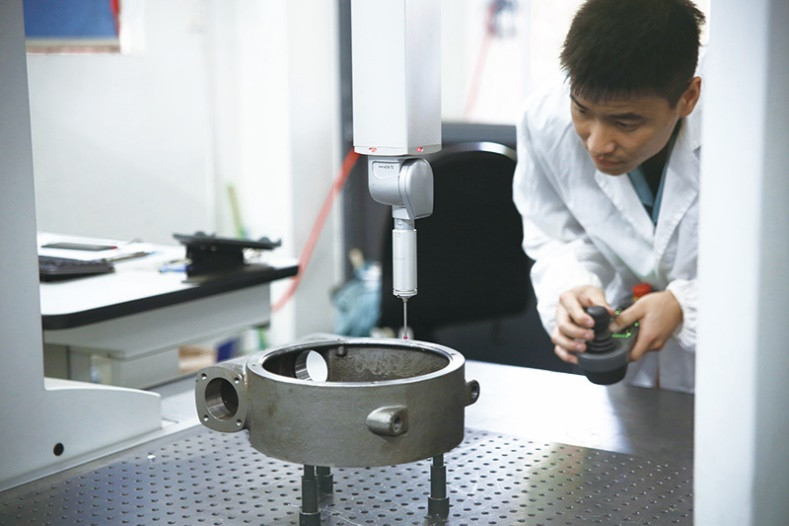
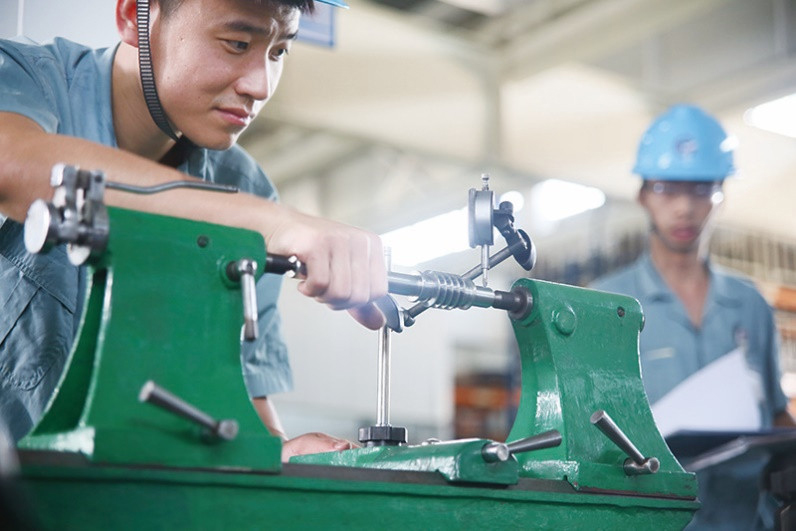
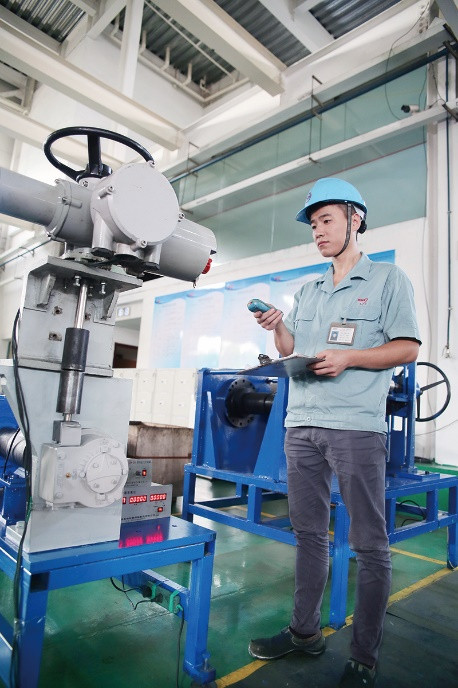
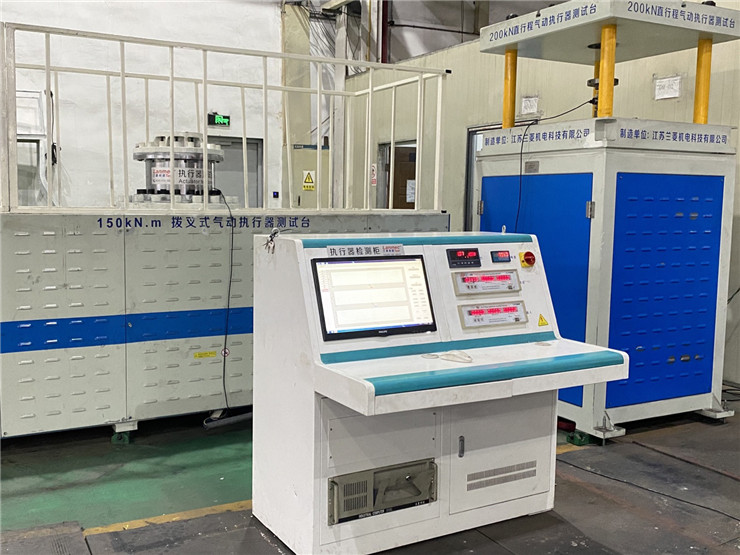
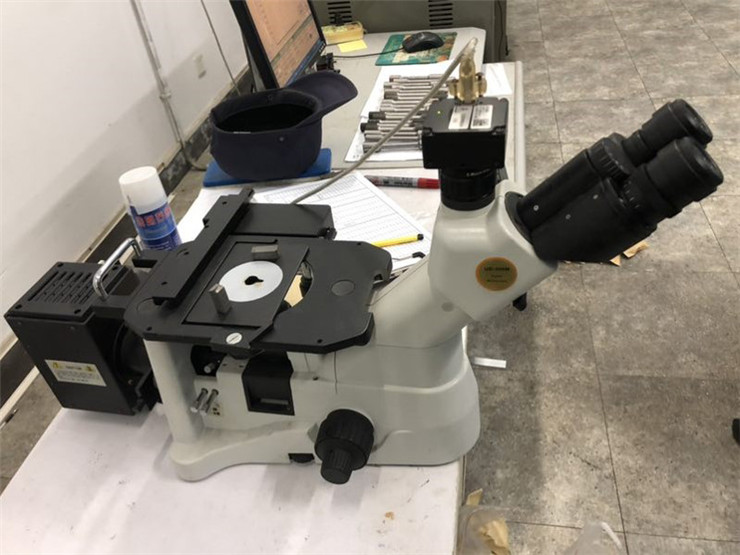
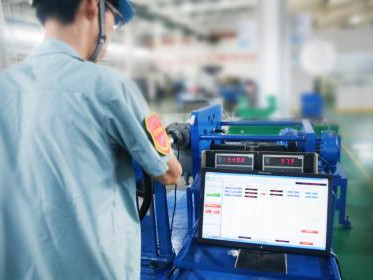
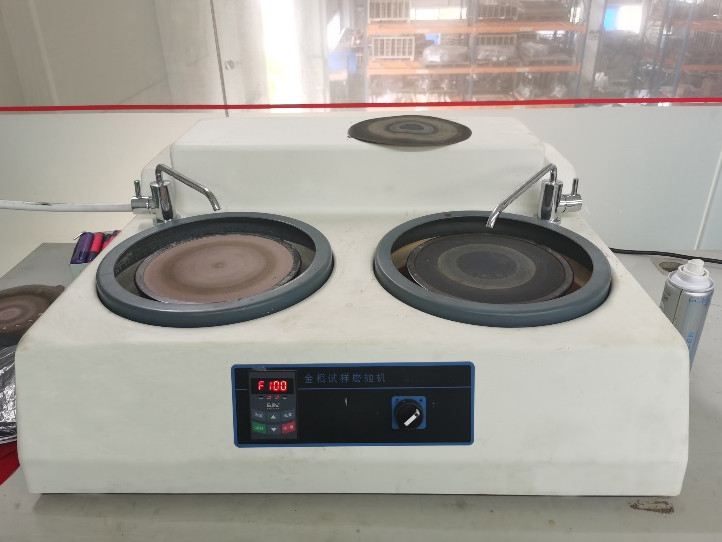
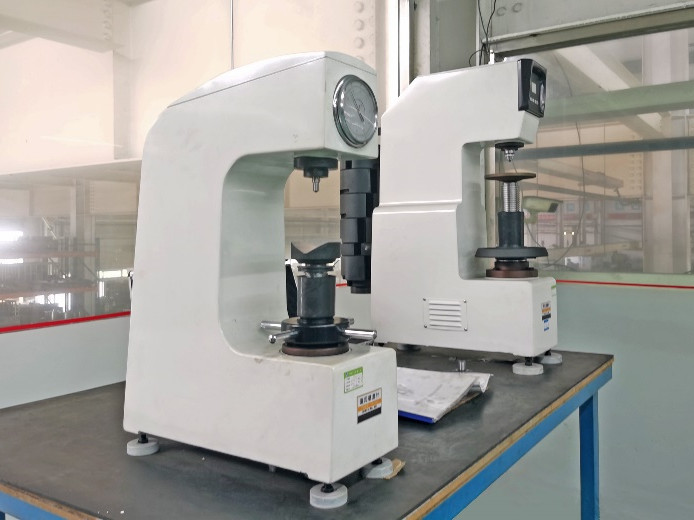
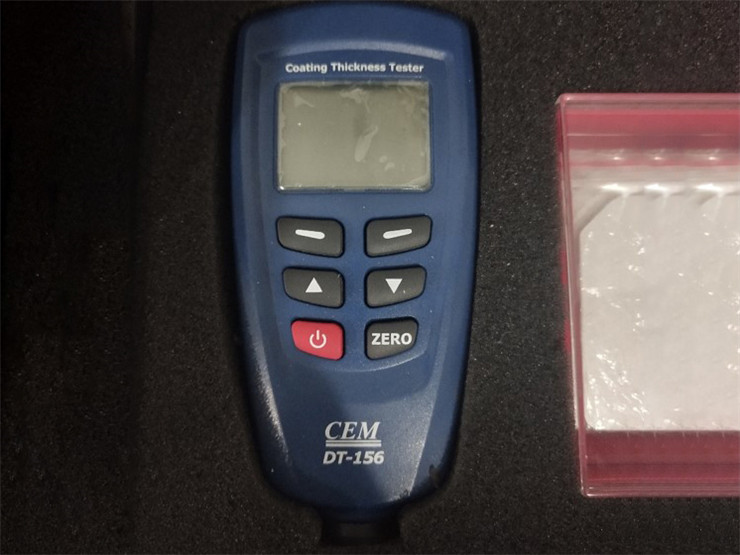
Stard Automation owns a full range of advanced inspection and testing equipment to control product quality from casting to final paint. This includes precise torque testing rigs, coordinate measuring machines (CMM) for tolerance validation, and specialized life-cycle fatigue testing equipment.
Our aluminium alloy quarter-turn manual gearboxes are engineered for reliable performance in a wide range of demanding environments.
In midstream and upstream oil and gas transport pipelines, space and weight constraints are tight. Our lightweight aluminium manual overrides are mounted directly to isolation ball and butterfly valves, ensuring quick, manual shutoff without overloading elevated pipes.
Humid, chloride-rich wastewater basins cause standard steel components to corrode quickly. Hard-anodized or powder-coated aluminium alloy gearboxes resist corrosive atmospheric gases, ensuring reliable operation without seizing.
Offshore platform engineering teams require components that resist salt spray. Stard-gears manual overrides utilize marine-grade aluminium housings and stainless steel external fasteners to prevent galvanic corrosion in ocean environments.
Get detailed, technical answers about our aluminium alloy manual gearboxes, ISO interfaces, and customize options.
Browse additional Scotch Yoke actuators, cast steel gearboxes, and single-stage handwheel operators from our catalog.