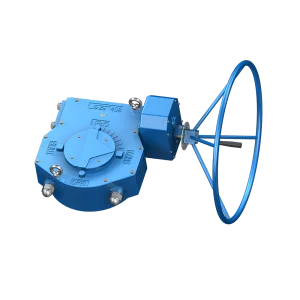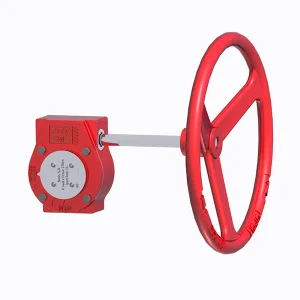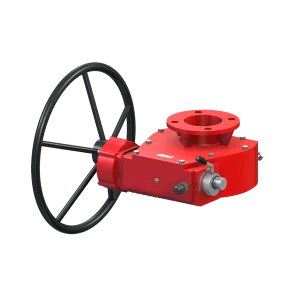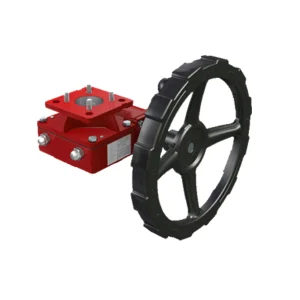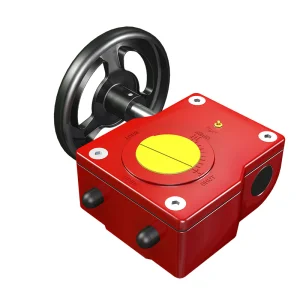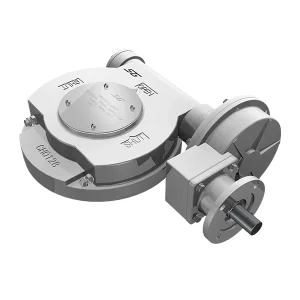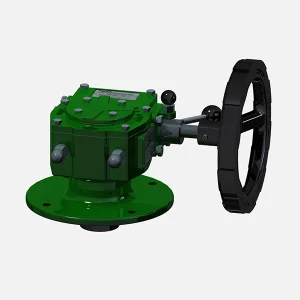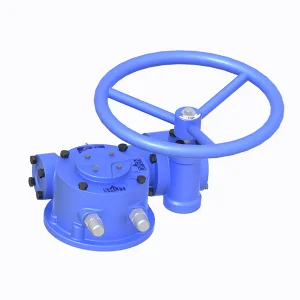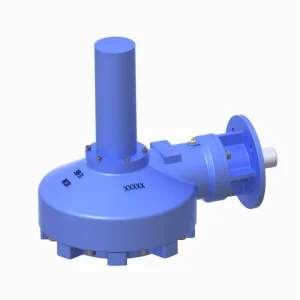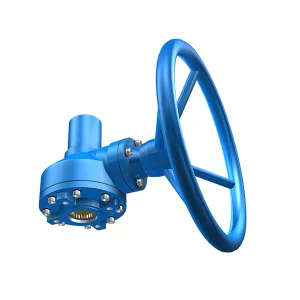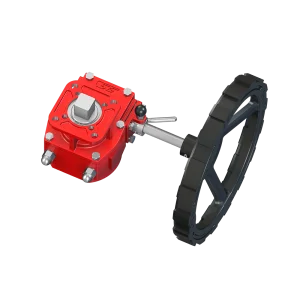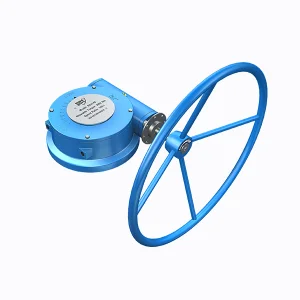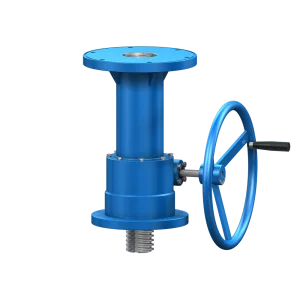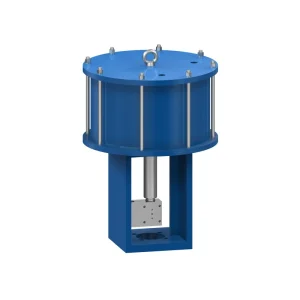
In modern process industries, the movement, control, and containment of fluid dynamics rely on valves that can withstand extreme environments. At the heart of these quarter-turn valve systems (butterfly valves, ball valves, and plug valves) is the mechanical gearbox, designed to convert manual or motorized rotational input into high-torque output. The demand for cast iron quarter-turn gear operators has surged globally, driven by infrastructure upgrades, expanding natural gas lines, desalination initiatives, and chemical refinement processes.
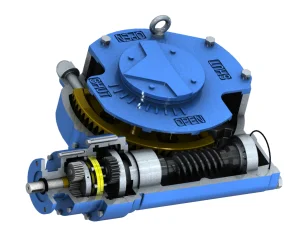
Cast iron (particularly grey iron and ductile/nodular iron variants) serves as the industry baseline for heavy-duty valve operators due to its excellent structural damping qualities, superior compressive strength, and cost-effectiveness. In terms of mechanical reliability, a quarter-turn operator utilizes a worm gear mechanism to provide a mechanical advantage. This configuration permits low input forces on handwheels to actuate high-torque valves under pressure differentials.
This global environment demands gear operators built under stringent compliance structures, ensuring that safety-critical mechanisms do not fail during plant operations. The alignment of manufacturing processes with international specifications like CE certification, ISO 9001, and EN 10204 material traceability guarantees operational reliability under high-load factors.
Engineering gear operators requires balancing output torque, gear ratio selection, and structural safety margins. Utilizing state-of-the-art computational systems, our design process incorporates 3D solid modeling, kinetic simulation, and Finite Element Analysis (FEA) to simulate exact mechanical strain under maximum operating torque.
By simulating mechanical loads, we map stress distribution along gear teeth and housing. This reduces stress concentrations, optimizing casting thickness at high-stress points to prevent housing cracks under maximum torque.
Analyzing gear engagement during operations prevents premature wear patterns. Backlash parameters are controlled to ensure smooth, precise quarter-turn action throughout its service cycle.
Tailored options for extreme environments, declutchable manual overrides, buried pipeline services, and unique output interfaces (ISO 5211 keyways, splines, and double-D shafts).
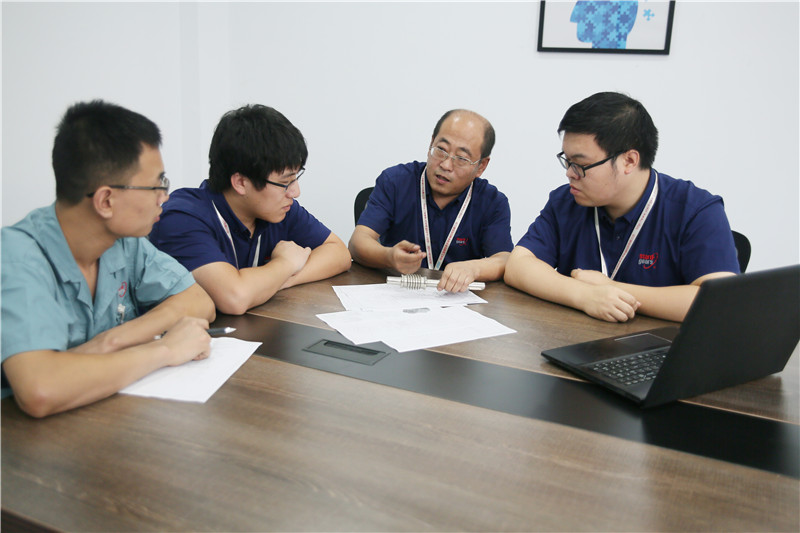
Program Communication
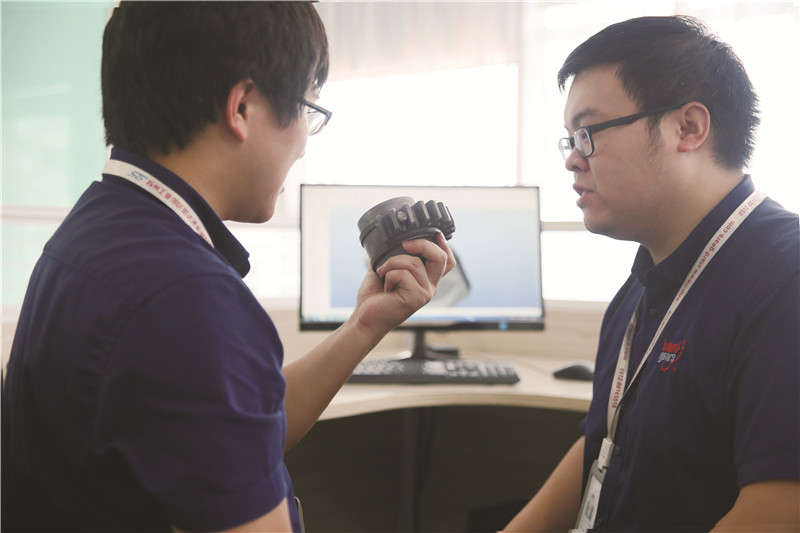
Design Communication
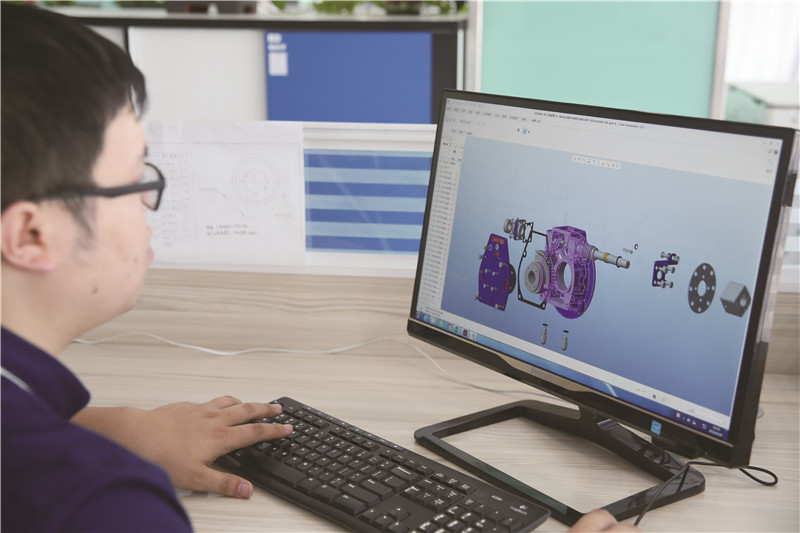
Design Drawing
Our production facilities are situated in the Suzhou Industrial Park, inside China's Yangtze River Delta. This location offers deep industrial ecosystem integration, giving us immediate access to high-quality raw castings, specialized heat treatment providers, alloy additions, and advanced precision machining services.
This geographic positioning minimizes transportation times, reduces raw material procurement costs, and insulates our operations from disruptions. By sourcing high-grade cast iron and ductile iron castings from local foundries, we maintain strict control over chemical properties, including sulfur, phosphorus, and carbon contents, ensuring proper nodularity in our ductile iron housings.
Furthermore, our integrated Enterprise Resource Planning (ERP) platform acts as the core of our manufacturing processes. From order placement to raw material intake, multi-stage CNC machining, assembly, and testing, every phase is logged and tracked. This real-time visibility allows us to optimize resource allocation, resulting in shorter lead times and higher dispatch reliability compared to competitors.
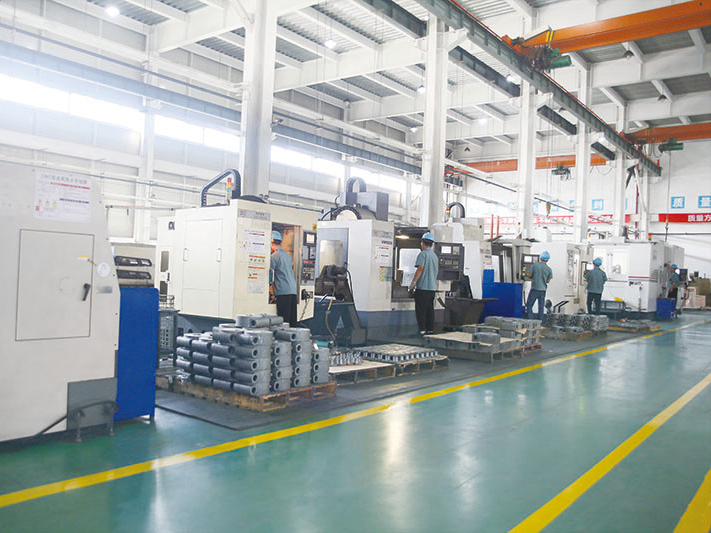
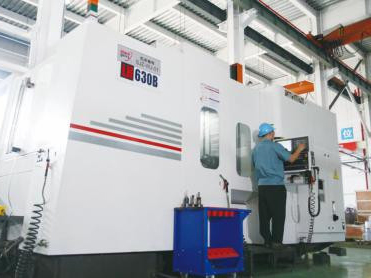
Precision Machining Center
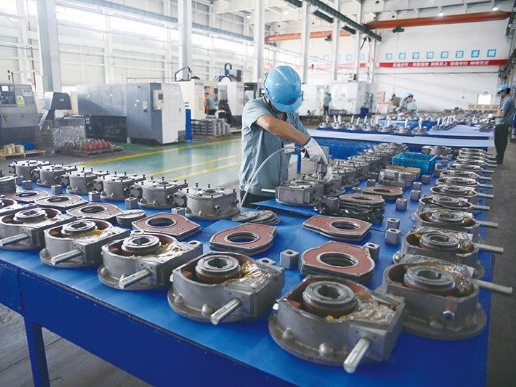
Worm Gear Assembly Line
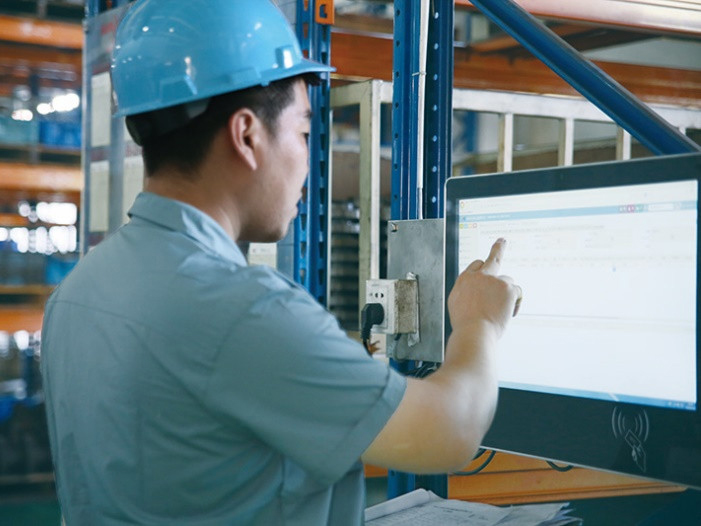
Completed Gearbox Storage
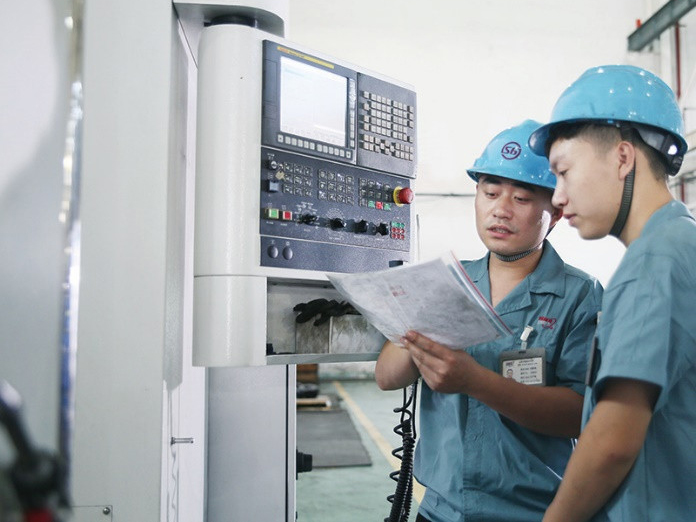
Handwheel Mounting Line
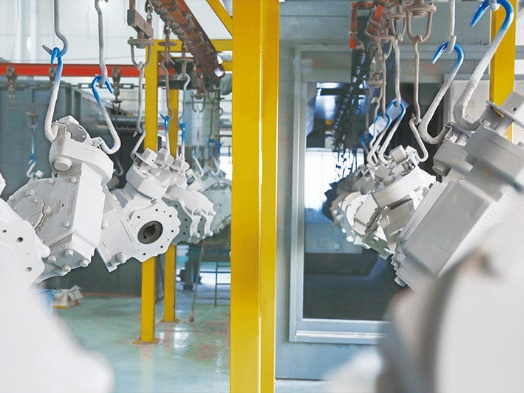
Industrial Spray Coating
Finished Products Inspection
Valves are only as reliable as their operators. Stard-gears' cast iron quarter-turn gear operators are utilized globally across challenging chemical, physical, and environmental settings:
Operating high-diameter butterfly valves in potable water networks and wastewater treatment facilities. Features IP67/IP68 ingress ratings and robust epoxy coatings for damp vaults.
Designed for explosion-proof zones where electrical operation is restricted. The gear housing uses non-sparking handwheels and provides mechanical torque verification.
Salt spray and constant marine exposure demand high corrosion resistance. We use ductile iron housings treated with zinc-rich primers and polyurethane topcoats.
Quality assurance is embedded in our manufacturing workflow. Every batch of castings undergoes chemical spectrographic analysis and tensile strength verification. Each step of the process is overseen by dedicated Quality Control inspectors using advanced measurement systems to guarantee compliance with regional specifications.
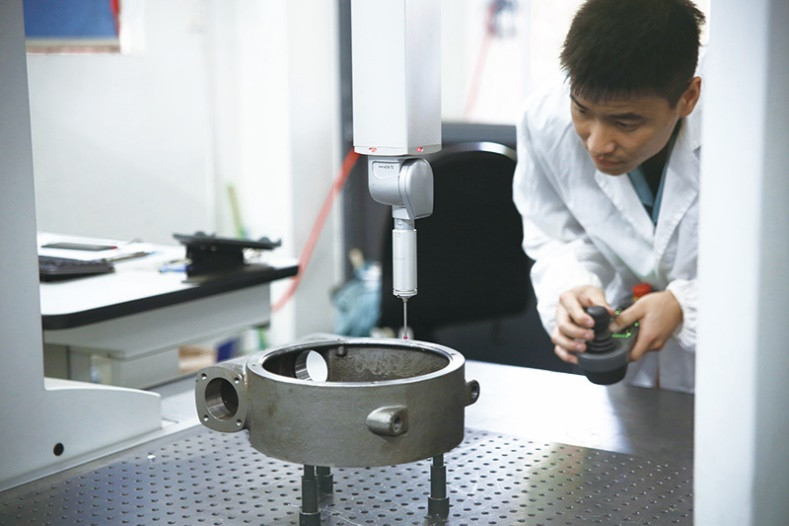
Incoming Material Inspection
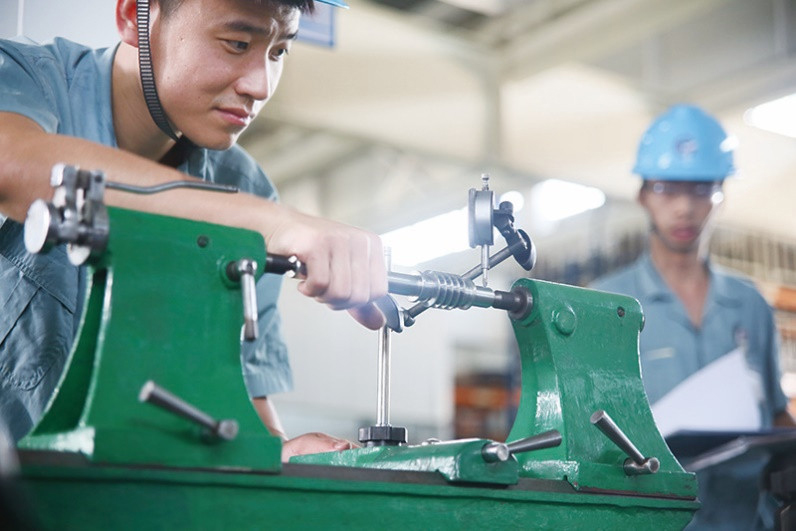
Dimensional Metrology Lab
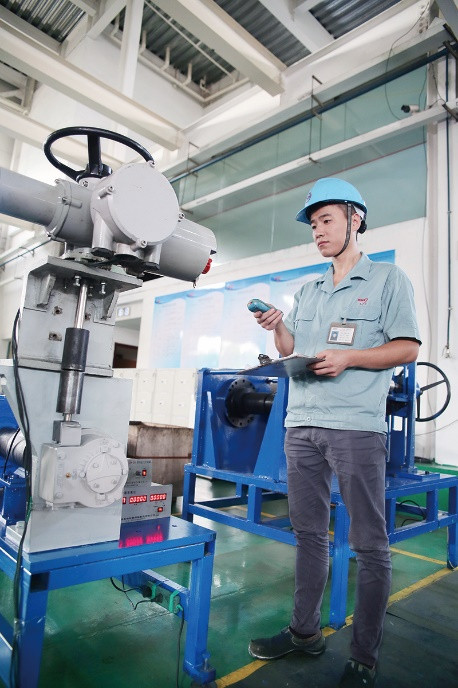
Hydrostatic & Torque Testing
Our quality lab is equipped to run cycle-lifetime simulations, exposing operators to continuous loading sequences to ensure they exceed minimum mechanical life targets. All safety-critical gear operators undergo a baseline torque verification test before dispatch, confirming that the initial breakaway torque conforms to the client's valve requirements.
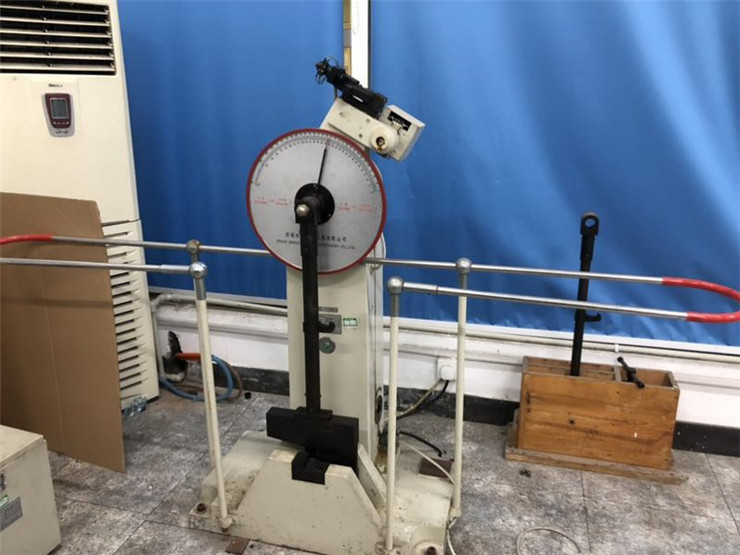
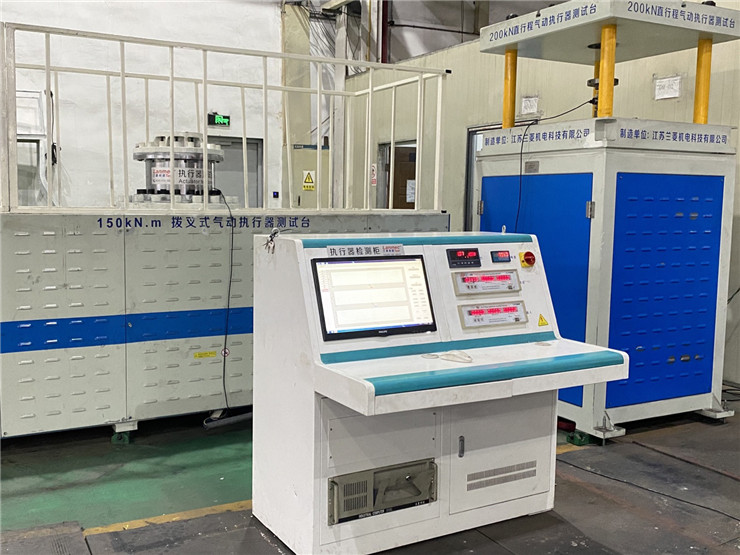
Dynamic Torque Test Rig
CNC Gear Profile Grinder
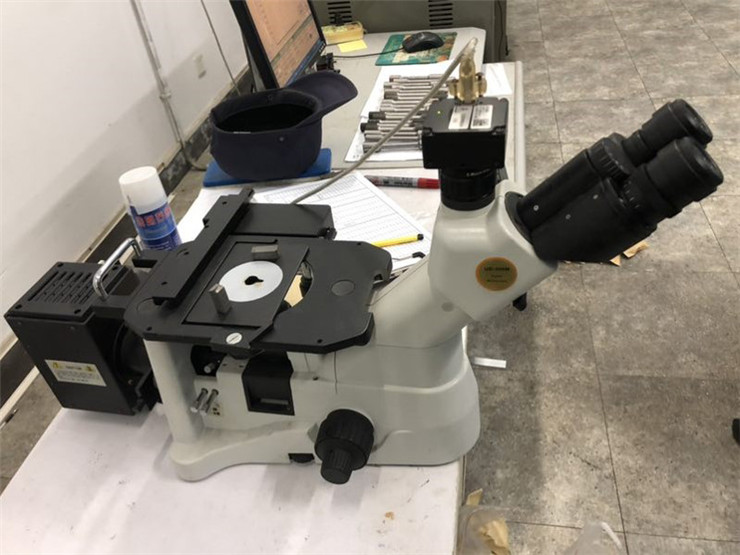
Non-Destructive Testing Station
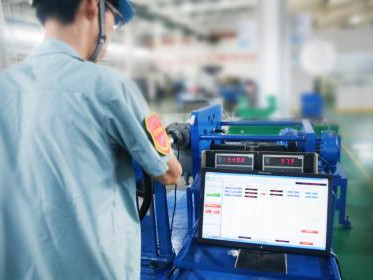
Environmental Test Chamber
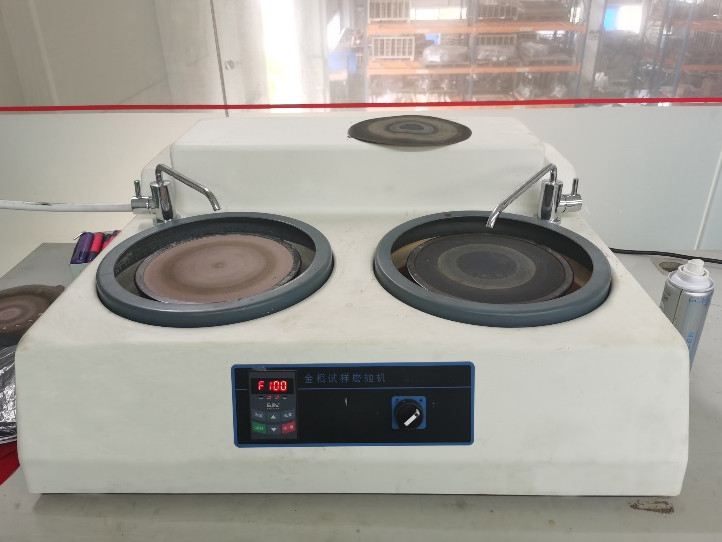
ISO 5211 Adapter Calibration
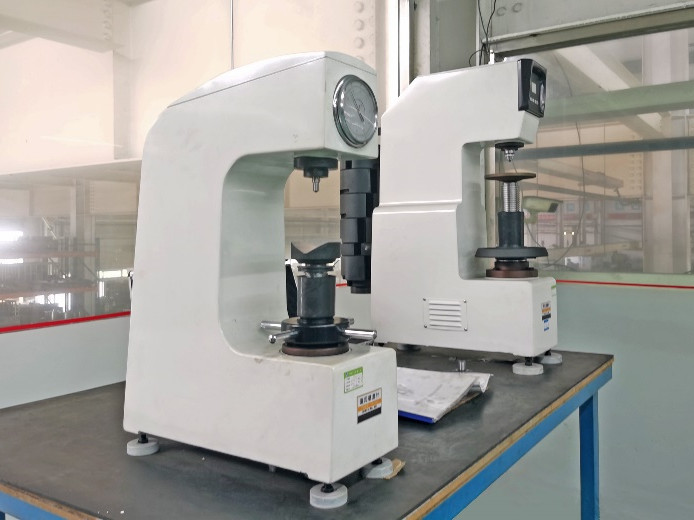
Brinell & Rockwell Hardness Tester
The flow control sector is moving toward digitalization, higher mechanical efficiencies, and reduced scope emissions. Stard-gears' long-term engineering program outlines key initiatives designed to meet changing operator demands over the next decade:
We are engineering next-generation manual gearboxes with integrated low-power wireless position indicators. Using energy-harvesting technologies that utilize handwheel rotation to power sensors, operators can verify open/closed valve statuses remotely without requiring external electrical lines.
Our partner foundries are implementing induction-melting electric systems, which reduce carbon footprints. We are also optimizing casting profiles through CAD simulation, reducing physical weights by 8-12% while maintaining structural load capacities.
As remote operations expand, our declutchable override designs allow operators to shift between pneumatic or electric actuation and manual operation during power cuts or system outages. This safety mechanism features mechanical interlocks to prevent simultaneous manual and automated actuation.
Ductile Iron (e.g., GGG40 or GGG50) offers higher tensile strength, impact resistance, and ductility than standard grey iron (GG25). For high-pressure settings, water hammer risks, or sub-zero environments, ductile iron provides superior yield points, reducing the risk of structural failure.
Our gear operators conform to international mounting interfaces, primarily ISO 5211. We offer standard F05 through F40 flange alignments with keyways, splines, or double-D shaft adapters to ensure compatibility with global valve brands.
Worm gear mechanisms are naturally self-locking when the lead angle of the worm is lower than the friction angle. This prevents line pressure from back-driving the valve, ensuring the valve remains in its set position until manually operated.
Yes, we customize our gearboxes for sub-surface and buried operations. These configurations feature IP68 double-lip dynamic shaft seals, complete hydrophobic grease packing, and stainless-steel fasteners to withstand water pressure and soil corrosion.
Our manufacturing plant operates under ISO 9001 quality guidelines, and our main product lines carry CE certifications. Material test reports according to EN 10204 3.1 are provided to verify metallurgical composition and torque testing profiles.