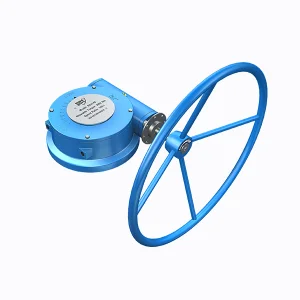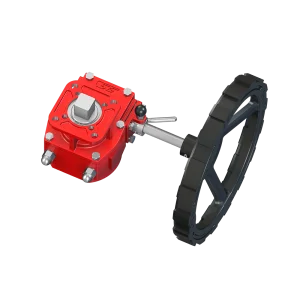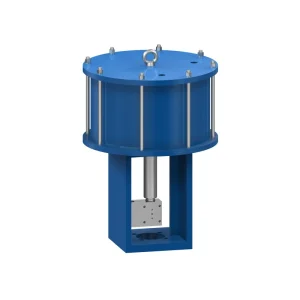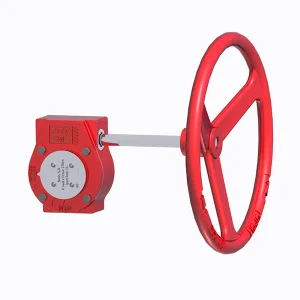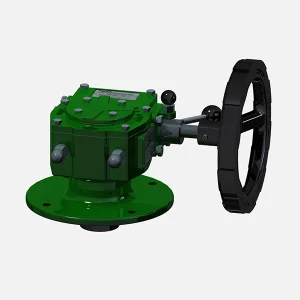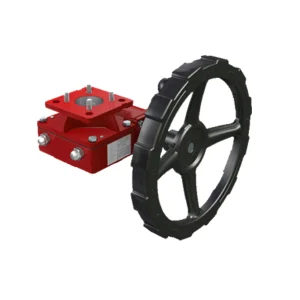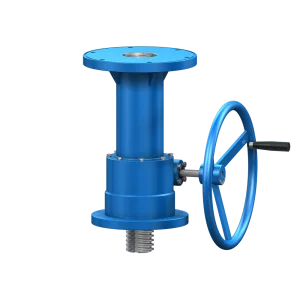
In complex process systems, control valve performance relies heavily on the efficiency of its actuator. As a specialized manufacturer of linear pneumatic piston actuators, Stard-gears provides heavy-duty automation systems designed for tough environments. Combining robust engineering with advanced valve control technology, our LSP Series linear pneumatic piston actuators deliver reliable thrust, low hysteresis, and consistent operation for critical process valves worldwide.
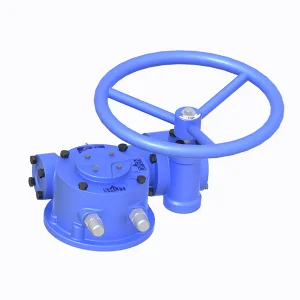
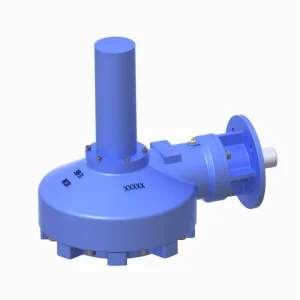
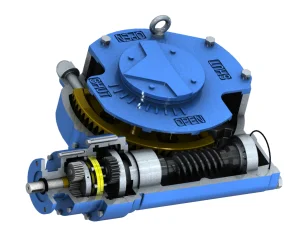
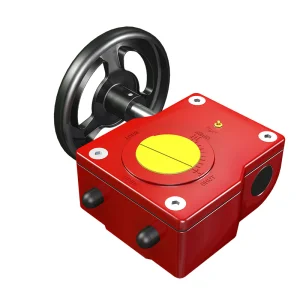
Explore our curated selection of high-performance valve gearboxes, declutchable manual overrides, and quarter-turn actuators, engineered to interface seamlessly with modern linear pneumatic systems.
Founded in 1999, Stard-gears is located in the Suzhou Industrial Park. Our modern manufacturing site includes an 8,900㎡ plant and a 2,500㎡ corporate office.
With annual sales of $7,000,000 and a consistent 10%-20% yearly growth rate, we have established ourselves as a reliable partner in global industrial automation. Operating under a certified ISO9001 quality management framework, our factory reaches an annual production capacity of 100,000 sets.
Our strategic base in China's Yangtze River Delta offers a robust regional supply chain. This location provides access to premium casting foundries, precise machining services, and reliable component sourcing. This enables us to maintain quick turnaround times and ensure high finish quality across all product lines.
Using 3D CAD modeling, dynamic motion simulation, and Finite Element Analysis (FEA), our engineering team validates the structural integrity and performance of each pneumatic piston actuator design before starting production. This virtual testing process shortens development cycles, checks safety margins, and minimizes design errors.
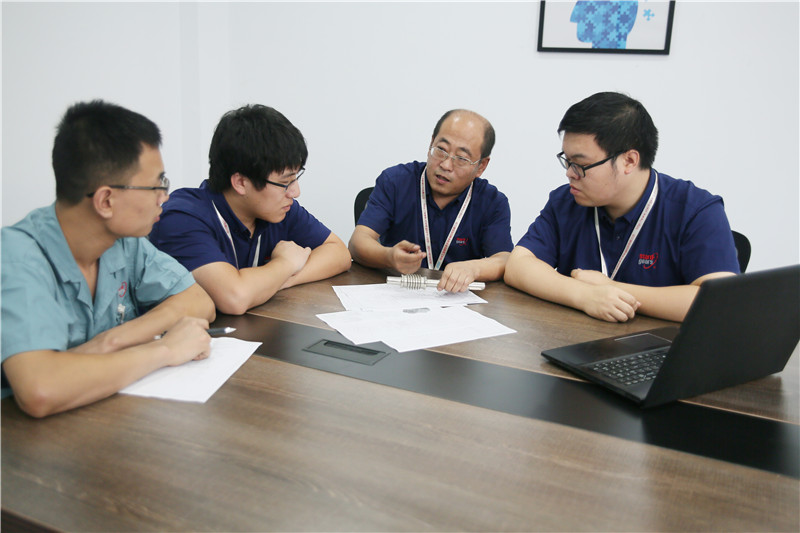
Collaborating with clients to define thrust requirements, stroke lengths, fail-safe parameters, and environmental tolerances.
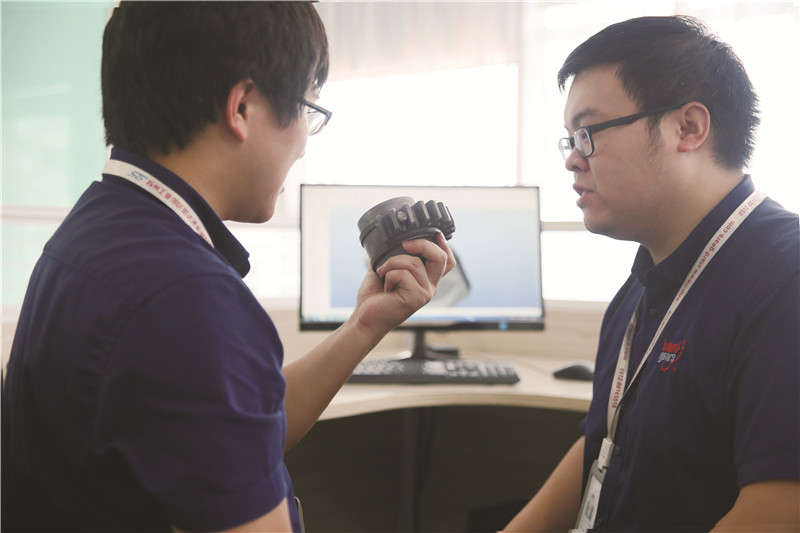
Refining the digital twin model, simulating high-pressure air cycles, and choosing suitable seal and guide band materials.
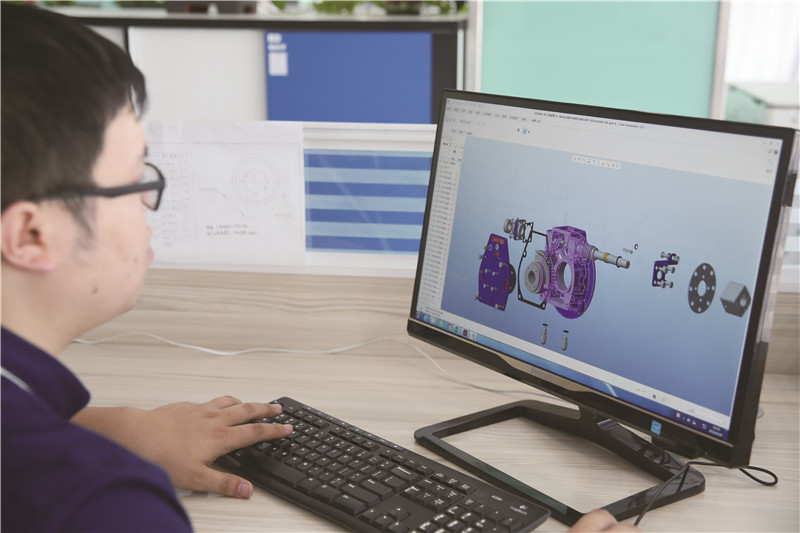
Generating production blueprints with precise tolerance controls to ensure consistency during CNC machining.
Linear pneumatic piston actuators convert compressed air energy into high-thrust linear motion. While rotary actuators are common for ball and butterfly valves, linear piston designs are suited for globe valves, gate valves, and diaphragm valves. They handle high-pressure drops and quick stroke times, and support fail-safe operations.
Technical Insight: Piston-style cylinders operate at higher pressure limits (up to 10 Bar or more) compared to diaphragm actuators, which are restricted by the mechanical strength of their elastomer membranes. This allows smaller cylinder profiles to generate comparable thrust forces, saving space in plant installations.
| Technical Comparison Feature | Piston Pneumatic Actuator (LSP Series) | Conventional Diaphragm Actuator |
|---|---|---|
| Operating Pressure Limits | Typically 4.0 Bar to 10.0 Bar max | Typically limited to 1.5 Bar to 4.0 Bar max |
| Thrust Generation Capability | High-density force output with compact footprints | Low-to-medium thrust; requires large housing diameters |
| Stroke Length Range | Up to 1000+ mm, suited for large gate and control valves | Short strokes, typically limited by diaphragm travel limits |
| Hysteresis & Linearity | Low hysteresis due to precise guide-bands & seals | Subject to non-linear spring rates and diaphragm stretching |
| Harsh Environment Durability | Excellent; uses metallic cylinders with surface coatings | Vulnerable to elastomer aging and environmental degradation |
Linear pneumatic piston actuators are critical components in heavy industry flow control systems. Our systems are engineered to integrate with a wide range of accessories to meet specific operational requirements.
Used in refinery control loops, ESD (Emergency Shutdown) applications, and main gas transmission lines. Built to handle heavy vibration and hazardous areas with ATEX and IECEx compliance.
Controls feedwater, bypass systems, and steam conditioning valves. High-thrust, rapid-action cylinders maintain system balance under fluctuating loads.
Operates large-diameter control valves in filtration, reverse osmosis, and municipal distribution pipelines. Protects against corrosion in wet environments.
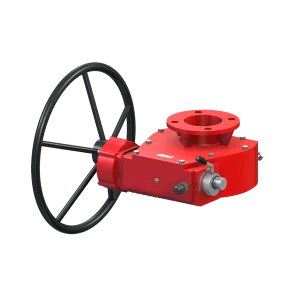
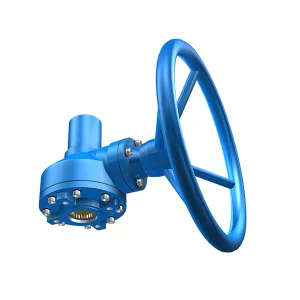
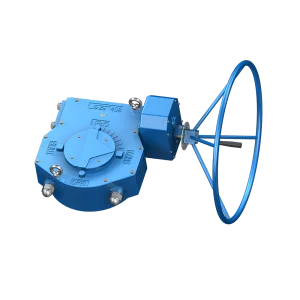
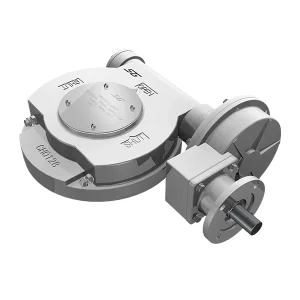
In automated systems, backup controls are critical for safety. Our high-efficiency declutchable gearboxes and manual overrides act as fail-safe systems. If pilot air pressure is lost or power fails, operators can manual-engage the gear system via a declutch mechanism. This bypasses the pneumatic circuit, allowing manual adjustment of the valve.
Our Suzhou facility runs a comprehensive ERP management system to track and supervise orders from material sourcing to final dispatch. We maintain active quality checkpoints at each stage of production.
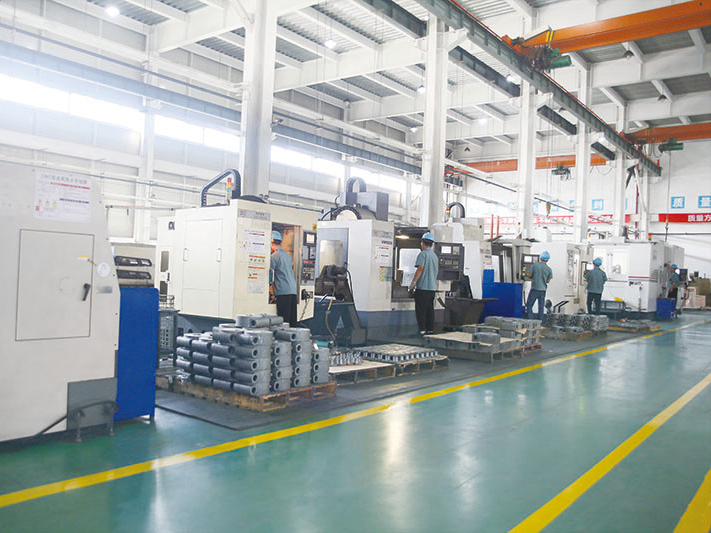
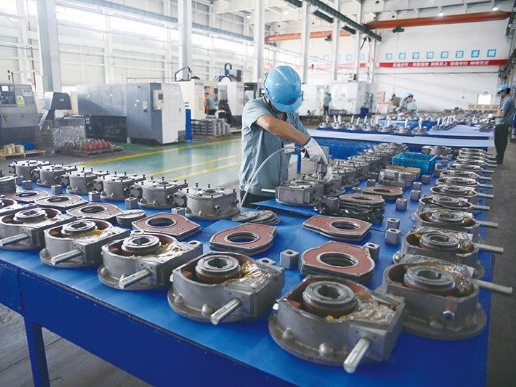
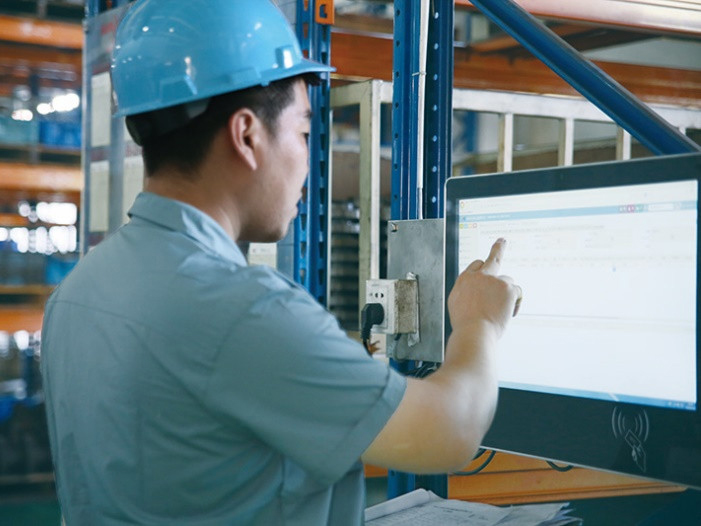
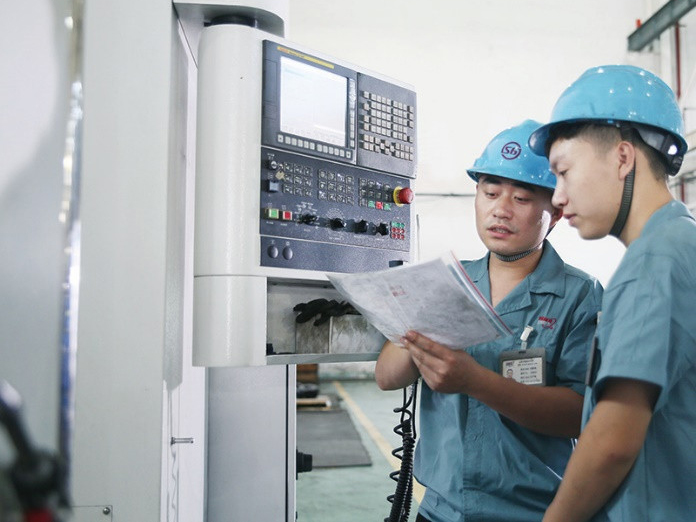
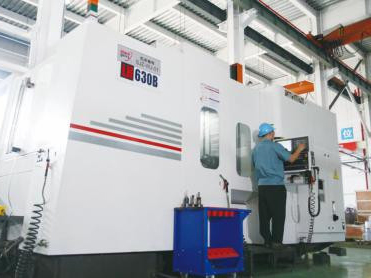
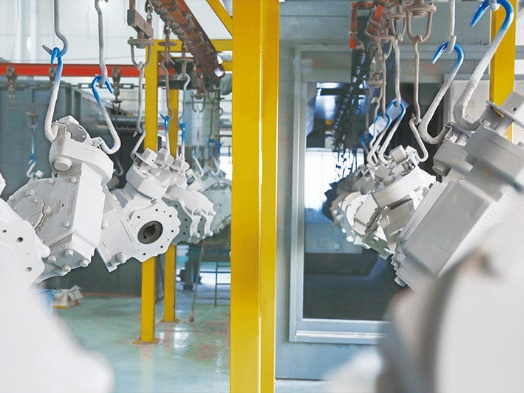
Our annual output value reaches $9,000,000, with a volume capability of 100,000 units. This scale allows us to support both large infrastructure projects and targeted custom production runs.
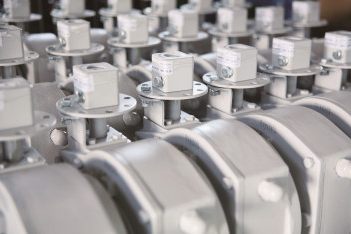
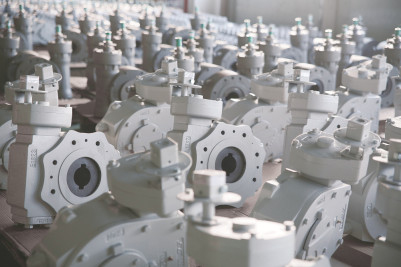
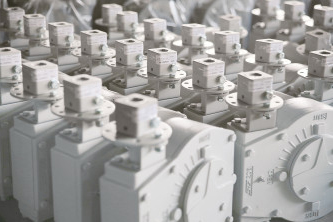
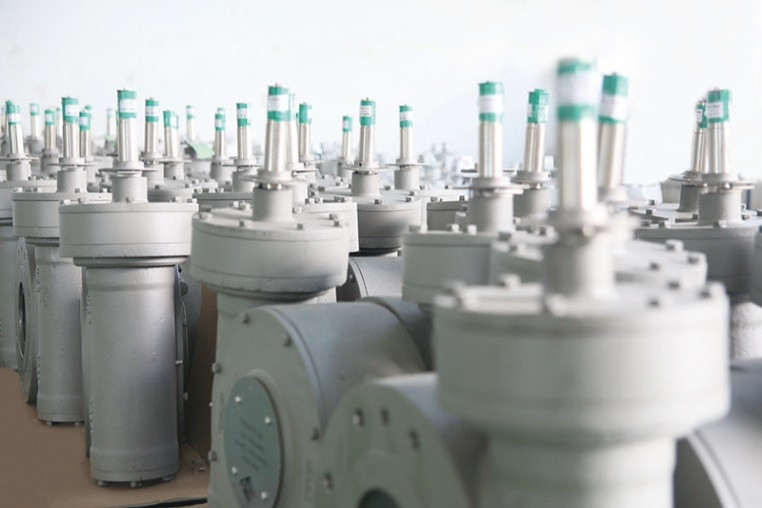
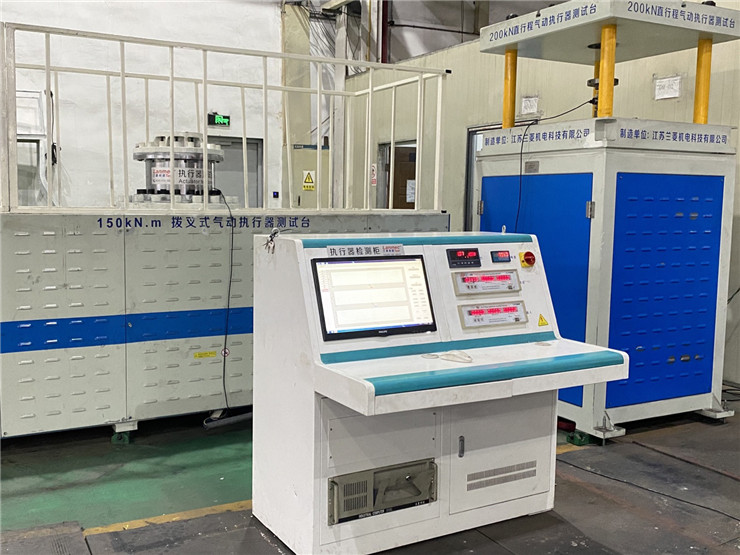
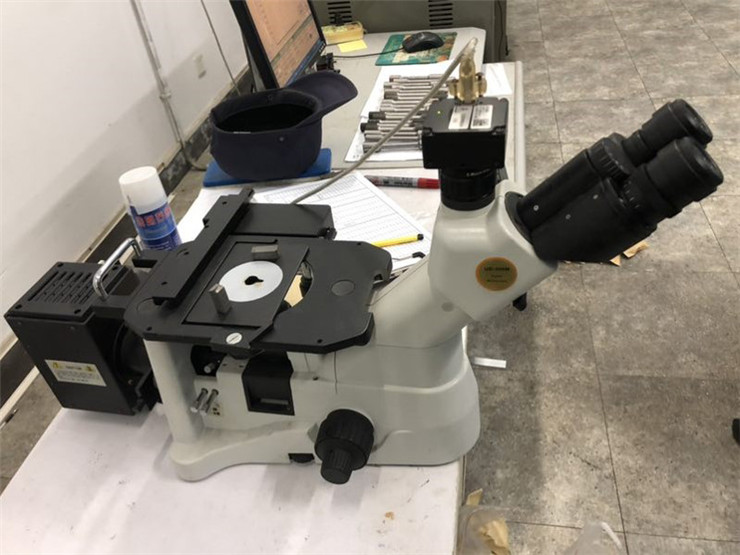
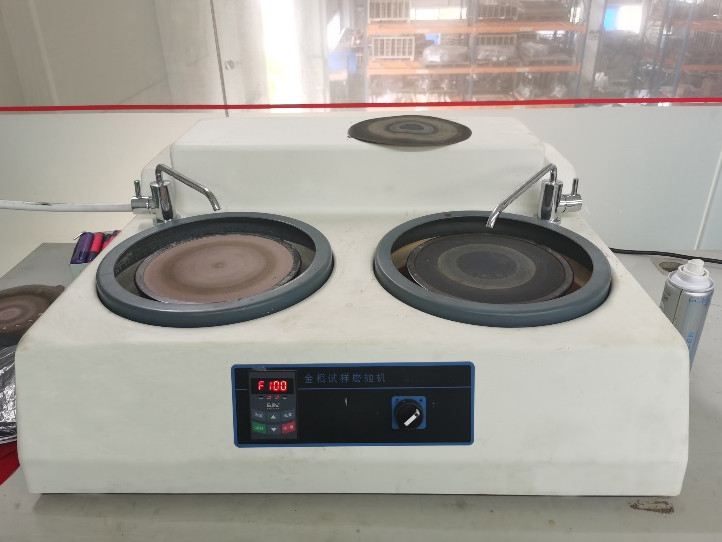
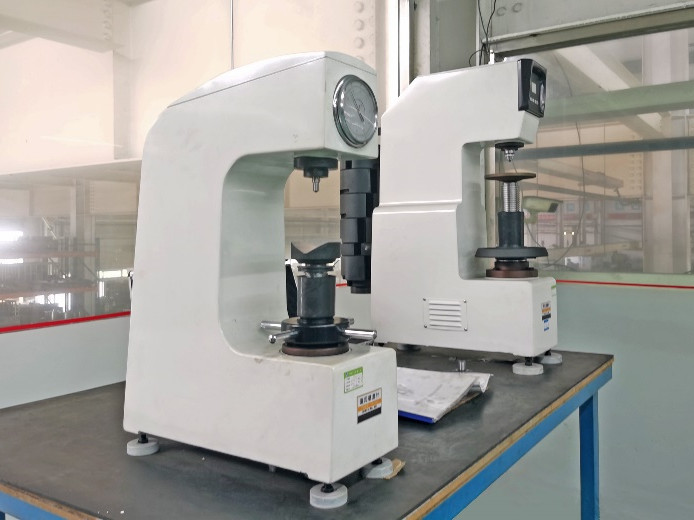
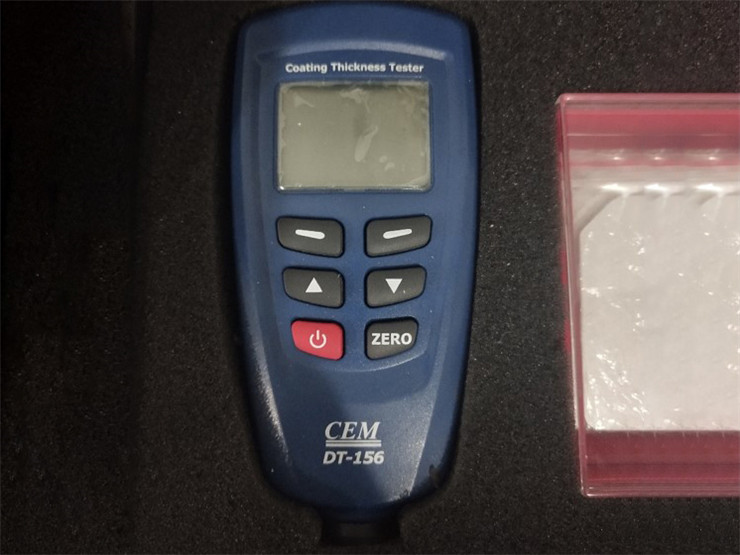
Stard-gears uses dedicated QC teams and dynamic testing equipment to inspect products from raw casting to final assembly. Every linear pneumatic piston actuator undergoes torque, seal leakage, and pressure-resistance testing before packaging.
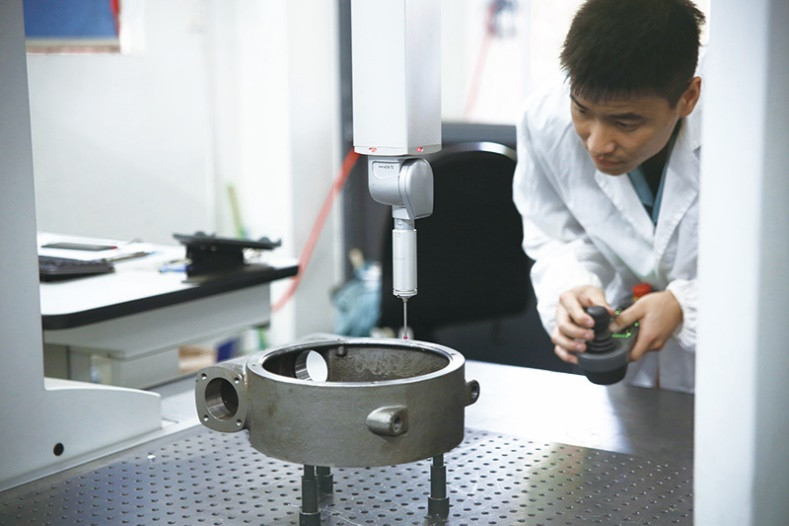
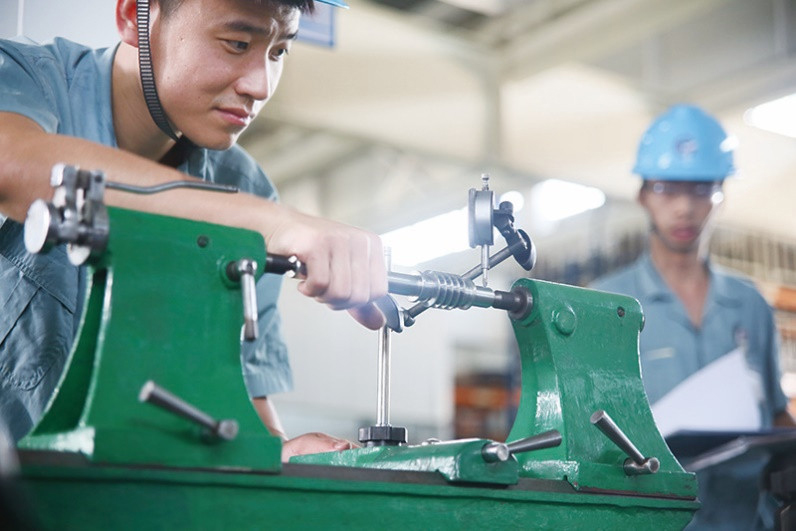
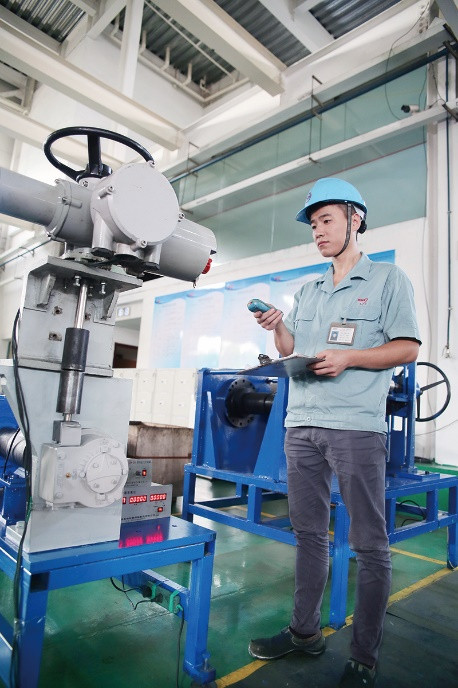
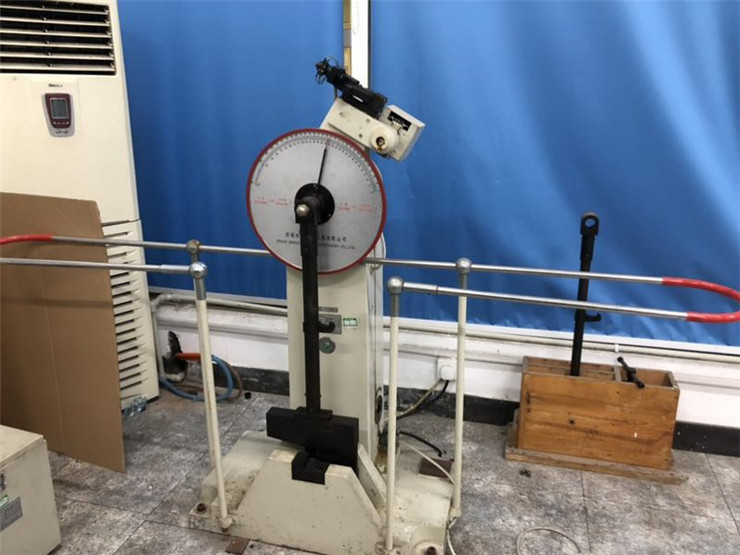
Our testing lab has specialized rigs for life-cycle and structural limit verification, helping to ensure long-term durability in field conditions.
Industrial valve automation projects must comply with regional standards. We design our actuators to conform to major international certifications.
Our valve gearboxes and actuators carry CE certification, meeting the Pressure Equipment Directive (PED) safety requirements for pressurized systems in the European Union.
For functional safety systems, our double-acting and spring-return actuators are engineered to support SIL 3 safety loops, providing reliable shutdown capacity.
IP67 and IP68 enclosures isolate the internal piston cylinder from sand, moisture, saltwater, and corrosive gases, helping to prevent internal corrosion.
Pneumatic actuation is evolving past standard mechanics. Stard-gears is focused on smart development pathways:
Sizing requires calculating the valve's breakout thrust, dynamic fluid forces, and packing friction. Multiply this combined force by a safety factor (typically 1.3 to 1.5). Divide the total thrust target by your minimum available air pressure to determine the cylinder bore area.
Double-acting cylinders use air pressure to stroke in both directions. Spring-return designs use air pressure for one direction and compress an internal return spring. When air pressure drops, the spring expands to automatically return the valve to its safe position (open or closed).
Declutchable gearboxes allow manual override capability during power or pressure loss. Engaging the handwheel allows operators to position the valve manually, which is crucial for maintenance and emergency isolation.
We inspect incoming castings and trace components through our ERP system. Finished units undergo functional and pressure leakage testing. Dynamic performance analysis helps confirm torque output and cycle times before shipping.
Below is our extended range of gearboxes, electric operators, and customized actuators. These products support manual and automated control valves across oil, gas, nuclear, and water treatment operations.