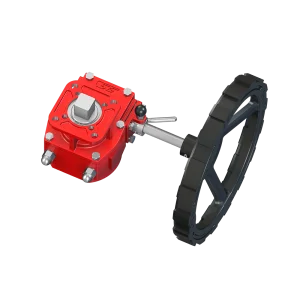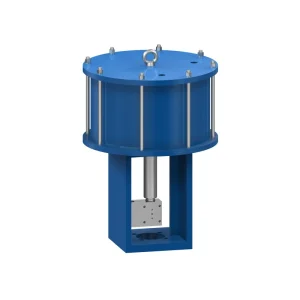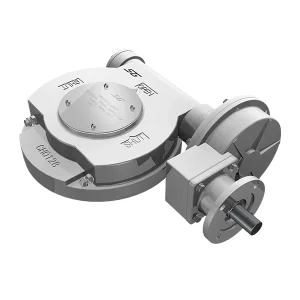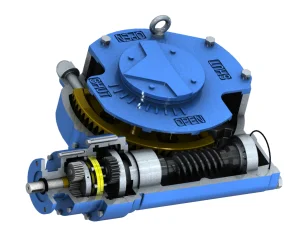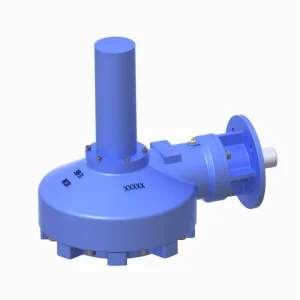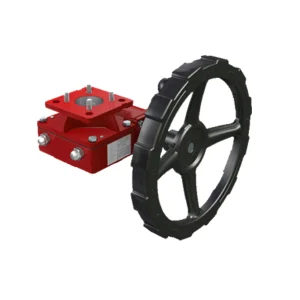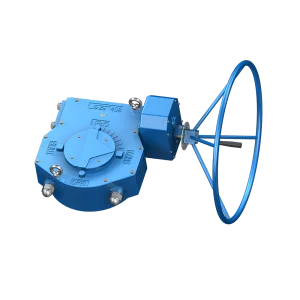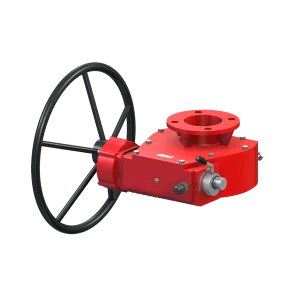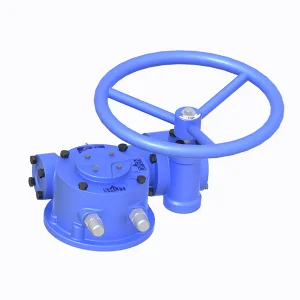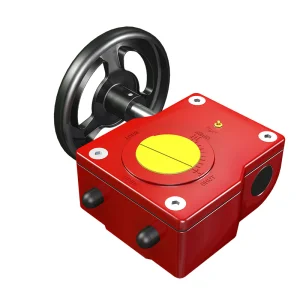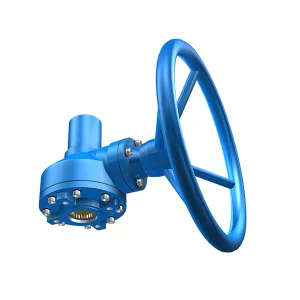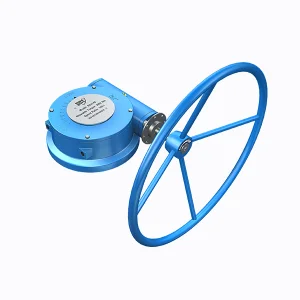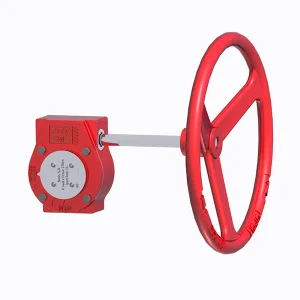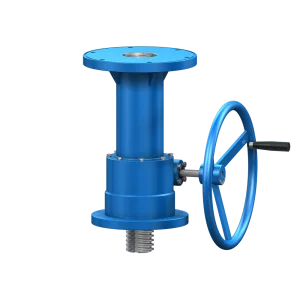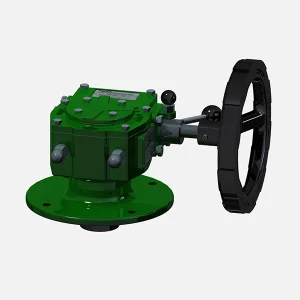
Explore our state-of-the-art range of manual, electric, and pneumatic control solutions for severe service industrial environments.
The global fluid control and industrial automation market is undergoing a structural transition towards higher reliability, energy optimization, and precise regulation. Linear pneumatic actuators have emerged as critical nodes within modern piping structures, executing key displacement maneuvers for rising-stem valves, gate controls, and high-thrust dampers. Across large-scale facilities in North America, Western Europe, and Asia-Pacific, industrial operations demand pneumatic operators that can endure billions of cycles without dynamic fatigue.
These actuators utilize pressurized media—typically clean compressed air—to generate direct linear mechanical force. Unlike rotational drive mechanisms that require intermediate gears to convert rotational torque into axial displacement, linear pneumatic actuators apply force along a true axial plane. This directly minimizes friction losses and reduces physical components, elevating mechanical efficiency and extending operating lifespans.
Strict safety frameworks, such as the European ATEX directive for explosion protection and functional safety specifications under SIL (Safety Integrity Level) certifications, have turned standard sourcing processes into strategic engineering partnerships. Purchasing departments and project developers no longer look for simple catalog distributors; they require robust OEM linear pneumatic actuator manufacturers and factories capable of customizing stroke lengths, materials, and override accessories to fit precise system specifications.
OEM factories leverage vertical integration to configure housing alloys, seal compounds, and integrated accessories. This level of specialization ensures that final assemblies survive in hostile environments, such as offshore gas exploration platforms, cryogenic cold-boxes, and high-temperature petrochemical refinery lines.
Founded in 1999, Suzhou Industrial Park's Pioneer in Advanced Valve Control Technologies.
Established in 1999 and situated within the highly advanced Suzhou Industrial Park, Stard-gears is a premier global provider specializing in high-grade valve control systems. Spanning a state-of-the-art plant area of 8,900 square meters and housing a modern 2,500 square meters administrative complex, our company has sustained a robust annual sales volume of $7,000,000, reflecting a consistent growth path of 10% to 20% year-over-year. Operating under a strict ISO9001 certified quality framework, our annual production capacity easily scales to 100,000 sets of premium gear operators and pneumatic accessories.
We are strategically positioned in China's premier manufacturing corridor: the Yangtze River Delta. This geographic advantage grants us direct access to an established and mature local supply chain. Our castings, high-precision machining services, and specialized component suppliers are located within a tight cluster, allowing Stard-gears to deliver rapid turnaround times and superior pricing advantages without compromising component quality.
For more than 25 years, Stard-gears has focused on engineering robust valve-positioning devices and override gearboxes. Our core expertise in valve control technology serves critical infrastructure operations including:
Virtually verifying performance and structural limits before manufacturing begins.
Stard-gears implements an engineering-first strategy. By utilizing high-end 3D CAD modeling, dynamic kinematic simulation, and advanced finite element analysis (FEA), our engineering team simulates realistic mechanical stresses, thermal loads, and flow fluid dynamics. This digital verification step ensures that each newly engineered pneumatic actuator and override gearbox meets strict performance specifications before physical steel and aluminum are cut. This rigorous simulation workflow shortens product design timelines, lowers development costs, and ensures structural reliability in the field.
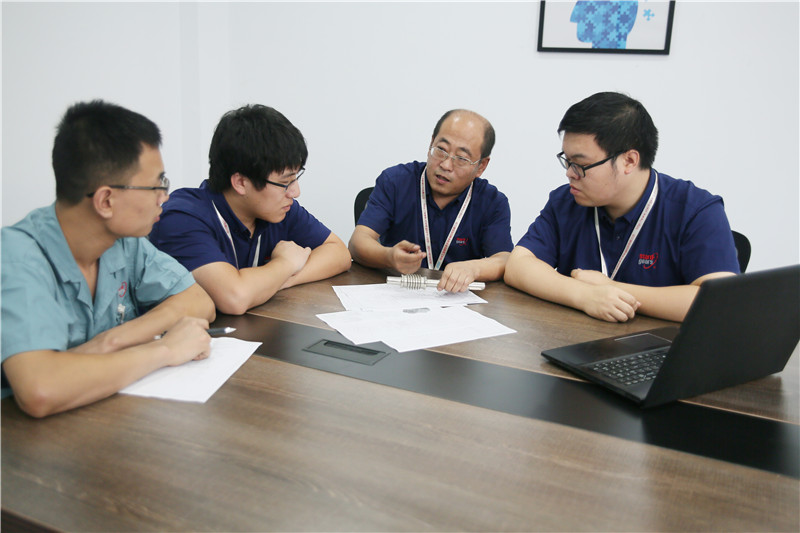
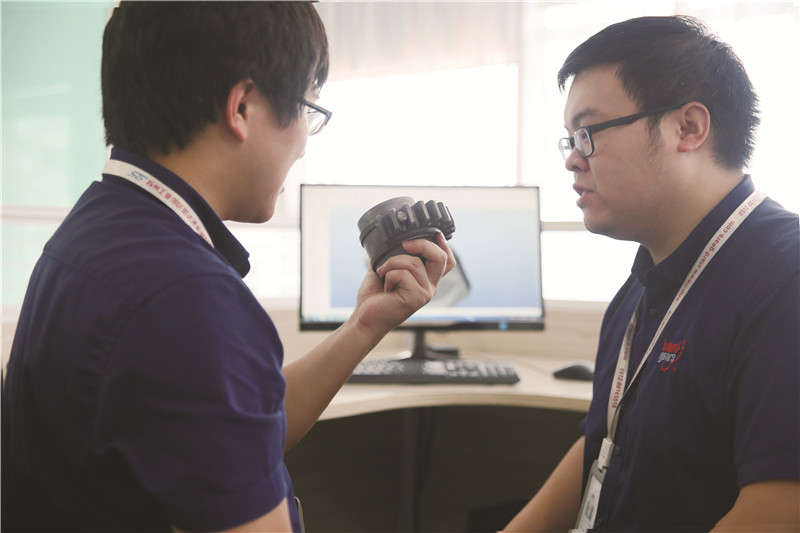
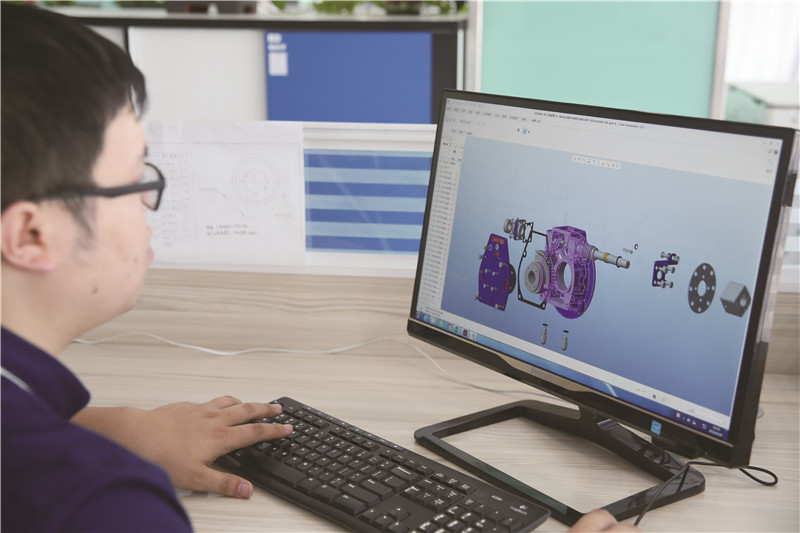
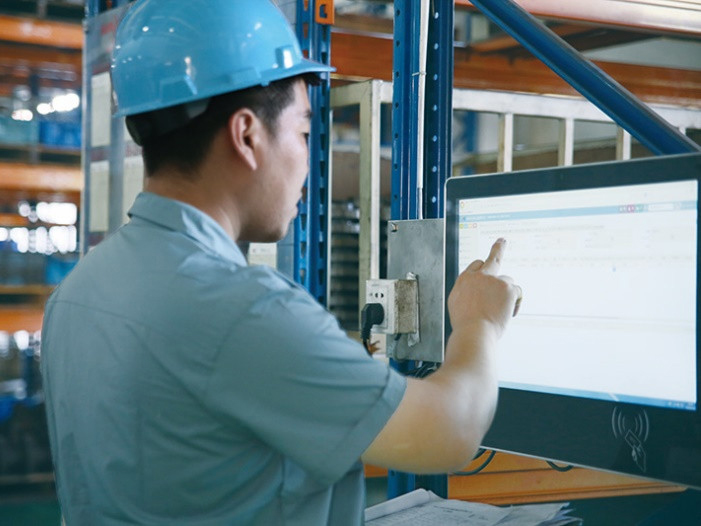
Production reliability stems from systematic plant management. Stard Automation implements an integrated enterprise resource planning (ERP) platform that tracks each customer order from design intake and material requisition through to final machining, assembly, and testing. This real-time oversight ensures complete schedule transparency, eliminates production bottlenecks, and supports reliable delivery schedules for our OEM clients.
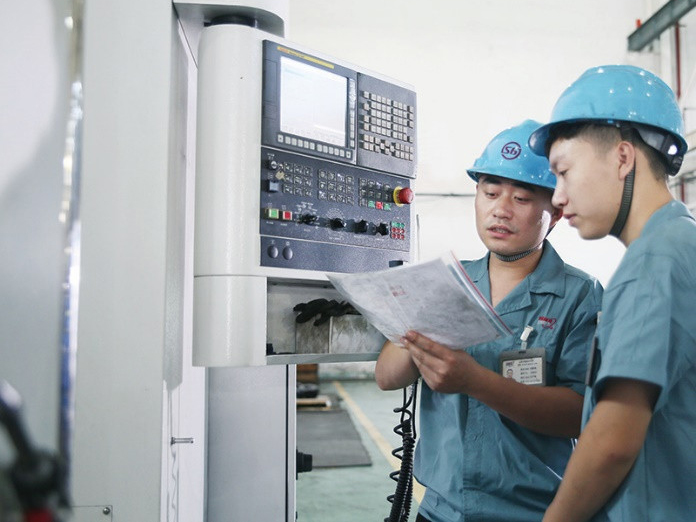
Our workshop houses high-precision machining tools, CNC centers, and multi-axis turning equipment. These systems machine actuator cylinders, piston rods, and declutchable gearboxes to tight tolerances, ensuring long-term seal integrity and low frictional losses during operation.
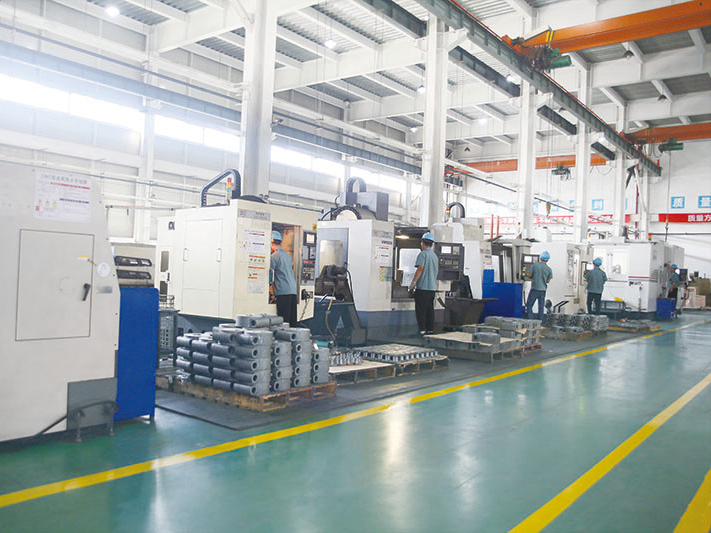
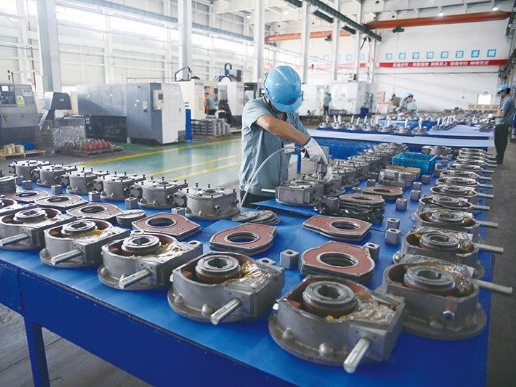
The annual output value of our Suzhou production facility is rated at $9,000,000, with the physical plant capacity configured to manufacture over 100,000 sets of valve operators yearly. Over the past decade, our products have been exported to demanding international markets including the United States, Italy, Germany, Mexico, Singapore, and Japan.
This global footprint demonstrates the reliability and compliance of our product lines. We offer 9 distinct product series and approximately 80 variations of gear operators, providing a comprehensive design library to support complex OEM modifications.
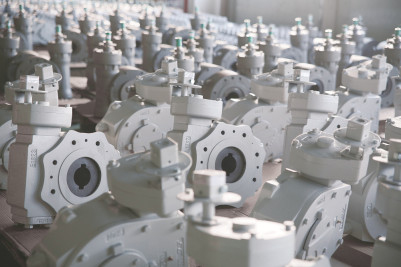
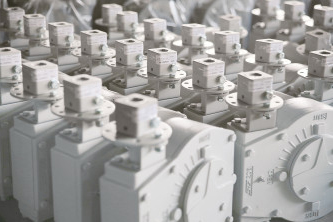
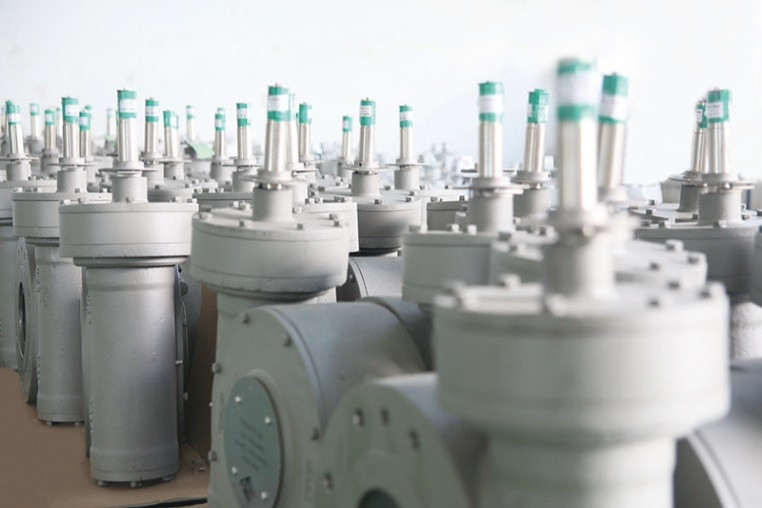
We deploy certified QC personnel at every phase of production, from raw castings inspection to final assembly torque verification.
Our zero-defect quality goal is supported by rigorous inspection procedures. Stard Automation maintains full-time quality control inspectors at every critical production step. Inbound raw castings, machined components, dynamic elastomeric seals, and spring components must pass initial dimensional checks and material verification before entering the assembly floor.
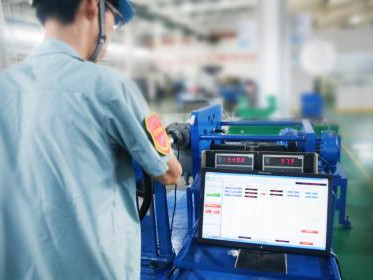
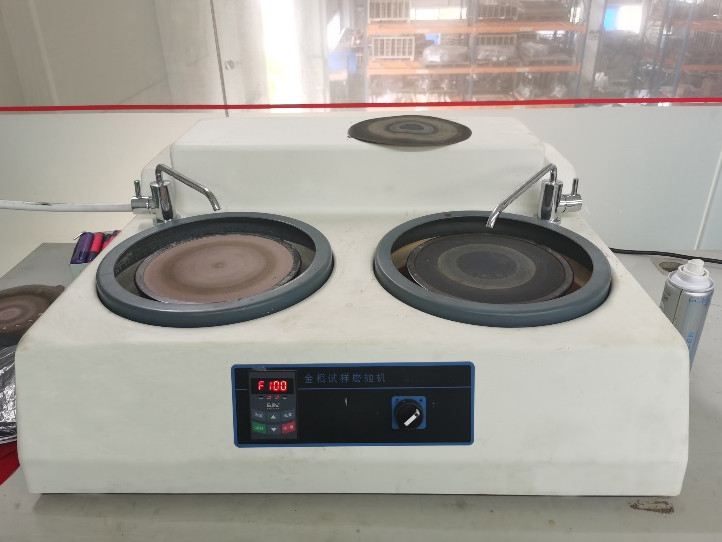
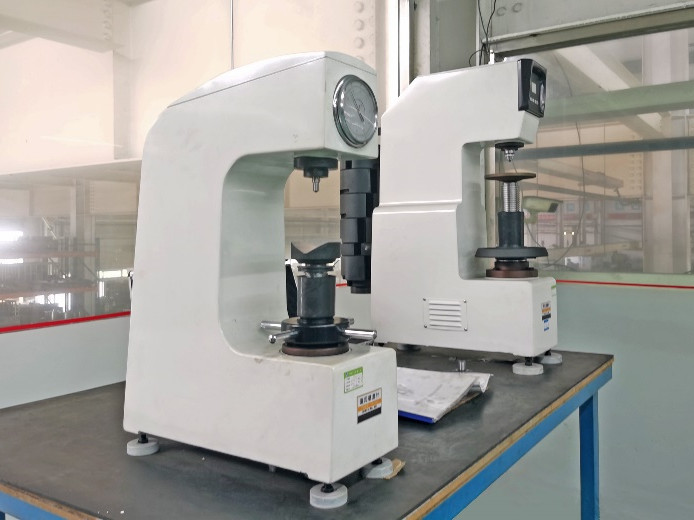
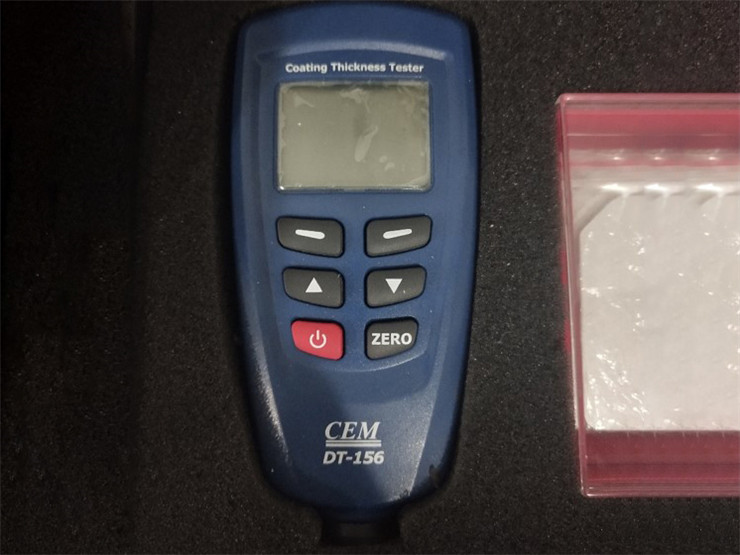
Our quality department utilizes specialized metrology equipment, including Coordinate Measuring Machines (CMM), dynamic torque testers, hardness testers, and paint thickness gauges. Finished actuators undergo pressure containment checks, structural leakage audits, and mechanical stroke validation to confirm full design alignment before shipment.
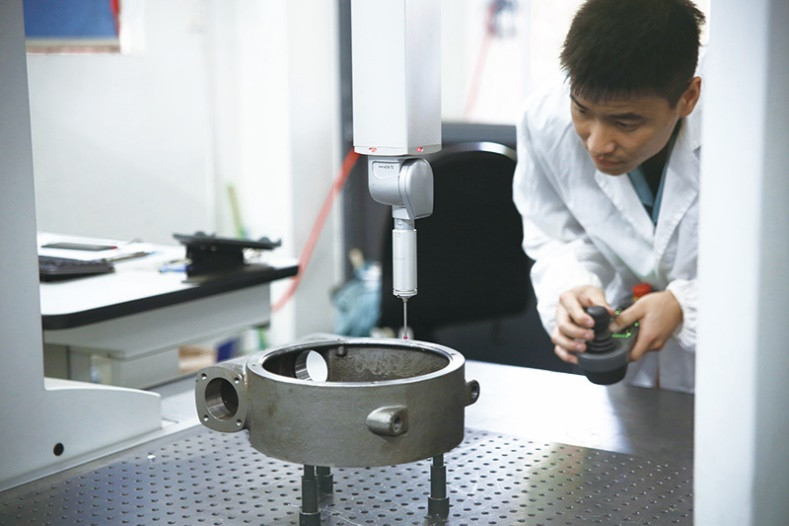
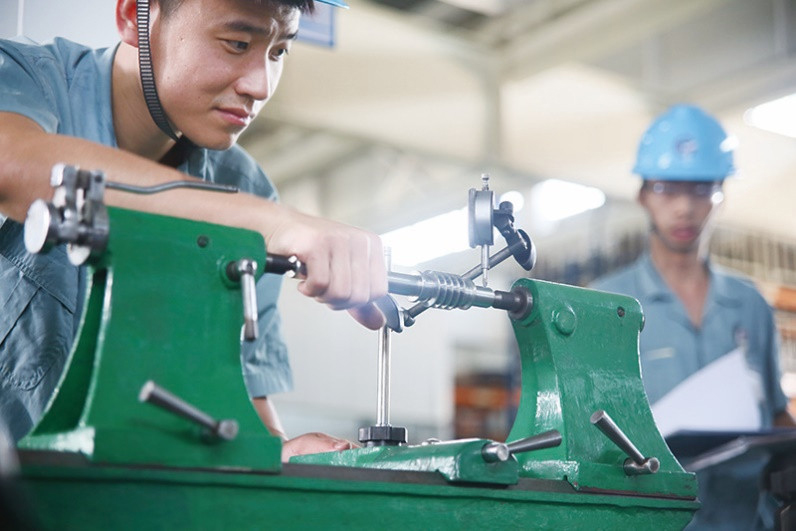
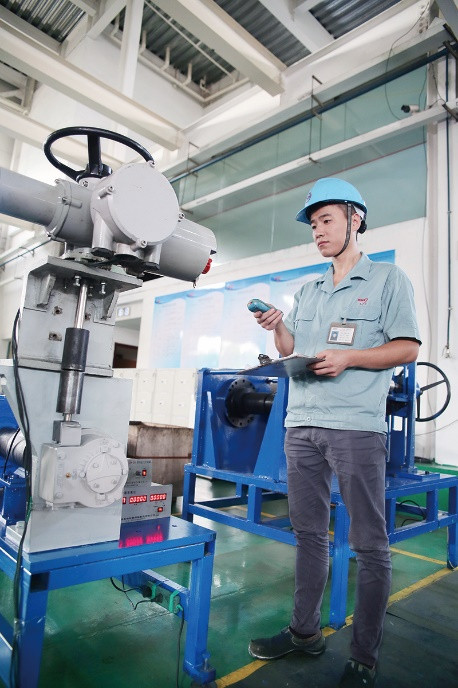
Our standard quality testing matrix includes:
Ensuring dimensional accuracy and dynamic capability through advanced validation systems.
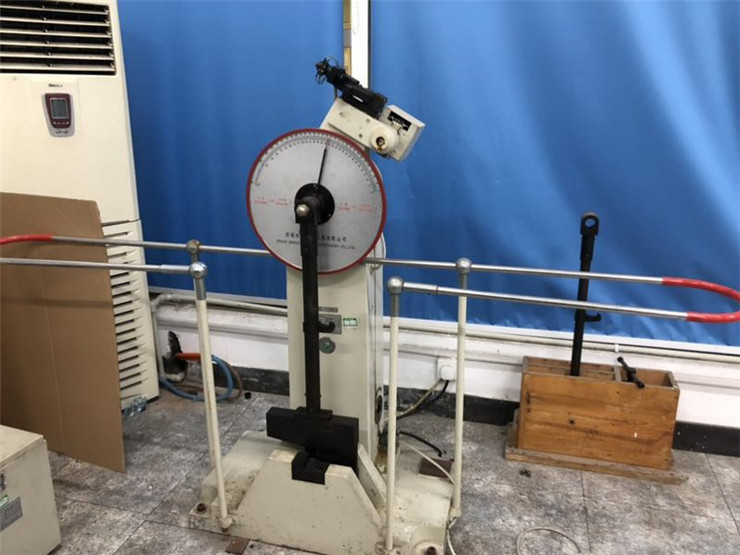
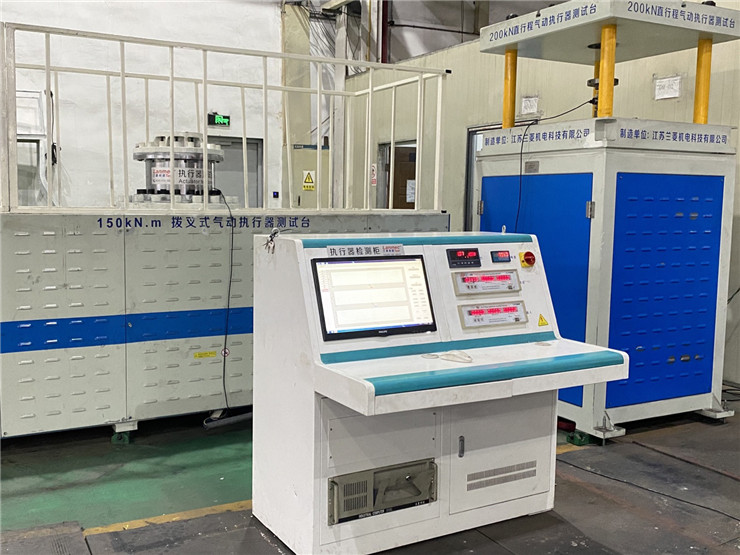
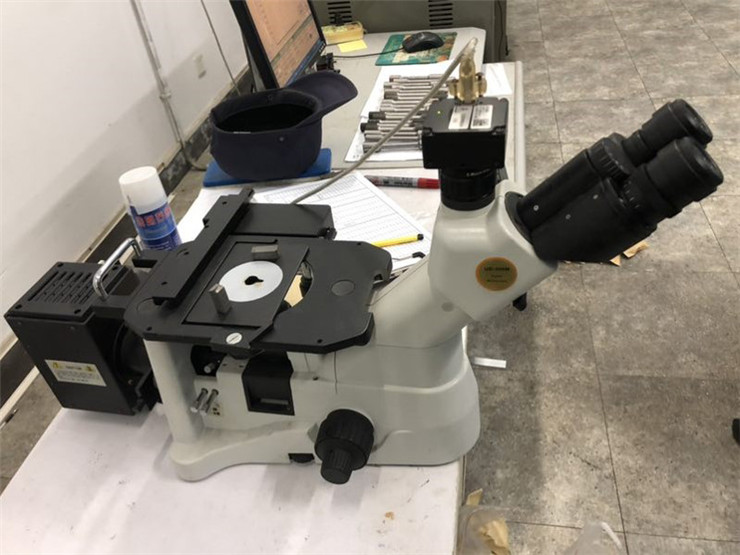
How our linear pneumatic actuators and control interfaces are tailored for specialized industrial sectors.
Our high-thrust linear actuators operate anti-surge valves and gas bypass systems. In these environments, they resist explosive atmospheres, utilize low-temperature seals for cold weather, and feature fast-acting valves to ensure rapid closure under 0.5 seconds when triggered.
Chemical processing plants handle highly aggressive compounds. Stard-gears provides pneumatic actuators with specialty coatings—such as epoxy, polyurethane, or PTFE finishes—alongside PTFE seals to resist chemical vapor degradation and maintain structural integrity.
In nuclear installations, valve actuators must meet strict seismic requirements and resist radiation exposure. We construct our components from radiation-stable elastomers and high-strength castings, supplying fully documented materials to satisfy strict nuclear quality guidelines.
Municipal water works require continuous filtration and flow diversion. We engineer cost-effective, high-durability double-acting actuators that run for millions of cycles with minimal maintenance, integrated with smart positioners to optimize water resource control.
The industrial valve sector is evolving through digitization and smarter field devices. As processing facilities embrace Industry 4.0, pneumatic actuators must transition from simple mechanical devices into intelligent control assets. Stard-gears is actively integrating diagnostic sensors directly into our pneumatic cylinder caps and piston heads. These sensors track stroke speeds, pressure fluctuations, and cylinder temperatures, allowing operators to monitor system health and schedule predictive maintenance before issues arise.
Sustainability is another key driver. We are redesigning our internal air passageways to reduce air consumption per stroke. By optimizing cylinder dead-space volume and modifying piston profiles, we help processing plants reduce their compressed air demand, lowering overall facility energy consumption.
Technical answers to help buyers and engineers make informed decisions about linear pneumatic actuators.
Find the right mechanical control interface for your infrastructure projects.