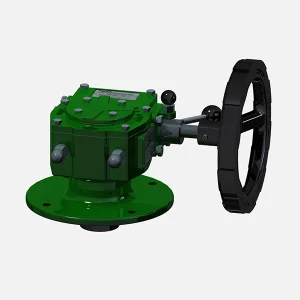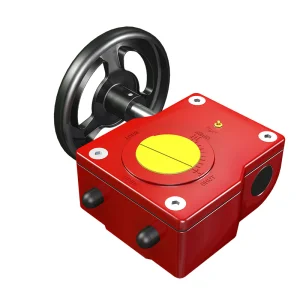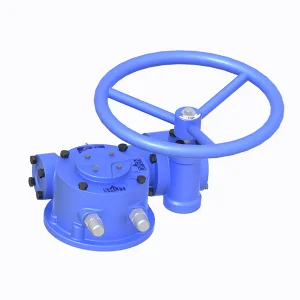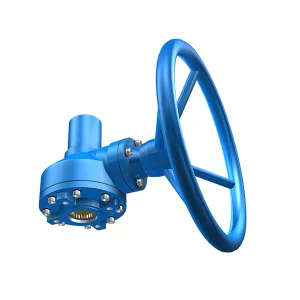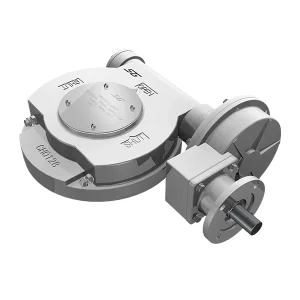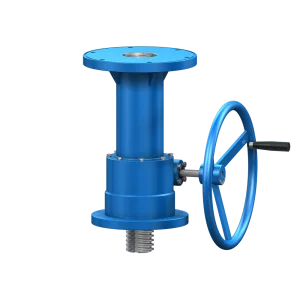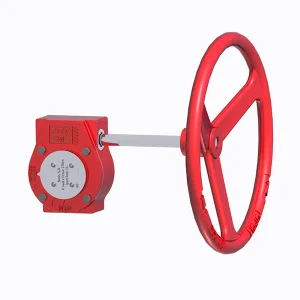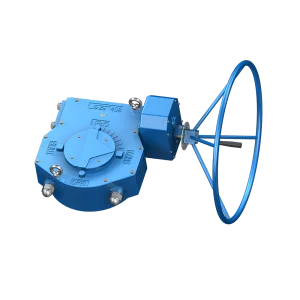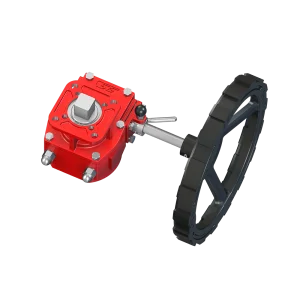
Engineered for high-durability service across Cork, Dublin, Galway, and regional municipal water treatment grids.
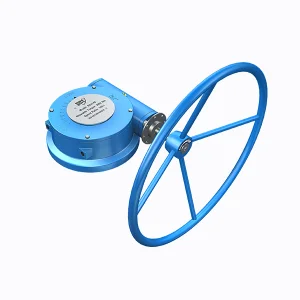
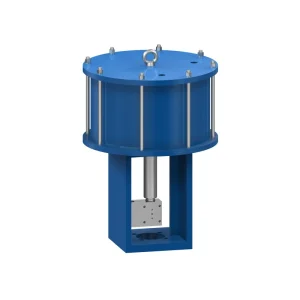
The convergence of biopharmaceutical plants, chemical manufacturing, marine engineering, and smart utility grids.
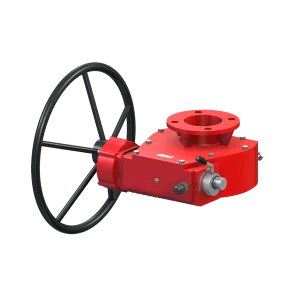
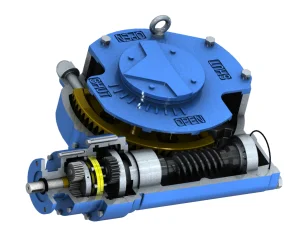
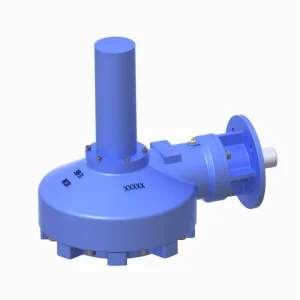
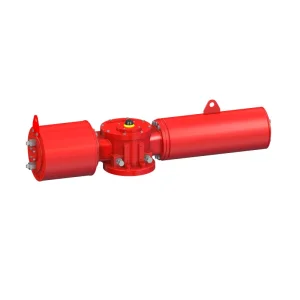
Ireland has established itself as a premier European hub for high-tech industries. The pharmaceutical and chemical processing sectors—centered around clusters in Cork (Ringaskiddy), Dublin, and the Shannon Estuary—require highly specialized fluid control and valve components. Cast steel quarter-turn gearboxes are essential interfaces in these industries, converting linear or rotational actuator inputs into high-torque quarter-turn movements required by ball, butterfly, and plug valves.
Additionally, modern municipal water infrastructure managed by Uisce Éireann (formerly Irish Water) demands extreme reliability. Standard cast iron gearboxes are frequently phased out in favor of cast steel (WCB, LCC, or Stainless Steel) operators. The coastal climate of Ireland introduces marine exposure risks, necessitating corrosion resistance that only cast steel and advanced paint coating systems (C5-M marine rating) can survive.
Under the European Union directives implemented by the Irish Health and Safety Authority (HSA), valve control components must strictly comply with CE Marking, Pressure Equipment Directive (PED) 2014/68/EU, and ATEX Directive 2014/34/EU for explosive atmospheres. Our factory supplies gearboxes conforming to all local and EU criteria.
From petrochemical refineries to off-shore gas platforms (such as the Corrib Gas Field off Mayo), heavy-duty valves control critical flow paths. Cast steel quarter-turn operators provide the mechanical advantage to seal these valves under operating pressures exceeding 100 bar.
Moreover, the active transition towards hydrogen transport and carbon capture (CCS) throughout European pipelines places stricter parameters on mechanical gearboxes. Zero-leakage valve configurations demand zero-play gear operators to guarantee accurate limit seating, avoiding gas bypass.
| Industry Sector | Primary Fluid Control Medium | Recommended Gearbox Material |
|---|---|---|
| Biopharmaceutical | Purified Water, Sterile Steam, Chemicals | CF8M Stainless / WCB Cast Steel |
| Marine & Offshore Gas | Saltwater, Hydrocarbons, Sour Gas | ASTM A216 WCB / LCC Carbon Steel |
| Water & Wastewater | Raw Sewage, Sludge, Potable Water | Cast Steel (High-build epoxy coating) |
| Power Generation | High-pressure Steam, Cooling Water | Alloy Cast Steel (WC6 / WC9) |
A closer look at structural finite element analysis (FEA), metallurgy, and high torque ratios.
Our gearboxes feature case-hardened worm shafts and high-strength ductile iron or bronze worm segments. The worm gears are cut using precise CNC machining to minimize backlash, ensuring smooth operation and accurate quarter-turn positioning (0° to 90°, ±5° adjustability).
Every cast steel casing is subjected to 3D CAD modeling and Finite Element Analysis (FEA) to confirm its structural integrity under extreme torques. We design all housings with a minimum safety factor of 1.5 to 2.0 against the yield point of cast steel (ASTM A216 WCB).
Standard IP67 protection Class, upgradeable to IP68 for fully submerged pipeline operations. O-ring seals on the input shaft, output drive sleeve, and top cover plates prevent moisture ingress, protecting internal gears from environmental degradation.
Unlike standard cast iron (GG25) which is brittle and prone to structural cracking under impact or high pipeline stress, Cast Steel (ASTM A216 WCB / Carbon Steel) exhibits superior tensile strength and ductility. WCB carbon steel castings offer high weldability and excellent tensile properties, crucial for high-pressure installations. In cryogenic or low-temperature environments (e.g., Irish winters or liquefied gas networks), we utilize ASTM A352 LCC/LCB steels to prevent brittle fracture down to -46°C.
Over 25 years of design innovation, advanced CNC machining, and strategic global distribution.
Founded in 1999 and strategically located in the Suzhou Industrial Park, China, Stard-Gears (Stard Automation) has grown into a leading global provider specializing in valve control technology. Our state-of-the-art plant covers 8,900 m² with an administrative office of 2,500 m². With annual sales reaching $7,000,000—growing at a consistent 10%-20% rate per year—our annual production capacity stands at 100,000 sets of valve gearboxes and operators.
The Yangtze River Delta region of China provides a well-established and highly convenient industrial supply chain, guaranteeing that our castings, machining capabilities, and spare parts procurement are highly advantageous. This allows us to meet both rapid delivery requirements and strict product quality standards for our partners in Ireland and globally.
We offers 9 distinct series and approximately 80 variations of gear operators, covering oil, gas, chemical, nuclear, and municipal water applications. Our commitment remains: "excellent reputation, best quality and perfect service".
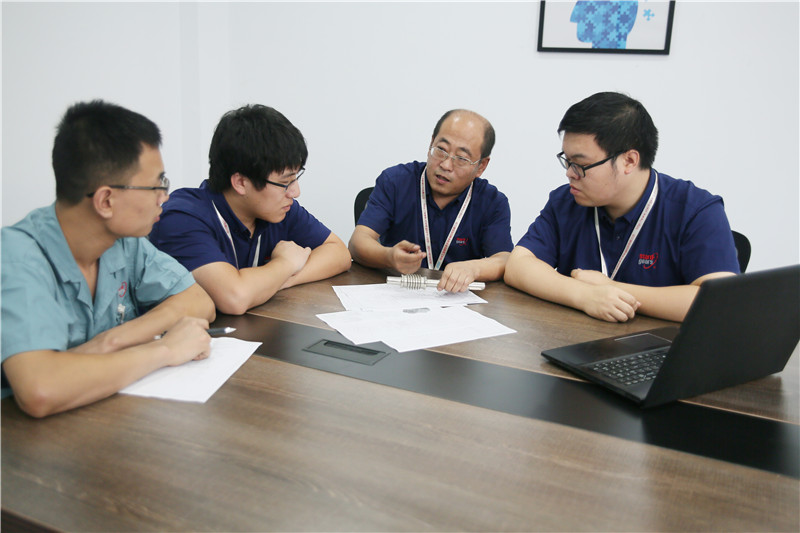
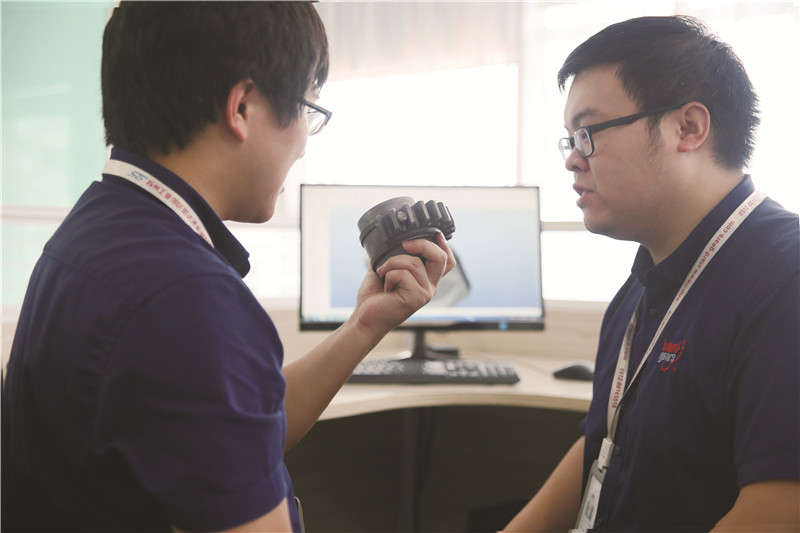
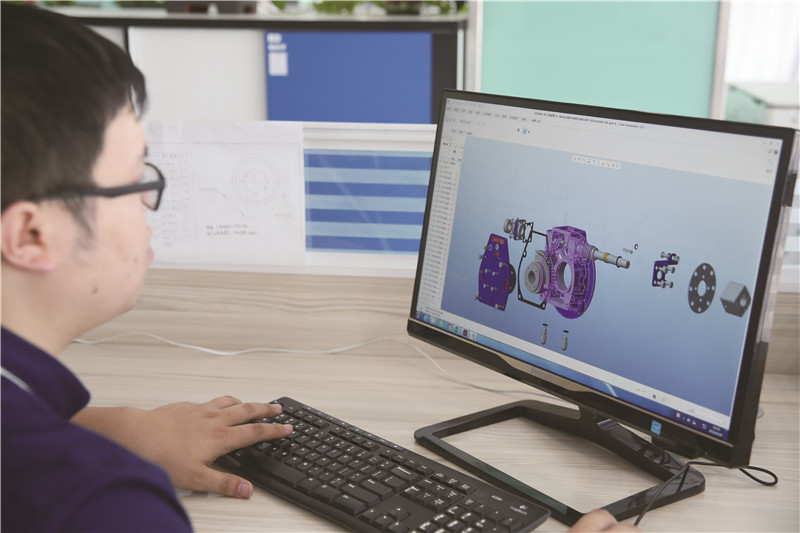
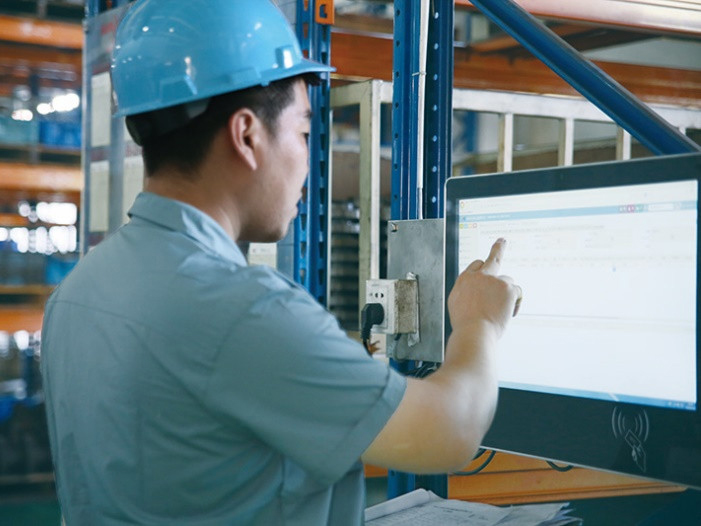
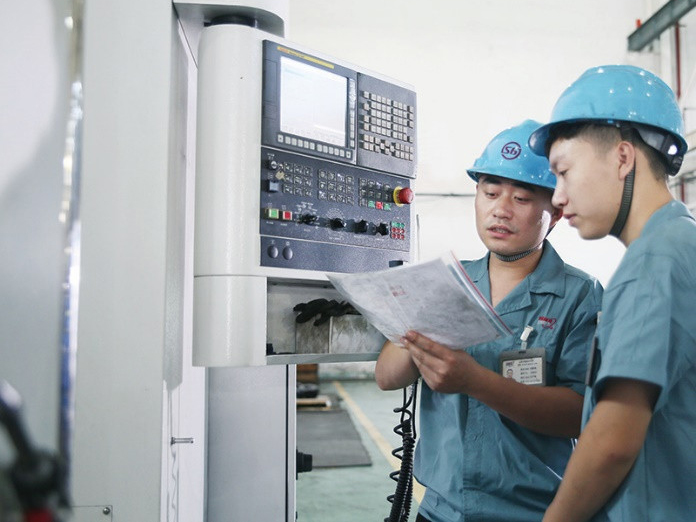
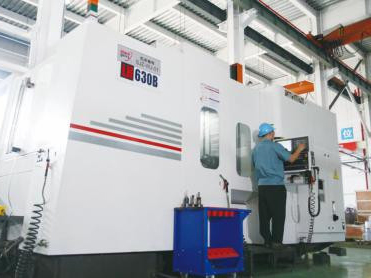
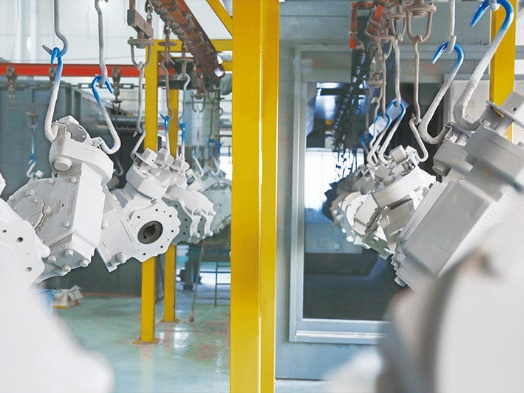
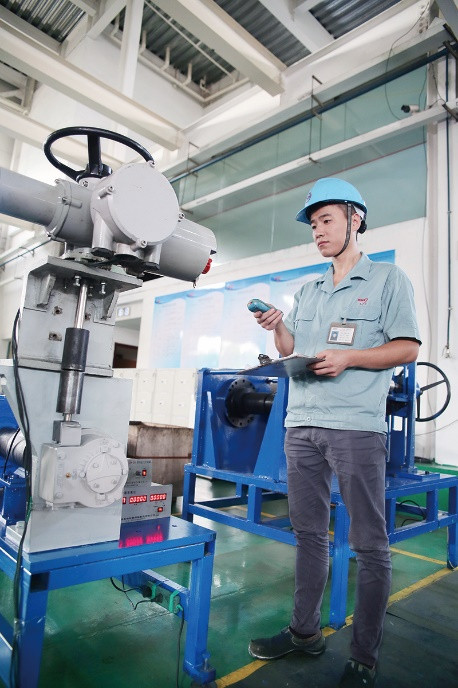
Stard Automation runs a comprehensive ERP management system to ensure that the production schedule and progress of each order is transparent. Real-time supervision is implemented throughout the manufacturing process to minimize lead times. Below are scenes from our machining and assembly lines:
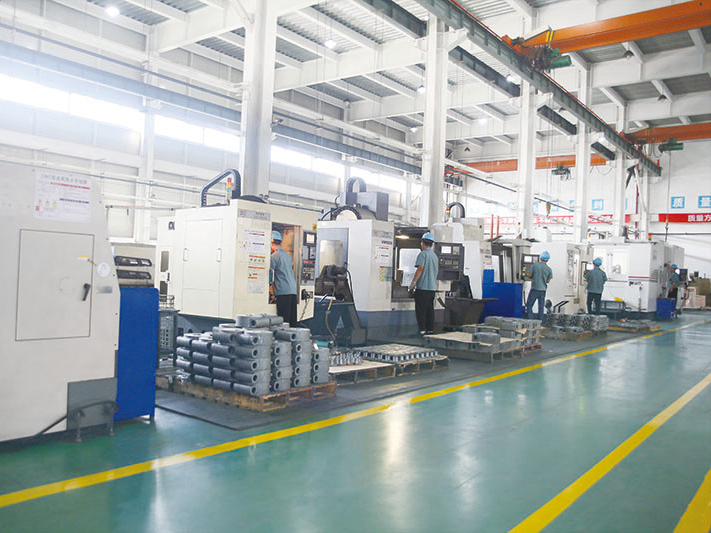
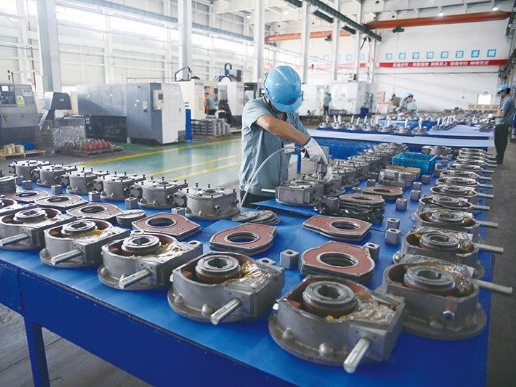
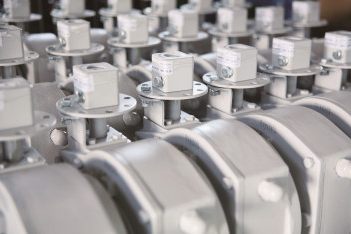
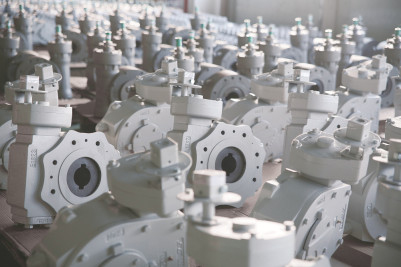
100% qualified before shipment, backed by rigorous torque testing and life-cycle verification.
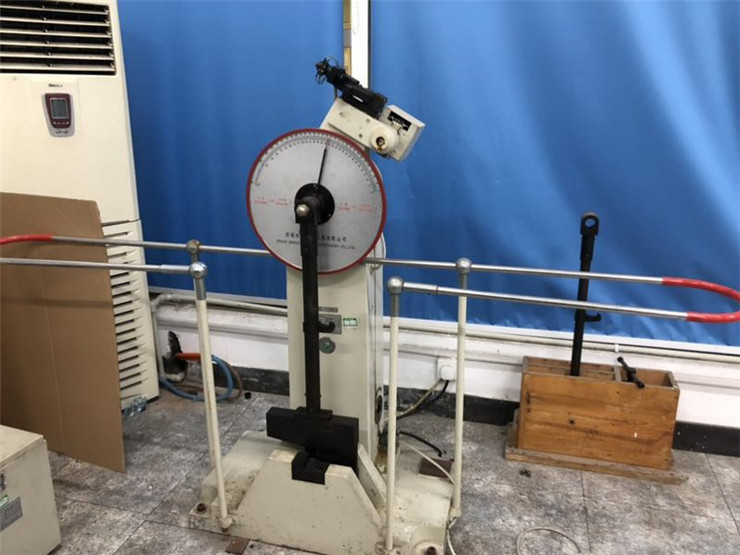
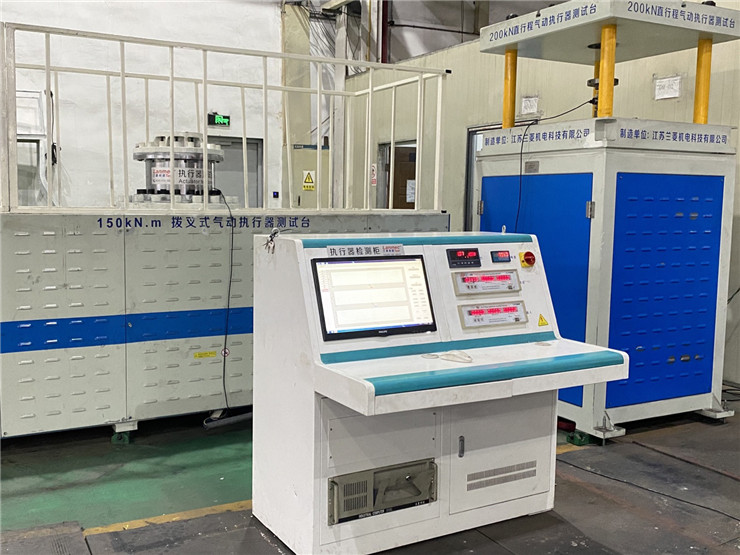
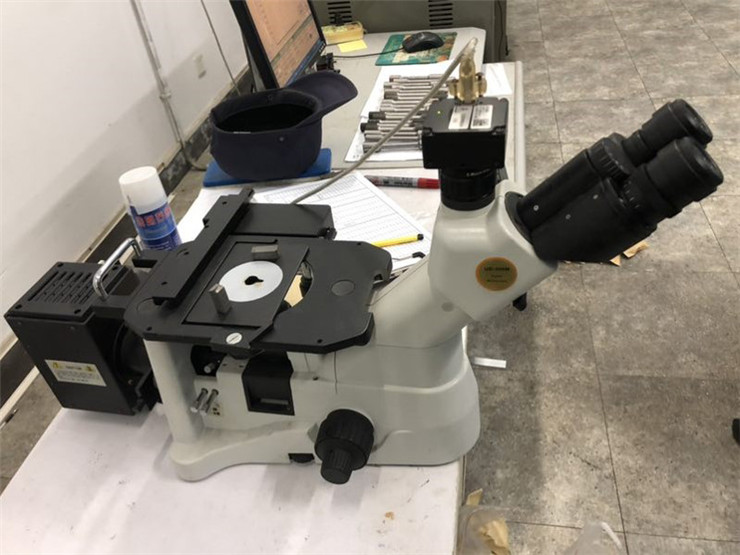
To improve our inspection and testing processes, Stard Automation has set up full-time QC posts at every stage of the manufacturing process—from incoming materials and casting inspection to in-process control and final process verification. This guarantees that all products are 100% qualified before leaving our factory.
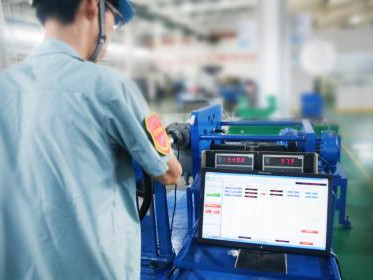
Our facility is equipped with specialized test benches capable of simulating actual operating torques. We execute continuous life-cycle tests on our worm gear systems to verify performance under high load cycles, complying with standard ISO 5211 mounting guidelines widely accepted across European automation networks.
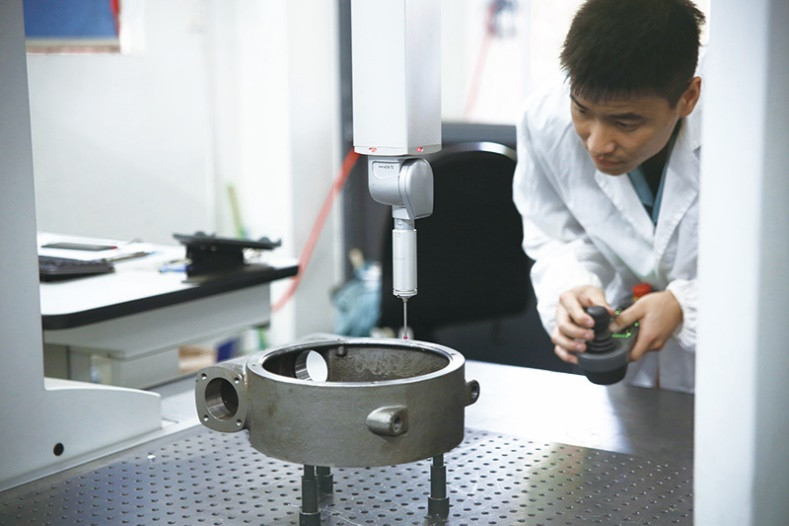
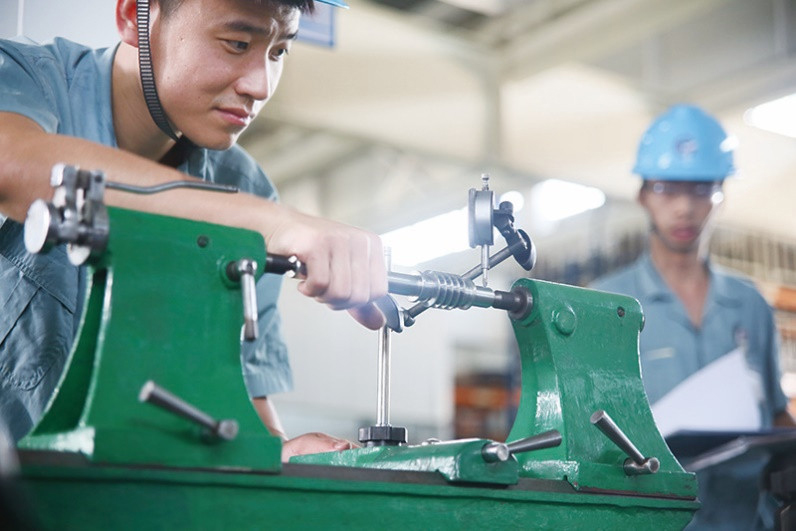
Navigating the global shift toward decarbonization, smart industrial grids, and severe service operations.
The industrial landscape in Ireland is undergoing rapid modernization. To optimize plant efficiency and minimize carbon footprints, engineers are integrating mechanical gearboxes with smart actuators featuring digital diagnostic capabilities. Our partial-turn and bevel gearboxes are designed to interface seamlessly with modern electric actuators supporting protocols like Profibus, Modbus, and HART.
Additionally, the offshore wind development in the Irish Sea and Celtic Sea has spurred demands for seawater-resistant corrosion coatings. We have actively updated our polyurethane and fluorocarbon painting procedures to satisfy high-durability C5-M specifications, ensuring longevity without structural breakdown under extreme marine conditions.
Stard-Gears is actively focusing on three primary technical development vectors:
Expert answers addressing the selection, metallurgy, and installation of quarter-turn gearboxes.
Explore our complete range of manual overrides, alloy and aluminum actuators, declutchable gearboxes, and bevel operators.