
Highly robust industrial pneumatic actuators and manual gear operators customized for demanding system integrations in Manila, Cebu, and Davao.
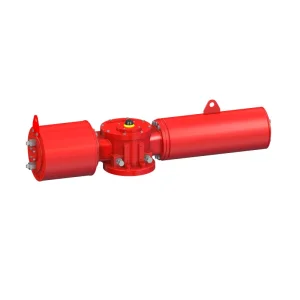
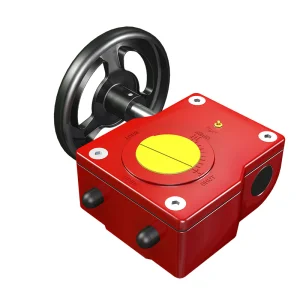
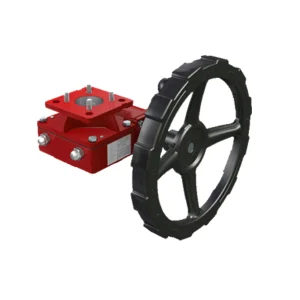
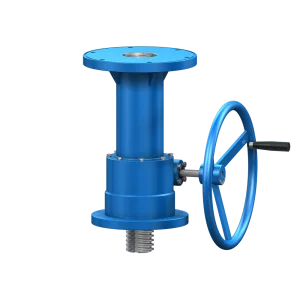
The Republic of the Philippines is experiencing rapid industrialization. Guided by the Development Plan for infrastructure and manufacturing, domestic corporations and public services are aggressively integrating automation technologies. The demand for reliable fluid control elements, specifically high-durability pneumatic actuators, is growing rapidly. From municipal wastewater treatment facilities operated by Manila Water and Maynilad to energy networks across Batangas and Mindanao, precise fluid regulation is critical.
Operating in a maritime tropical climate, Philippine industrial systems face unique challenges. High humidity, elevated saline environments, and temperature variations demand robust hardware. Standard components often fail due to premature oxidation or mechanical fatigue. In this context, sourcing high-specification valve control hardware from recognized manufacturers becomes a operational necessity rather than a procurement choice.
Globally, industrial automation is transitioning toward Industry 4.0 standards. Smart positioners, feedback sensors, and pneumatic actuators with integrated fieldbus interfaces are replacing legacy manual systems. Key drivers include the global push for energy efficiency, strict environmental regulations on emissions, and the expansion of natural gas and renewable geothermal facilities.
Pneumatic actuators remain the industry standard due to their safety, speed, and cost-effectiveness compared to electric alternatives in explosive settings. The global valve control market demands high duty-cycle capabilities, tight manufacturing tolerances, and compliance with certifications such as CE, ATEX, and ISO. Modern procurement directors prioritize manufacturers capable of providing comprehensive finite element analysis (FEA) and cycle-test validation data.
Leveraging premium infrastructure, research, and supply chains in China to deliver value worldwide.
Founded in 1999, our company is located in the Suzhou Industrial Park, a global center for high-technology manufacturing. Our manufacturing facility spans an expansive 8,900 square meters, complemented by a 2,500 square meter office hub dedicated to engineering and development. With annual sales reaching $7,000,000 and growing at a rate of 10% to 20% year-on-year, we operate with financial stability and high production capacity.
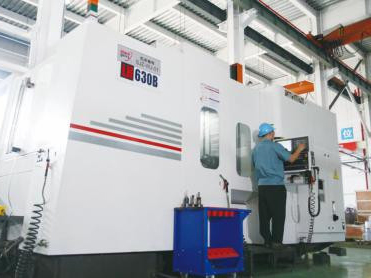
Our location within China's Yangtze River Delta provides access to a mature, highly integrated supply chain ecosystem. This proximity ensures that our casting sourcing, precise CNC machining operations, and component supply are managed efficiently. As a result, we offer competitive lead times, stable cost structures, and high product reliability.
Stard-gears is a modern enterprise integrating mechanical design, validation, manufacturing, assembly, and international trade operations. Over the past decade, we have expanded our footprint globally, exporting to demanding markets including the United States, Germany, Italy, Mexico, Singapore, Japan, and other industrialized regions.
Our catalog features 9 distinct product series and over 80 variations of gear operators, manual overrides, declutchable gearboxes, and automated pneumatic controllers. We aim to establish industry benchmarks in valve control engineering, and we work to support global EPC contractors and distributors with dedicated customer service, technical design validation, and engineering support.
How we ensure mechanical safety, structural integrity, and long service life before manufacturing begins.
Engineering precision at Stard-gears begins with advanced design validation tools. Through 3D CAD modeling, kinematic dynamic simulation, and Finite Element Analysis (FEA), our engineering teams test new designs in a virtual environment. We evaluate localized stress distributions, gear engagement patterns, structural deflection points, and torque responses before production.
This systematic design process reduces product development cycles, verifies structure safety margins, and minimizes raw material waste. This engineering approach allows us to offer custom solutions tailored to specific project requirements, ensuring that each pneumatic actuator and override gearbox performs as expected under pressure.
Our collaborative design cycle follows a structured validation path. We maintain open communication channels with our clients, moving from program alignment to design iterations and finalized production drawings.
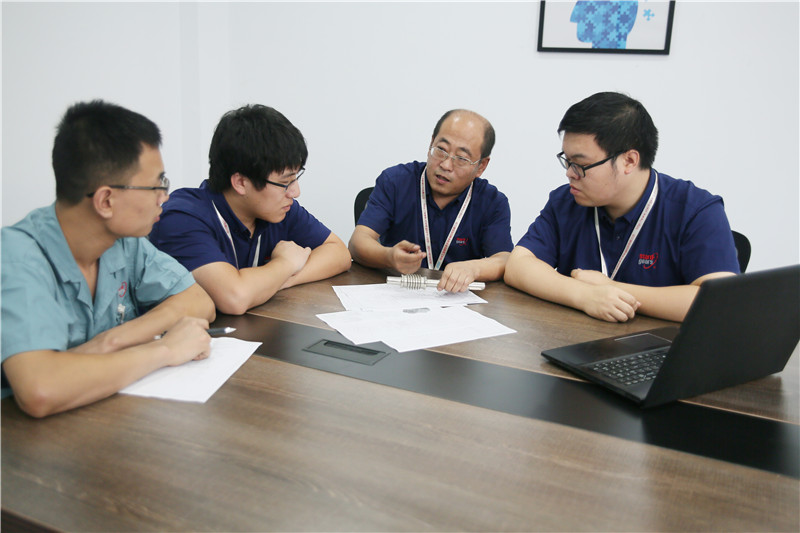
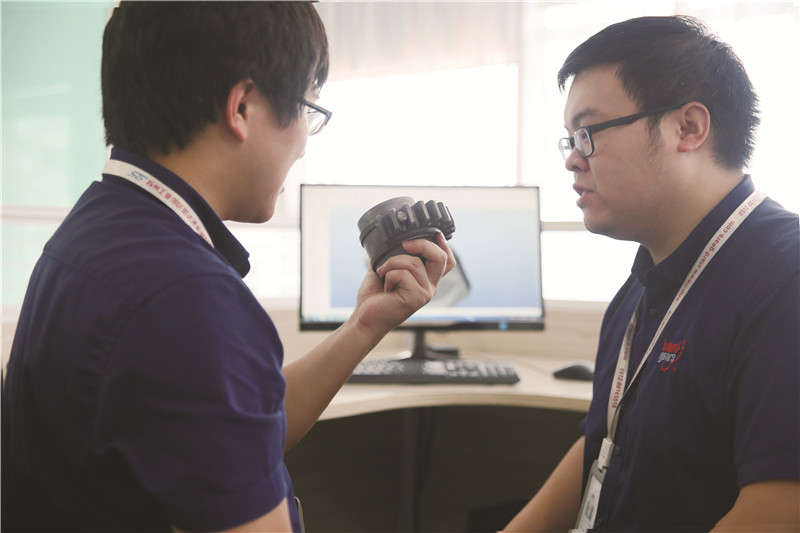
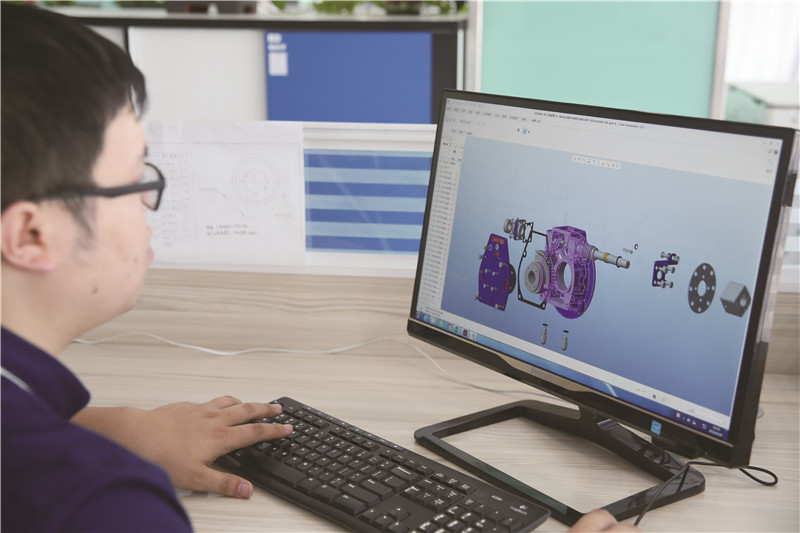
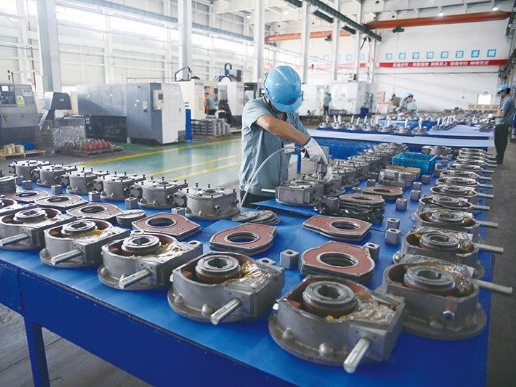
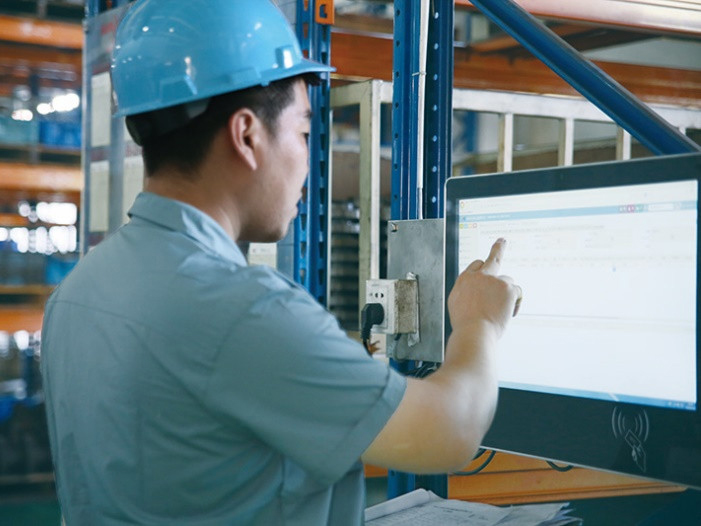
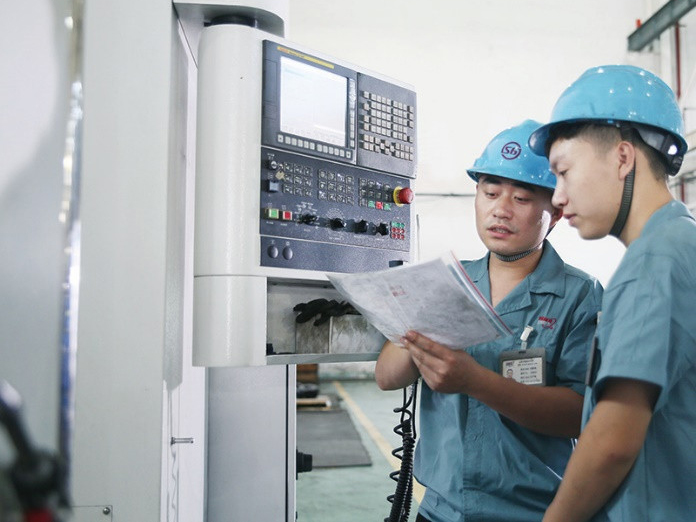
A look at our plant operations, real-time tracking systems, and testing equipment.
Stard Automation utilizes a customized Enterprise Resource Planning (ERP) platform to track and coordinate production stages. The ERP system tracks material status, machining stages, and assembly timelines. This level of oversight helps us maintain reliable scheduling, optimize lead times, and keep clients updated on their order progress.
Operating a facility with a physical footprint of 8,900 square meters, our annual output value reaches up to $9,000,000. Our production lines can manufacture 100,000 sets of gear operators and actuators annually, ensuring we can meet both small-batch custom requests and large-scale project orders.
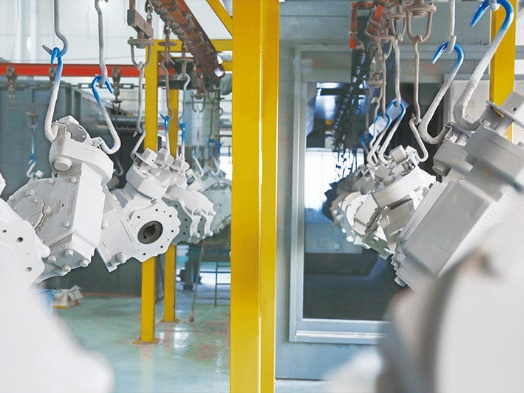
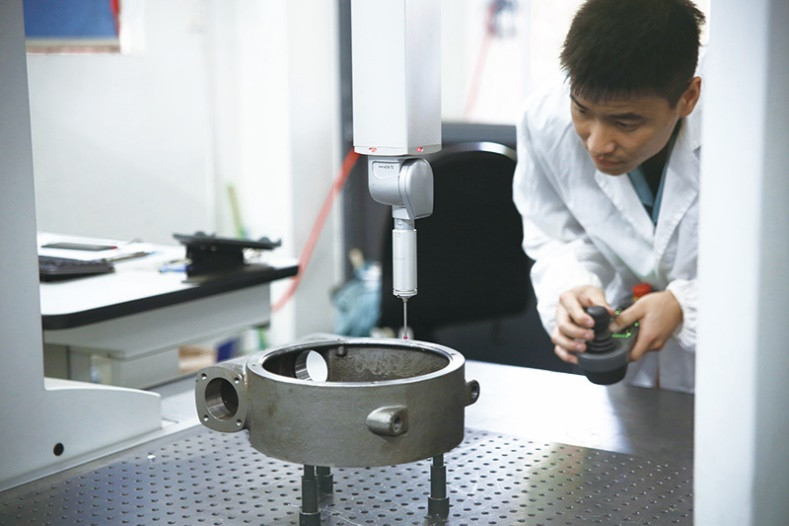
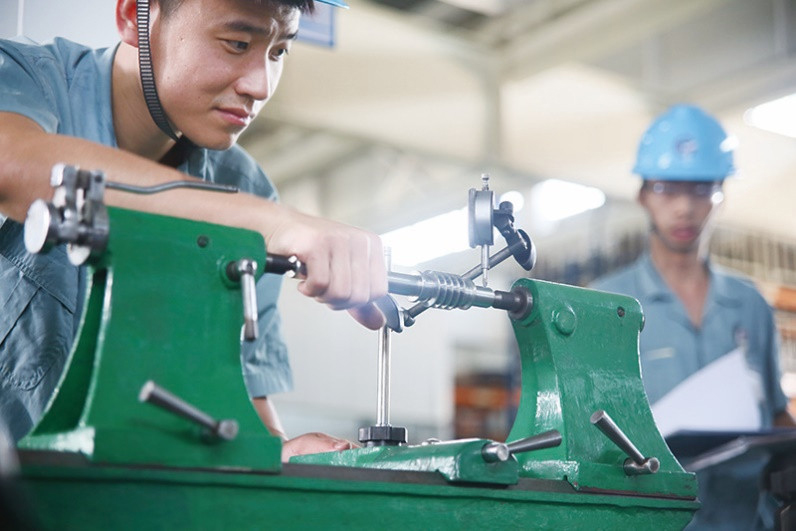
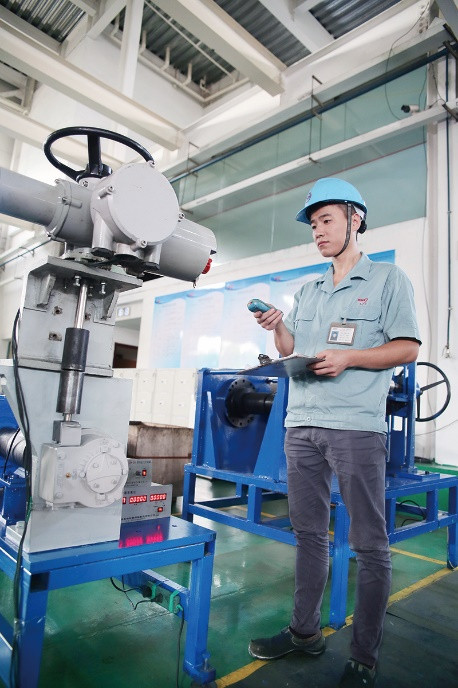
To support high product quality, our quality control framework places certified inspectors at key stages of production. We test incoming casting materials, monitor dimensions during machining, and run operational checks on all finished assemblies. Every product undergoes testing before shipment to confirm performance compliance.
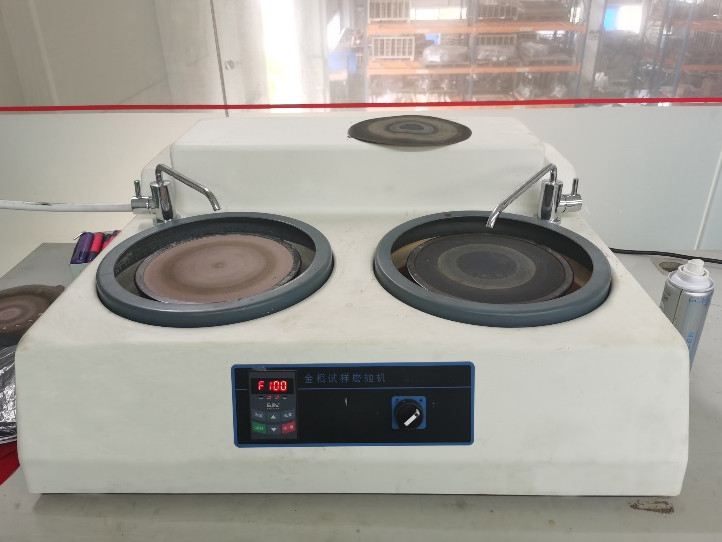
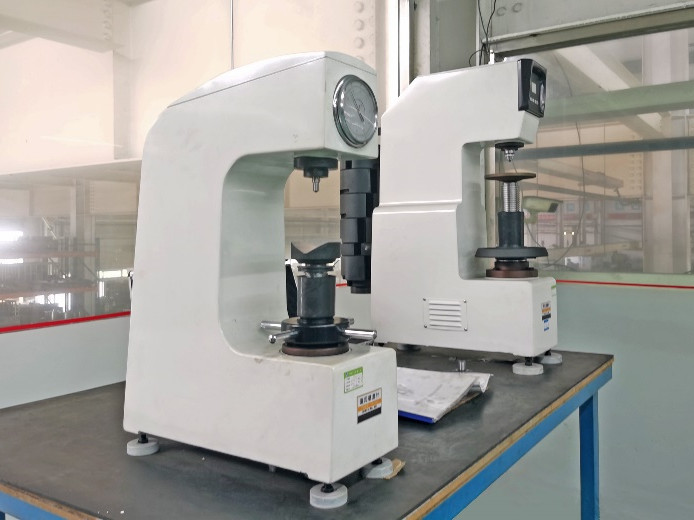
Our quality control laboratory features testing hardware capable of validating mechanical limits. We conduct dynamic output torque testing, cycle fatigue testing, structural pressure tests, and paint thickness verification, ensuring the equipment operates reliably in tough field environments.
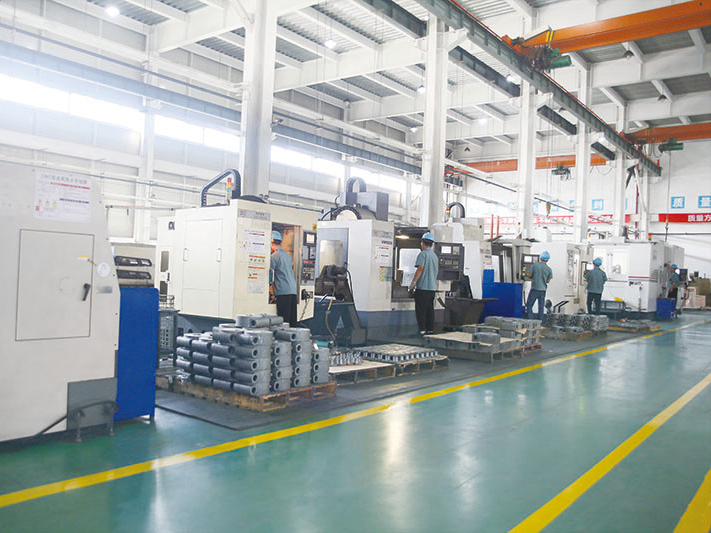
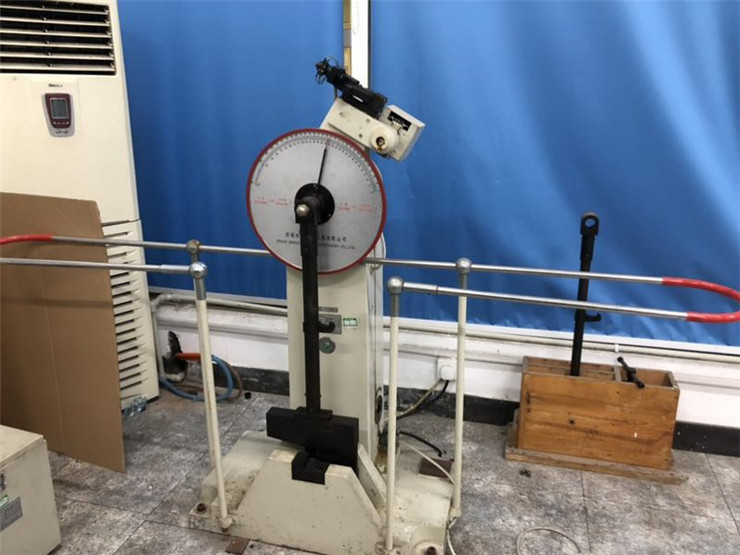
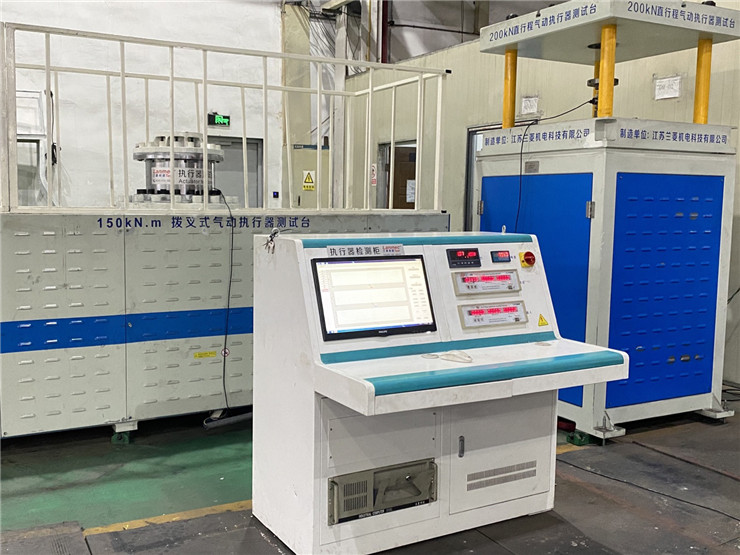
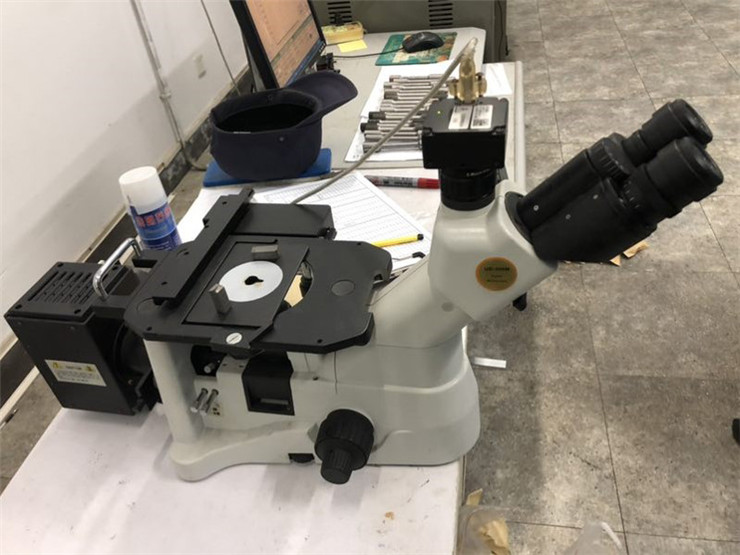
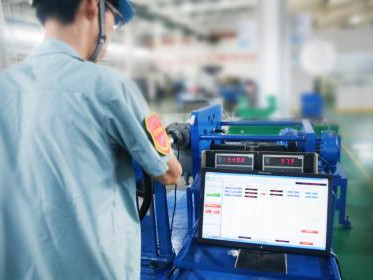
Customizing design features to meet the environmental and operational challenges of key Philippine industries.
Geothermal power plants in Leyte, Negros, and Albay process high-temperature steam containing trace hydrogen sulfide (H2S). Our Scotch Yoke and linear pneumatic actuators are engineered with corrosion-resistant coatings and specialized seals to withstand these conditions and minimize downtime.
To support water safety efforts in metropolitan Manila and neighboring provinces, municipal facilities require robust valve control systems. Our CE-certified gearboxes and pneumatic assemblies help manage flow control during filtration, backwashing, and chemical dosing processes.
With processing centers in Luzon and the Visayas, food safety is critical. Our anodized aluminum and stainless-steel actuator components are built to handle clean-in-place (CIP) washdowns and chemical sanitization, helping to maintain clean processing environments.
Handling saltwater exposure is vital for offshore marine installations and coastal shipping terminals in Batangas and Cebu. We configure our actuators with salt-resistant epoxy coatings and stainless steel fasteners to protect against atmospheric salt corrosion.
Adapting design and engineering practices to meet the requirements of modern processing plants.
Integrating intelligent positioners and digital feedback loops allows engineers to monitor operational diagnostics. We design our actuators to interface with HART and Foundation Fieldbus protocols to support remote monitoring and predictive maintenance plans.
Compressed air generation represents a significant operational cost in modern plants. To help address this, our modern pneumatic actuators are engineered with tight tolerances and low-friction dynamic seals. This design reduces air consumption and minimizes internal pressure losses.
Industrial facilities are moving away from cast iron in favor of ductile iron and anodized aluminum alloys. These materials offer higher tensile strength and lower total weight, reducing mechanical loads on piping systems and associated supports.
A reference checklist for engineers and buyers sourcing valve control and actuator equipment for international projects.
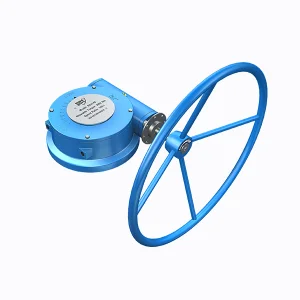
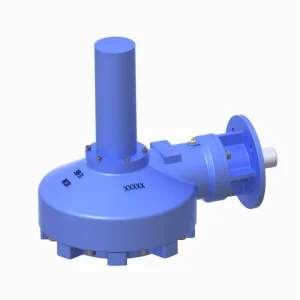
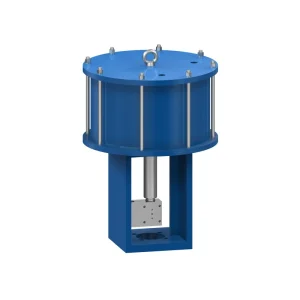
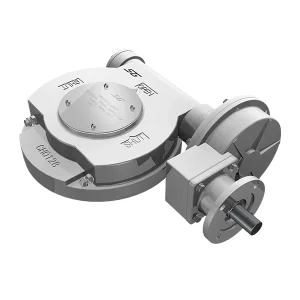
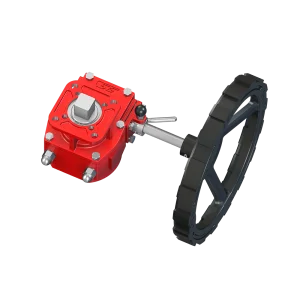
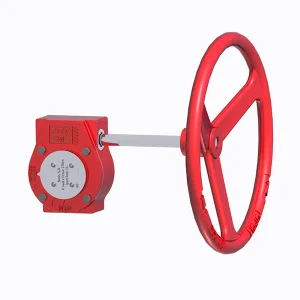
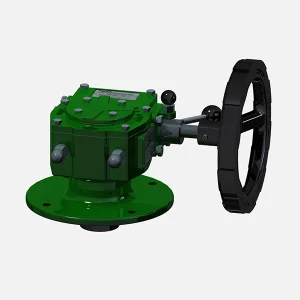
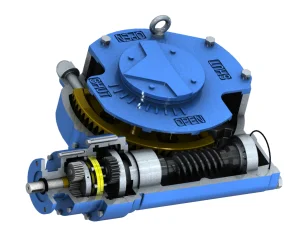
Browse our selection of quarter-turn gearboxes, declutchable manual overrides, multi-turn operators, and linear actuators.
Answers to common engineering questions regarding the selection, application, and maintenance of industrial actuators.
Scotch Yoke actuators produce a variable torque curve, delivering their highest output torque at the start and end of the cycle (breakout and seating phases). This matches the requirements of ball and butterfly valves, which need higher torque to seat or unseat. Rack & Pinion actuators provide a constant torque profile throughout their rotation, making them suitable for smaller valves or applications requiring linear torque distribution.
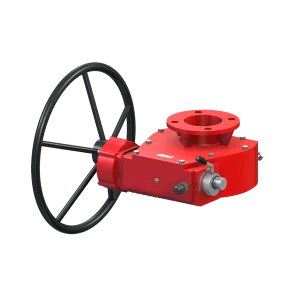
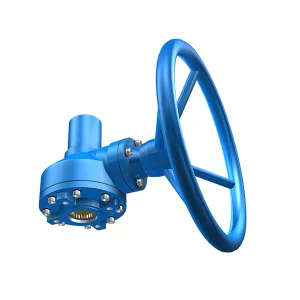
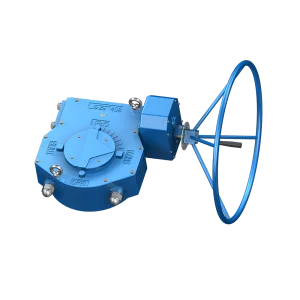
A declutchable override gearbox serves as a safety backup for automated pneumatic systems. Under normal operating conditions, the gearbox is disengaged (declutched), allowing the pneumatic actuator to cycle the valve independently. In the event of a power loss, control signal failure, or loss of instrument air, the gearbox clutch mechanism can be engaged manually. This allows a technician to position the valve using the integrated handwheel.
For environments with high humidity or exposure to salt air, such as coastal facilities in the Philippines, several protections are recommended. These include using hard-anodized or epoxy-coated aluminum actuator housings, implementing stainless steel internal fasteners, using nickel-plated drive shafts, and installing specialized polyurethane or fluorocarbon seals to prevent moisture ingress.
Actuator sizing should incorporate a safety margin above the valve manufacturer's specified torque. For general services, we recommend adding a safety factor of 20% to 30%. For valves handling slurries, high viscous liquids, or high-pressure differentials, a safety factor of 50% or higher may be required to account for friction changes over the service life of the valve.
Discuss your project specifications with our engineering team. We supply industrial pneumatic actuators, manual overrides, and valve gearboxes tailored to your system requirements.