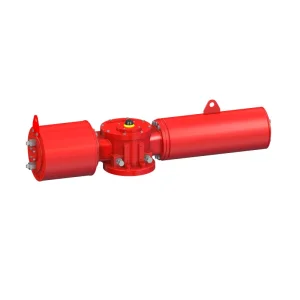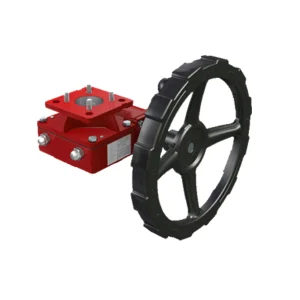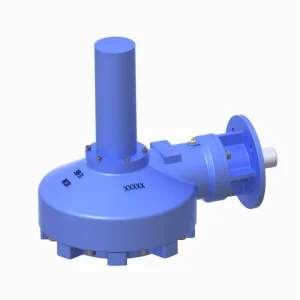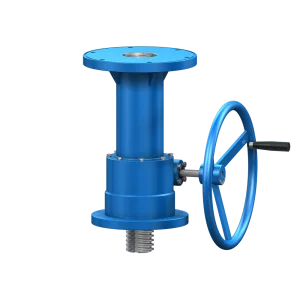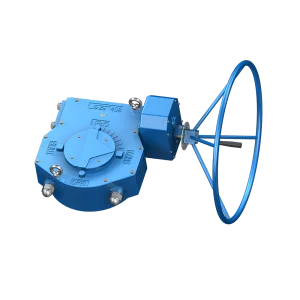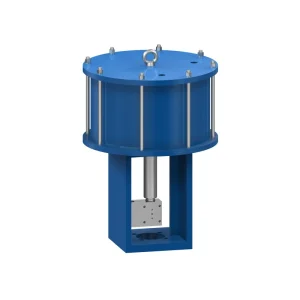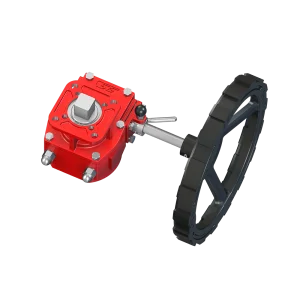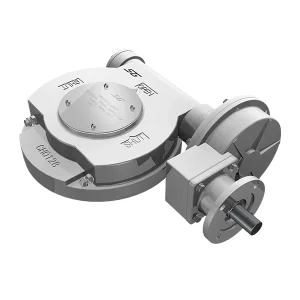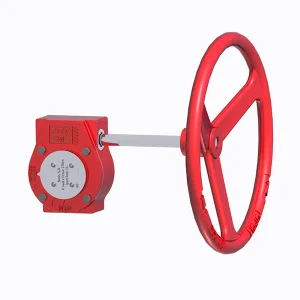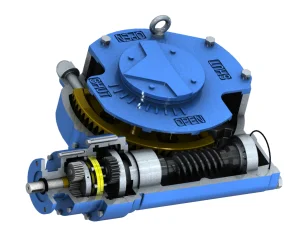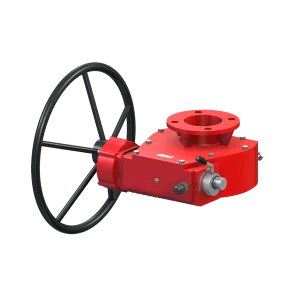
Engineered for high performance, standard safety ratings, and seamless pneumatic/hydraulic actuator overrides.
A comprehensive analysis of safety profiles, compliance frameworks, global supply chains, and industrial engineering trends.
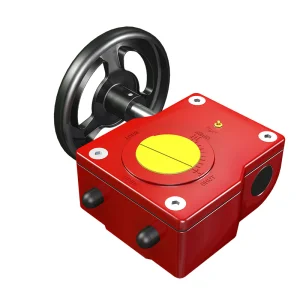
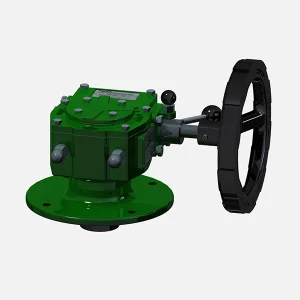
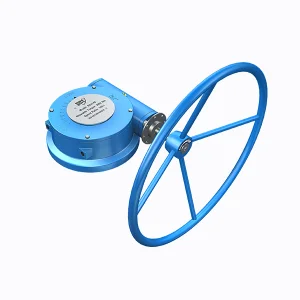
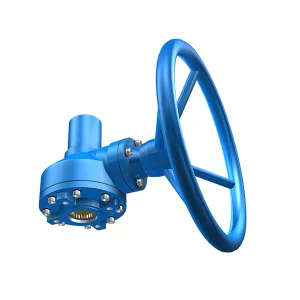
In high-pressure, critical path environments such as petrochemical plants, offshore drilling platforms, municipal water systems, and nuclear facilities, valve automation systems must perform flawlessly. While pneumatic or hydraulic scotch yoke actuators control routine flow operations automatically, emergency shutdowns or structural power failures demand a backup system. The declutchable manual override (DMO) gearbox has emerged as the definitive solution.
Unlike direct-mounted traditional override blocks that add mechanical drag and increase system footprint during automatic operations, modern declutchable gearboxes use a clutch disengagement mechanism. By engaging an eccentric cam and handwheel system, operators can manually stroke the valve during control system failures without combating the actuator's structural internal spring-return or hydraulic force, ensuring complete operational autonomy and localized security.
With industrial systems moving toward smart digital integration, current designs focus on safety interlock verification, explosion-proof localized switches, and materials optimized for extreme ambient pressures, reducing downtime while securing continuous operation.
Designed with high-efficiency worm gears, these mechanisms prevent unintentional blowback and ensure smooth, controlled manual torque transition during actuator override emergencies.
By disengaging the override handwheel during automated loops, wear and tear on primary gear sectors and actuator shafts are completely eliminated, extending system life by up to 40%.
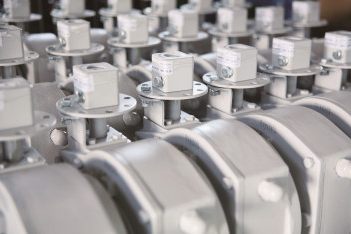
Engineered to sit sandwiched between the actuator and the control valve. Low profile configurations minimize operational stress on critical piping supports and minimize seismic load profiles.
CE Certification is not merely a label; it represents rigorous adherence to European health, safety, and environmental protection standards. For declutchable gear operators, this involves conformance to the Machinery Directive 2006/42/EC and, where explosive vapors are present, the ATEX Directive 2014/34/EU.
A CE certified manual override gearbox must undergo structural stress evaluations, torque retention limit tests, and explosive atmosphere threat analyses. The design requires a dedicated venting profile to prevent internal air pressure pockets, alongside robust earthing components to dissipate static discharge. Global procurement departments recognize that CE marked equipment reduces operational liability, minimizes structural insurance premiums, and guarantees compliance with local industrial safety regulations.
Procuring industrial gearboxes for challenging applications (such as deep seawater channels, subzero Siberian oil corridors, or hot desert distribution loops) requires customized materials. Key engineering specifications include:
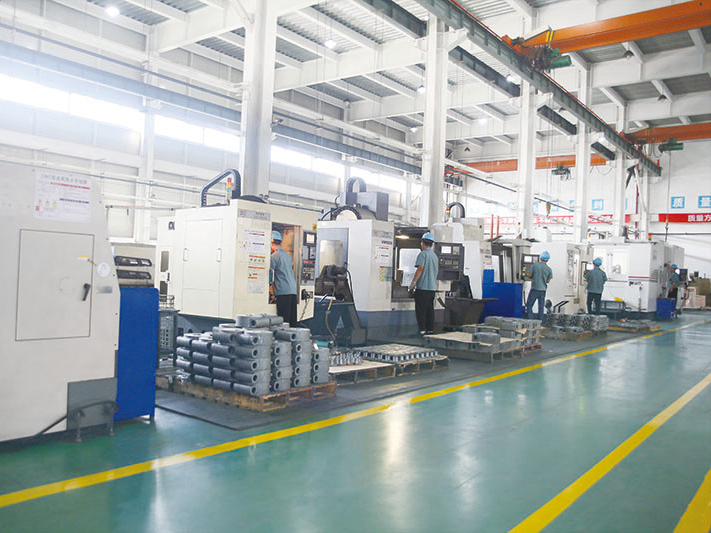
Located in the heart of the Suzhou Industrial Park (SIP), our production facility spans a custom built 8,900 m² manufacturing plant alongside 2,500 m² of engineering design office space. Leveraging the strong manufacturing ecosystem of the Yangtze River Delta, we maintain deep integrations with local casting foundries, heat-treatment centers, and precision machining shops.
This geographic concentration allows us to run highly efficient production schedules with lead times 30% shorter than the industry average. Our fully automated ERP platform tracks every component, from raw steel castings to final shipping packaging, ensuring total traceability and reliable logistics coordination for major international projects.
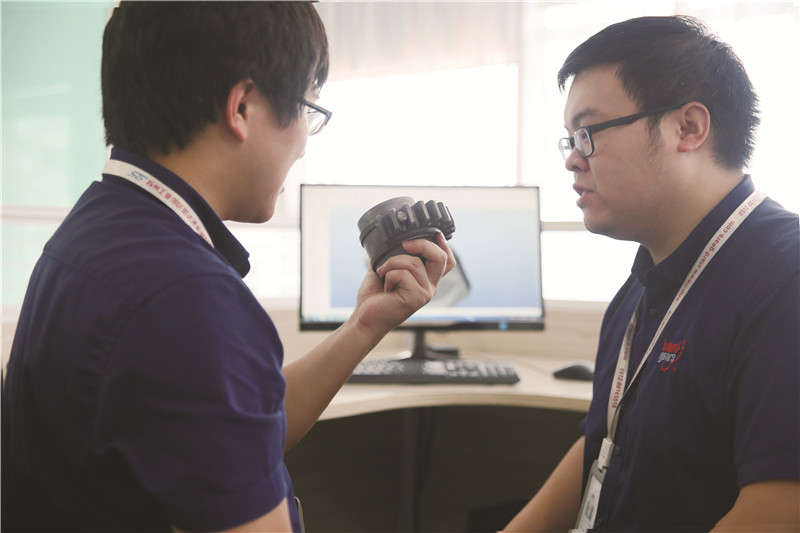
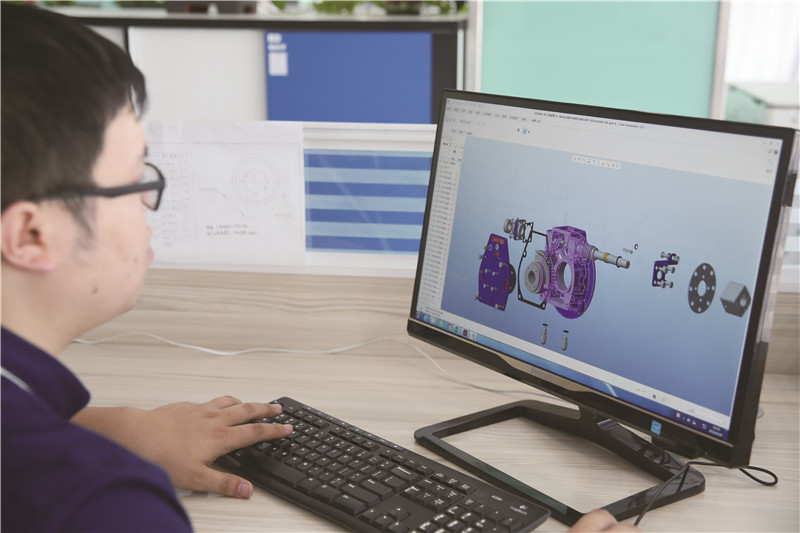
By leveraging advanced 3D simulation, finite element analysis (FEA), and dynamic kinematics modeling, we optimize our product geometry prior to casting production.
Through 3D simulation, dynamic simulation, finite element analysis, etc., engineers can virtually verify the rationality of their designs of every new product before it is put into production, significantly shortening the design and development cycle of new products, ensuring the safety of the final products, and minimizing the costs.
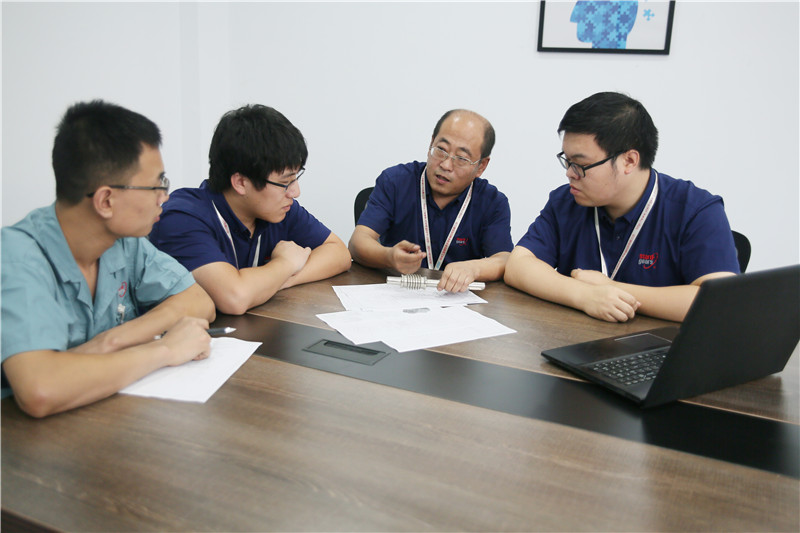
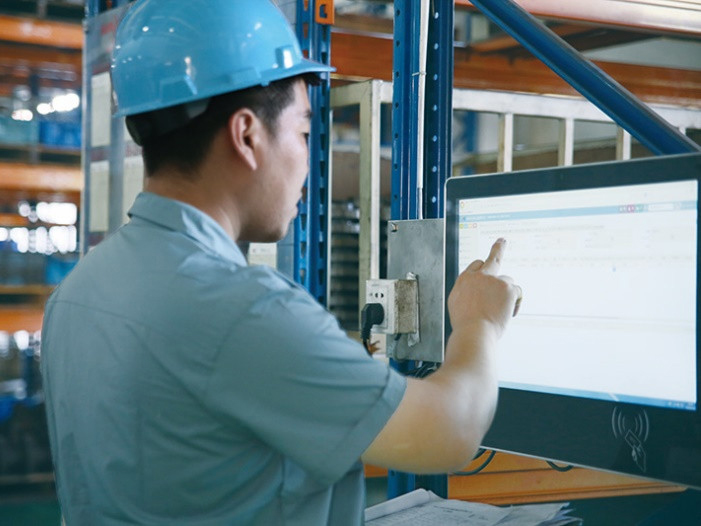
Ensuring timely dispatch, complete component compliance, and transparent workflow integration via customized ERP systems.
Stard Automation runs a comprehensive ERP management system to ensure that the production schedule and progress of each order from each customer is clear at a glance. This system plays an important role in business operation and management. The real-time supervision and management are implemented throughout the production to improve efficiency.
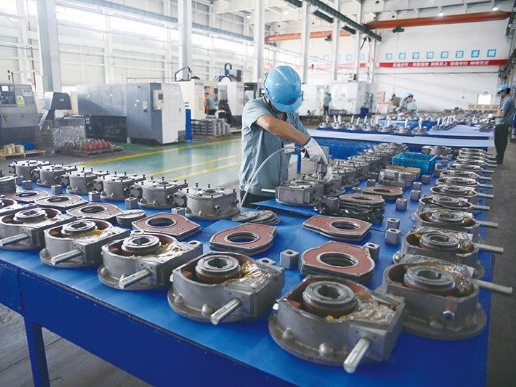
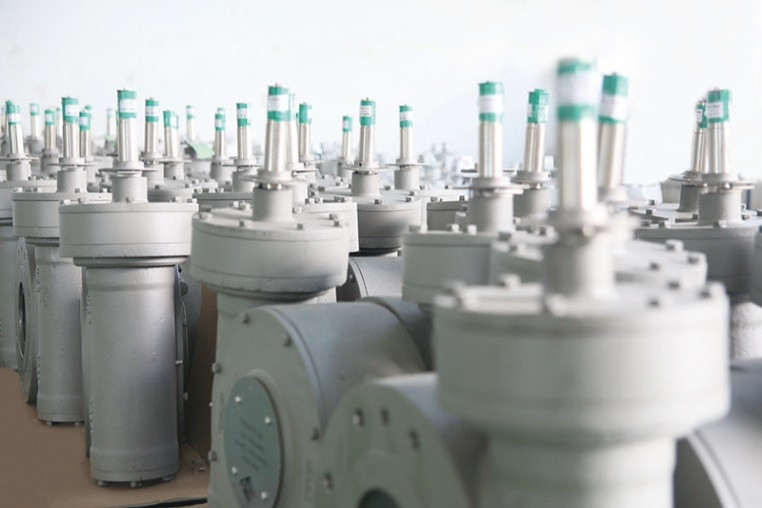
The annual output value of the Suzhou plant can reach $9,000,000, with production capacity topping 100,000 sets annually. Stard offers 9 series and approximately 80 varieties of high performance gear operators to support global applications.
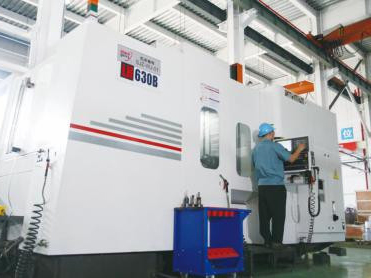
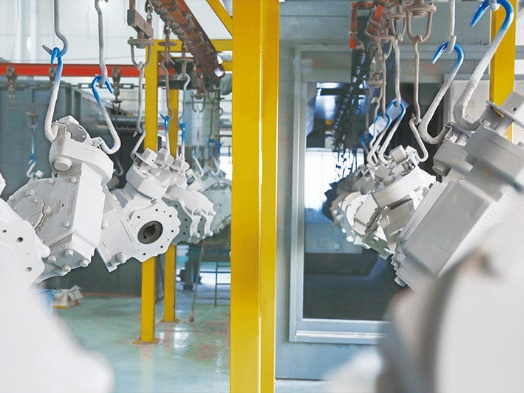
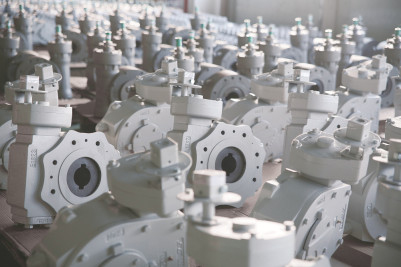
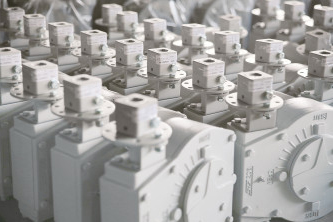
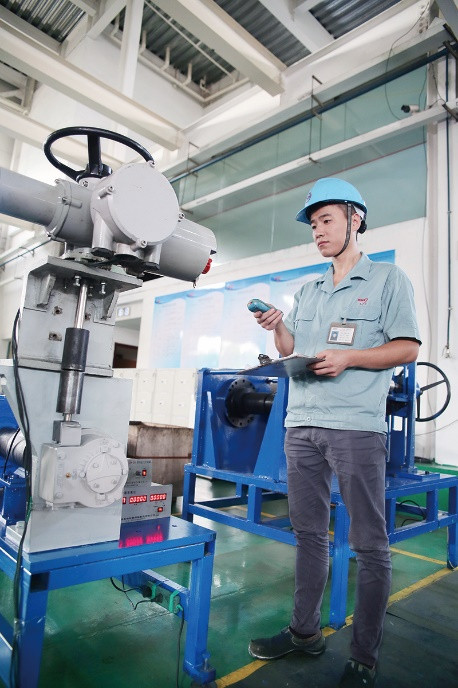
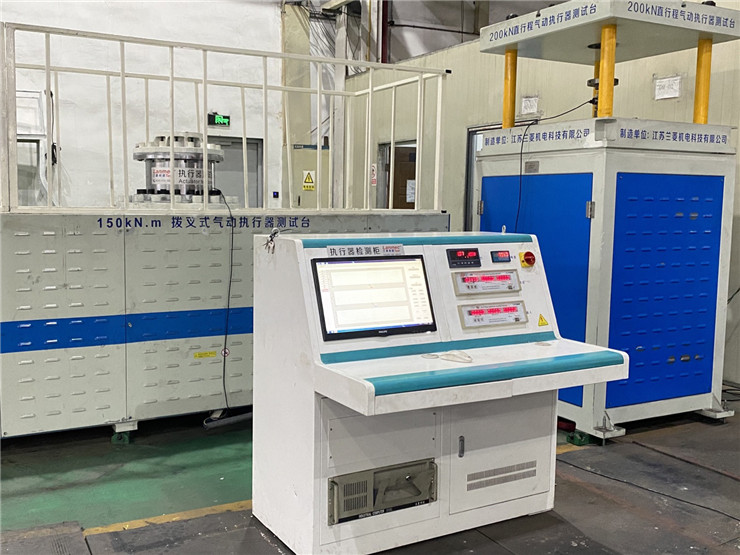
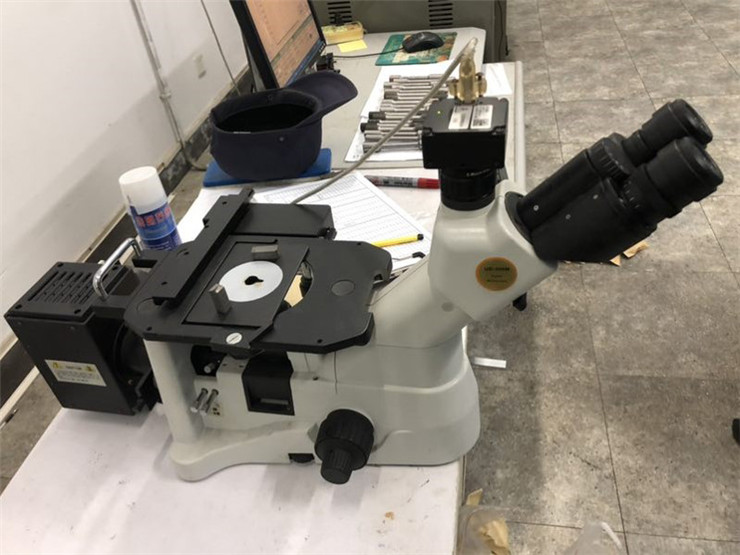
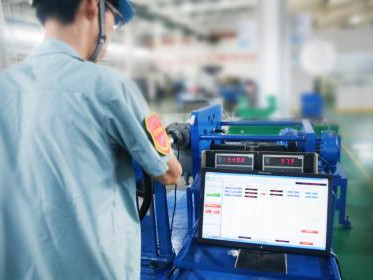
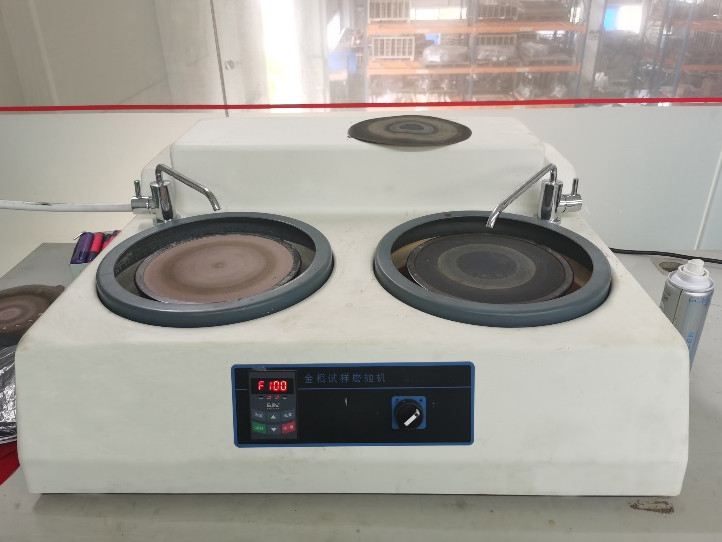
We perform mechanical strain testing, dimensional verification, and lifecycle performance tests to guarantee zero failure on-site.
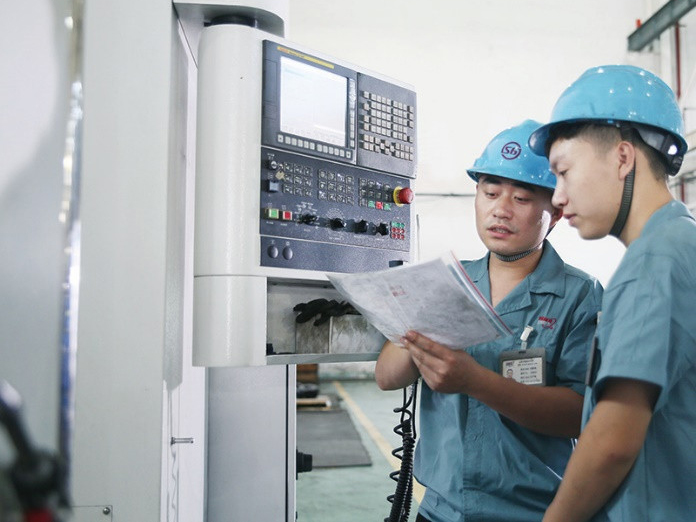
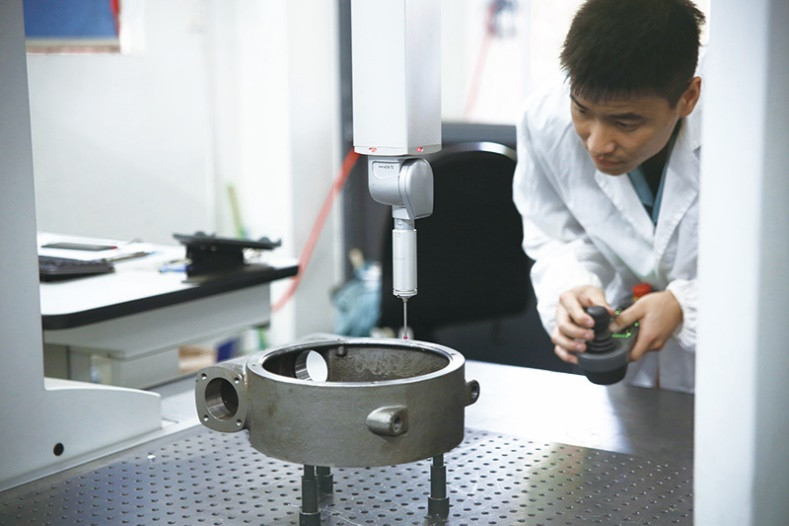
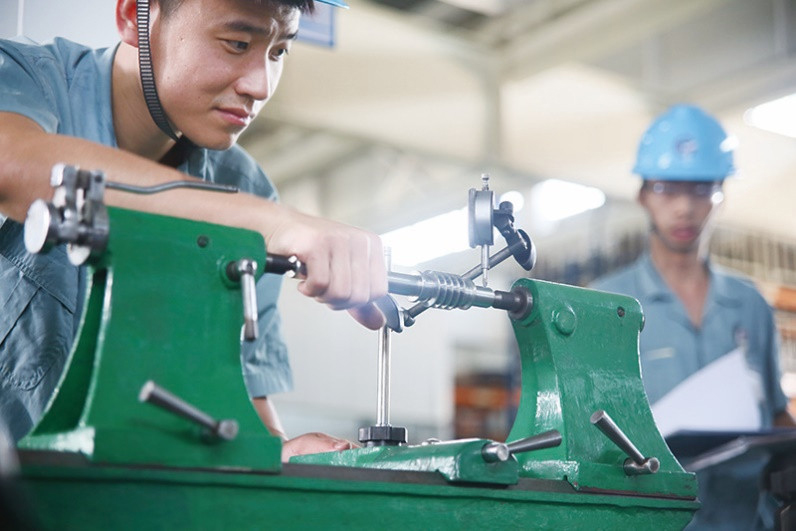
To improve the inspection and testing process, Stard Automation has set up full-time QC posts at every stage of the manufacturing process from incoming materials to in-process control and to process finalization, ensuring that products are 100% qualified before shipment.
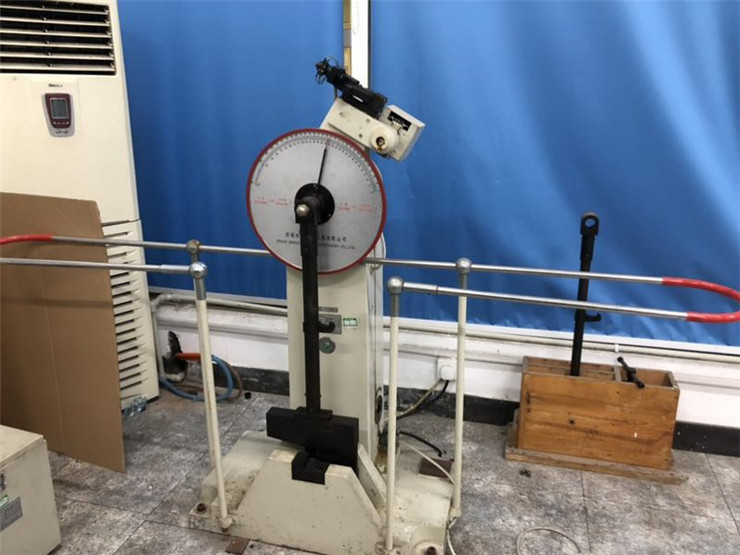
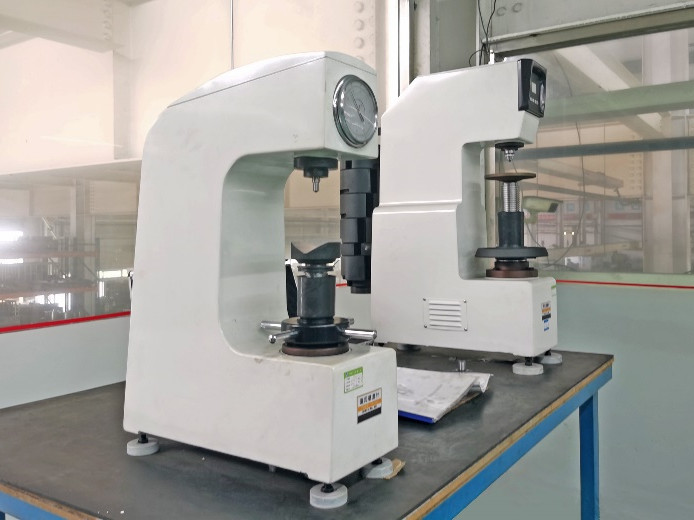
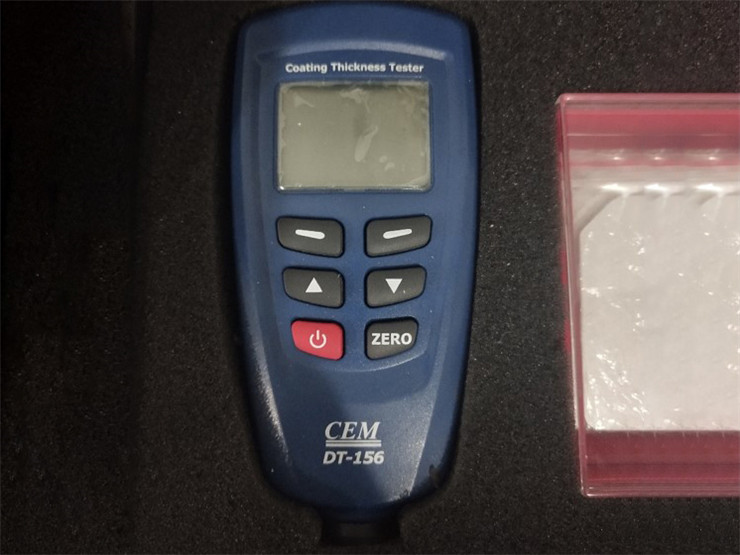
Stard Automation owns a full range of advanced inspection and testing equipment to control the quality throughout the whole process from blank casting to finished products, which enables us to perform tests like the torque test and life cycle test.
Heavy duty, industrial grade partial turn and multi turn manual solutions for international valve suppliers.
Get professional, authoritative answers to common engineering, installation, and procurement questions.