Engineered for Precise Control, Process Efficiency, and Rigorous Field Performance
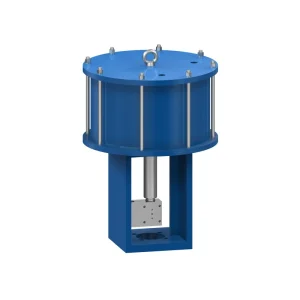
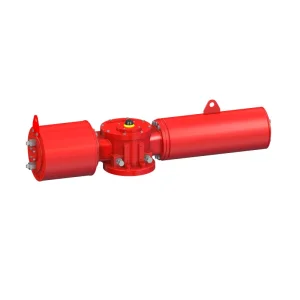
In modern industrial automation, the double acting pneumatic actuator stands as a foundational mechanism for regulating flow controls, isolating lines, and ensuring systemic reliability. Unlike spring-return variations, double acting configurations leverage double-sided pneumatic force to actuate and reposition control valves, yielding robust, symmetric torque characteristics. This makes them highly suitable for quarter-turn valves, including ball, butterfly, and plug configurations.
As compliance architectures tighten globally, having a CE certified supplier is no longer just a structural preference; it is a critical regulatory mandate. CE marking indicates a manufacturer's adherence to stringent European directives covering mechanical safety, electromagnetic compatibility, and pressure equipment directives (such as Directive 2014/68/EU).
At Stard-Gears, we design and produce actuators that solve severe operating challenges in chemical plants, offshore terminals, water distribution grids, and thermal energy networks. Our engineering philosophy targets zero-leakage profiles, low friction coefficients, and standardized ISO 5211 mechanical mounting interfaces to support multi-vendor compatibility.
What Procurement Officers and Engineering leads prioritize in 2024 and beyond
Global procurement teams prioritize actuators with CE, ATEX, and Functional Safety (SIL 3) ratings. Systems installed in hazardous, explosive zones require validated mechanical longevity and predictable fail-safe operations.
With massive investments in green hydrogen, LNG, and offshore gas processing, double acting pneumatic actuators must withstand temperature ranges from -40°C to +150°C and exhibit high anti-corrosion ratings (e.g., C5-M specifications).
Maintenance engineers now look past initial purchase costs, analyzing instead cycle life expectancy, internal seal durability, and modularity. Low-maintenance components prevent costly shutdown events in high-throughput lines.
Delivering high-capacity production from the heart of the Yangtze River Delta
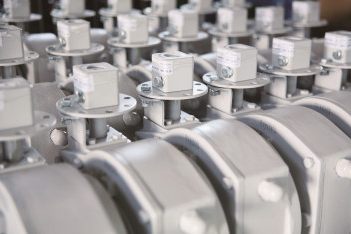
Founded in 1999, Stard-Gears is strategically located in the Suzhou Industrial Park. Over the last 25 years, our infrastructure has scaled to meet international valve control needs:
By leveraging the highly mature and integrated supply chains within the Yangtze River Delta region, we gain key cost and quality advantages in castings, high-tolerance machining, and specialized alloy parts procurement. This allows us to offer both rapid delivery cycles and superior build consistency.
Using digital simulation to validate design and ensure field safety before casting
Our development cycle uses advanced mechanical simulation platforms. Through 3D modeling, dynamic stress calculations, and finite element analysis (FEA), our R&D engineers analyze stress distributions, mechanical wear zones, and flow properties. This structural modeling helps verify our designs before manufacturing, shortening the prototype phase and ensuring safety under extreme pressures.
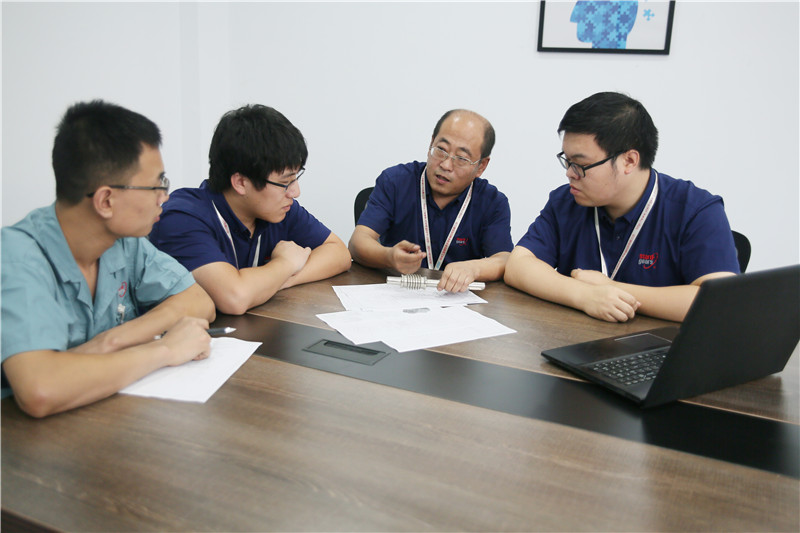
Defining operational parameters, environment classification, and target lifecycle properties with clients.
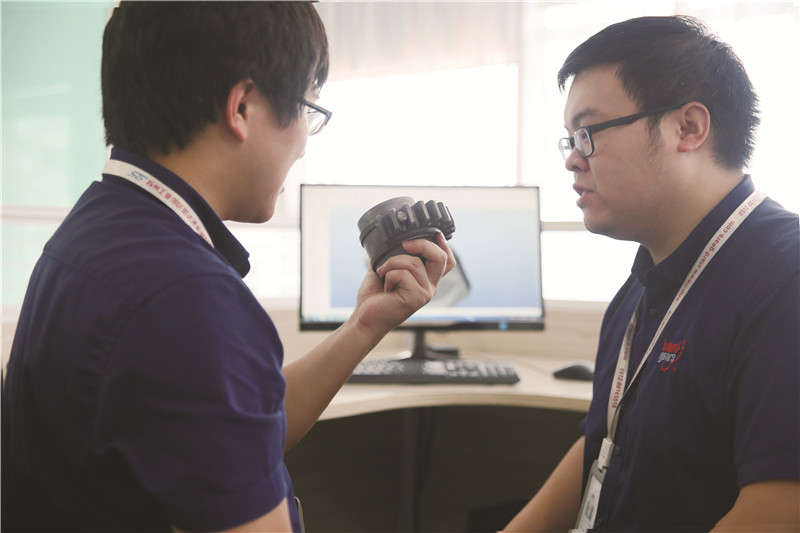
Translating parameters into detailed design models, identifying safety margins and mechanical interfaces.
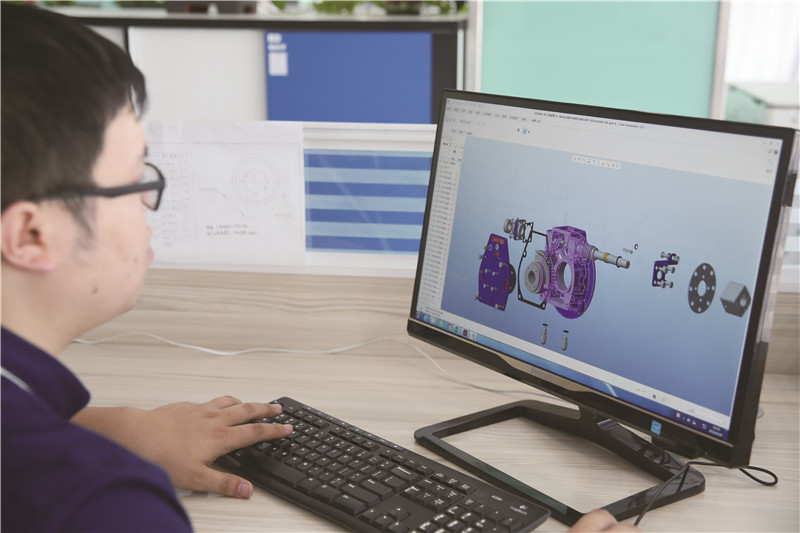
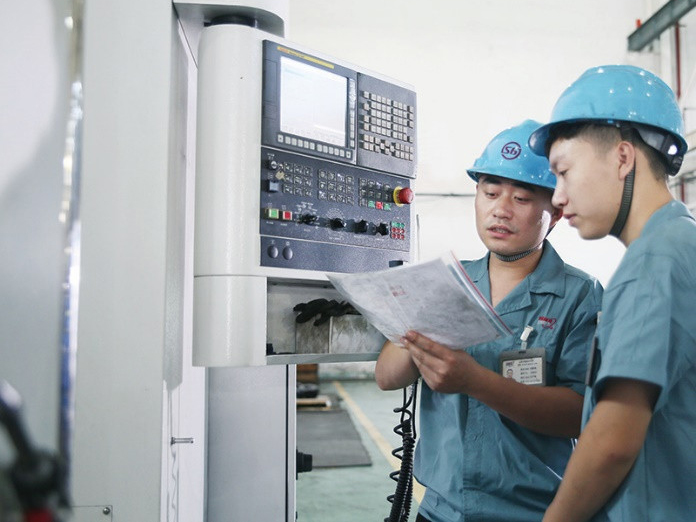
Generating comprehensive production plans and technical drawings to feed into CNC machining centers.
Ensuring complete manufacturing transparency and 100% qualified products
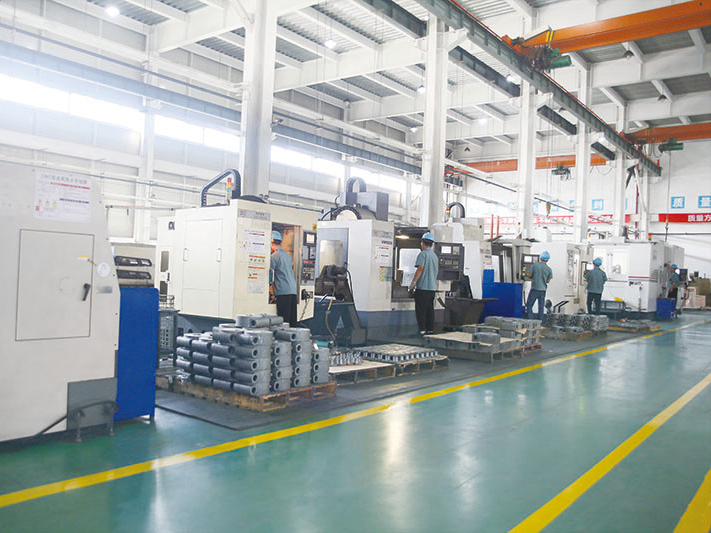
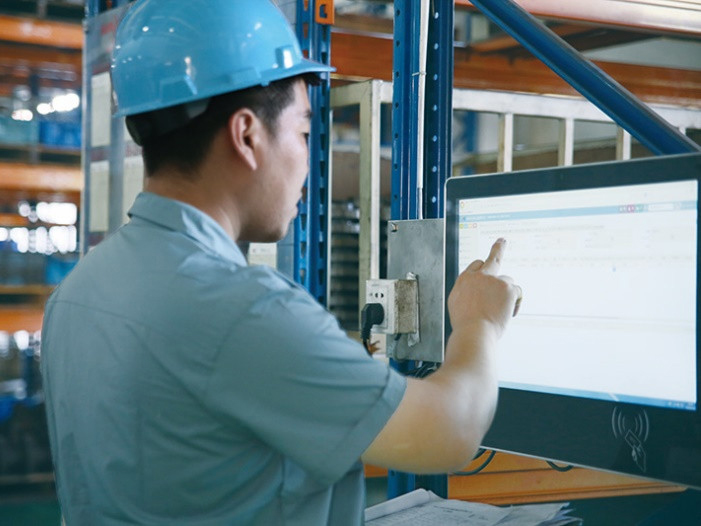
Stard-Gears runs a comprehensive enterprise resource planning (ERP) platform. This system tracks all orders through the supply chain, scheduling stages, assembly processes, and inspection gates in real time. This operational visibility minimizes bottlenecks and ensures lead-time reliability for critical infrastructure projects.
To back our commitment to quality, full-time quality control inspectors are stationed at every major step of the manufacturing pipeline. We test incoming raw castings, monitor assembly tolerances, and conduct pressure tests before packaging. Every unit undergoes functional safety tests and torque signature checks prior to shipment.
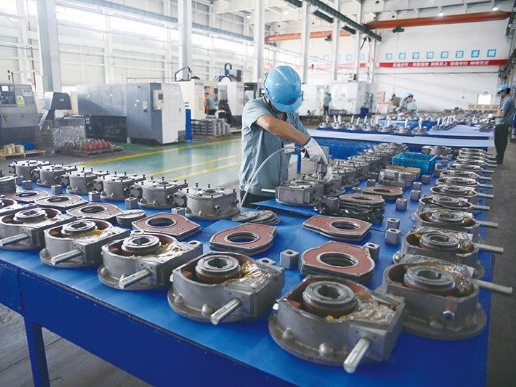
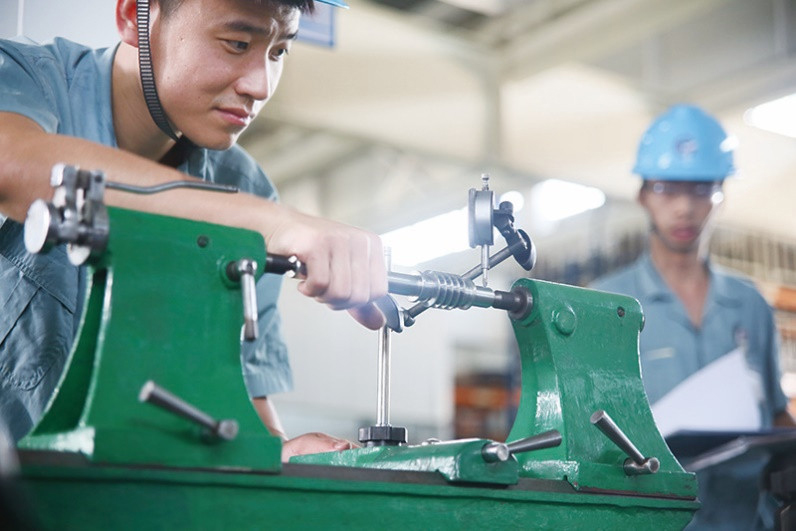
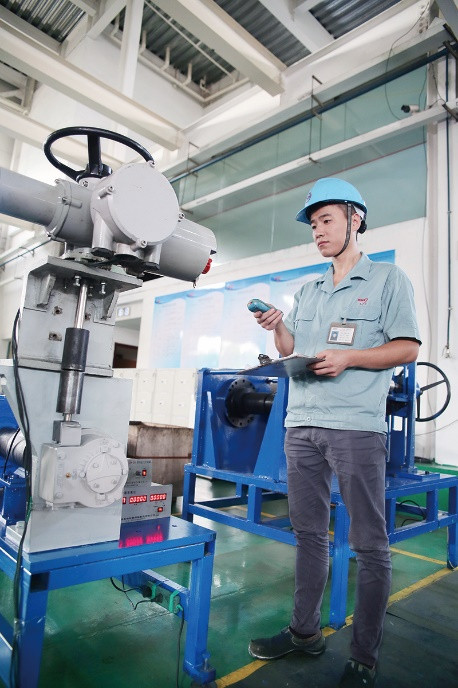
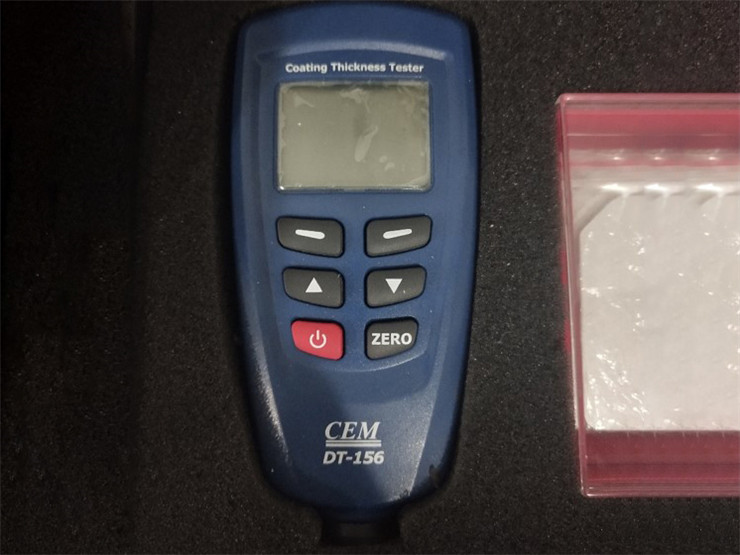
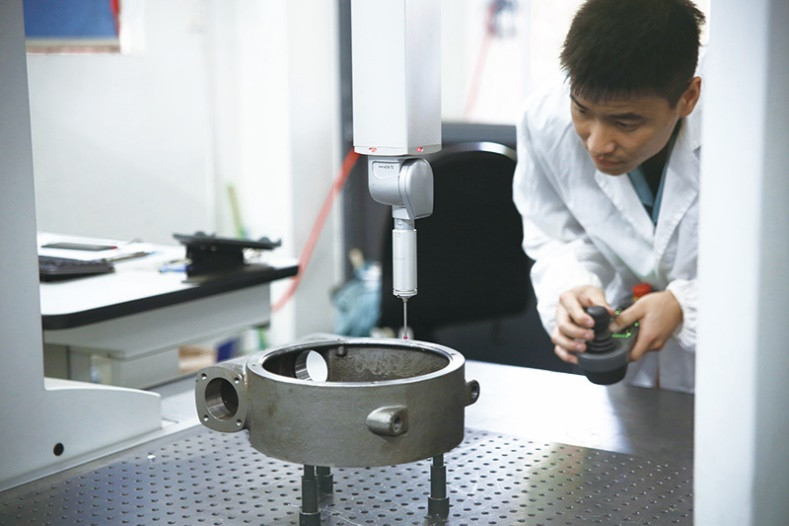
Consistent valve control requires rigorous hardware validation. We maintain an inspection lab capable of evaluating double acting pneumatic actuator performance across multiple load cycles.
Key laboratory processes include dynamic torque profile tracking, helium leak testing, low-temperature testing, and salt-spray testing to confirm coating integrity. This capability allows us to verify output torque ranges across all operating pressures, ensuring our products stand up to rugged field use.
Typical technical parameters and design developments for next-generation valve control systems
| Technical Characteristic | Standard Specification | Advanced Engineering Grade |
|---|---|---|
| Operating Pressure | 2.5 bar to 8 bar | Up to 10 bar / 12 bar options |
| Output Torque | Up to 8,000 Nm | Custom scotch yoke styles up to 250,000 Nm |
| Stroke Adjustment | ± 5° at open & close limits | Bi-directional external mechanical travel stops |
| Temperature Profile | -20°C to +80°C (NBR Seals) | -40°C to +150°C (Silicone/Viton Seals) |
| Compliance Standards | CE, ISO 5211, NAMUR | SIL 3 Capability, ATEX Directive Ex d/Ex ia II C |
The valve actuation field is increasingly adopting digital control technologies. Our technical roadmap focuses on integrating digital smart-positioners to optimize compressed air consumption. In addition, our manufacturing team is testing anodized aluminum bodies and wear-resistant coatings to improve corrosion protection while keeping actuator weights low.
Ensuring safety and control across diverse and demanding global sectors
Managing high-velocity media transmission with reliable emergency shutdown valve operations. Our double acting configurations ensure fast, decisive valve travel during process transients.
Withstanding corrosive chemicals, acid gases, and thermal stress. Epoxy-coated bodies and stainless steel internal drive elements protect against harsh atmospheric exposures.
From low-leakage water treatment butterfly assemblies to high-cycle steam valves in generating plants, our ISO9001 certified quality system offers verifiable performance records.
Detailed technical answers for valve instrumentation and procurement specialists
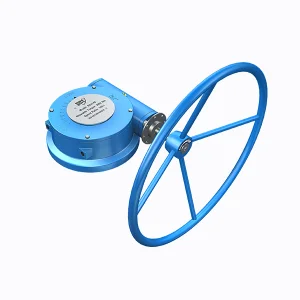
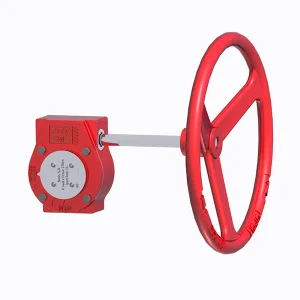
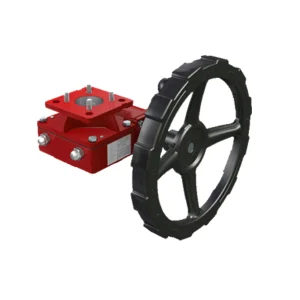
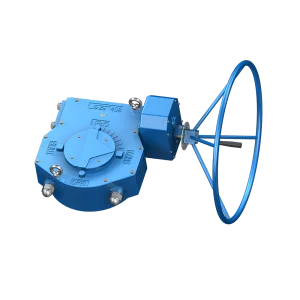
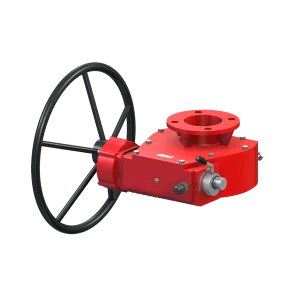
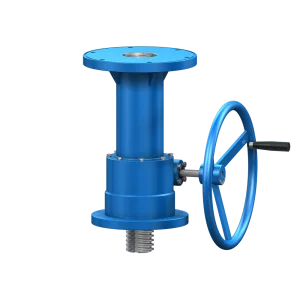
Explore our complete catalog of industrial-grade positioners, manual overrides, and quarter-turn gears