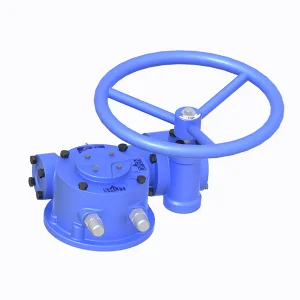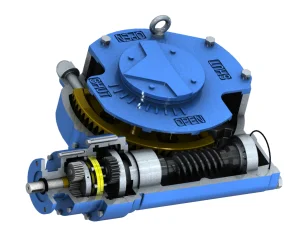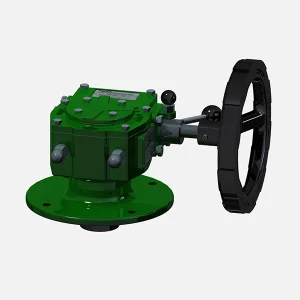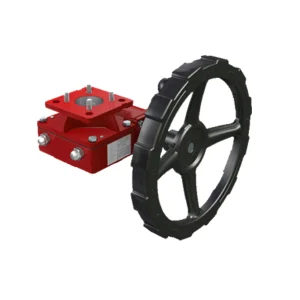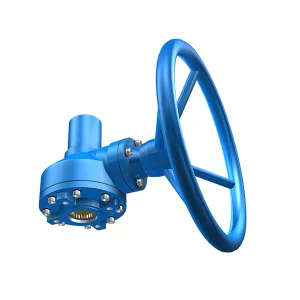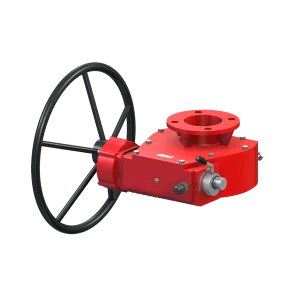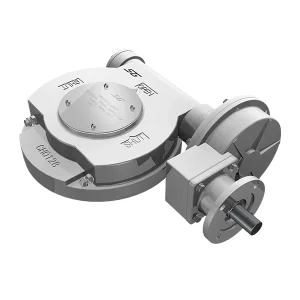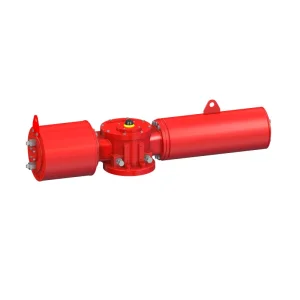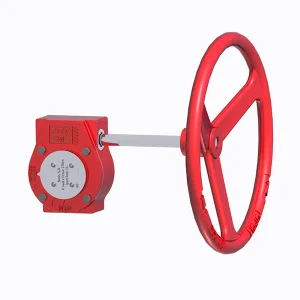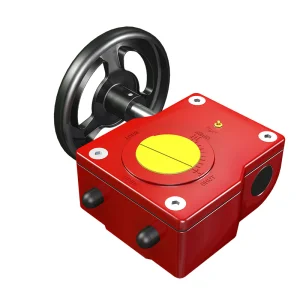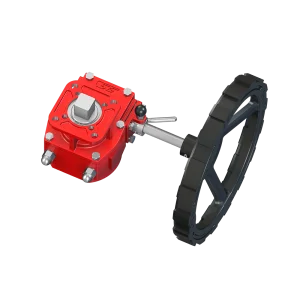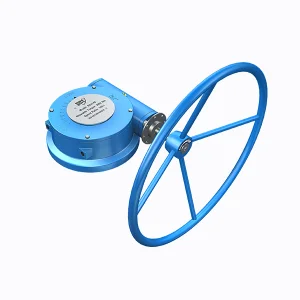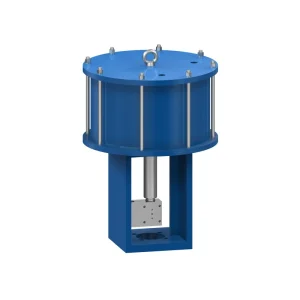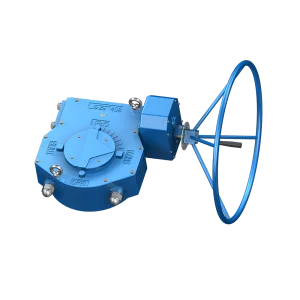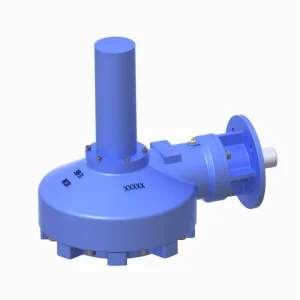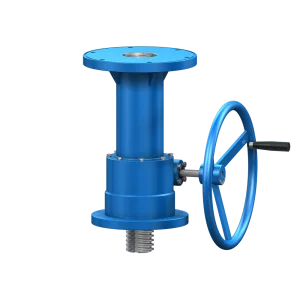
Explore our CE-certified selection of industrial gearboxes, declutchable actuators, and specialized manual overrides engineered for high reliability.
Within large-scale heavy industrial systems—such as petrochemical plants, offshore drilling vessels, chemical processing utilities, and municipal wastewater treatment plants—valves are frequently positioned at elevated locations. Reaching these valves manually using ladders or portable platforms introduces significant workplace safety hazards, while installing automated actuators can be cost-prohibitive or impractical in isolated areas. This is where CE-certified Gate Valve Chain Wheel Operators act as a crucial mechanical interface.
These components allow operators located safely at ground level to open and close overhead gate valves, globe valves, and gear-actuated valves by pulling a loop of chain. By engineering highly reliable, high-torque manual overrides, Stard-gears delivers robust mechanical advantages that eliminate fall risks, cut down response times during emergencies, and secure long-term plant compliance. Operating under rigorous ISO 9001 quality systems and CE compliance mandates, we design valve operators that withstand aggressive environmental degradation while maintaining smooth output torque profiles.
Our chain wheel operators, gearboxes, and control devices conform directly to European Union safety regulations. CE marking ensures that materials, structural integrity, and manual force parameters comply with Directive safety profiles, safeguarding plant personnel and mitigating regulatory liabilities in European and global jurisdictions.
Headquartered in the Suzhou Industrial Park, combining advanced manufacturing infrastructure with high-efficiency supply chains.
Founded in 1999, our plant covers 8,900 m² with an additional 2,500 m² of modern offices in the Suzhou Industrial Park. Suzhou serves as a pivotal engineering center in the Yangtze River Delta, granting us access to a highly integrated ecosystem of precision foundries, metal alloy suppliers, and high-performance machining centers.
Boasting annual sales of $7,000,000 to $9,000,000 with a year-over-year growth rate of 10% to 20%, Stard-gears is ISO9001 certified. Our optimized production lines achieve an annual output capacity of over 100,000 sets, allowing us to manage both custom project designs and bulk distribution orders easily.
Over the past 10 years, our industrial gearboxes and chain wheel operators have been exported to the United States, Italy, Germany, Mexico, Singapore, Japan, and beyond. We offer 9 complete product series and over 80 variations of high-efficiency gear operators customized to meet local engineering standards.
Years of Engineering Experience
Annual Set Capacity
Global Export Destinations
Core Operator Series
Stard-gears manual overrides and chain operators provide fail-safe controls across diverse, demanding industrial settings.
In refining plants and offshore facilities, heavy-duty gate valves regulate raw hydrocarbon flows at elevated piperacks. Stard-gears provides explosion-proof ductile iron and cast steel gearboxes alongside non-sparking chain wheel assemblies to guarantee dependable operation under severe thermal and volatile atmospheric conditions.
Thermal power units operate high-pressure steam pipelines located near structural ceilings. Our manual gearboxes and heavy chain guides deliver precise, high-ratio mechanical advantages, enabling rapid steam isolation during scheduled shut-downs or unexpected system upsets.
Large butterfly and wedge gate valves manage water distribution lines in subterranean vault systems and overhead channels. Stard-gears corrosion-resistant coatings and heavy-duty aluminum bronze pocket guides ensure continuous reliability, even in high-humidity or sewage-gas environments.
At Stard-gears, we rely on digital simulation frameworks to engineer high-integrity components. By utilizing 3D CAD assembly modeling, dynamic kinematic simulation, and Finite Element Analysis (FEA), our engineers virtually analyze structural behaviors under maximum torsional loads before raw materials ever enter our casting lines.
This strict digital validation path shortens development cycles, optimizes weight-to-strength ratios, and ensures the structural integrity of our gear teeth and chain pockets. It guarantees that our chain wheel operators remain intact, preventing sudden material failures that could drop chains or compromise valve operation.
We work closely with global clients through structured communication pipelines, translating application requirements into physical solutions:
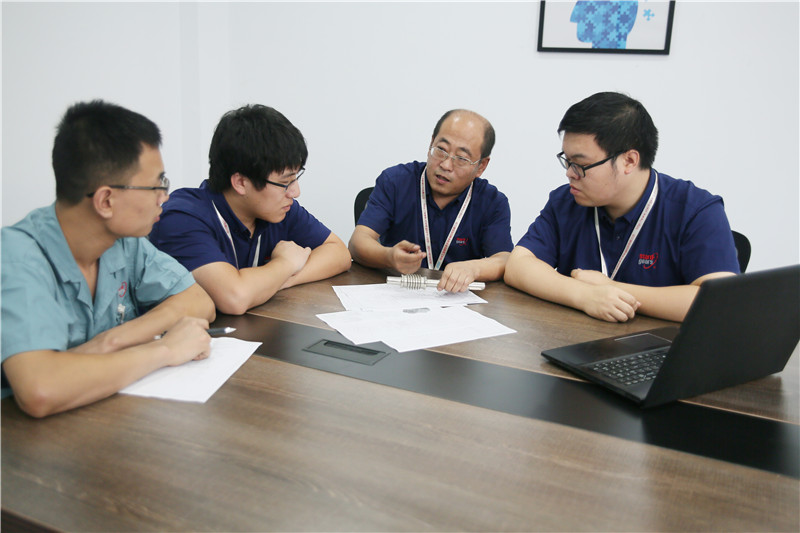
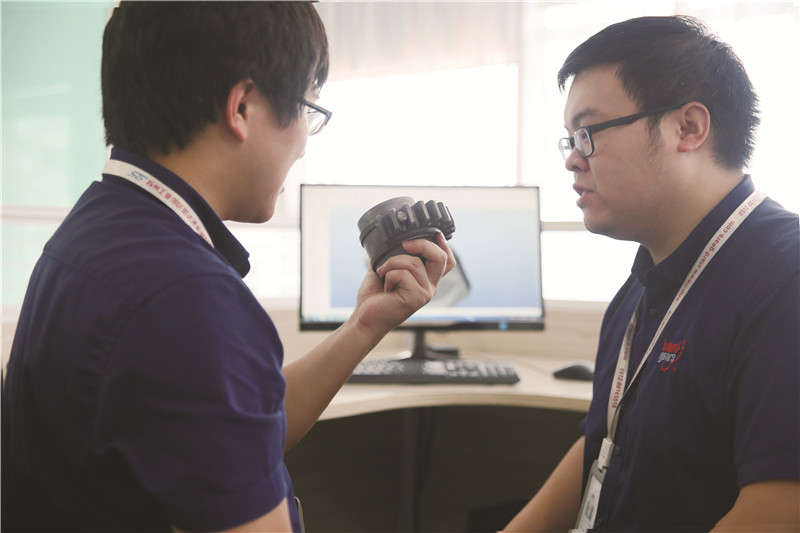
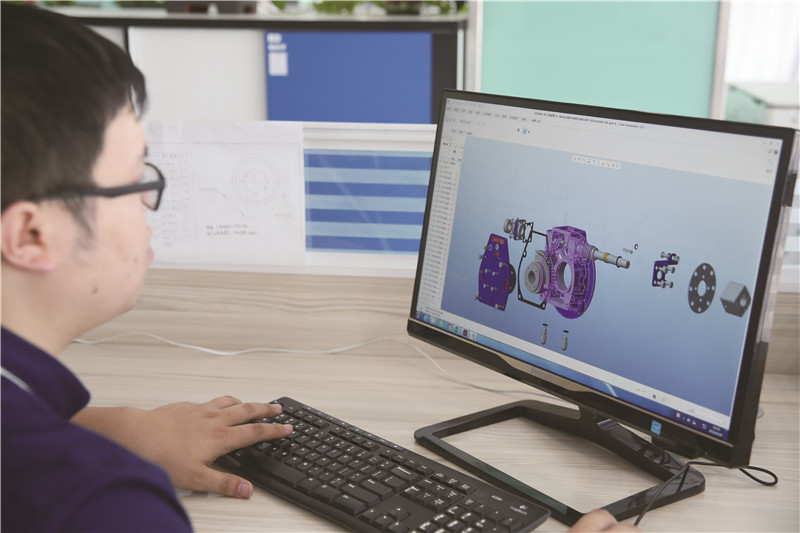
Our Suzhou manufacturing facility operates under an advanced ERP management system, ensuring complete transparency and real-time tracking for every order from start to finish.
This automated framework monitors every step of production—from incoming raw castings and CNC machining to gear cutting, final assembly, and torque testing. By linking materials and schedules, we eliminate delays, maximize throughput, and guarantee prompt delivery for global distribution networks and critical energy infrastructure projects.
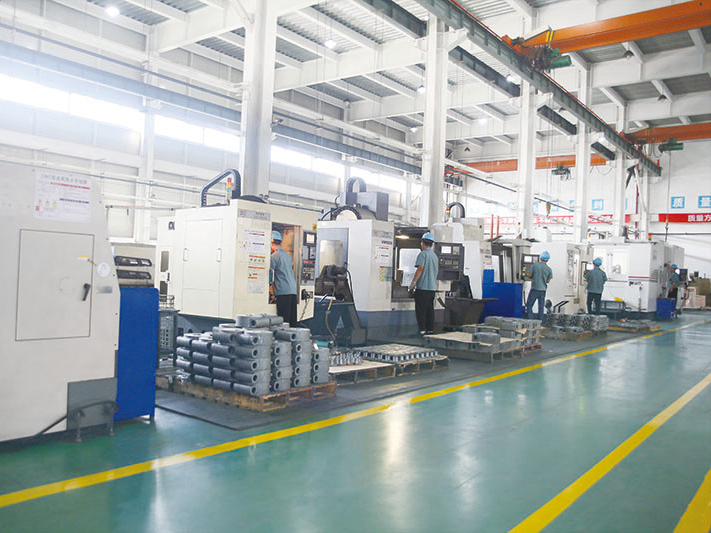
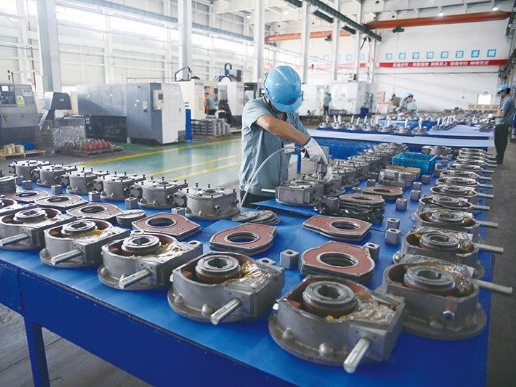
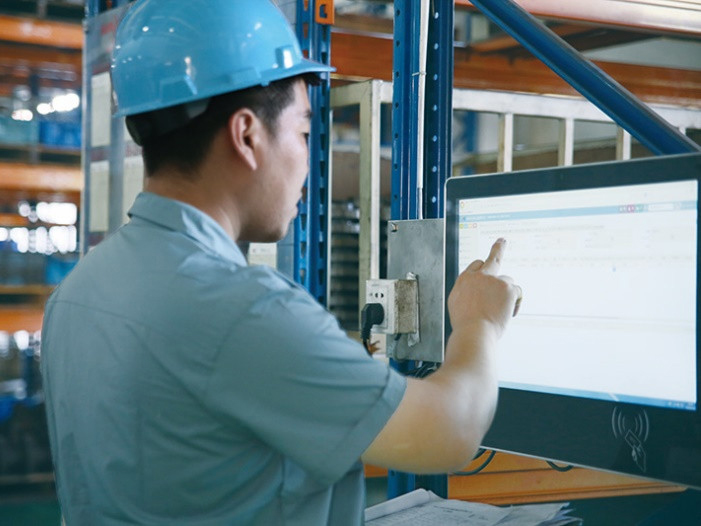
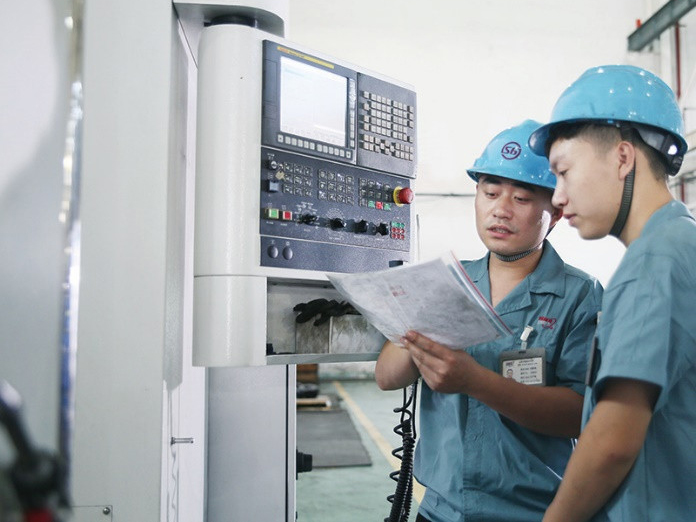
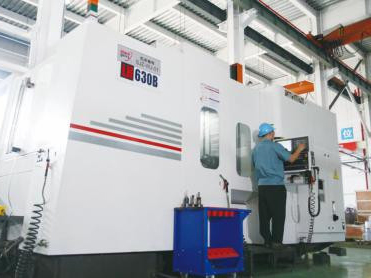
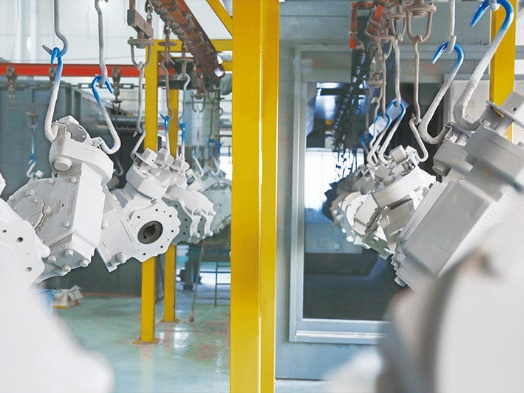
The annual output value of the Suzhou plant can reach $9,000,000 with annual production scaling to 100,000 sets.
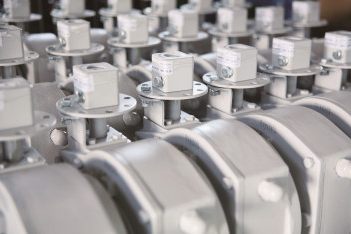
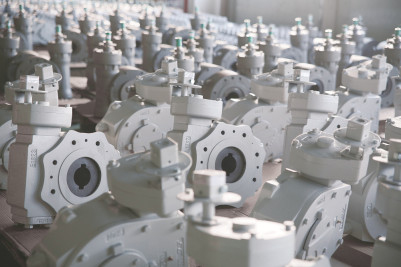
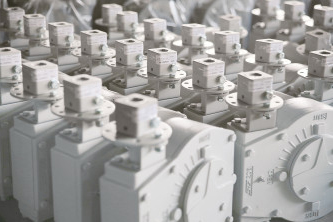
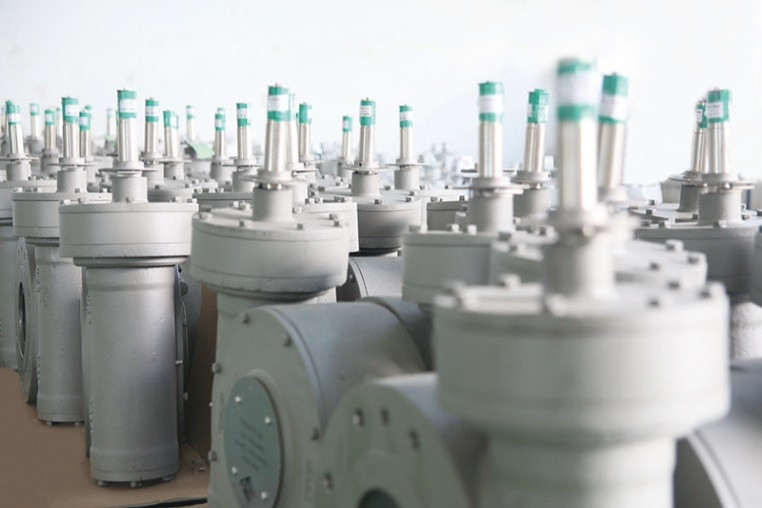
We deploy dedicated, full-time Quality Control (QC) specialists at every step of manufacturing—from raw material inspection through fabrication, gear fitting, final assembly, and dispatch preparation. Every batch undergoes strict compliance audits, guaranteeing that shipments leave our warehouse 100% qualified.
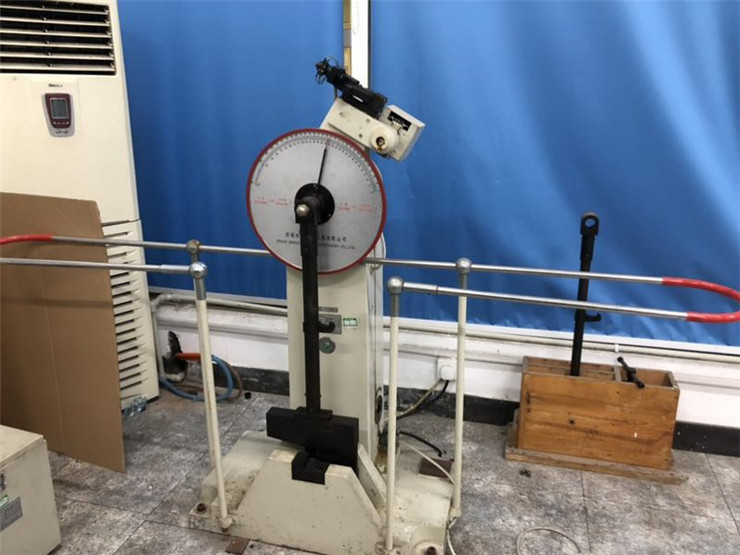
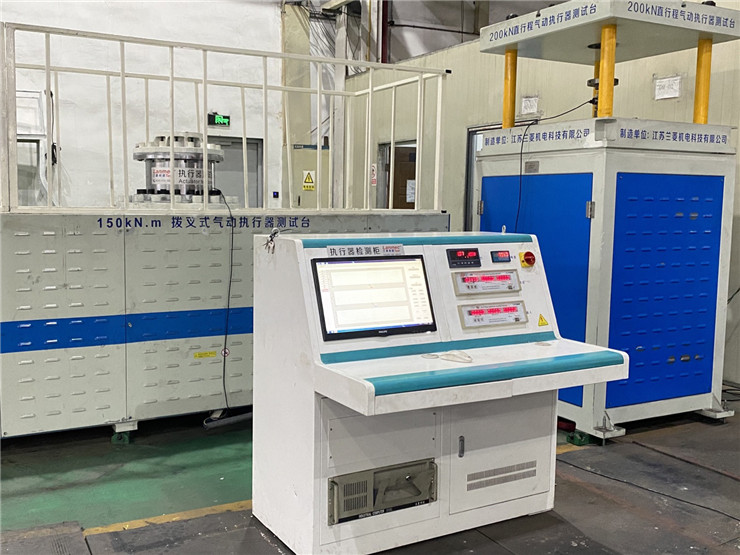
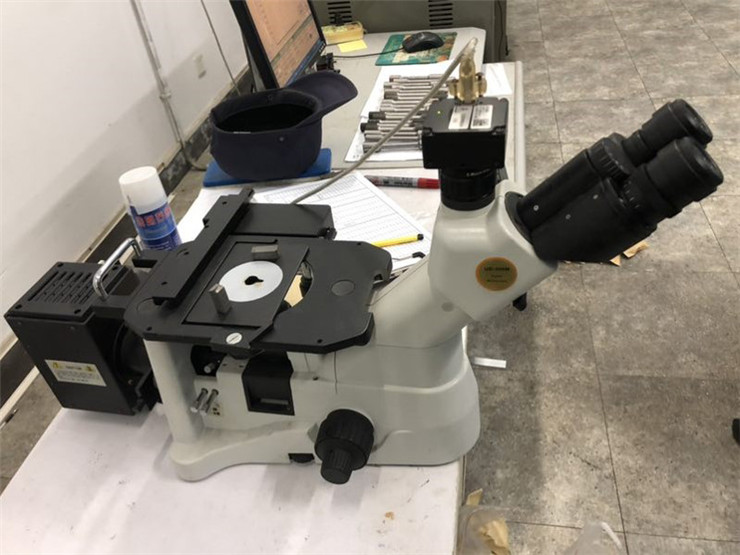
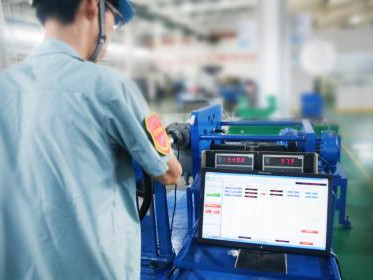
To back up our performance guarantees, Stard-gears operates an in-house metrology lab equipped with testing equipment designed to check crucial mechanical properties:
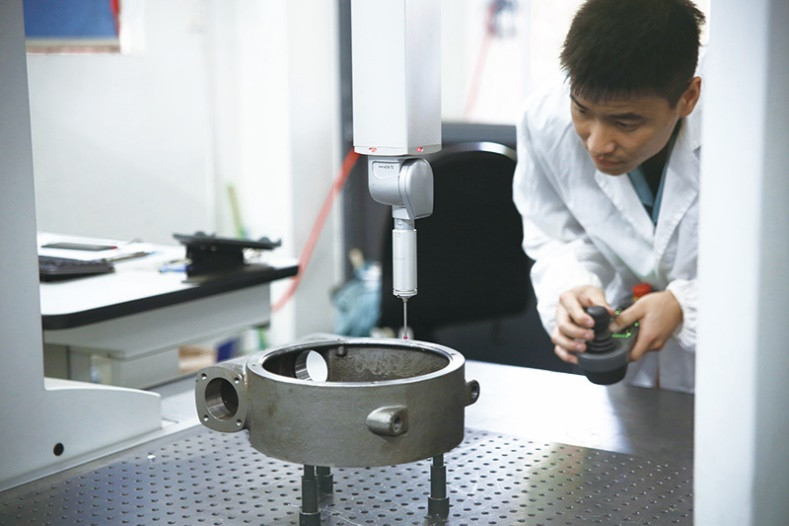
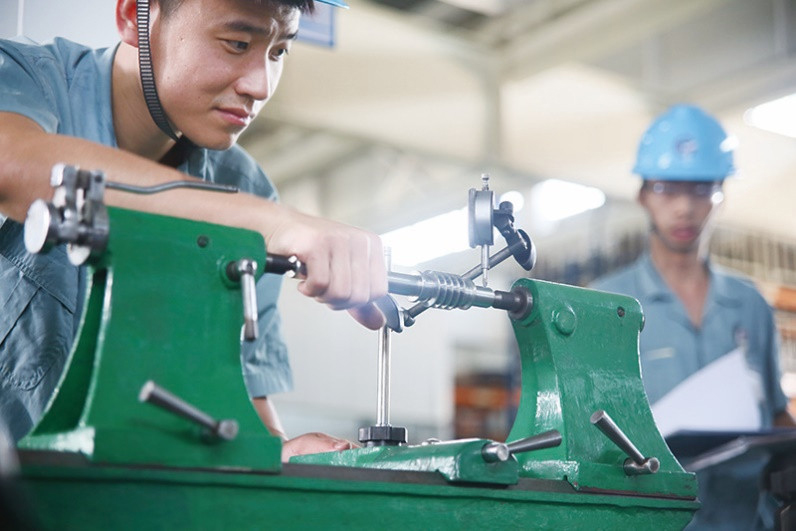
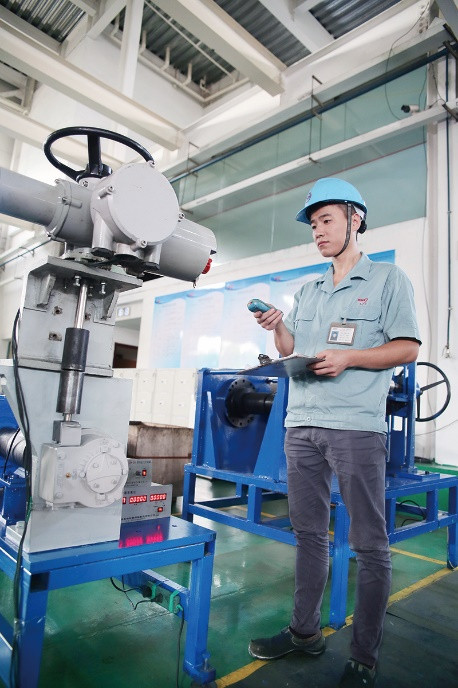
We inspect and test every stage of production—from rough castings to completed gear operators—using our specialized testing equipment.
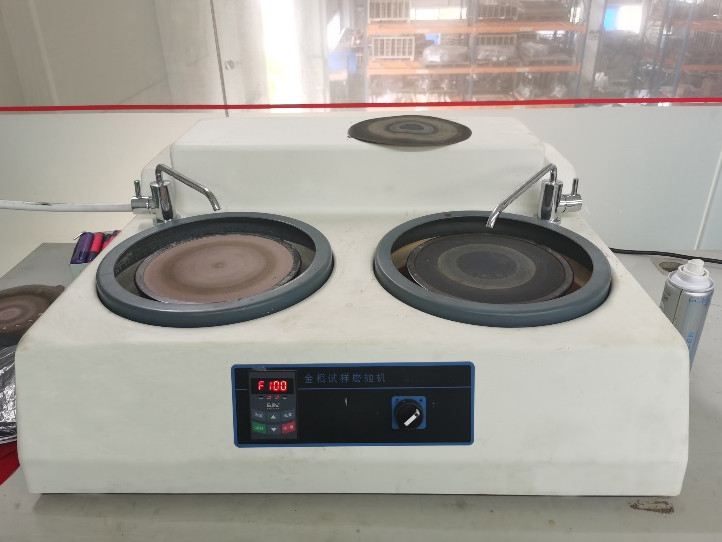
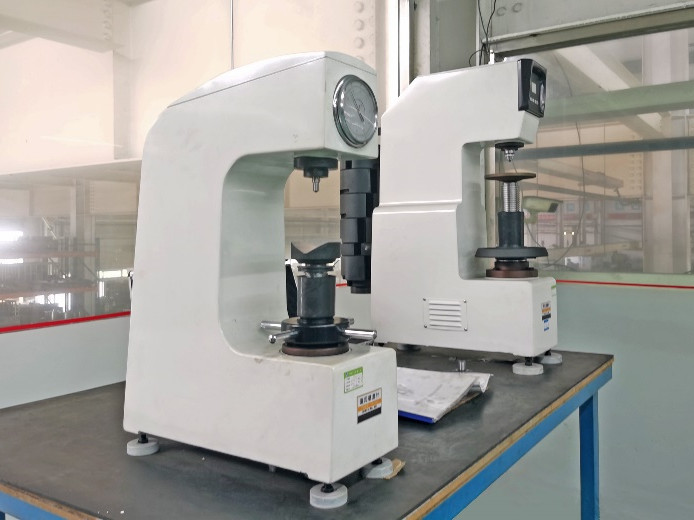
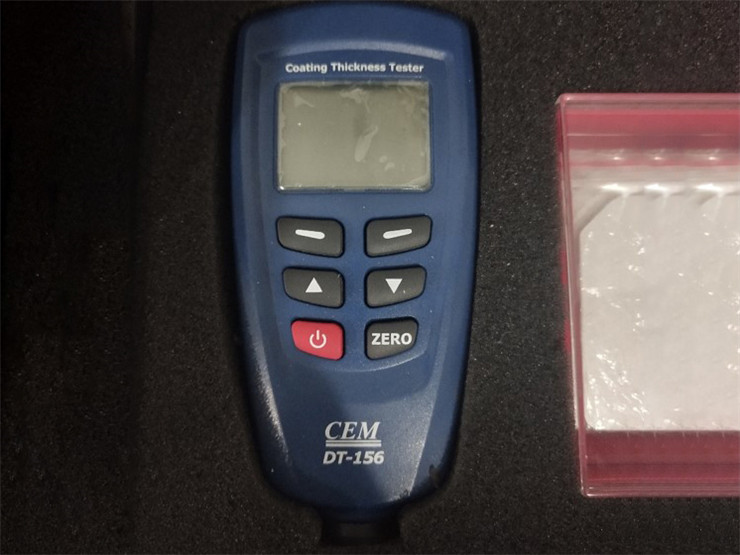
Leading the industry with research into advanced alloys, corrosion coatings, and digital integration.
We are expanding our surface treatment capabilities by introducing advanced thermal-diffusion galvanizing and high-build fluoropolymer coatings. These enhancements protect operators in harsh environments like coastal chemical storage sites and high-humidity processing facilities.
Our research and development team is developing smart manual overrides. By embedding micro-sensors, these systems track output torque and stem rotations, transmitting performance data to control systems without requiring external power supplies.
To support global carbon-reduction goals, we are redesigning our casting processes. By utilizing recycled aluminum alloy elements and low-emission electric induction furnaces, we reduce energy consumption while maintaining high mechanical strength and structural integrity.
| Specification Feature | Standard Range & Metric Value | Materials Options | Industry Compliance Standards |
|---|---|---|---|
| Output Torque Capability | 150 Nm to 12,000 Nm | Ductile Iron (GGG40), Cast Steel (WCB), Stainless Steel | CE Machinery Directive, ISO 9001 |
| Chain Loop Sizes | Metric 3mm to 10mm Link Thickness | Galvanized Steel, Stainless Steel (316/304), Non-Sparking Brass | DIN 766 Chain Standards |
| Interface Mounting Formats | Direct F05 to F30 Mounting / Custom Clamping Hubs | Carbon Steel, Spheroidal Graphite Cast Iron | ISO 5211 flange dimensions |
| Enclosure Ratings | Weatherproof IP65 to IP68 Submersible | Neoprene & Nitrile Gaskets, Multi-Lip Oil Seals | IEC 60529 environmental tests |
Answers to engineering and procurement questions regarding our CE-certified gate valve chain wheel operators.
CE certification confirms that the operator meets strict European safety standards. From an engineering standpoint, this ensures that the castings, chain guides, and clamping mechanisms can handle the stresses of sudden handwheel movement. The CE process verifies safety factors, load ratings, and operating temperatures, reducing the risk of component failures on high-pressure lines.
Our chain wheels feature deep, pocket-style guides that match the specific link profile of the operating chain. Standard hoop guides hold the chain securely inside the wheel, preventing slips even under wind loads or angled pulls. This guide mechanism ensures smooth operation and prevents the chain from binding or jumping off track.
Yes. We offer universal clamping kits that mount directly to existing handwheels without disassembly. For new installations or high-vibration systems, we recommend our direct-mount adapters, which bolt directly to the valve's input shaft or ISO 5211 mounting flange.
Material selection depends on the application. Cast iron offers a cost-effective solution for general-purpose water and utility lines. Ductile iron or cast steel (WCB) is recommended for high-temperature oil and steam pipelines due to its superior impact and thermal shock resistance. For offshore, marine, or weight-sensitive applications, aluminum alloy provides high strength and natural corrosion resistance.
We design our operators with secondary retention options, such as safety cables or secondary clamp rings, to secure the unit directly to the valve bonnet. In the unlikely event of an impact or handwheel failure, these features prevent the assembly from falling, protecting personnel and surrounding equipment.
The required chain loop length is determined by subtracting the target operating height (typically 1.2 to 1.5 meters above the floor for comfortable manual reach) from the valve stem centerline height, then multiplying that value by two. Our engineering team calculates exact lengths during the design review process to ensure proper ergonomics.
Select from our range of high-efficiency manual overrides, pneumatic pistons, and underground pipeline gearboxes.