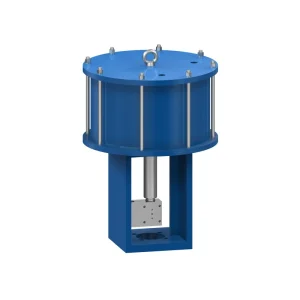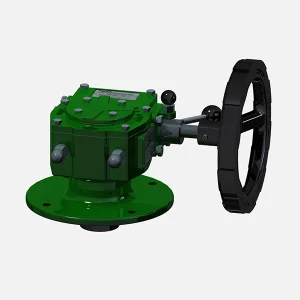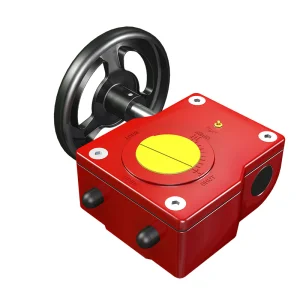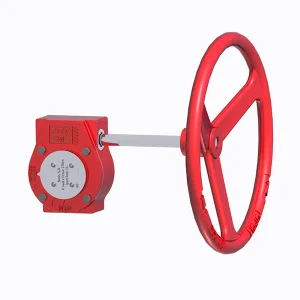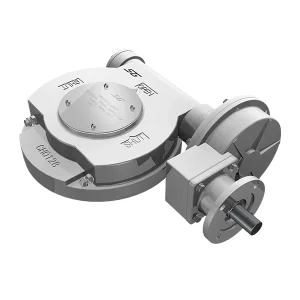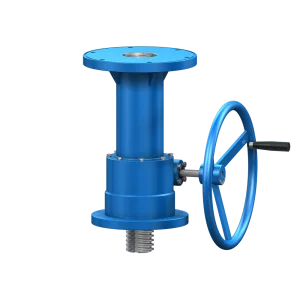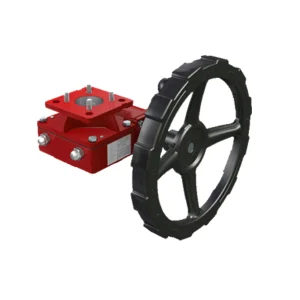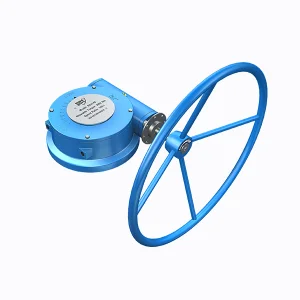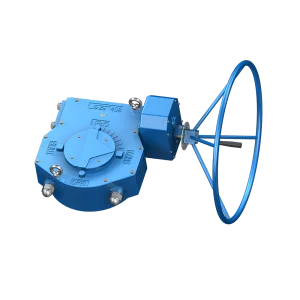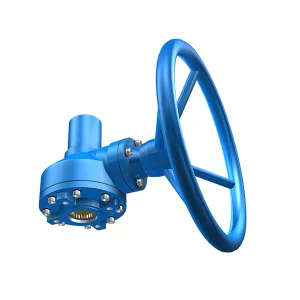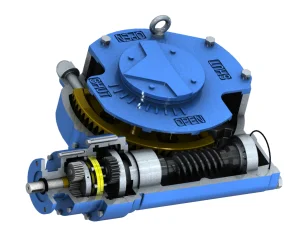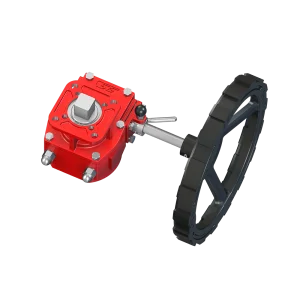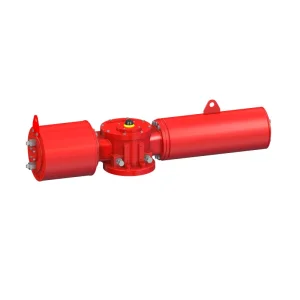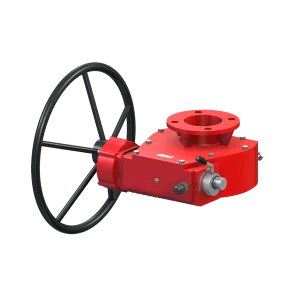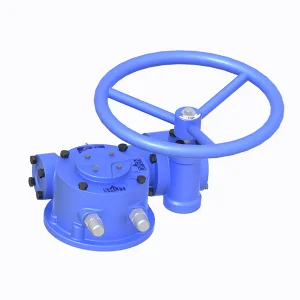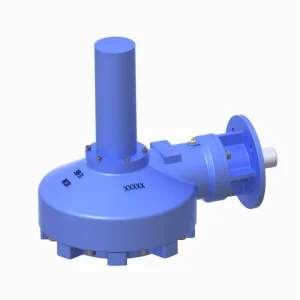
Explore our premier line of CE-certified manual overrides, quarter-turn declutchable gearboxes, and heavy-duty linear pneumatic overrides engineered for absolute reliability under critical process demands.
Within modern heavy industries—ranging from offshore petrochemical extraction and thermal refining to hazardous chemical handling, municipal water distribution, and nuclear power generation—valves are the structural core of fluid control loops. However, even the most sophisticated pneumatic, hydraulic, or electrical automated systems require a robust safety safeguard: the mechanical override. This is where high-integrity hand operators and declutchable gearboxes become critical safety elements.
Industrial security standards demand absolute reliability. In hazardous areas, if pneumatic main systems fail, workers rely on mechanical gear operators to close or isolate pipelines safely. Under CE guidelines, manufacturers must verify that these gear operators can endure specified torque ranges without experiencing mechanical fracture or deformation.
Globally, the transition to high-performance materials and standardized valve-to-actuator interfaces (such as ISO 5211) has standardized how hand operators are manufactured. Industrial facilities are moving away from proprietary mechanical setups in favor of interoperable declutchable gear systems that allow swift transitions from automatic pneumatic control to manual operation.
Stard-gears has established itself as a leading global provider specializing in valve control technology. Our application scenarios include oil, chemical, natural gas, nuclear, and water services. Across more than 25 years of service, our products have been exported to the United States, Italy, Germany, Mexico, Singapore, Japan, and other highly regulated international markets.
Modern gear operators must withstand extreme mechanical fatigue, atmospheric corrosion, and excessive mechanical torque. At Stard-gears, our design philosophy integrates mechanical engineering theory with modern digital validation techniques to ensure every product operates reliably in the field.
Through 3D simulation, dynamic simulation, and finite element analysis (FEA), our engineers virtually verify the structural integrity and kinematic performance of every new design before it is put into production.
This virtual validation process allows us to analyze stress concentrations in high-load areas, such as the worm gear teeth and the input shaft, ensuring we can:
By using finite element analysis under simulated conditions, we ensure our gear housings—whether constructed from cast iron, ductile iron, cast steel, or lightweight aluminium alloy—remain stable and protect internal components in extreme operating environments.
We work closely with engineering companies and valve manufacturers globally to customize mechanical connections, torque characteristics, and paint systems to match demanding project specifications.
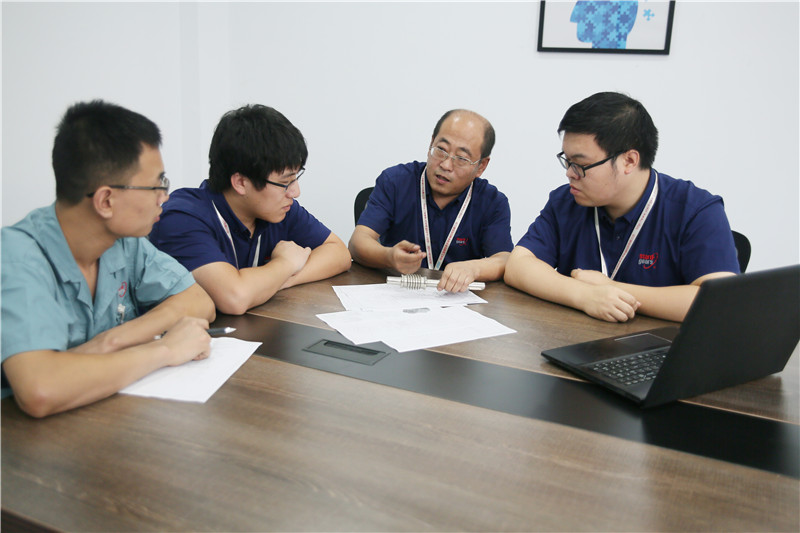
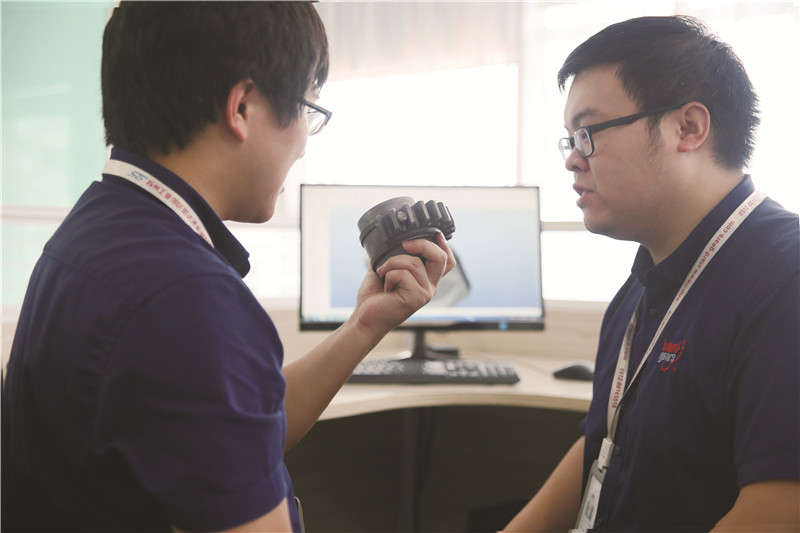
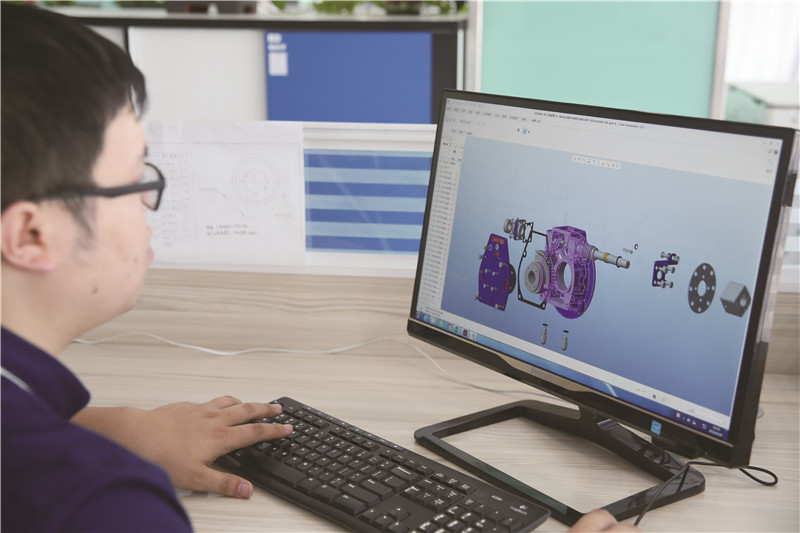
Stard-gears operates from a modern manufacturing plant in the Suzhou Industrial Park. Suzhou's location in the Yangtze River Delta provides access to a highly integrated industrial ecosystem, which gives us several key advantages:
Proximity to specialized supply networks: The local industrial cluster provides access to high-quality castings, precision machining, and reliable standard parts procurement. This density of suppliers reduces transport times, simplifies quality inspections, and ensures raw materials arrive on schedule.
To coordinate these resources, Stard-gears uses a comprehensive ERP management system. This software tracks each order from material input through final testing, allowing us to:
This structured manufacturing process, combined with our logistics access, enables us to offer fast turnaround times and consistent product quality across large production runs.
Our manufacturing space spans an 8,900m² production plant and a 2,500m² office facility. Real-time supervision is implemented across all machining areas, gear assembly lines, and paint booths to maintain consistent standards.
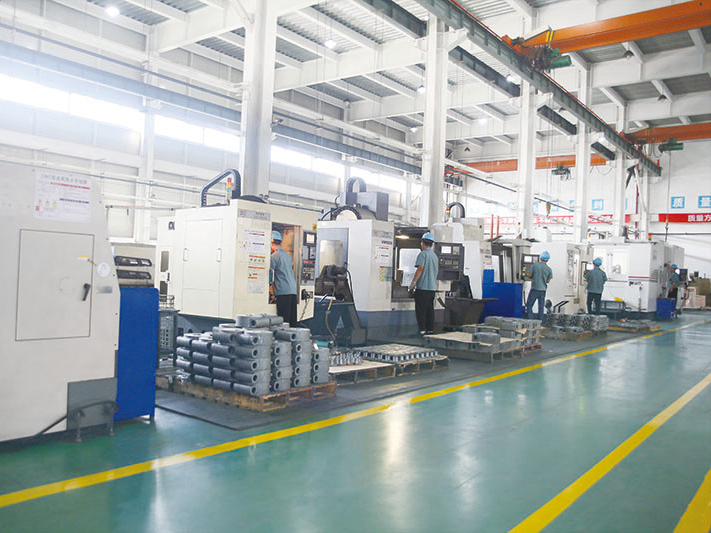
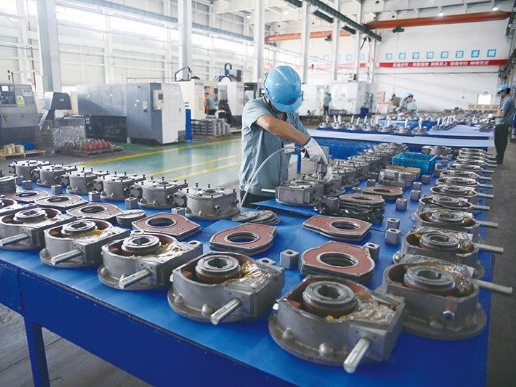
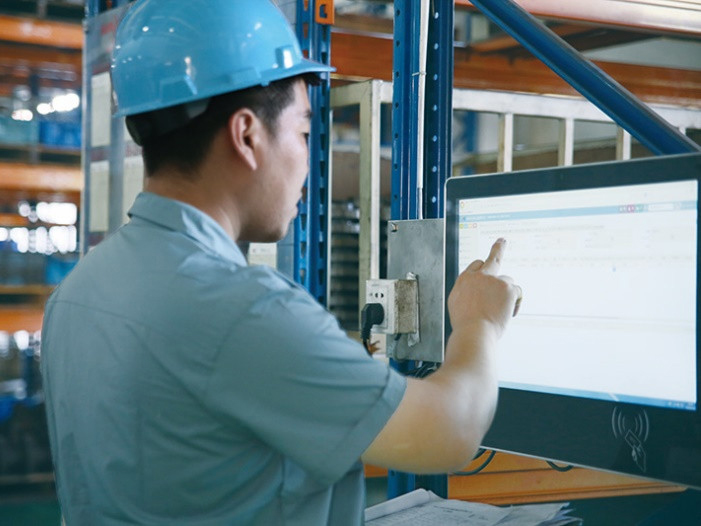
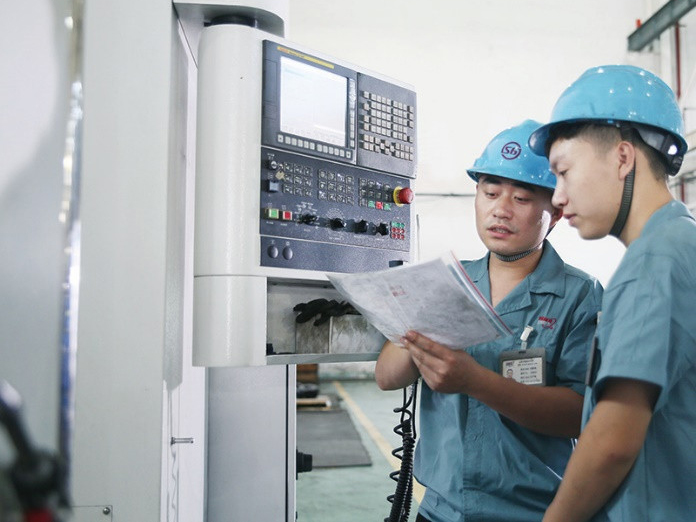
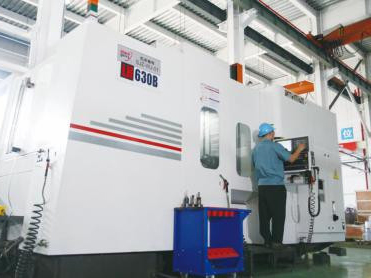
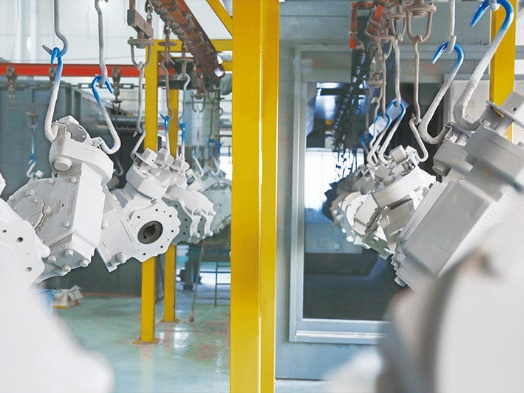
Our Suzhou facility achieves an annual output value of $9,000,000, translating to a production capacity of up to 100,000 gear sets per year. This scale allows us to handle high-volume OEM orders and specialized project runs simultaneously.
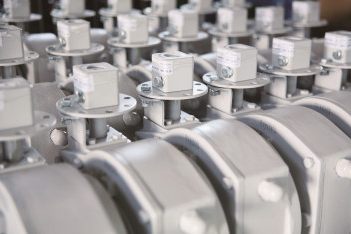
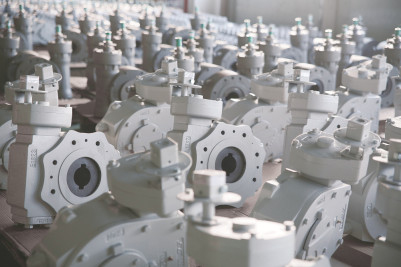
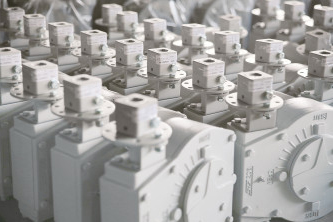
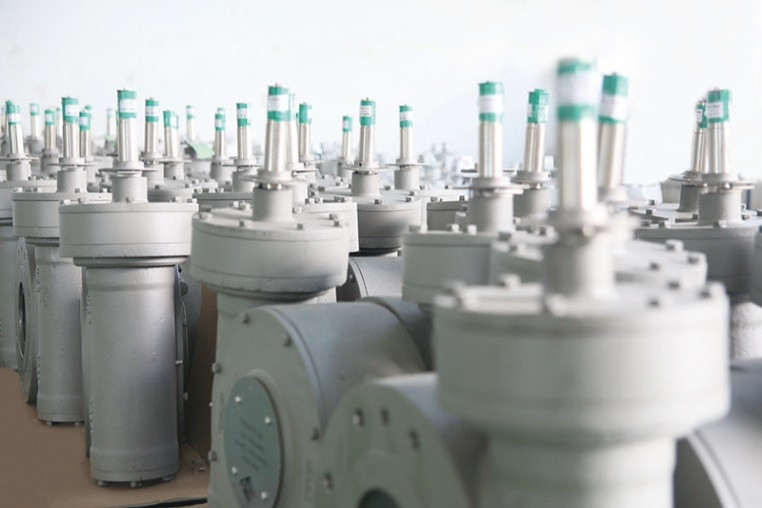
For industrial operators, safety certifications are a critical baseline. Our CE-certified gear operators comply with the European Union's Machinery Directive and relevant harmonized mechanical design standards. This certification indicates that our products meet safety requirements for design, loading limits, and operational reliability.
To maintain these standards, Stard-gears has established full-time quality control (QC) checkpoints at every stage of production—from incoming raw material inspection to in-process machining validation and final assembly testing. This system helps verify that our products meet specifications before leaving the factory.
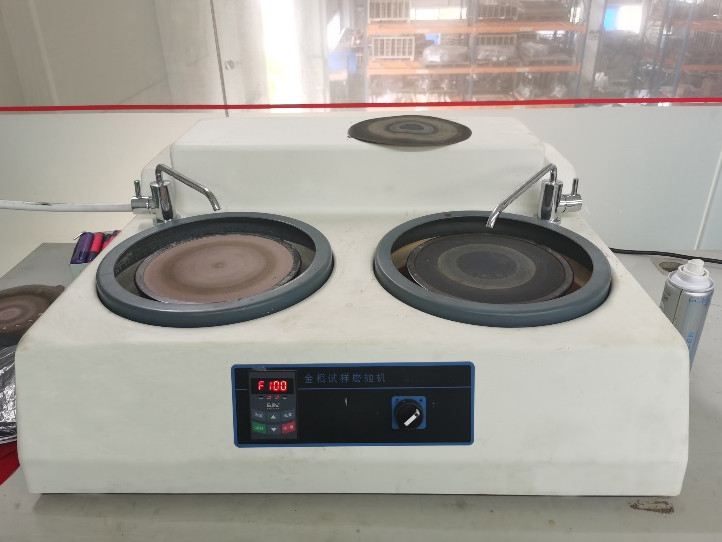
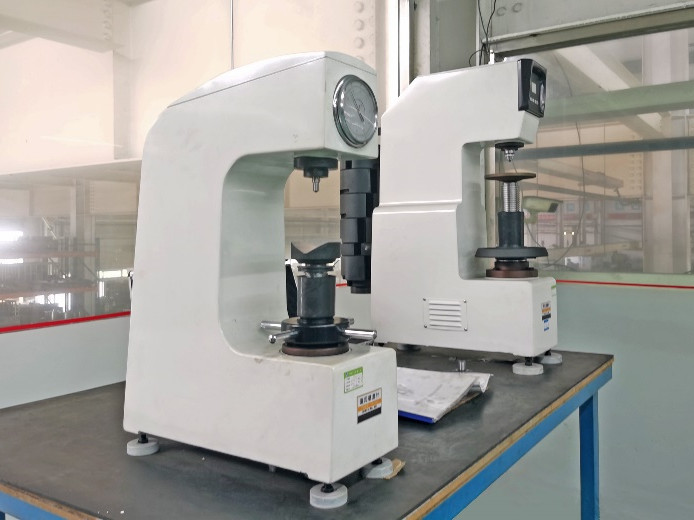
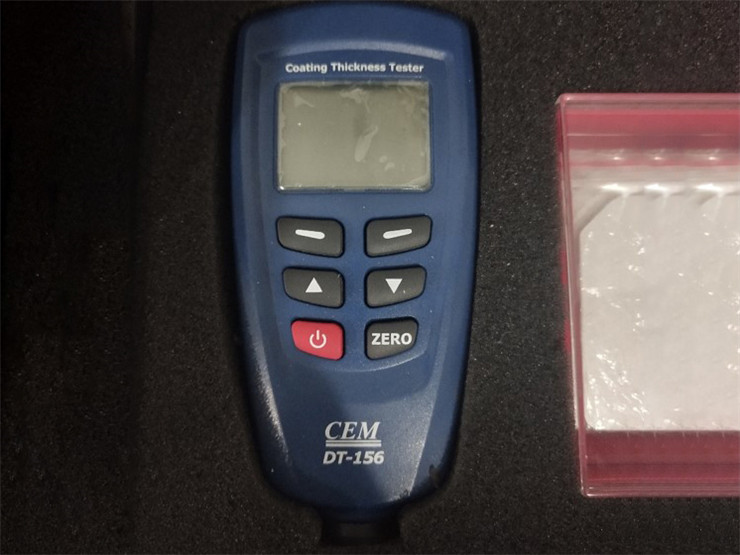
We use a range of specialized testing equipment to verify performance, including:
Our QA inspectors verify the integrity of incoming castings, check machining tolerances on CNC equipment, and run final functional tests on assembled operators to ensure they meet performance specifications.
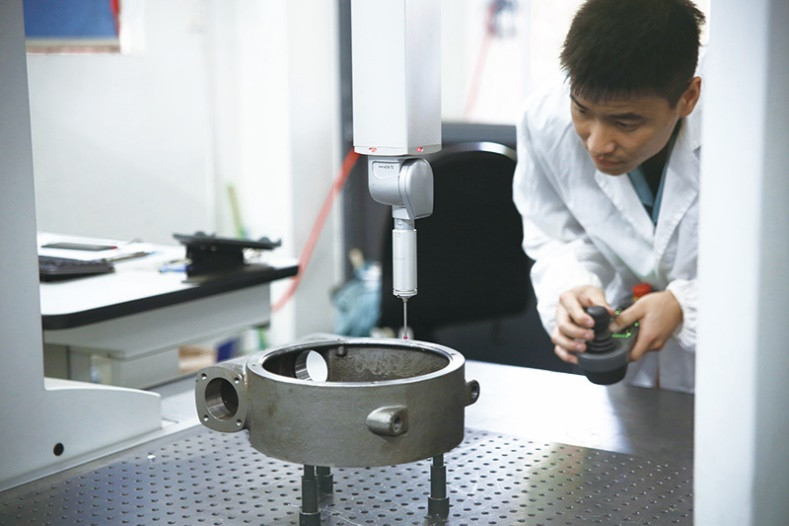
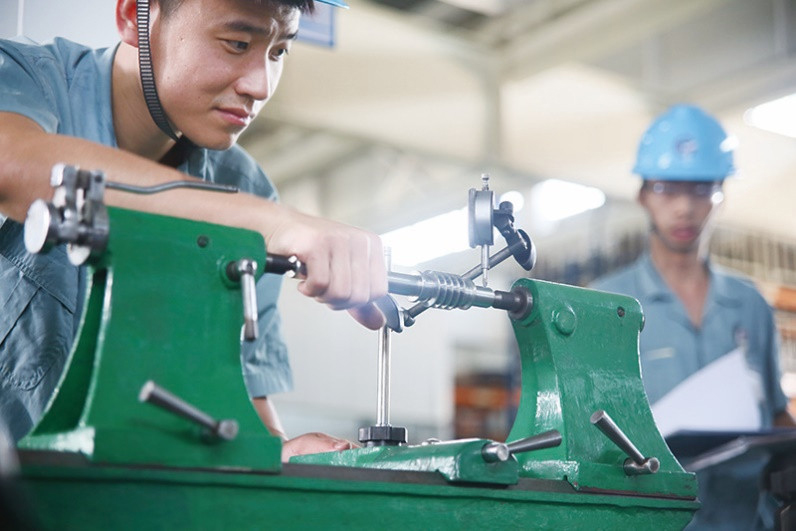
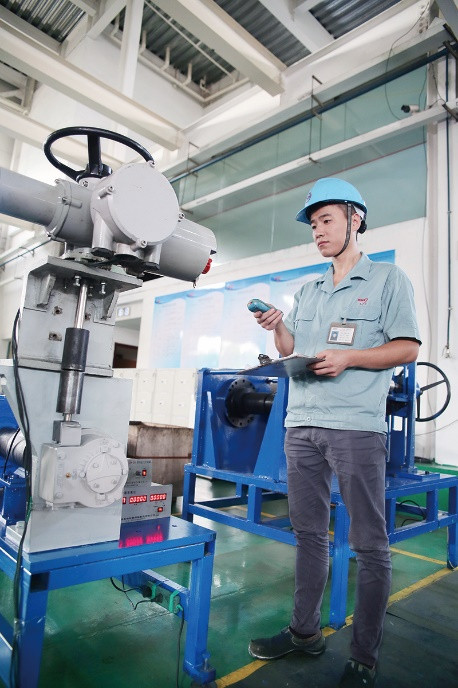
Stard-gears uses dedicated test benches to measure mechanical efficiency, verify overload limits, and perform environmental cycling tests, helping to ensure long-term durability in industrial environments.
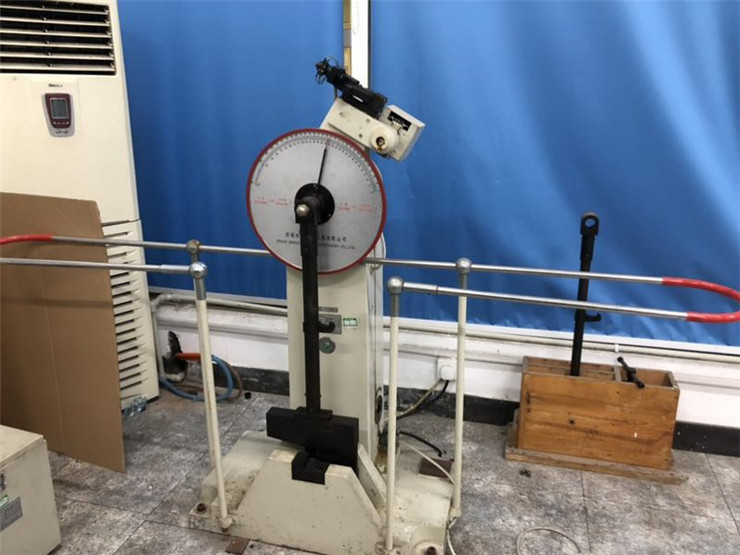
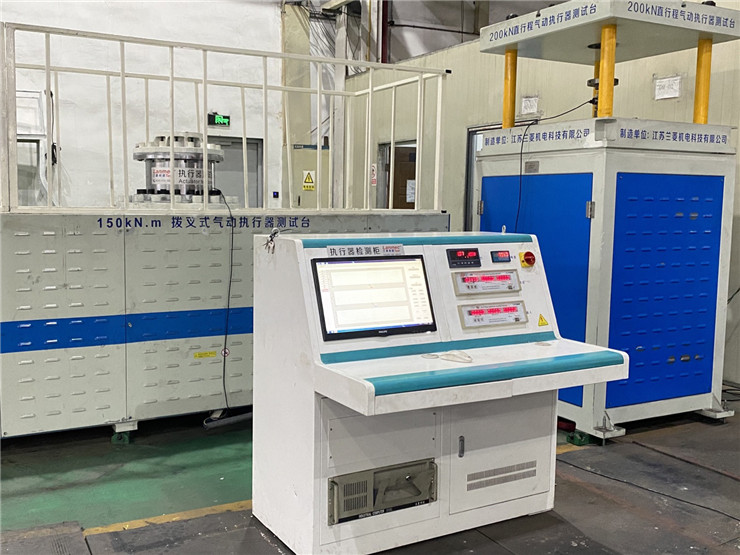
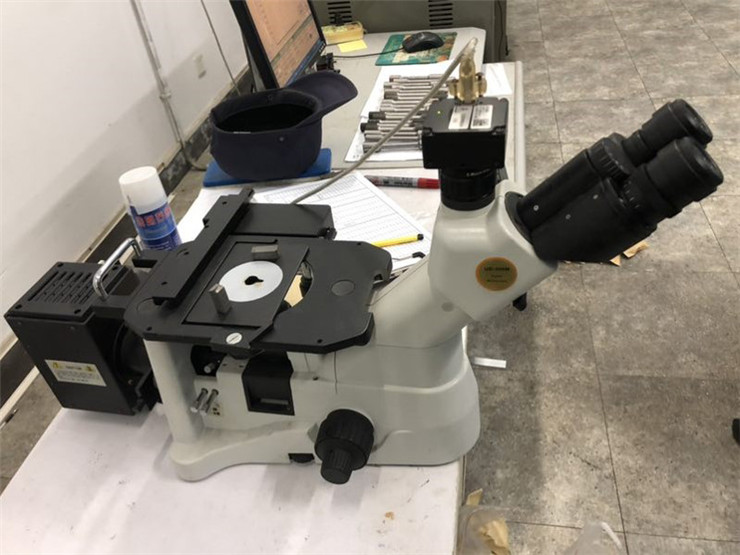
Manual gearboxes and valve overrides are designed to meet different operational constraints depending on their specific application environment. Standard designs are often customized to handle these localized conditions:
Underground municipal water networks require gearboxes that can operate after years of burial without maintenance. For these applications, we supply buried valve gearboxes with extended input shafts, protective road boxes, and IP68 sealing to protect internal worm gears from groundwater ingress.
Refining processes require safety overrides that remain functional in hot, demanding conditions. Stard-gears manufactures cast steel and ductile iron manual operators using high-temperature grease and fluorocarbon seals to maintain proper gear lubrication near hot pipelines.
Salt spray and humidity cause rapid oxidation of standard steel components. For offshore platforms and seaside installations, we offer lightweight aluminium alloy and specialized coated cast steel gearboxes, utilizing stainless steel internal parts and marine epoxy paint systems.
The field of mechanical valve actuation continues to evolve, driven by demands for higher torque efficiency, lower total weights, and digital integration. Our engineering roadmap focuses on key development areas:
Our material research focuses on improving strength-to-weight ratios. The use of ductile iron (such as GGG40/50) provides the strength of cast steel with the casting versatility and damping properties of cast iron. For weight-sensitive applications, we are expanding our aluminium alloy series, utilizing structural ribbing and hard anodization to achieve high load capacities without adding weight.
As plant automation advances, there is growing interest in tracking manual operations. Stard-gears is developing manual gearboxes equipped with smart electronic sensors. These units monitor real-time output torque, verify position limits, and transmit diagnostic data to control rooms via low-power wireless protocols, helping plants log manual overrides and detect mechanical blockages.
Operating as a global supplier requires aligning our products with regional engineering standards and local import regulations. Our international compliance framework includes:
Explore our selection of heavy-duty cast iron bevel gearboxes, high-efficiency valve operators, and specialized declutchable gear operators designed for underground or high-cycle installations.