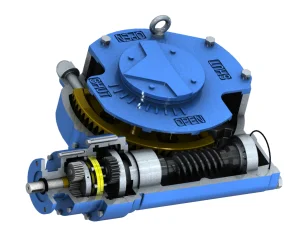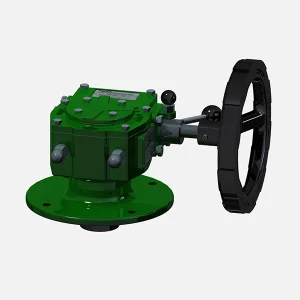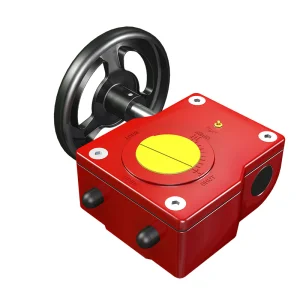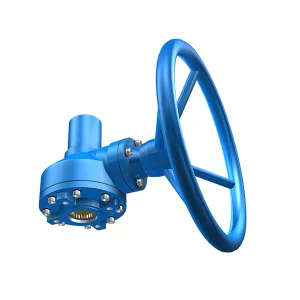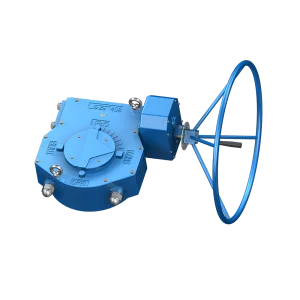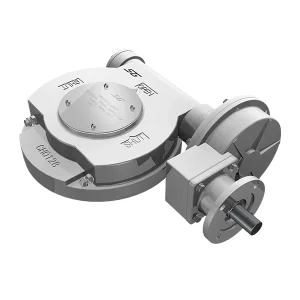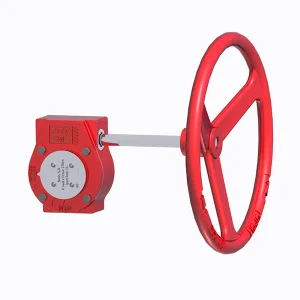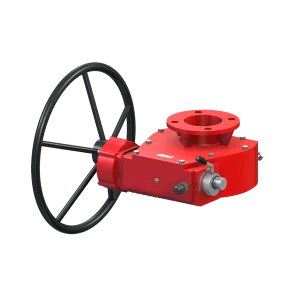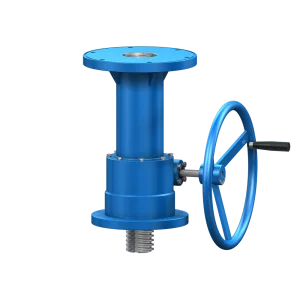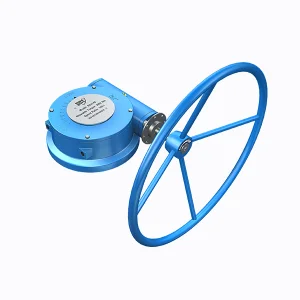
Explore our top-tier CE-certified valve control operators engineered for maximum torque output and high industrial durability.
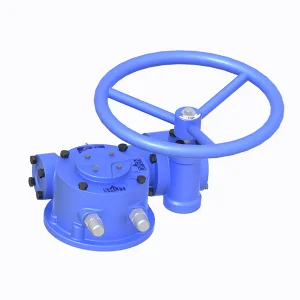
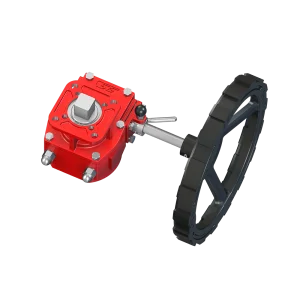
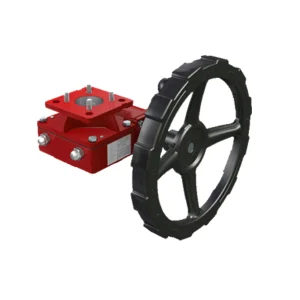
In modern industrial process engineering, valve automation and manual override interfaces are crucial to system safety, operational redundancy, and flow control precision. Handwheel gearboxes act as the bridge between human intervention and automated control systems. Whether serving as a primary driver or as a fail-safe manual override attached to pneumatic or hydraulic actuators, the engineering integrity of these gearboxes directly impacts plant security and environmental protection.
Currently, the global market demands handwheel gearboxes that not only offer high torque transmission efficiency but also strictly comply with stringent regulatory frameworks. Chief among these is the European Union’s CE marking, which certifies compliance with health, safety, and environmental protection standards. For critical installations in chemical processing, marine piping, oil and gas extraction, and public municipal infrastructure, procuring CE-certified hardware is a non-negotiable risk-mitigation strategy.
“The mechanical advantage of a handwheel gearbox is determined by its gear ratio and mechanical efficiency. A well-designed worm-gear operator minimises friction losses through precision tooth profiling and high-grade lubrication, ensuring operators can actuate high-torque valves with minimal physical exertion.”
How the Yangtze River Delta industrial cluster drives global cost-efficiency, technical innovation, and delivery speed.
Located in the Suzhou Industrial Park, Stard-gears leverages the ultimate raw material casting, high-precision machining, and heat treatment ecosystem of the Yangtze River Delta. This guarantees unmatched lead times.
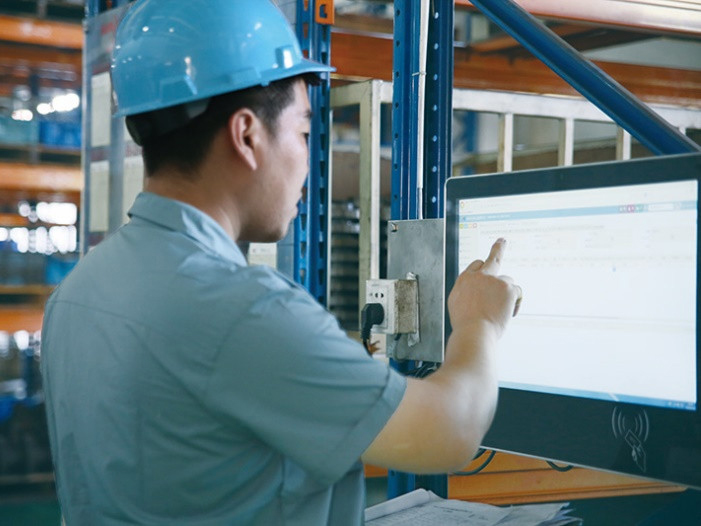
Our comprehensive Enterprise Resource Planning (ERP) tracking coordinates casting, quality control, assembly, and hydrostatic testing, lowering overhead while keeping production quality consistently high.
Every handwheel gearbox is manufactured in ISO 9001-certified facilities and undergoes exhaustive stress, torque, and material verification to fully comply with CE and pressure equipment guidelines.
Through 3D simulation, dynamic simulation, finite element analysis (FEA), and advanced software tools, our engineers virtually verify structural calculations before manufacturing begins. This significantly shortens the design cycle, guarantees performance safety under extreme load, and reduces project costs.
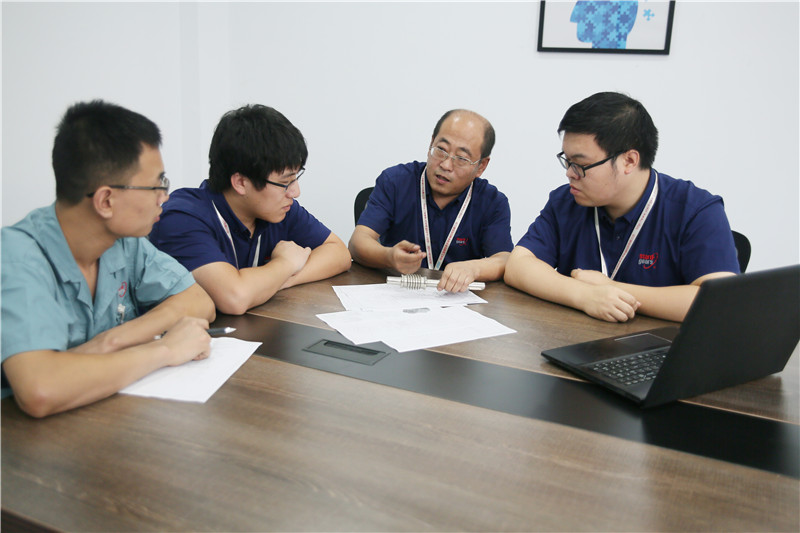
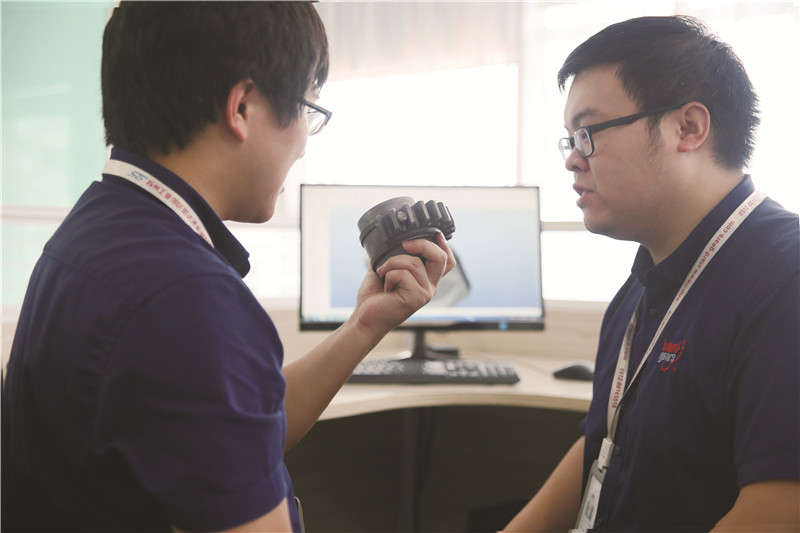
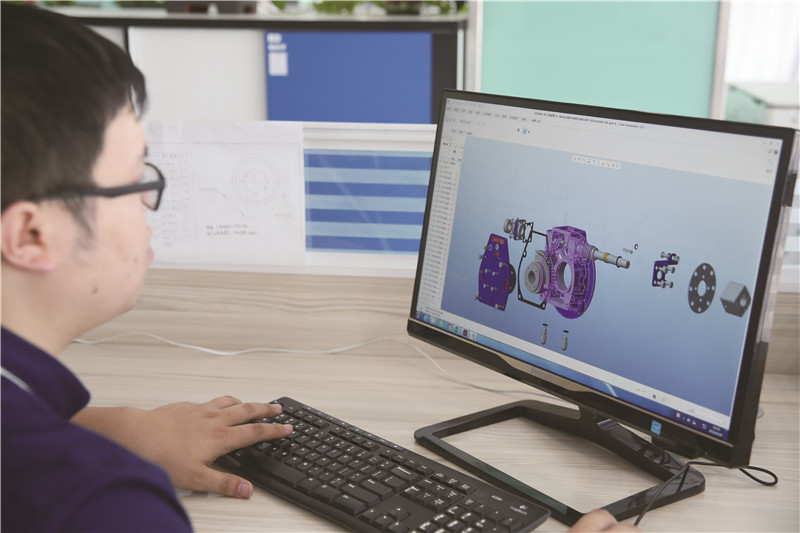
Stard Automation runs a comprehensive ERP management system ensuring that production schedules are monitored in real time. We operate a highly automated assembly and casting flow process in Suzhou.
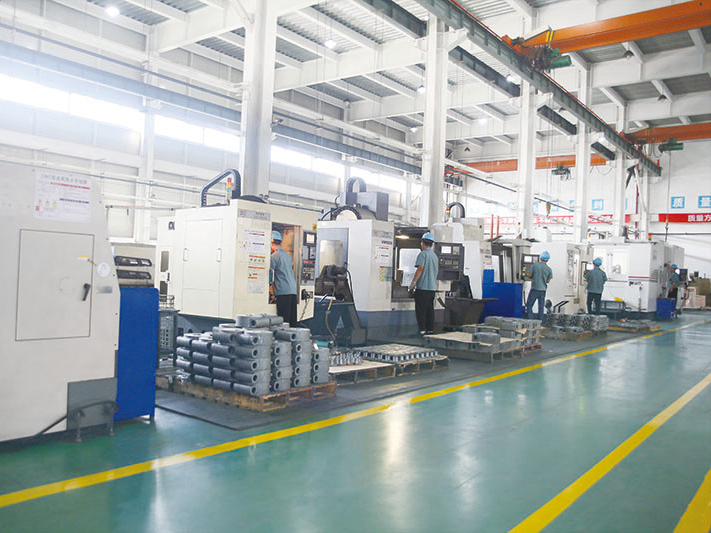
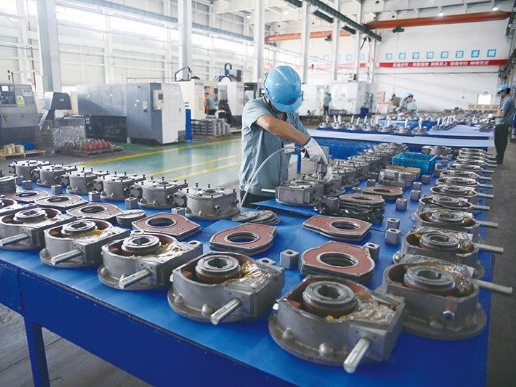
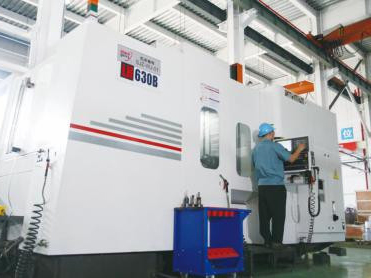
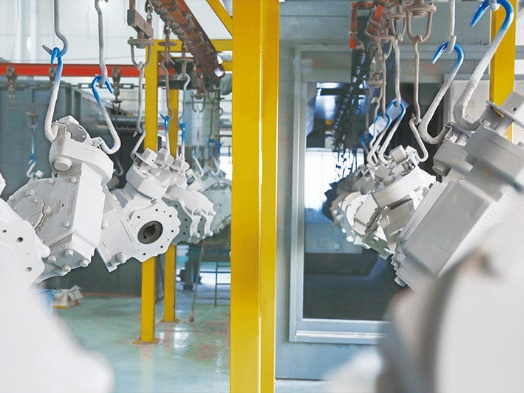
Our annual output value reaches $9,000,000 with a production volume capability exceeding 100,000 sets per year, catering to both quick-turnaround orders and large-scale EPC project frameworks.
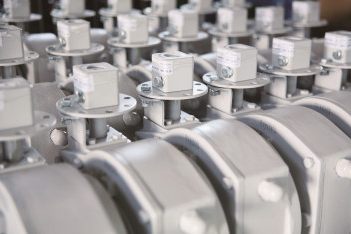
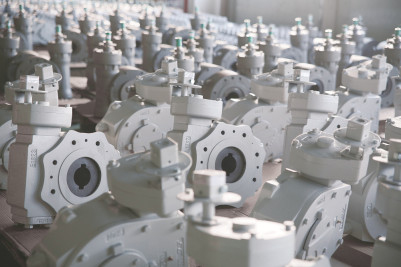
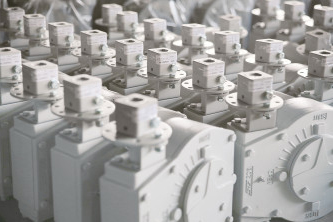
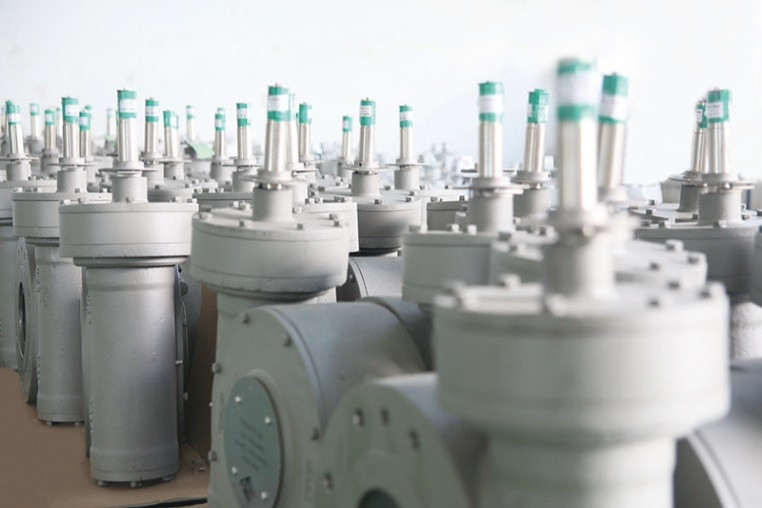
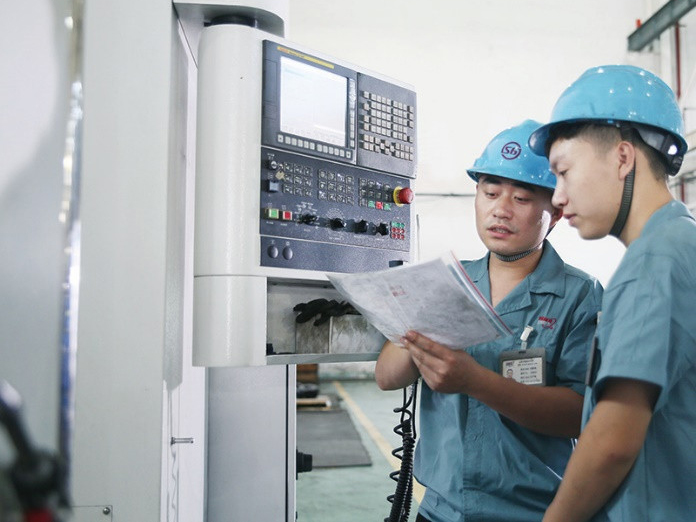
To improve inspection and testing procedures, Stard Automation maintains dedicated, full-time QC stations at every crucial manufacturing phase—from incoming materials and casting audits to in-process assembly checks and final torque validation.
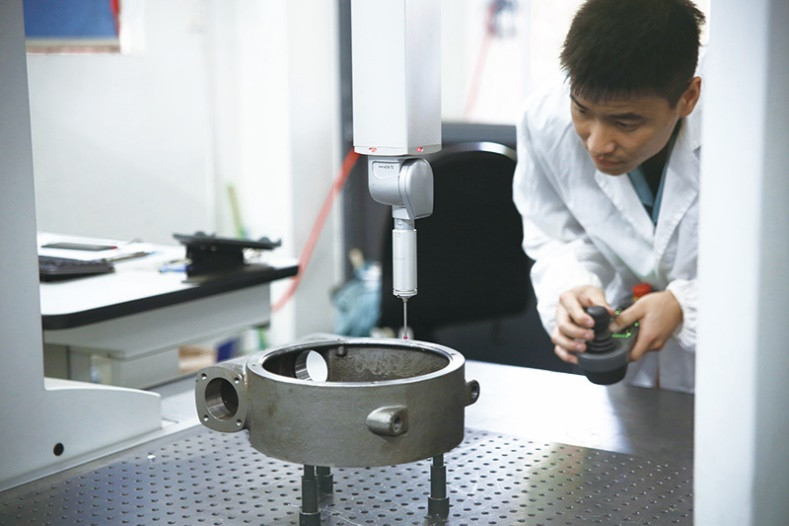
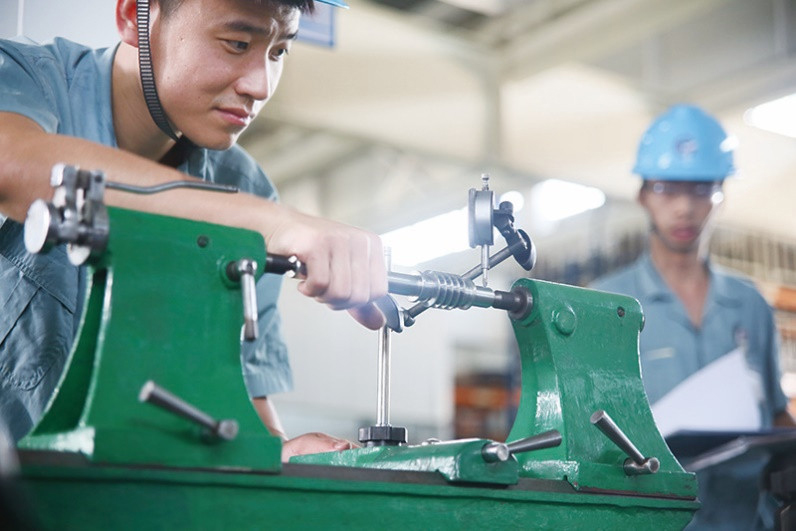
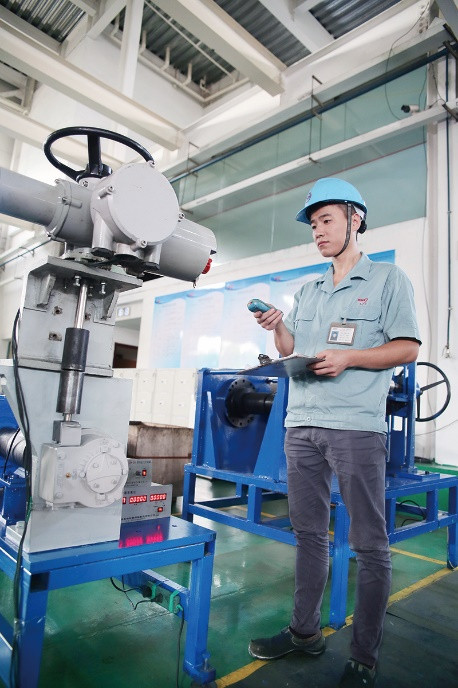
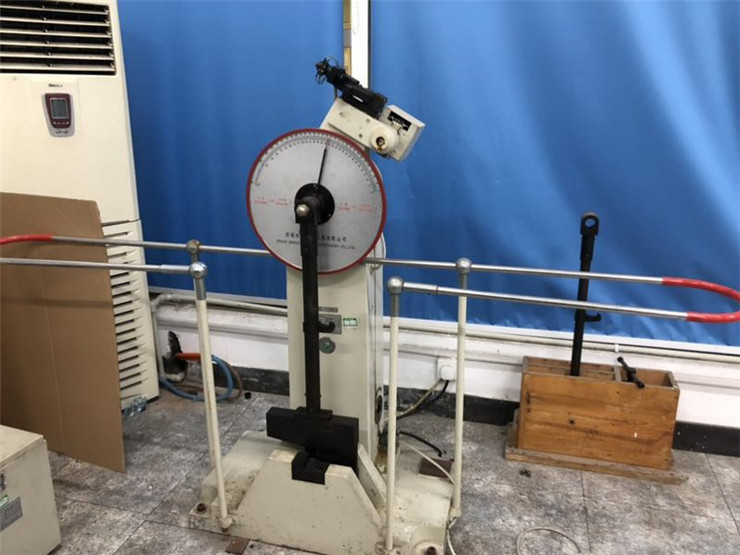
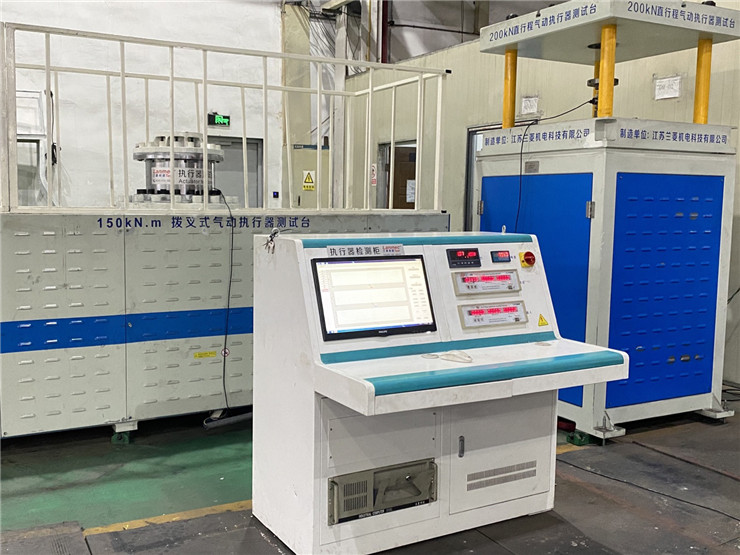
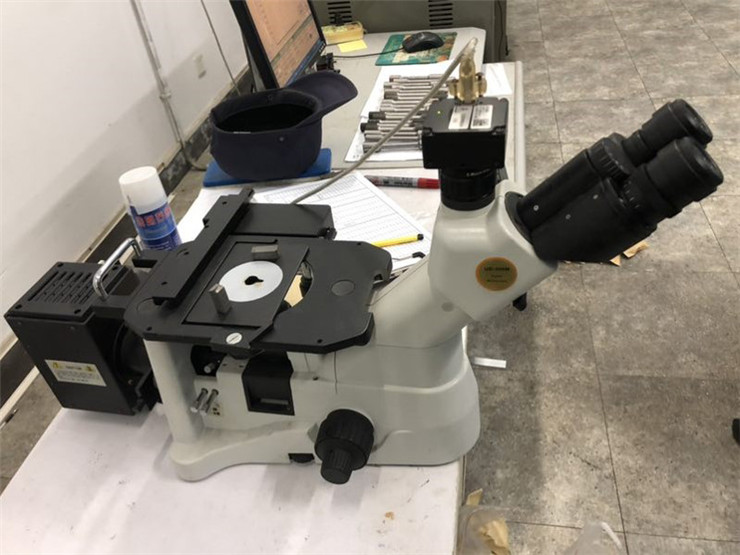
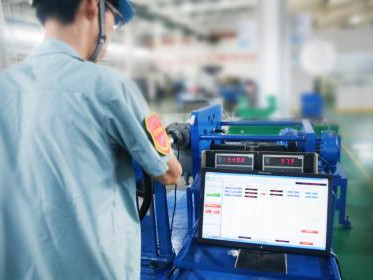
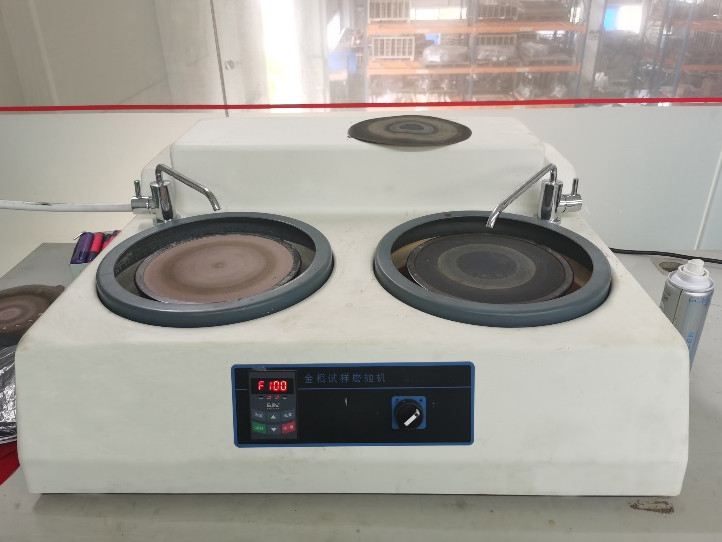
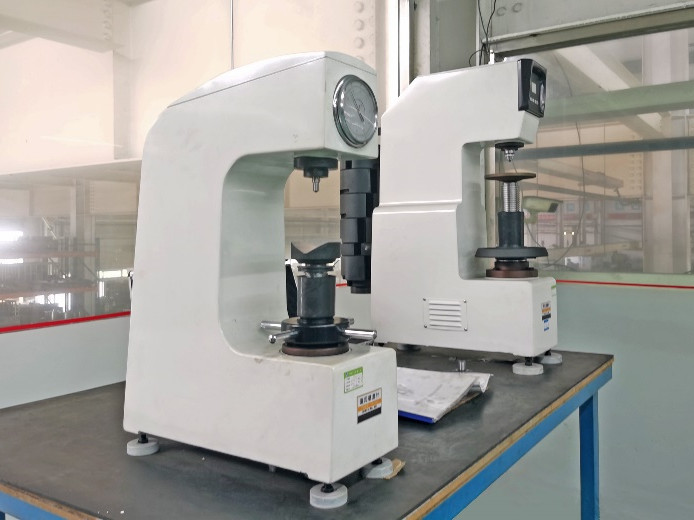
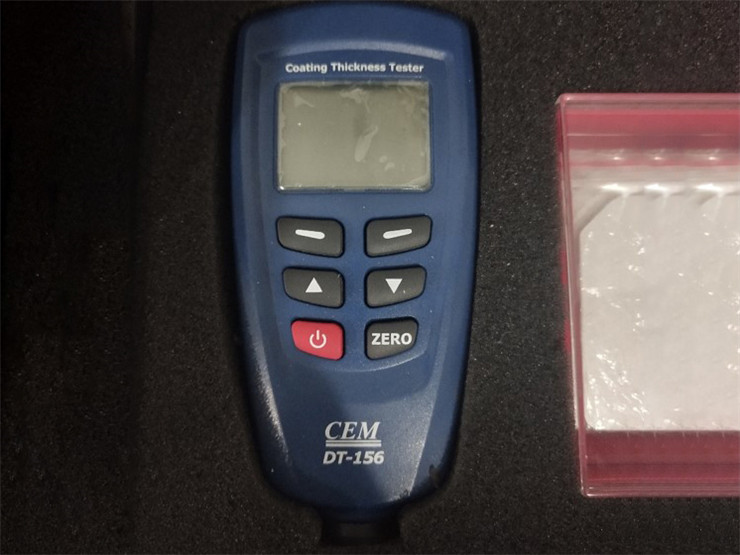
Our facility houses a full suite of state-of-the-art testing equipment, enabling us to perform critical validations, including dynamic torque tests, high-pressure sealing audits, and structural life-cycle fatigue testing.
Industrial environments present diverse challenges for valve actuation. Mechanical overrides must be custom-engineered to meet localized physical, environmental, and structural conditions:
Municipal water distribution networks often position isolation valves deep underground. Handwheel gearboxes used in these settings must be completely sealed to prevent groundwater ingress and dirt contamination. Using high-grade O-rings and grease packing ensures IP68 rating compliance, allowing the unit to remain fully functional during flood events or long periods of immersion.
Exposure to sea spray, high humidity, and airborne salts rapidly accelerates galvanic corrosion. In marine piping, manual operators must feature specialized coatings like C5-M marine paint, and internal parts (such as worm shafts, input pins, and fasteners) must be made of stainless steel or bronze alloys to prevent mechanical lockup.
In refining and steam-generation applications, manual overrides act as safety controls for critical bypass lines. The gearbox housing must resist thermal deformation, while internal gear components require high heat-treatment hardness to maintain precise backlash parameters.
"All Stard-gears manual operators conform to ISO 5211 mounting patterns. This ensures complete physical compatibility with standard ball, butterfly, and plug valves, making on-site installation and actuator retrofits straightforward."
The valve actuation market is shifting toward smarter mechanical systems. Although handwheel gearboxes are inherently manual, modern engineering integrates digital sensors to monitor valve positioning and gear stress. Stard-gears actively researches these smart solutions, including:
For project engineers and procurement departments, selecting the right supplier involves evaluating key technical, regulatory, and quality parameters:
| Selection Metric | Required Standard / Value | Project Relevance |
|---|---|---|
| Compliance Certification | CE Directive, ATEX Ex II 2 GD c, ISO 9001 | Ensures legal compliance and safety in hazardous EU locations. |
| Enclosure Protection | IP67 (Standard) / IP68 (Buried Services) | Prevents moisture and dust ingress, extending service life. |
| Material Specification | Ductile Iron (GGG40/50), Cast Steel (WCB) | Guarantees high structural integrity under extreme pressure loads. |
| Valve Coupling Interface | ISO 5211 (F05 to F40 configurations) | Standardized dimensions simplify installation and drop-in replacement. |
Technical answers to common engineering and sourcing questions about handwheel gearboxes and valve operators.
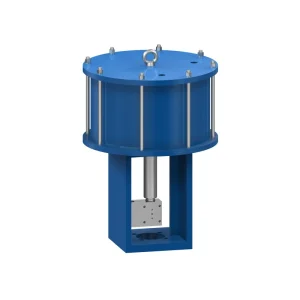
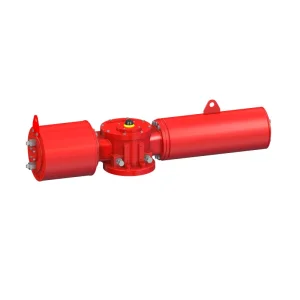
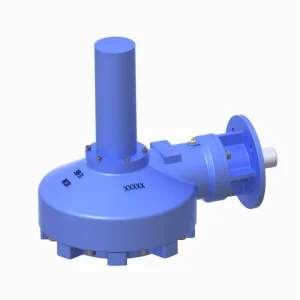
Choose from our specialized line of ISO-compliant gearboxes, Scotch Yoke actuators, and manual override systems.