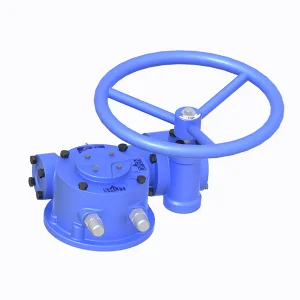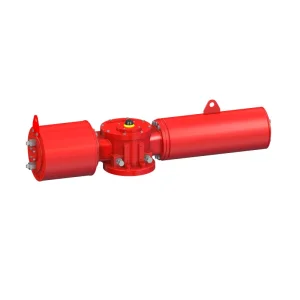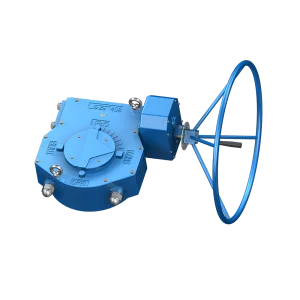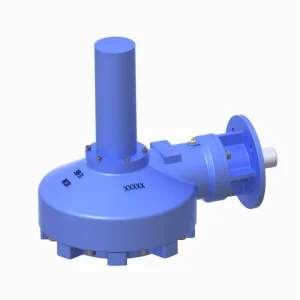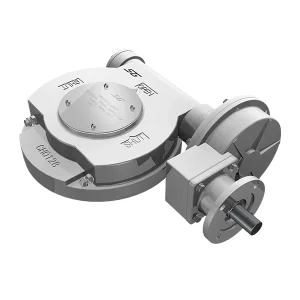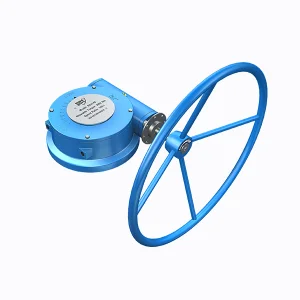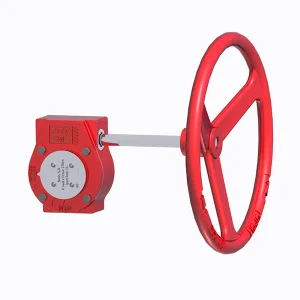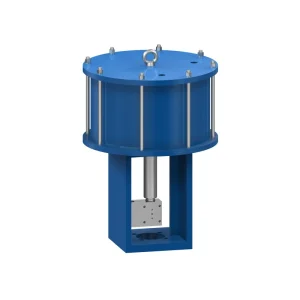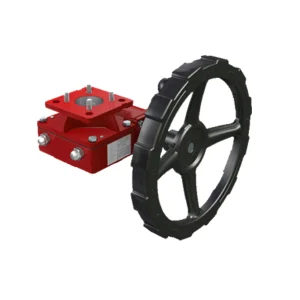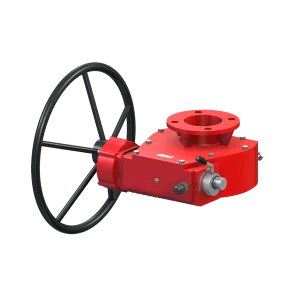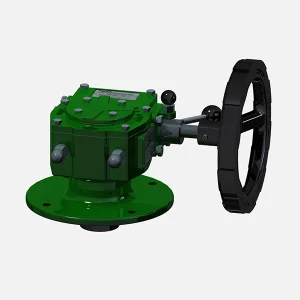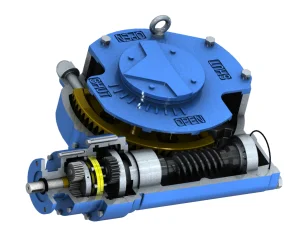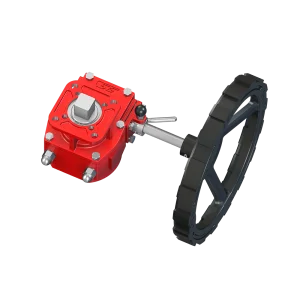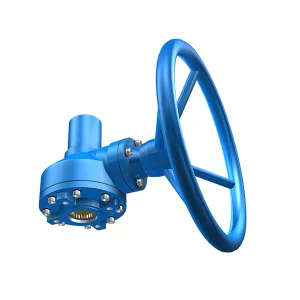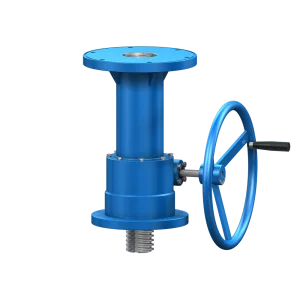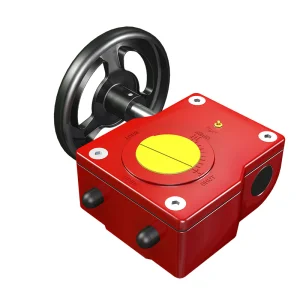
Premium quarter-turn, linear, and multi-turn valve flow control gearboxes manufactured under strict ISO9001 and CE compliance.
In modern industrial processes, the reliability of flow control equipment directly dictates the safety, efficiency, and environmental footprint of plants. As pipelines expand in diameter and operating pressures climb, manual valve control has increasingly given way to precise, automated systems. This transition is spearheaded by motorized valve actuators integrated with advanced gear systems.
This document presents an engineering overview of the core technologies, QA criteria, compliance protocols, and strategic logistics advantages that distinguish Stard Valve Control as a premier global partner. With specialized focus on CE compliance, design simulation, and custom-engineered gear geometry, we facilitate system integration from our manufacturing base in Suzhou Industrial Park, China.
Reliable flow control systems require precise torque transmission, robust materials, and compliance with severe environmental regulations.
Founded in 1999, delivering high-precision valve control engineering globally from the Yangtze River Delta.
Established in the high-tech corridor of Suzhou Industrial Park, Stard Valve Control (Stard-Gears) occupies an 8,900 square-meter advanced manufacturing facility supported by a 2,500 square-meter engineering and administrative center. With over 25 years of specialized operational history, we design and produce modular valve control assemblies, supporting a diverse array of critical sectors including petroleum extraction, refining, petrochemical processing, natural gas distribution, nuclear power plant safety systems, and major municipal water projects.
Our sales have demonstrated sustainable, organic expansion, maintaining a robust 10% to 20% annual growth rate. This structural expansion highlights our commitment to constant R&D refinement and product compliance, supported by an audited ISO9001:2015 quality management framework. Our operational capacity allows us to yield over 100,000 finished actuator and gearbox sets annually, servicing Tier-1 EPC contractors, international valve manufacturers, and end-users worldwide.
Over the past decade, Stard-Gears has developed an expansive international trade network. Our motorized valve actuators and gearboxes are exported to industrial hubs in the United States, Italy, Germany, Mexico, Singapore, Japan, and other demanding regional markets. To satisfy this global user intent, we offer 9 major structural series encompassing roughly 80 specific varieties of gear operators, custom drive sleeves, and mechanical linkages.
Our corporate mission relies on an unyielding dedication to three foundational pillars: "excellent reputation, best quality, and perfect service". We provide robust pre-sales selection advice, technical drawing approvals, and active post-delivery engineering support.
Virtual prototyping, finite element analysis (FEA), and dynamic kinematics modeling ensure zero-defect field performance.
At Stard-Gears, product innovation begins with comprehensive mathematical modeling and virtual prototyping. Our engineers utilize state-of-the-art 3D parametric CAD modeling integrated with dynamic kinematics software. Through intensive Finite Element Analysis (FEA), we simulate static and transient mechanical stresses on load-bearing components like gear teeth, drive shafts, and actuator housings. This ensures structural integrity under extreme torsional load spikes without adding unnecessary material thickness.
By virtually evaluating parameters like fatigue limits, structural deflection, and gear wear coefficients before tool making, we shorten design cycles and minimize development costs. The resulting components achieve a high factor of safety, and we prevent field fatigue failures in heavy-duty or safety-critical industrial configurations.
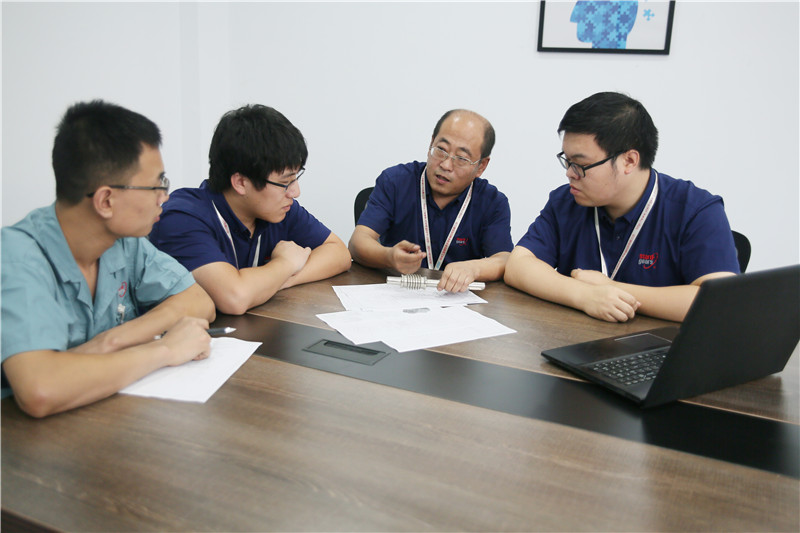 Program Communication
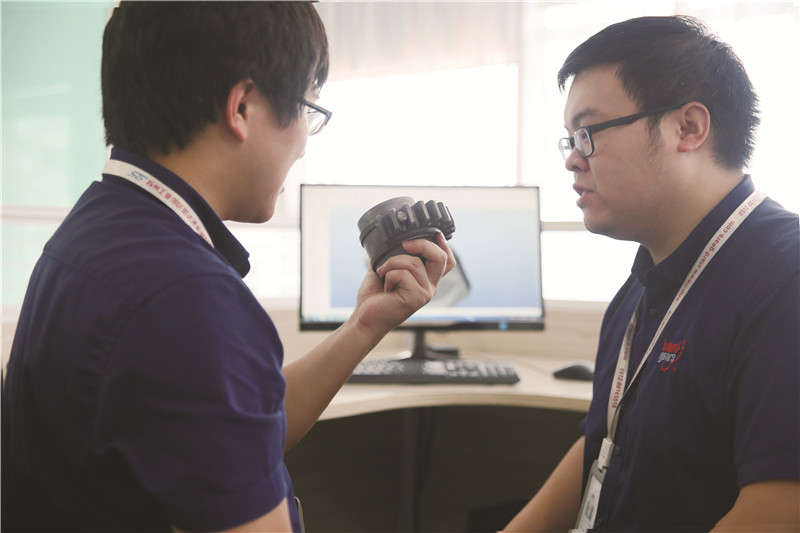 Design Communication
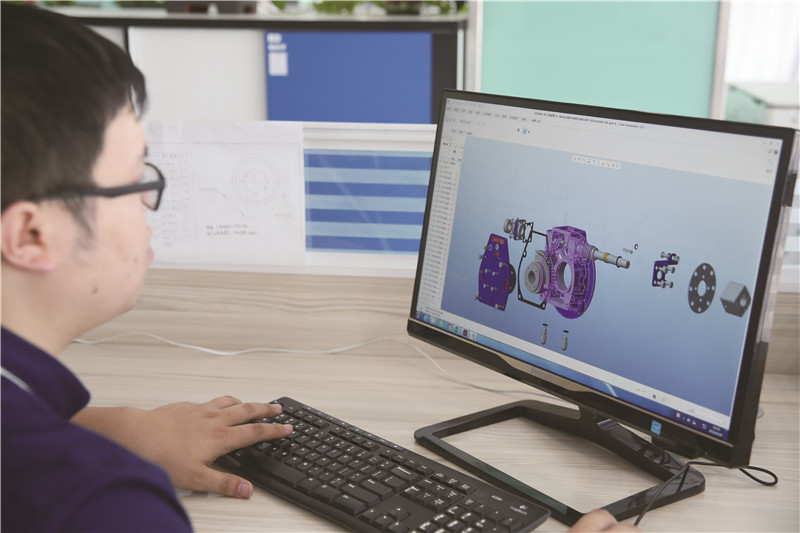 Design Drawing
Harnessing Yangtze River Delta logistics and ERP-driven manufacturing for global deliveries.
Our headquarters in the Yangtze River Delta region (Suzhou) places Stard-Gears at the center of one of the world's most sophisticated mechanical engineering clusters. This geographical hub provides access to raw materials, top-tier foundries (casting ductile iron and WCB cast steel), precision heat treatment providers, and raw forging yards. Close proximity to local supply chains minimizes lead times and procurement costs while maintaining tight control over chemical metallurgy.
Furthermore, proximity to major international maritime ports, including Shanghai and Ningbo, guarantees streamlined container logistics and lower shipping transit times. This enables us to maintain rapid delivery schedules for both standard runs and custom-engineered emergency replacements.
We deploy an integrated Enterprise Resource Planning (ERP) platform to schedule operations. Raw inventory levels, machining queue efficiency, and QA release stages are monitored in real time. This automated management eliminates manual bottlenecks, tracks batch runs, and ensures complete supply chain transparency.
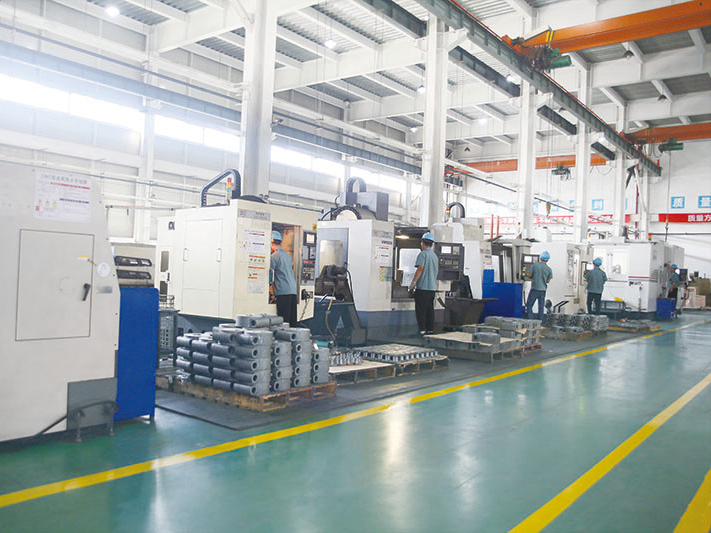
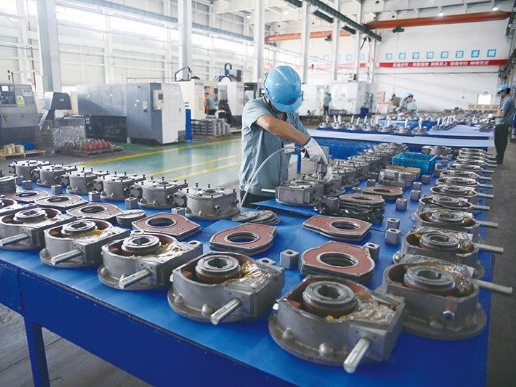
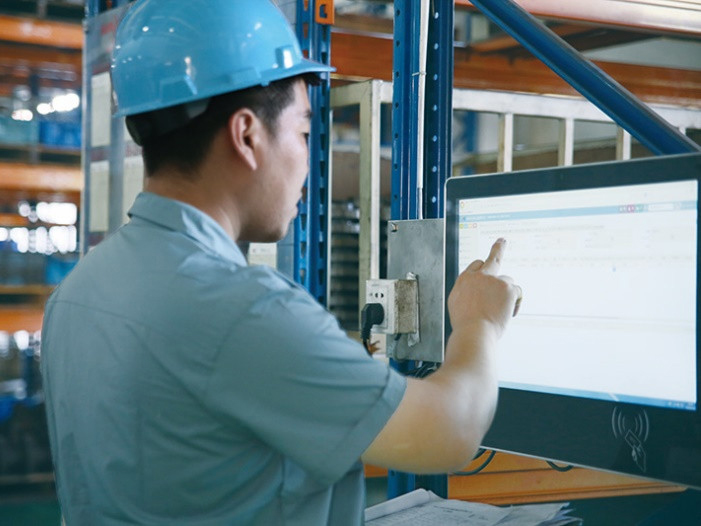
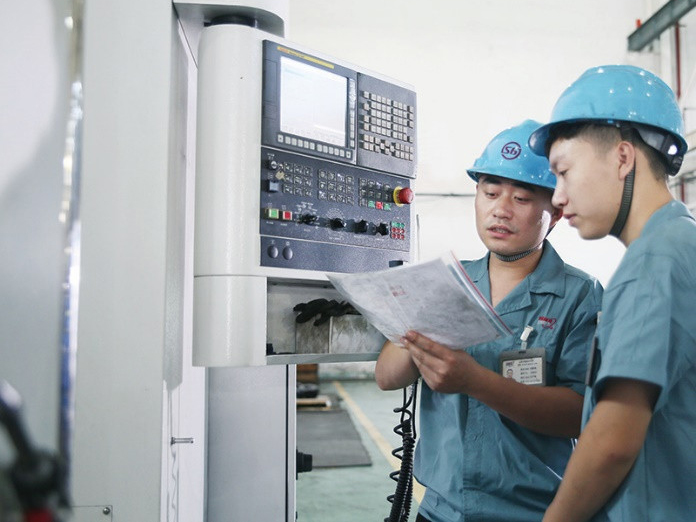
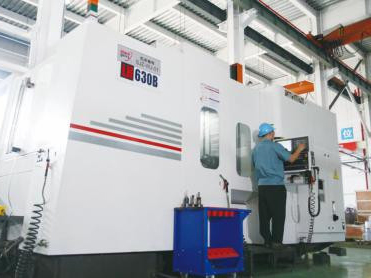
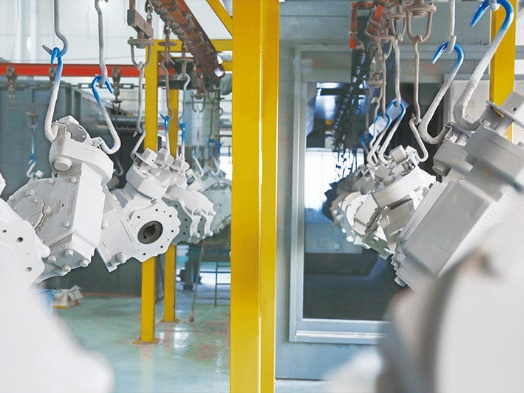
Large-scale precision machining and assembly lines supporting continuous volume deliveries.
Our production facilities utilize modern horizontal machining centers, CNC lathes, and dedicated gear hobbing machinery. Stard-Gears operates with an annual capability output of $9,000,000, translating to over 100,000 complete control gearsets. This high manufacturing throughput is balanced by a cellular factory layout, allowing fast changeovers between small specialized batches and high-volume product runs.
Our assembly technicians undergo comprehensive training in component fitting, seal insertion, and electrical wiring. This ensures that every finished motorized valve actuator matches the original design specifications.
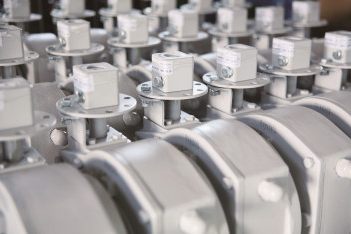
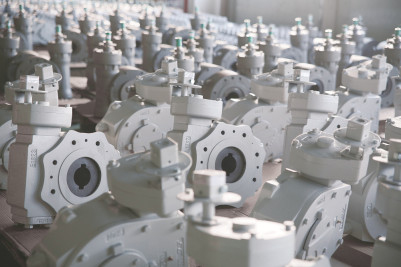
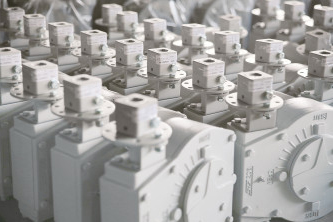
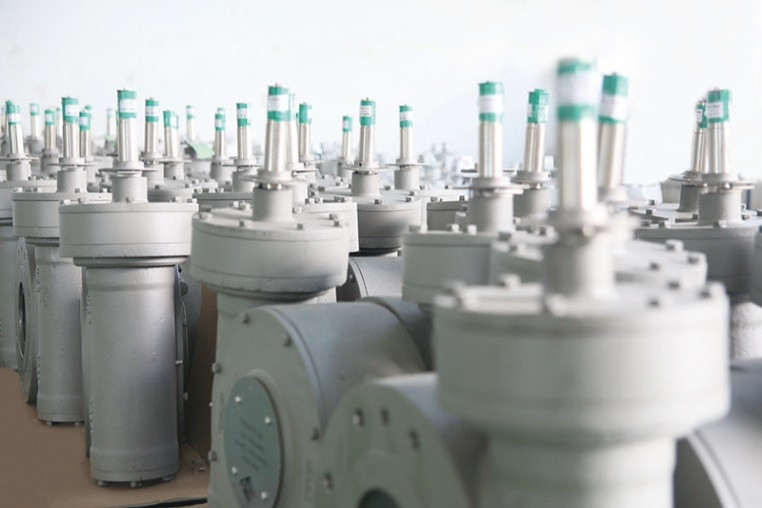
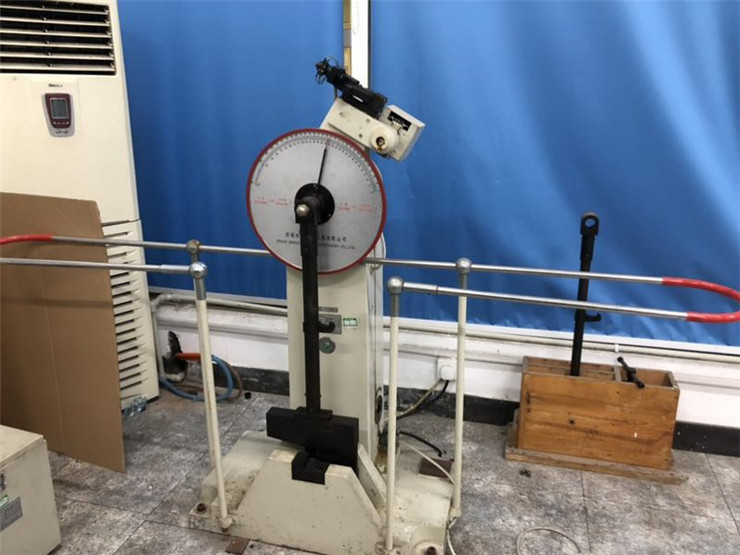
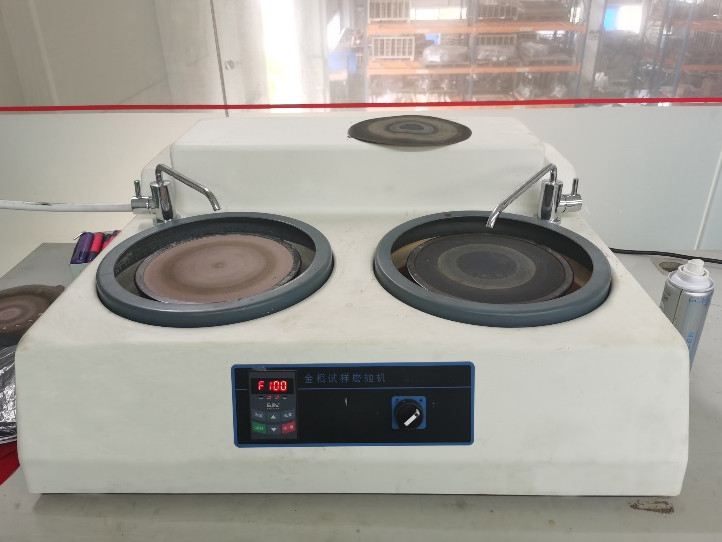
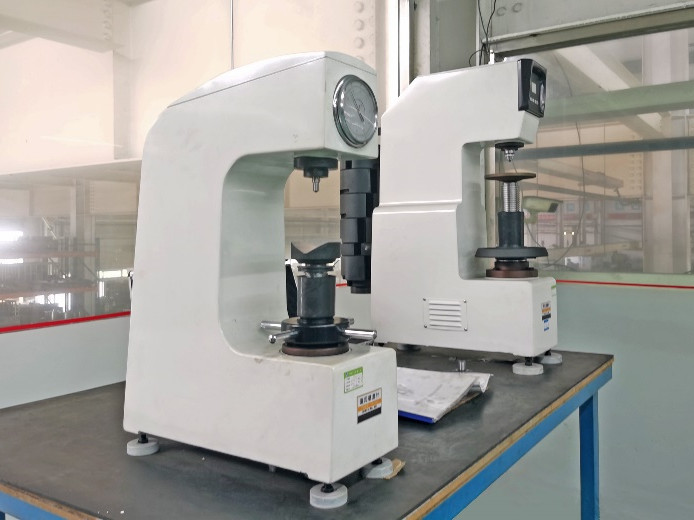
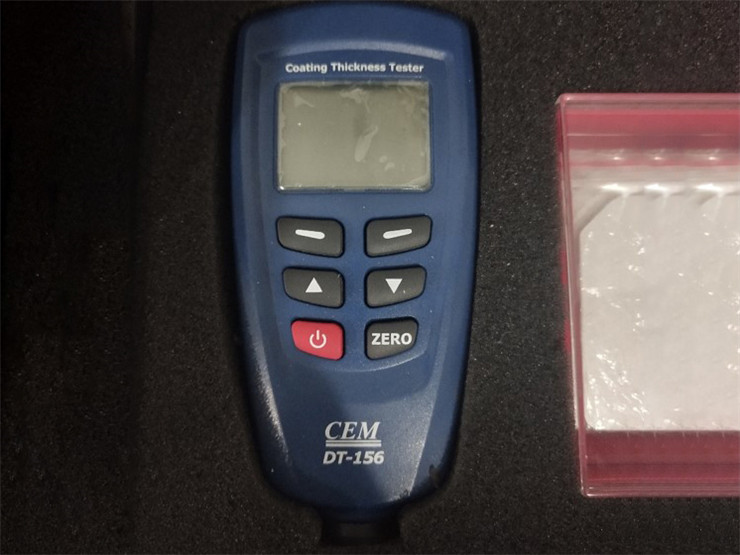
100% qualification rates guaranteed through physical inspection, torque verification, and cyclic durability testing.
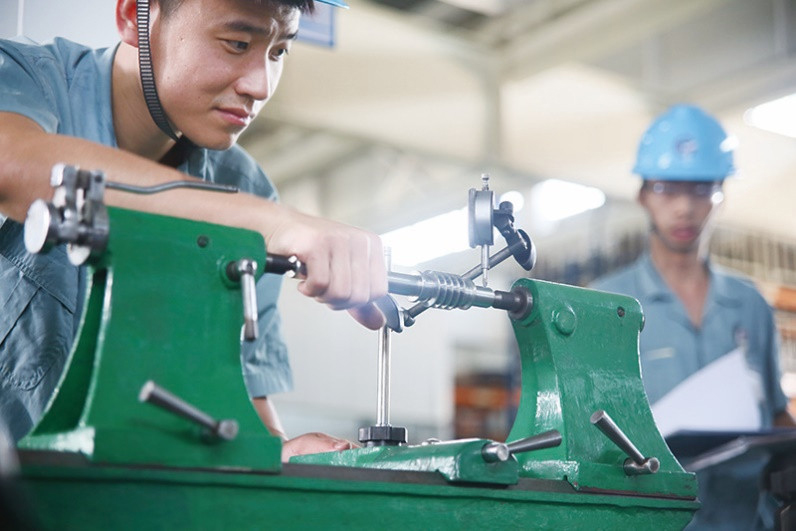
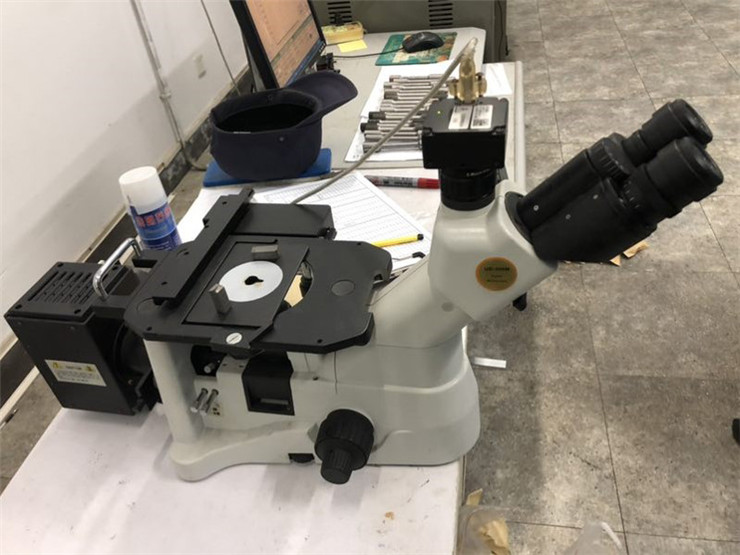
Our quality assurance protocol employs full-time, independent QC specialists stationed at every critical stage of the production cycle. Raw castings are subjected to chemical composition testing and non-destructive examination (NDE) to rule out internal porosity or inclusions.
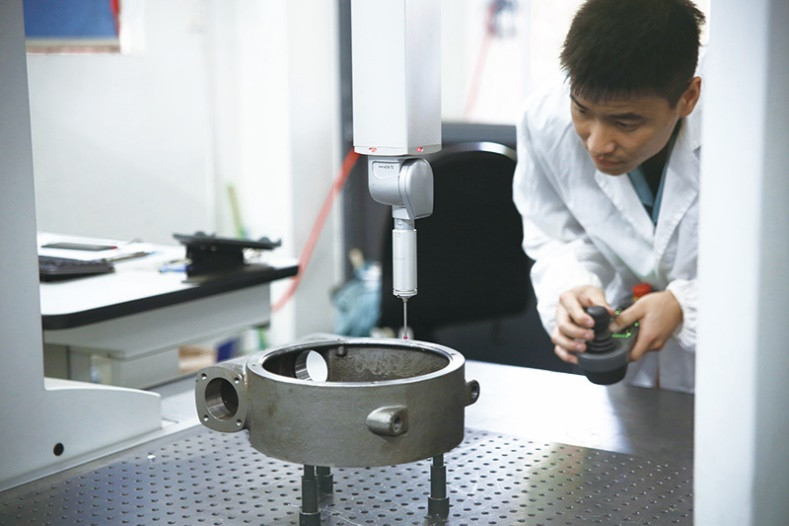
In-process checks evaluate machining tolerances down to the micron level using digital air gauges and coordinate measuring machines (CMM). Final assembly verification includes ingress protection tests, electrical insulation testing, and performance validation before release.
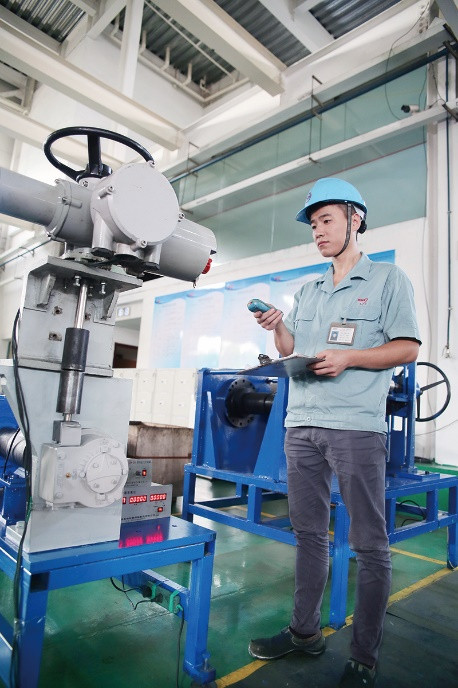
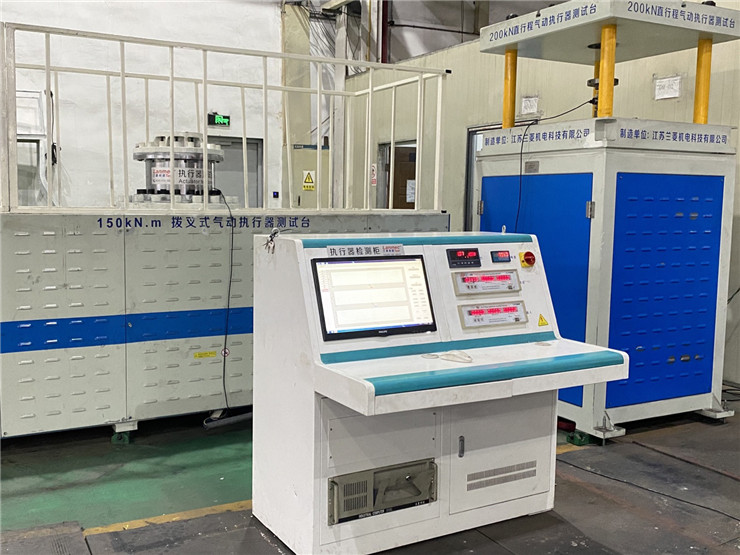
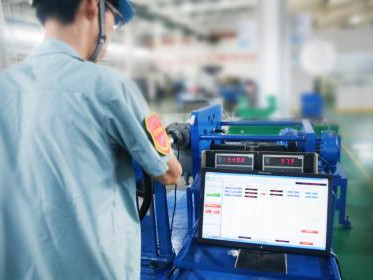
We perform mechanical torque testing on customized torque benches. This equipment maps the output profile of the actuator throughout its stroke, verifying that the start-to-open, run, and close torque configurations match your design specifications. Dynamic lifecycle chambers also test actuators under load to ensure performance across thousands of operational cycles.
De-risking international supply chains through regulatory alignment and engineering documentation.
CE marking confirms that a motorized valve actuator meets EU environmental, safety, and health guidelines. At Stard, our designs satisfy 2006/42/EC (Machinery Directive) to guarantee safe mechanical operation, and 2014/30/EU (Electromagnetic Compatibility - EMC Directive), which ensures the actuator's control circuits are protected against electromagnetic interference (EMI) and do not emit noise into the grid.
Our electric gear operators are designed in accordance with the Low Voltage Directive (LVD) 2014/35/EU. This directive governs the dielectric insulation, grounding, creepage distance, and temperature rises of motors and terminal connections. It ensures safe operation for plant technicians during manual overrides, commissioning, and regular maintenance.
For applications in hazardous environments (such as oil and gas refineries, paint factories, and petrochemical facilities), we supply actuators with enclosure configurations that prevent internal electrical arcing from igniting external explosive atmospheres, following the ATEX Directive 2014/34/EU.
We supply complete engineering documentation packages to simplify plant commissioning and system validation. This includes full Declarations of Conformity (DoC), traceable material test certificates according to EN 10204 Type 3.1, detailed installation manuals, and wiring schematics tailored to your control configuration.
Engineering alignment guidelines for sourcing managers, pipeline designers, and EPC project directors.
Procurement teams must match the valve's breakout, running, and seating torque profile with the actuator's output curve. Scotch yoke actuators are well-suited for quarter-turn valves (butterfly and ball valves) because they deliver peak torque at the start and end of the stroke. Multi-turn bevel operators are better suited for gate and globe valves that require constant thrust across their travel length.
Actuator enclosures must match their installation environment. Standard plant configurations typically require IP67 ingress protection, while subsea or buried pipeline installations require IP68 compliance. Under IP68, the enclosure must withstand continuous immersion in water up to a specified depth without moisture intrusion affecting the internal gear trains or electronic controls.
In high-risk processes like oil pipelines or chemical reactors, actuators must comply with functional safety standards. Sourcing engineers often require SIL 2 or SIL 3 (Safety Integrity Level) certification, verifying that the valve assembly can execute safety shutdown cycles (ESD) on demand.
Modern plants utilize industrial fieldbuses rather than traditional analog copper wiring. We configure actuator control boxes to support digital communication protocols like Modbus RTU, Profibus DP, Foundation Fieldbus, or HART. This enables remote telemetry, diagnostic monitoring, and predictive maintenance scheduling.
How Stard-Gears products perform under real-world operating conditions and environmental stresses.
Our heavy-duty YP series Scotch yoke actuators and customized bury-service gearboxes manage emergency pipeline isolation. These systems operate reliably through sub-zero temperatures and high humidity, using corrosion-resistant surface coatings and nitrogen-charged backup cylinders to ensure failsafe closing in the event of a power loss.
In refining plants processing volatile chemical compounds, our ATEX-compliant electric bevel gearboxes manage flow control. The integrated drive gear systems operate continuously with minimal backlash, which reduces actuator hunting and maintains stable process flows.
For municipal water distribution networks, we design underground pipe valve gearboxes configured for buried applications. Featuring watertight IP68 enclosures, factory-sealed lubrication, and extended mechanical stems, these units operate reliably in subterranean chambers without requiring routine maintenance.
Smart diagnostics, industrial IoT connectivity, and green energy compliance are reshaping flow control systems.
The valve automation sector is evolving from simple mechanical movement toward smart diagnostics. Modern motorized actuators function as telemetry hubs, monitoring operating variables like starting torque, temperature, travel time, and vibration. This data is processed locally using edge computing, allowing operators to detect anomalies—such as valve stem binding or seal degradation—before a system failure occurs.
Integrating these diagnostics with cloud-based SCADA systems allows plants to transition from run-to-failure models to predictive maintenance schedules, minimizing unscheduled downtime.
With global industries focused on reducing carbon emissions and energy consumption, actuator manufacturers are optimizing power consumption. Modern variable-frequency drives (VFD) in electric actuators reduce power spikes during start-up, and high-efficiency mechanical gear geometry minimizes mechanical friction losses.
Detailed technical answers to common queries raised by pipeline engineers, procurement managers, and plant operators.
Premium declutchable manual overrides, multi-turn bevel gearboxes, and customized control gear configurations.