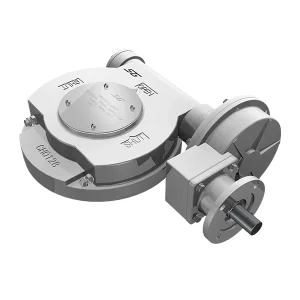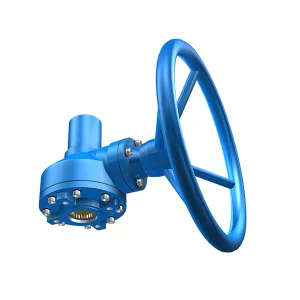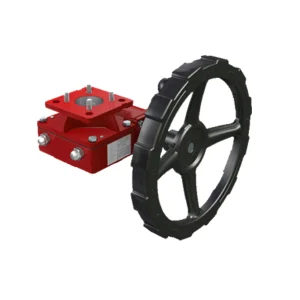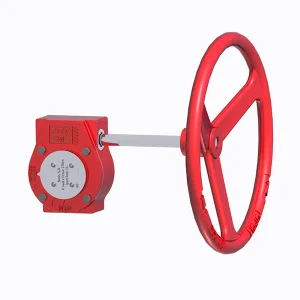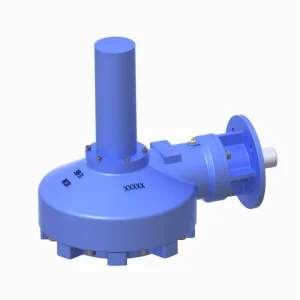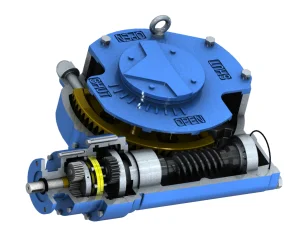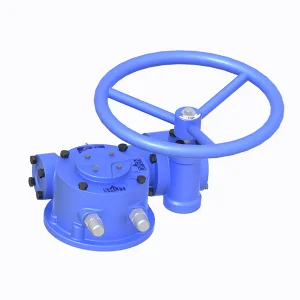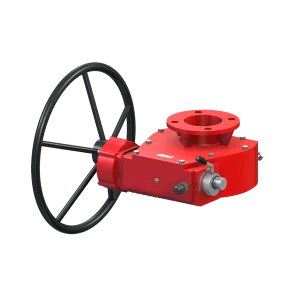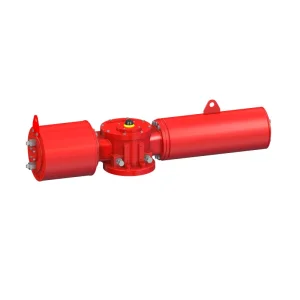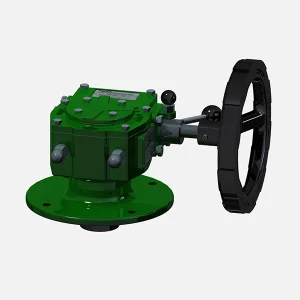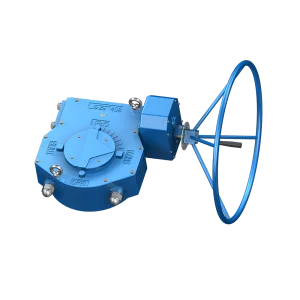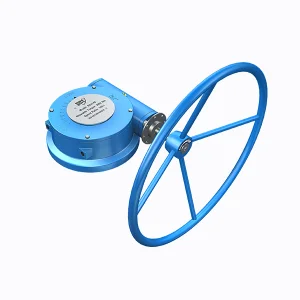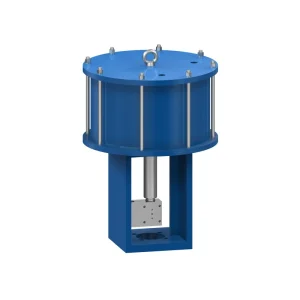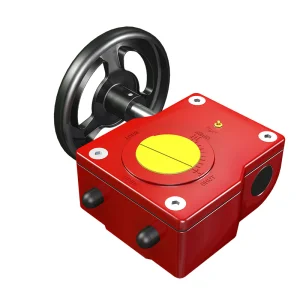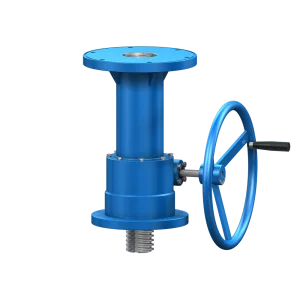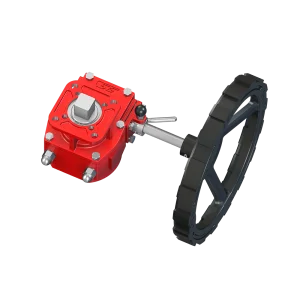
Explore our highly integrated engineering configurations, including quarter-turn, multi-turn, and declutchable operators built for heavy industrial environments.
The global industrial automation sector is witnessing an accelerated shift toward smart, high-torque, and intrinsically safe valve actuation platforms. Within this context, the CE Certification Pneumatic Actuation System remains an indispensable pillar of process safety and execution reliability. By utilizing compressed air rather than electrical current as the motive force, pneumatic actuation represents a fundamentally safe solution for explosive atmospheres, offshore platforms, gas pipelines, and nuclear installations.
Under modern regulatory frameworks, such as the European Pressure Equipment Directive (PED) 2014/68/EU and the Machinery Directive 2006/42/EC, procurement managers are transitioning away from uncertified suppliers. CE certification signifies more than a legal compliance seal—it confirms that the pneumatic pistons, Scotch yoke gears, and manual overrides are structurally verified for safety, fatigue limits, and operational durability under extreme stress.
Today's trend highlights modular configurations: integrating pneumatic cylinders with declutchable override gearboxes, smart positioners, and digital diagnostics. This synergy ensures that systems fail-safe immediately upon signal loss, preserving environmental safety and mitigating downtime in sectors such as water treatment, heavy chemical processing, and marine applications.
Found in 1999, Stard-gears is located in the Suzhou Industrial Park. The plant covers 8900㎡, accompanied by modern office facilities of 2500㎡. Over the last two decades, our dedication to innovation has driven annual sales to $7,000,000, maintaining a robust growth rate of 10%-20% per year. Backed by the internationally recognized ISO9001 certification, our annual production capacity has reached 100,000 sets, allowing us to support large-scale OEM requirements.
Stard-gears is a leading global provider specializing in valve control technology. Our comprehensive engineering solutions protect and regulate flow across critical sectors including oil, chemical, natural gas, nuclear, and water. With more than 25 years of experience serving these demanding industries, our clients rely on us for innovative, reliable, and cost-effective solutions.
Operating within the Suzhou Industrial Park in China's Yangtze River Delta region, we benefit from a highly developed supply chain ecosystem. This proximity optimizes the sourcing of high-grade castings, high-precision machining, and premium component procurement, guaranteeing fast delivery cycles and superior product quality.
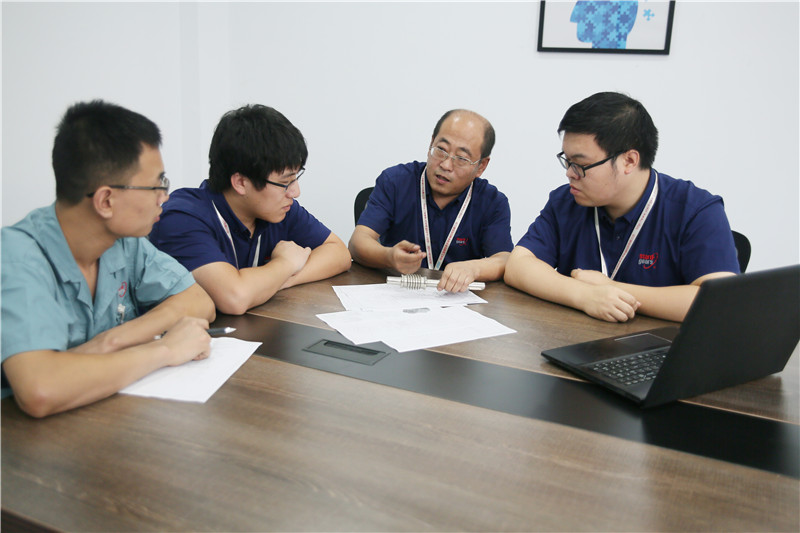
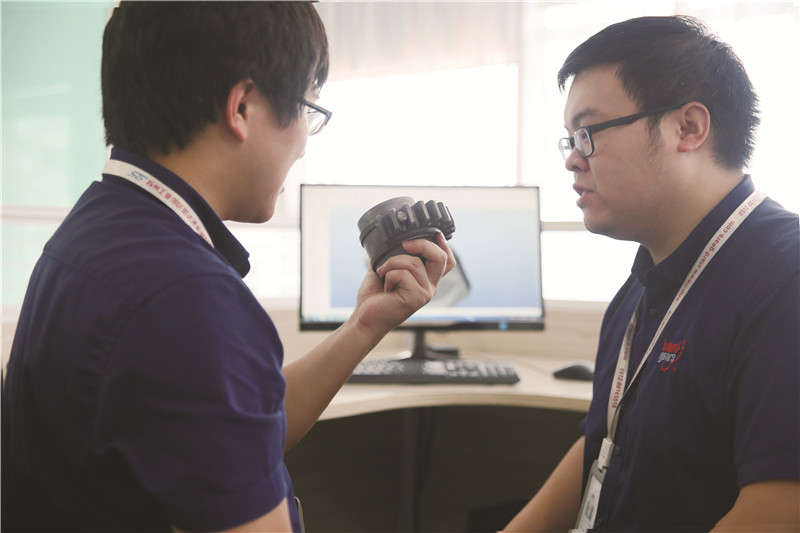
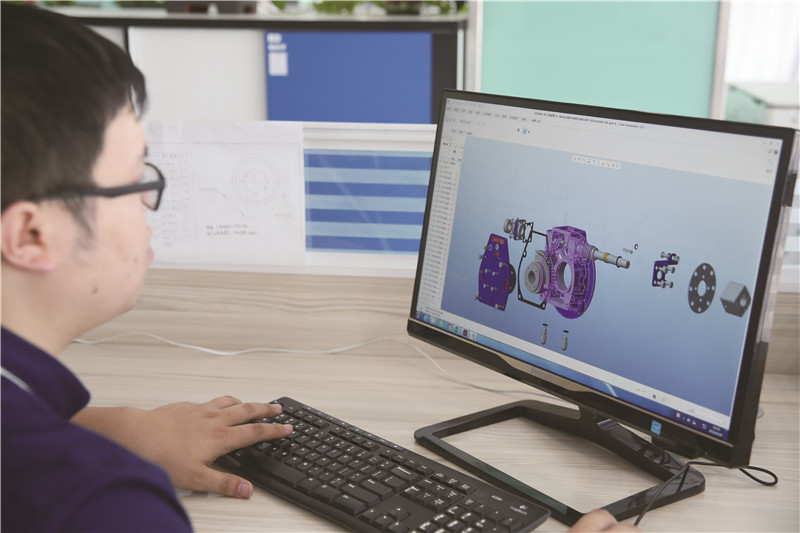
Through advanced engineering methodologies, our design office verifies safety factors, mechanical tolerances, and fluid dynamic performance before physical manufacturing begins.
Our R&D team utilizes advanced 3D modeling, dynamic motion simulation, and Finite Element Analysis (FEA) to verify product integrity under maximum pressure conditions. This analytical approach enables us to detect stress concentrations, optimize wall thicknesses, and confirm cycle-life expectations prior to foundry tooling. Consequently, this design workflow shortens development times, minimizes material waste, and delivers highly reliable products to our customers.
How Stard Automation utilizes integrated data management and advanced machining cells to deliver high-volume, defect-free production runs.
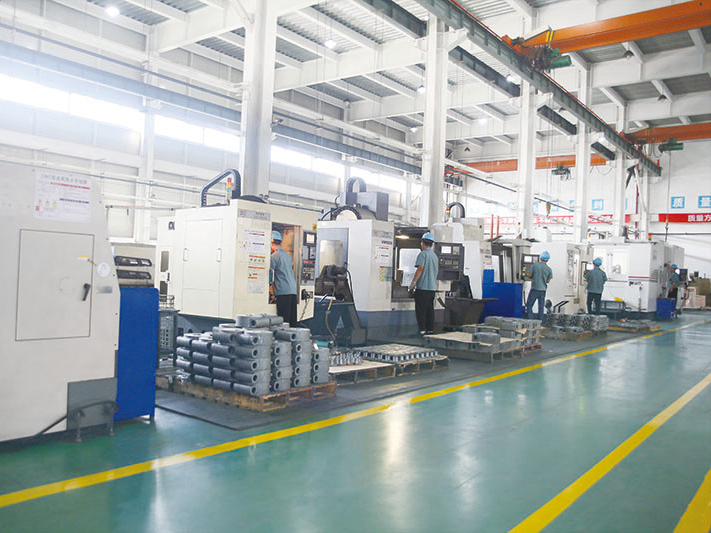
At Stard Automation, our production model relies on structured Enterprise Resource Planning (ERP) platforms that monitor every step of the manufacturing cycle. From alloy cast evaluation to final machining tolerances, the ERP platform tracks progress to align factory throughput with customer delivery dates. This data-driven framework minimizes bottlenecks and maintains product quality.
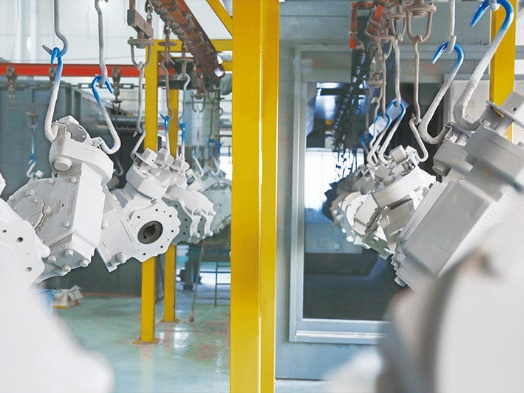
The Suzhou plant generates an annual output value of $9,000,000, supported by specialized machining tools, multi-axis CNC centers, and dedicated assembly areas. Our production capabilities cover a range of options, including OEM bevel operators, heavy-duty scotch yoke actuators, and lightweight aluminum declutchable gearboxes.
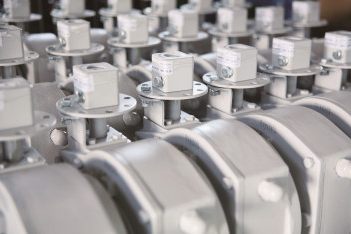
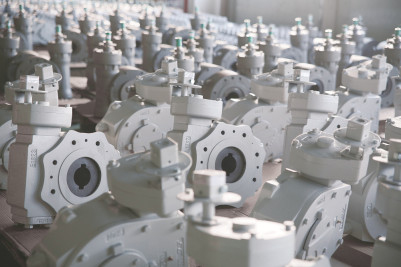
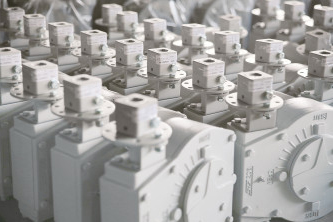
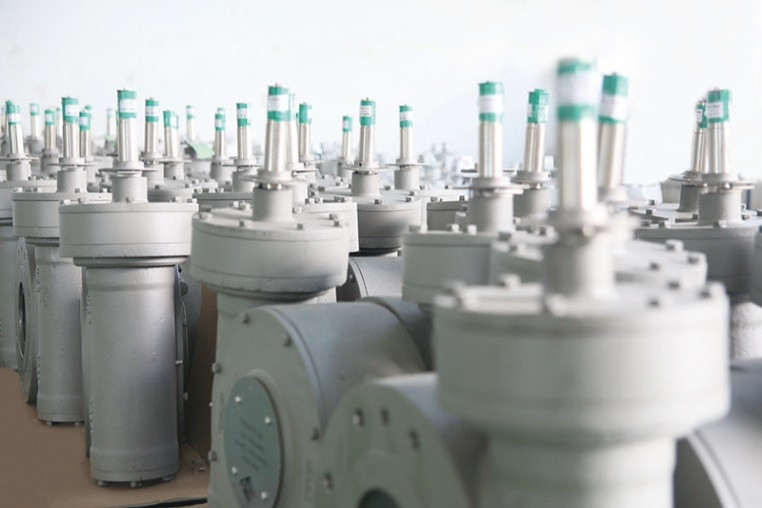
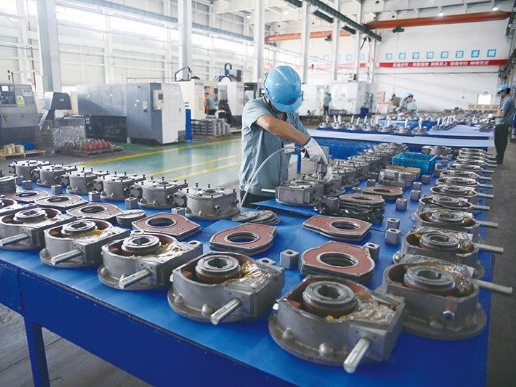
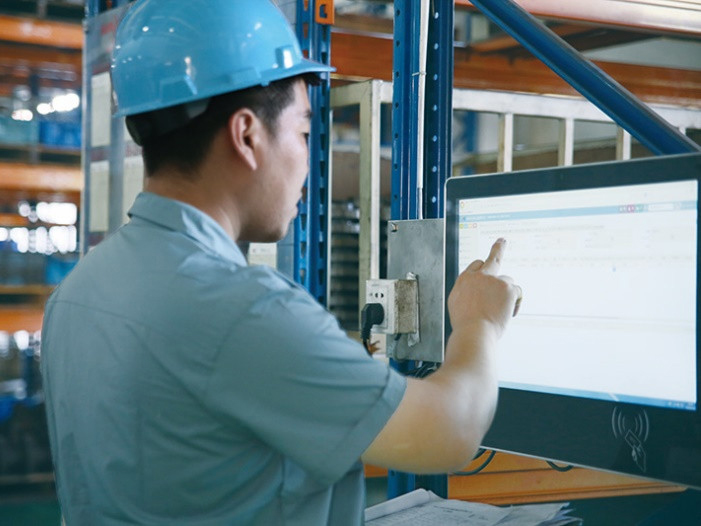
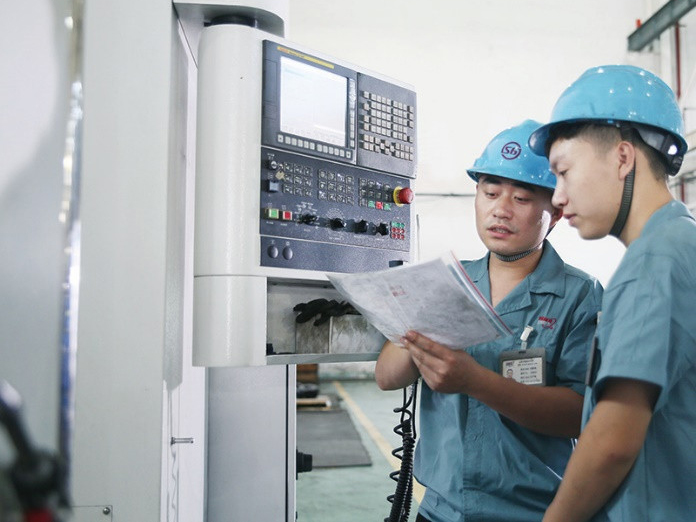
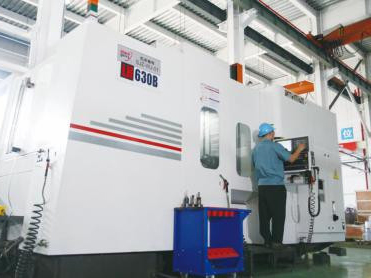
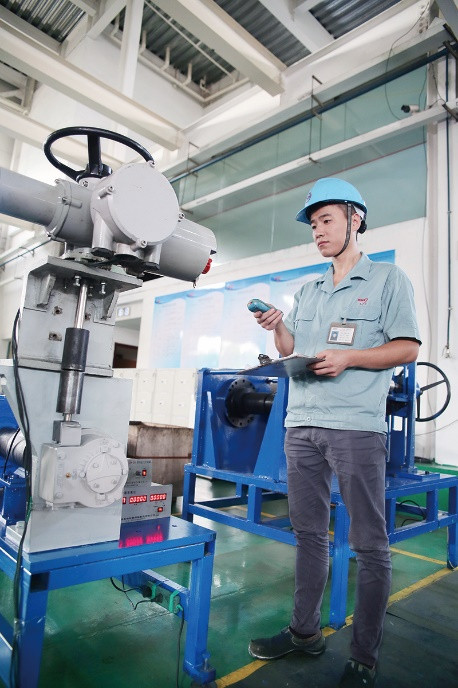
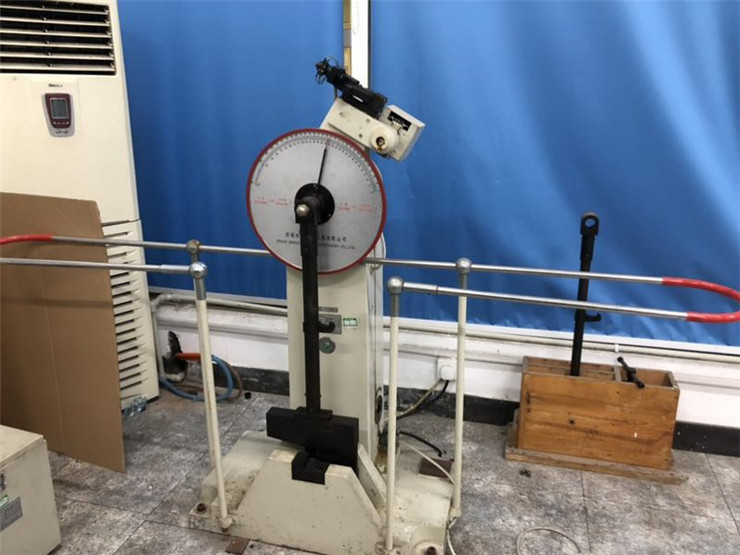
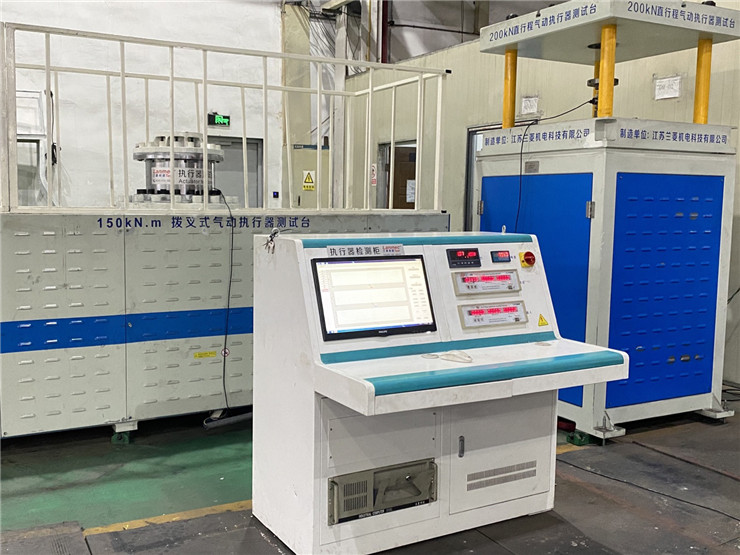
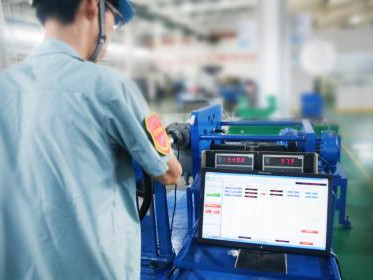
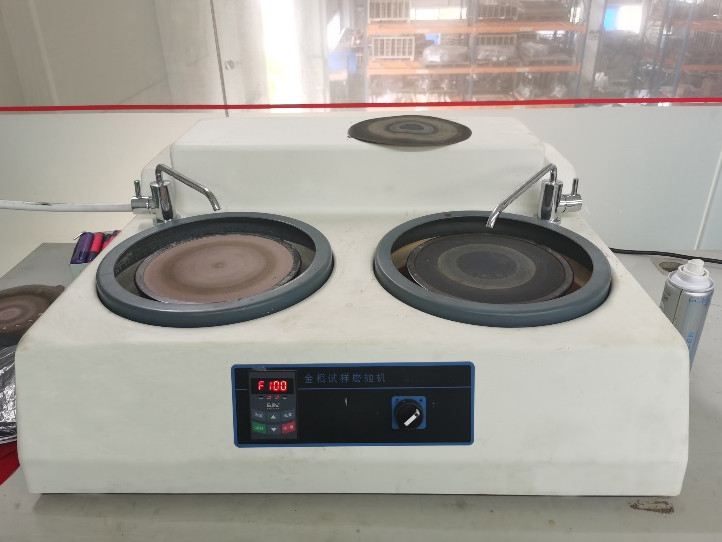
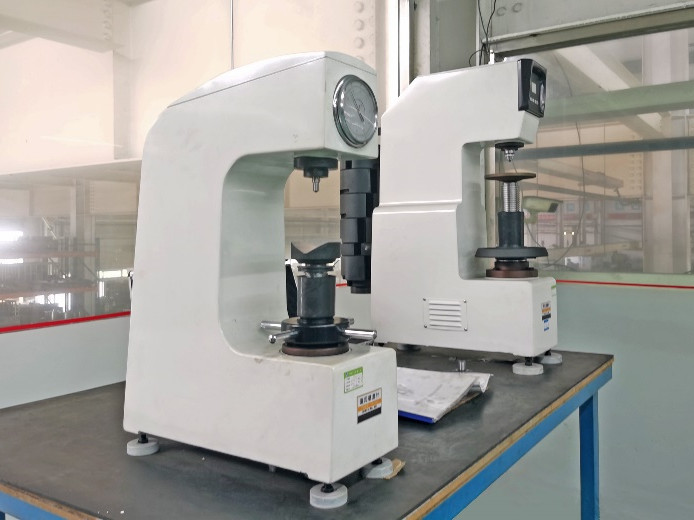
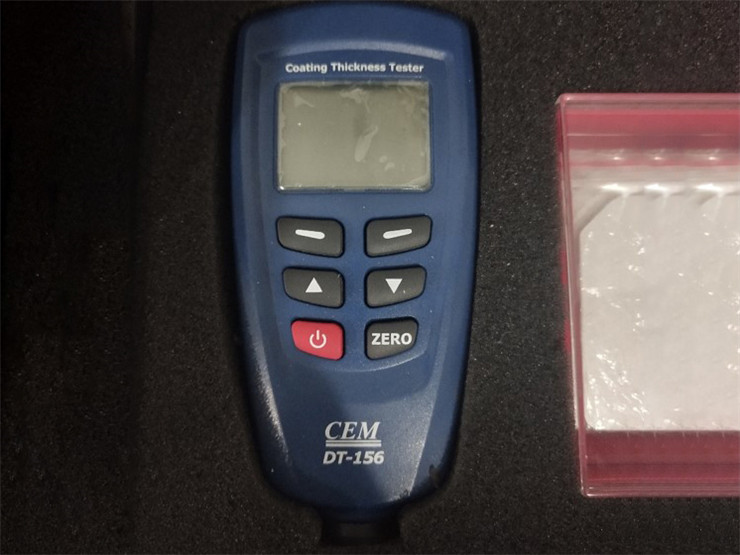
All pneumatic valve control systems undergo extensive physical testing to verify torque ratings and operational longevity before dispatch.
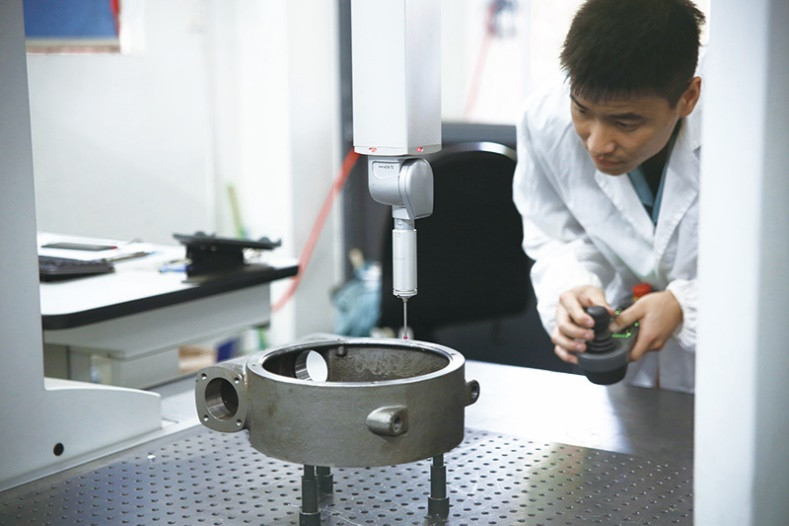
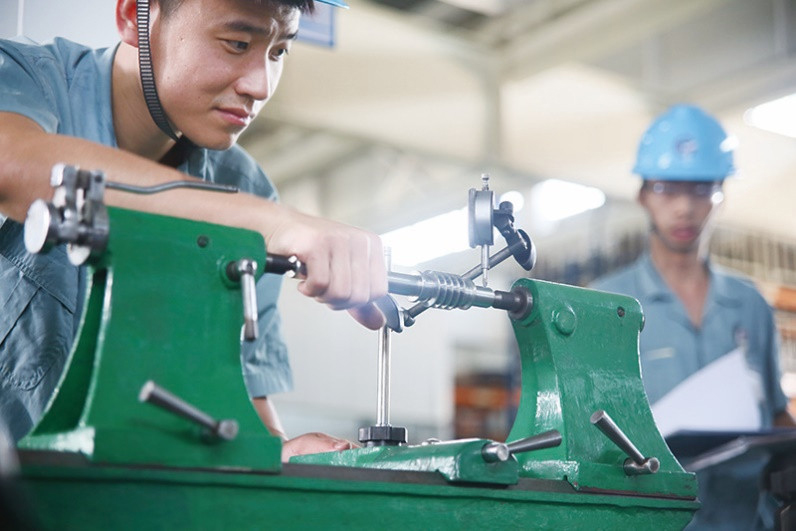
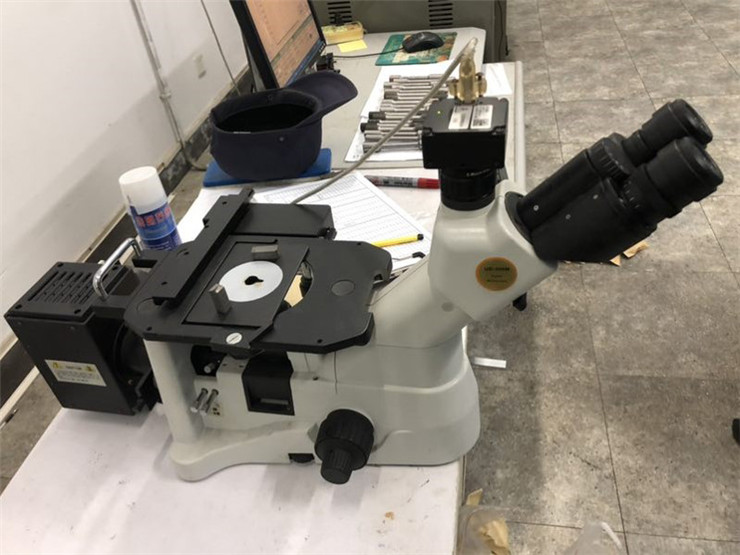
Quality assurance at Stard Automation is managed by QC specialists at every phase of production. We test and document all components, from incoming casting verification to final torque profile analysis, ensuring each unit complies with ISO9001 and CE requirements.
Our specialized testing facilities carry out break-away torque testing, cycle testing, high-pressure sealing verification, and environmental stress profiling. This rigorous verification process ensures that our heavy-duty pneumatic operators remain reliable under high-stress conditions.
Over the past decade, our systems have been exported to key international markets, including the US, Italy, Germany, Mexico, Singapore, and Japan.
On transmission lines and processing fields, safety is paramount. Our CE-certified heavy-duty valve operators manage gas pipelines, safety shutdown devices, and main isolation valves, ensuring secure operation under high pressures.
Chemical plants require high chemical resistance and spark-free actuation. Pneumatic cylinders and declutchable manual overrides provide safe, spark-free valve positioning in corrosive, explosive atmospheres.
Large butterfly and gate valves in water treatment plants require consistent, low-maintenance torque. Our quarter-turn and multi-turn operators are sealed to IP67/IP68 standards to ensure long-term reliability in wet environments.
Frequently asked questions concerning CE-certified pneumatic actuators, valve operators, and custom engineering design standards.
Under CE directives, pneumatic actuators in hazardous areas must satisfy the ATEX Directive 2014/34/EU to prevent electrostatic discharge or mechanical sparks. Additionally, compliance with the Pressure Equipment Directive (PED) 2014/68/EU is required to ensure that pressure housing walls, end-caps, and tie-rods can safely contain design operating pressures.
A Scotch Yoke actuator is designed to convert linear piston movement into rotational torque, providing a distinct torque curve with peak values at the beginning and end of the stroke. This makes it ideal for operating quarter-turn valves, such as ball and butterfly valves, which require high break-away torque. Conversely, linear piston actuators deliver flat, constant force over their entire stroke, making them better suited for rising-stem gate or globe control valves.
The Yangtze River Delta region provides an integrated ecosystem of specialized raw castings, high-accuracy heat treatment services, and high-precision machining plants. Operating in Suzhou allows Stard-gears to optimize material supply paths, minimize manufacturing lead times, and maintain cost efficiencies.
Our engineers utilize 3D solid modeling, kinematic motion simulation, and Finite Element Analysis (FEA). This structural simulation allows us to analyze stress distribution across gear teeth, drive shafts, and housings, verifying safety factors before production.
Double-acting systems utilize control air pressure on both sides of the piston to drive the valve open and closed. Spring-return (fail-safe) actuators use air pressure for one direction of travel and compress a spring bank. When supply pressure is lost, the spring releases its stored energy to automatically return the valve to a safe position (normally closed or normally open).
An ERP system integrates scheduling, material requirements, production steps, and QC checks. It provides real-time tracking for every production lot, allowing planners to optimize machine utilization, maintain inventory levels, and ensure on-time delivery.
Discover our comprehensive range of high-durability cast iron, steel, and aluminum operators designed to withstand severe service environments.