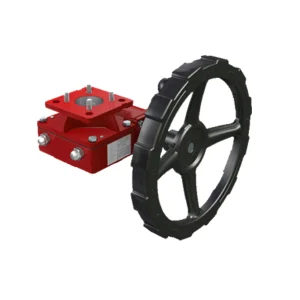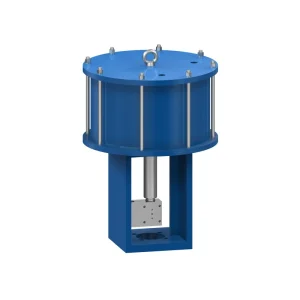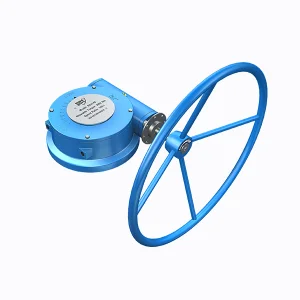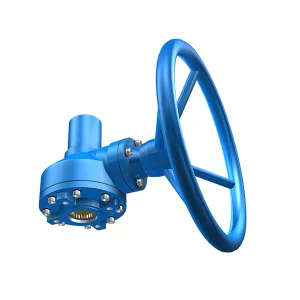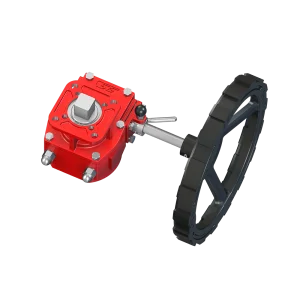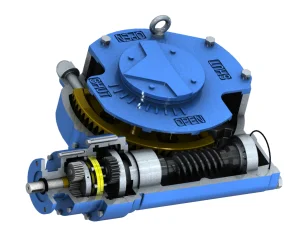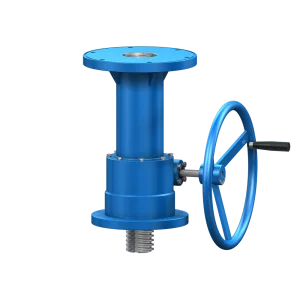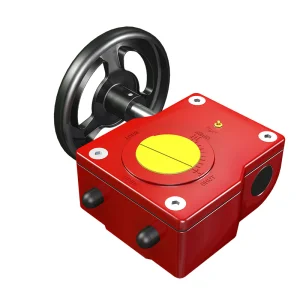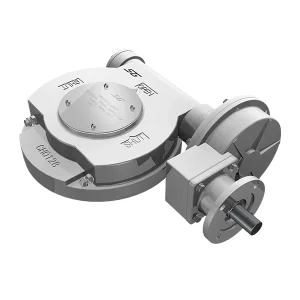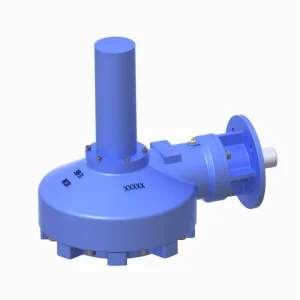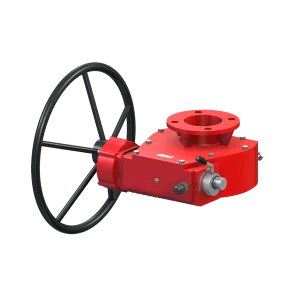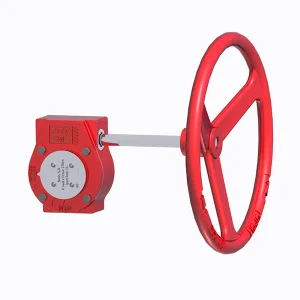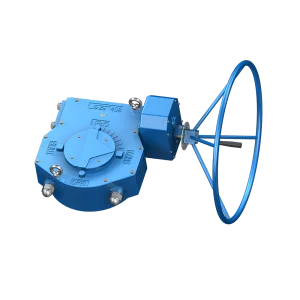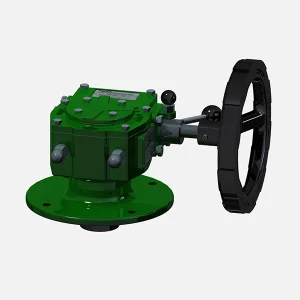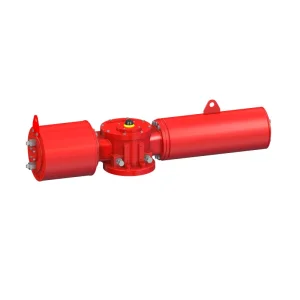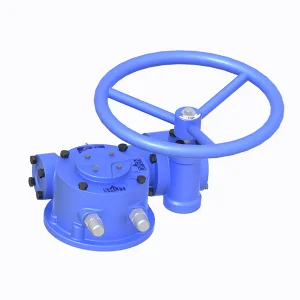
Explore our engineering solutions certified under strict international safety standards, designed to optimize torque delivery and operation cycles.
The global industrial landscape relies heavily on process automation to ensure efficiency, safety, and repeatable quality. At the heart of this transformation is the Pneumatic Ball Valve Actuator. Modern process industries—spanning petrochemical, pharmaceutical, energy generation, water purification, and marine engineering—increasingly deploy pneumatic actuators to automate quarter-turn valves under critical conditions.
Unlike electric alternatives, pneumatic actuators offer intrinsic safety in explosive atmospheres (ATEX zones), higher stroke speeds, and unmatched resilience under continuous duty cycles. According to global industrial reports, the transition towards smart infrastructure and predictive valve control has accelerated the demand for actuators equipped with integrated positioners, limit switches, and manual override capabilities. Geopolitical shifts have also driven global buyers to source components from factories that combine technical compliance (such as CE certification) with resilient local supply chains capable of delivering custom configurations under strict lead times.
"Industry 4.0 integration demands that valve control assemblies behave as smart components. A CE-certified pneumatic actuator guarantees not just safety, but the thermodynamic efficiency and operational reliability necessary to protect upstream pipeline assets."
Why CE-marked pneumatic valve actuators are critical for cross-border operations, safety directives, and regulatory framework alignments.
For industrial machinery operating in the European Economic Area (EEA) and global markets matching these compliance architectures, CE Certification is not a mere label—it is an absolute legal and functional mandate. A pneumatic actuator operates under pressure, meaning it falls under several European Union directives:
| Directive Name | Reference Code | Implication for Pneumatic Actuators |
|---|---|---|
| Pressure Equipment Directive (PED) | 2014/68/EU | Ensures the shell and chambers of the actuator can withstand rated pressure cycles without structural degradation. |
| Machinery Directive | 2006/42/EC | Validates the mechanical integration, moving parts protection, and safety loops. |
| ATEX Directive | 2014/34/EU | Essential for actuators deployed in explosive atmospheres, verifying spark-free manual overrides and static discharge prevention. |
As an established CE-certified manufacturer, Stard-gears ensures that every pneumatic actuator shell, piston, seal kit, and gearbox manual operator is tested for pressure limits and mechanical wear resistance. The CE compliance pathway requires strict verification of material certifications (EN 10204 3.1), strict structural calculations via FEA, and functional safety tests. For global procurement officers, sourcing CE-marked components dramatically reduces the risk of regulatory delays during field installation and plant audits.
Found in 1999, Stard-gears is located in the Suzhou Industrial Park, a premier high-tech manufacturing corridor in China. The plant covers 8,900 square meters, complemented by a 2,500 square meter office complex designed for engineering and design coordination.
With annual sales reaching $7,000,000—reflecting a steady growth rate of 10% to 20% per year—Stard-gears operates under a certified ISO9001 quality management system. The facility maintains an annual production capacity of up to 100,000 sets.
By anchoring operations in Suzhou within China's Yangtze River Delta region, Stard-gears leverages a highly integrated supply chain. This strategic localization ensures access to high-grade castings, precision machining, and specialized sub-components, enabling rapid delivery cycles and strict quality control. Over the last 10 years, these products have been exported to critical global hubs, including the United States, Italy, Germany, Mexico, Singapore, and Japan.
Utilizing dynamic simulation and finite element analysis (FEA) to ensure structural safety and long-term mechanical reliability.
The design phase determines the lifespan of a pneumatic ball valve actuator. Through 3D simulation, dynamic simulation, and finite element analysis (FEA), Stard-gears engineers virtually verify the mechanical integrity, stress concentration areas, and thermal profiles of each new actuator before manufacturing. This digital validation shortens the development cycle, optimizes weight-to-torque ratios, and prevents field failures.
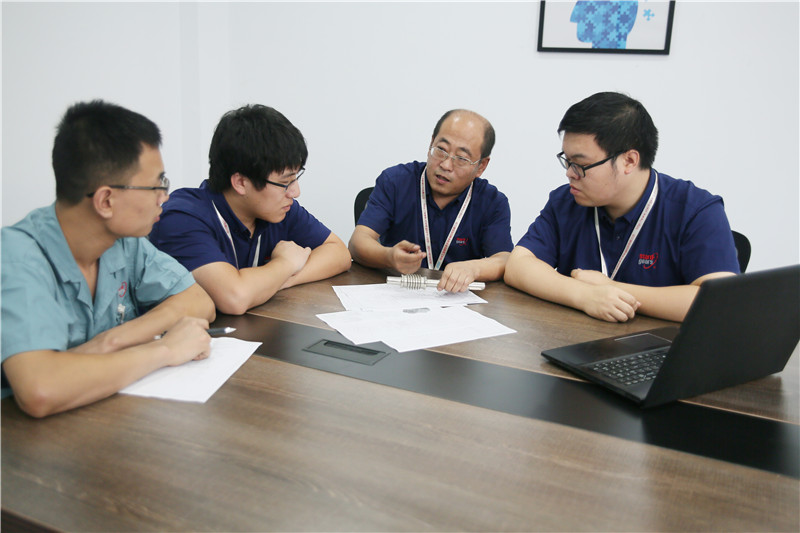
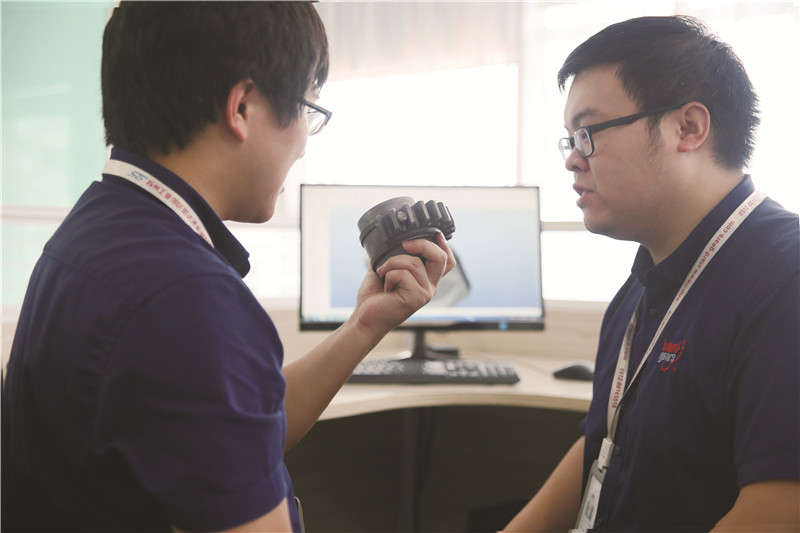
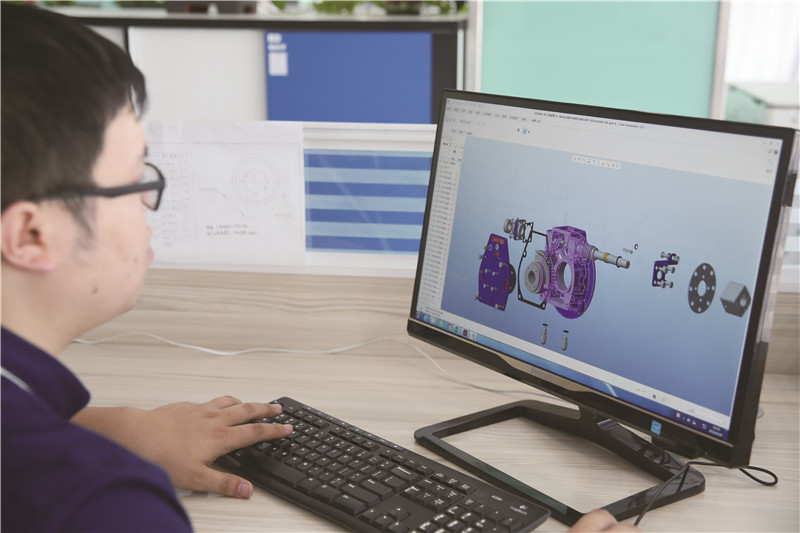
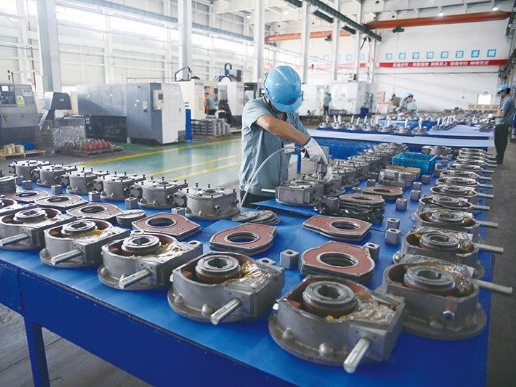
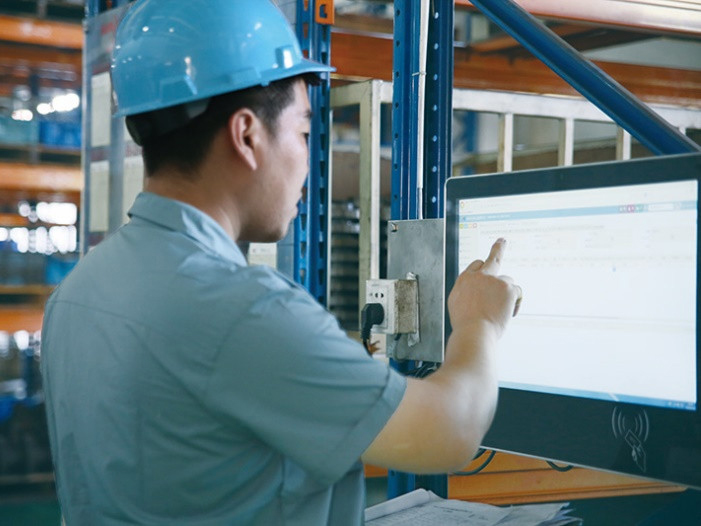
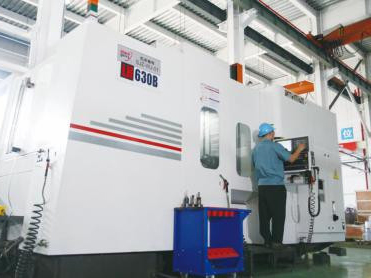
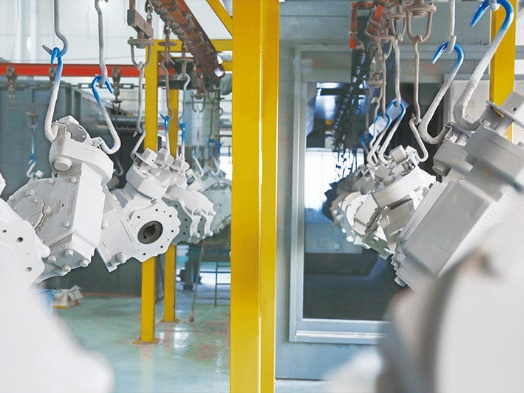
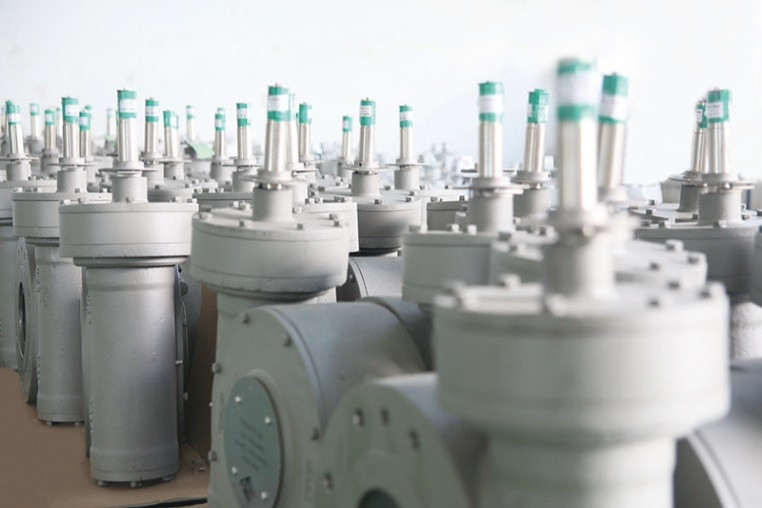
A look inside the Suzhou manufacturing base, where ERP-guided production pathways translate specifications into reliable hardware.
Real-time supervision is integrated into the production floor. Stard Automation utilizes a comprehensive ERP management system to monitor the schedule of each customer order. This visibility ensures that production runs match delivery targets, minimizing lead times. The annual output value of the Suzhou plant can reach $9,000,000, supporting a yearly production capability of 100,000 sets of actuators and valve control accessories.
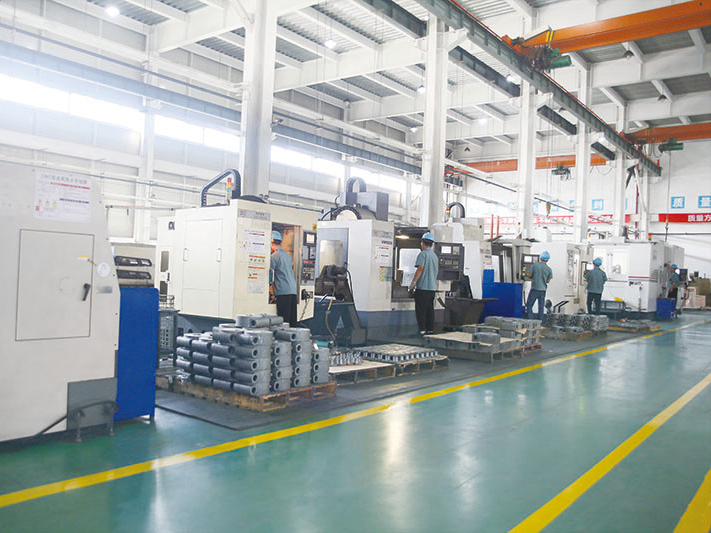
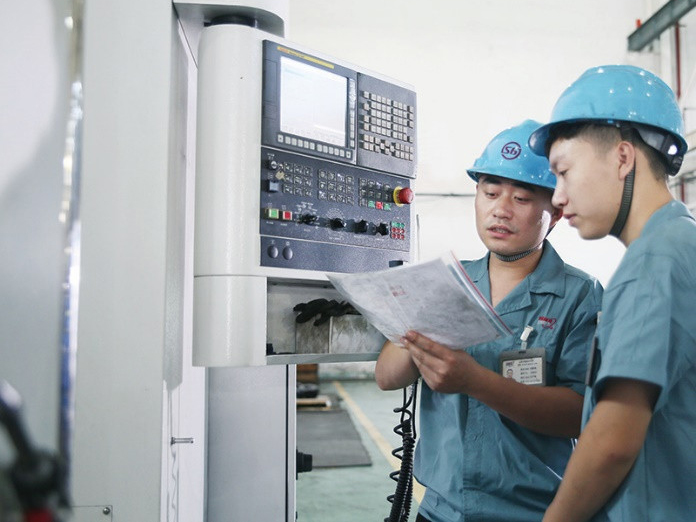
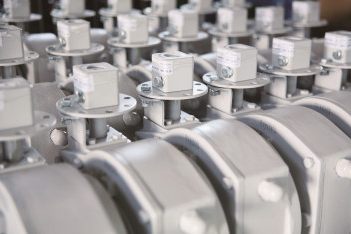
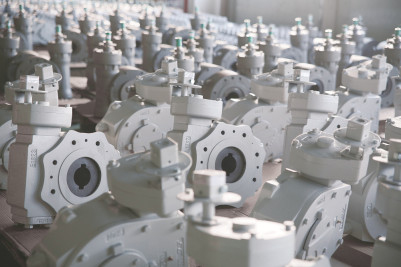
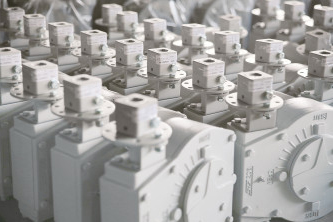
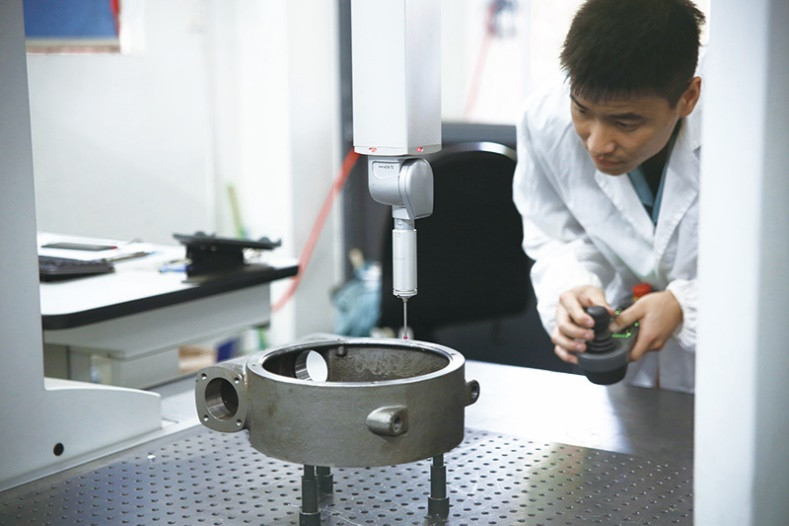
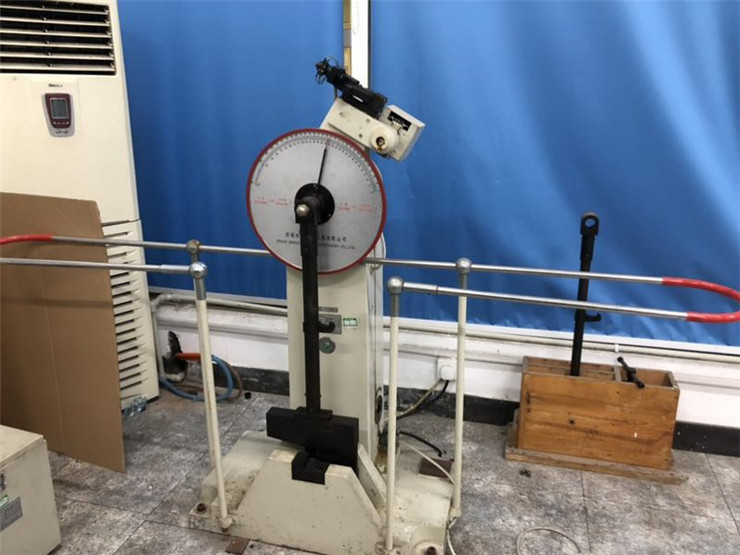
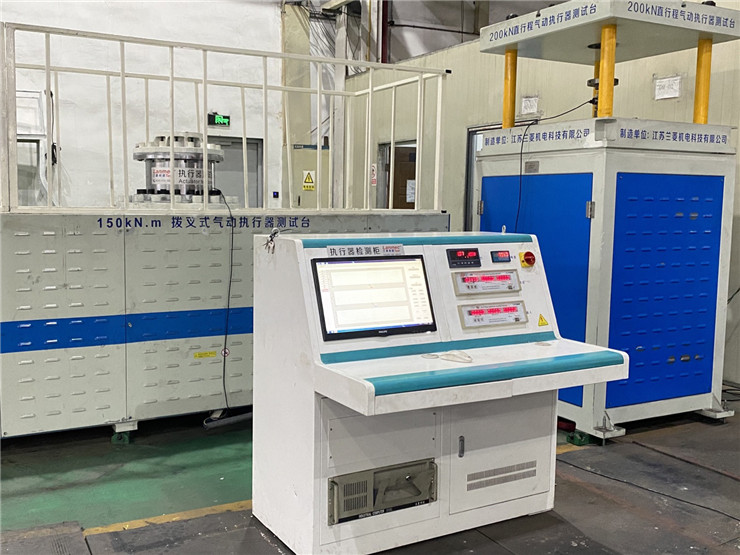
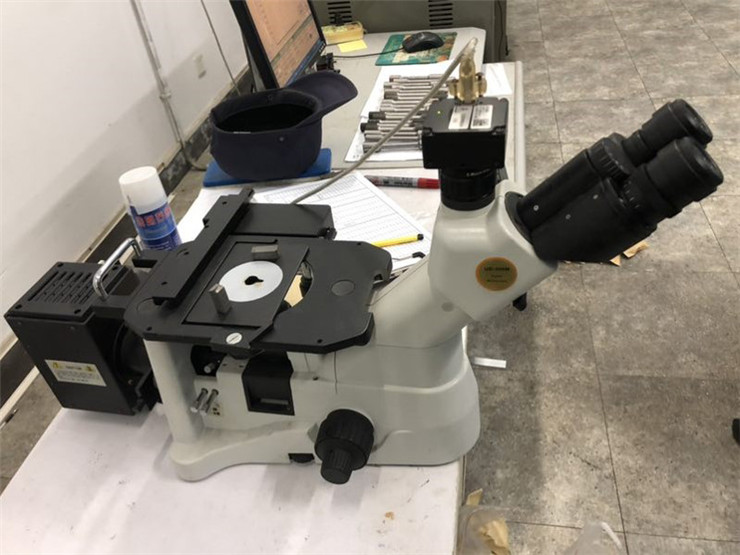
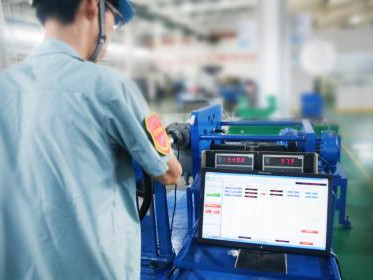
100% inspection pipelines verify dimensional accuracy, torque characteristics, and operating lifespans.
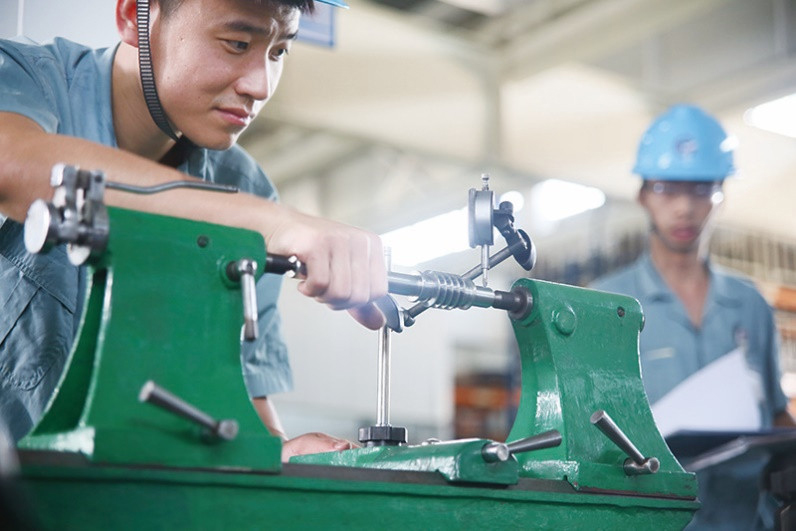
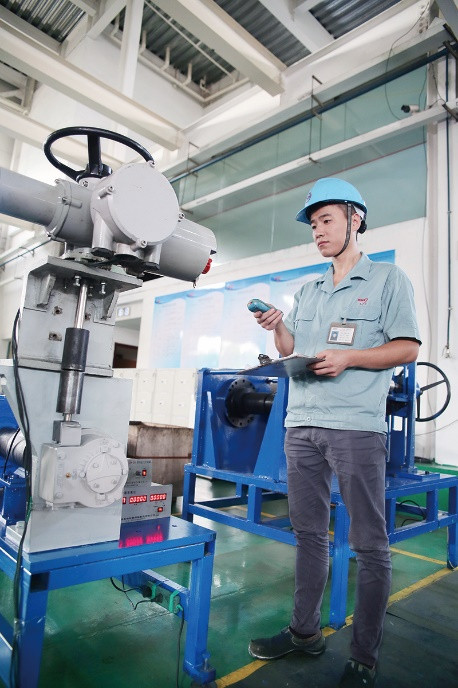
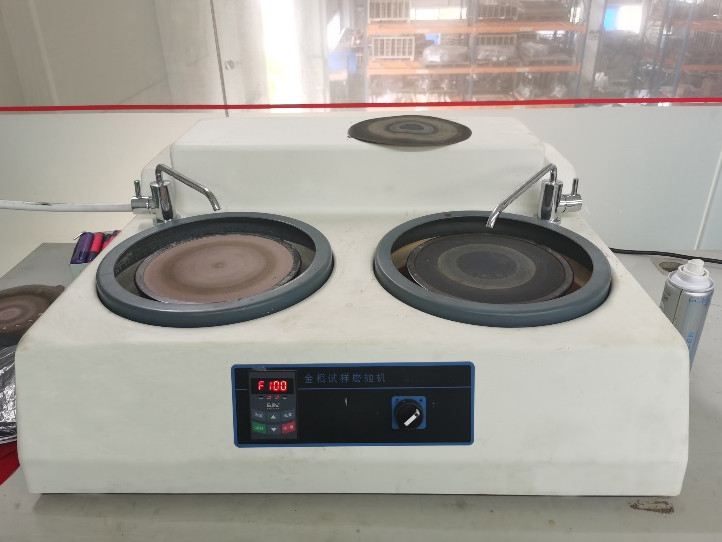
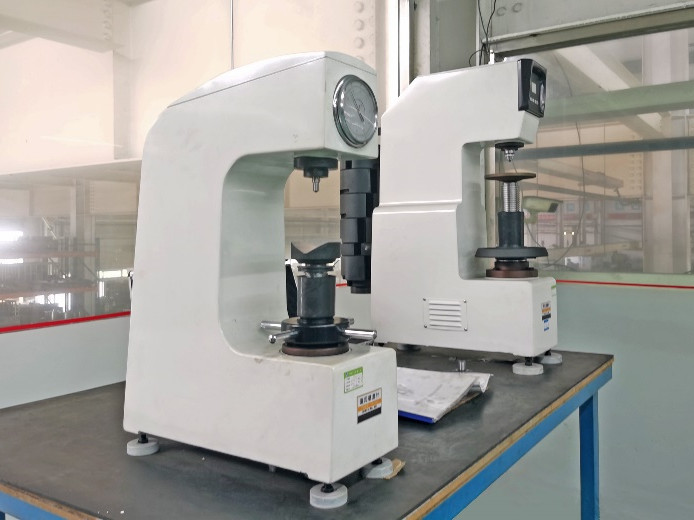
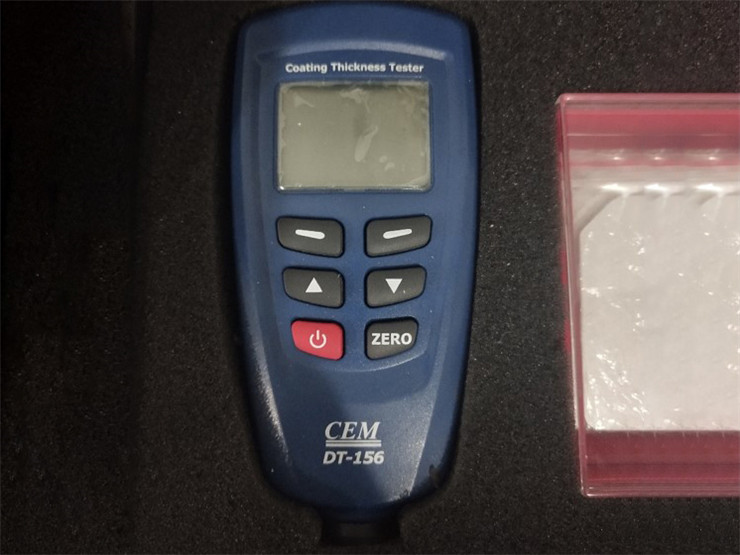
To maintain quality across manufacturing cycles, Stard Automation employs full-time QC inspectors at key stages of the assembly line—spanning incoming raw materials, in-process machining, and final functional testing. This quality gate system ensures that assemblies are fully qualified before dispatch. Custom test benches measure exact torque outputs and complete cycle endurance runs to confirm long-term field reliability.
Matching critical flow control parameters to chemical processing, municipal water treatment, energy, and marine systems.
Pneumatic actuators control the transport of hydrocarbons under high thermal and mechanical loads.
For municipal filtration systems requiring reliable quarter-turn operations over thousands of cycles.
Engineered to withstand high salinity, high moisture, and constant mechanical vibration.
The future of industrial process automation depends on intelligent, modular, and energy-efficient systems. Stard-gears aligns its development cycles with these trends by integrating diagnostic electronics and smart materials into traditional pneumatic configurations.
Key development areas include:
Stard-gears targets a 30% increase in mechanical duty cycles through optimization of seal profiles and low-friction internal coatings. Research into advanced geometry rack-and-pinion interfaces aims to minimize torque loss at high travel ranges.
Engineered answers to common technical, sizing, and compliance questions faced by instrumentation engineers.
Explore our complete range of manual overrides, bevel gears, linear actuators, and specialized valve gearboxes.