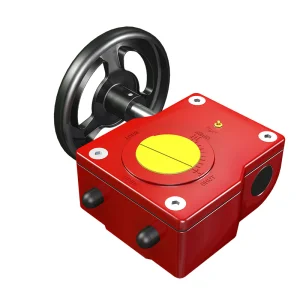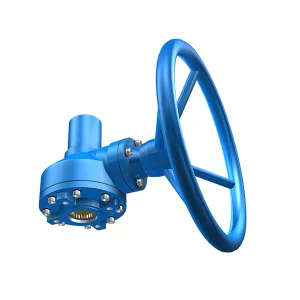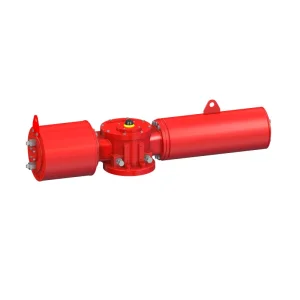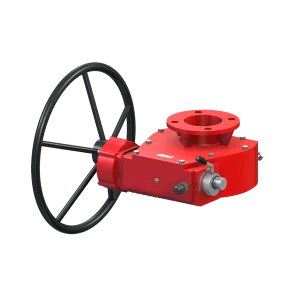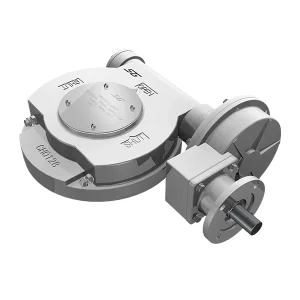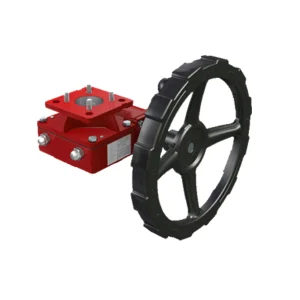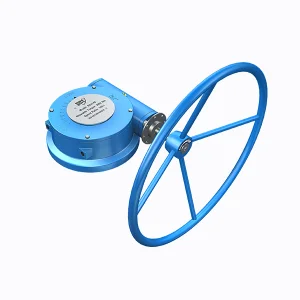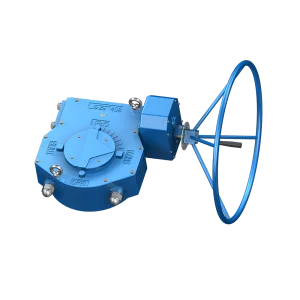
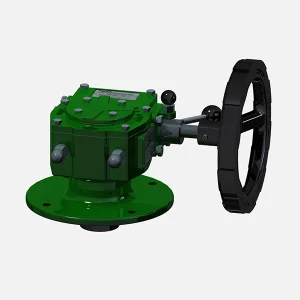
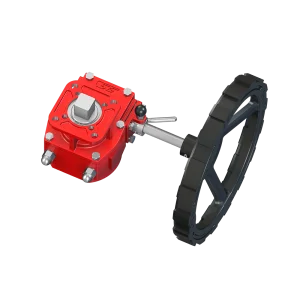
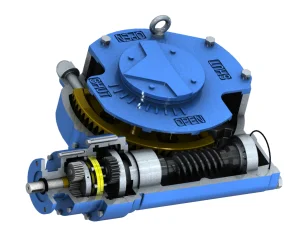
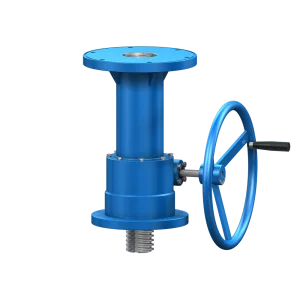
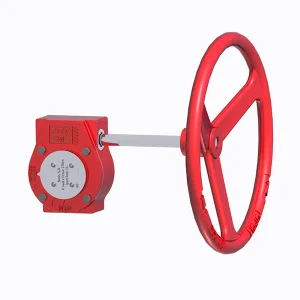
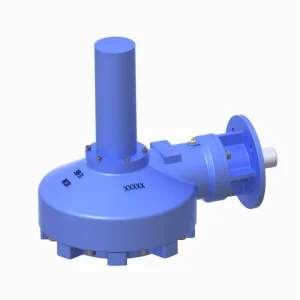
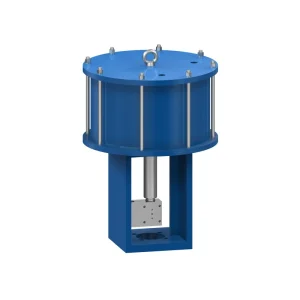
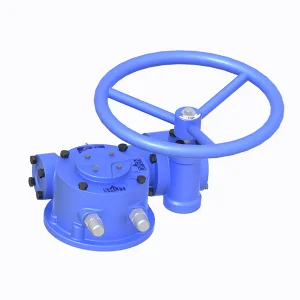
Modern industrial automation requires compact power transmission components that do not compromise on torque density, positioning accuracy, or compliance. As environmental and safety regulations tighten globally, the engineering profiles of small worm gearboxes have undergone rapid optimization.
The core challenge of worm gear pairs is the sliding action between the worm and the worm wheel, which introduces friction and heat. Modern manufacturers are replacing traditional cast irons with advanced aluminum bronze alloys (such as QAl9-4 or CuAl10Fe3Mn2) for the wheel ring, paired with case-hardened alloy steels (like 20CrMnTi) for the worm shaft. This combination dramatically lowers friction coefficients, enhances resistance to pitting, and increases the thermal torque limit of small housings.
For applications in underground pipe networks, marine environments, and chemical processing, ingress protection is paramount. CE certification requires structural reliability under wet and dust-heavy conditions. Integrating double-lip NBR or FKM (Viton) seals, filled with high-grade synthetic lubricants, allows small gearboxes to achieve IP67 or IP68 ratings. This eliminates the risk of lubricant degradation and protects internal gear dynamics from premature failure.
The dawn of Industry 4.0 has introduced sensors within gearbox architectures. By adding micro-vibration and temperature sensors directly inside the casting cavities of quarter-turn manual and declutchable gearboxes, operators can monitor wear metrics and predictive maintenance intervals. This integration reduces unexpected downtime and lowers total cost of ownership (TCO) across complex processing plants.
Established in 1999 within the Suzhou Industrial Park, Suzhou, China, Stard-gears is a premier global innovator in valve control technologies. Our modern industrial complex encompasses 8,900 m² of highly optimized manufacturing plants alongside a 2,500 m² technology R&D center.
Positioned in the Yangtze River Delta, Stard-gears capitalizes on a highly consolidated supplier network. This proximity enables us to source top-tier raw castings, precision machining processes, and premium internal components under optimized lead times, securing both structural quality and competitive price advantages. Our operations comply with ISO9001 quality management system guidelines, helping our annual sales maintain a consistent growth rate of 10% to 20%. Our components are exported to major industrial centers, including the United States, Italy, Germany, Mexico, Singapore, and Japan.
Before moving to physical production, Stard-gears engineers use advanced software suites to virtually model, run kinematic simulations, and stress test every single component. This practice prevents mechanical failure points, balances load-bearing distribution, and reduces the time required to complete custom design projects.
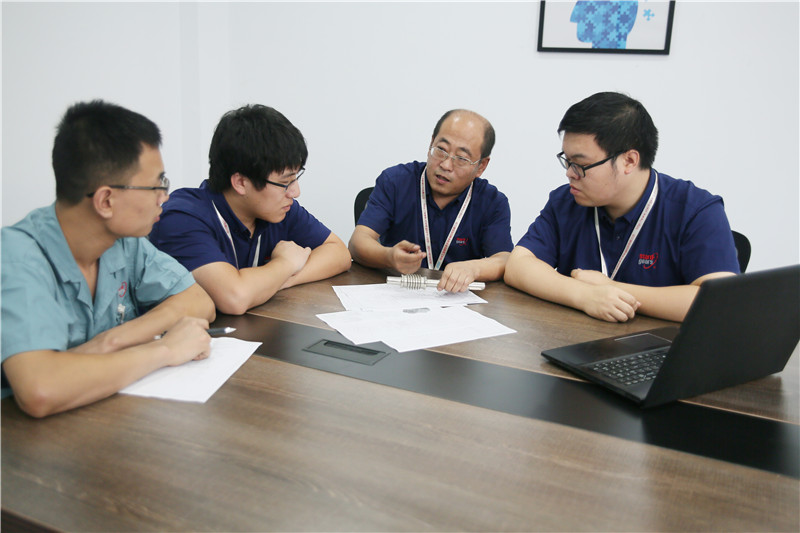
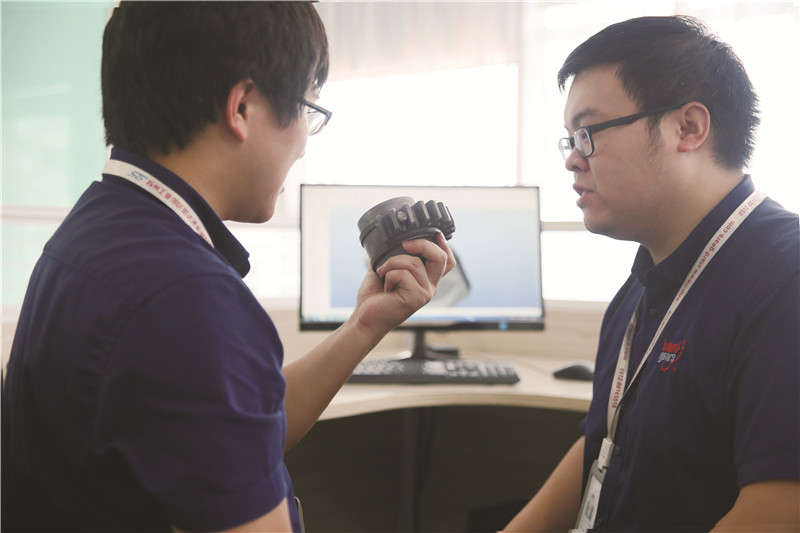
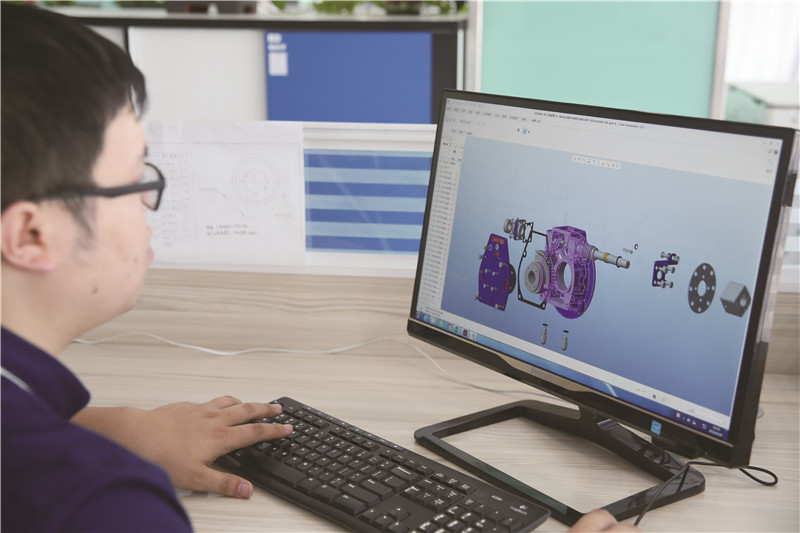
Our manufacturing facility uses an integrated enterprise resource planning (ERP) system to trace and organize production steps. This ensures clear tracking of scheduling, parts allocation, and machining progress for every customer order.
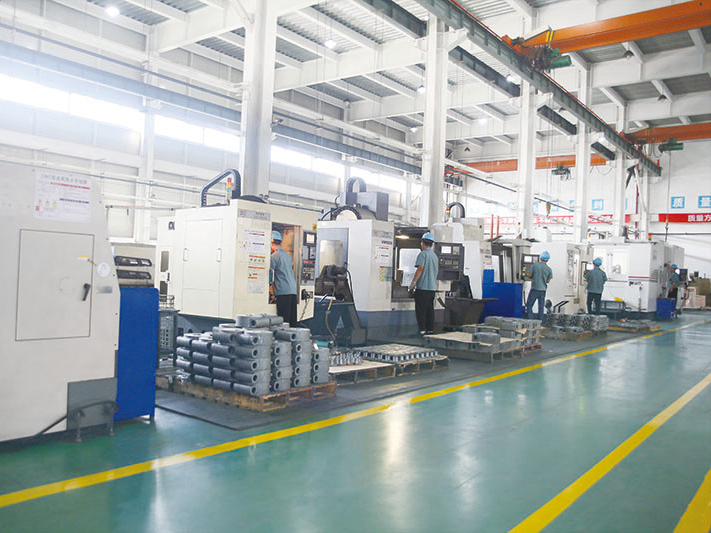
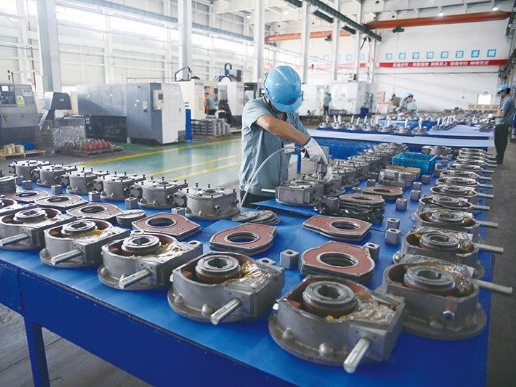
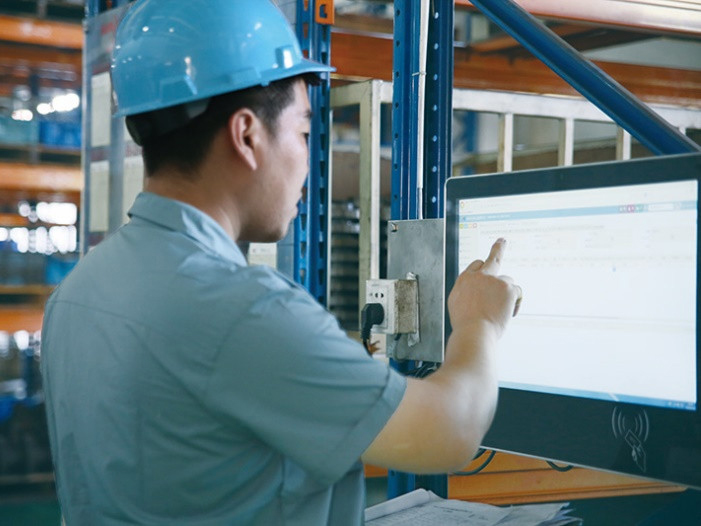
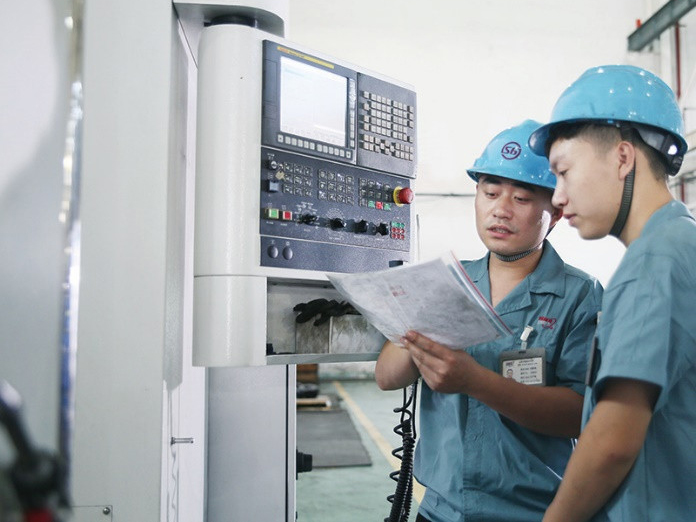
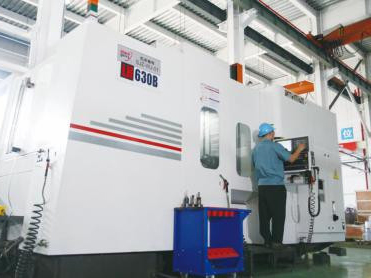
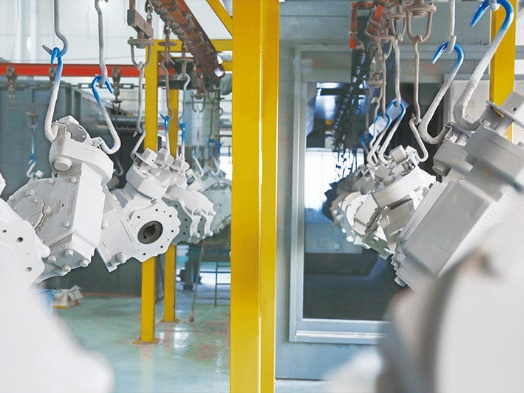
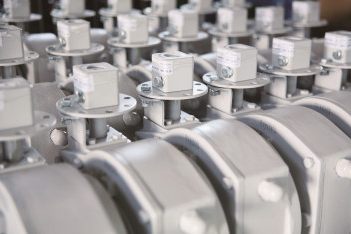
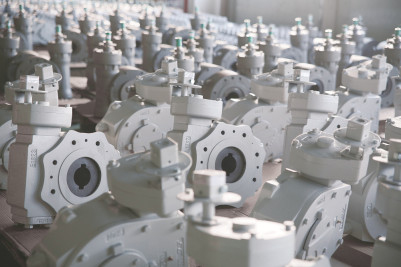
Our Suzhou plant's production line is scaled to produce up to 100,000 valve control gearbox sets annually, yielding an annual capacity of $9,000,000. Through ERP tracking, our engineering managers can scale assembly pathways to accommodate rapid, high-volume orders without causing bottlenecks in customized manufacturing steps.
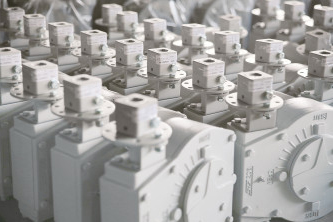
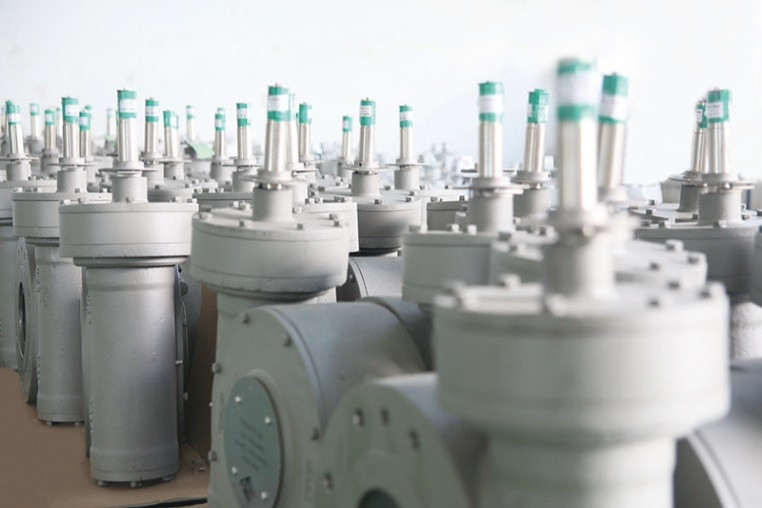
By combining high-precision CNC machining centers with semi-automated assembly tables, we maintain dimensional tolerances on housing bores down to the micron scale.
CE compliance requires strict adherence to machinery and pressure safety standards. Stard-gears maintains dedicated quality control teams at every stage of the manufacturing cycle, verifying that all output is 100% qualified before packaging.
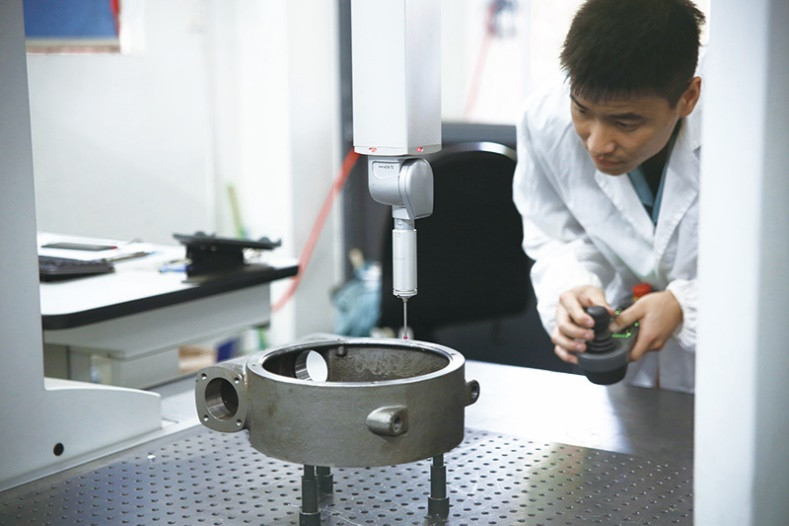
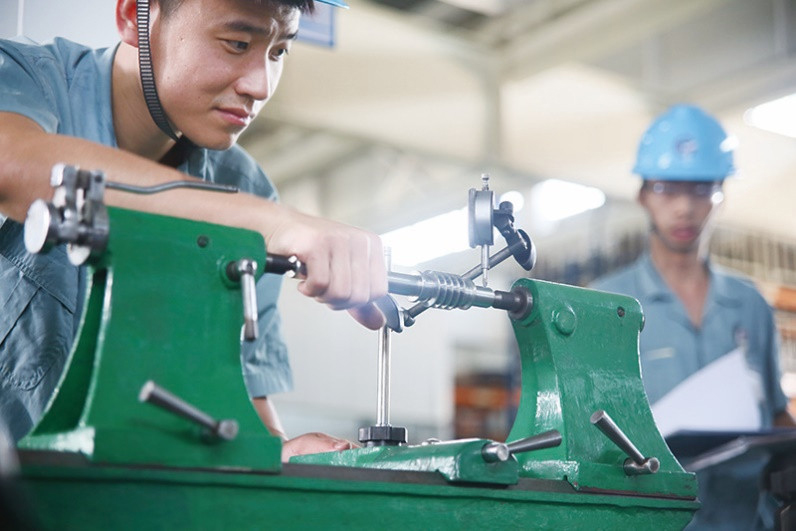
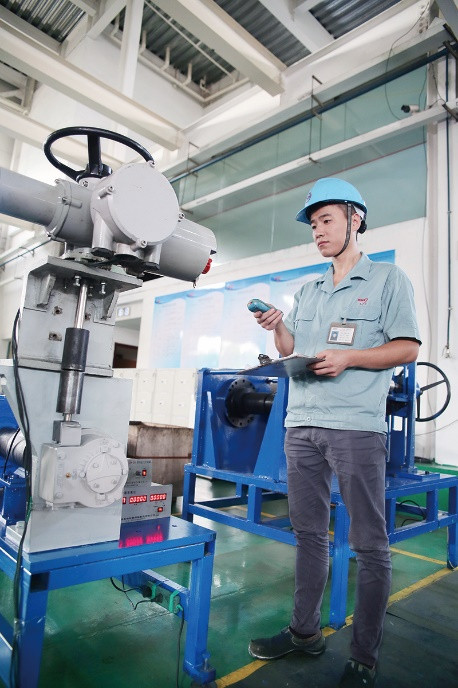
Every casting batch (whether cast iron, ductile iron, carbon steel, or aluminum alloy) undergoes spectroscopic and tensile strength verification. This guarantees that the gearbox housing can withstand high internal pressurization and sudden mechanical shock loads without brittle fracture.
Using specialized torque-testing dynamometers, we plot input-output torque response curves. This testing verifies the efficiency profile of the worm gear pair and ensures the self-locking margin meets safety tolerances, preventing accidental valve closure.
Gearbox designs are subjected to accelerated life-cycle testing protocols. By replicating up to 10,000 continuous operating cycles under full design load conditions, our QA teams can verify that mechanical wear profiles remain within acceptable boundaries.
Our metrology laboratory houses high-precision testing machinery used to verify dimensional metrics, concentricity, and structural hardness across all gearbox components.
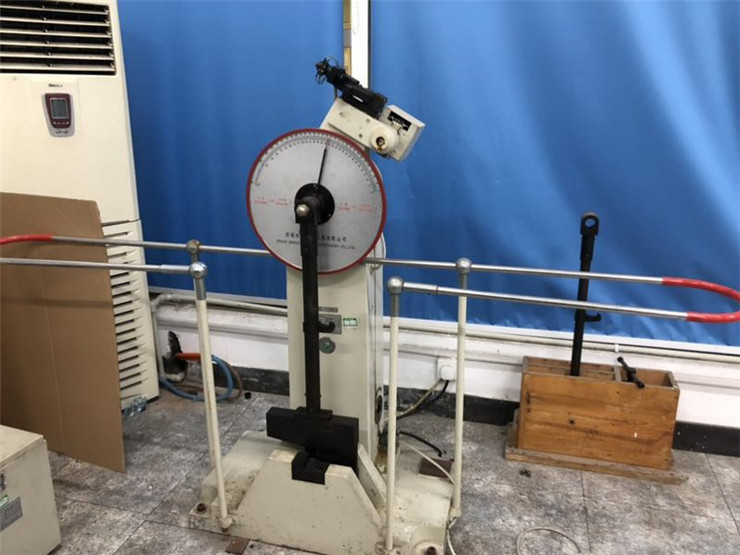
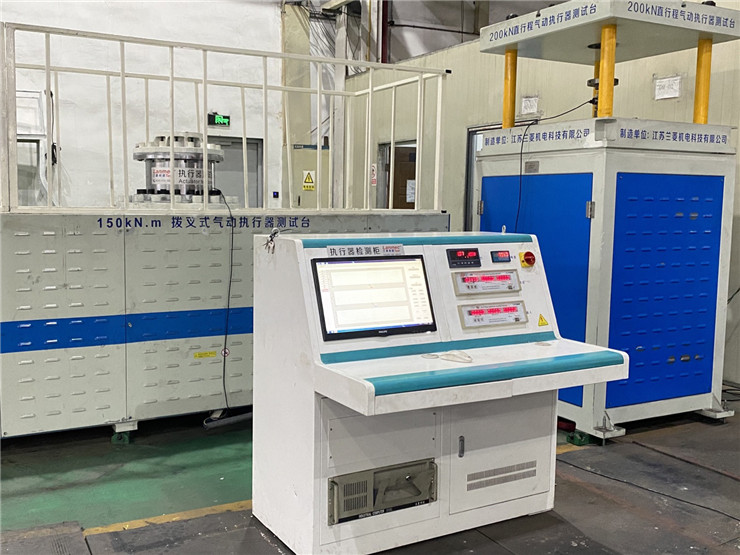
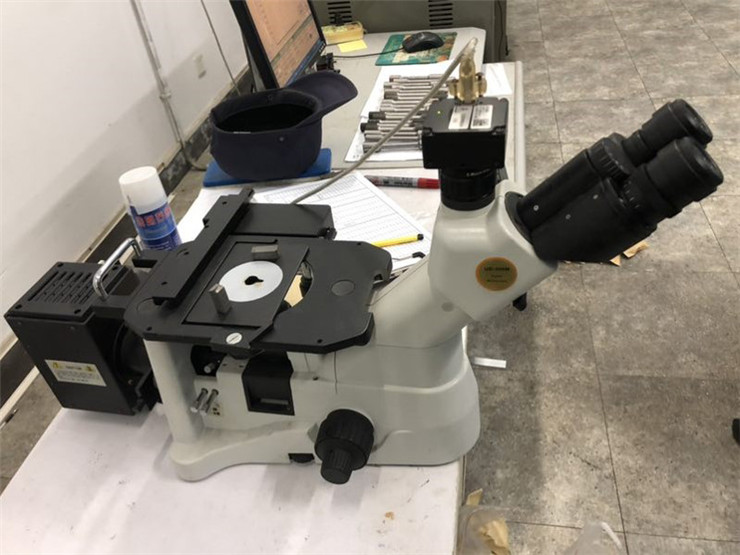
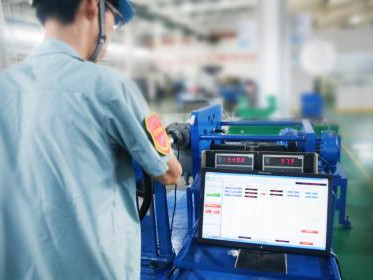
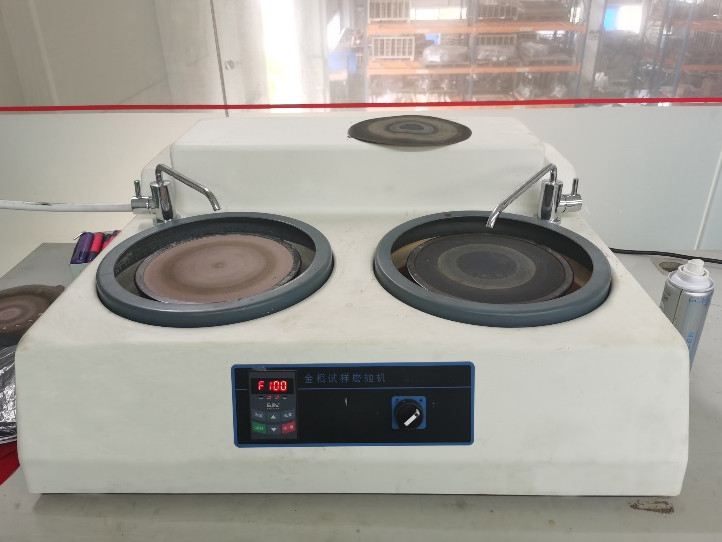
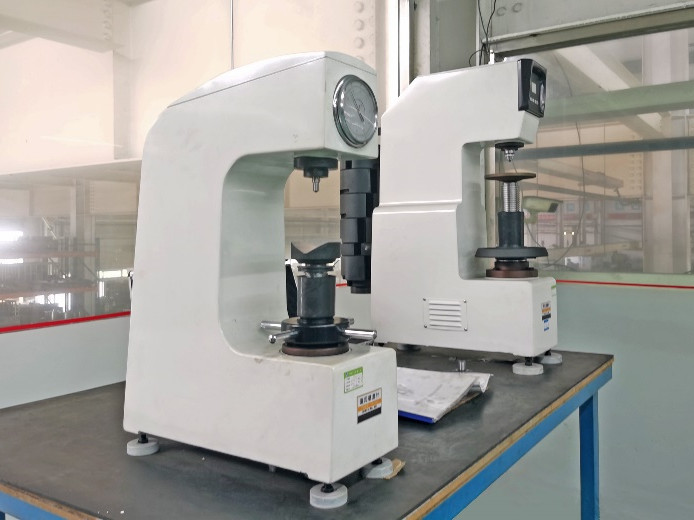
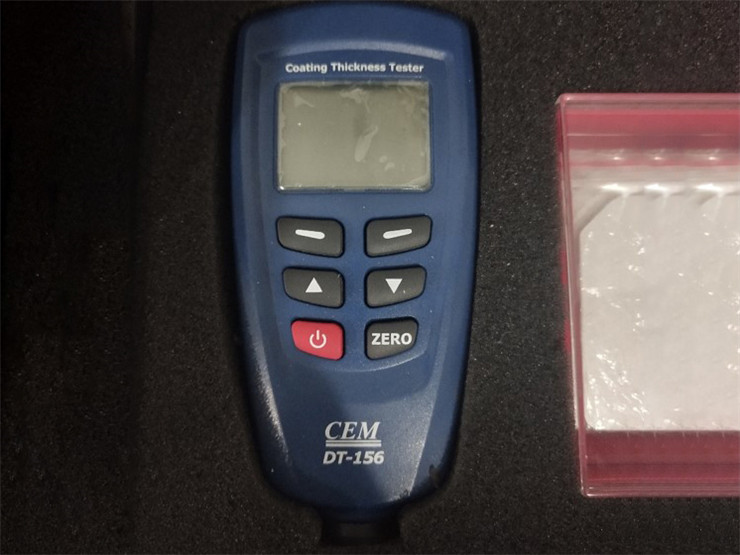
Our QC laboratory performs regular calibrations on shaft bores and keyways to prevent backlash errors and ensure precise actuator alignment.
Procurement engineers face complex technical compliance requirements when sourcing worm gearboxes for multinational piping systems, industrial plants, and utility facilities. Our products are designed to meet these international standard requirements.
Our gearboxes are designed to meet EN 15714-2 guidelines, which define durability requirements for valve accessories. By combining CE certification with optional ATEX (Directive 2014/34/EU) compliance, we supply equipment that is certified safe for explosive chemical environments, gas transport infrastructure, and powder-heavy processing plants.
To simplify engineering integration, our output flanges conform to ISO 5211 standard configurations. This guarantees easy compatibility with global valve brands, allowing direct connection to ball, butterfly, and plug valves without requiring custom adaptation plates or shaft keys.
Whether managing deep-sea municipal water distribution at high relative humidity or oil processing installations in desert heat, we offer customizable coatings (including C4 and C5-M high-durability epoxy paint systems) along with specialized lubricants to ensure long-term operational reliability.
Optimized handwheel ratios reduce operating effort, while IP68 protection supports long-term submersion and buried underground installations.
Ductile iron and cast steel structures prevent cracking under extreme pressure and thermal cycles, conforming to API standards.
Engineered to withstand steam line vibrations. Self-locking gear designs prevent butterfly valves from blowing open during high-pressure flows.
Quick-release declutch mechanisms allow manual override during pneumatic supply failures, protecting critical processes.
Every product batch is accompanied by a full Declaration of Conformity to Machinery Directive 2006/42/EC. We supply detailed technical files, material test reports (MTRs) to EN 10204 3.1, and hydrostatic test certifications to ensure rapid and hassle-free plant commissioning.
Through our Suzhou headquarters and localized distributor partners, Stard-gears provides around-the-clock engineering support. We assist with custom interface calculations, CAD block integrations, and actuator sizing calculations to simplify project planning.
We maintain strategic inventories of replacement seal kits, worm shafts, and bronze wheels at key distribution points. Our global logistics team manages fast air shipment protocols, ensuring operations remain continuous.
As the valve control landscape shifts toward higher automation and digitalization, Stard-gears is focusing on several key developmental directions:
We are researching envelope-tooth profiles for worm gears to increase surface contact areas. This refinement reduces heat generation, increases mechanical efficiency by 5% to 8%, and lowers the manual input torque required for operation.
To meet the weight-reduction demands of mobile systems, our engineering team is developing carbon-composite and lightweight aluminum alloy hybrid housings that preserve mechanical strength while lowering transportation weight and environmental impact.
By integrating IoT wear sensors and wireless data transmitters, we are working to enable real-time digital twin monitoring. This allows operators to track mechanical backlash changes, grease temperature shifts, and housing stress profiles remotely.