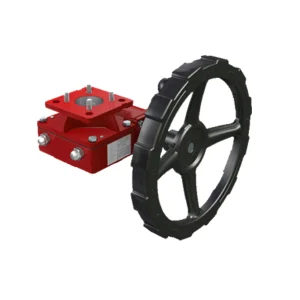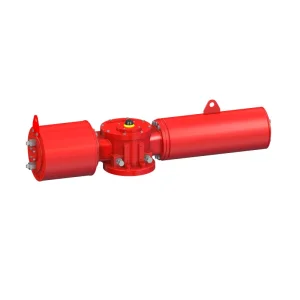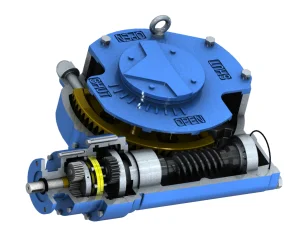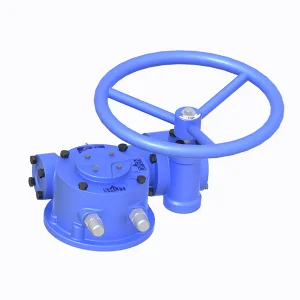
Established in 1999, Stard-gears has positioned itself as an elite pioneer in the industrial valve automation arena. Nestled in the technology-driven Suzhou Industrial Park, our facility commands an extensive footprint consisting of a 8,900 m² heavy manufacturing plant and a 2,500 m² corporate engineering office. With an annual revenue exceeding $7,000,000, reflecting a consistent year-on-year growth rate of 10% to 20%, we run a highly optimized workflow capable of producing 100,000 sets of actuators and gearboxes annually under rigorous ISO9001 quality supervision.
Our core mission revolves around providing robust, high-integrity solutions for environments where process failure is not an option. Operating out of China's Yangtze River Delta, we leverage a world-class manufacturing cluster that guarantees rapid access to high-grade castings, precision CNC machining resources, and standardized alloy steel sourcing. This strategic logistical foundation allows us to maintain shorter lead times without compromising structural integrity or mechanical precision.
In modern valve automation, electrical control elements represent the primary failure vector. Traditional electromagnetic relays and mechanical contactors are prone to contact wear, electrical arcing, and contact sticking under rapid modulating conditions. Triac (Triode for Alternating Current) control technologies replace these mechanical contactors with robust solid-state switching circuits.
A Triac-driven electric actuator utilizes bidirectional semiconductor components to regulate the AC power fed to the actuator motor. Since a Triac operates with no moving parts, it effectively eliminates electrical wear, preventing contact corrosion in corrosive petrochemical or marine environments. Furthermore, because Triacs support Zero-Crossing Switching—where the switch activates only when the AC voltage waveform crosses zero—they drastically reduce Electromagnetic Interference (EMI), protecting neighboring high-sensitivity sensors and PLC networks from power surges.
Unlike electromagnetic relays that pit and weld during rapid duty cycles, Triac switches feature zero mechanical contacts. This guarantees a functional operating life exceeding 2 million modulation cycles.
Zero-crossing detection limits current surges and inrush spike induction. Essential for control loops located near instrumentation lines and SCADA telemetry units.
Our Triac modules feature integrated heat sinking and transient voltage suppressors (TVS), shielding the internal circuitry from line harmonics and extreme ambient temperatures.
Global procurement departments require more than standard components; they demand field-proven systems backed by traceabilities and standardized compliance certificates. Stard-gears designs and develops products that satisfy various international protocols, providing valve control technologies across diverse operational landscapes.
| Sector / Vertical | Operational Requirements | Stard-gears Engineering Solutions | Compliance Standards |
|---|---|---|---|
| Petrochemical & Refining | Corrosive gases, explosion hazards, high ambient heat. | Cast steel, ductile iron and declutchable safety gearboxes with flameproof enclosures. | ATEX, IECEx, CE, ISO9001 |
| Municipal Water & Wastewater | Submersible installations, high moisture, long periods of inactivity. | IP68 rating, epoxy coatings, underground pipe valve gearboxes. | CE Certification, EN 15714 |
| Nuclear Power Generation | Extreme duty-cycle reliability, safety loop redundancy, seismic stress stability. | Multi-turn bevel gear operators, high-efficiency mechanical torque control. | ISO9001, CE Directive compliance |
| Offshore & Marine Operations | Salt spray corrosion, tight space footprint, high torque spikes. | Lightweight OEM Aluminium Alloy Declutchable Gearboxes, highly compact designs. | CE, Salt Spray ISO 9227 testing |
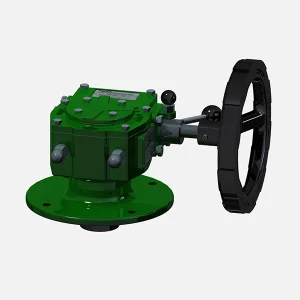
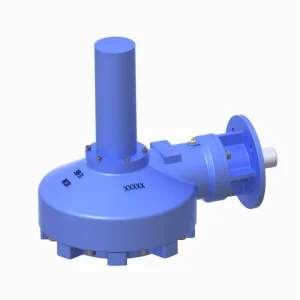
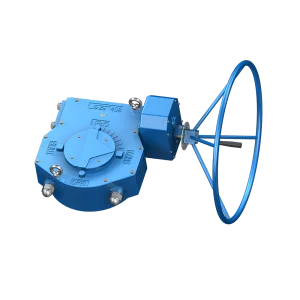
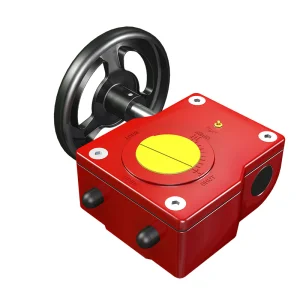
Stard-gears is a modern enterprise that seamlessly integrates research & development, production, sales, and global trade. Driven by the ambition to remain a premier industry leader, we have developed a broad portfolio of valve actuation products.
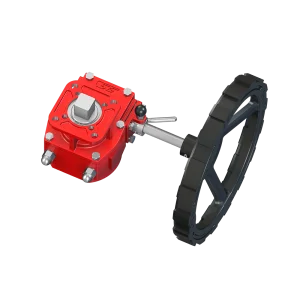
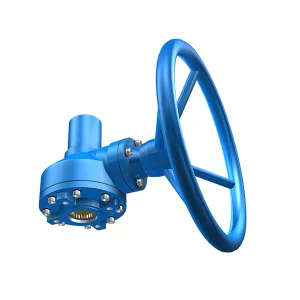
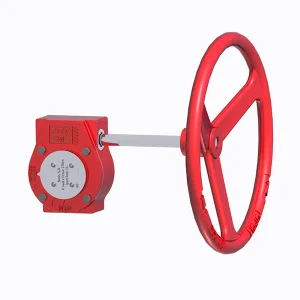
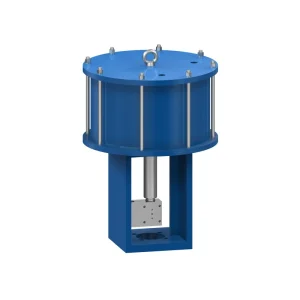
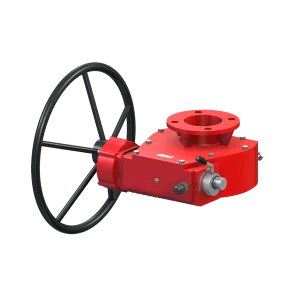
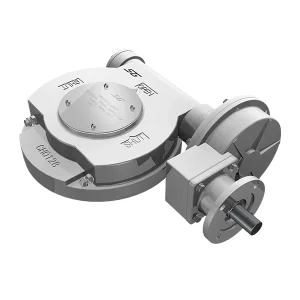
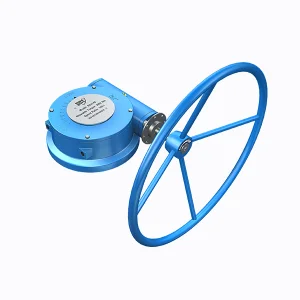
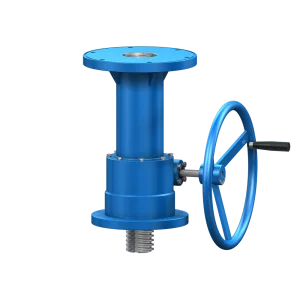
Over the past decade, our product line has expanded to 9 major series encompassing roughly 80 distinct varieties of gear operators and actuators. This range allows engineering procurement teams to standardize their control components across a single supply partner. Today, our products are deployed in key industrial markets worldwide, including:
Guided by our core values of an "excellent reputation, best quality, and perfect service," we work closely with our partners to customize output torques, bracket configurations, and electronic interfaces to suit individual application needs.
To ensure mechanical integrity, our engineers subject all designs to rigorous virtual validation before beginning physical manufacturing. By employing advanced 3D modeling, kinematic dynamic simulations, and Finite Element Analysis (FEA), we assess structural stress points, predict fatigue limits, and optimize internal gear meshing. This engineering-first methodology shortens product design cycles, lowers development costs, and ensures high safety margins for our valves in the field.
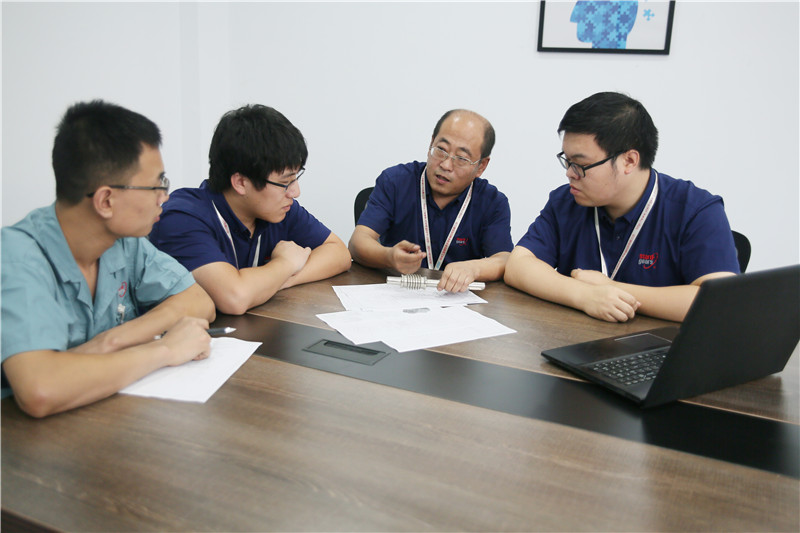 1. Program Communication
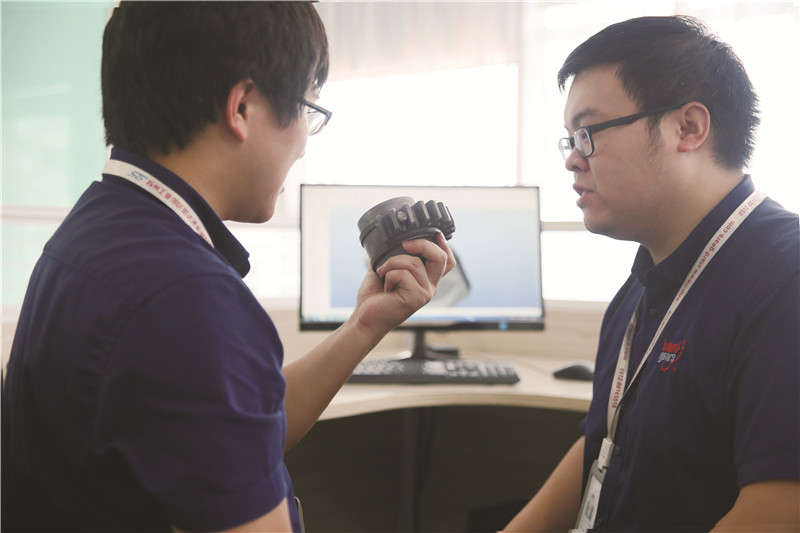 2. Design Communication
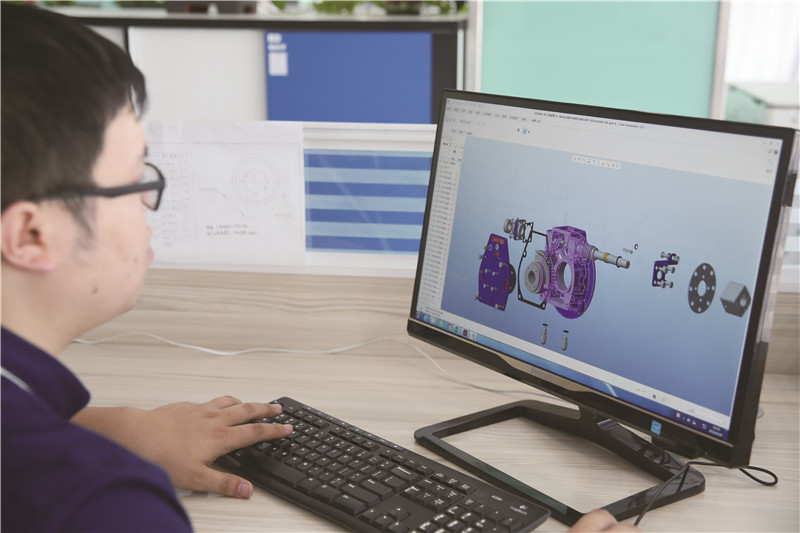 3. Design Drawing
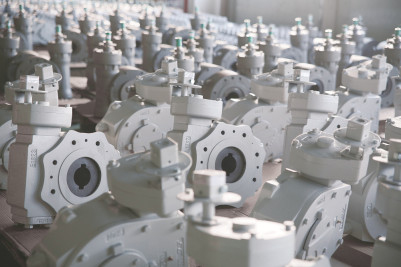
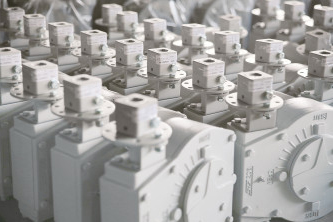
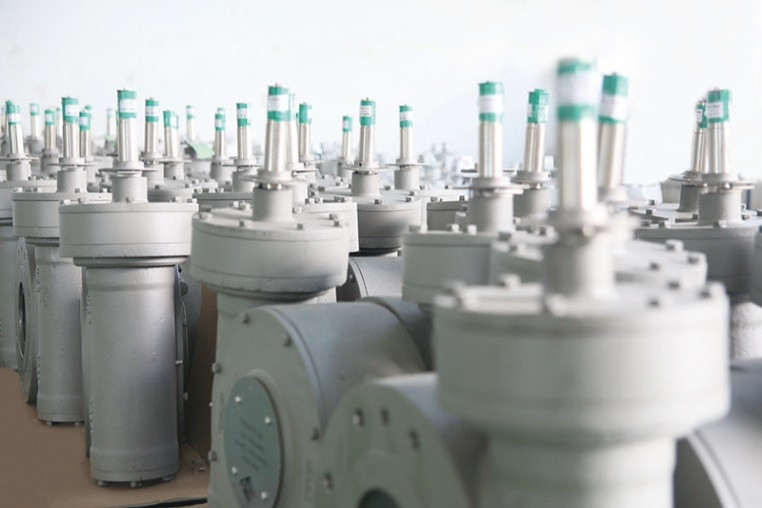
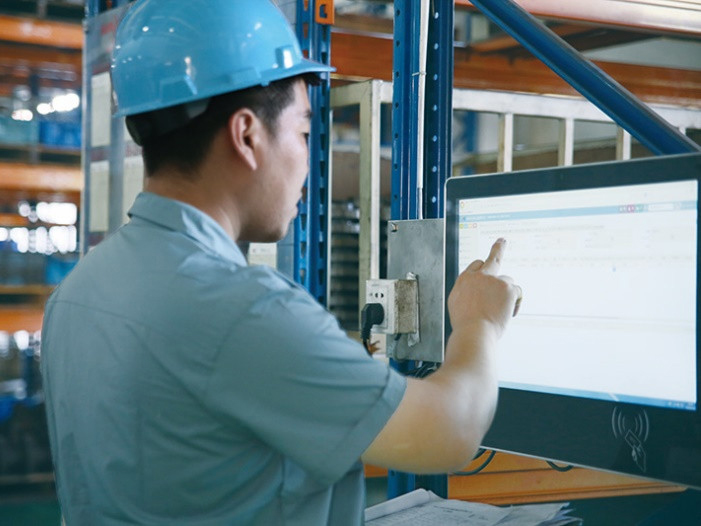
Stard Automation operates an integrated Enterprise Resource Planning (ERP) management system that tracks each customer order from design approval to dispatch. This centralized system provides real-time oversight of production scheduling, component availability, and QA checkpoints. By minimizing manufacturing bottlenecks and optimizing resources, the system helps us maintain stable lead times even during peak demand.
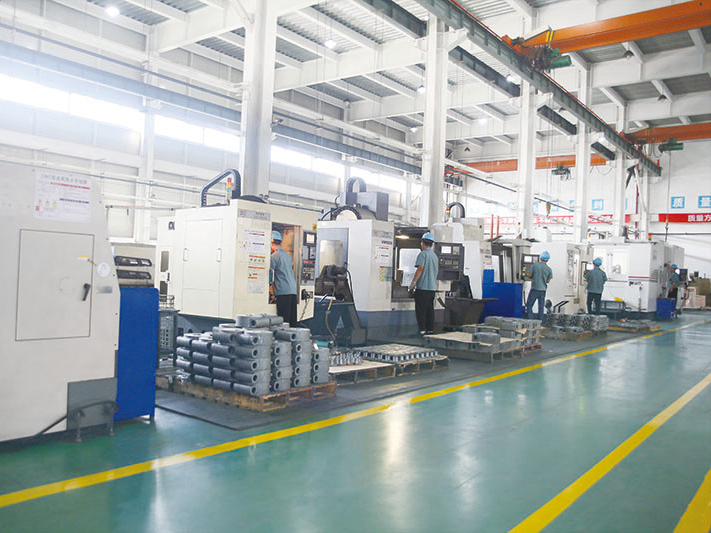
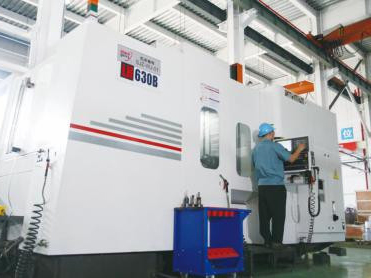
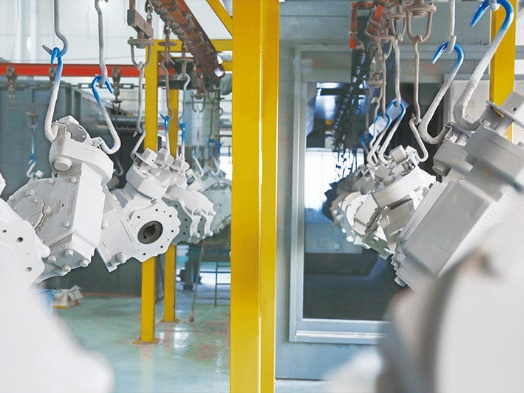
Our factory in Suzhou is engineered for high throughput, delivering an annual production capacity of up to 100,000 sets of valve operators and actuators. This scale translates to an annual output value of approximately $9,000,000. This robust capacity enables us to easily handle large infrastructure projects while remaining flexible enough to process smaller, customized OEM orders.
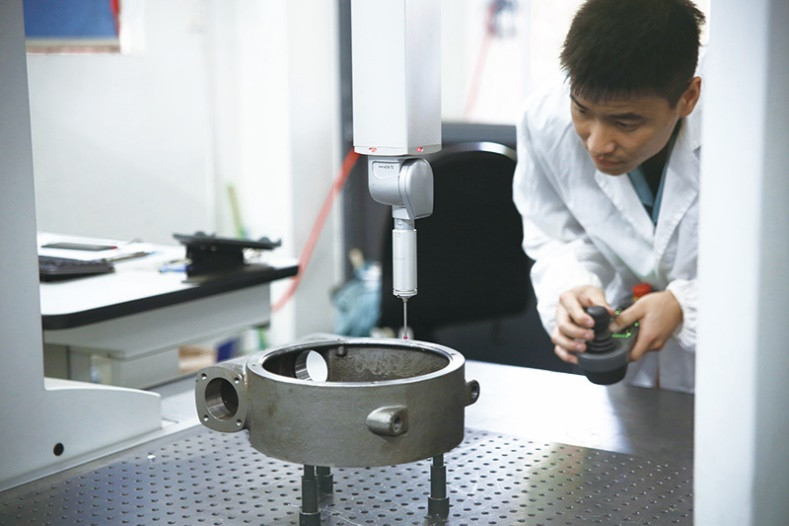
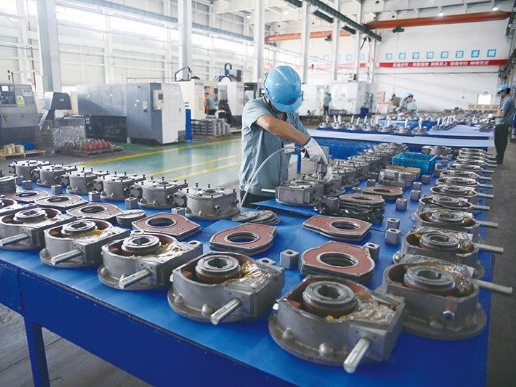
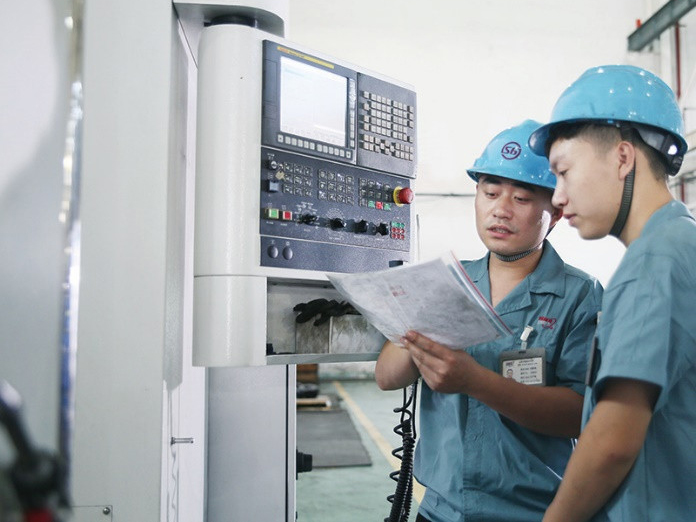
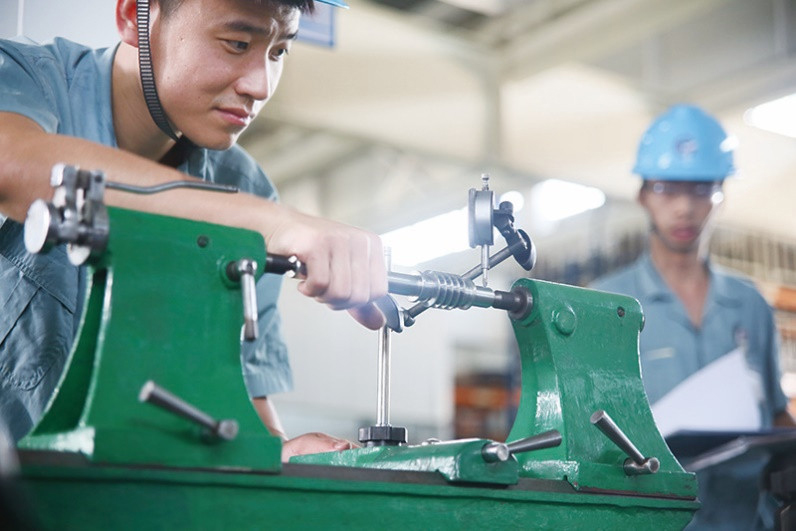
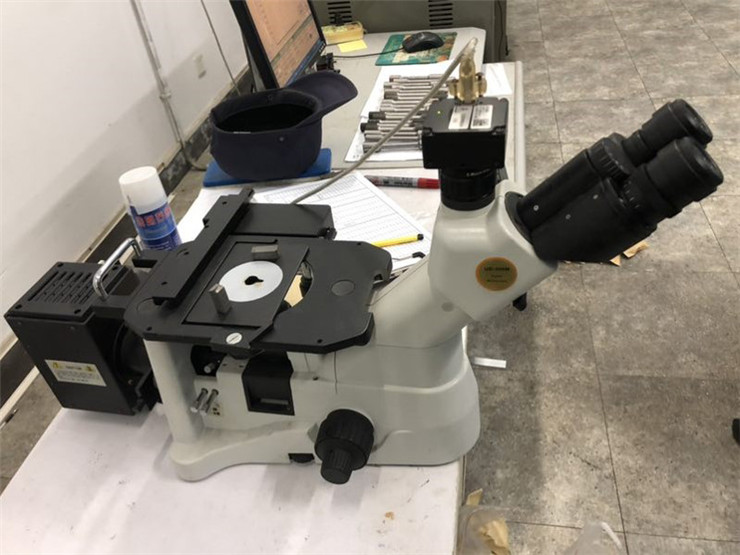
Quality is at the core of our manufacturing philosophy. Stard Automation maintains full-time quality control (QC) specialists at every production stage. Raw castings are inspected upon arrival, critical dimensions are monitored during machining, and final assemblies undergo functional testing. This comprehensive oversight ensures that every product is verified before shipping.
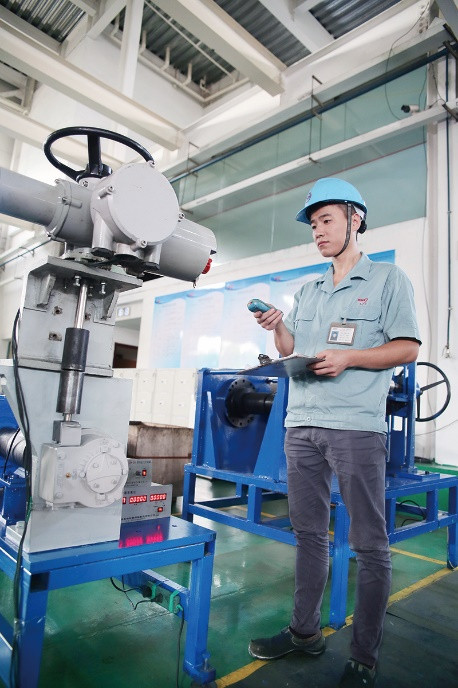
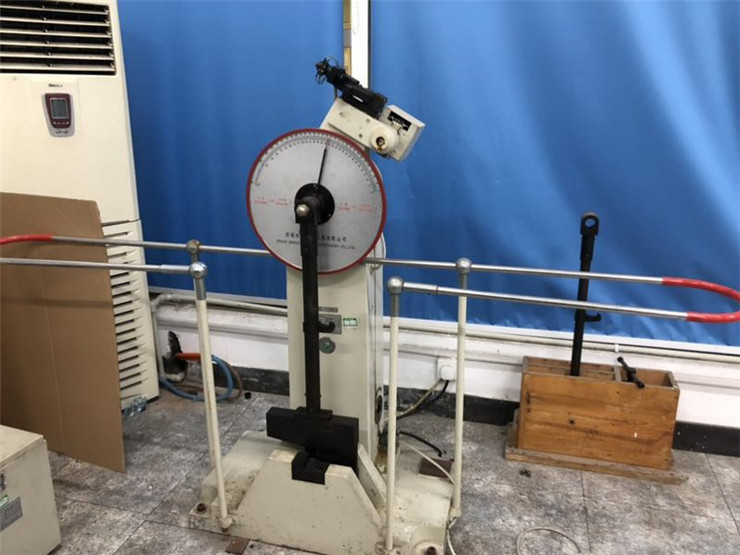
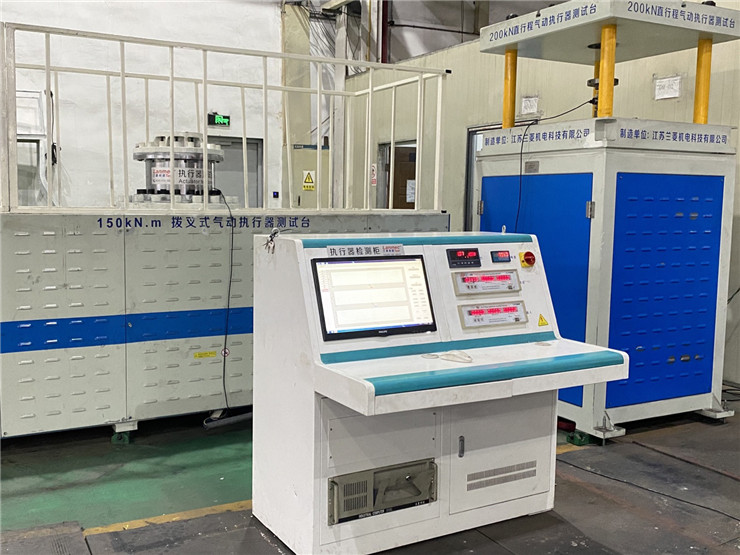
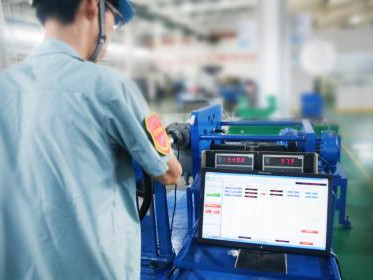
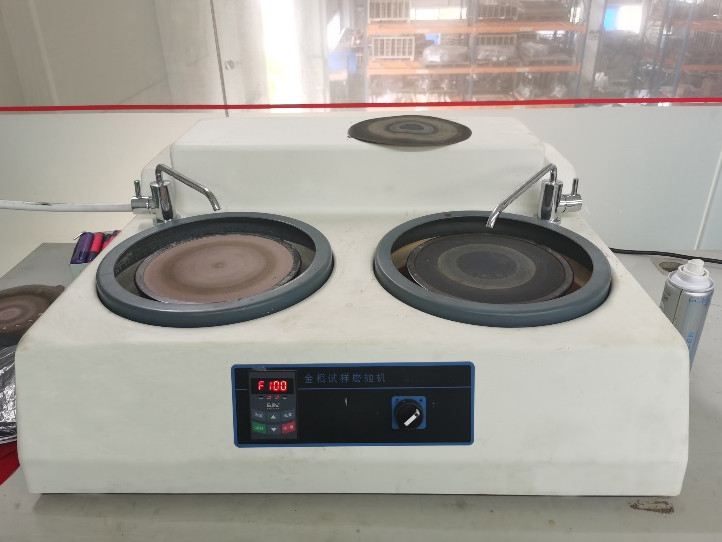
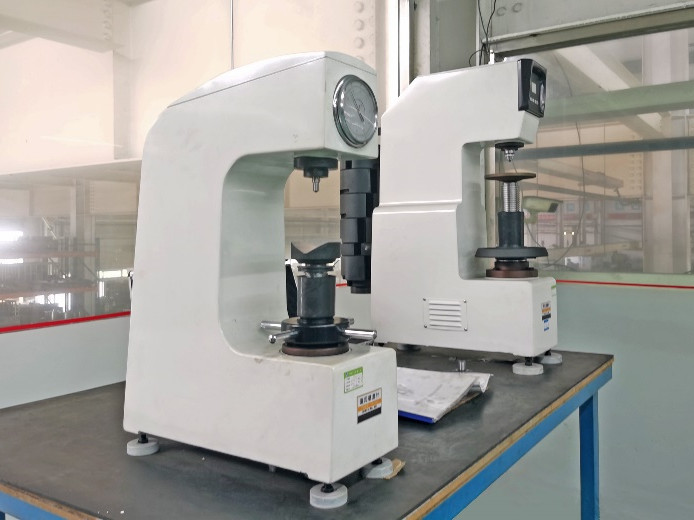
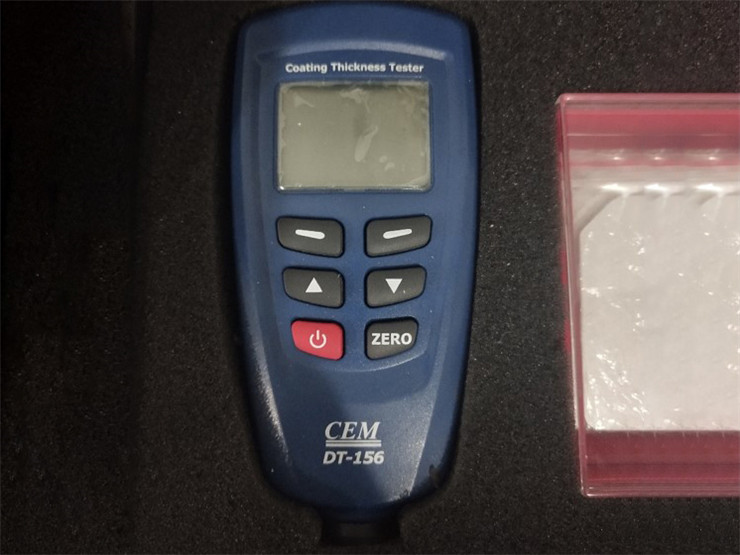
Our facility features advanced inspection and testing equipment, allowing us to perform torque verification and lifecycle testing under simulated load conditions. By validating torque profiles, mechanical clearances, and electronic control interfaces, we ensure that every actuator performs reliably in the field.
As industrial networks shift toward digitalization and edge computing, valve control systems must adapt to become more communicative, predictive, and energy-efficient. At Stard-gears, our development path focuses on three core technological trends:
Incorporating smart communication protocols such as Modbus RTU, Profibus DP, and Industrial Ethernet. This allows for real-time tracking of actuator positions, temperature, and operation statistics from the control room.
By analyzing the voltage profiles and switching speeds of Triacs, the system can detect anomalies early, allowing operations teams to address potential issues before they cause process downtime.
We are redesigning our electrical control stages to reduce idle current draws. High-efficiency solid-state switching minimizes energy waste, aligning with corporate sustainability initiatives.