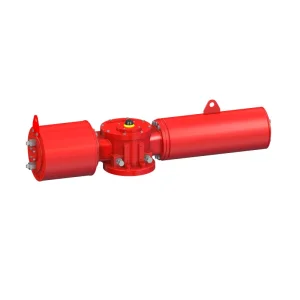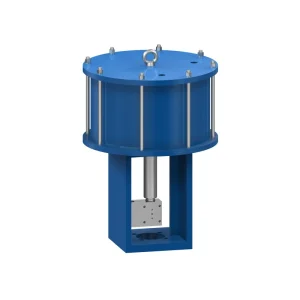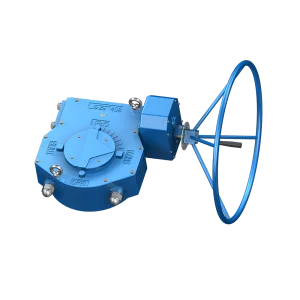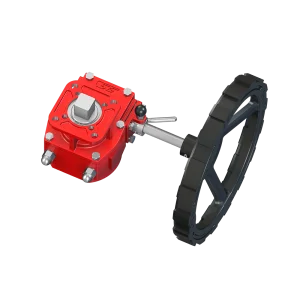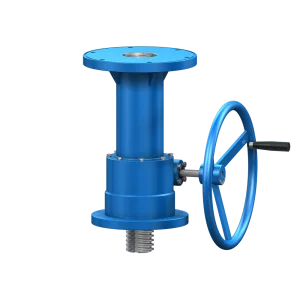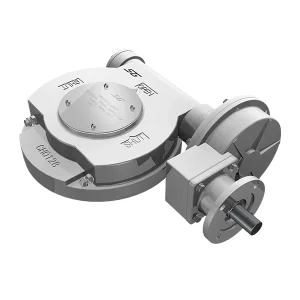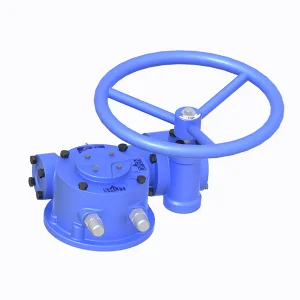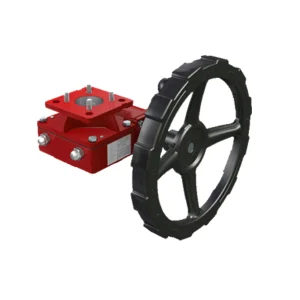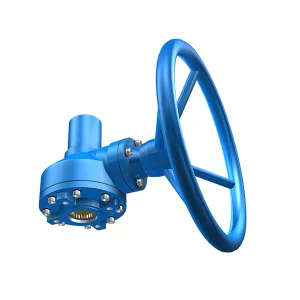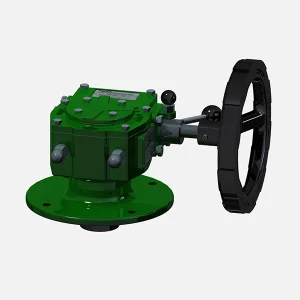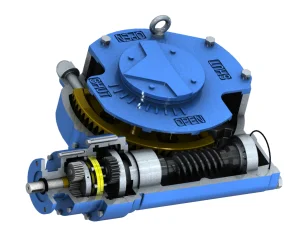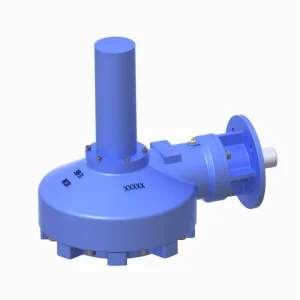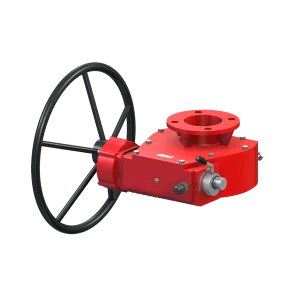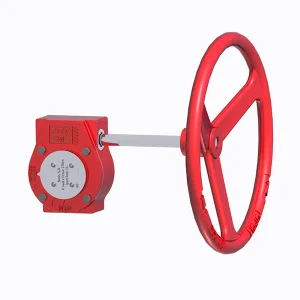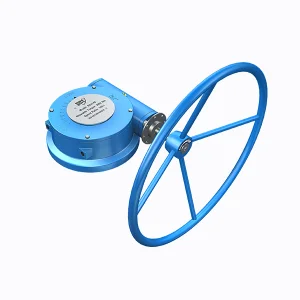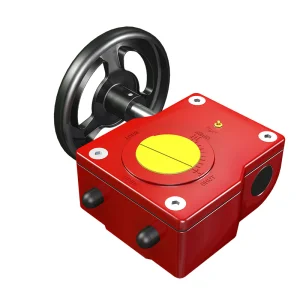
Explore our elite portfolio of CE-certified quarter-turn and linear mechanical manual overrides engineered for immediate field safety and optimal torque transfer.
In modern industrial processing plants, critical control valves are frequently situated in elevated, hazardous, or restricted structural locations. Standard physical intervention at these heights poses significant risk. The installation of a premium valve chain wheel provides a reliable, remote mechanical manual override pathway, enabling operators to activate overhead valves safely from the ground floor.
As a premier CE Certification Valve Chain Wheel Manufacturer & Factory, we specialize in high-torque mechanical linkages, declutchable manual overrides, and customized bevel/spur gearbox systems. Our equipment serves as the definitive safety interface for heavy industries, assuring compliance with European safety mandates and providing physical-effort reduction through optimized gear ratios.
Pioneering safety and precision transmission since 1999 from the industrial center of Suzhou, China.
Founded in 1999 and strategically located in the world-renowned Suzhou Industrial Park, Stard-gears manages a modern infrastructure comprising an 8,900 m² heavy manufacturing plant and a 2,500 m² advanced research and executive office. With annual sales reaching $7,000,000—experiencing an organic year-on-year growth rate of 10% to 20%—our firm has cemented its position as an international leader in manual valve actuation, gear operators, and safety chain wheel overrides.
Holding comprehensive certification in ISO9001 quality management systems, our Suzhou facility boasts a specialized layout geared towards high-output output, enabling an annual production rate of 100,000 sets. Our location in China’s dynamic Yangtze River Delta provides access to a highly integrated engineering supply chain. This strategic placement guarantees exceptional casting tolerances, state-of-the-art CNC machining, and premium material selection, matching fast delivery times with unmatched durability.
For more than 25 years, our engineering department has developed advanced valve control architectures across diverse operational sectors, including:
High pressure, toxic gas lines, refinery systems.
Critical cooling towers and steam isolation loops.
Municipal fluid management, large-diameter valves.
Pipeline transmission stations and emergency isolation.
Addressing modern structural safety challenges and operational efficiencies in high-altitude fluid transportation.
Historically, industrial complexes utilized temporary scaffolding or ladders to operate high-level valves. This methodology exposes operators to falls and increases maintenance response delays. Our heavy-duty CE-certified chain wheels bypass structural limitations, offering a permanent manual override that permits instant ground-level intervention.
Whether deployed on offshore oil rigs facing continuous saltwater spray, or in chemical processing plants handling volatile vapor, our chain wheels feature specialized powder coatings and cast iron configurations. They resist severe environmental degradation, preventing corrosion lockup and safeguarding backup mechanical operations.
Valves under high line-pressures require massive starting torques. Our engineering combines manual chain wheels with multi-turn bevel gearboxes, reduction gear systems, or declutchable override modules. This setup reduces operator hand-pull strength requirements by up to 75%, allowing faster open/close times during critical safety alerts.
Utilizing structural digital twin verification and finite element analysis (FEA) to secure peak reliability.
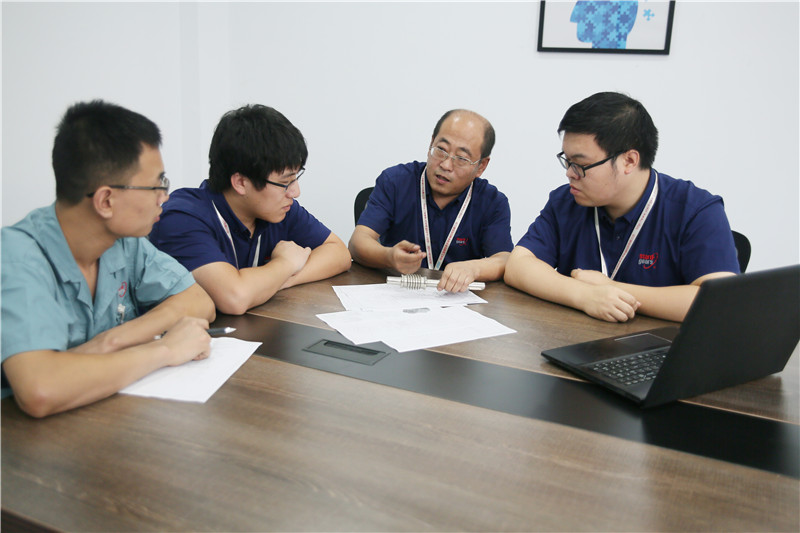
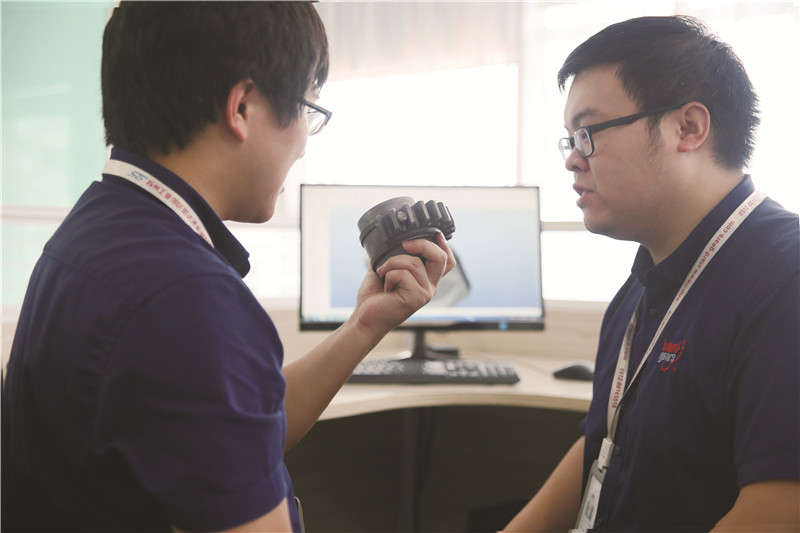
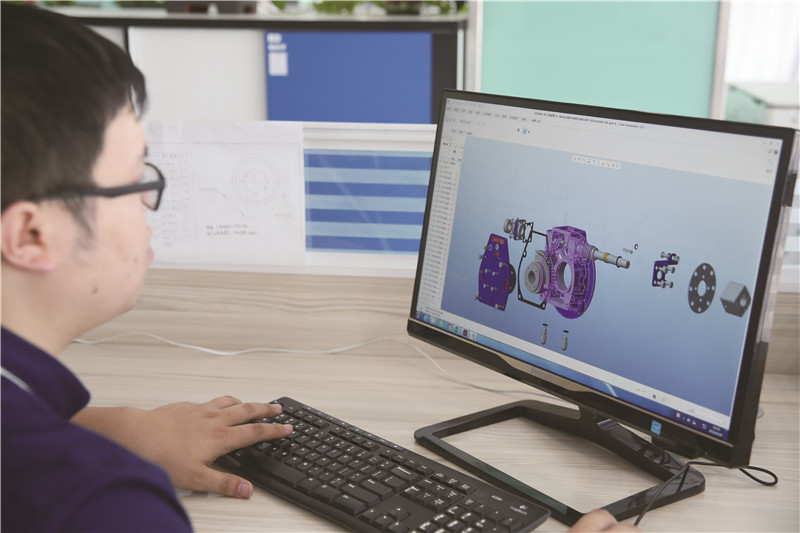
At Stard-gears, we believe that design rigor directly dictates field lifecycle performance. Through advanced 3D simulation, dynamic multi-body simulation, and detailed finite element analysis (FEA), our technical team virtually tests stress points, structural deflections, and mechanical load profiles of every gear teeth profile and chain interface before material tooling begins.
This advanced digital prototype workflow shortens the development cycle of custom configurations, ensures optimal material distribution, and prevents field failures. Our engineers calculate the exact dynamic stresses occurring when an operator applies abrupt manual force to the pocket wheel chain, optimizing safety factors on safety critical components.
Full ERP system integration and state-of-the-art production machinery driving an annual output of 100,000 sets.
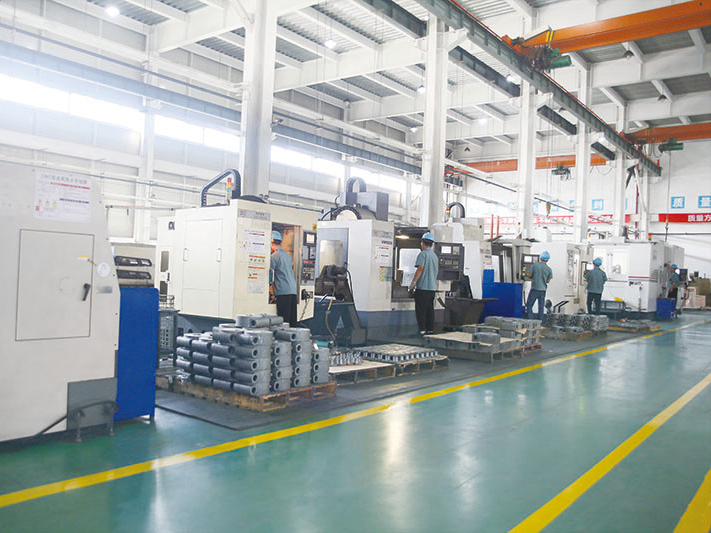
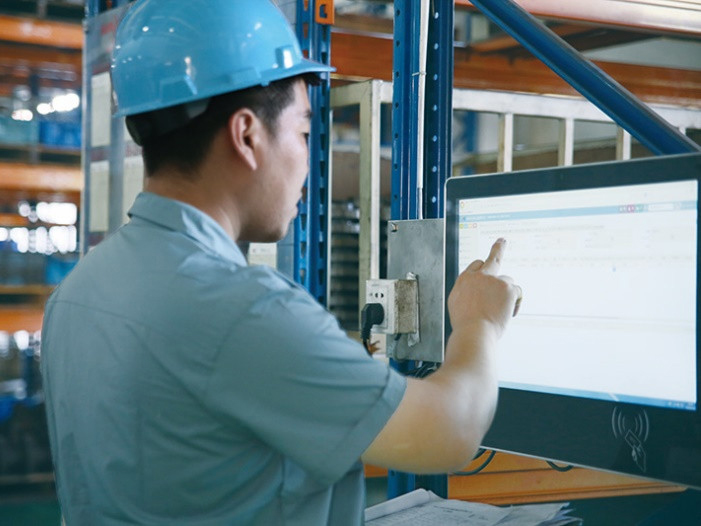
Stard-gears runs a comprehensive enterprise resource planning (ERP) management system that controls every stage of structural processing. From raw casting intake and CNC precision machining to final inspection testing and packaging tracking, all stages are tracked in real-time. This level of oversight ensures structural component tracking, accurate delivery timelines, and efficient batch management.
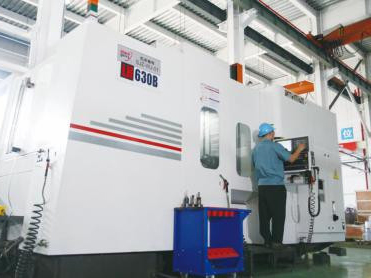
With a maximum output capacity value scaling up to $9,000,000 annually in our Suzhou production facility, we maintain stable volume contracts with international flow control OEM partners. Our advanced machining tools assure uniform concentricity and precise shaft tolerances, guaranteeing smooth long-term operation of our valve chain wheels.
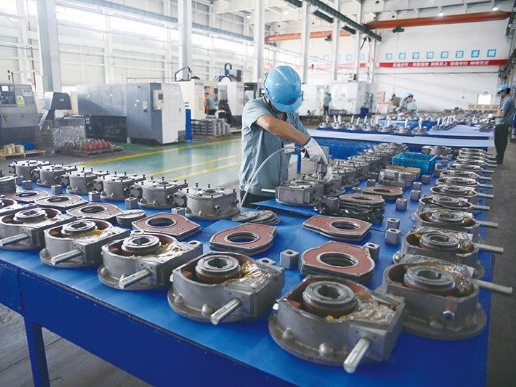
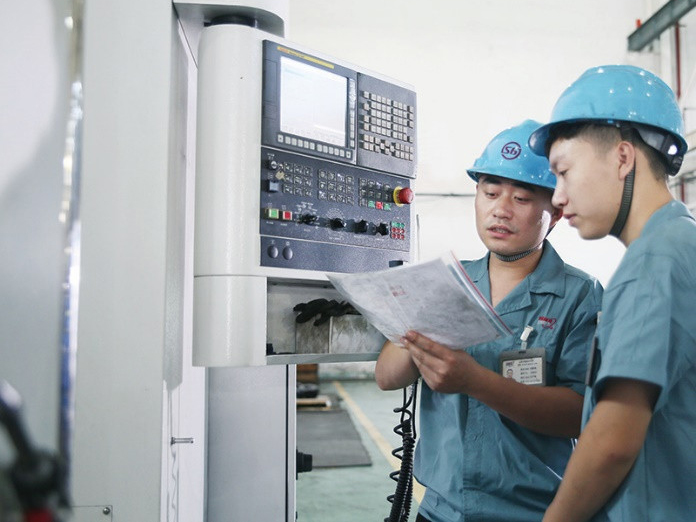
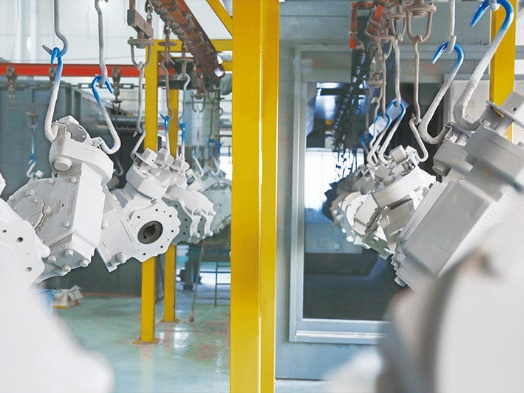
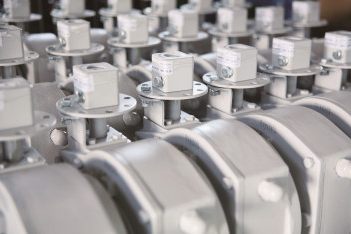
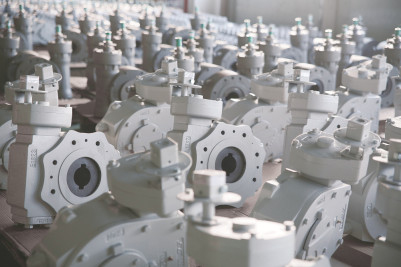
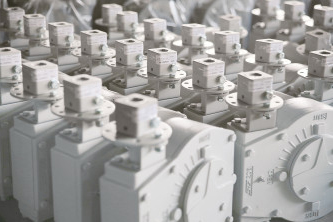
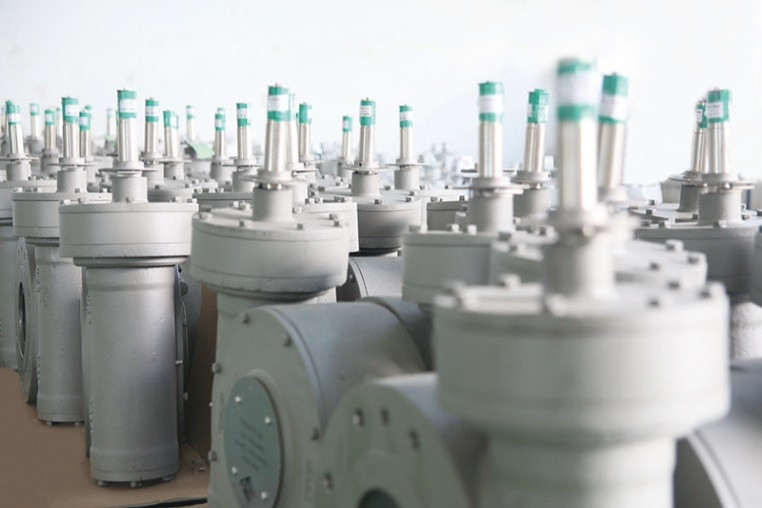
Every valve override module is 100% inspected and verified under simulated high-torque conditions before shipment.
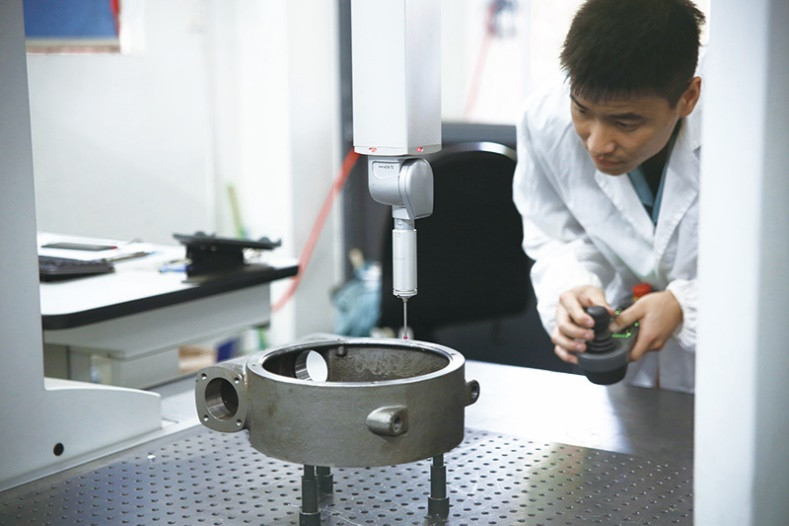
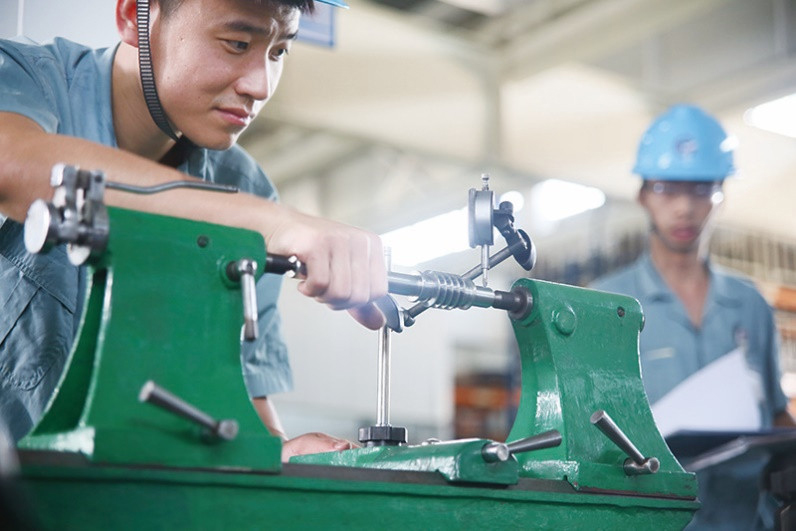
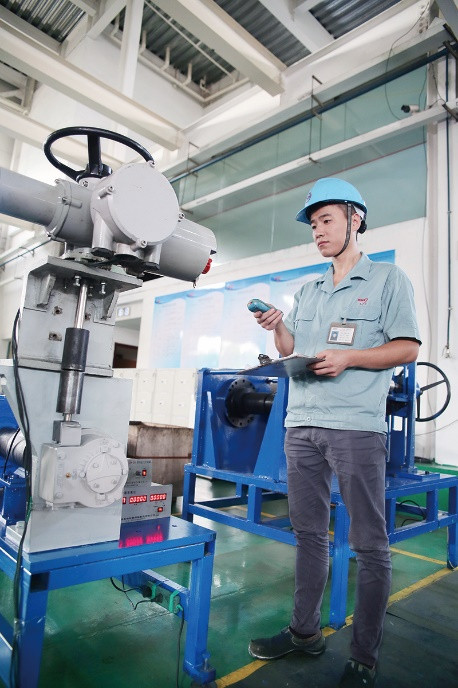
Quality assurance is not a final checkpoint at Stard-gears; it is integrated across our entire production timeline. Our dedicated quality control (QC) department maintains independent testing checkpoints at every stage of production—covering raw cast metallurgy checks, dimension verifications during CNC stages, and torque load cell verification at assembly finalization.
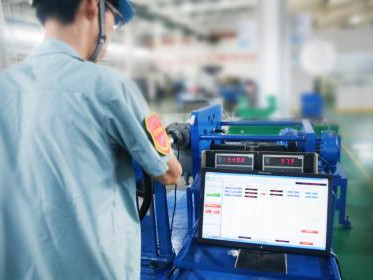
To ensure zero defect escapes, our inspection laboratory utilizes precise measurement instrumentation. This includes high-precision torque test benches, mechanical lifecycle simulators, and material hardness testing equipment. Our commitment ensures that every gear teeth matrix can survive the dynamic loads required by active industrial facilities.
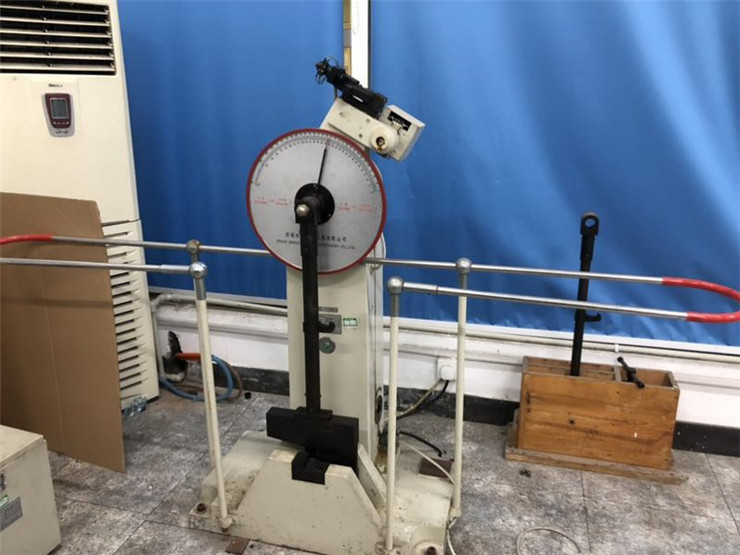
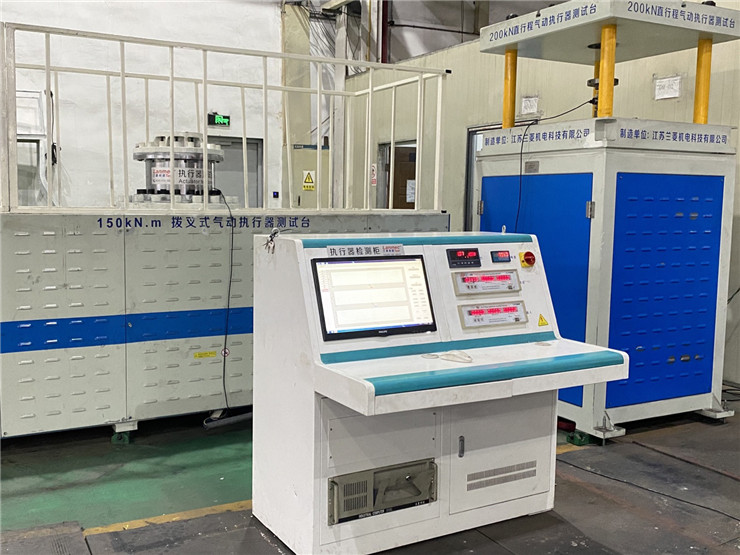
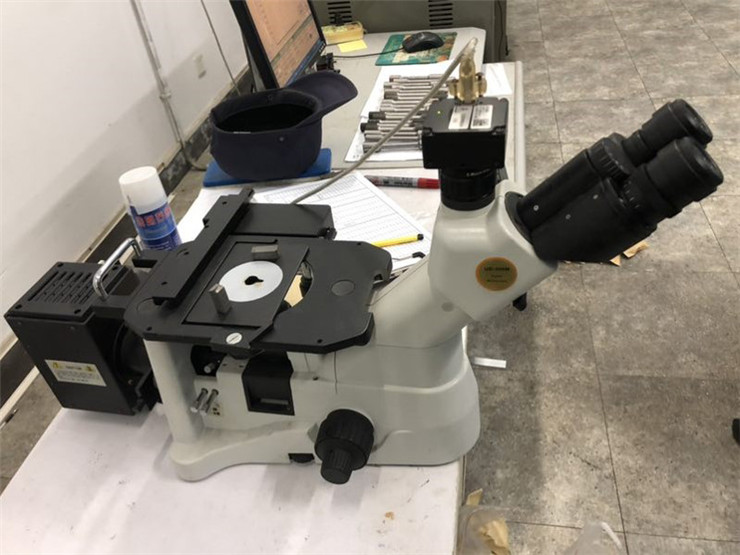
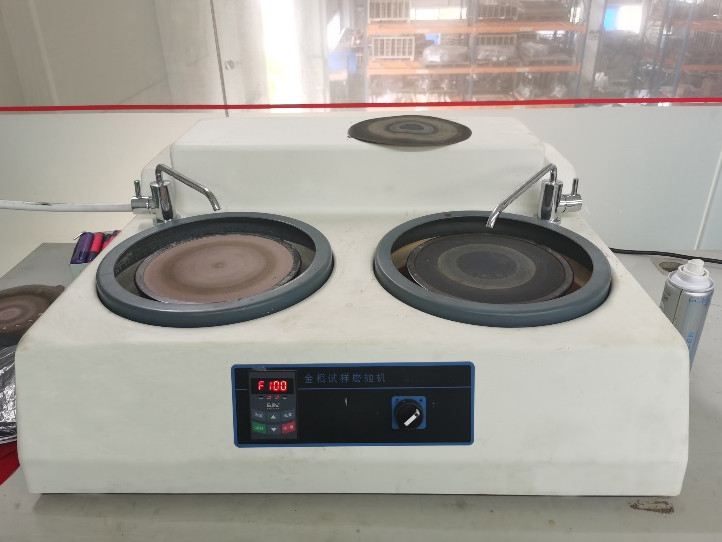
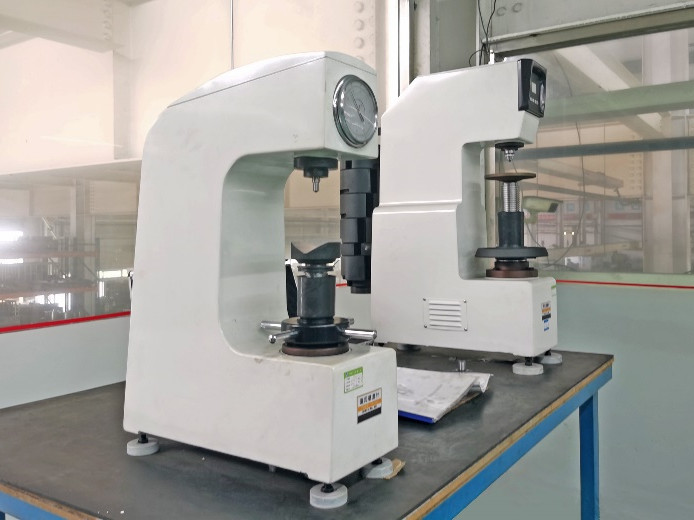
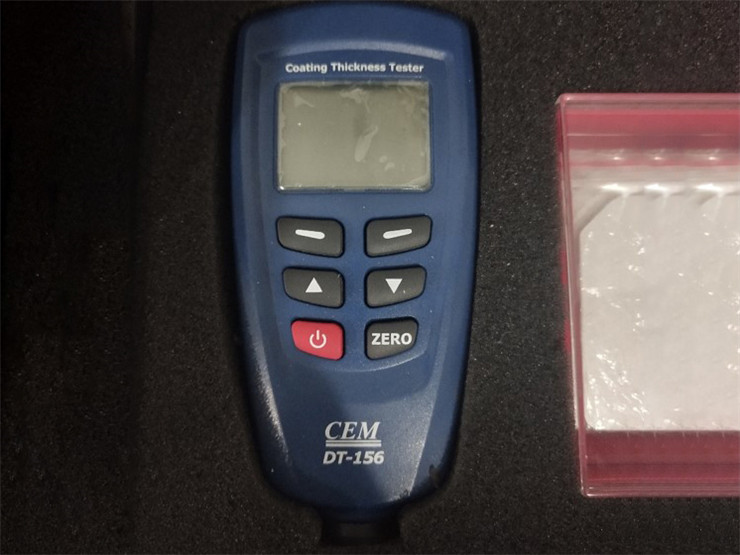
Our chain wheel assemblies are engineered to meet key regional safety directives. For clients in Western and Northern Europe, compliance with the CE Machinery Directive and the Pressure Equipment Directive (PED) is essential. In North American jurisdictions, compliance shifts towards API and OSHA height-access guidelines.
To ensure direct integration with existing infrastructure, we offer various attachment options. These range from clamping onto existing valve handwheels to direct-mount stem configurations that fit over standard square, double-D, or round keyed shafts.
Our R&D roadmap focuses on material developments and the integration of IoT concepts into standard manual actuators. We are expanding the use of lightweight, structural aluminum alloys to reduce weight-load stresses on elevated pipeline networks.
Additionally, we are developing integrated smart mechanical feedback systems. These setups communicate open/close valve positions via remote sensors without depending on main electrical power. This supports modern, automated process environments that still require manual overrides.
Technical clarifications and procurement guide queries directly addressed by our senior engineering division.
Heavy-torque transmission components and custom control gearboxes built to meet custom piping interface standards.