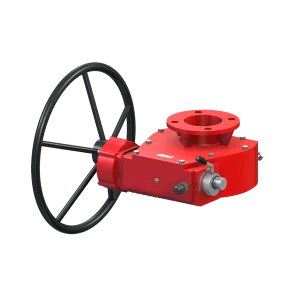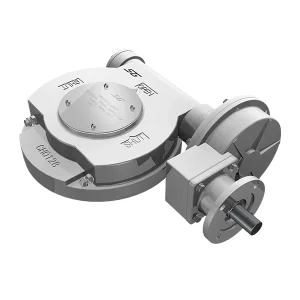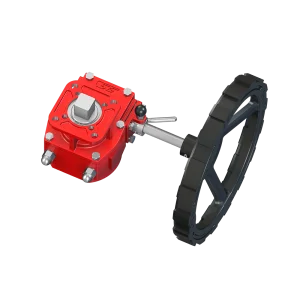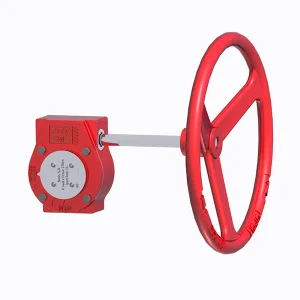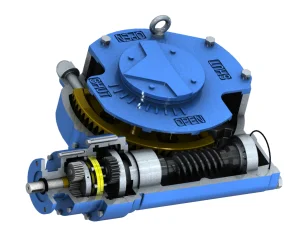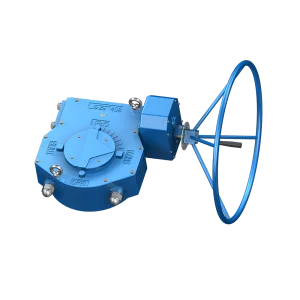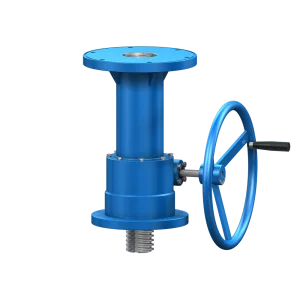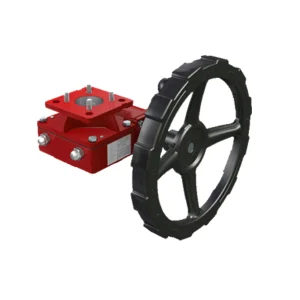
Explore our high-performance manual overrides, gearboxes, and pneumatic scotch yoke actuator arrays engineered for extreme field reliability and compliance with European Union directives.
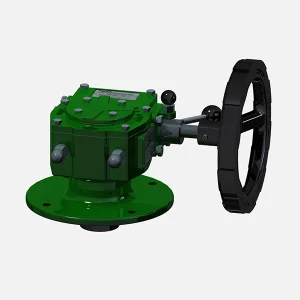
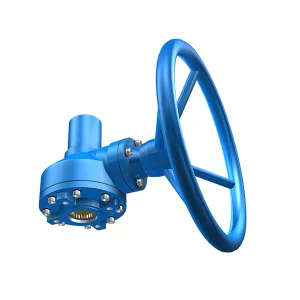
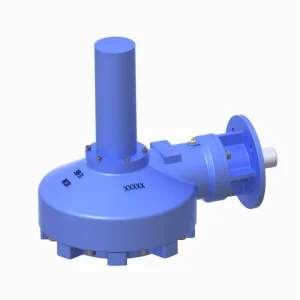
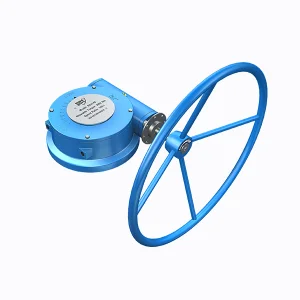
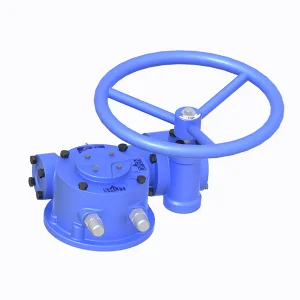
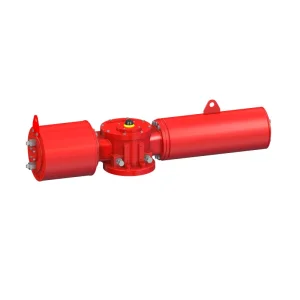
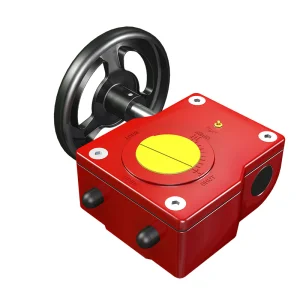
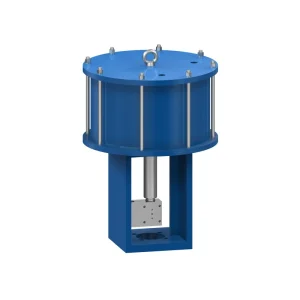
In modern processing plants, refineries, chemical facilities, and water treatment stations, valves are frequently positioned in elevated, overhead, or otherwise inaccessible pipeline networks. Operating these manual valves safely, efficiently, and in compliance with workplace safety standards presents a significant operational challenge. Standing on unstable surfaces, ladders, or structural steel to adjust valves introduces high risks of industrial accidents and falls.
Valve Chainwheels resolve this accessibility barrier. A chainwheel is a specialized device designed to clamp directly to the existing handwheel of a valve, or interface with its stem via customized adapters, allowing operators on ground level or stable platforms to manually actuate the valve using a vertical loop of sprocket chain. Selecting a CE-certified, high-reliability chainwheel system is critical for preventing drop-hazards and ensuring structural integrity under high torque demands.
• Safe Operating Distance: Allows remote mechanical operation up to 15 meters below the valve location without overhead platforms.
• Materials of Integrity: Offered in ductile iron, cast steel, and non-sparking aluminum alloys tailored to corrosion rates and ambient temperatures.
• CE Conformity: Fully aligned with the EU Machinery Directive, ensuring robust safety coefficients, load limits, and drop-prevention safeguards.
• Universal Clamping: Features adjustable clamping systems capable of mounting directly to standard valve handwheels from 100mm up to 900mm in diameter.
CE Certification serves as a declaration by manufacturers that a product meets the essential health, safety, and environmental protection requirements of relevant European directives. In the context of valve chainwheels, gearboxes, and manual actuator accessories, CE conformity guarantees mechanical safety and structurally sound designs under high physical loads. These regulations ensure that components are protected against failure, cracking, or drop incidents.
As components that transmit force to control a physical mechanism, valve chainwheels must comply with European machinery guidelines. This involves strict calculation of maximum load capacities and structural failure thresholds.
Under CE guidelines, remote mechanical overrides installed overhead must incorporate secondary drop-prevention methods. Safety cables or structural safety loops hold the assembly securely to the valve yoke in the event of primary attachment failures.
CE marking demands that the steel, ductile iron, or aluminum alloy grades used possess verified chemical compositions and mechanical limits. Test certificates (EN 10204 3.1) verify stress, elongation, and yield strength specifications.
Founded in 1999 and situated within the highly integrated Suzhou Industrial Park in Suzhou, China, Stard-gears is an established global provider of manual valve control gearboxes, chainwheels, manual overrides, and specialized pneumatic actuators. Operating within a modern facility featuring a 8,900m² manufacturing plant and a 2,500m² engineering and administrative office space, we design, test, and ship highly durable valve control systems to markets worldwide.
Supported by a 25-year industry track record, Stard-gears achieves annual sales of approximately $7,000,000, maintaining a consistent growth trajectory of 10% to 20% year-on-year. We operate a quality management system certified to ISO9001, supporting a production capacity that exceeds 100,000 sets of gearboxes and control components per year. Our solutions serve processes in oil, petrochemical refining, natural gas pipelines, nuclear installations, and civil water treatment systems.
Stard-gears is a modern manufacturing operation integrating design research, manufacturing processes, sales networks, and international trade. Leveraging tools including 3D mechanical modeling, dynamic load simulations, and Finite Element Analysis (FEA), our design engineers evaluate structural behaviors, stress distribution points, and potential component fatigue areas before beginning commercial production. This digital validation speeds up design iterations, decreases prototyping times, verifies structural safety ratios, and lowers development costs.
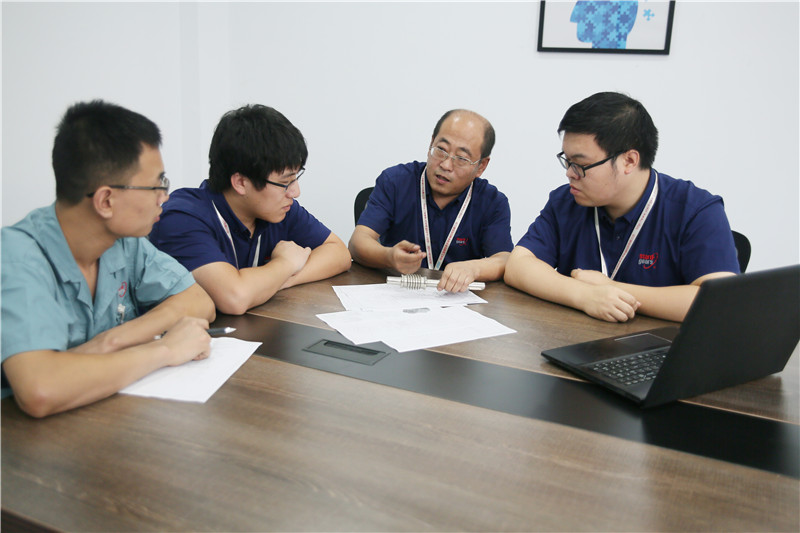
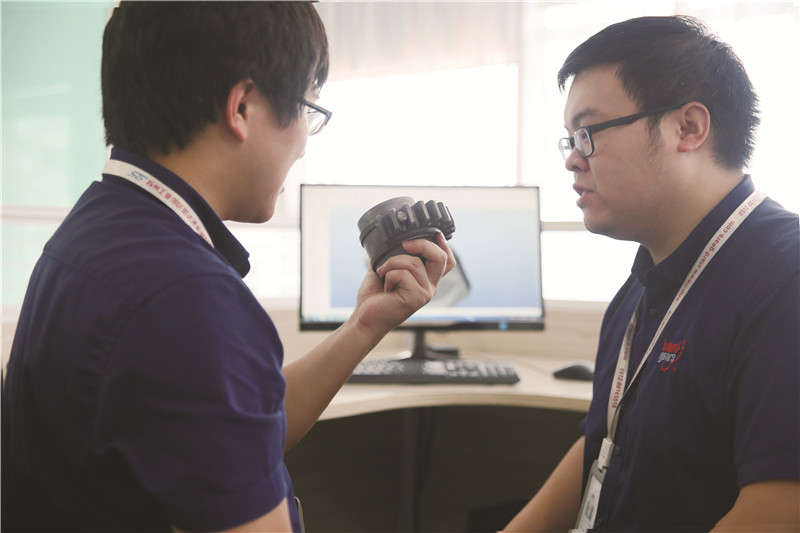
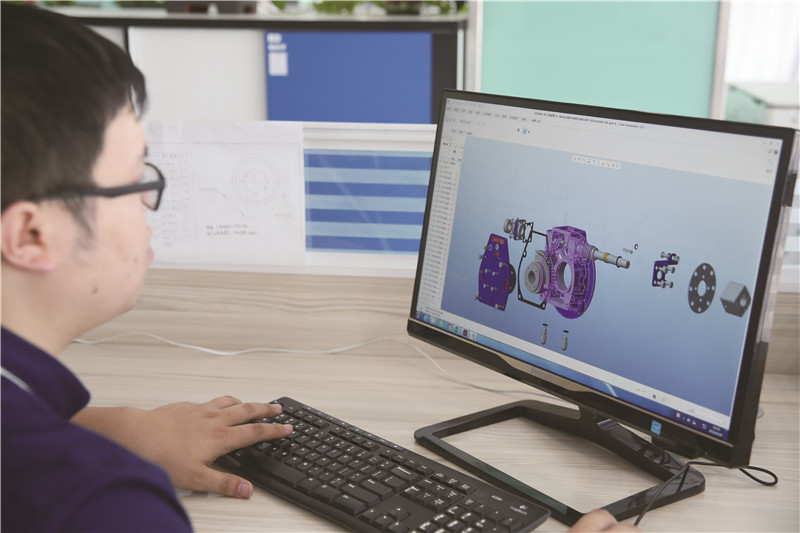
Located in the Yangtze River Delta region, Stard-gears benefits from an integrated industrial supply chain network. The region provides access to specialized casting foundries, high-precision machining sub-contractors, specialized heat treatment facilities, and quality mechanical component providers. This geographical advantage enables us to maintain fast production timelines while controlling manufacturing and material quality. Our facility runs a comprehensive Enterprise Resource Planning (ERP) platform, monitoring every production step from order ingestion to machining, final inspection, and logistics.
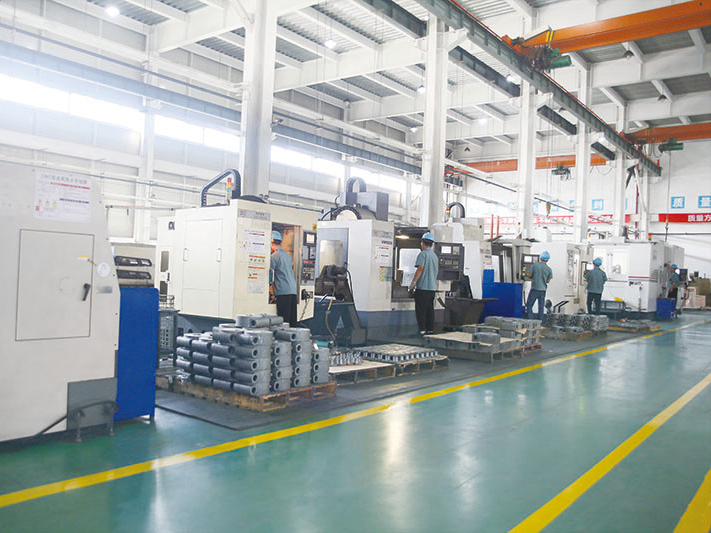
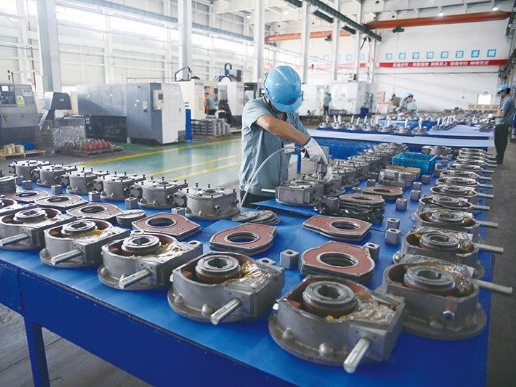
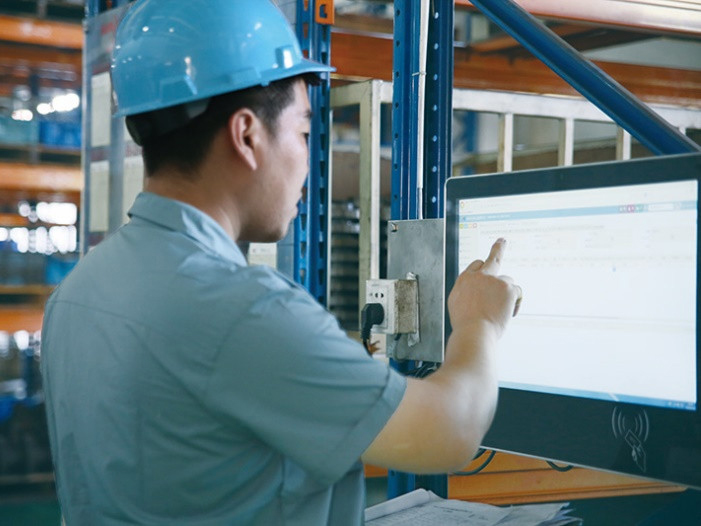
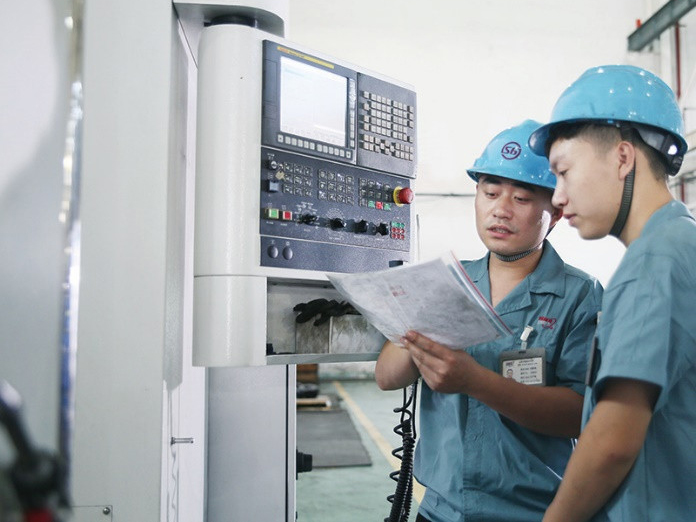
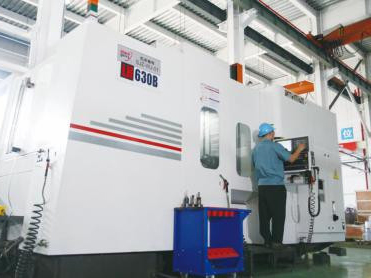
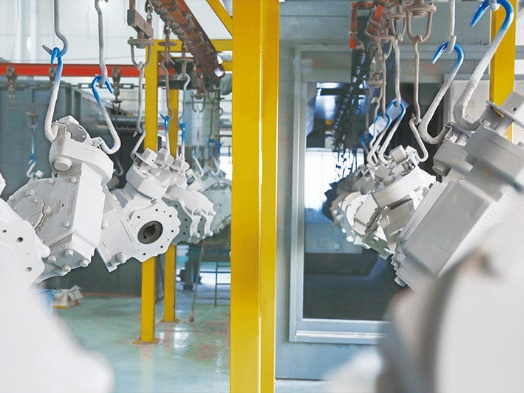
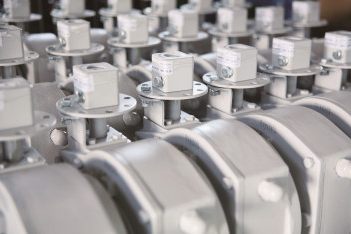
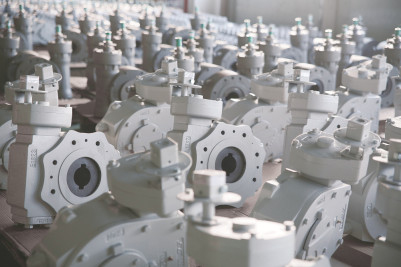
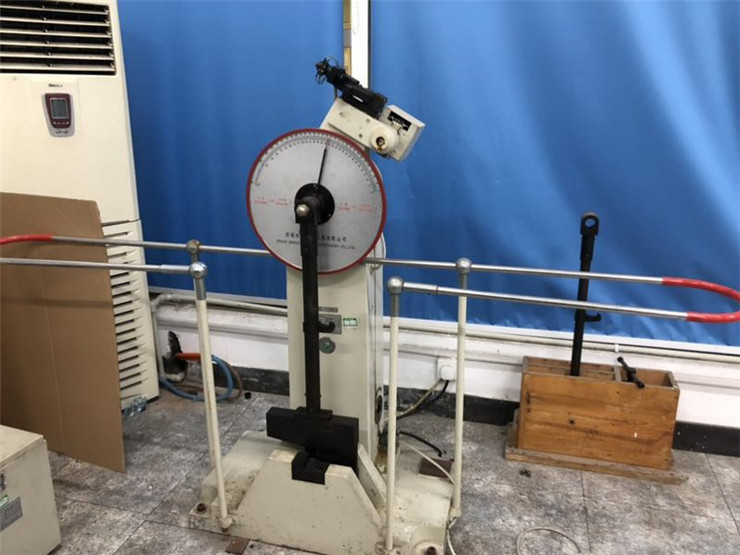
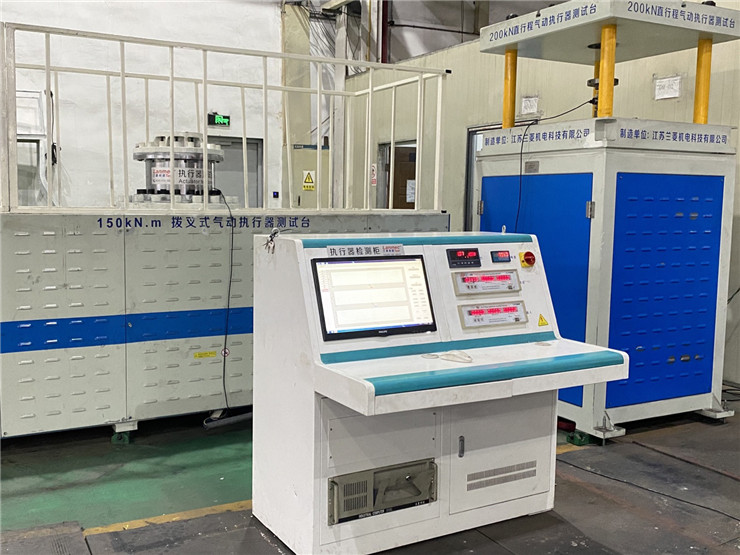
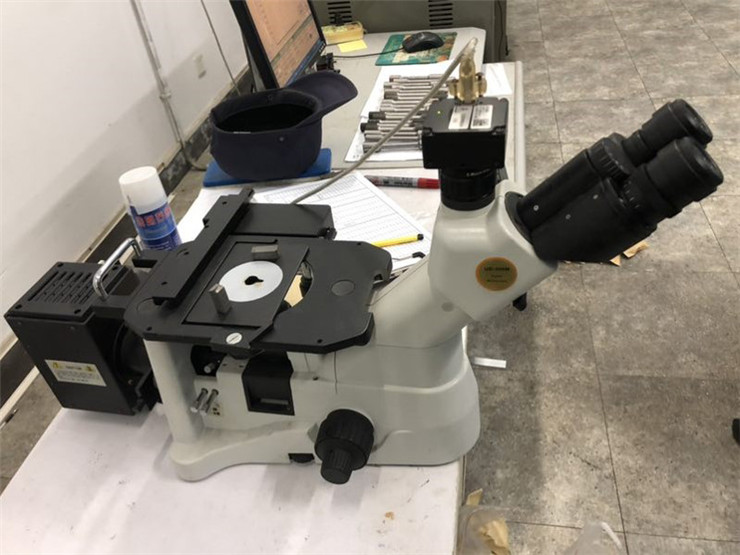
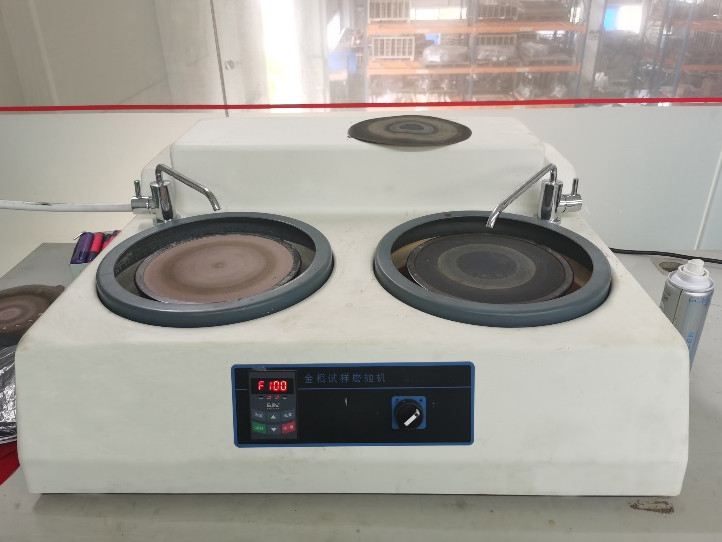
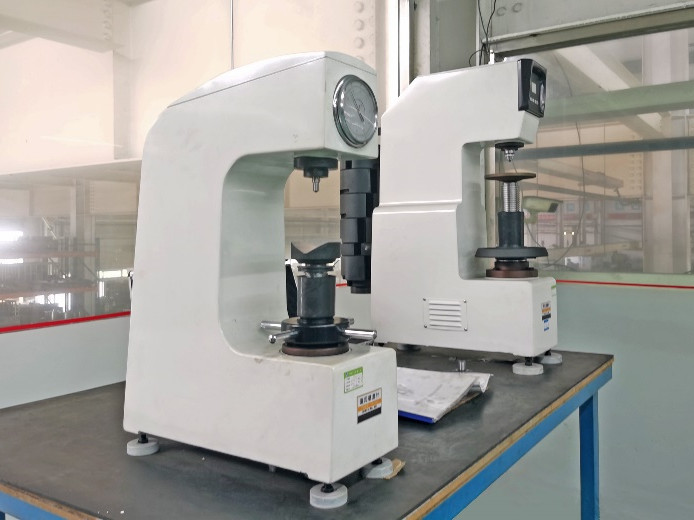
To support high field-reliability standards, Stard-gears employs full-time quality control inspectors at every phase of the manufacturing process, covering incoming materials, in-process machining operations, surface treatments, and assembly tests. Our quality control lab is equipped with testing equipment to monitor performance variables, verifying that all items are 100% qualified prior to global dispatch. Material testing includes magnetic particle inspection, ultrasonic crack detection, dimensional validation, and maximum load capacity verification.
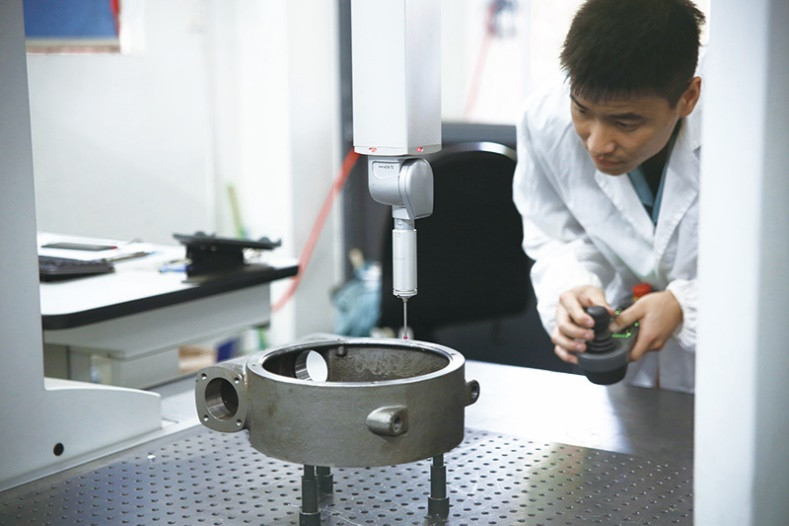
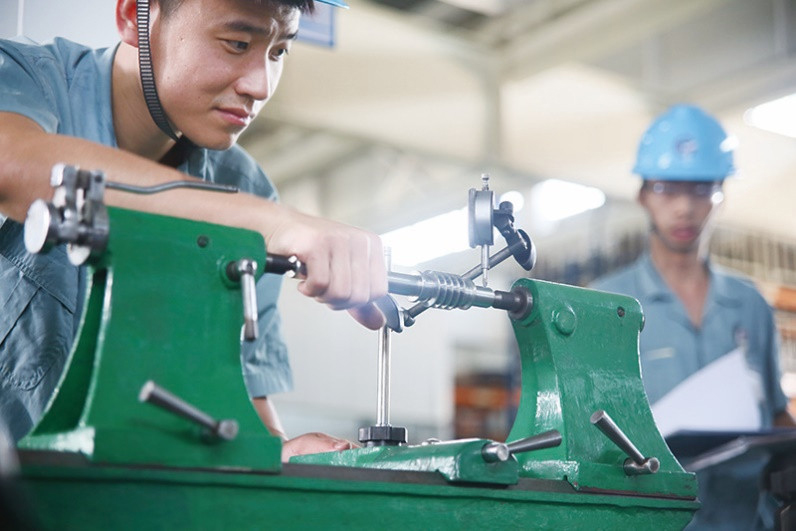
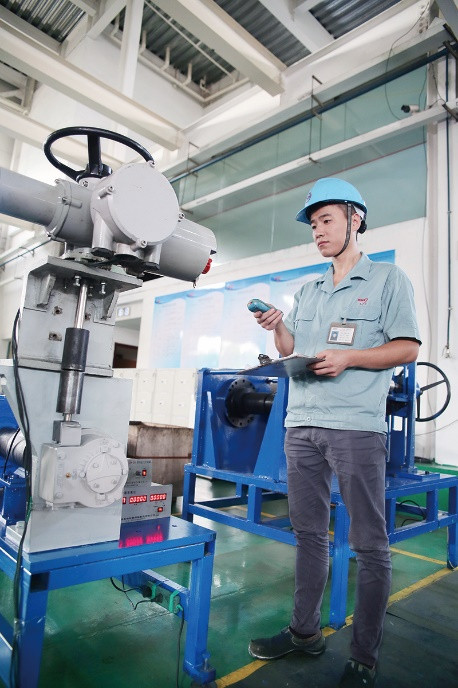
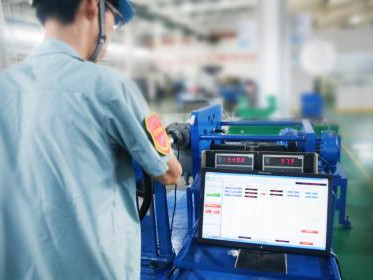
Our quality department runs dedicated equipment to evaluate mechanical performance parameters. This testing infrastructure includes torque test benches to measure break-away and running torque, environmental chambers for corrosion tests, and cyclic longevity rigs to simulate long-term operations in industrial setups.
Selecting the correct chainwheel size and material depends on the valve's installation height, structural layout, operating environment, and required input torque. The table below outlines design selections for common industrial process setups:
| Model Series | Suitable Handwheel Outer Diameter (mm) | Maximum Torque Limit (Nm) | Standard Materials | Corrosion Protection / Coating Options |
|---|---|---|---|---|
| SCW-D100 | 100 - 150 | 180 | Ductile Iron (GGG40) / Cast Steel | Electro-galvanized, Red Powder Coat, Epoxy Paint |
| SCW-D200 | 150 - 250 | 350 | Ductile Iron (GGG50) / ASTM A216 WCB | Fusion Bonded Epoxy, Hot-Dip Galvanizing |
| SCW-D300 | 250 - 400 | 720 | Ductile Iron / Carbon Steel | Offshore Standard Marine Paint (3-Layer) |
| SCW-A250 (Lightweight) | 200 - 300 | 280 | Aluminum Alloy (6061-T6 Equivalent) | Anodized, Natural Non-sparking Polish |
| SCW-D600 (Heavy Duty) | 400 - 650 | 1,200 | Cast Steel (WCB) / Carbon Steel | Zinc-rich Epoxy Primer + Polyurethane Topcoat |
| SCW-D900 (Ultra Capacity) | 650 - 900 | 2,500 | Reinforced Cast Steel | Custom Color Matching, Multi-Coat Marine Grade |
*Note: Maximum torque limits are calculated with a safety factor of 2.5 times the nominal operating value, aligning with CE machinery directive guidelines.
Manual remote valve operations are used in multiple high-consequence process environments worldwide, helping to improve safety, ease of maintenance, and emergency response times.
In petrochemical processing plants, valves are often located on overhead utility pipe racks. Operating these valves manually without fixed stairs and scaffolding can be hazardous. Installing a CE-certified valve chainwheel with a stainless steel safety cable allows plant operators to adjust bypass valves, isolation circuits, and utilities directly from ground level, supporting OSHA fall protection compliance.
Water distribution stations and industrial wastewater facilities utilize large gate and butterfly valves. Many of these valves are positioned within deep concrete pits or mounted near high ceilings above wet wells. A chainwheel remote drive allows operators to actuate valves without entering confined spaces, reducing atmospheric hazards and fall risks.
Space limitations on offshore production assets require compact piping layouts, resulting in valves being mounted in tight overhead spaces. For these installations, corrosion-resistant chainwheels made of hot-dip galvanized ductile iron or aluminum alloy are utilized. They withstand saltwater exposure while providing manual override capabilities during power or pneumatic failures.
As heavy processing plants move toward digitalized monitoring, the manual valve control segment is evolving to incorporate smart features. Stard-gears is directing research and development toward modern mechanical override accessories:
Wireless Torque Sensing: Integrating piezo-resistive strain gauges into the chainwheel hub to monitor operating torque and transmit data to control rooms, helping to prevent stem deformation and valve jamming.
Ergonomic Chain Guides: Designing guide geometries using advanced polymeric composites to reduce friction, prevent chain jumps, and lower manual operating force requirements.
Lightweight Composites: Testing carbon-reinforced plastics to offer high-strength alternatives to metal wheels, reducing load weight on pipe racks and small-diameter valve yokes.
Browse through engineering answers regarding the selection, safety compliance, sizing, installation, and maintenance of CE-certified valve chainwheels and gear operators.
View our additional manual control gearboxes, declutchable operators, and quarter-turn cast and ductile iron assemblies manufactured for global industrial processes.