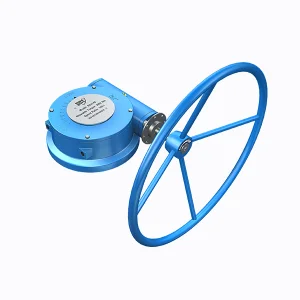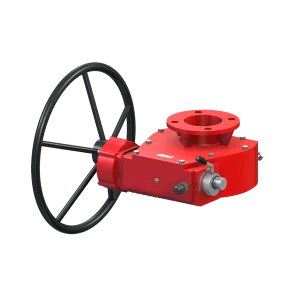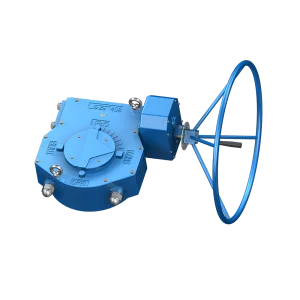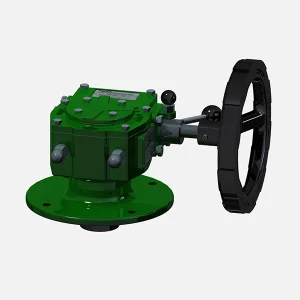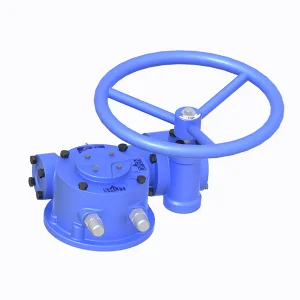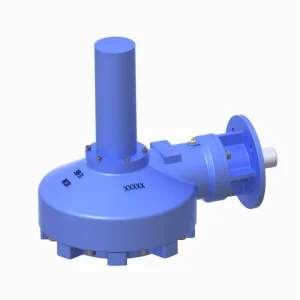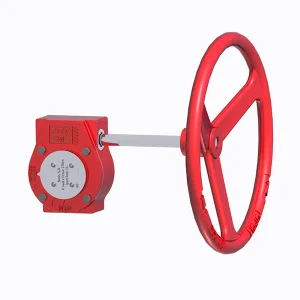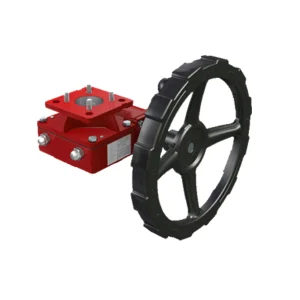
Explore our primary industrial manual overrides and heavy-duty gearboxes designed for global oil, gas, and water applications.
Analyzing macro trends, operating parameters, and regional sourcing benchmarks for flow control infrastructure.
In modern industrial processes, the precision and safety of fluid dynamics control systems are absolute priorities. High-torque valve operators, particularly CE-certified valve gearboxes, act as critical interfaces between control actuators and mechanical valve stems. Across industries such as oil and gas processing, petrochemical refining, municipal water distribution, nuclear power generation, and marine applications, the integrity of these gear mechanisms directly determines systemic safety parameters.
Global commercial structures are increasingly insisting on certified compliance. CE (Conformité Européenne) marking is not merely a regional mandate for the European Economic Area (EEA); it has become a global standard indicating structural durability, explosive-atmosphere safety (ATEX compliance), and pressure-retention integrity. For procurement officers and EPC (Engineering, Procurement, and Construction) companies, sourcing from accredited manufacturers ensures mitigated operational risks, reduced liability exposure, and lower overall Lifecycle Operating Costs (LCC).
Capable of managing excessive break-out torques in high-pressure steam, crude oil, and chemical transport operations.
Explosion-proof structural envelopes designed to mitigate sparks in presence of volatile organic compounds (VOCs).
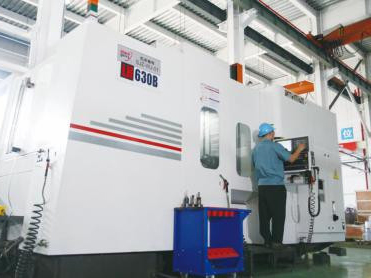
Seamless design-to-assembly quality loop ensuring zero physical tolerance variance across volume production runs.
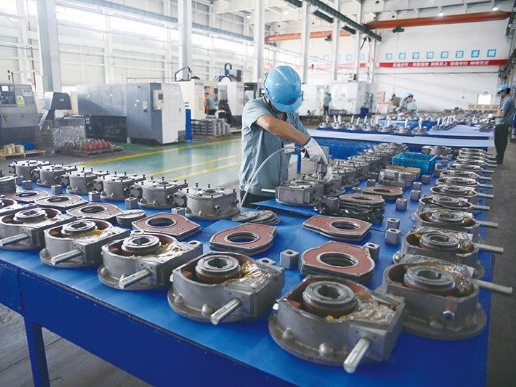
Founded in 1999 and strategically located in the Suzhou Industrial Park, China, Stard-Gears has established itself as an authoritative global provider of industrial valve control mechanisms. The production site spans a modern 8,900 m² footprint complemented by a 2,500 m² technology R&D center. Backed by ISO9001 certification, the facility maintains a strong production line yielding up to 100,000 unit sets annually, representing an asset capacity value exceeding $9,000,000.
Our operation leverages the advanced industrial cluster of the Yangtze River Delta. This geographic footprint provides direct access to high-precision steel casting suppliers, certified heat-treatment plants, and specialized finishing services, allowing us to maintain competitive lead times while upholding rigorous structural standards.
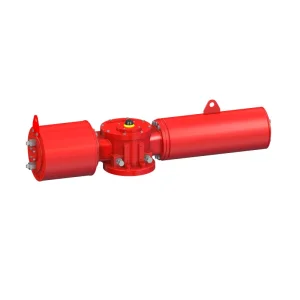
For more than 25 years, our engineering groups have provided field-tested, robust valve manual overrides, bevel gearboxes, declutchable gear systems, and customized scotch yoke actuators for heavy industries globally.
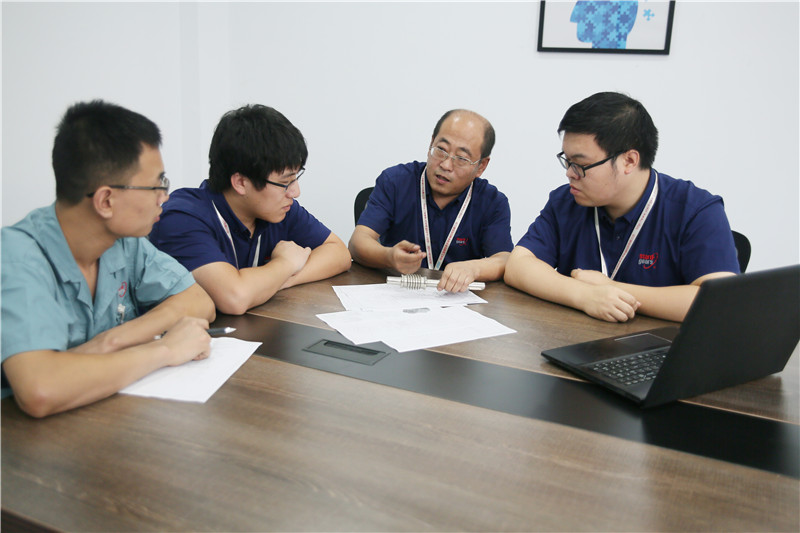
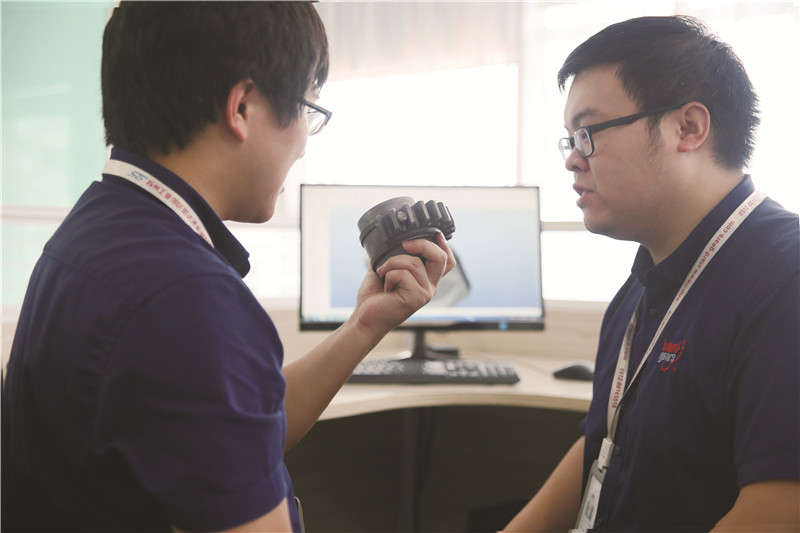
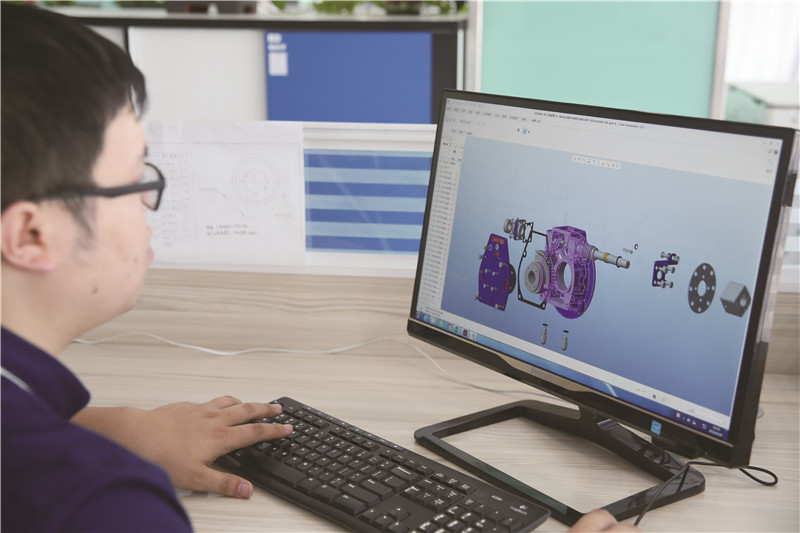
A deep technical dive into structural variants, material selections, and mechanical mechanisms.
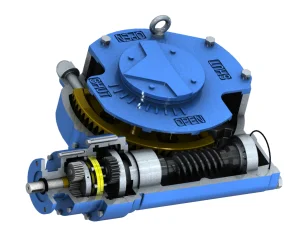
Cast Steel (ASTM A216 WCB): Engineered for high-stress industrial applications. Cast steel quarter-turn gearboxes deliver superior tensile strength and ductility. They are highly resistant to impact damage and pressure spikes, making them the standard choice for offshore and refinery environments.
Ductile Iron (ASTM A536): Combines the cost-efficiency of cast iron with improved ductility and tensile strength from nodular graphite structures. It is ideal for general industrial processes, commercial water pipelines, and HVAC systems.
Aluminium Alloy: Light weight and high corrosion resistance make this option excellent for weight-sensitive setups, onshore chemical plants, or environments exposed to damp maritime atmospheres. Quarter-turn manual aluminum gearboxes provide high portability without sacrificing mechanical efficiency.
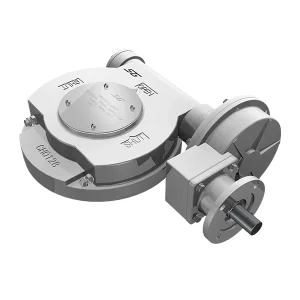
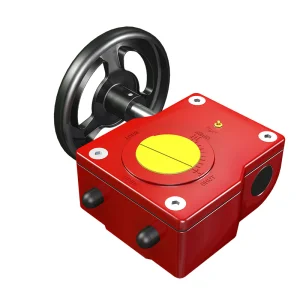
Quarter-Turn Worm Gearboxes: Utilize a high gear ratio envelope in a compact form factor. The internal self-locking properties of worm-gear geometry prevent dangerous back-driving in high-velocity pipelines, safeguarding operators during manual maintenance loops.
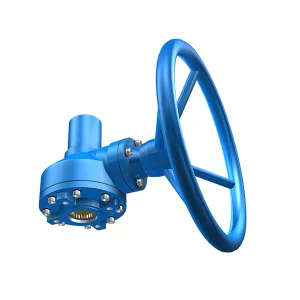
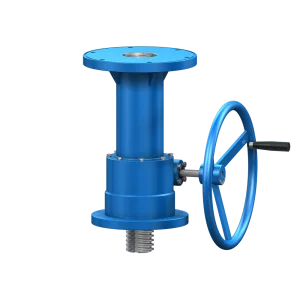
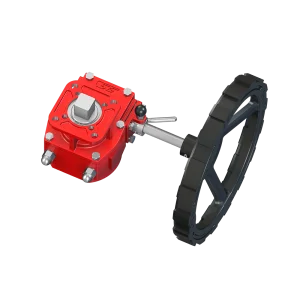
Multi-Turn Bevel Gearboxes: Designed to drive gate valves and globe valves requiring linear stem movement over multiple rotations. Spiral bevel gear structures maximize torque transfer efficiency while lowering noise and reducing vibration in high-torque scenarios.
Declutchable Sandwich Gearboxes: Placed between a pneumatic actuator and the valve body. In normal operations, the actuator drives the valve directly. In the event of a pneumatic pressure loss, the operator can engage the manual handwheel by using the declutch mechanism, maintaining system control during power interruptions.
Ensuring 100% component compliance and strict quality control across all manufacturing processes.
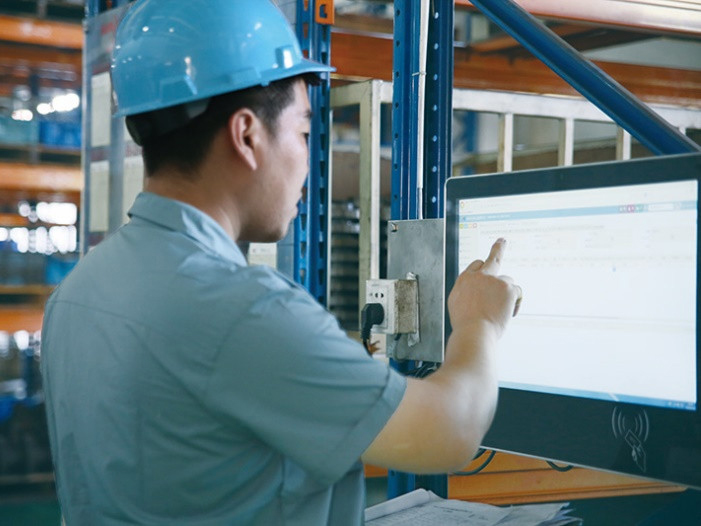
Stard-Gears utilizes an integrated ERP system that tracks raw materials, processing steps, quality control points, and delivery logistics in real-time. This end-to-end management minimizes lead times and ensures complete raw material traceability.
Before casting and assembly, our engineering group validates design performance using Finite Element Analysis (FEA) and 3D stress-strain simulations. This process ensures the gearteeth can withstand maximum torque limits and helps optimize overall structural weight.
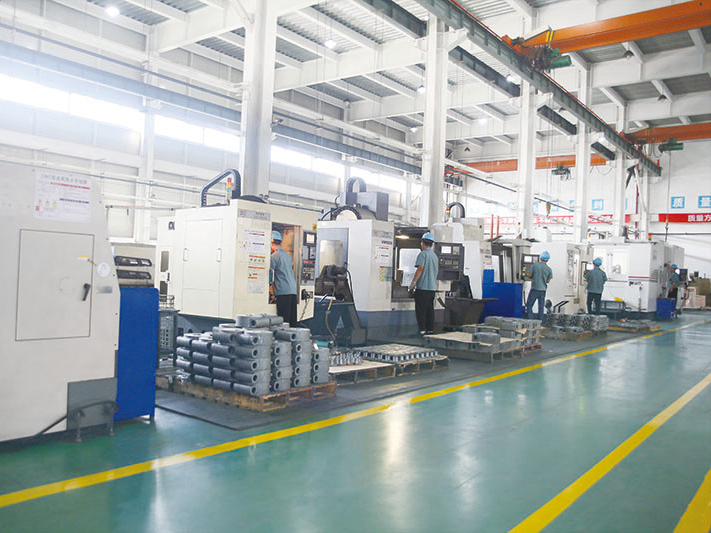
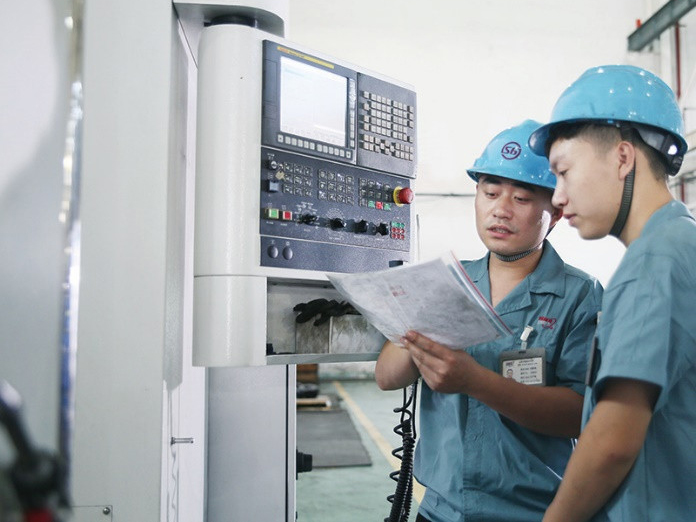
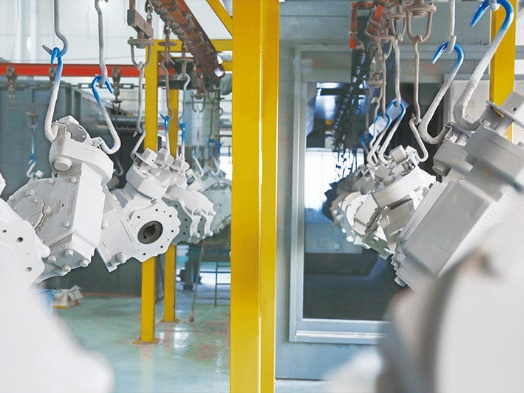
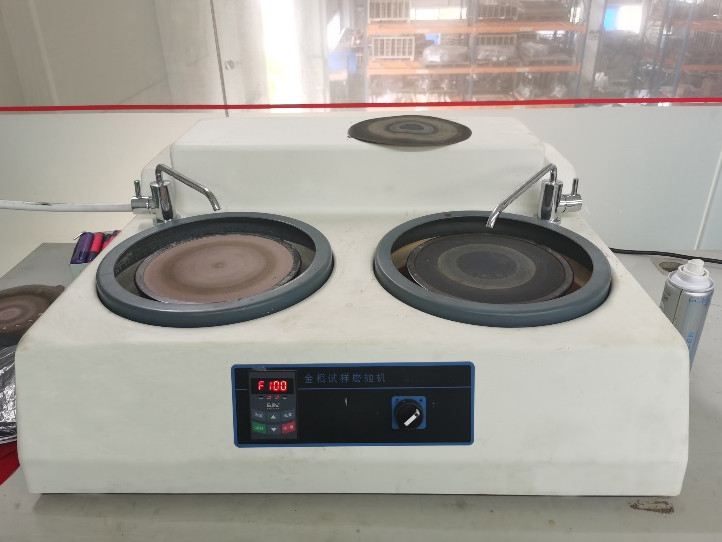
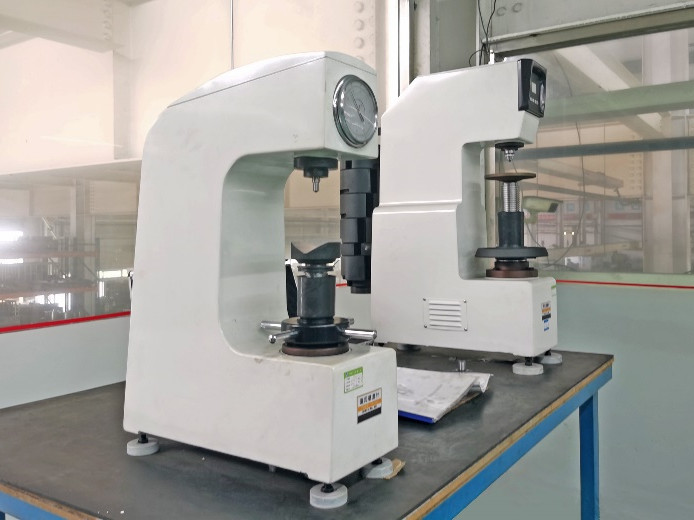
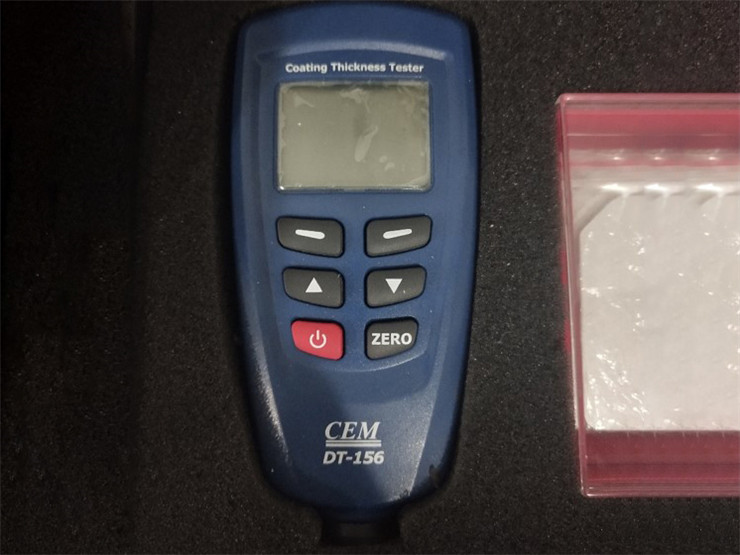
Incoming raw materials, including castings, undergo chemical analysis and ultrasonic testing to identify internal porosity, micro-cracking, or inclusion defects before machining. This ensures only structurally sound blanks enter the manufacturing line.
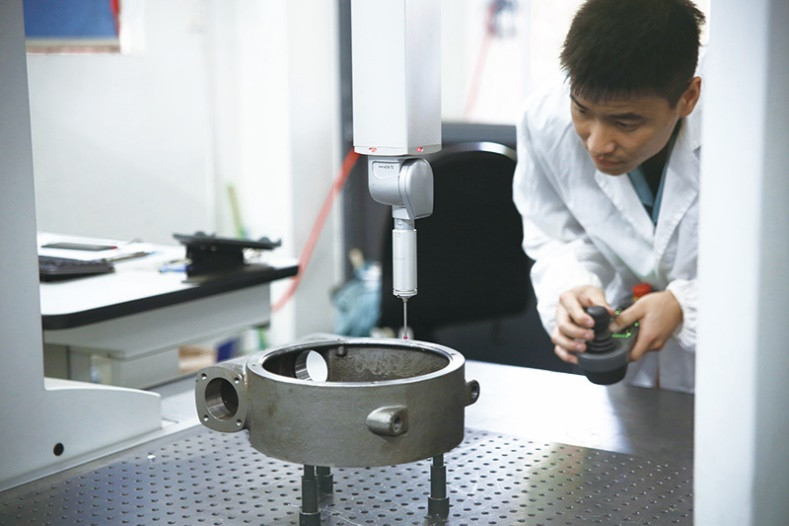
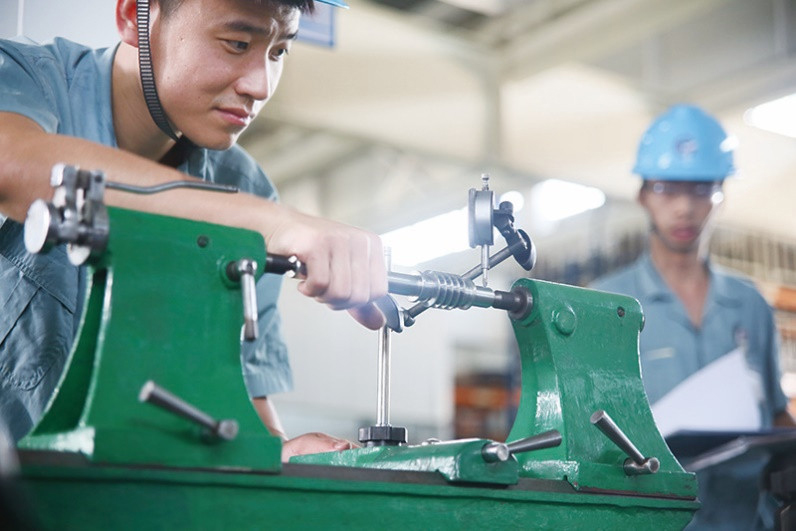
Finished products undergo strict mechanical checking procedures, including multi-axis torque tests and high-cycle longevity trials, to confirm that all finished assemblies meet our performance parameters.
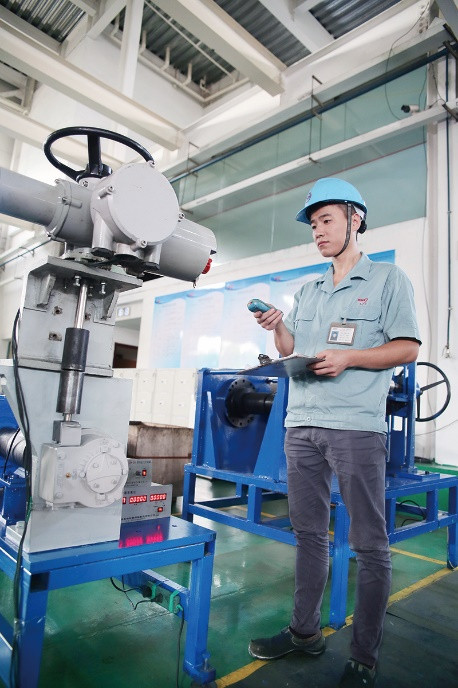
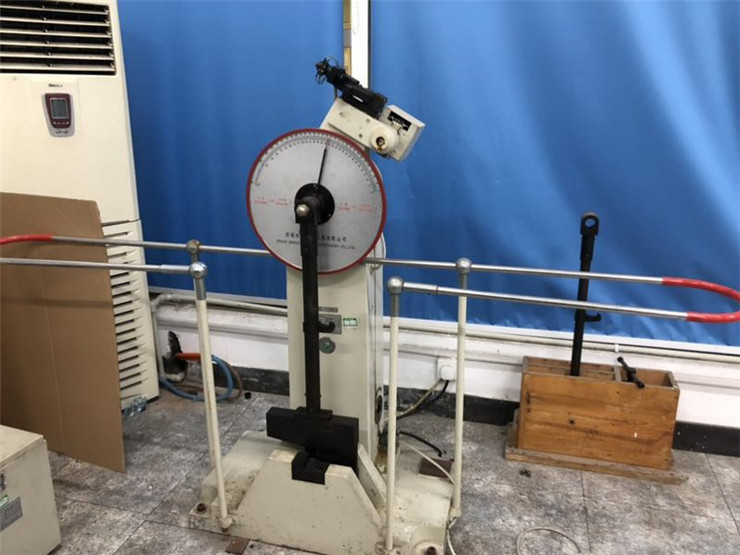
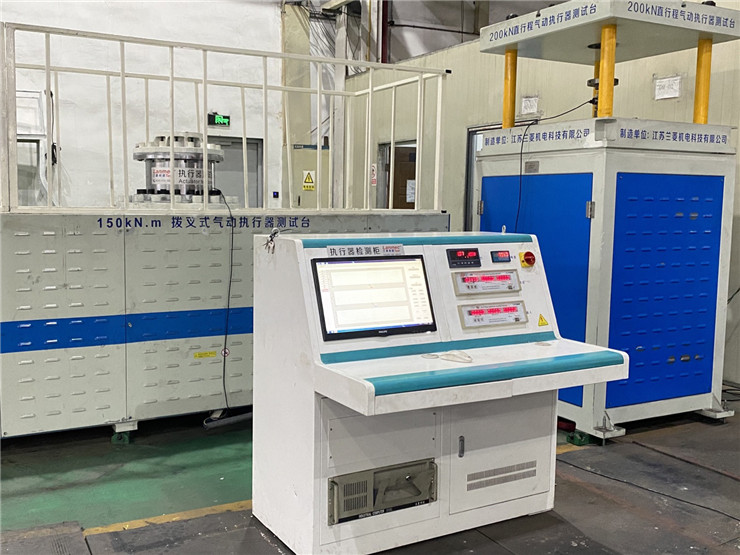
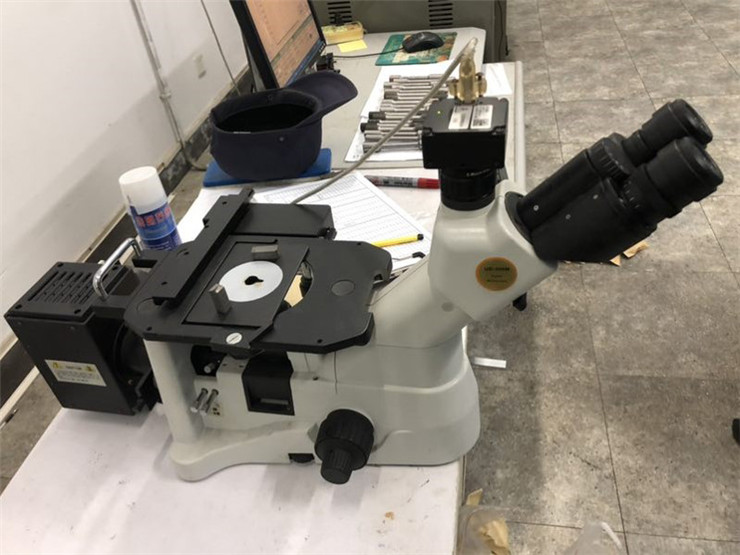
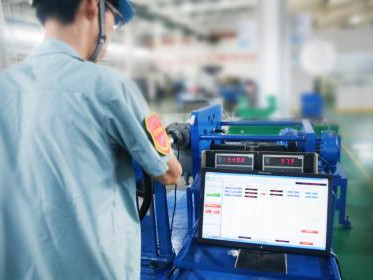
How Stard-Gears designs for future process automation and meets regional compliance requirements.
Industrial operations are increasingly adopting smart systems. Traditional manual valve operators are transitioning to integrated smart interfaces that combine manual safety overrides with digital positioning sensors.
Stard-Gears is focused on three main engineering goals for the next decade:
Answers to common engineering and sourcing questions regarding CE-marked gearboxes.
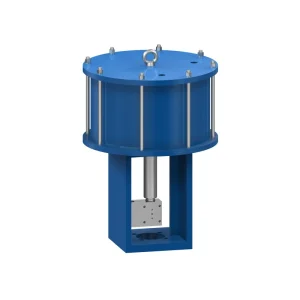
Review our secondary range of specialized valve control options, including pneumatic linear accessories and scotch yoke actuators.