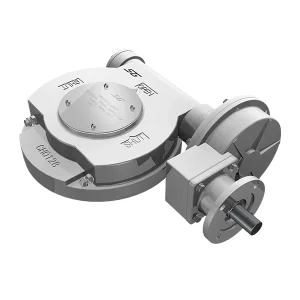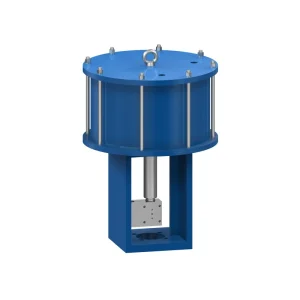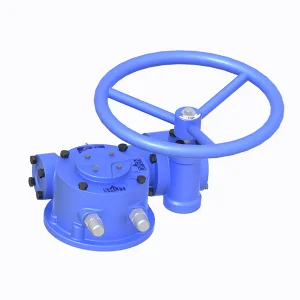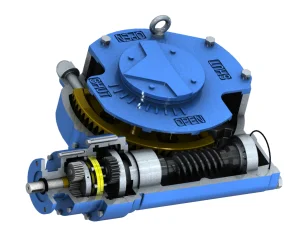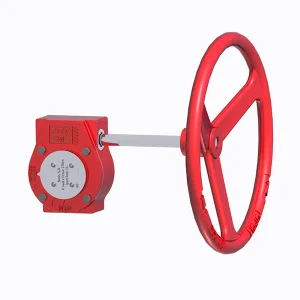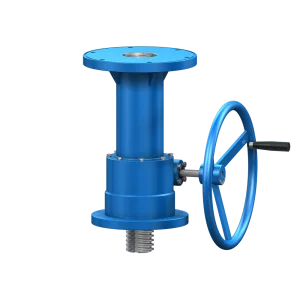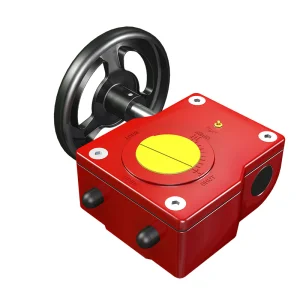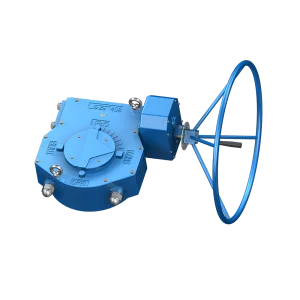
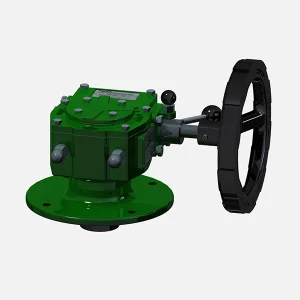
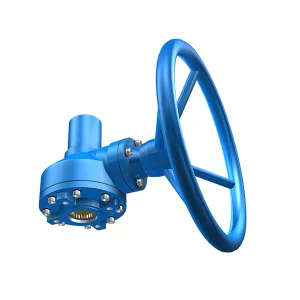
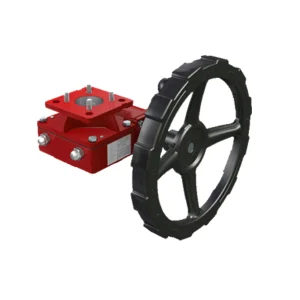
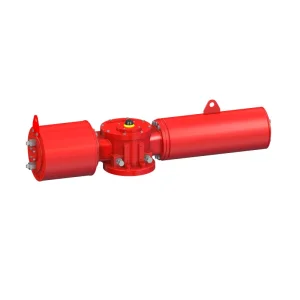
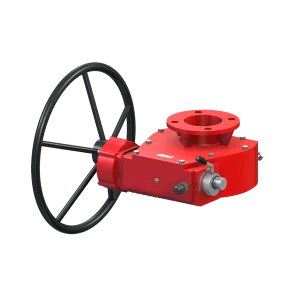
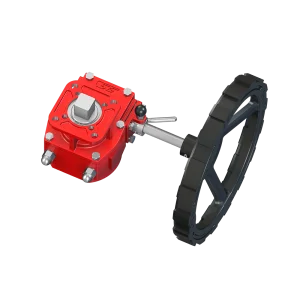
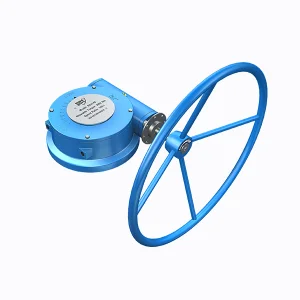
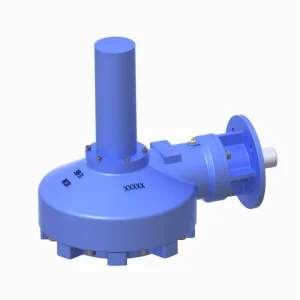
Within modern industrial valve actuation and heavy-duty mechanical transmission systems, the worm gear shaft stands as a primary transmission module. It provides massive mechanical reduction ratios in compact spaces, absolute angular precision, and self-locking capabilities essential for safety-critical configurations. As premium manufacturers certified to stringent European directives, we translate complex kinematic requirements into highly reliable components.
By engineering and manufacturing CE-certified worm gear assemblies in our advanced Suzhou Industrial Park facilities, we cater to demanding global industries, including oil & gas pipeline control, chemical processing, offshore exploration, district heating, and municipals water distribution networks. Utilizing specialized heat treatment profiles and precision thread grinding, our shafts achieve optimal contact stress margins and structural integrity.
Designed with lead angles optimized below the coefficient of friction threshold, ensuring static reverse lock to prevent back-driving in high-pressure fluid valves.
Precision ground worm threads coupled with custom-matched bronze gears guarantee minimum backlash, critical for throttle modulation and dynamic flow control.
Founded in 1999 and strategically positioned in the high-tech corridor of Suzhou Industrial Park, Stard-gears has grown into a leading global provider specializing in high-performance valve control technology. Our production facility spans an expansive 8,900 square meters, supported by a modern 2,500 square meters administrative and research complex. With annual sales volumes hovering at $7,000,000 and maintaining a sustained year-on-year growth rate of 10% to 20%, we possess the scale, stability, and technical capabilities to satisfy both high-volume OEM contracts and specialized customized gearbox projects.
Our commitment to technical innovation, reliable engineering, and strict regulatory alignment makes Stard-gears a trusted Tier-1 partner. Backed by an ISO9001 certification, our automated manufacturing lines yield an annual production capacity reaching 100,000 finished gear operators and shaft components, providing the infrastructure to satisfy global demands without sacrificing craftsmanship.
Our gear shafts and valve actuators operate continuously under extreme operational parameters in these sectors:
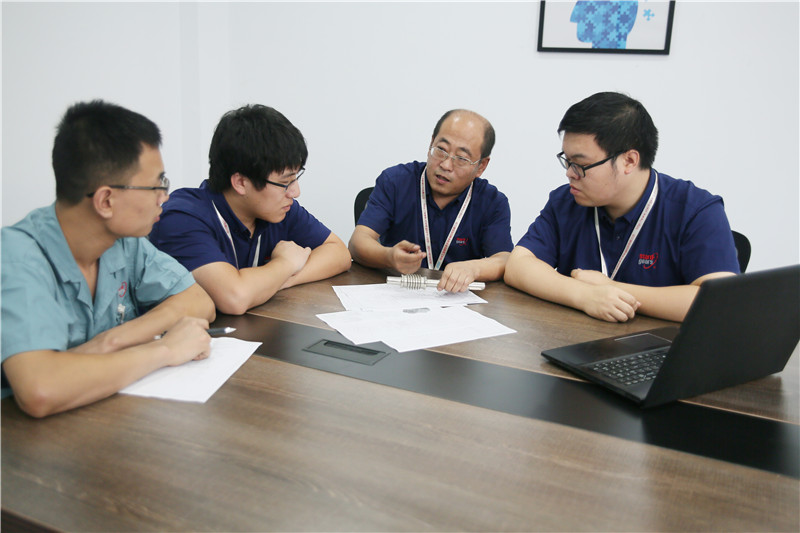
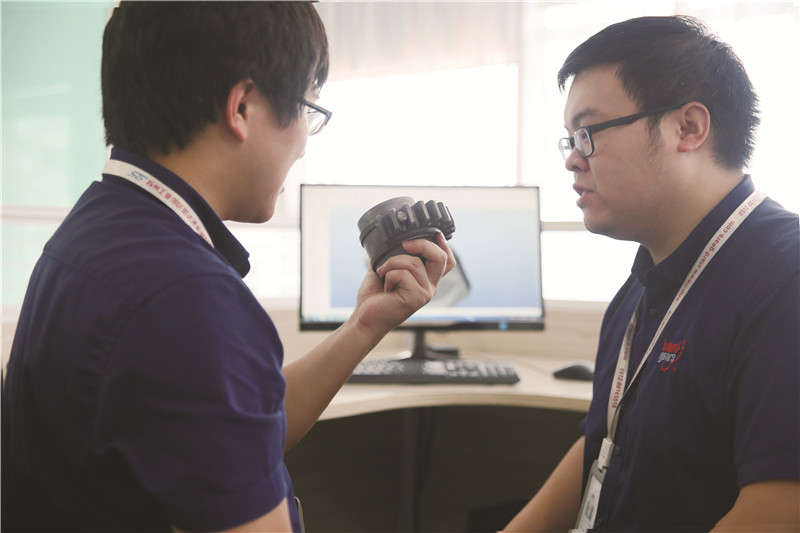
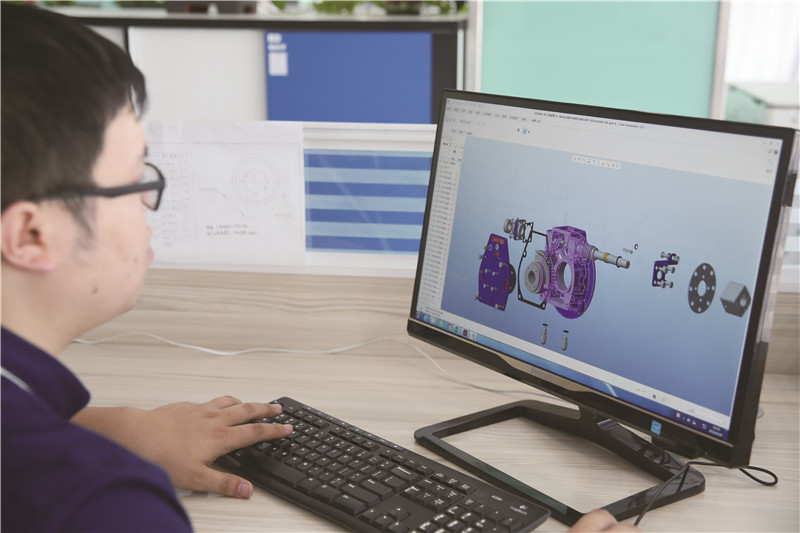
Before any raw material is fed into our high-precision CNC machines, our engineering department simulates operational cycles using advanced 3D CAD systems, kinematic dynamic simulations, and Finite Element Analysis (FEA). This digital design validation allows our team to predict potential stress concentrations, optimize the meshing patterns between the gear teeth and the worm shaft, and reduce backlash before mass manufacturing. This shortens the development cycle, improves the safety margins of the gearboxes, and controls production costs.
To stay ahead of global automation trends, Stard-gears has established a structured technical roadmap focusing on metallurgical advancements, surface finish optimization, and digitalization. Over the next decade, we are driving engineering projects focused on three core areas:
By shifting to vacuum-melted case-hardened alloy steels (such as 18CrNiMo7-6) matched with high-nickel aluminum bronze alloys, we aim to increase contact stress resilience by 25% while decreasing mechanical friction losses.
Integration of Hall-effect sensors and micro-transmitters directly onto the gearbox housings. This permits real-time backlash calculations, torque spike logging, and remote diagnostic checks via Industrial IoT protocols.
Implementing super-finishing processes on worm threads to decrease the arithmetic average roughness (Ra) down to less than 0.1 μm. This prevents micro-pitting and extends lubricant lifespan by 40% under continuous cycling.
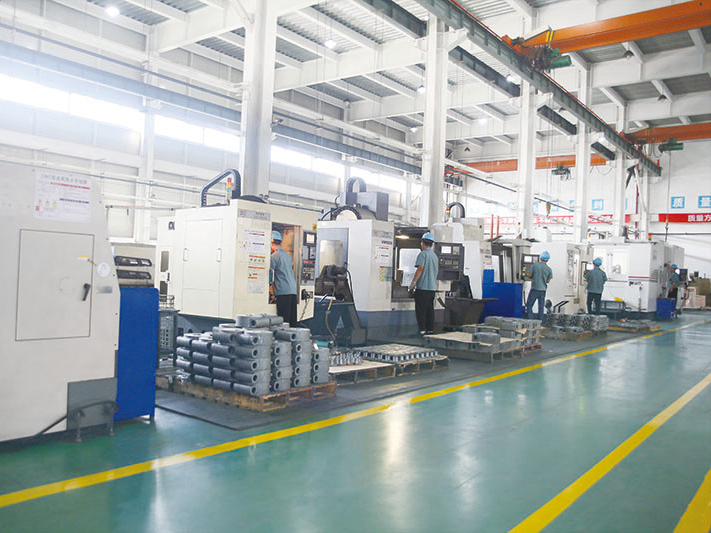
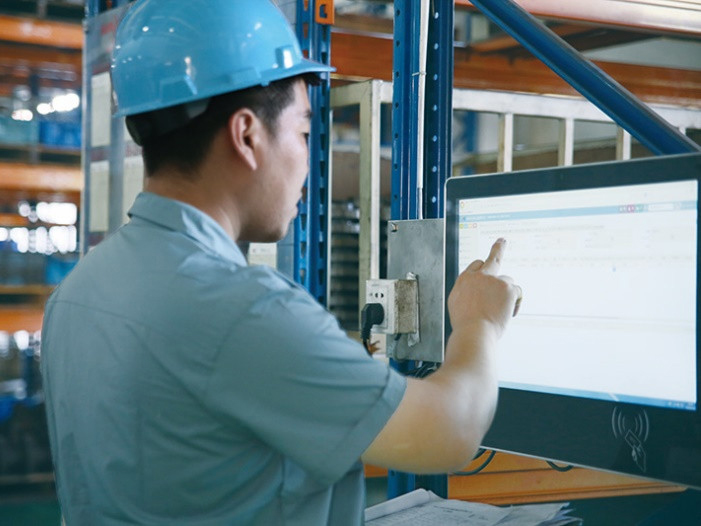
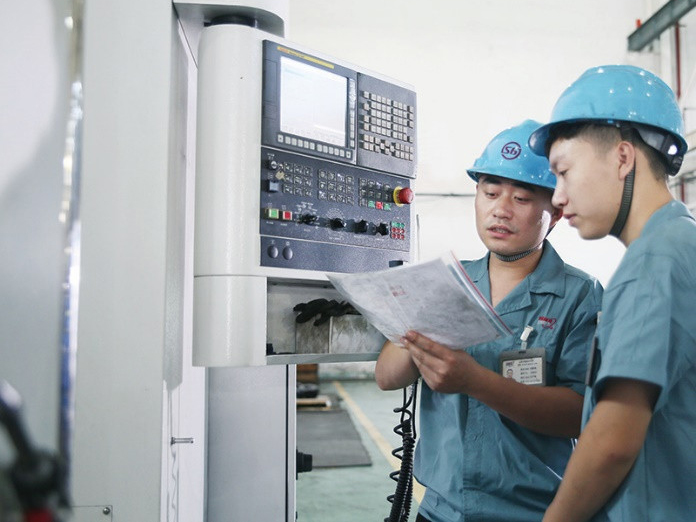
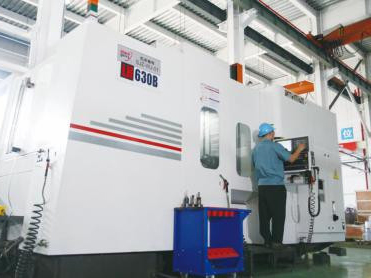
Stard Automation deploys high-end production facilities and a comprehensive enterprise resource planning (ERP) software backbone. This management system tracks every component, from incoming steel bars to the final machined worm shaft, ensuring complete traceability. Real-time monitoring allows our production managers to optimize schedule pipelines, control delays, and maximize floor efficiency.
With an annual output value in Suzhou plant reaching $9,000,000, we handle massive bulk orders, providing prompt lead times and stable pricing.
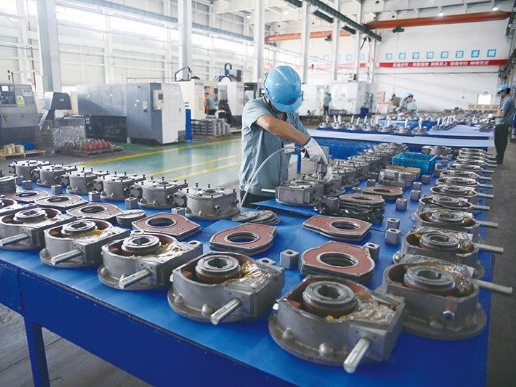
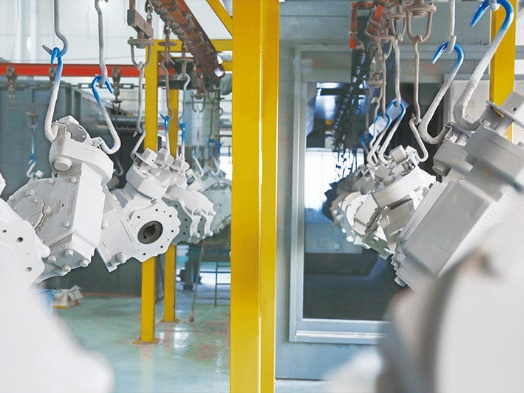
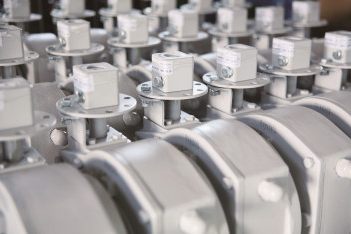
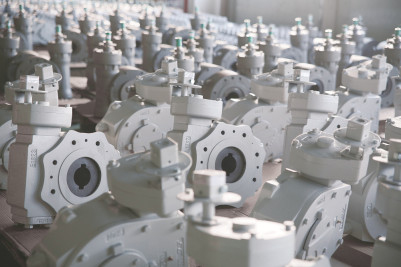
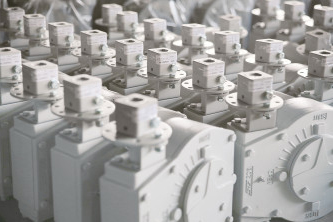
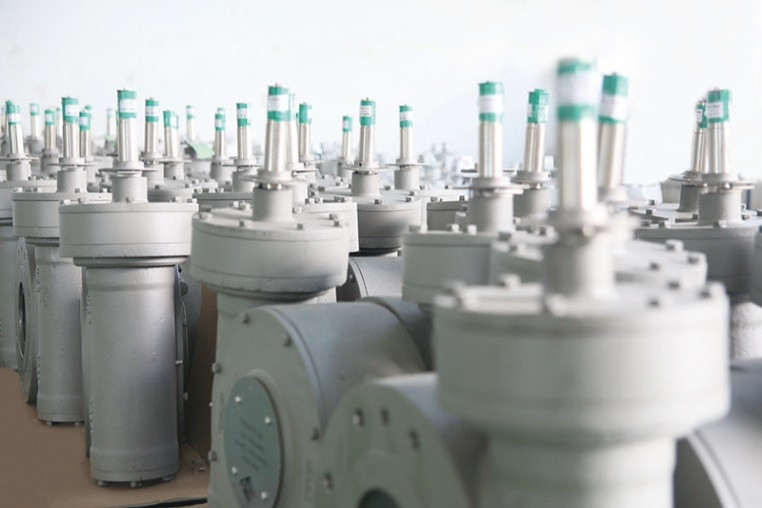
Located in the heart of China’s Yangtze River Delta (YRD) region, our Suzhou factory benefits from a comprehensive industrial ecosystem. The YRD is a premier global cluster for precision casting, advanced metallurgy, tooling fabrication, and surface-treatment technologies. This local concentration of expertise offers distinct advantages to our international clientele:
We access qualified casting foundries specializing in high-grade ductile iron (WCB, LCC, and CF8M stainless steel) within a 50km radius. This short distance reduces raw material transport costs and speeds up design-to-prototype iterations.
Proximity to major international shipping portals like the Port of Shanghai and Port of Ningbo allows us to execute sea-freight shipments efficiently. Air freight options via Shanghai Pudong International Airport support express deliveries for critical components.
The density of auxiliary services (such as specialized heat treatment and electroplating facilities) ensures our production faces minimal risk of external bottleneck interruptions, allowing us to maintain stable delivery rates.
To secure CE certification and build global trust, Stard Automation employs dedicated, full-time QC inspectors at each processing stage: incoming material verification, in-process control, assembly tolerance checks, and final testing. No gearbox or gear shaft leaves our facility without achieving 100% qualification.
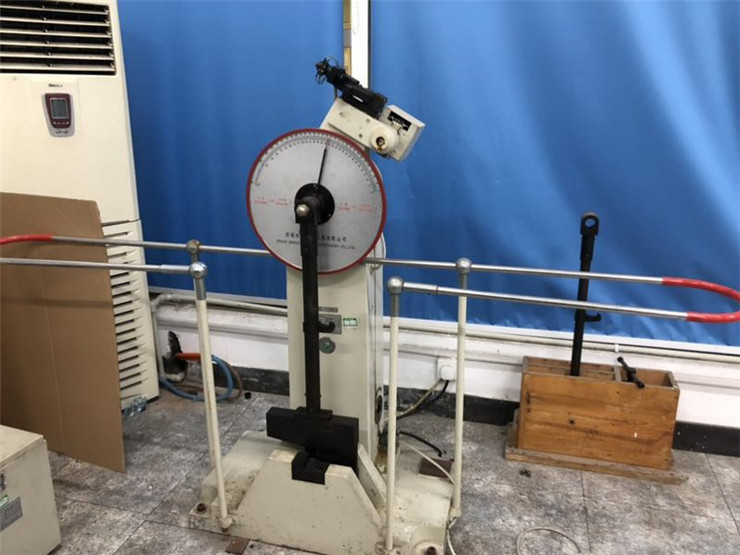
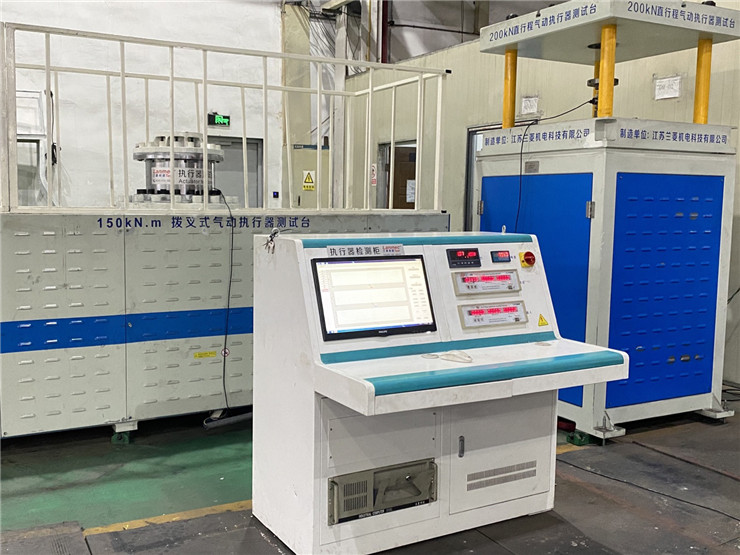
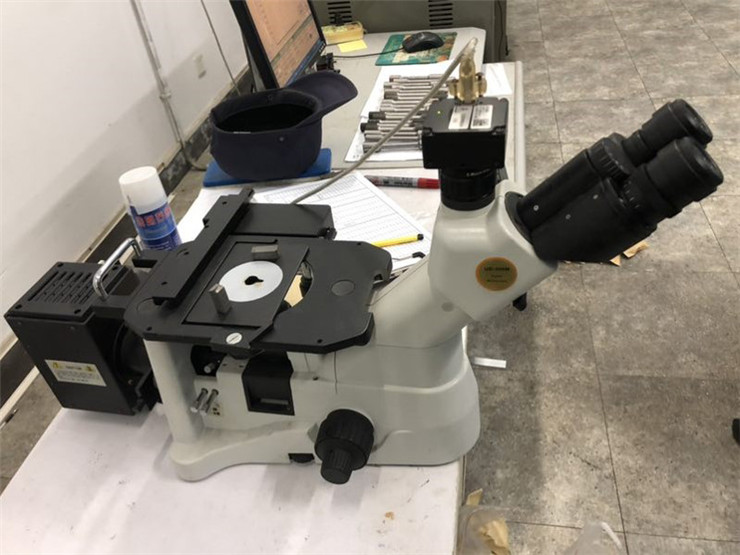
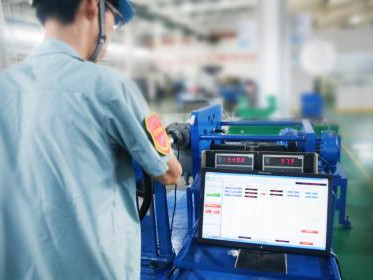
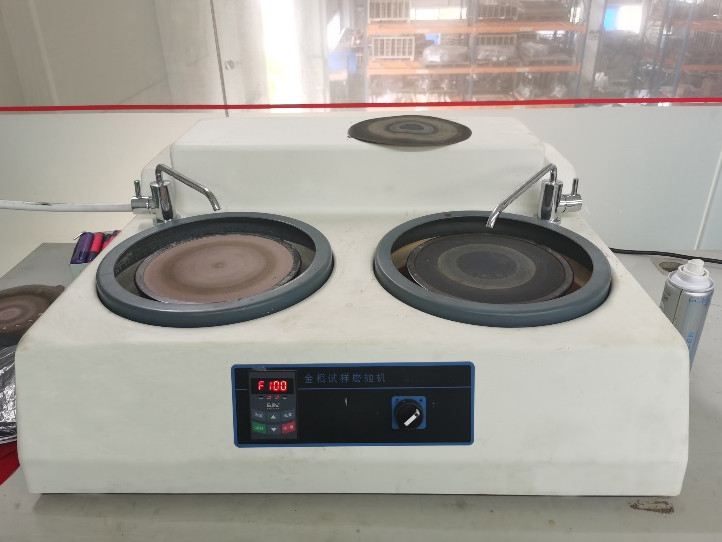
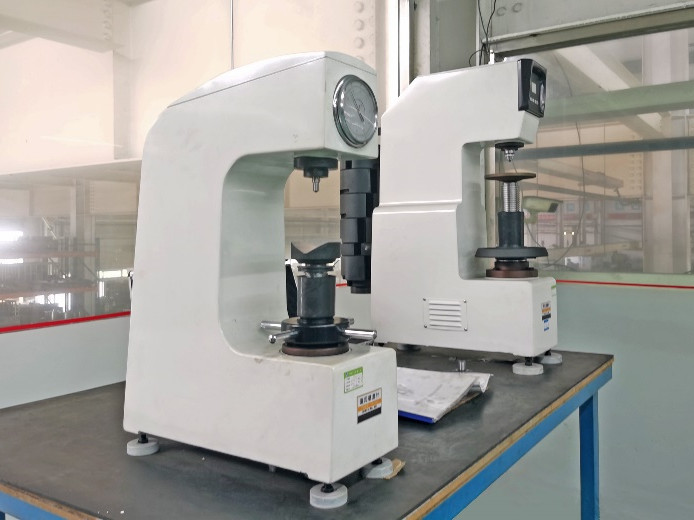
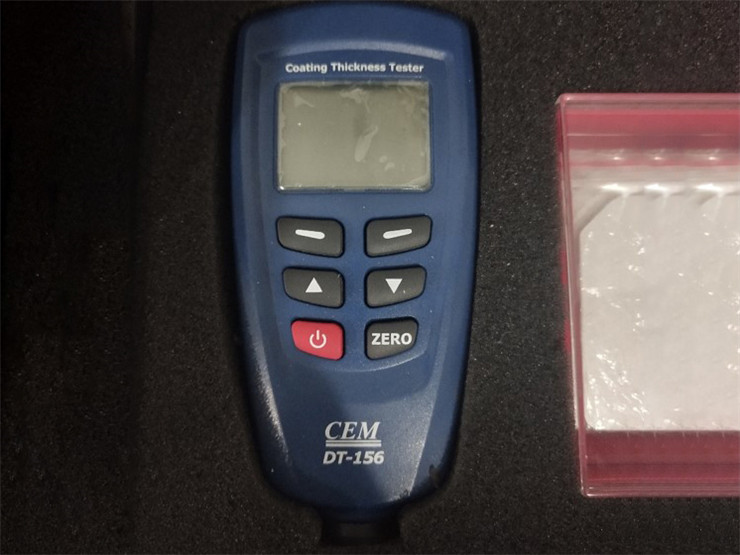
Our quality verification system is supported by testing instrumentation capable of analyzing micro-structures and checking physical tolerances. This allows us to perform high-load torque testing and verify mechanical operational life cycles under simulated field stress conditions.
By conforming to the requirements of the European Economic Area (EEA), our CE-certified gear operator components satisfy crucial directives. This verification process enables engineering firms, distributors, and EPC contractors to implement our hardware in demanding operating environments.
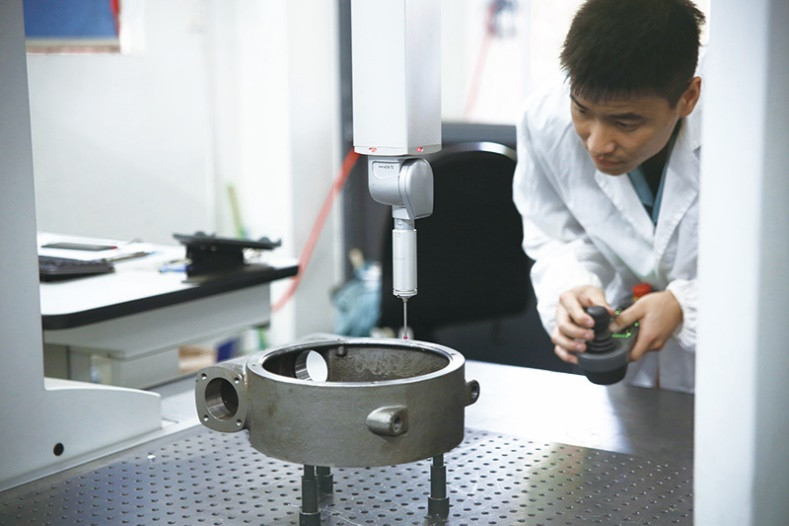
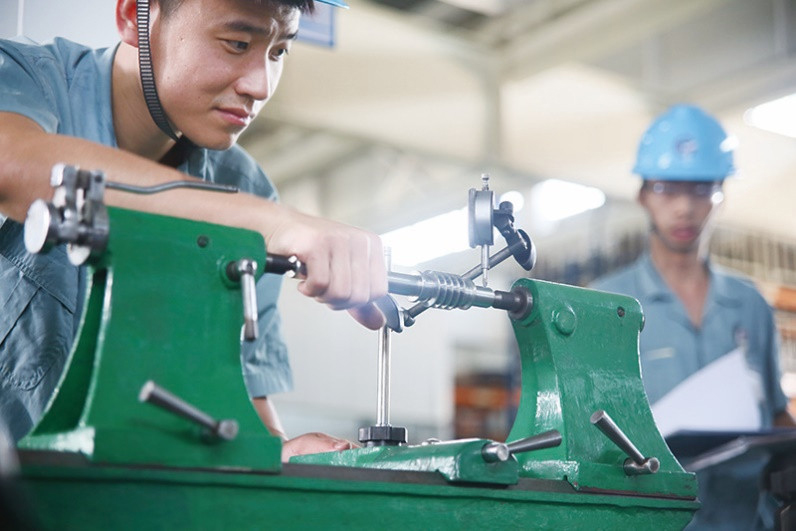
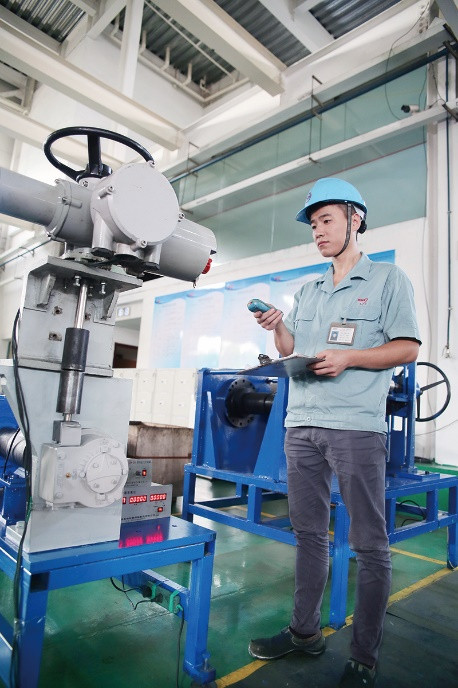
A worm gear drive relies on sliding friction rather than rolling friction. Therefore, optimizing efficiency and service life requires precise control over core engineering parameters:
By selecting a double-enveloping worm configuration, we increase the tooth contact area compared to cylindrical worm styles. This design distributes localized loads across multiple teeth, reducing contact pressure and improving torque throughput.
Because sliding friction generates heat, our gearboxes use built-in thermal pathways. Strategic integration of synthetic lubricants (such as polyglycols) along with housing cooling fins prevents rapid temperature rise during high-frequency cycles.
Our worm shafts undergo gas carburizing heat treatment, creating a hard surface shell (HRC 58-62) with a resilient, ductile core. This surface finish stands up to wear, while the tough center absorbs shock loads without cracking.
Over the past decade, Stard-gears has expanded its reach beyond domestic borders. Our products are exported to demanding markets including the United States, Italy, Germany, Mexico, Singapore, and Japan. We offer comprehensive localized support to maintain operational performance across all regions:
Our systems meet international criteria, including ISO 9001 and CE directives, ensuring smooth entry into European and other highly regulated industrial markets.
Our engineers provide direct technical support, assisting with product integration, sharing CAD models, and customizing shafts to match specific valve dimensions.
We offer flexible customization options, allowing adjustments to shaft keyway dimensions, spline tooth counts, lead angle configurations, and anti-corrosive coatings.