In large-scale industrial fluid systems, manual override access to elevated valves is critical for operations, safety, and system maintenance. Historically, selecting a "cheap" butterfly valve chain wheel meant accepting sub-par casting, unreliable chain tracking, and accelerated corrosion.
Today, modern engineering techniques, combined with integrated supply chains in China’s premier industrial regions, allow companies to procure highly cost-effective solutions that meet the most rigorous European and American standards. As a premier manufacturer established in 1999, we optimize designs using advanced 3D FEA simulations, ensuring our chain wheels provide superior structural performance, precise fitment, and robust safety protection at a fraction of standard global costs.
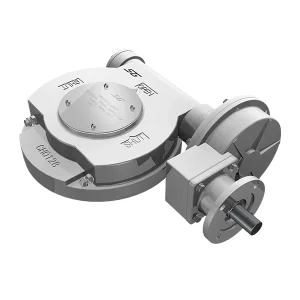
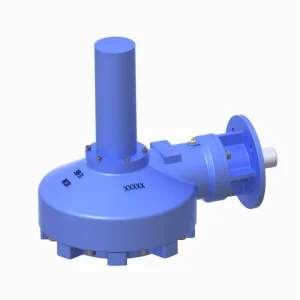
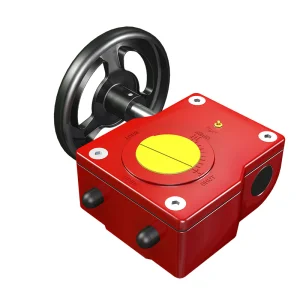
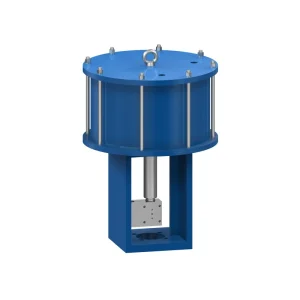
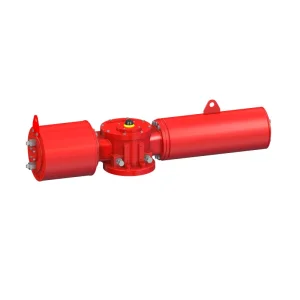
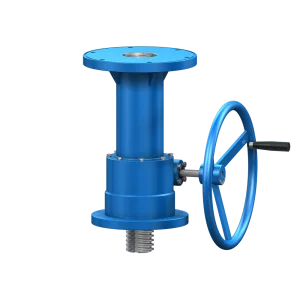
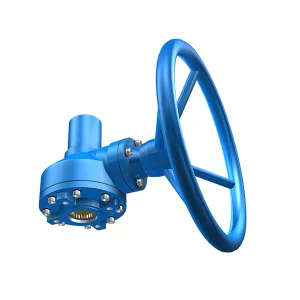
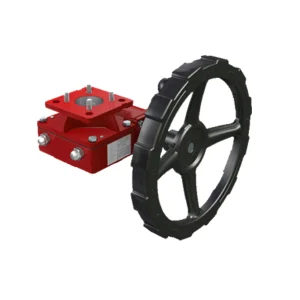
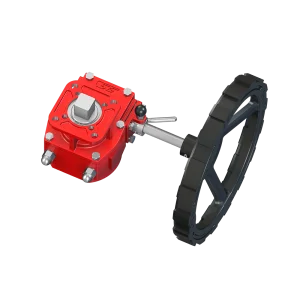
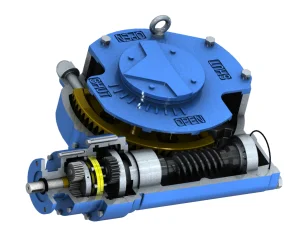
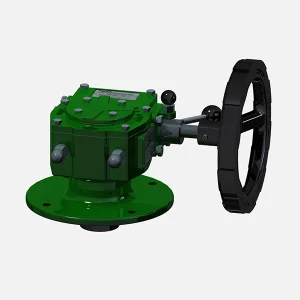
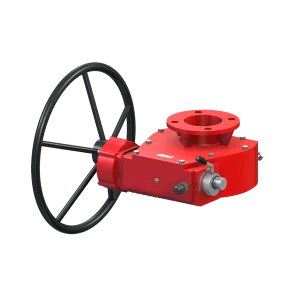
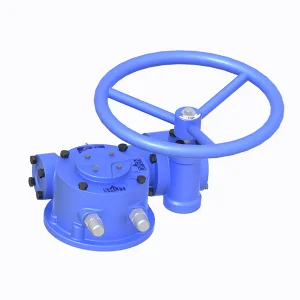
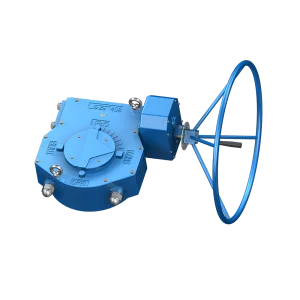
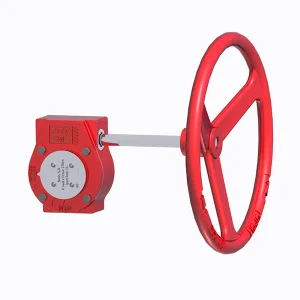
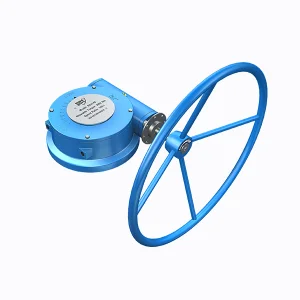
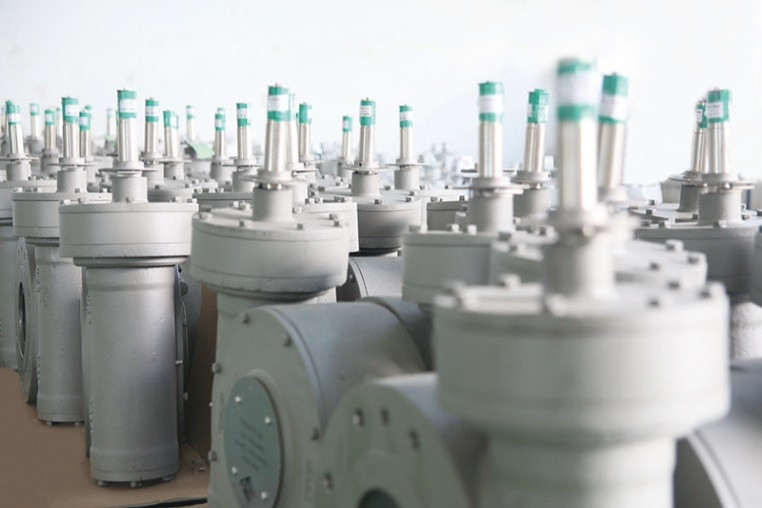
Examine our precision-engineered gearbox operators and actuation accessories, designed to pair seamlessly with butterfly valve chain wheels in diverse pipeline networks.
Through 3D simulation, dynamic kinematics, and finite element analysis (FEA), our engineering team virtually verifies the structural integrity and torque resilience of every butterfly valve chain wheel before casting production begins. This methodology significantly shortens development cycles, optimizes wall thickness to lower costs, and guarantees field safety.
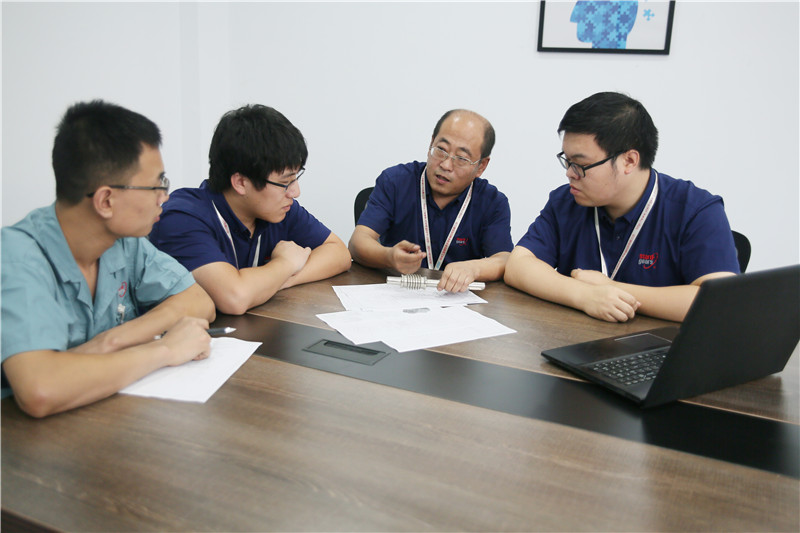
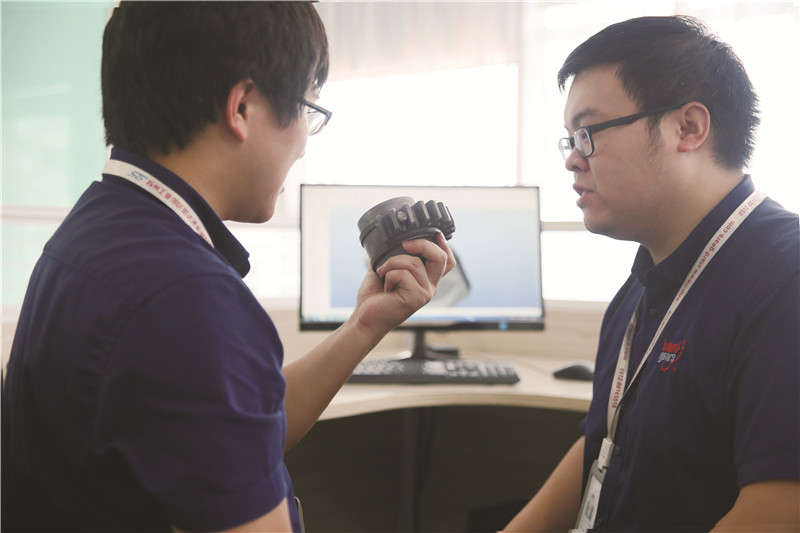
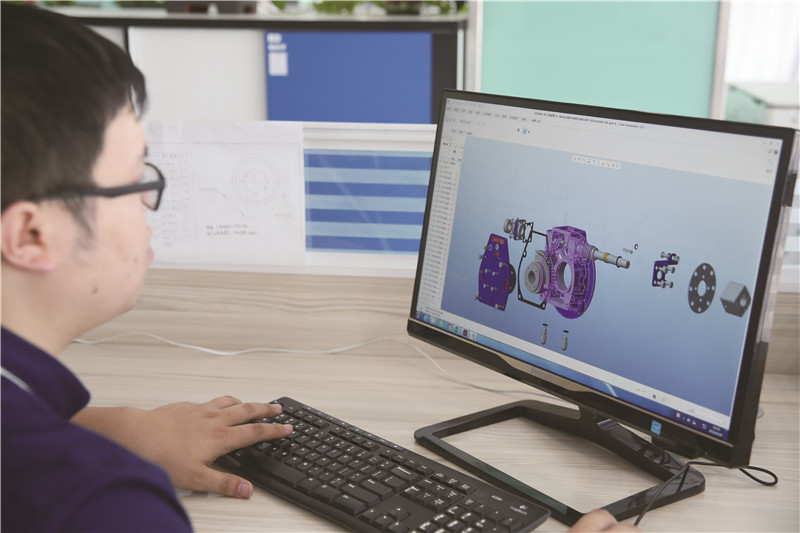
By mapping extreme mechanical forces acting on the outer rim of the chain wheel during manual override operations, our simulations locate concentration points of stress. This ensures the spoke-to-hub connections can withstand torque spikes exceeding design specifications by up to 250%.
Misaligned chains represent a serious occupational safety hazard. Our CAD software dynamically models the movement of the chain links through the guide arms and wheel pockets, eliminating potential binding, snagging, or jump-out failures.
To support various industrial valves, we design and produce clamping mechanisms, customized bored-and-keyed configurations, and direct-mount adapters suitable for all standard input shafts of electric, pneumatic, and manual gear operators.
Established in 1999 in the heart of China's Yangtze River Delta, our facility in the Suzhou Industrial Park spans an 8,900 m² factory footprint and 2,500 m² of technical offices. This location places us within a leading industrial cluster, enabling rapid access to raw castings, metallurgical processing, and specialized surface treatment operations.
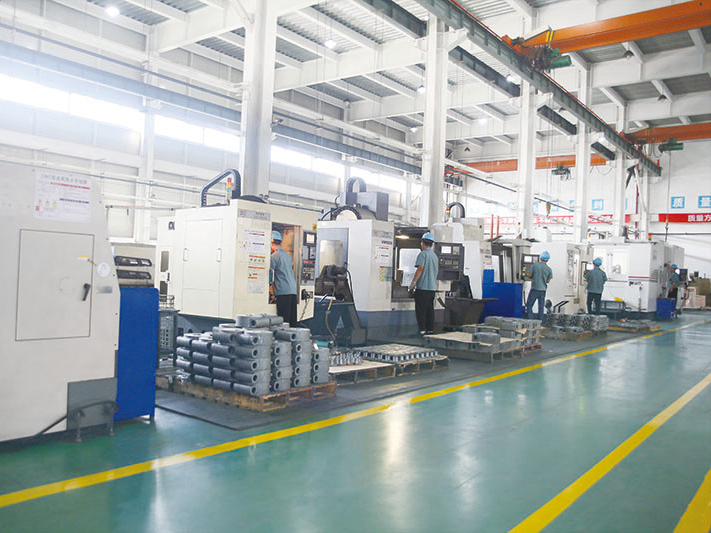
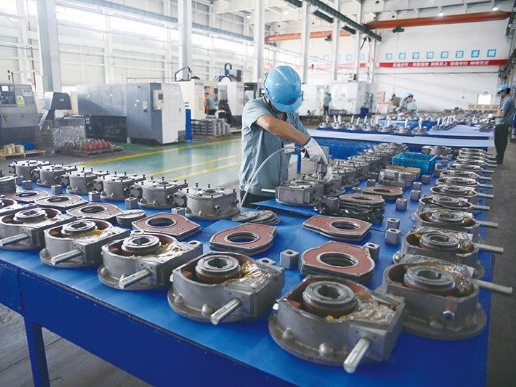
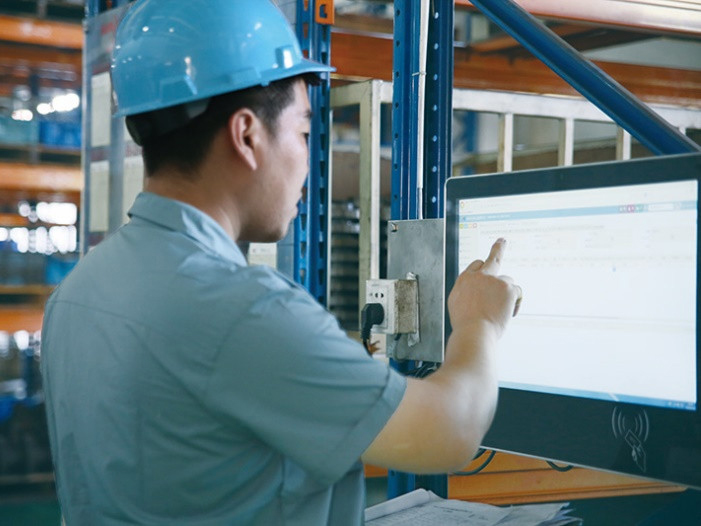
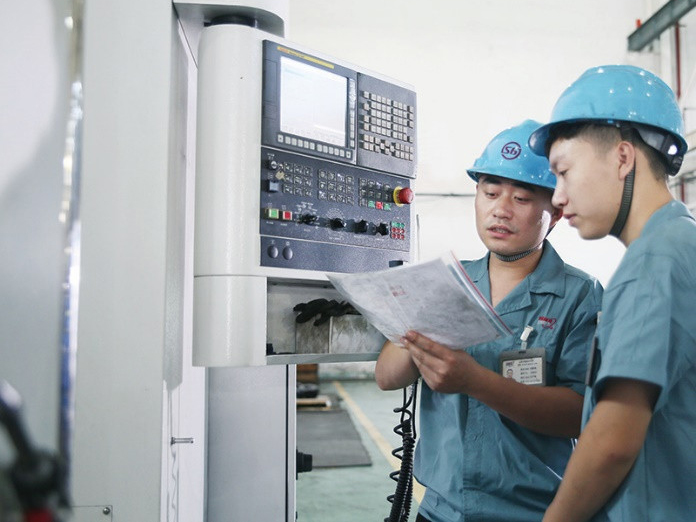
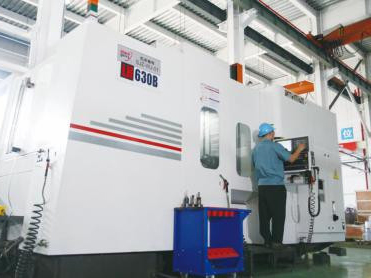
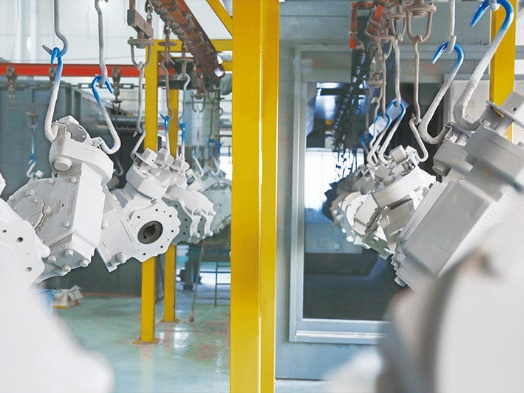
Operational efficiency is driven by a comprehensive ERP management system. From order intake and metallurgical verification to CNC machining, surface treatment, and packaging, every stage of production is tracked. This level of supervision shortens lead times, optimizes raw material consumption, and guarantees order completion schedules.
This streamlined production workflow allows us to offer highly competitive factory-direct pricing. Rather than compromising component quality, our cost advantages stem from refined manufacturing processes, lower localized shipping costs, and an efficient supply chain network.
Our Suzhou plant generates an annual output value of $9,000,000, with an annual capacity of 100,000 sets. Over the past 10 years, our industrial valve control solutions and accessories have been exported to critical markets globally, including the United States, Italy, Germany, Mexico, Singapore, and Japan.
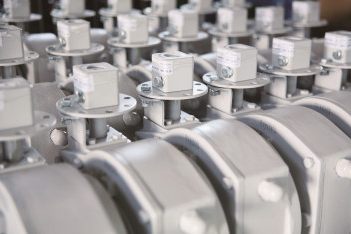
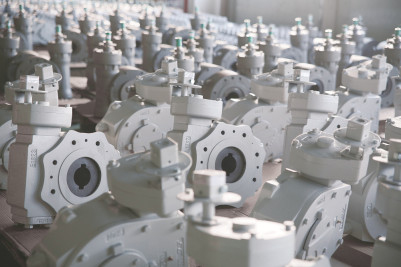
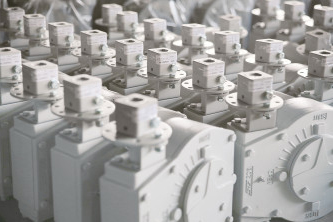
Our plant uses high-precision tooling, specialized drilling jigs, and automatic CNC machinery to achieve strict dimensional tolerances. This production framework maintains structural alignment of the wheel hub with the butterfly valve shaft, reducing backlash and dynamic friction.
| Material Standard | Yield Strength | Tensile Strength | Typical Applications |
|---|---|---|---|
| Ductile Iron (ASTM A536) | ≥ 310 MPa | ≥ 450 MPa | Industrial water mains, municipal installations, oil and chemical refineries. |
| Cast Carbon Steel (ASTM A216 WCB) | ≥ 250 MPa | ≥ 485 MPa | High-temperature, high-pressure hydrocarbon networks, steam systems. |
| Aluminium Alloy (ADC12) | ≥ 150 MPa | ≥ 280 MPa | Lightweight pipelines, indoor ventilation duct networks, HVAC installations. |
| Stainless Steel (ASTM A351 CF8M) | ≥ 205 MPa | ≥ 485 MPa | Corrosive environments, marine installations, offshore drilling platforms. |
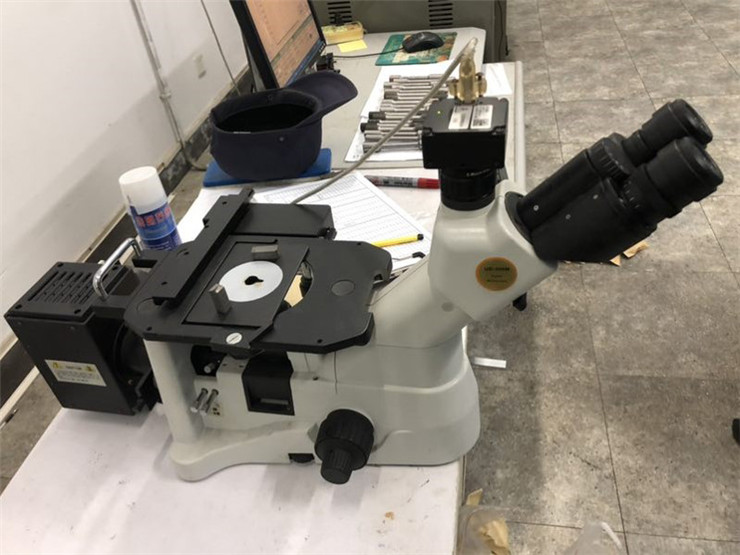
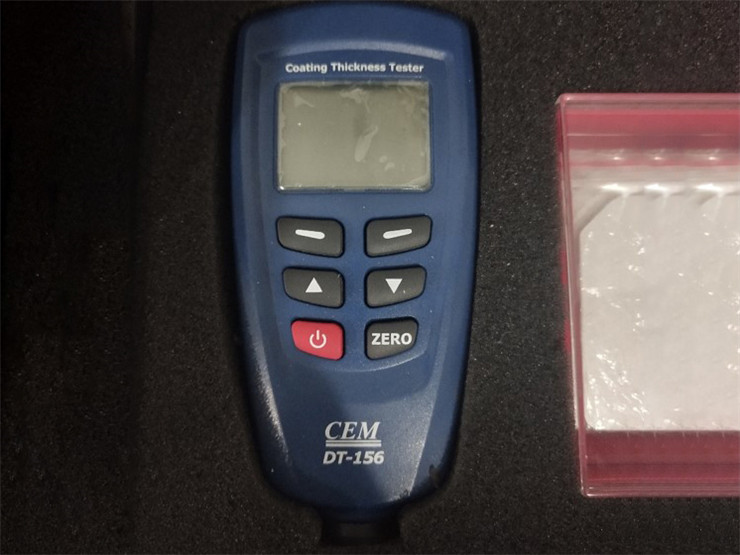
Quality is maintained at every step of our production workflow. We conduct material composition testing, dimensional tolerances verification, and assembly checks before shipping to prevent defects from reaching the field.
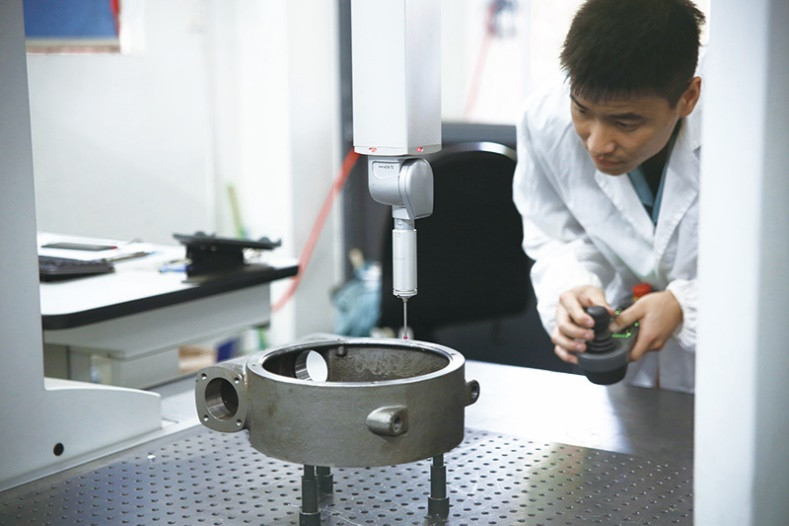
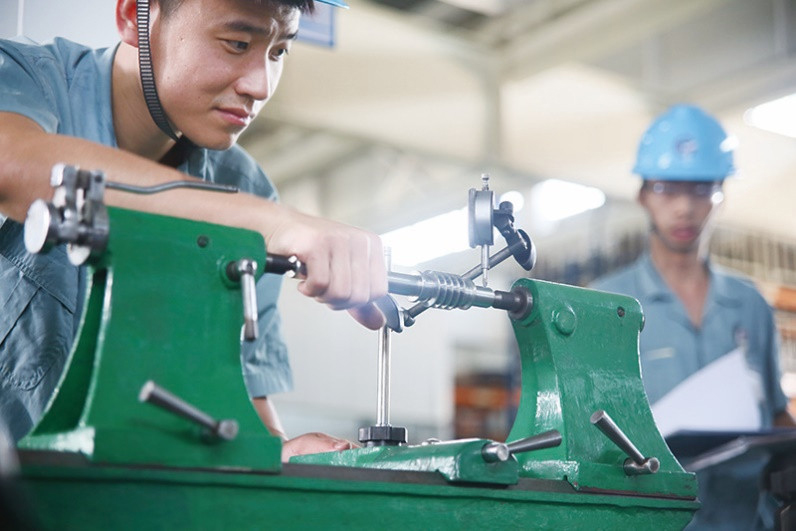
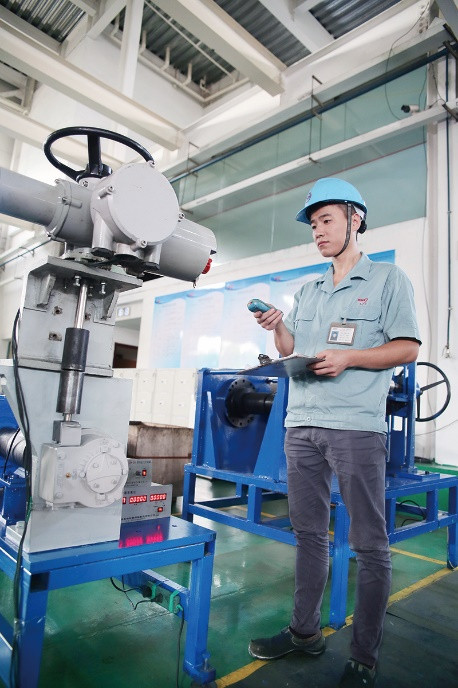
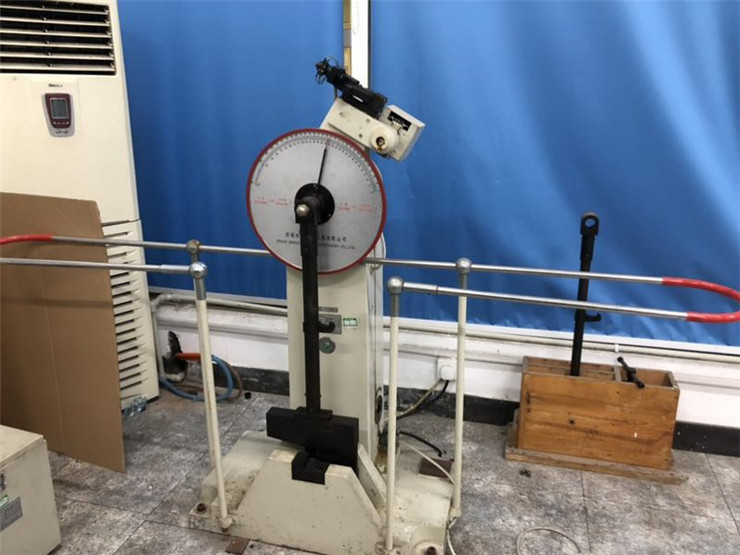
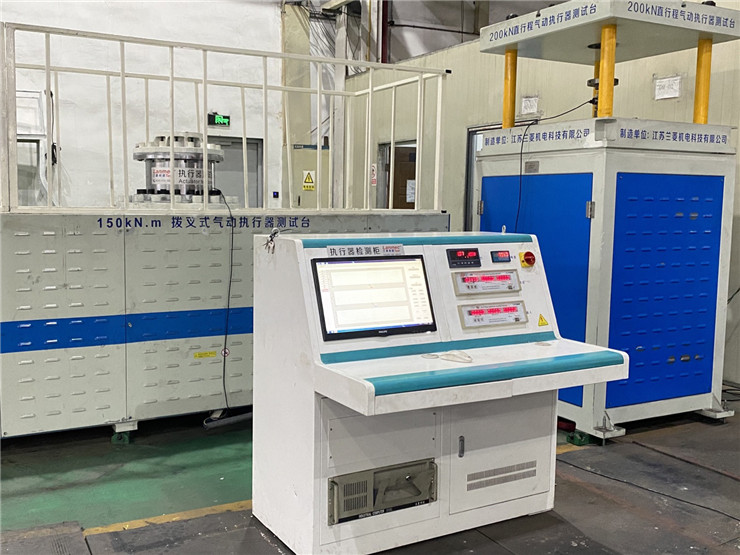
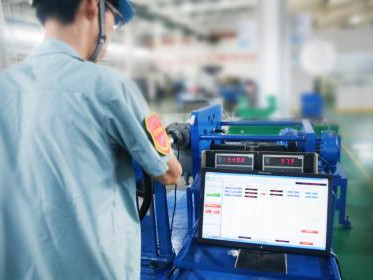
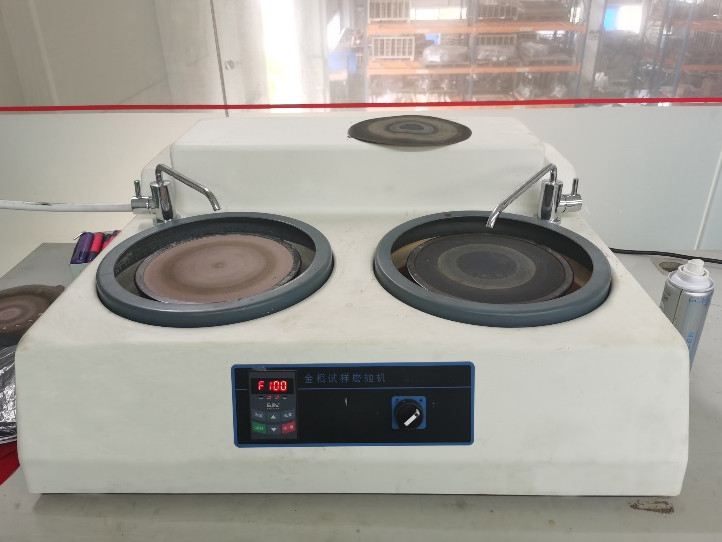
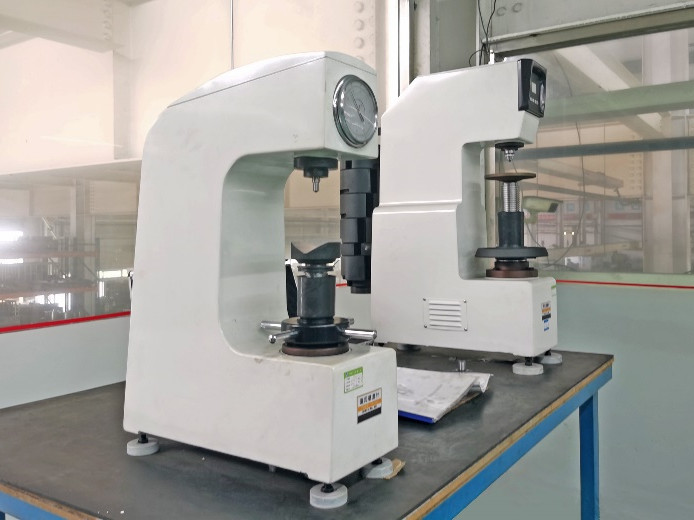
Our QA program relies on dedicated testing equipment to verify the strength of the chain wheel and gear operator systems. This setup enables in-house testing for key metrics: torque capability, rotational backlash, wear resistance, and lifecycle operations.
Every casting batch undergoes destructive testing to confirm that ductility, tensile strength, and impact resistance match customer requirements. This documentation is logged and archived under our ISO 9001 control system to maintain traceability for each production run.
Procuring hardware globally requires aligning with local safety standards, engineering guidelines, and installation requirements across different regions.
Our chain wheels comply with regional standards, including OSHA safety guidelines for overhead manual valve overrides. Designs can incorporate safety cable containment lines to protect personnel from high-level impact hazards during operation.
We provide CE-certified gearboxes and accessories. For hazard-prone chemical and refining applications, we supply spark-resistant options in aluminum-bronze or coated ductile iron to meet ATEX explosive atmosphere directives.
To withstand high-humidity marine conditions in Southeast Asia and desert environments in the Middle East, our chain wheels feature hot-dip galvanization and multi-layer marine-grade epoxy coatings to resist long-term UV and corrosion damage.
Global buyers are shifting away from standalone hardware components toward integrated assemblies. Modern engineering specifications increasingly request that butterfly valves, declutchable manual overrides, and chain wheels arrive pre-tested, configured, and packaged as a single unit to minimize field installation times.
Additionally, the adoption of lightweight aluminum and composite carbon alloys is growing in marine and offshore contexts. These designs reduce system weight overhead without sacrificing the torque capabilities needed to cycle high-pressure butterfly valves.
Get authoritative answers to technical questions covering mechanical configuration, structural safety, installation, and procurement parameters.
Explore our full line of gearboxes and override systems, manufactured to high quality standards at our ISO 9001-certified factory.