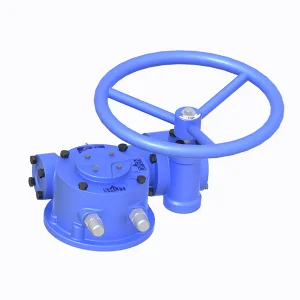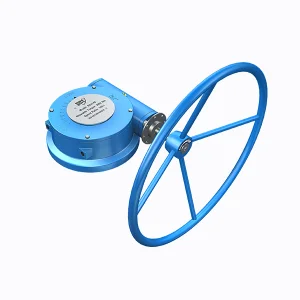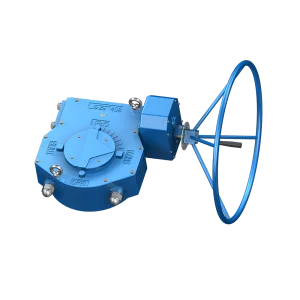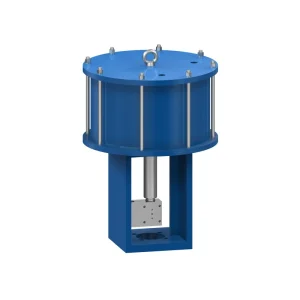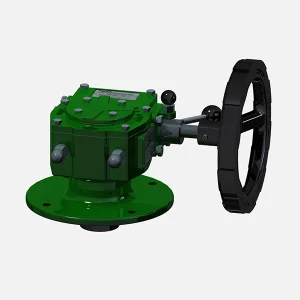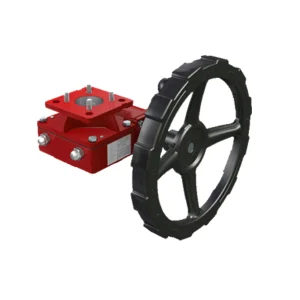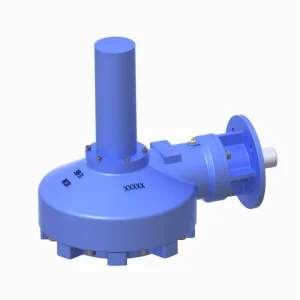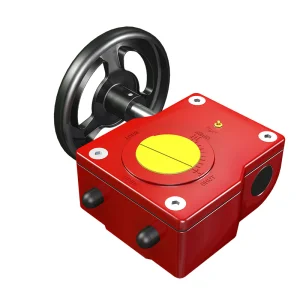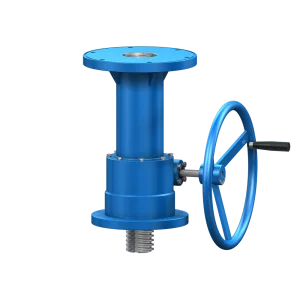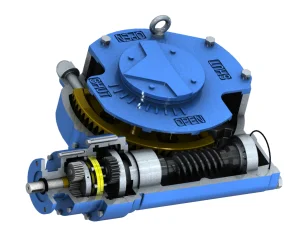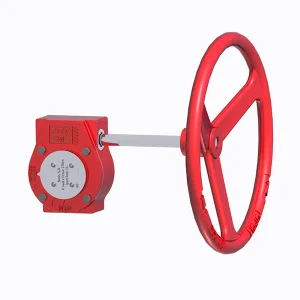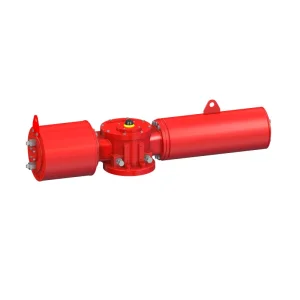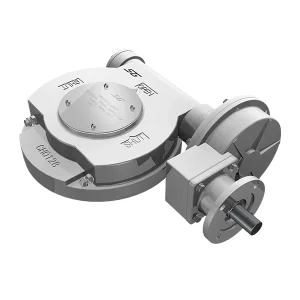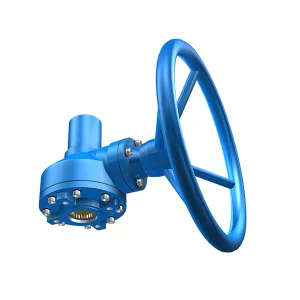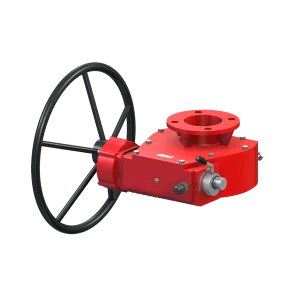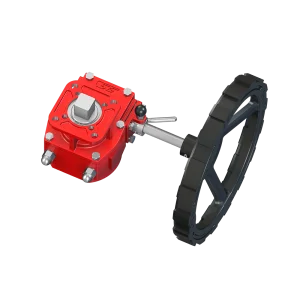
Explore our industrial-grade butterfly valve handwheels and performance-tested gearbox series designed for precise fluid control.
Founded in 1999 and strategically headquartered in the Suzhou Industrial Park, China, Stard-gears has established itself as an authoritative global provider in high-precision valve control technologies. Spanning an engineered manufacturing footprint of 8,900 m² and supported by modern corporate spaces of 2,500 m², we represent the pinnacle of regional supply chain efficiency and product excellence.
Our core solutions are systematically integrated into high-stakes global industries, notably oil and gas, chemical processing, thermal and nuclear energy, municipal water treatment, and infrastructure pipeline engineering. With an annual sales velocity of $7,000,000 and sustaining a robust growth profile of 10% to 20% year-on-year, we leverage our ISO9001 certified manufacturing plant to produce over 100,000 units annually.
As a prominent cheap butterfly valve handwheel supplier and factory network partner, we combine advanced digital design protocols with optimized manufacturing efficiencies in the Yangtze River Delta. This guarantees that our international clients benefit from aggressive lead times, optimized raw material procurement, and verified longevity.
A comprehensive technical report on the supply chains, metallurgy selections, and standard compliance parameters governing global butterfly valve handwheel infrastructure.
Global procurement directives require rigorous standardization to maintain interoperability. Modern butterfly valve handwheels must conform precisely to ISO 5211 mounting patterns. This ensures seamless integration with quarter-turn gear operators and pneumatic actuators. Additional alignment protocols include compliance with API 609, DIN 3202, and ANSI B16.34 standards, ensuring physical integrity under heavy pipeline loads.
Valves are subjected to high differential pressures, requiring substantial operating torques to crack open or close tightly. Cheap butterfly valve handwheel supplier networks optimize mechanical advantage through worm gear configurations. This significantly reduces the handwheel rim force required by operators, ensuring compliance with OSHA and international ergonomics directives on manual operation forces.
Industrial applications range from onshore marine terminals to underground municipal pipes. Material selection dictates corrosion rate profiles. Typically, housings use ASTM A536 ductile iron (GGG40/50) or ASTM A216 WCB cast steel. Internal gears feature high-tensile aluminum bronze (QAl9-4) or carbon steel to resist abrasion, while handwheels are constructed from epoxy-coated steel or aluminum alloys for weather resistance.
SEO Insight Insight / Information Gain: When sourcing manual valve overrides, the Total Cost of Ownership (TCO) is directly tied to casting quality and seal integrity. Suzhou-based manufacturers leverage advanced chemical-analysis testing (spectrometry) at the casting stage, mitigating micro-fissures and internal porosity that lead to catastrophic failures under sudden back-pressure spikes.
Through 3D CAD modeling, dynamic simulation, and finite element analysis (FEA), our engineering team verifies the mechanical integrity of every design before foundry production begins.
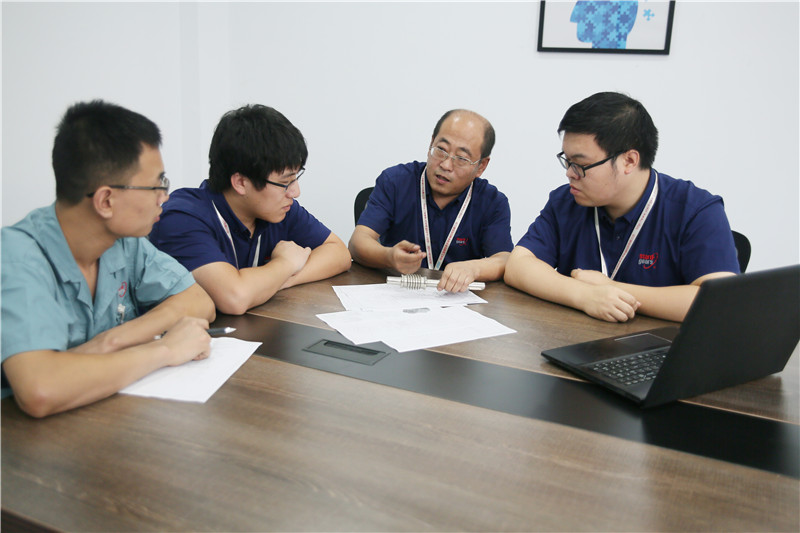
Collaborating directly with global engineers to establish dimensional matching and input torque thresholds.
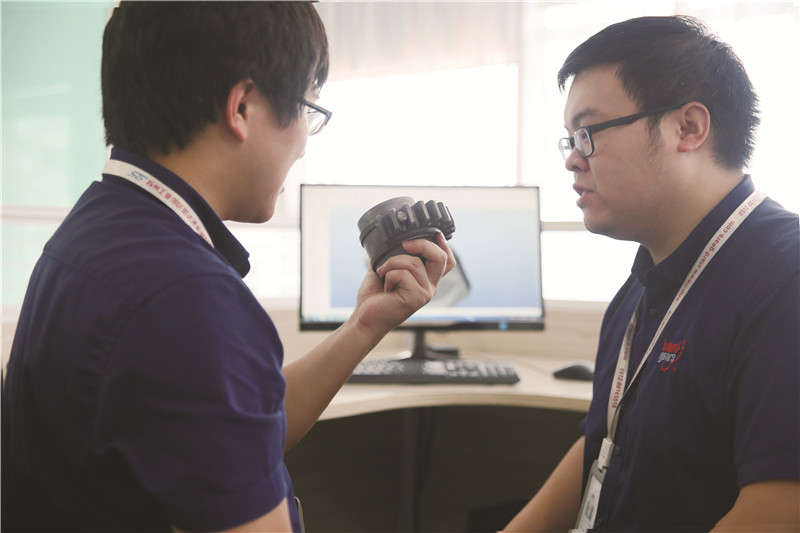
Evaluating structural simulations and structural stress patterns using SolidWorks and ANSYS.
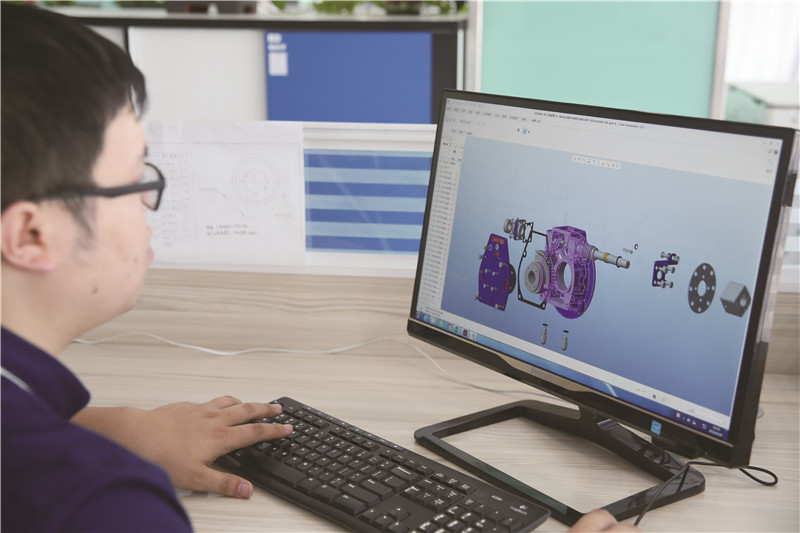
Finalizing high-precision technical blueprints ready for CNC toolpath programming and mould creation.
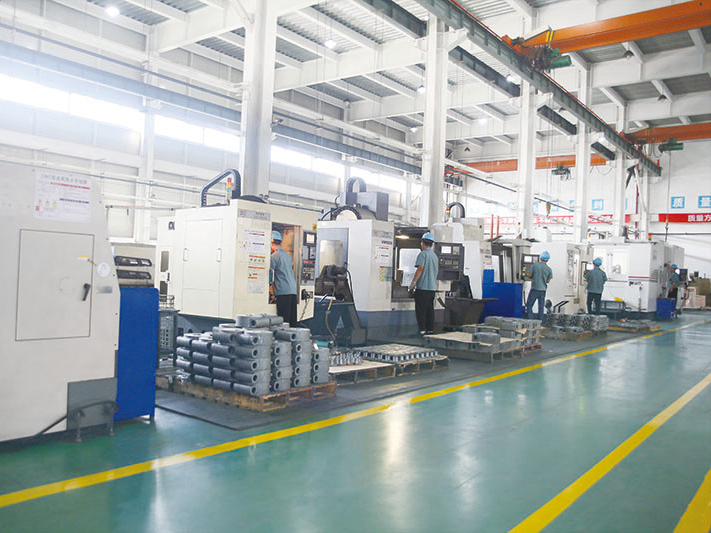
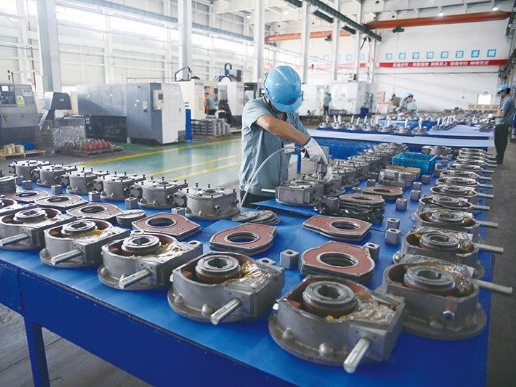
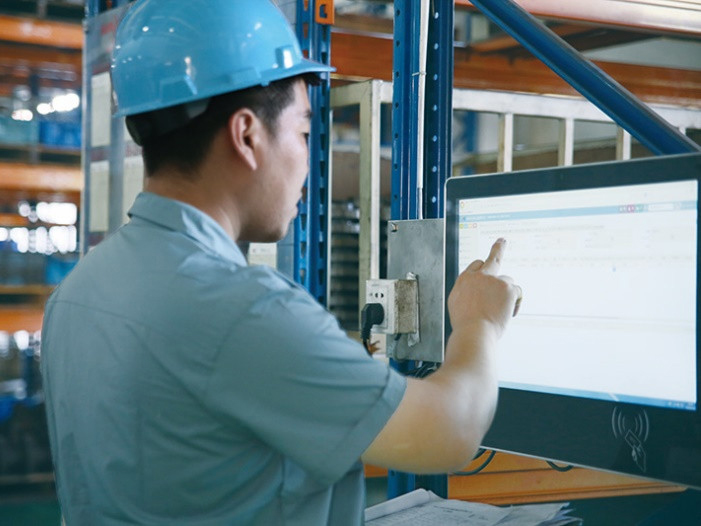
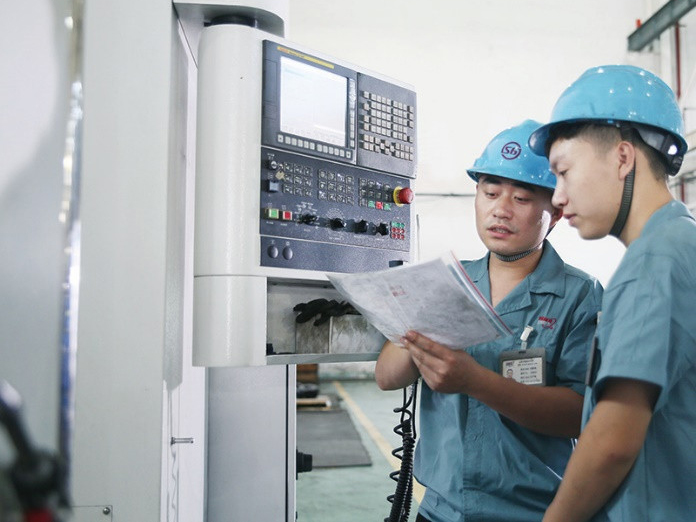
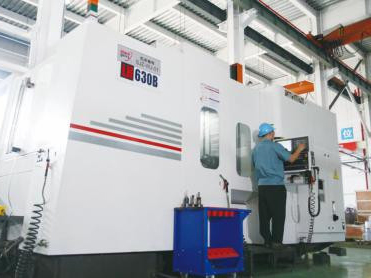
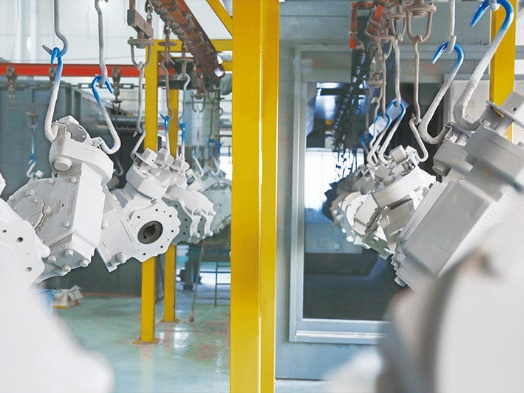
Real-time ERP-tracked production lines at our Suzhou Industrial plant.
Operating out of the Yangtze River Delta—specifically the Suzhou Industrial Park—provides Stard-gears with unparalleled infrastructure optimization. The localized industrial cluster ensures immediate access to casting foundries, automated precision machining facilities, high-grade fastener manufacturers, and surface coating services. This concentration minimizes domestic logistics costs and transit bottlenecks.
To scale efficiency, we employ a comprehensive ERP system that tracks production from raw ingot melting to final multi-stage testing. Every order is modularized, enabling the optimization of multi-axis machining toolpaths and ensuring that high-volume orders for butterfly valve handwheels can be completed rapidly. The resulting productivity translates to a significant cost advantage, making us a leading cheap butterfly valve handwheel supplier globally without sacrificing dimensional accuracy.
With dedicated machining lines and manual/automated assembly bays, we consistently deliver projects to demanding global timelines.
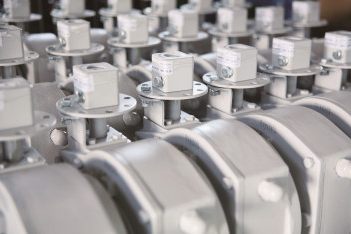
Milling Processing
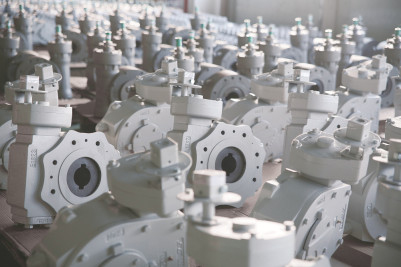
Turning Processes
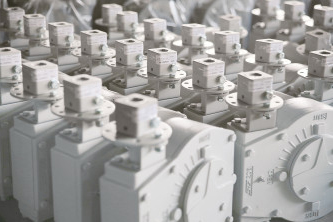
Manual Override Assembly
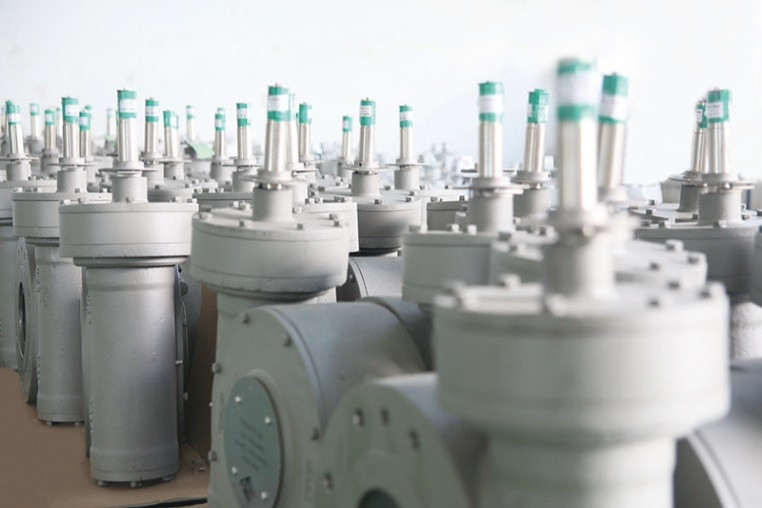
Standard Export Packing
100% component qualification before shipping. Our multi-stage inspection checks guarantee zero defects and long-term durability in high-vibration systems.
Stard-gears enforces rigorous quality control (QC) at every stage of production. Raw castings undergo chemical analysis to verify the composition of ductile iron and carbon steel. Critical machining tolerances for input shafts, worm gears, and mounting keys are checked using high-precision digital measuring instruments. Every gearbox operator undergoes dynamic torque testing, ensuring smooth rotation and reliable operation in heavy industrial applications.
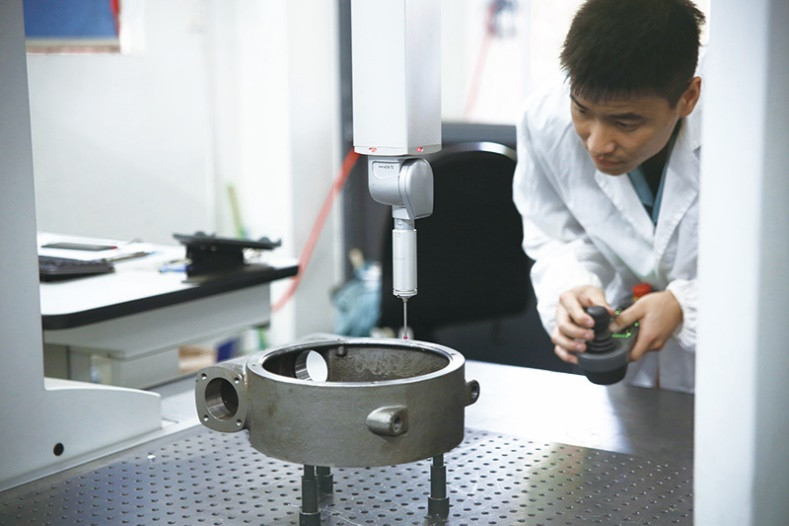 Dimensional Metrology
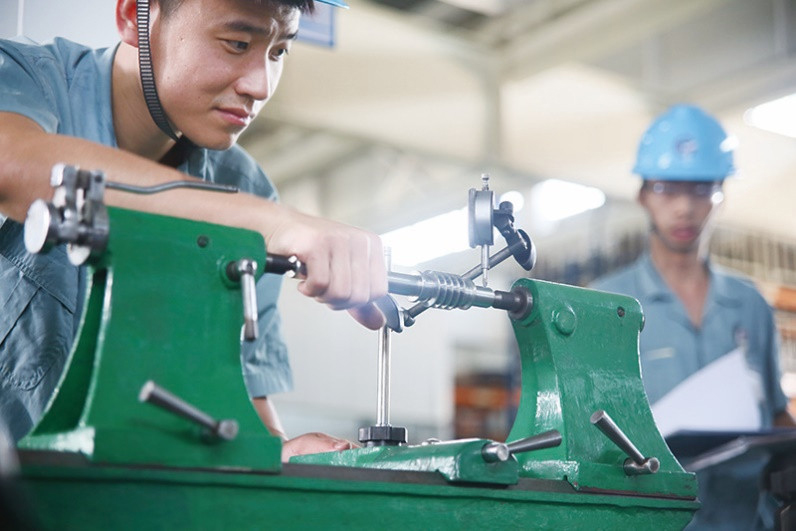 Machining Calibration
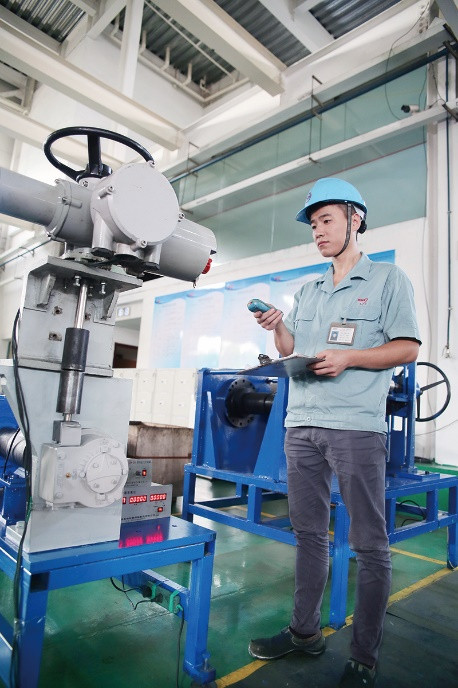 Visual Checking
Our in-house laboratory checks mechanical fatigue resistance and torque tolerances under extreme simulation loads.
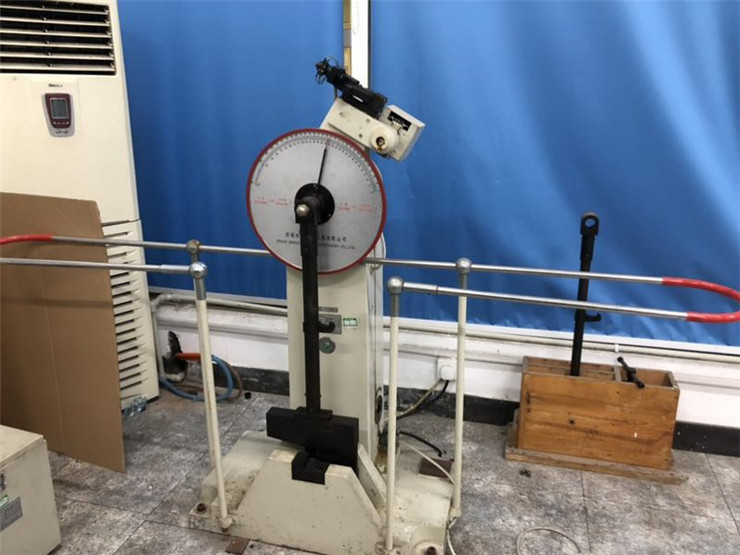
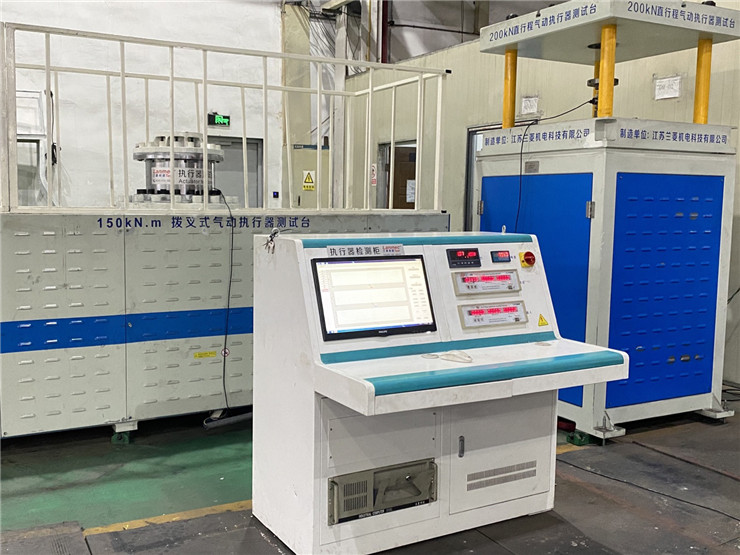
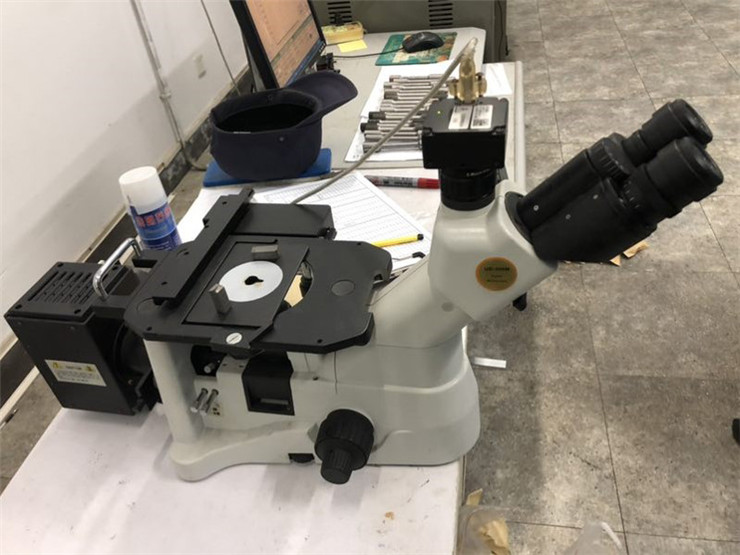
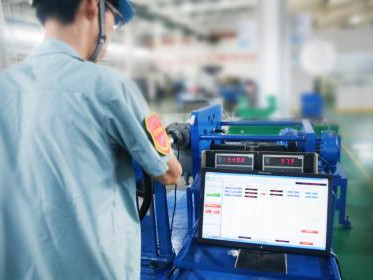
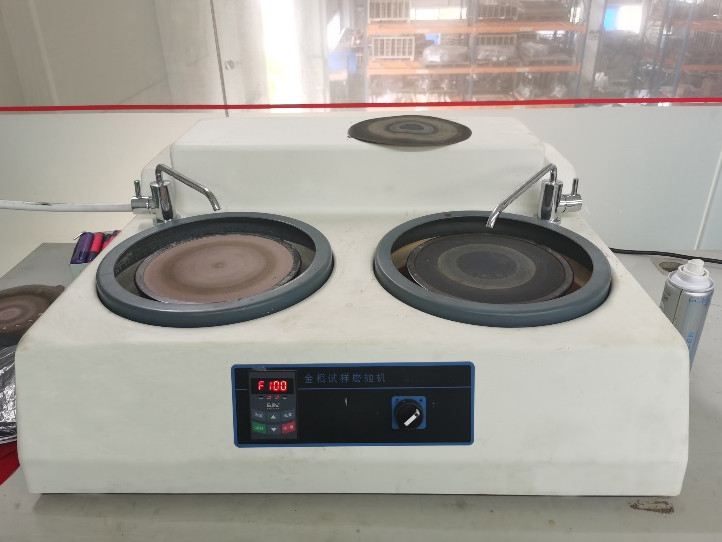
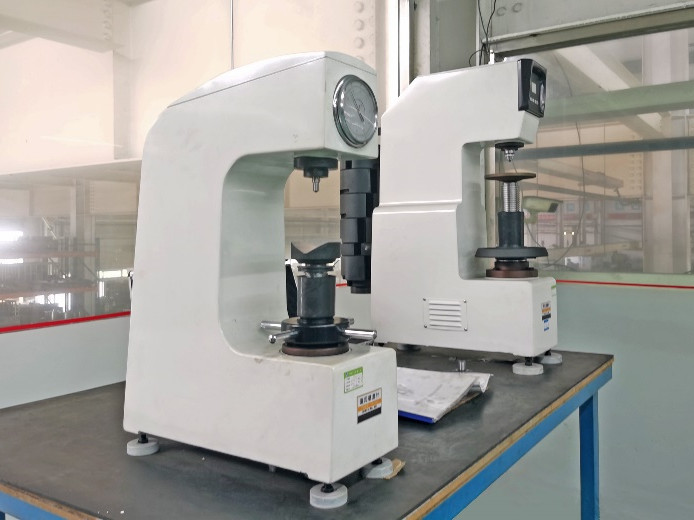
Inspection devices including CMM, spectrograph, torque analyzers, and micro-hardness testers.
Analyzing how butterfly valve handwheel designs are evolving to meet the safety and automation requirements of modern pipeline networks.
Valves in volatile environments require spark-resistant structures and explosion-proof certifications. Handwheel overrides on these valves are typically paired with declutchable gearboxes, allowing operators to manually cycle the valve if pneumatic or electric power fails. Cast steel construction provides structural reliability, mitigating static electrical hazards during continuous mechanical friction.
Water utility infrastructure demands cost-effective, long-lasting gear operators. Cheap butterfly valve handwheel configurations in this sector utilize heavy-duty ductile iron protected by thick, fusion-bonded epoxy coatings. This design resists humidity and submerged operating conditions, ensuring decades of maintenance-free service in underground pipe systems.
Steam turbine lines, cooling loops, and high-pressure steam distribution require precise valve positioning. Gearboxes designed for these systems utilize hardened steel bevel gear arrangements with close gear-mesh tolerances. This setup prevents mechanical backlash, ensuring accurate flow control under cyclic thermal expansions.
As digital automation expands, manual overrides are evolving. Modern designs incorporate telemetry, using non-contact limit switches to report manual engagement to control rooms in real time. Hardwheel dimensions are also optimizing; finite element analysis allows manufacturers to reduce weight by using hollow spokes and specialized structural ribbing while maintaining high torque resistance. Consequently, contemporary handwheels are lighter, stronger, and more cost-effective to produce.
A reference checklist for supply chain officers evaluating cheap butterfly valve handwheel suppliers and manufacturing facilities.
Verify raw mill testing reports to ensure ductile iron conforms to ASTM A536 or GGG50 standards, preventing crack propagation.
Verify that mounting interfaces are machined to precise ISO 5211 dimensions (F05, F07, F10) to guarantee direct actuator mounting.
Check weatherproofing options. Gearboxes with handwheel overrides should achieve IP67 or IP68 ingress protection for outdoor use.
Verify the torque safety factor. Reliable configurations should withstand an input torque overload of 1.5 times the rated load.
Detailed technical answers to common questions about selecting, operating, and sourcing industrial valve gearboxes and handwheels.
Browse the remainder of our specialized manual overrides, scotch yoke systems, and heavy-duty declutchable gearboxes.