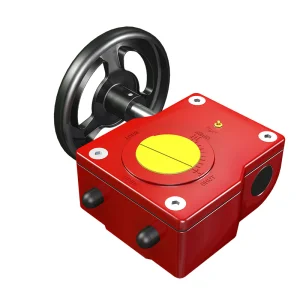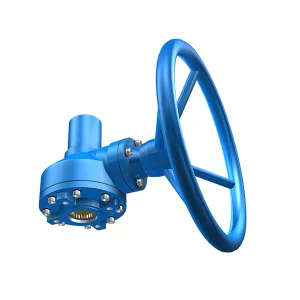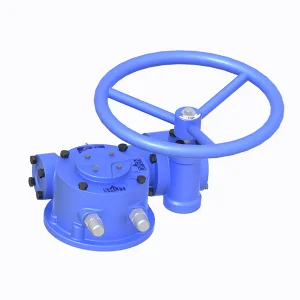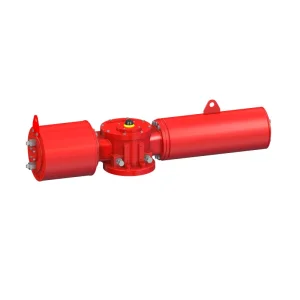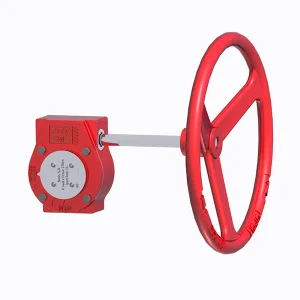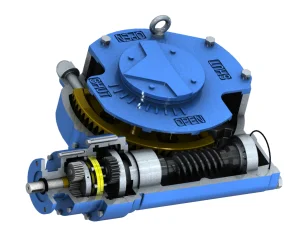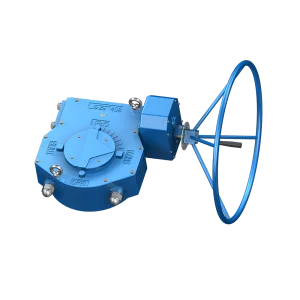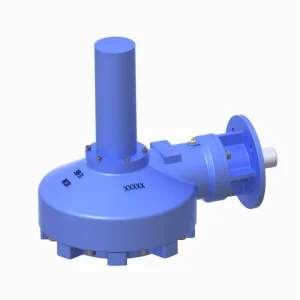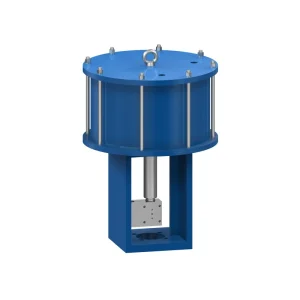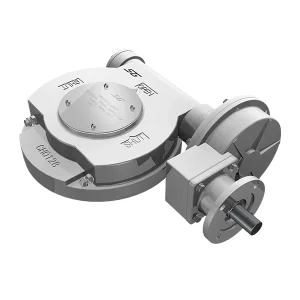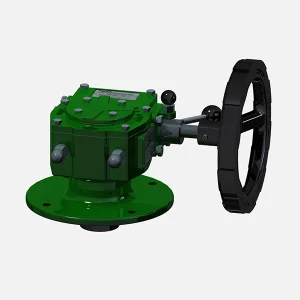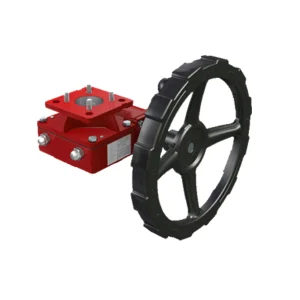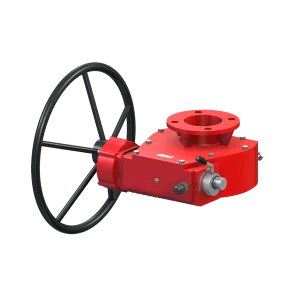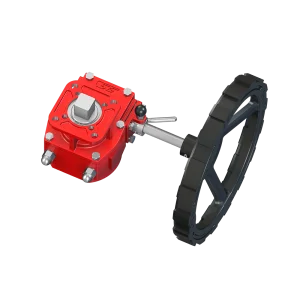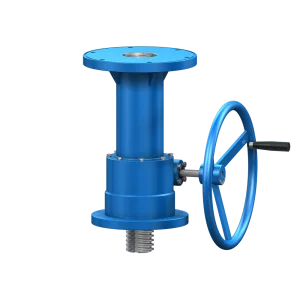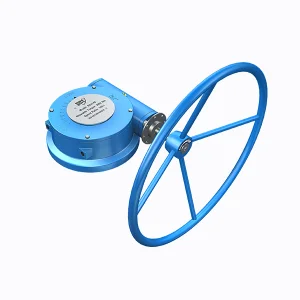
In modern process plants, industrial safety and automation redundancy are critical elements. Declutchable gearboxes, often called manual override gearboxes or declutchable worm gear operators, represent a vital bridge in process control. Placed between a pneumatic, hydraulic, or electric rotary actuator and a quarter-turn valve (such as a ball valve, butterfly valve, or plug valve), these mechanisms enable manual valve control in the event of an instrument air loss, power failure, or system malfunction.
Globally, the demand for high-reliability, cost-efficient declutchable manual overrides is expanding rapidly. Driven by stringent environmental regulations, safety-instrumented systems (SIS), and the need for operational backup in critical process pipelines, global procurement teams seek factories capable of producing heavy-duty operators that comply with stringent certifications, including CE and ISO standards. The integration of manual overrides is no longer a luxury but an industry-standard safety regulation across petrochemical, power generation, water distribution, and heavy manufacturing sectors.
Under normal conditions, automatic control systems govern valve positioning. However, emergency situations require rapid, safe manual isolation. High-quality declutchable gearboxes use a clutch mechanism (usually involving an eccentric sleeve or a cam assembly) that allows operators to easily engage the manual handwheel while disengaging the actuator. This design prevents the motorized/pneumatic actuator from back-driving the handwheel, protecting plant technicians from high-speed rotation injuries.
China's Yangtze River Delta region is globally recognized as the prime ecosystem for high-precision metal casting, CNC machining, and industrial automation equipment. Established in 1999, our manufacturing plant is located within the highly integrated Suzhou Industrial Park (SIP), covering an expansive 8,900 square meters of production space alongside a 2,500 square meter office and engineering facility.
By capitalizing on Suzhou's localized logistics and a well-established industrial supply chain, we achieve substantial structural efficiencies:
Our proximity to world-class ductile iron, cast steel, and high-strength aluminum alloy foundries guarantees short lead times, rigorous material testing, and competitive pricing for structural casings.
Utilizing high-end CNC machining centers, worm gear grinding machinery, and automated assembly bays located within a 50-kilometer radius ensures strict dimensional tolerances and low setup costs.
Close proximity to the deep-water ports of Shanghai and Ningbo enables rapid sea, air, and rail transport, ensuring that critical industrial valve accessories arrive on-site exactly when needed.
With an annual sales footprint of $7,000,000 to $9,000,000 and a steady year-on-year growth rate of 10% to 20%, Stard-gears has emerged as a premium designer and manufacturer of manual overrides, Scotch Yoke actuators, and customized gear control systems. Underpinned by our ISO 9001 certified Quality Management System, our production plant features an annual production capacity reaching 100,000 completed gearbox assemblies.
Our mission is driven by valve control technological innovation, providing safe and reliable solutions to help process plants manage flow control systems under all environmental pressures.
Engineering excellence starts with computer-aided simulation. Stard-gears employs design procedures that run through 3D modeling, finite element analysis (FEA), and dynamic kinematics simulation. This approach enables our engineering team to evaluate internal shear stresses, structural load capacities, and tooth fatigue wear patterns before launching casting patterns. This process shortens product development lead times, increases safety margins, and keeps production costs low for customized projects.
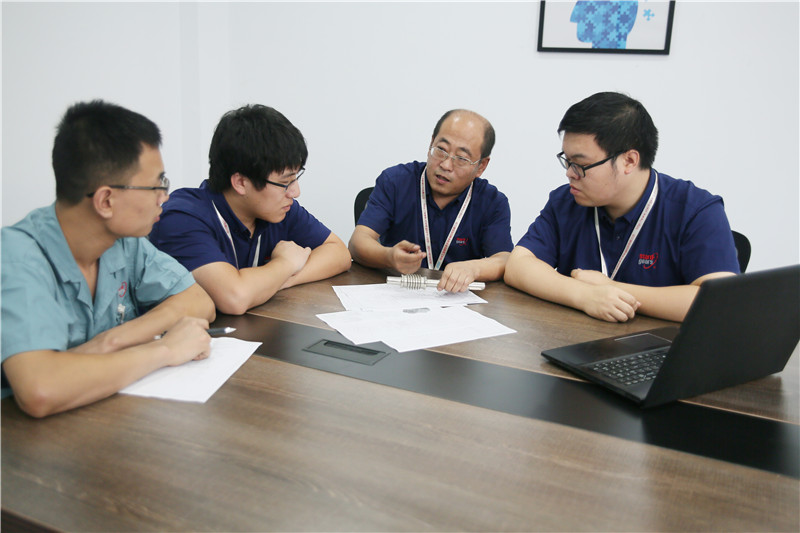
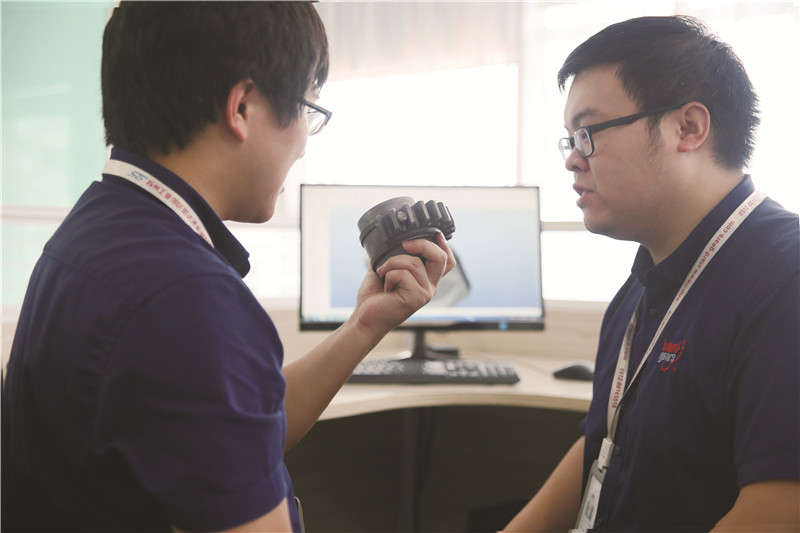
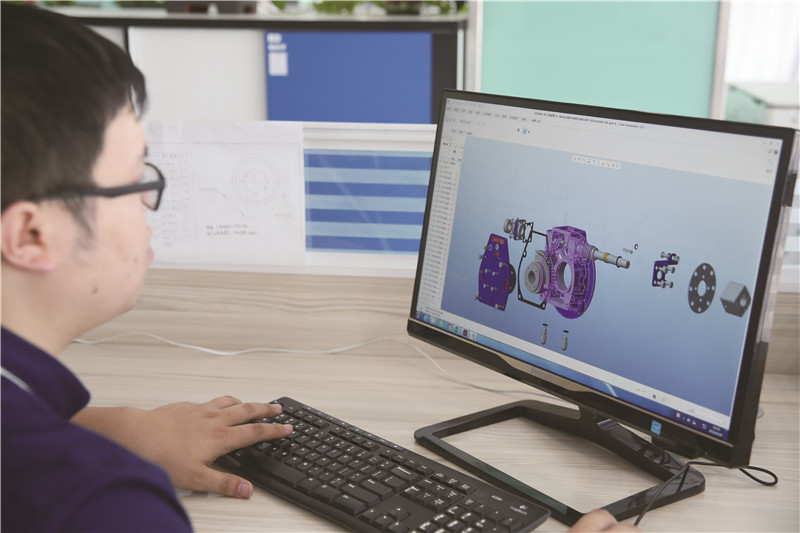
To scale operations while maintaining high product quality, Stard Automation utilizes a customized Enterprise Resource Planning (ERP) database management system. This integration enables tracking of raw castings from material arrival, through CNC machining paths and torque testing, to final shipment packaging. Real-time scheduling reduces bottle-necks, keeps factory throughput predictable, and ensures global deliveries remain on-time.
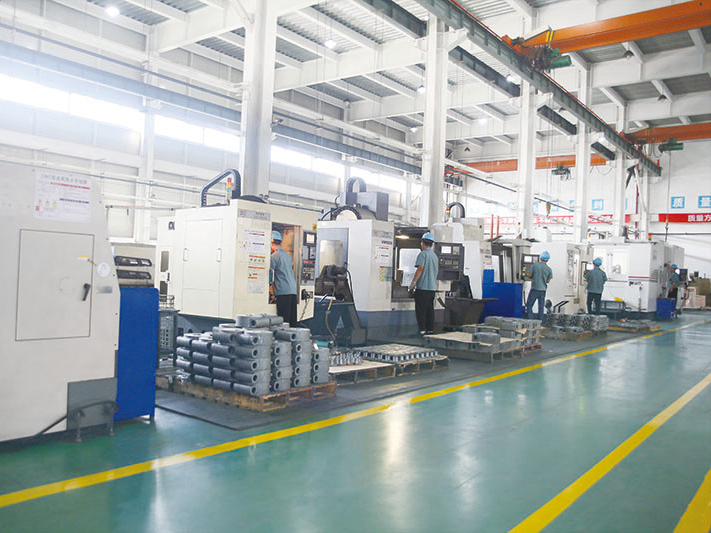
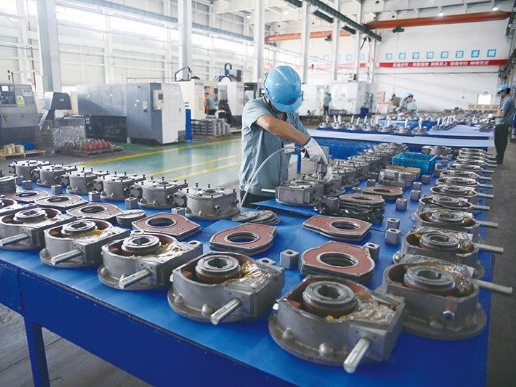
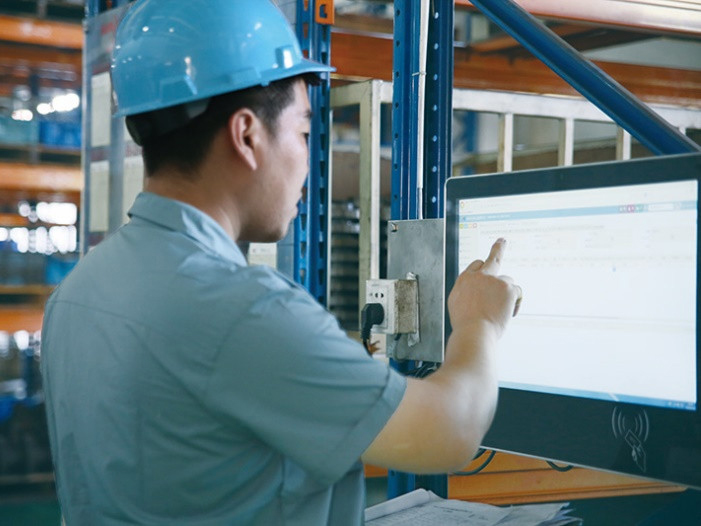
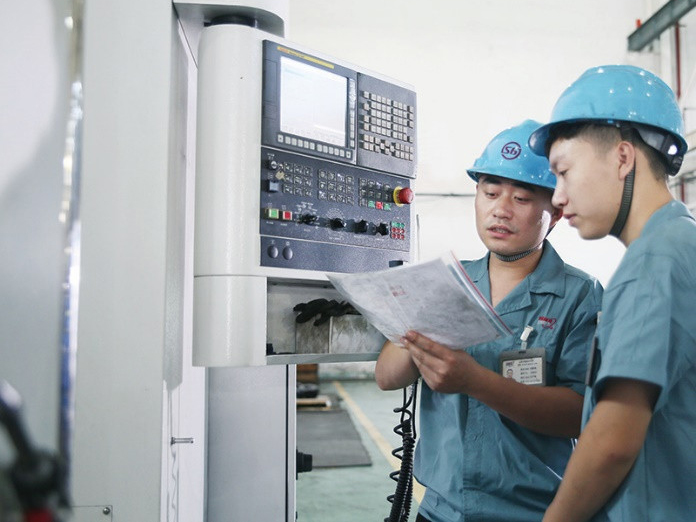
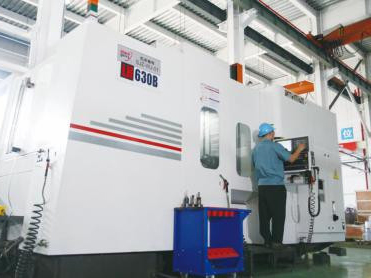
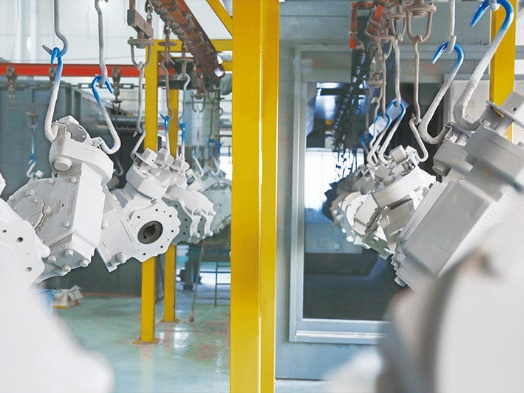
Our Suzhou plant is designed to handle demanding production schedules. With high-efficiency multi-axis horizontal machining tools and dedicated welding and assembly lines, the factory generates over $9,000,000 in annual output value. This production setup allows us to manufacture up to 100,000 complete manual override sets annually, supporting bulk OEM orders and quick project turnarounds.
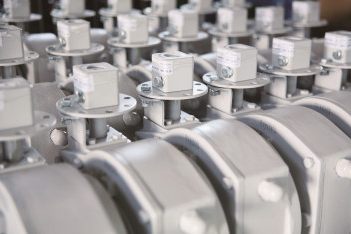
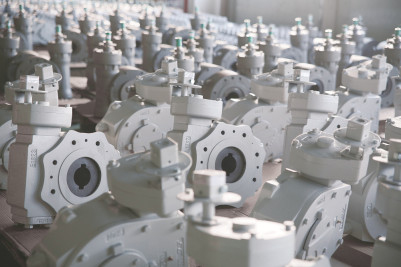
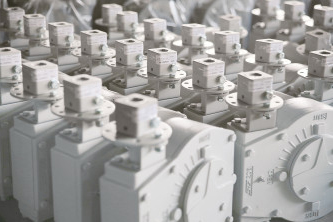
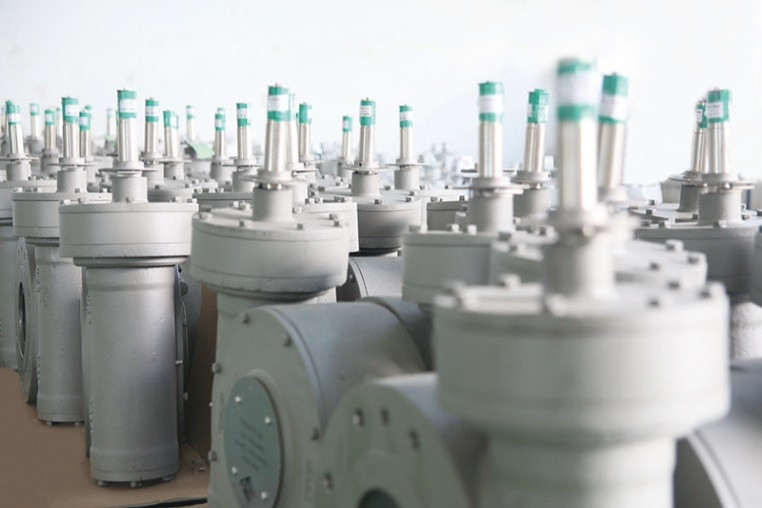
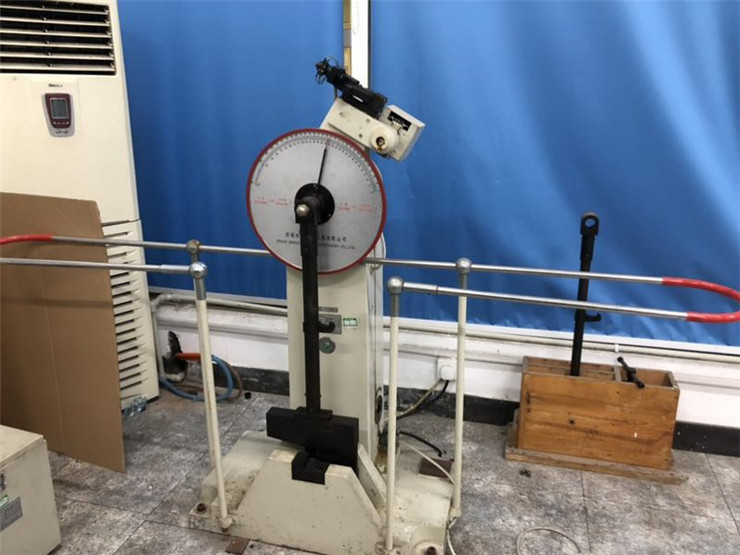
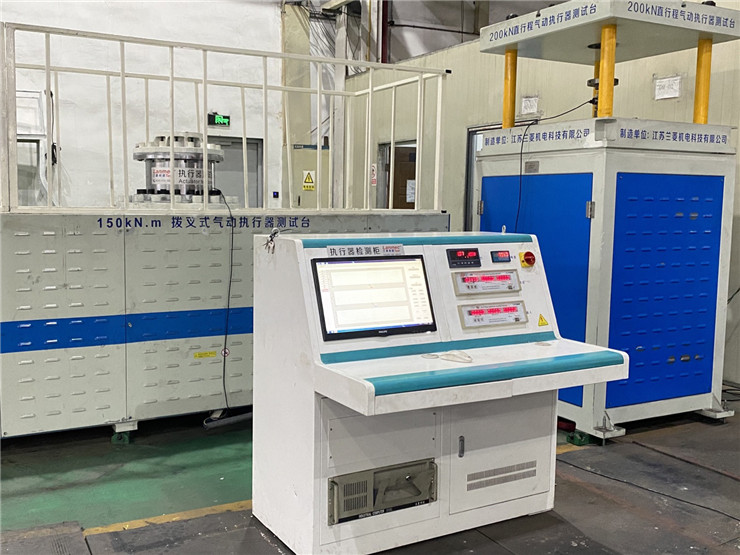
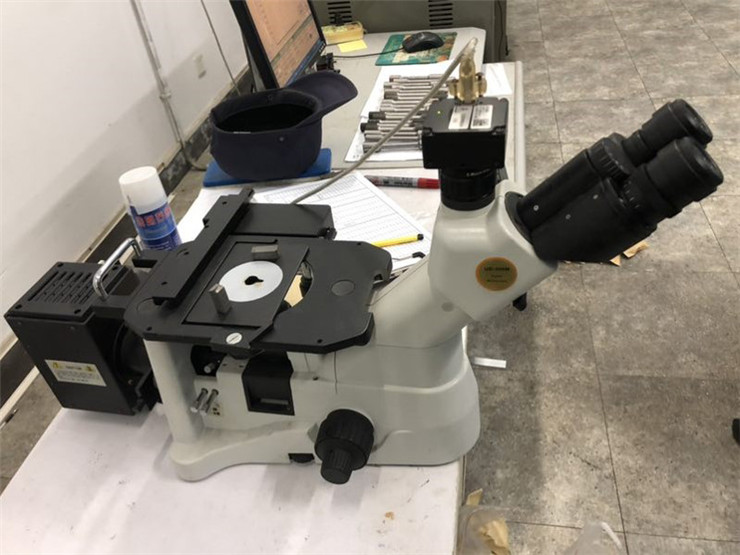
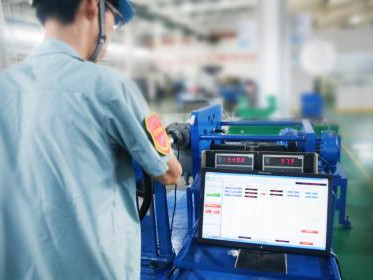
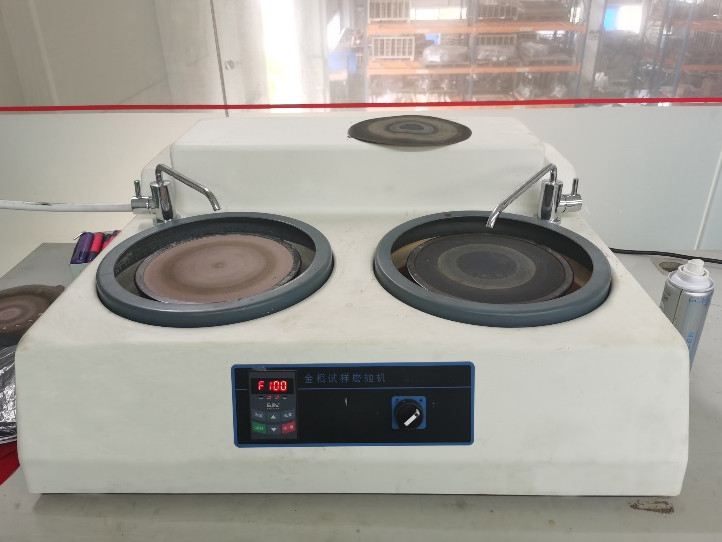
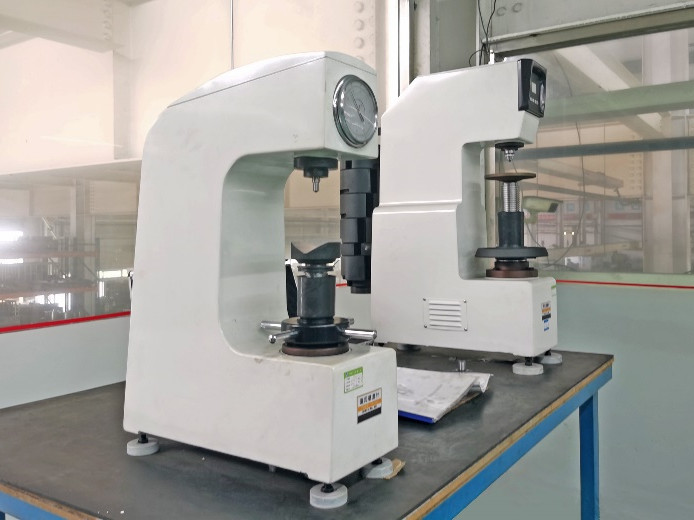
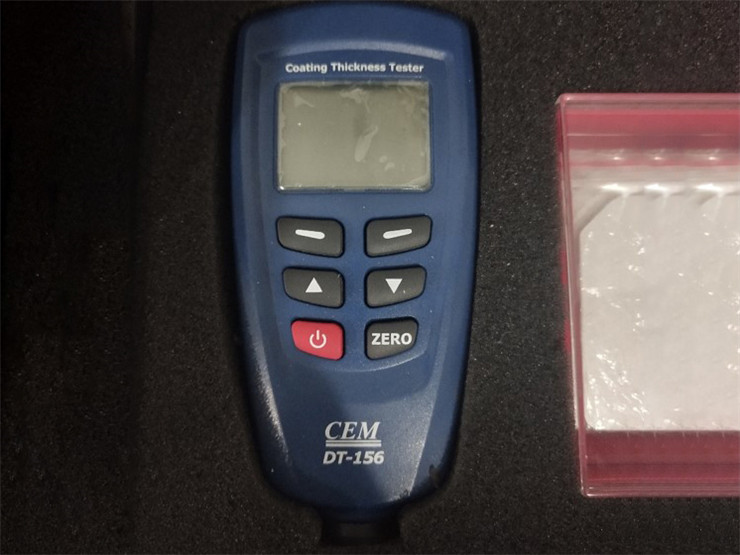
Quality control at Stard-gears is integrated throughout the manufacturing process. Dedicated quality control inspectors monitor every phase of production, from raw material receipt, through machining and assembly tolerances, to final performance testing. This testing ensures that every gearbox is fully qualified and certified before leaving our facility.
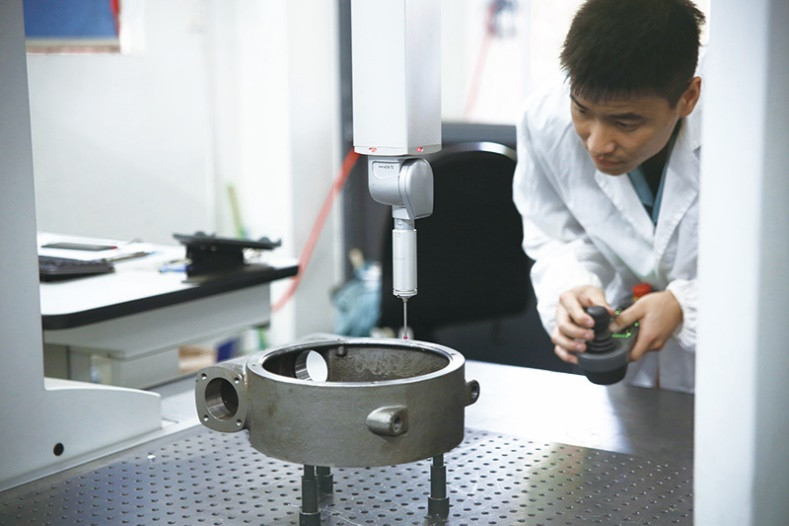
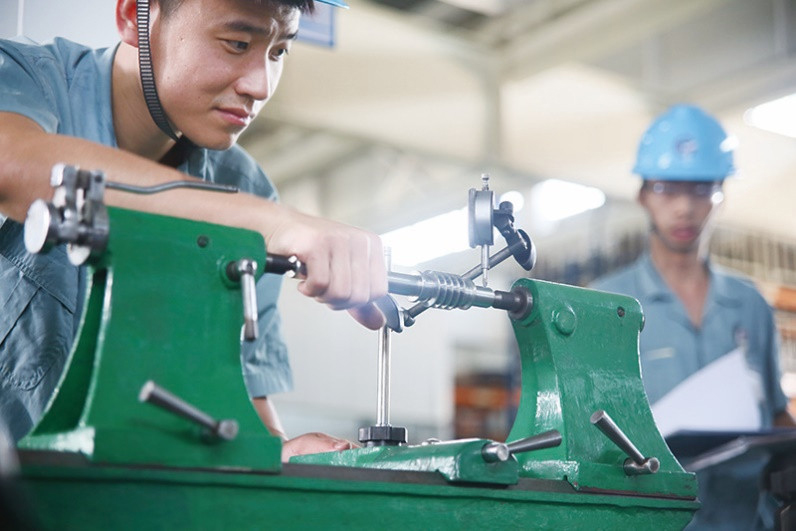
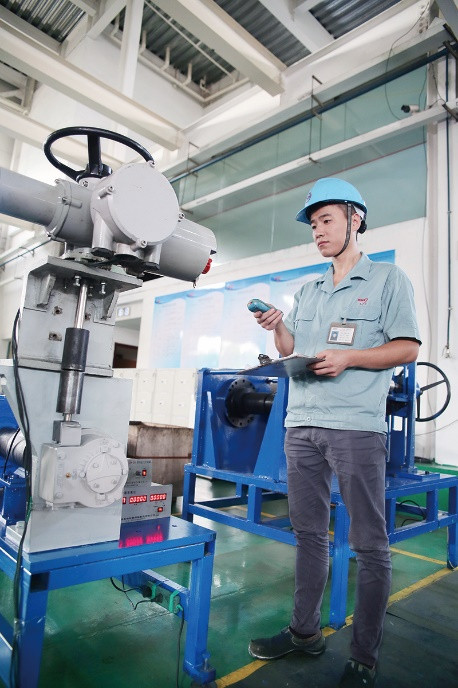
Our testing labs are equipped with calibrated torque measurement systems, environmental chambers for high/low temperature testing, salt spray systems for corrosion testing, and high-cycle mechanical endurance test rigs. This setup enables testing of gear parameters under load, confirming long-term performance in demanding industrial environments.
Our declutchable manual overrides and gearboxes are utilized across diverse industrial applications, each requiring specific engineering standards:
Used on critical transport lines and storage tanks. These units feature explosive-atmosphere protection and rugged construction, ensuring performance in high-pressure oil and gas environments.
Built with corrosion-resistant polyurethane coatings, WCB/ductile iron housings, and PTFE seals to withstand exposure to acid vapors, bases, and aggressive process fluids.
Designed for clean water distribution and sewage treatment networks. These units feature IP68 submersibility ratings and robust mechanical seals for protection in damp, below-ground chambers.
For international procurement teams, selecting a declutchable gearbox requires verifying key technical parameters to ensure safety and compatibility:
A declutchable gearbox is a manual override device installed between a quarter-turn valve and an automated actuator. It allows operators to engage a handwheel to manually position the valve during maintenance, power failures, or instrument air line failure. It is required in safety-critical loops where emergency manual backup is mandatory.
The declutching mechanism disengages the connection to the automated actuator when the handwheel is engaged. This protects the handwheel from rapid, uncontrolled spinning if the actuator suddenly receives power or pressure, reducing risk of injury for the operator.
The gearbox's maximum rated output torque must exceed the valve's breakout torque under full differential pressure. Additionally, you must verify that the gear ratio reduces the handwheel input effort to a safe level, typically requiring less than 360 N of manual rim force to turn.
Aluminum alloy is lightweight and corrosion-resistant, ideal for compact or low-torque installations. Ductile iron provides a balance of cost, durability, and strength for general industrial use. Cast Steel (WCB) is chosen for demanding applications, such as high-temperature service or locations with high structural stress.
Suzhou, located in the Yangtze River Delta, features an integrated industrial supply chain. This clustering of casting, precision CNC machining, heat treatment, and verification laboratories within a close radius reduces manufacturing times and improves quality control, ensuring competitive pricing and reliable delivery schedules.