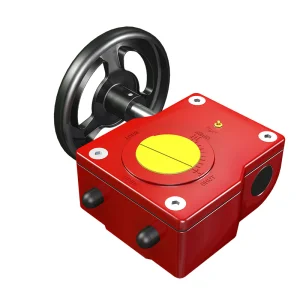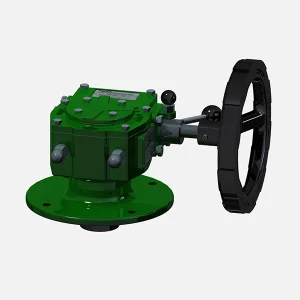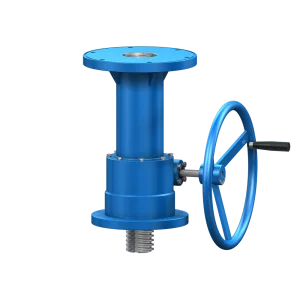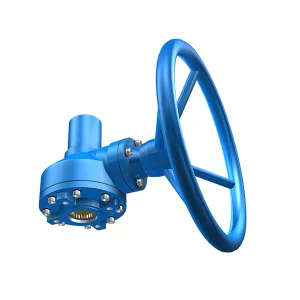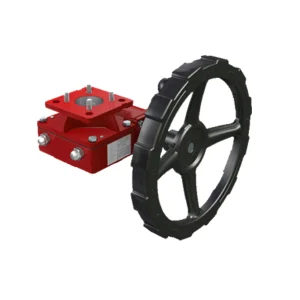
Engineered for extreme torque delivery, long operational life, and seamless automation compatibility across critical infrastructure.
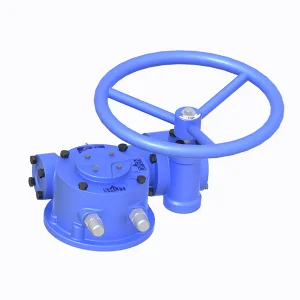
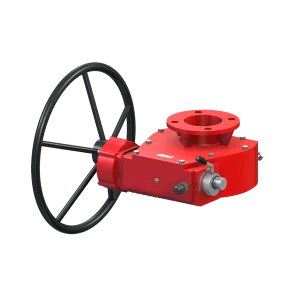
In modern industrial process automation, fluid handling, and energy transport systems, **gear actuators** serve as the critical mechanical interface between control logic and physical pipeline execution. Selecting a cheap efficient gear actuators factory is no longer simply a matter of finding the lowest unit price; it requires a sophisticated evaluation of mechanical efficiency, material durability, dynamic torque conversion, and long-term Total Cost of Ownership (TCO).
Global demand for quarter-turn and multi-turn valve actuation has surged exponentially. Driven by expanding natural gas networks, advanced petrochemical refining, nuclear safety upgrades, and modernized municipal water handling, industrial engineering procurement teams are under immense pressure to source high-performance gearboxes that minimize parasitic mechanical loss while maintaining absolute reliability in hostile operating environments.
True cost-efficiency in valve gear operators is achieved through high mechanical efficiency (>85% torque transfer rates), automated precision gear hobbing, robust material selections (such as Ductile Iron GGG40/50 and Cast Steel WCB), and optimized logistics clusters—not through structural compromise or inferior alloy casting.
The global industrial valve actuator market has evolved from simple manual handwheel assemblies to highly complex, integrated quarter-turn and linear mechanical actuation systems. Industrial facilities require actuators capable of delivering thousands of Newton-meters of torque with minimal input force, operating seamlessly alongside pneumatic cylinders, electric motor drives, or manual override systems.
Major regional markets—including North America, Western Europe, the Middle East, and Asia-Pacific—present distinct operational demands:
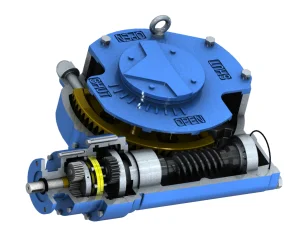
Mechanical efficiency in gear operators measures how effectively input mechanical energy (via manual handwheel or primary motor drive) is converted into output rotary torque at the valve stem. Stard-gears optimizes three primary mechanical architectures:
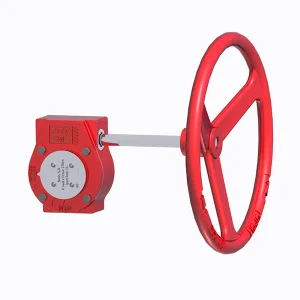
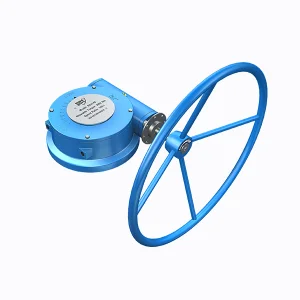
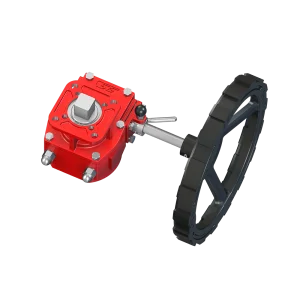
Provides extreme mechanical advantage with self-locking capabilities. Precision-machined bronze worm gears paired with high-tensile ductile iron quadrant gears minimize back-driving risks under high hydrodynamic pipeline pressure.
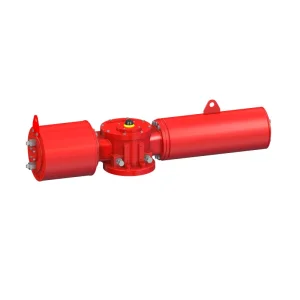
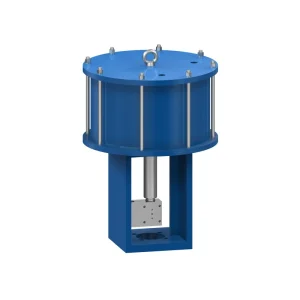
Delivers a dynamic torque curve matching the breakaway torque requirements of ball and butterfly valves. Peak mechanical advantage occurs at stroke ends (0° and 90°), optimizing air/pneumatic consumption.
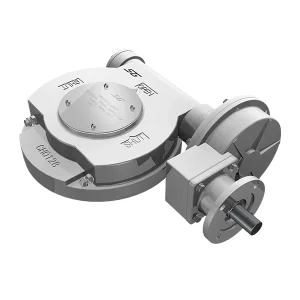
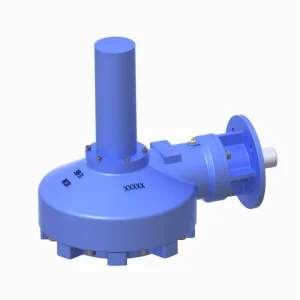
Designed for multi-turn applications like gate and globe valves. Features high-efficiency helical bevel gear sets providing standard 90° angular transmission with exceptionally high mechanical efficiency (>92%).
| Actuator Type Series | Primary Material Options | Torque Output Range (Nm) | Efficiency Rating | Primary Application Target |
|---|---|---|---|---|
| YP Series Scotch Yoke | Ductile Iron / Fabricated Carbon Steel | 500 - 350,000 Nm | 88% - 94% | Heavy-Duty Gas Pipeline & Offshore ESDVs |
| SLJ / SJ Declutchable | Cast Steel WCB / Ductile Iron / Aluminum | 300 - 70,000 Nm | 85% - 90% | Pneumatic Actuator Emergency Manual Override |
| SB Bevel Gearbox | Cast Steel / Cast Iron / Special Alloys | 400 - 120,000 Nm | 90% - 95% | Multi-Turn Gate & Globe Valves (Power Plants) |
| SGX High Efficiency | Aluminum Alloy / Ductile Iron GGG50 | 150 - 15,000 Nm | 92% - 96% | Compact Chemical & Municipal Water Lines |
Founded in 1999 and strategically located in the Suzhou Industrial Park, China, Stard-gears leverages the unparalleled industrial cluster of the Yangtze River Delta. Suzhou offers a sophisticated manufacturing ecosystem that directly enables higher quality at significantly lower production costs.
The manufacturing efficiency stems from four core regional parameters:
Shortening product development cycles while guaranteeing max torque safety margins through cutting-edge engineering tools.
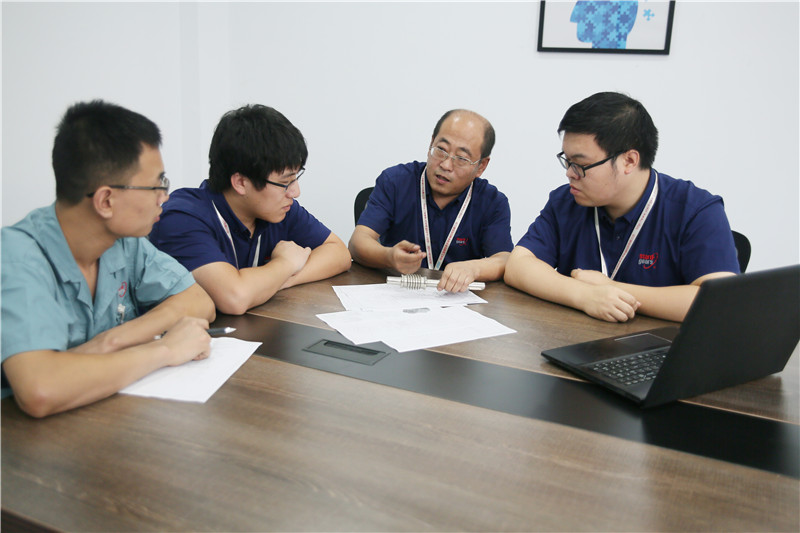
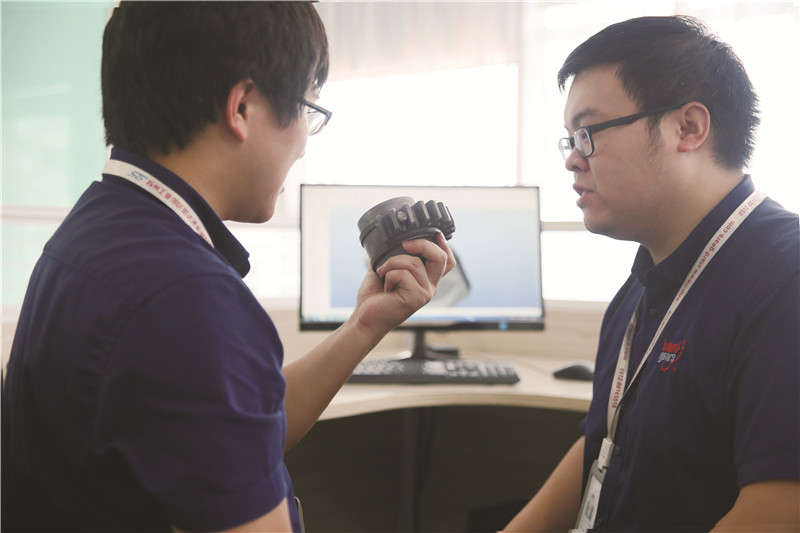
Through 3D simulation, dynamic motion simulation, and Finite Element Analysis (FEA), Stard-gears engineers virtually verify structural stress distribution, tooth flank wear, and deformation limits of every new product design before physical prototyping. This drastically shortens the R&D cycle while guaranteeing operational safety and cost optimization.
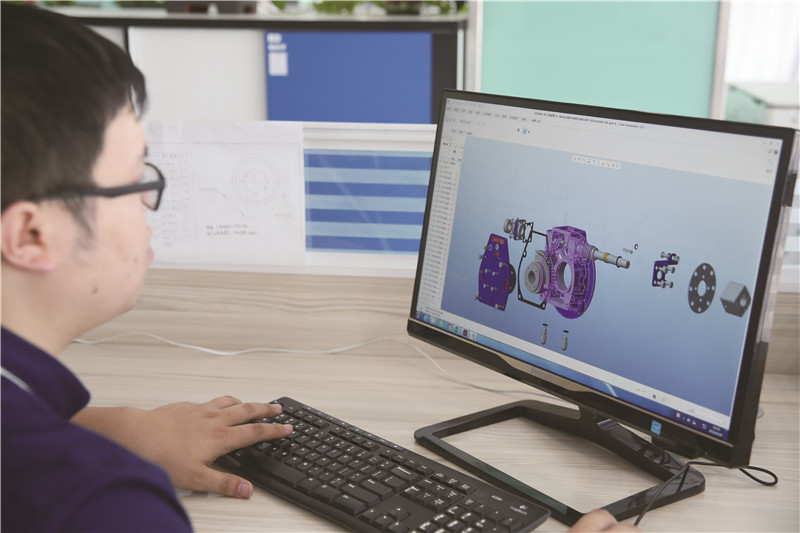
Stard Automation deploys an enterprise-wide ERP management system that tracks each customer order from raw blank casting to final torque verification. Real-time supervision across all manufacturing cells prevents bottlenecks, ensures 100% schedule transparency, and optimizes inventory turns.
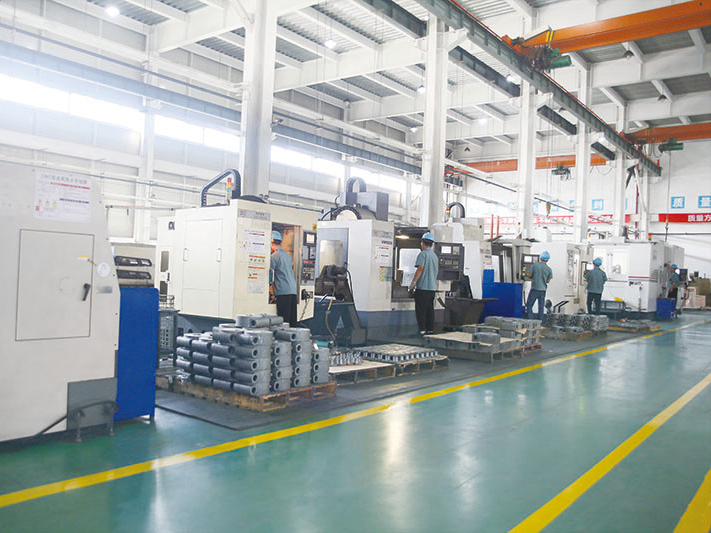
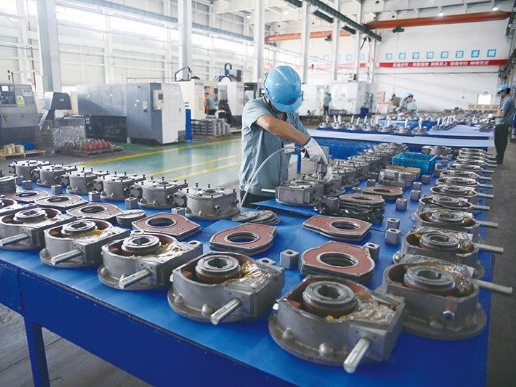
Full-time QC checkpoints at every stage guarantee 100% defect-free gear operators prior to dispatch.
Spectrographic alloy analysis and hardness testing on raw casting materials (Cast Steel, Ductile Iron, Aluminum) ensure mechanical integrity before machining begins.
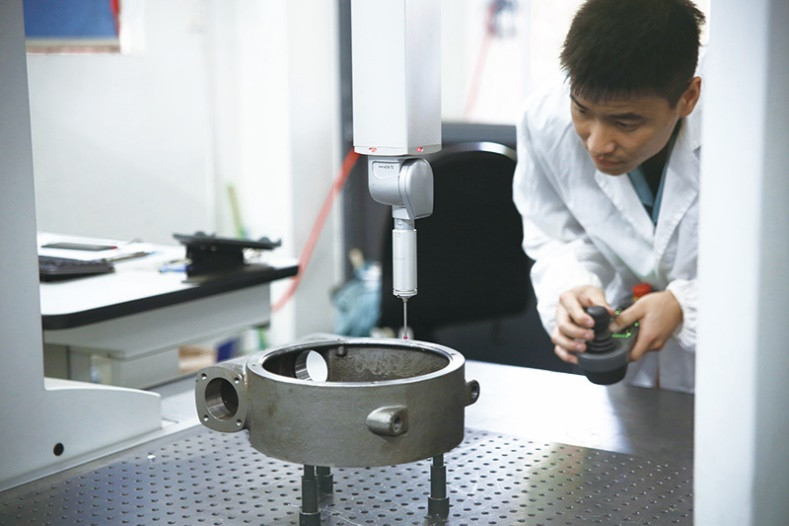
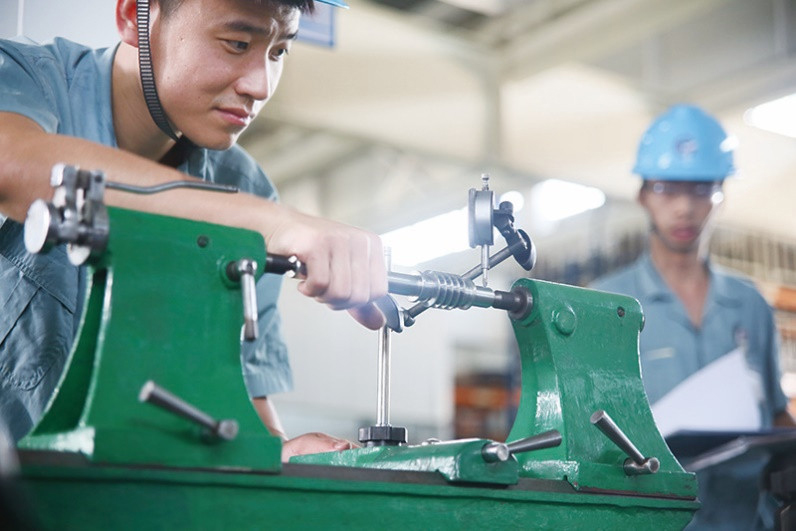
Dimensional coordinate measuring (CMM) and gear pitch verification during CNC hobbing maintain exact tolerance matching for backlash prevention.
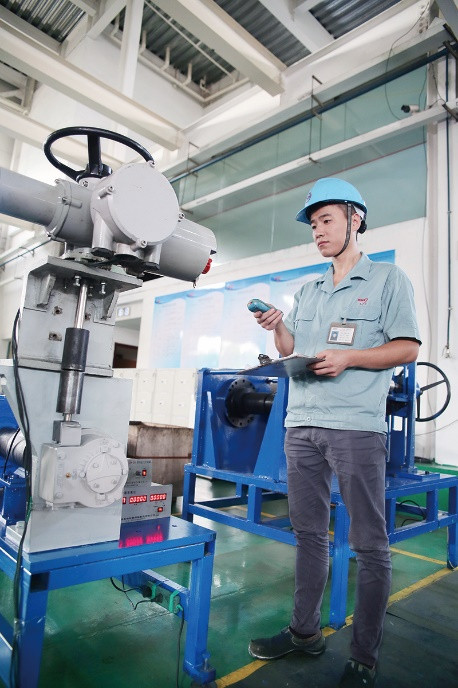
Every single unit undergoes 100% dynamic torque testing, life-cycle wear simulation, and IP67/IP68 sealing pressure verification before final packaging.
The flow control sector is undergoing rapid technological updates. Procurement directors and valve OEMs must align with major technological shifts:
Modern gear operators are increasingly fitted with optical position encoders, torque sensors, and IoT wireless modules. This allows plant managers to monitor real-time stem resistance, detect valve seating degradation, and schedule predictive maintenance before catastrophic failure occurs.
While heavy oil/gas applications still require Cast Steel (WCB) or Ductile Iron casings, lightweight modular solutions—such as Aluminium Alloy Quarter-Turn Gearboxes—are rapidly expanding in aerospace, mobile water treatment, and marine applications due to high strength-to-weight ratios.
With massive investments in buried municipal infrastructure and subsea gas transport, demand for CE-certified buried pipe gearboxes with IP68 continuous immersion ratings has grown by over 15% year-over-year. Sealed-for-life synthetic lubrication and double-lip fluorocarbon seals eliminate servicing requirements.
When selecting a factory supplier for bulk gear operators, international buyers should follow a structured evaluation matrix:
Expert technical answers to common questions regarding gear actuator selection, factory sourcing, and maintenance.
Suzhou factories benefit from an complete localized industrial supply chain within the Yangtze River Delta. Raw material casting, precision CNC machining, heat treatment, and rubber seal manufacturing are concentrated in close geographical proximity. Combined with high-volume automated ERP production lines, this drastically reduces logistic friction, raw material markup, and labor overhead while maintaining strict ISO9001 and CE quality standards.
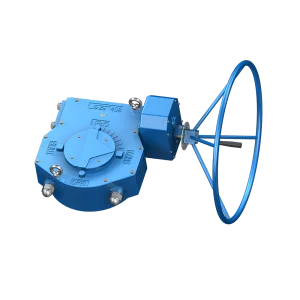
A declutchable gearbox (such as the SLJ/SJ series) is mounted between the valve and the pneumatic actuator. Under normal operating conditions, the gearbox is disengaged ("declutched"), allowing the pneumatic actuator to operate the valve automatically. In the event of air supply failure or power loss, personnel can manually engage the gearbox lever to override the system and operate the valve by hand.
Scotch Yoke mechanisms (YP series) produce a variable torque curve that peaks at both ends of the 90° stroke (0° open and 90° closed). This perfectly matches the unseating ("breakaway") torque requirements of ball and butterfly valves, allowing for smaller pneumatic cylinders and higher mechanical energy efficiency compared to linear worm gear reductions.
Yes. Stard-gears provides extensive OEM/ODM customization options. Keyways, square drives, double-D stem profiles, and custom ISO 5211 mounting flanges can be precision-machined according to specific client drawings.
Buried application gearboxes are coated with multi-layer heavy-duty epoxy system coatings (min 250-300 microns thickness) and sealed to IP68 rating. Stainless steel fasteners and double shaft seals ensure zero water ingress even under continuous subterranean hydrostatic pressure.
Thanks to an annual production capacity of 100,000 sets and standardized module component stocking under our ERP system, standard catalog gearboxes are typically dispatched within 2 to 3 weeks. Custom OEM orders generally require 4 to 6 weeks depending on casting complexity and testing requirements.
From lightweight aluminum manual operators to heavy-duty cast steel multi-turn bevel gearboxes.