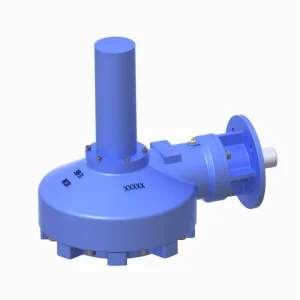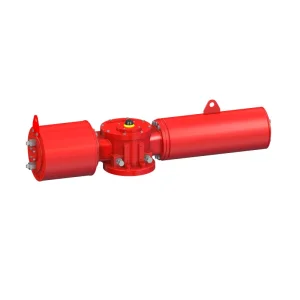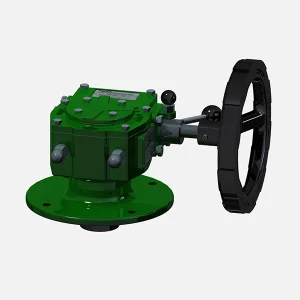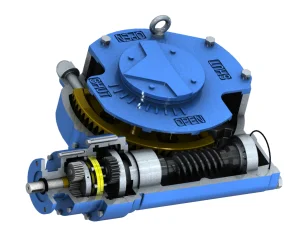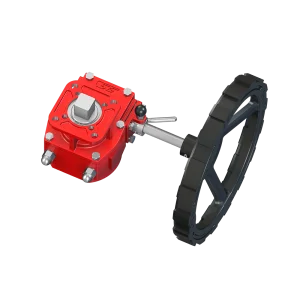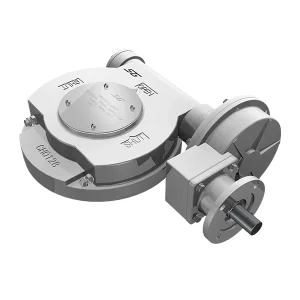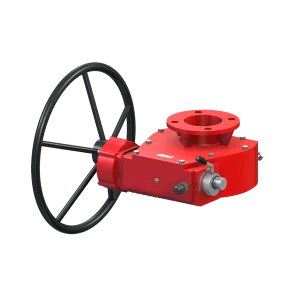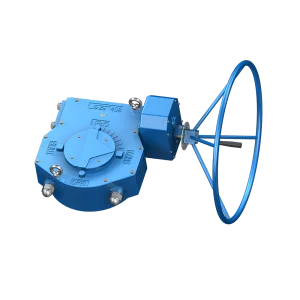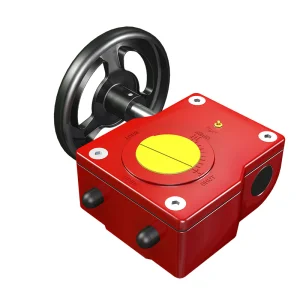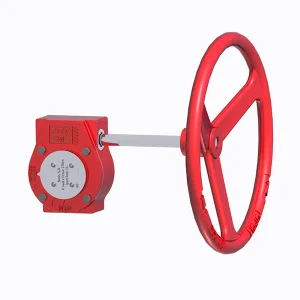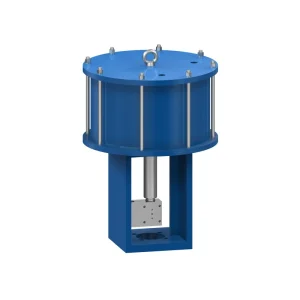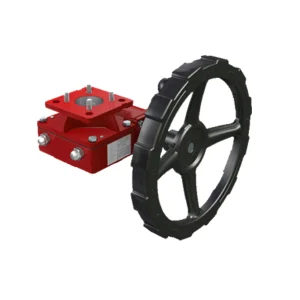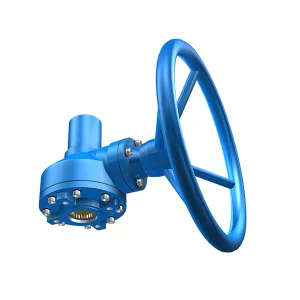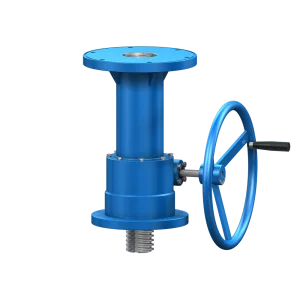
Explore our foundational range of CE-certified manual overrides, quarter-turn gearboxes, and multi-turn operators engineered for severe environments.
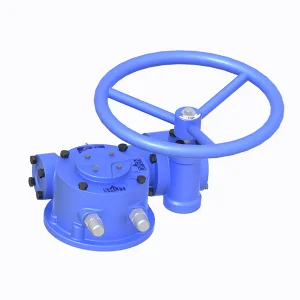
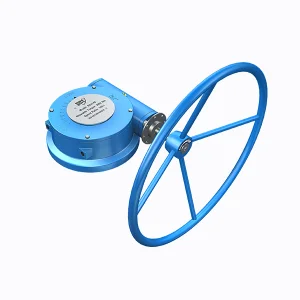
How modern supply chains in the Yangtze River Delta optimize production costs without sacrificing API, CE, and ISO compliance standards.
In the global flow control industry, sourcing managers face an ongoing challenge: reconciling capital expenditure (CAPEX) restrictions with rigorous safety and operational standards. The phrase "cheap gear valve" historically carried a negative connotation, suggesting potential compromises in material traceabilities, dimensional tolerances, or lifecycle durability. However, through structural innovations, raw materials supply integration, and advanced simulation methodologies, modern valve actuation suppliers have redefined the cost curve.
Suzhou's manufacturing ecosystem enables a paradigm shift where cost reduction is driven by localized clusters, automated machining, and lean operations rather than material degradation. By optimizing supply chain pathways in the Yangtze River Delta, our foundry and machining partners supply raw components (from GGG40 ductile iron to heavy-duty WCB cast steel) at significantly compressed transit margins. The result is a highly reliable manual gear operator or declutchable override system that meets API 609, ISO 5211, and CE guidelines at a fraction of the cost of traditional Western brands.
In high-pressure oil and gas installations, petrochemical lines, subsea/buried water networks, and power generation loops, the failure of a valve actuator can trigger catastrophic downstream shutdowns. Standardizing on cost-optimized yet structurally certified manual overrides guarantees that emergency shutoff valves remain highly operational under all conditions. Advanced manufacturing technology enables this reliable safety margin through systematic validation processes.
Founded in 1999 and strategically headquartered in the Suzhou Industrial Park, Stard-Gears has established itself as an authoritative global provider of industrial valve control mechanisms. The state-of-the-art facility occupies a physical footprint of 8,900 m² of optimized manufacturing space, alongside a 2,500 m² administrative and design center. Over the past quarter-century, we have focused exclusively on mechanical advantage multiplication, worm-gear efficiency optimization, and durable declutchable overrides.
Our operational trajectory is defined by sustainable development, recording stable annual growth between 10% and 20%, culminating in a modern capacity to output up to 100,000 sets of gear operators annually. With ISO9001 quality system authorization, our workflow guarantees strict control from incoming foundry casting analysis to final load torque verification before dispatch.
Our valve operators are deployed globally within demanding vertical markets:
• Oil & Gas Pipelines: High-vibration pipelines demanding extreme environmental sealing.
• Petrochemical Processing: Corrosive atmospheres requiring robust coatings.
• Nuclear & Thermal Power: Safety-critical, high-stress cycles.
• Municipal Water Treatment: Buried installations requiring long life spans.
Virtual prototyping, mechanical advantage calculations, and dynamic simulations that prevent real-world failure modes.
Before any casting mold is shaped, Stard-Gears engineers utilize advanced 3D modeling and Finite Element Analysis (FEA) to assess structural integrity under maximum load limits. Simulation profiles analyze tooth-contact pressure, housing deformation thresholds, and worm-gear fatigue factors over thousands of cycles. This proactive engineering methodology significantly compresses new product development timelines, mitigates casting defects, and reduces initial R&D overheads—savings that are directly passed on to procurement teams globally.
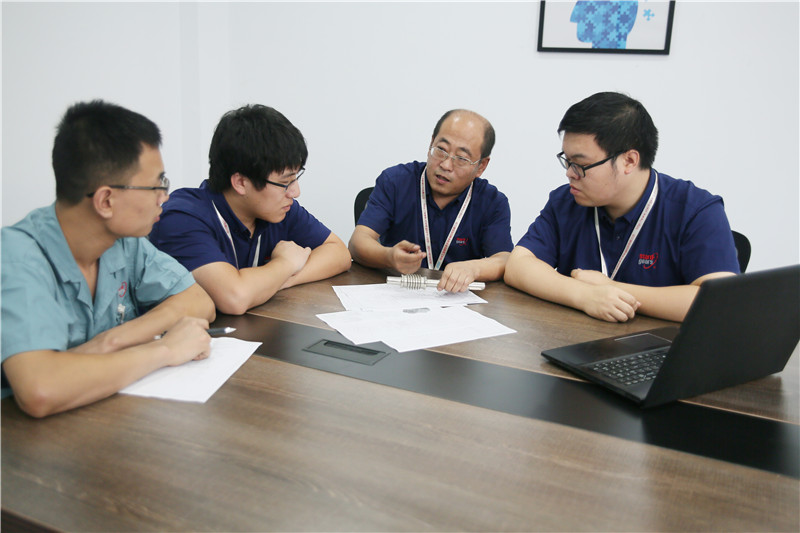 Program Communication & Specification Alignment
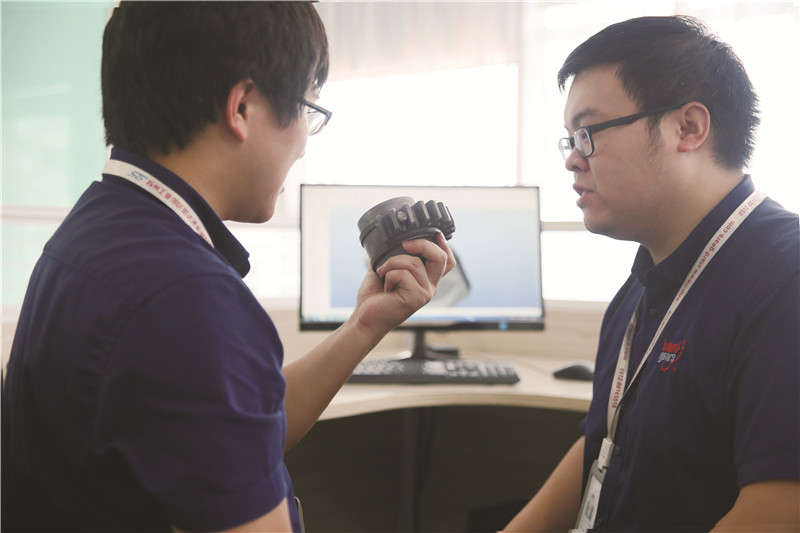 Design Communication & Team Optimization
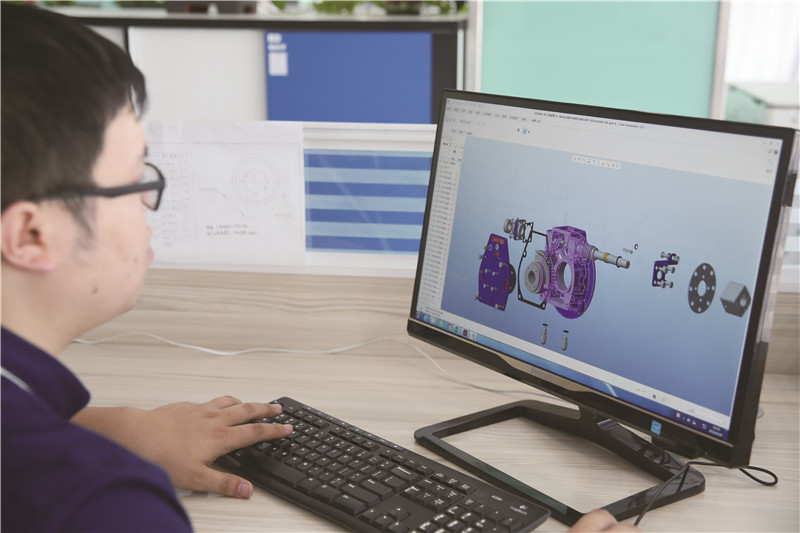 3D CAD Modeling & FEA Stress Profiling
Integrating enterprise ERP resource management with multi-axis CNC machines to maintain tight schedules and precise engineering dimensions.
To eliminate execution delays and manage customized valve operator configurations, our Suzhou facility implements a comprehensive ERP (Enterprise Resource Planning) platform. This software solution enables real-time tracking of orders from raw steel/iron ingots to machined casings and gear shafts. High-precision gear cutting machines and automated CNC machining centers ensure consistent dimensional control, allowing us to hit critical delivery targets and keep production costs minimal without shifting compromises to quality.
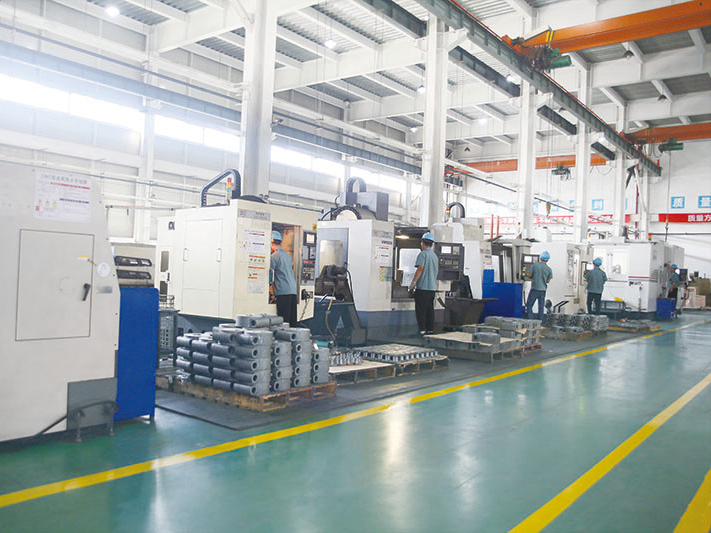
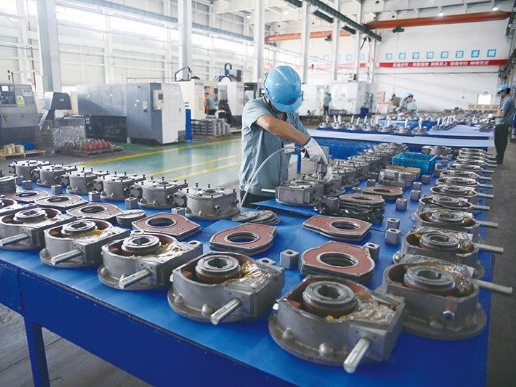
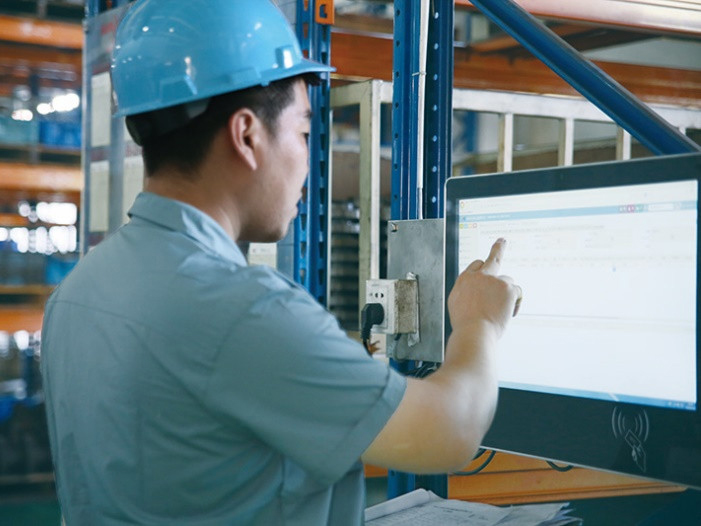
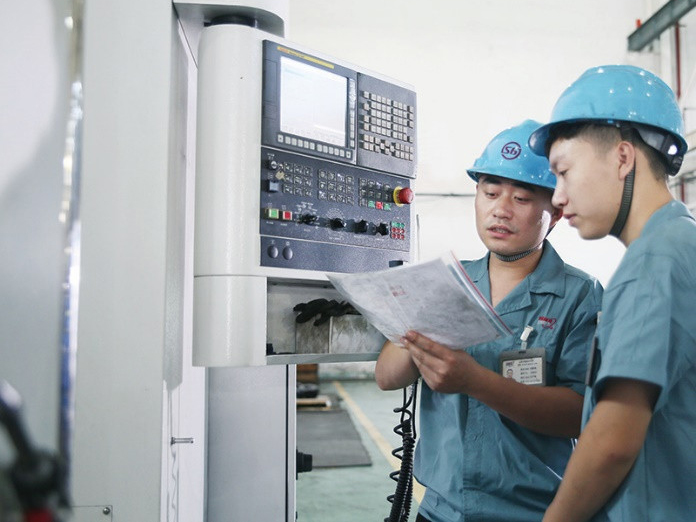
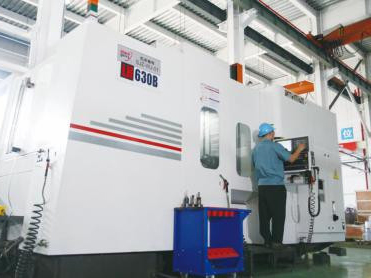
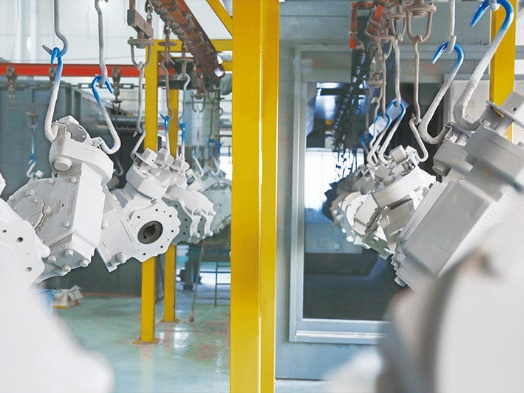
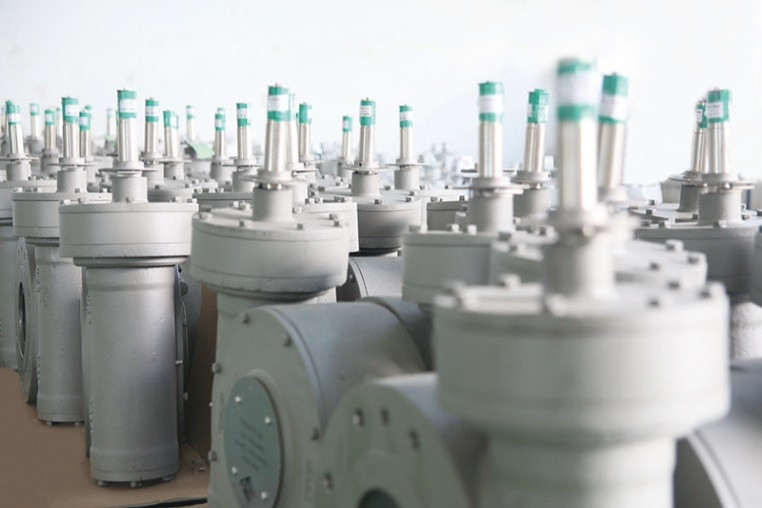
With an annual output valuation scaling past $9,000,000 at full capacity, our machining lanes run synchronized batches of multi-turn and partial-turn gearboxes. Below is an overview of our machining line operations:
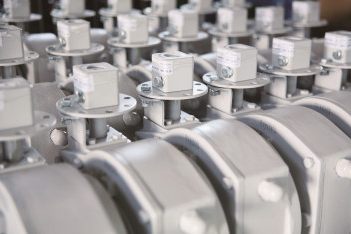
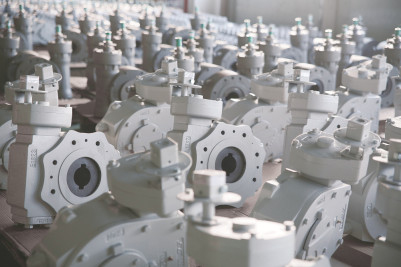
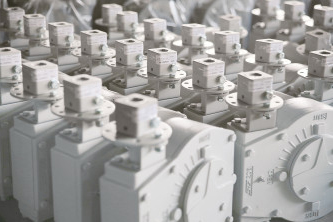
100% verification loops tracking material chemical composition, mechanical hardness, torque limits, and cycle fatigue parameters.
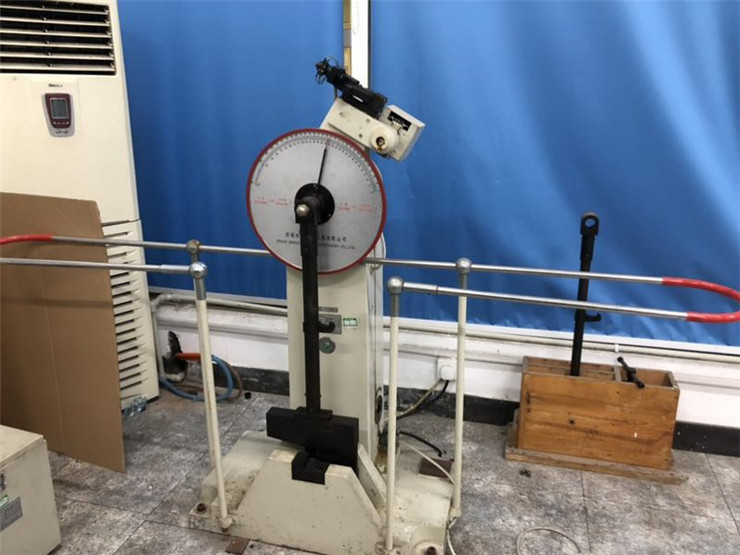
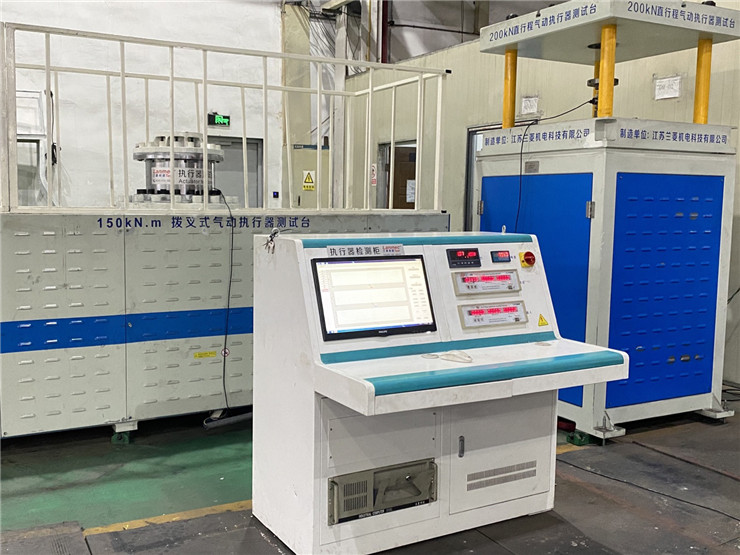
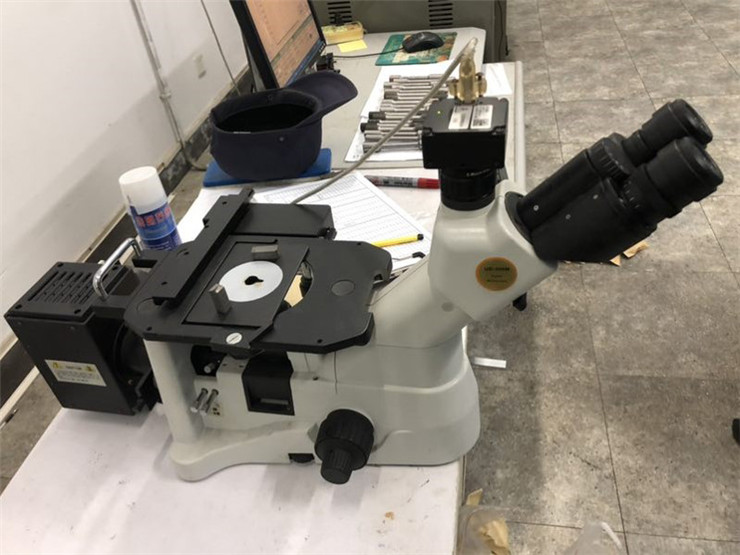
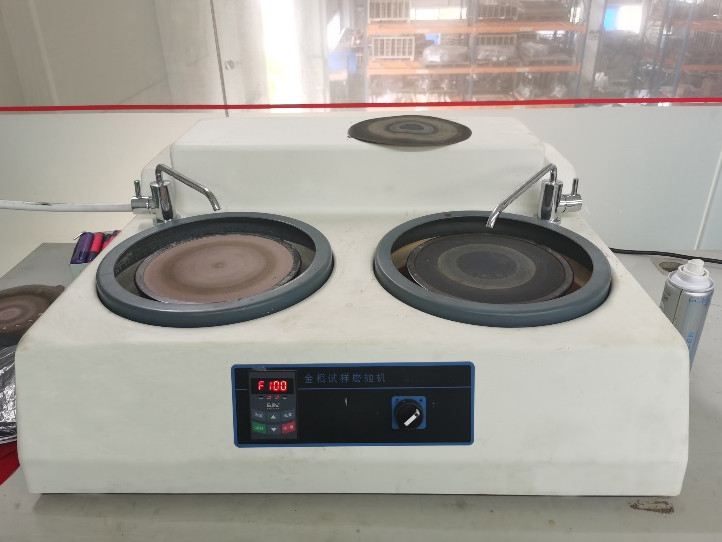
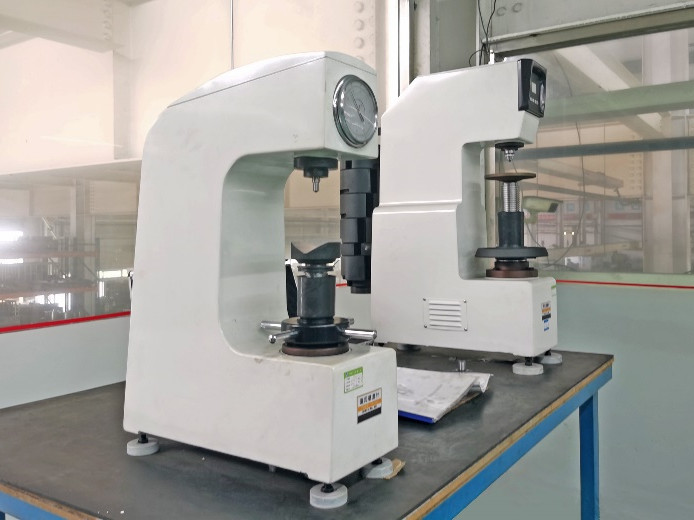
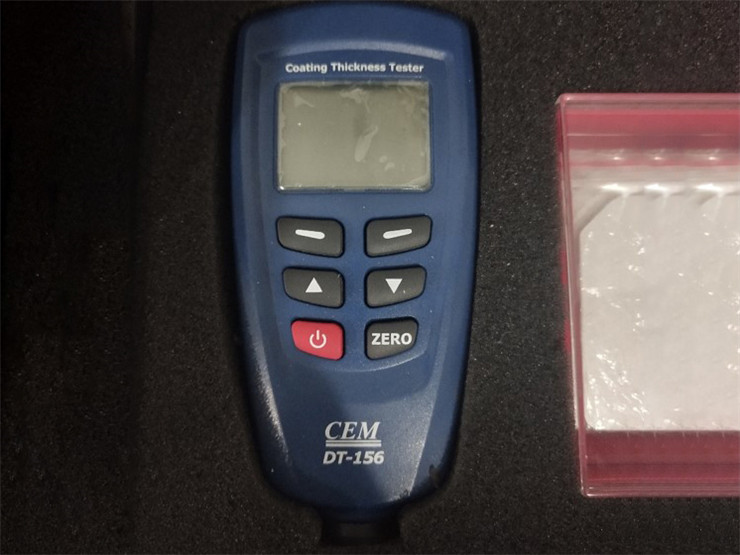
Quality assurance is embedded within every step of the casting, machining, assembly, and packing phases. Full-time QC inspectors monitor key metrics, ensuring that casting imperfections are flagged via ultrasonic and magnetic testing. Our metrology department conducts physical checks including high-torque overload validation and environmental cycle tests. By keeping defect ratios near-zero, we optimize assembly overheads, reducing overall operational costs while providing reliable final products.
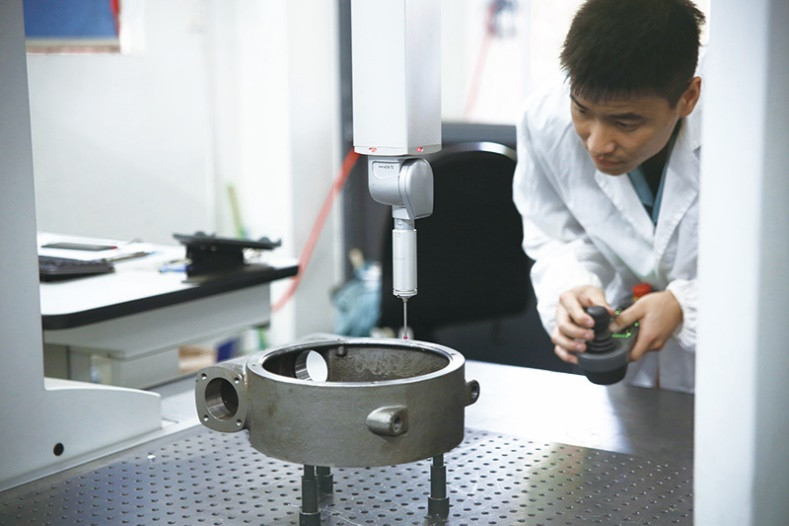 Dimensional Metrology Verification
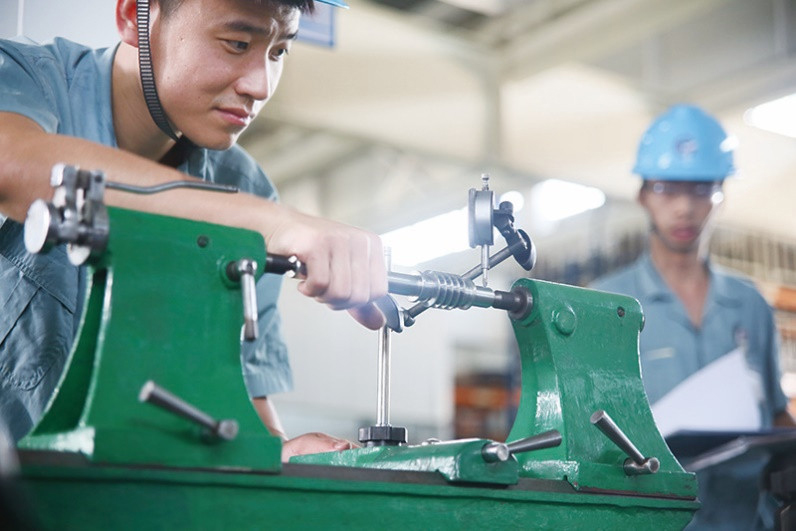 Mechanical Performance Verification
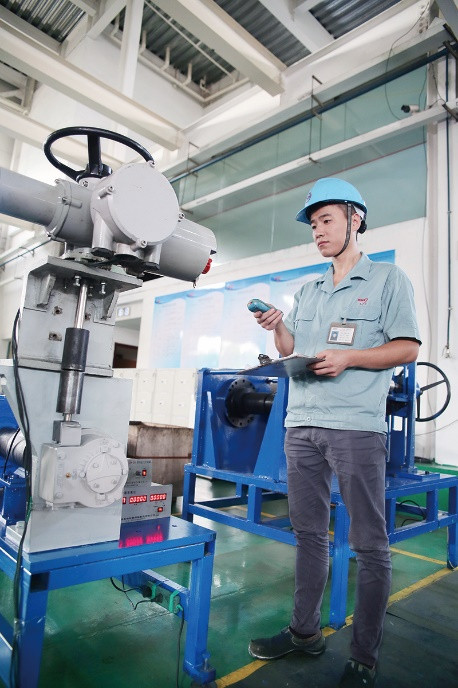 Destructive & Non-Destructive QA Testing
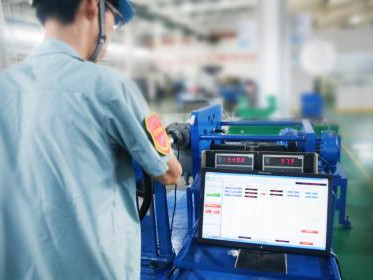
Stard Automation owns a comprehensive range of advanced inspection and testing equipment to control the quality throughout the process from blank casting to finished products, enabling precise torque testing and life cycle evaluation.
Minimizing import friction, ensuring materials safety, and meeting regional engineering codes.
All safety-critical declutchable, multi-turn, and pneumatic operators match strict European Union directives. Products undergo structural analysis, enabling safe deployment within flammable and explosive ATEX zones.
Each casting batch is analyzed for chemical properties and carbon equivalent ratios. Stard-Gears provides mill test reports (MTR) matching EN 10204 3.1 standards, ensuring full material tracking for high-stress applications.
We provide full-spectrum engineering data packs, including STEP and IGES CAD files, dimensional drawings, torque values, and mounting details, ensuring seamless integration into plant piping frameworks.
Detailed engineering perspectives covering selection, mounting, corrosion protection, and mechanical efficiency metrics.
Explore our specialized range of declutchable systems, scotch yoke mechanisms, and high-efficiency bevel operators.