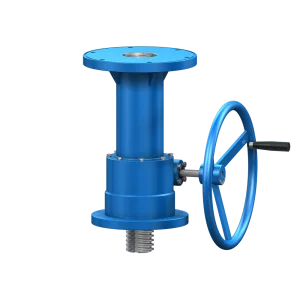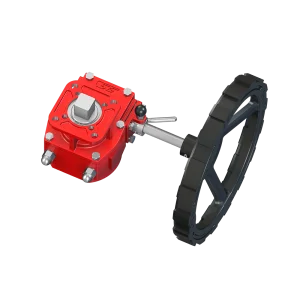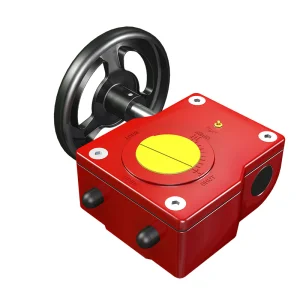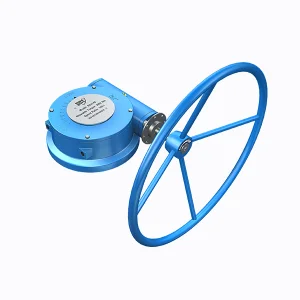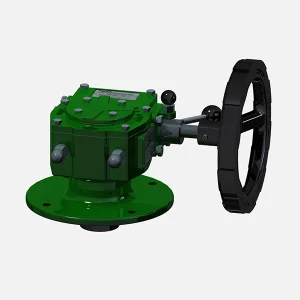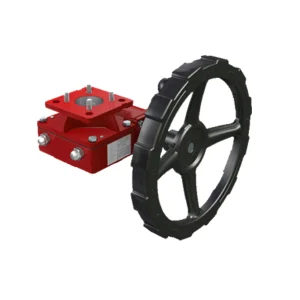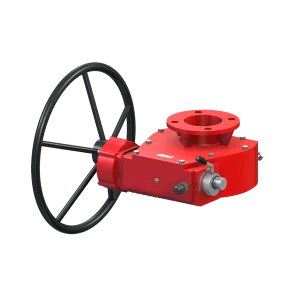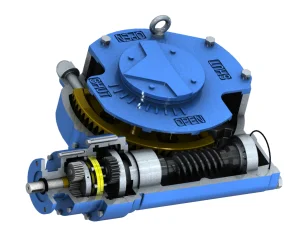
In modern process industries, "cheap" hand gearboxes shouldn't imply compromised engineering. Instead, global procurement focuses on maximizing Total Cost of Ownership (TCO) and mechanical efficiency through resilient manufacturing supply chains.
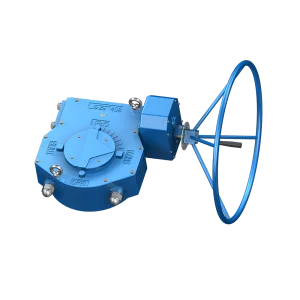
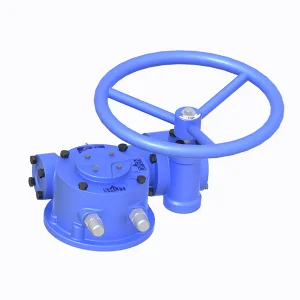
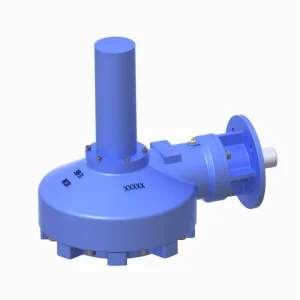
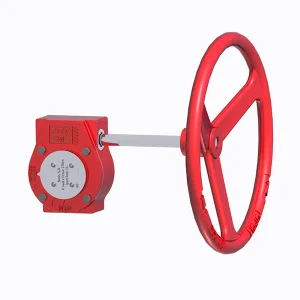
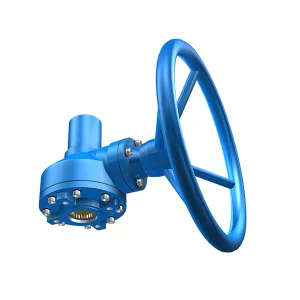
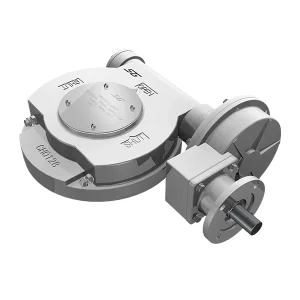
Manual gearboxes, declutchable gear operators, and valve overrides remain critical backup solutions in an increasingly automated industrial environment. They provide reliable operations in power plants, chemical plants, water distribution lines, and maritime settings when pneumatic or electric actuators fail. In remote and hazardous zones, manual gearboxes serve as the primary actuation solution, removing the need for costly electrical routing.
The global demand for high-reliability manual override units continues to grow. Engineering firms are moving away from proprietary, expensive equipment towards standardized, cost-efficient, and CE-certified manual gearboxes. Organizations can significantly reduce capital expenditure (CAPEX) without sacrificing plant safety or operational lifetime by optimizing material choices (such as ductile iron and aluminum alloy) and using high-precision worm gears.
Procurement teams evaluate gearboxes based on torque multiplication ratios, mechanical efficiency, IP rating for environmental protection, and ease of manual interface transition. Finding a partner with robust design validation ensures safety in critical situations.
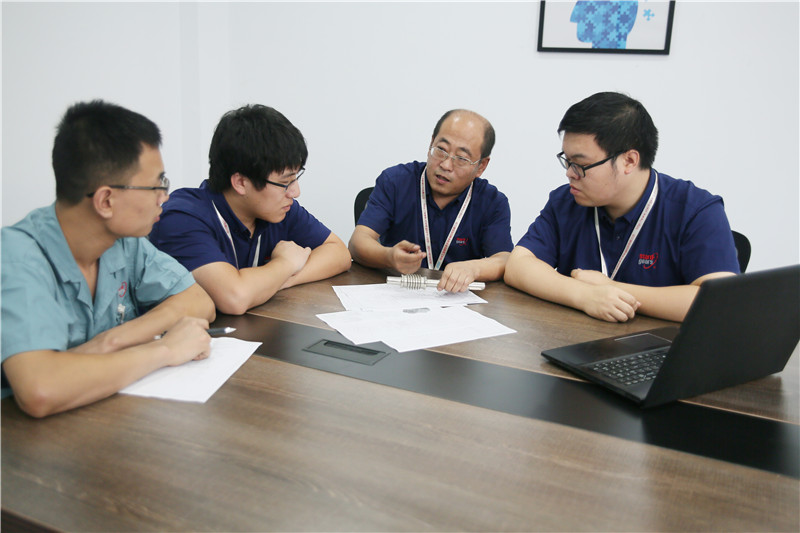
Established in 1999 in the Suzhou Industrial Park, Stard-Gears has developed into a leading global provider of high-reliability valve control technologies, offering solutions for critical industrial operations.
Located in the Suzhou Industrial Park, Stard-Gears operates a modern plant spanning 8,900 m² and an office area of 2,500 m². Achieving an annual sales value of approximately $7,000,000—growing consistently at 10% to 20% annually—our operation is ISO9001 certified. We produce manual gearboxes that integrate with oil, chemical, natural gas, nuclear, and water infrastructure. By leveraging our location in the Yangtze River Delta, we utilize advanced castings, high-precision machining, and efficient spare parts procurement to deliver high-quality, cost-effective gearboxes.
Before any product is manufactured, our engineering teams perform thorough analyses to ensure the reliability and longevity of every hand gearbox design.
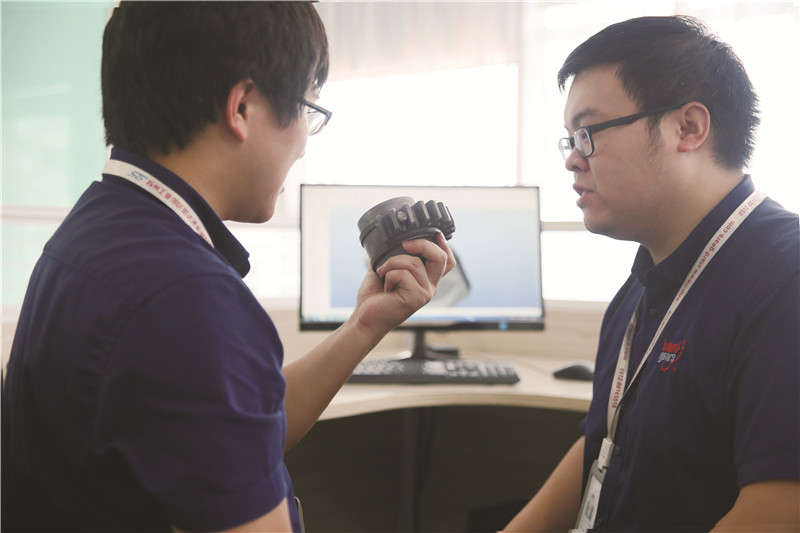
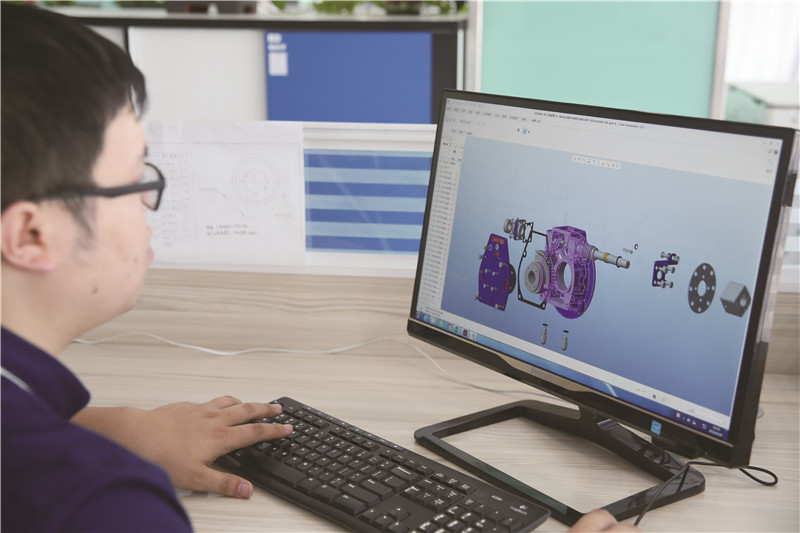
By employing advanced 3D modeling, kinematic simulations, and finite element analysis (FEA), our design engineers evaluate physical tolerances and stress-concentration areas in real-time. This virtual prototyping step ensures all gearbox components—from the worm shaft to the ductile iron casing—withstand high torque demands without fatigue.
This process reduces development cycles, manages R&D costs, and ensures structural integrity. Our customers receive gearboxes that are optimized for minimal manual input, with reliable gear engagement and minimal backlash.
The Yangtze River Delta region provides a mature industrial ecosystem, enabling efficient manufacturing, material sourcing, and logistics.
We utilize customized ERP systems to monitor every order from raw casting entry to final quality inspection, ensuring delivery schedule accuracy.
Our proximity to ductile iron foundries and aluminum alloy casting facilities guarantees consistent raw material supplies and stable pricing.
Located near major international shipping networks, we facilitate containerized transport to customers in the US, Germany, Italy, Japan, and other regions.
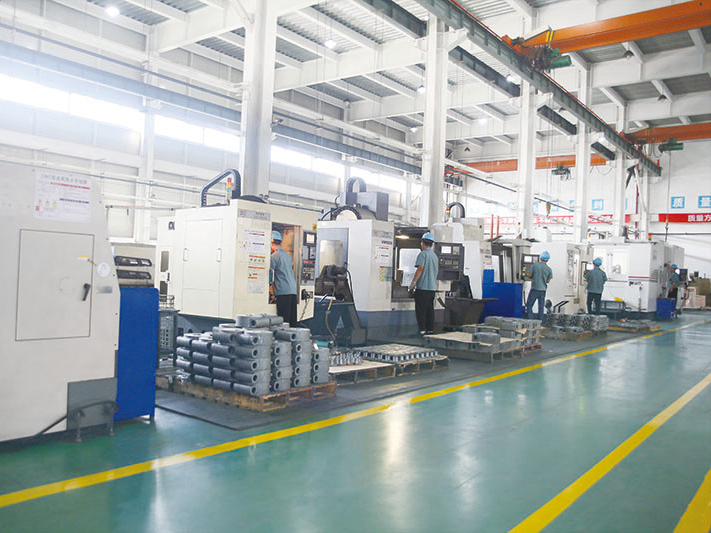
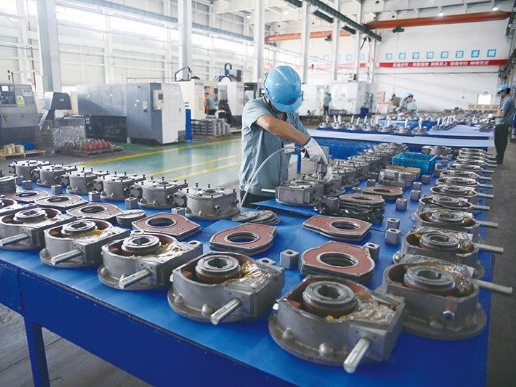
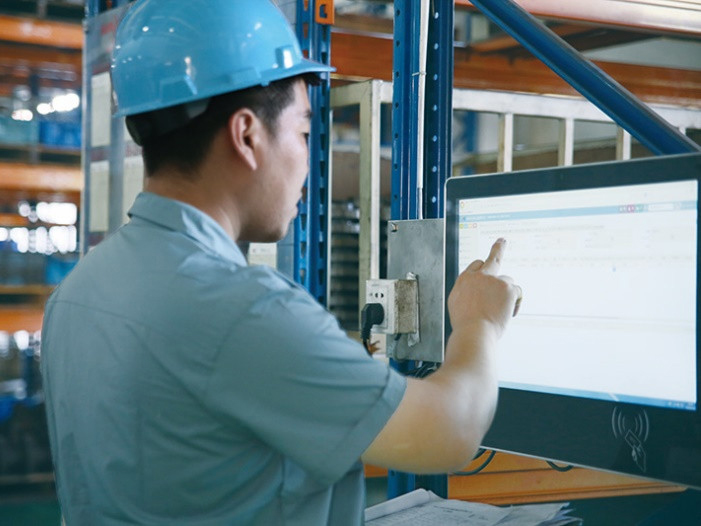
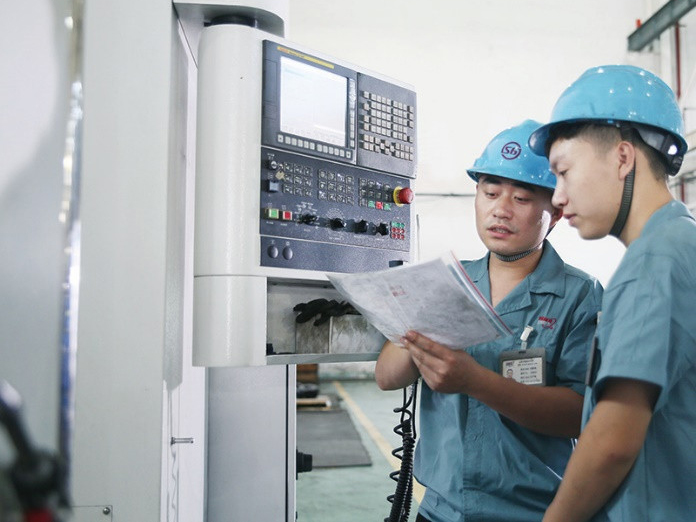
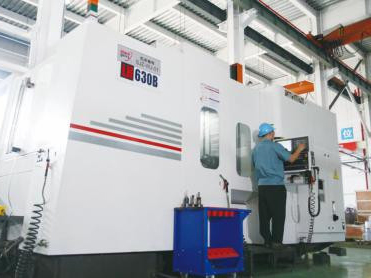
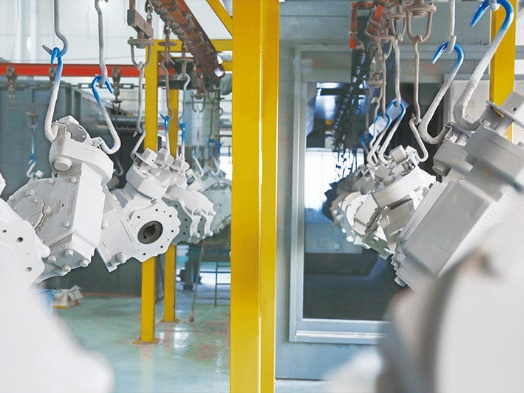
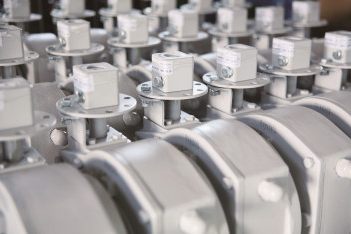
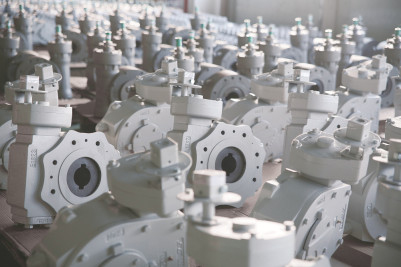
Our gearboxes are designed to meet the strict demands of global industrial and environmental applications.
We supply cast steel and ductile iron manual overrides designed to handle explosive environments, high temperatures, and chemical exposure in pipelines and refineries.
Our IP68 buried service valve gearboxes feature specialized sealing to protect components from moisture intrusion and soil pressure in municipal pipelines.
We utilize corrosion-resistant finishes, aluminum bronze internals, and marine-grade coatings to prevent degradation in saltwater and coastal environments.
Stard Automation maintains strict quality controls at each phase of manufacturing to verify that every gearbox meets global performance standards.
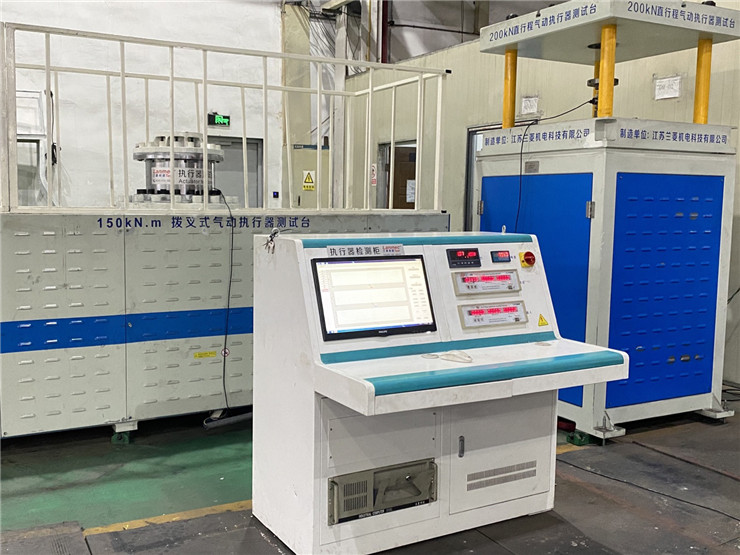
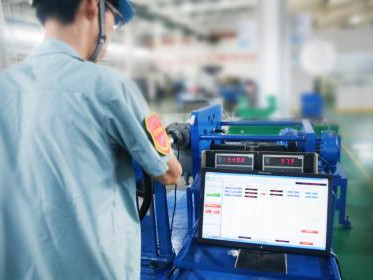
To support quality control and inspection, Stard Automation employs dedicated QC specialists at every stage of the manufacturing process—from inspecting incoming raw materials to monitoring assembly and performing final checks before packaging. Our facilities are equipped with test benches to evaluate torque capacity, gear alignment, and cycle-life endurance, helping to ensure dependable performance in the field.
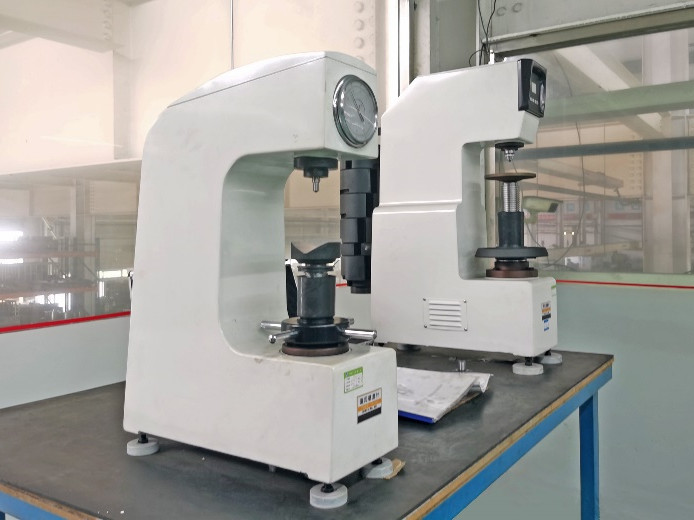
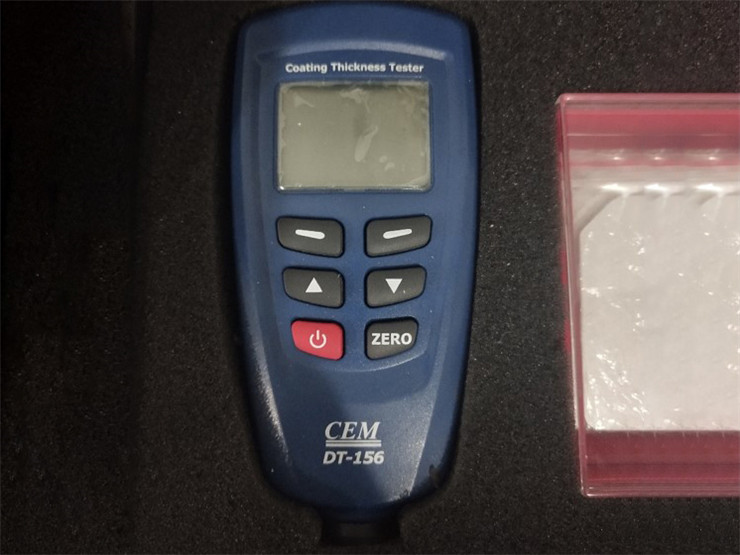
Our testing verification process confirms mechanical ratings, seals, and torque performance, validating all manual override gearboxes before they are dispatched to client sites.
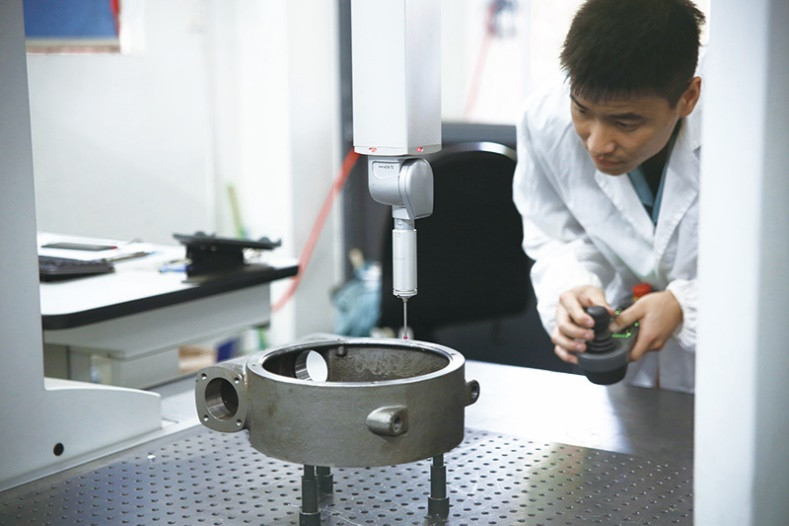
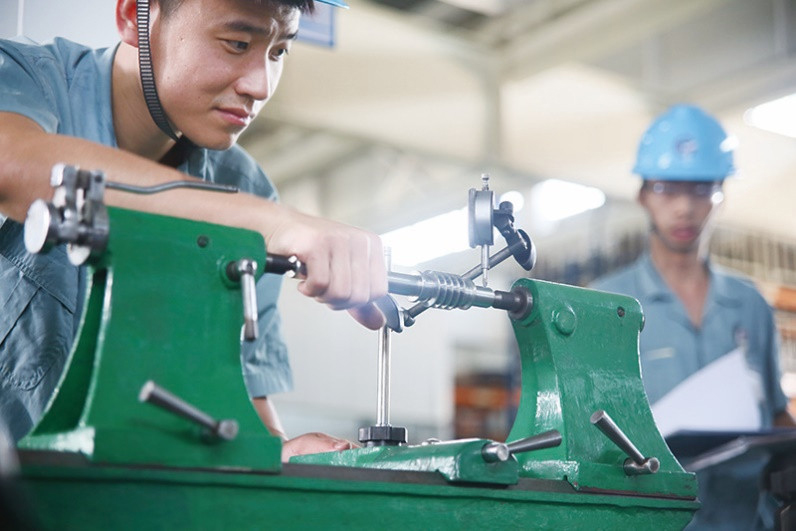
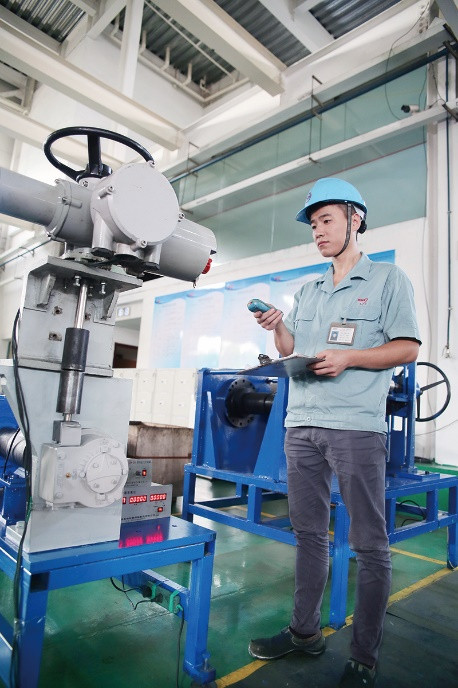
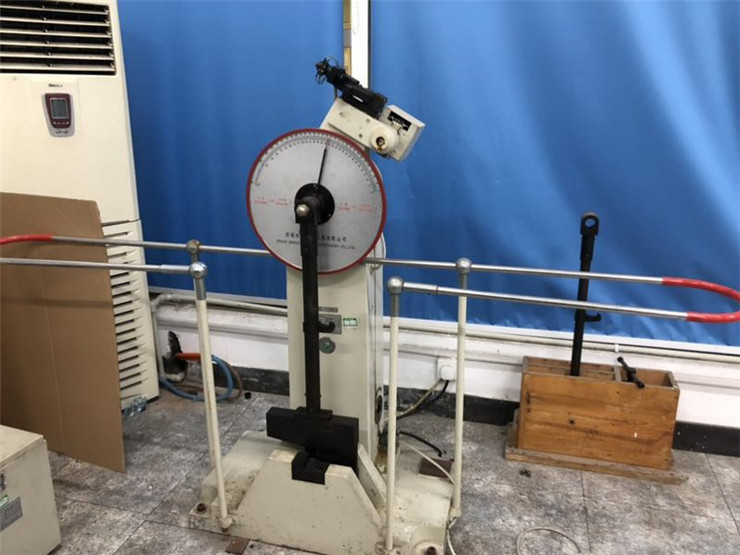
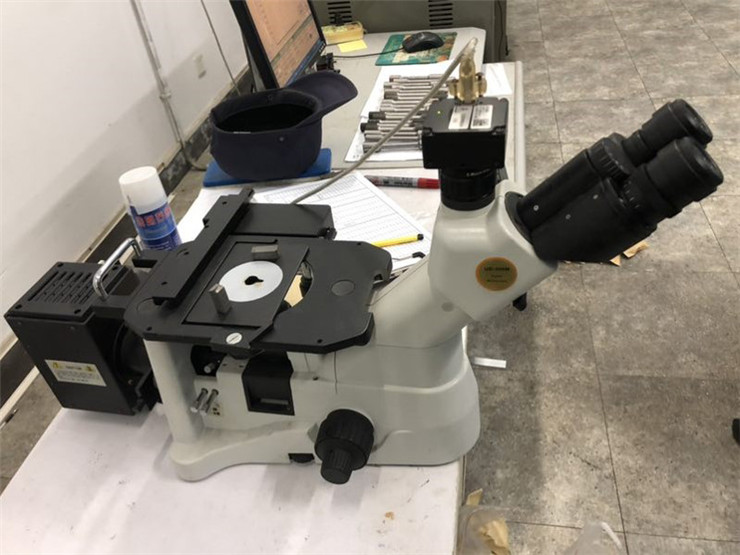
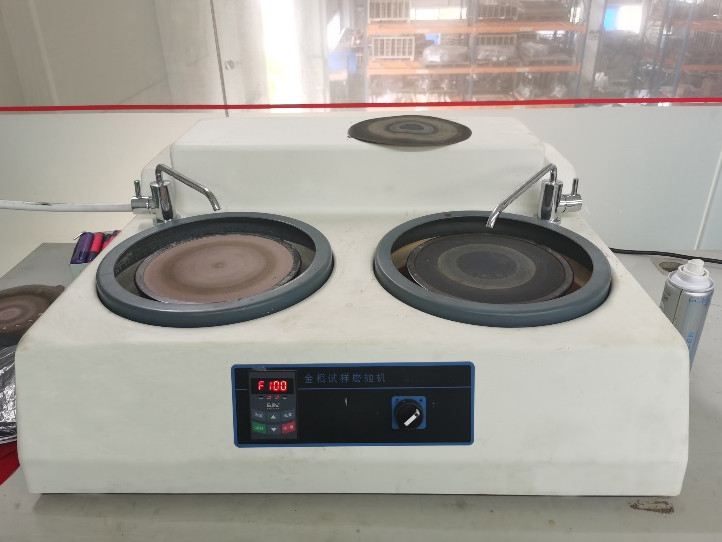
Our testing laboratory verifies housing integrity, mechanical advantage, and sealing efficiency under simulating pressures. Stard Automation maintains advanced inspection and test equipment to analyze cast components and verify dimensions, helping to prevent leakage and early wear under load.
Industrial valve controls continue to evolve. We look to incorporate new design features and materials to meet future flow control requirements.
We are investigating integrating mechanical torque indicators and limit sensors into override gearboxes, providing digital feedback to PLC controllers during maintenance windows.
Researching lightweight, corrosion-free materials and specialty aluminum alloys to reduce overall assembly weight without sacrificing tensile strength.
Redesigning worm-gear geometries and selecting alternative lubricants to minimize input torque requirements, facilitating manual valve override operation.
Stard-Gears provides technical solutions that align with international quality and safety certifications.
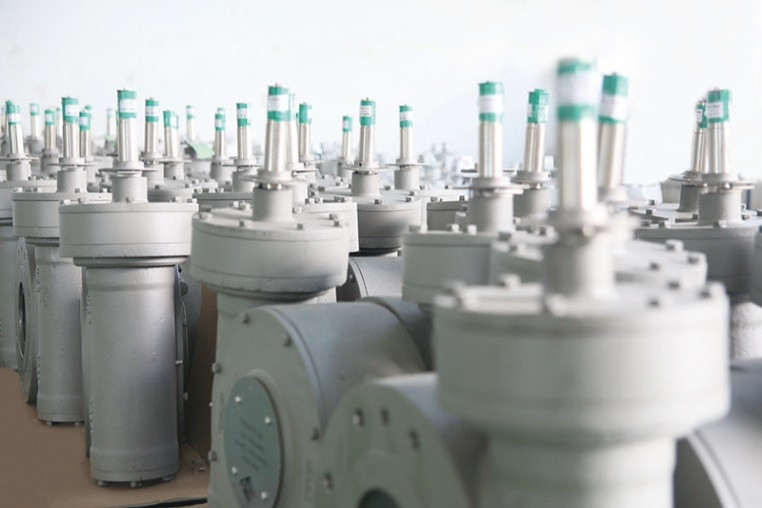
Our manual gear operators, declutchable gearboxes, and scotch yoke overrides carry CE certifications. This ensures compliance with European Union safety, health, and environmental requirements, simplifying integration for European OEMs and mechanical packagers.
We configure mounting flanges to ISO 5210 and ISO 5211 dimensions, making our gearboxes compatible with standard valve spindles and actuator outputs globally. Whether upgrading an existing plant or specifying components for new builds, our standard interfaces help reduce installation time and engineering hours.
Our engineering support services assist with mounting configurations, torque calculations, and material selections, helping to minimize delays in procurement and installation.
Common questions from design engineers and procurement teams regarding cost-effective manual valve overrides.