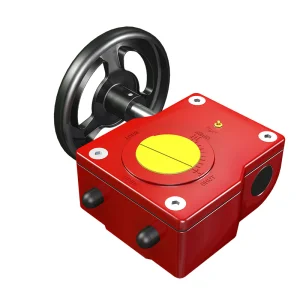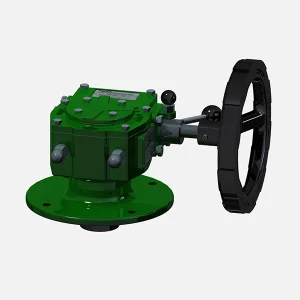
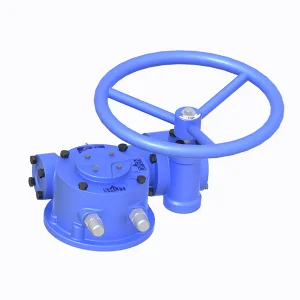
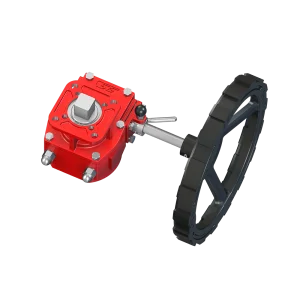
Established in 1999 and strategically positioned in the high-tech hub of Suzhou Industrial Park, China, Stard-gears operates out of an expansive 8,900㎡ manufacturing plant integrated with a 2,500㎡ modern R&D and administration center. Our annual sales reach approximately $7,000,000, seeing a steady year-on-year growth of 10% to 20%. Under strict ISO9001 certification, we maintain an annual output capacity scaling up to 100,000 actuator and gearbox sets.
As a premier global provider specializing in pneumatic and mechanical valve control technology, our solutions serve demanding application fields such as petroleum extraction, fine chemical processing, natural gas distribution, nuclear power generation, and municipal water treatment plants.
Our location in China's Yangtze River Delta provides a distinct geographical advantage. This industrial cluster hosts a highly mature casting, high-precision machining, and raw material procurement ecosystem. Consequently, we deliver premium performance controls that remain globally competitive on pricing, without ever compromising delivery speed or operational safety.
Over the last decade, our precision gearboxes and pneumatic Scotch Yoke actuators have been exported to critical markets, including the United States, Italy, Germany, Mexico, Singapore, and Japan.
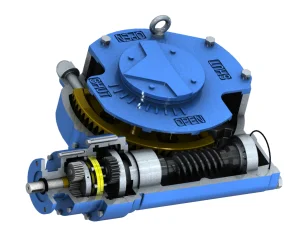
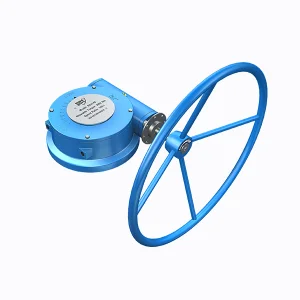
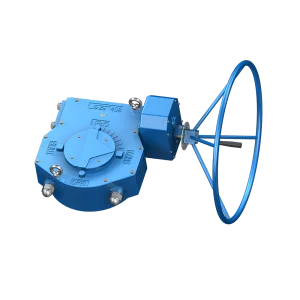
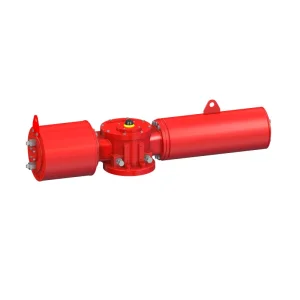
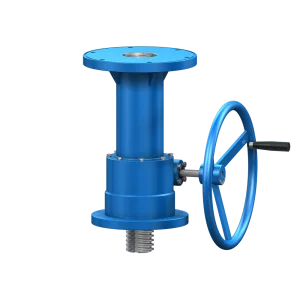
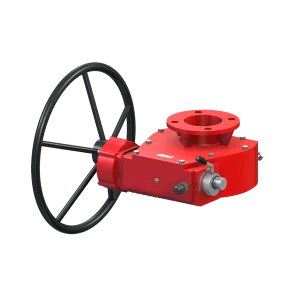
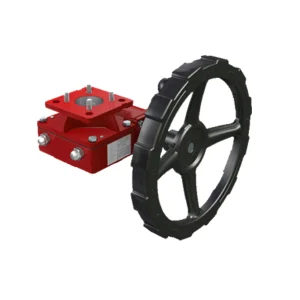
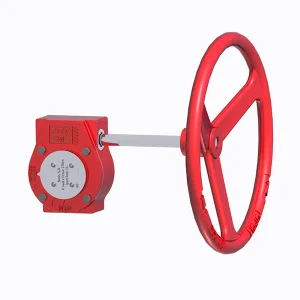
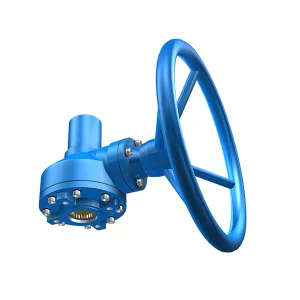
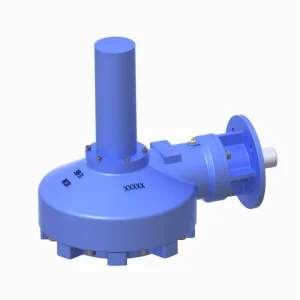
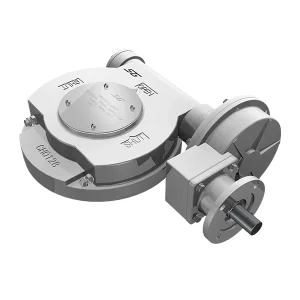
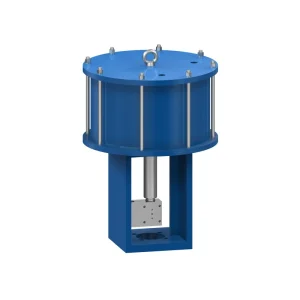
Stard offers 9 distinct product series comprising approximately 80 variations of gear operators, heavy-duty scotch-yoke actuators, and customized control interfaces tailored to specific process needs.
Through high-fidelity 3D simulation, dynamic motion validation, and Finite Element Analysis (FEA), our technical team verifies the performance margin of every new product design. This rigorous process significantly compresses the development loop, prevents mechanical assembly conflicts, and keeps manufacturing cost profiles optimized.
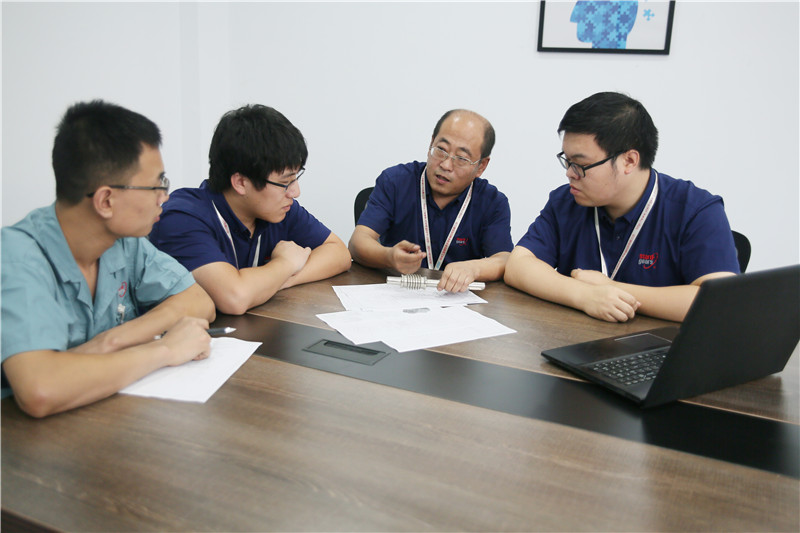
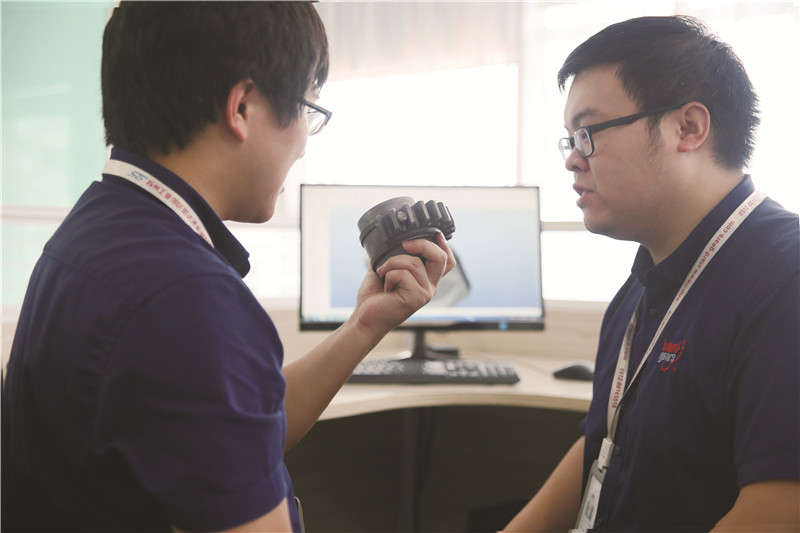
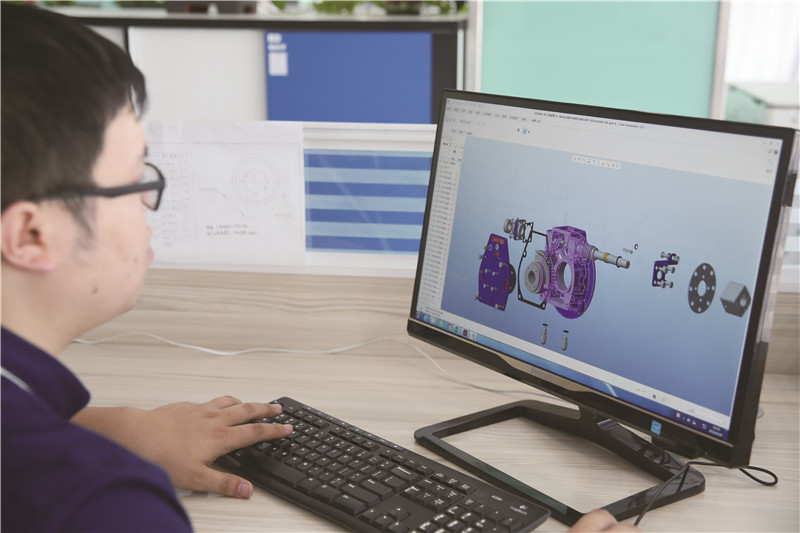
To achieve consistent high quality and maintain competitive factory-direct pricing, Stard runs a comprehensive enterprise resource planning (ERP) management system. This software architecture oversees raw casting intake, machining tolerances, assembly, test schedules, and logistics. It gives customers full transparency and assures that scheduled shipping targets are met.
With modern CNC centers, automated assembly units, and clean spray-coating booths, the Suzhou facility easily scales output up to 100,000 actuator sets annually. Real-time shop-floor control helps eliminate component waste and reduces energy overheads.
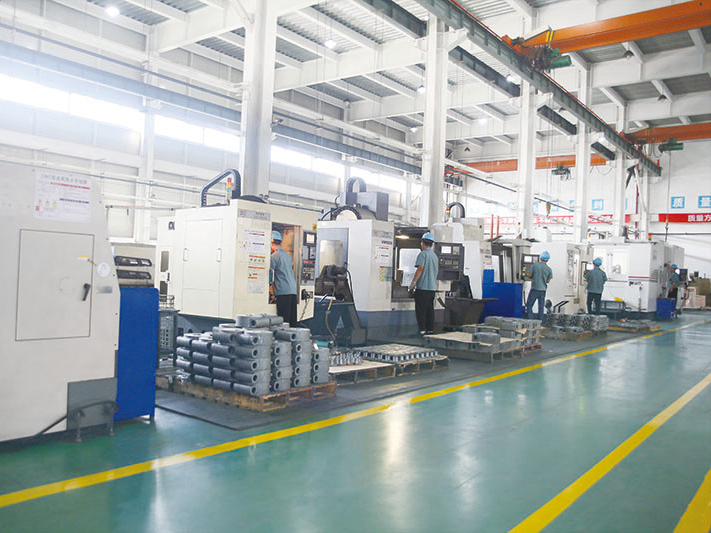
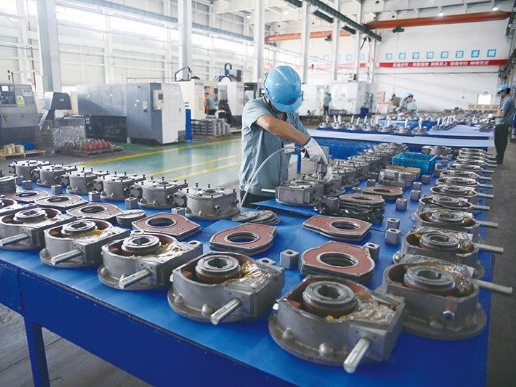

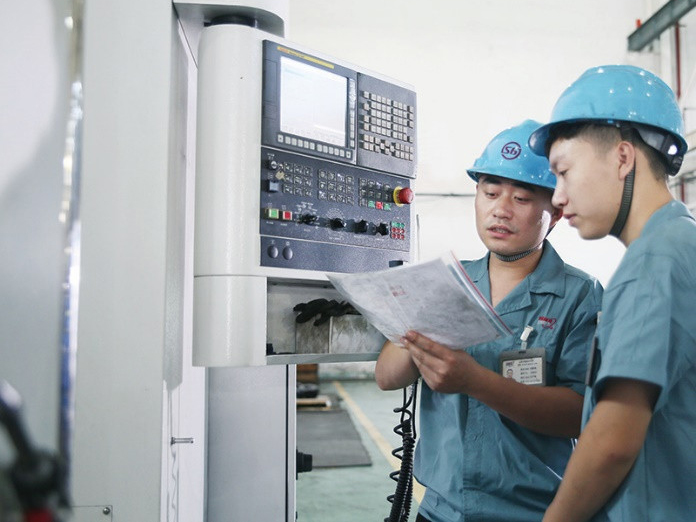
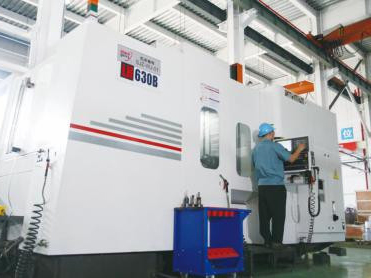
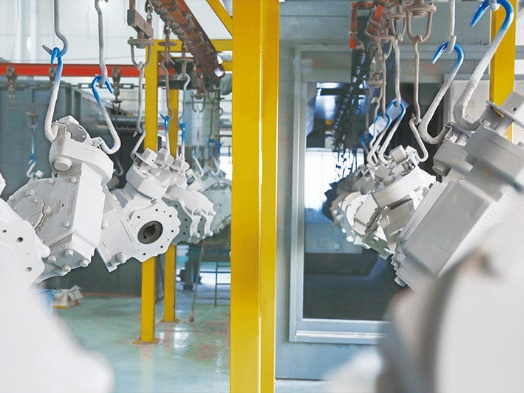
By consolidating our production assets under modern lean-manufacturing templates, the plant capacity is highly adaptable. Should international oil & gas projects demand rapid turnarounds, Stard can scale operations dynamically without bottlenecks.
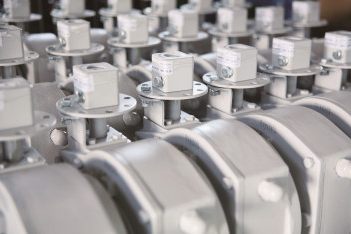
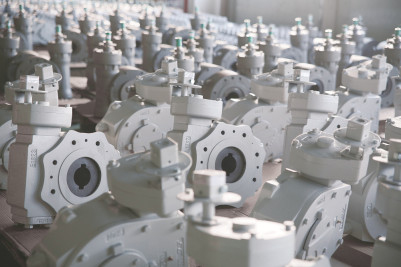
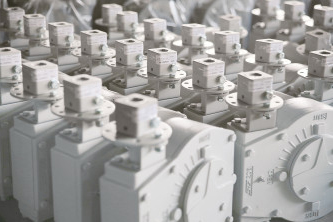
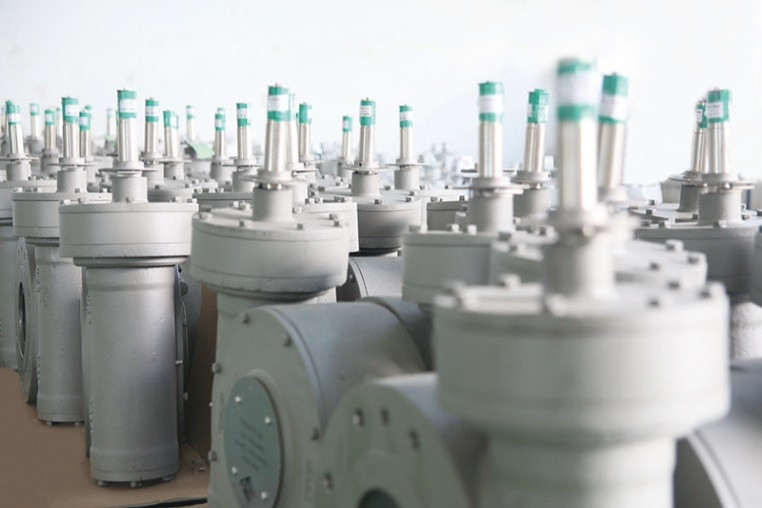
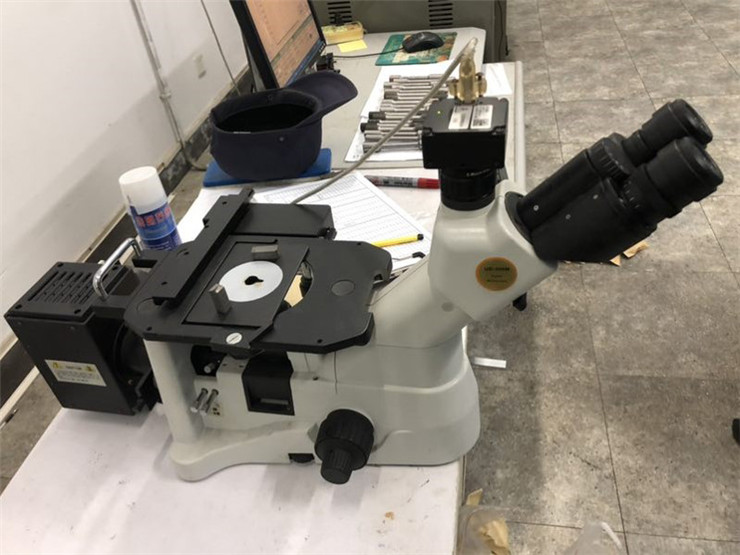
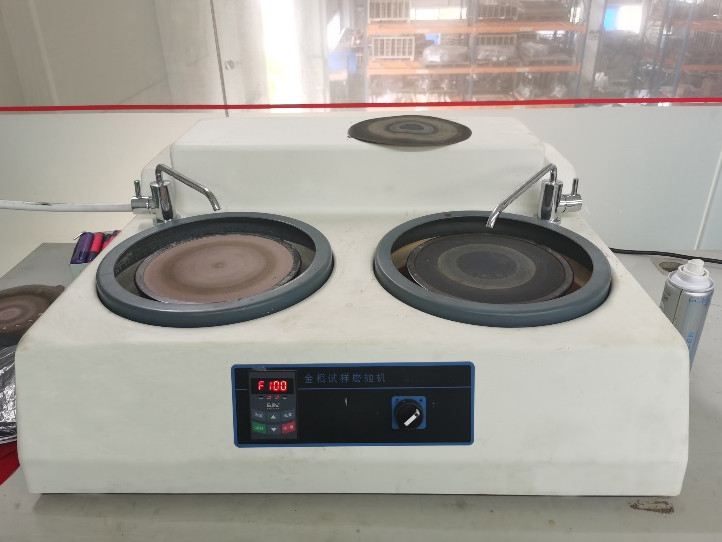
To achieve zero-defect operational targets in the field, Stard has deployed dedicated, full-time QC inspectors at every critical assembly junction. The verification pathway covers:
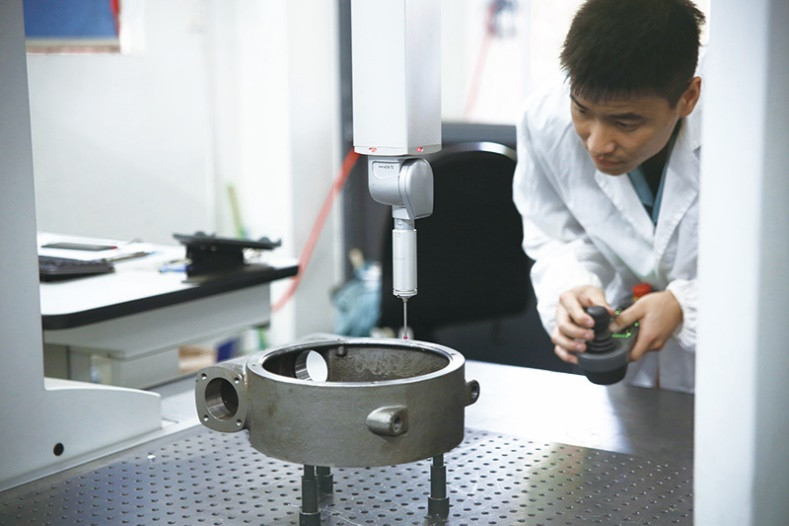
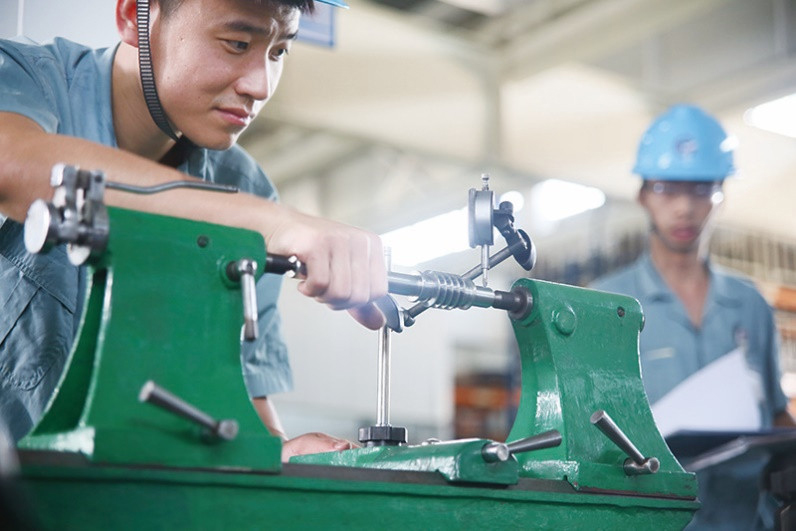
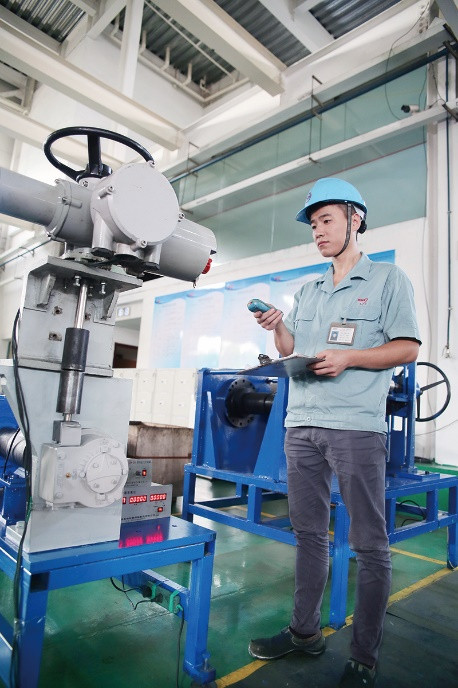
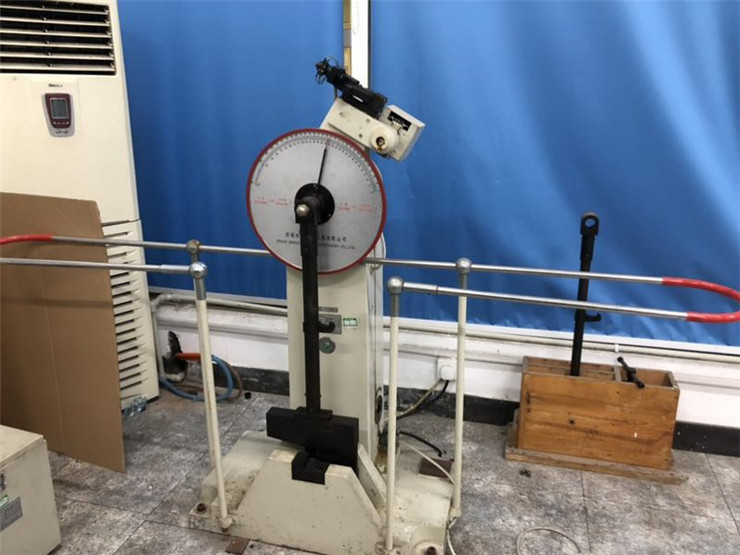
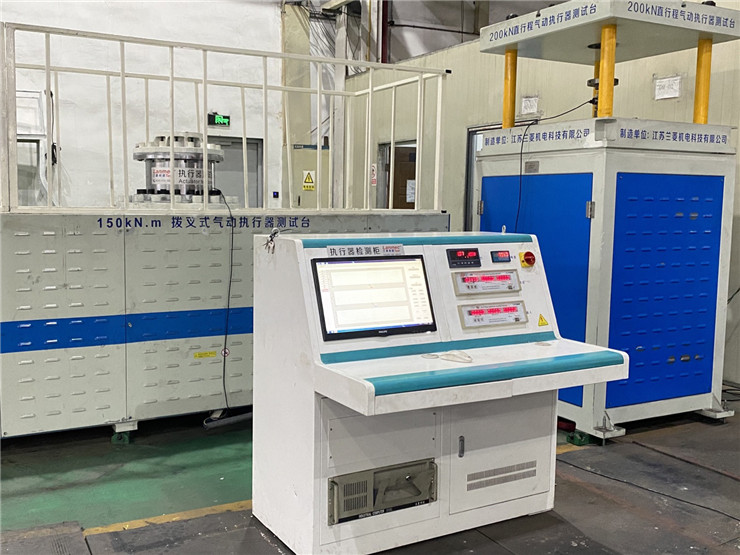
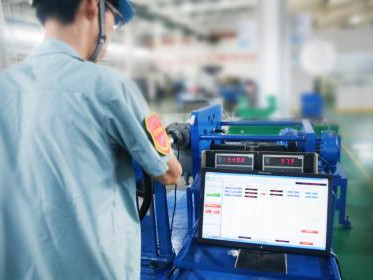
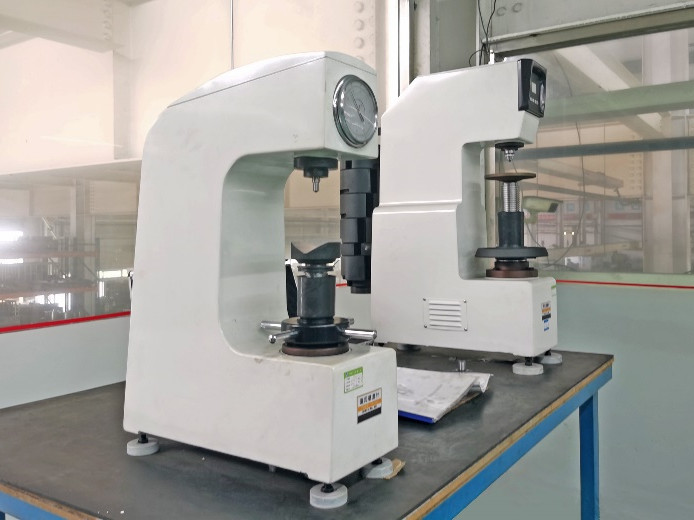
Our dedicated test laboratory houses high-precision hydraulic test benches capable of simulating extreme duty cycles, torque loads, and environmental stresses to verify performance compliance.

Plug valves use a cylindrical or tapered plug structure that rotates within the valve body. This design creates a large surface-contact area between the plug and the internal seals. As a result, they require significantly higher operating torque than ball or butterfly valves of comparable diameter.
To actuate these systems efficiently, you need an actuator that matches this torque profile. Modern setups use double-acting or spring-return Scotch Yoke kinematics to provide a high torque output at both ends of travel, ensuring reliable breakaway operation.
While rack-and-pinion actuators deliver a linear torque curve, Scotch Yoke actuators produce a U-shaped curve. This curve yields the highest torque output at the key points: during initial opening (breakout) and final closing (sealing).
By matching the torque profile of the plug valve, Scotch Yoke designs allow you to use smaller cylinder sizes. This reduces overall pneumatic consumption, saves valuable space, and lowers procurement costs.
For critical lines in chemical and gas services, fail-safe actuation is essential. Spring-return pneumatic actuators use pre-compressed mechanical springs to return the plug valve to a safe open or closed position during a power or air pressure failure.
Stard designs integrate manual declutchable overrides and safety spring modules to guarantee manual operation and fail-safe safety in extreme industrial conditions.
Procuring pneumatic actuators directly from verified Chinese manufacturers like Stard offers a strategic advantage. It combines lower capital expenditure with high structural quality. Here is how we maintain this balance:
Our facility in Suzhou sits at the center of the Yangtze River Delta's industrial cluster. This close proximity to regional raw castings foundries reduces material transit costs and allows us to quickly inspect casting quality before final machining.
By using automated CNC milling systems, we maintain precise mechanical tolerances on internal gears, shafts, and pistons. This reduces manual labor and keeps component machining highly consistent.
Our manufacturing processes follow strict global requirements, including CE certifications, ISO9001 quality audits, and standard pneumatic layout practices. This ensures easy installation onto existing industrial pipelines worldwide.
Pneumatic actuators are widely used to automate plug valves in harsh environments. In oil & gas transmission lines, they control flow and handle high pressure differentials, abrasive sand, and corrosive fluids.
In municipal wastewater systems, plug valves are preferred for thick sludge slurry and grit. Pneumatic actuators are ideal here, providing the high force needed to slice through solids and prevent valve jamming.
Additionally, in chemical plants handling volatile organic solvents, pneumatic actuators provide a safe, explosion-proof solution because they operate on compressed air rather than electrical power.
The global valve control market is moving toward smart, diagnostics-enabled actuation. Modern pneumatic assemblies feature smart positioners, digital cycle counters, and air leakage diagnostic sensors to support predictive maintenance.
Additionally, factories are prioritizing energy conservation. Reducing air consumption in pneumatic systems helps lower compressor power demands, supporting plant-wide carbon footprint reduction goals.
Expert answers to common questions about pneumatic plug valve actuators.