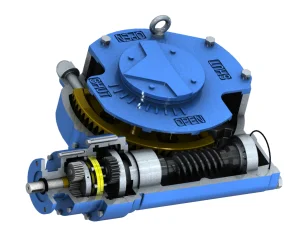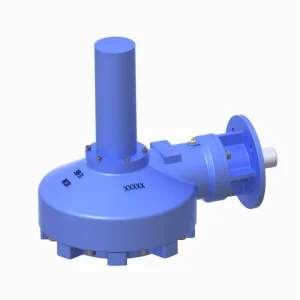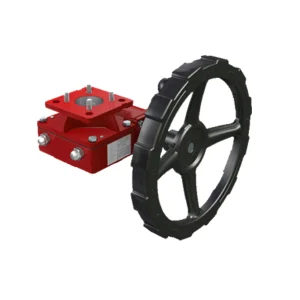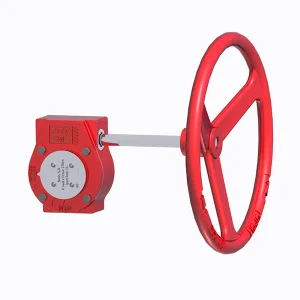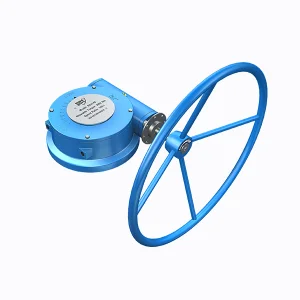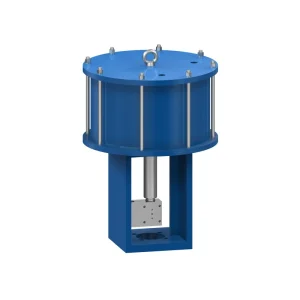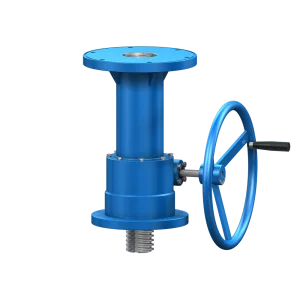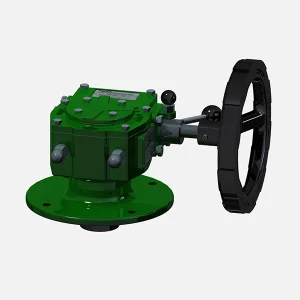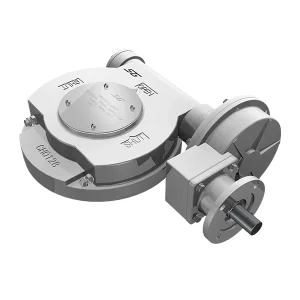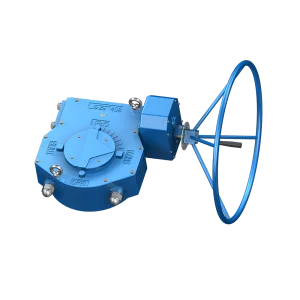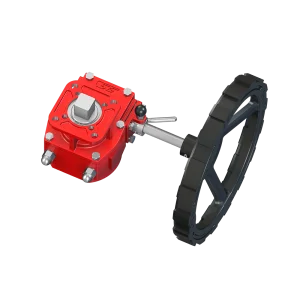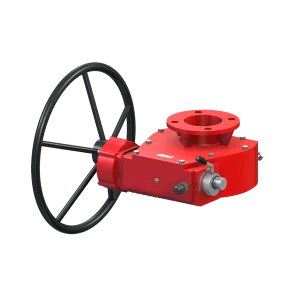
Explore our premium factory-direct solutions featuring international certifications and optimized mechanical performance.
Redefining industrial efficiency from our cutting-edge manufacturing facility in Suzhou, China.
Year Established
Production Facility Area
Annual Sets Capacity
Annual Output Value
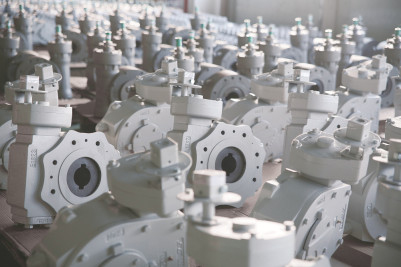
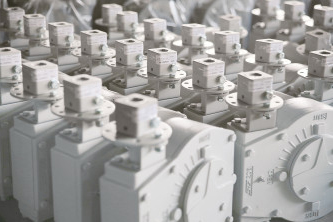
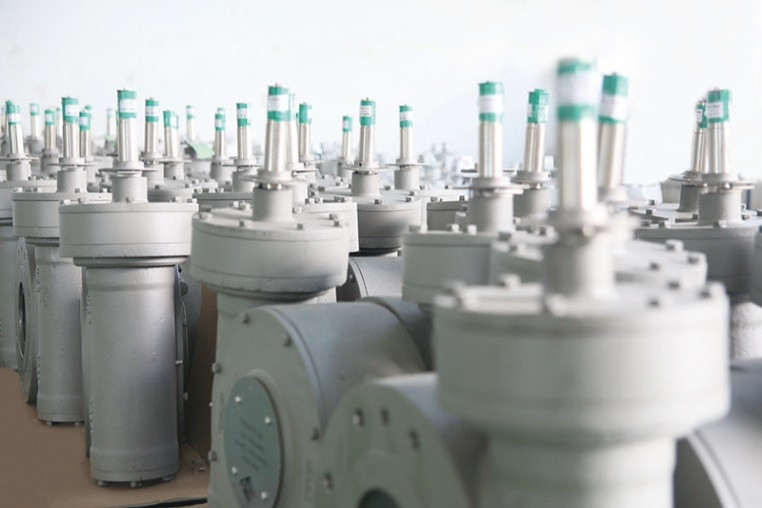
Stard-gears is a leading global provider specializing in high-performance valve control technology. Founded in 1999 in the heart of the Suzhou Industrial Park, our plant covers 8,900㎡ and houses 2,500㎡ of modern administrative and R&D offices. With an annual sales profile of $7,000,000, growing consistently at 10% to 20% per year, we maintain an annual production capability of up to 100,000 actuator sets.
Our geographic location in Suzhou, within China’s Yangtze River Delta region, guarantees access to a highly optimized and convenient industrial supply chain. This strategic advantage ensures that our castings, precision CNC machining capabilities, and raw components are sourced at cost-effective prices without compromising strict engineering parameters. This structural synergy allows us to meet both rapid global delivery demands and rigorous quality benchmarks simultaneously.
Certified ISO 9001 quality management processes combined with extensive CE-marked products ready for international deployment.
Dynamic 3D simulation and finite element analysis (FEA) verify performance parameters prior to raw metal casting.
Real-time manufacturing tracking guarantees scheduling transparency, high resource efficiency, and reliable lead times.
An in-depth analysis of global commercial dynamics, local application challenges, and material engineering advancements.
Modern industrial systems rely heavily on precise, automated flow control to guarantee safety and process optimization. Valve gearboxes and actuators represent the critical bridge between electronic system signals and the physical containment of liquid, gas, or slurry mediums. Across critical sectors like oil & gas, chemical refining, water treatment, nuclear power, and marine environments, manual operations are rapidly shifting toward high-reliability automated platforms. The globalization of supply chains has created a highly competitive marketplace where procurement officers must balance initial capital expenditures (CAPEX) with long-term operational costs (OPEX).
This balance has elevated the importance of factories that offer high cost-efficiency (often referred to in procurement search queries as "cheap valve and actuator factories") while maintaining world-class design standards. In the past, sourcing from budget-friendly regions meant compromising on quality. However, the modern manufacturing paradigm shift has proved that through vertical integration, localized raw material sourcing, and robotic automation, factories can supply top-tier CE-certified components at a fraction of Western manufacturing costs.
China's Yangtze River Delta, particularly the Suzhou Industrial Park region, hosts the most robust and highly integrated mechanical engineering cluster in the world. This localized ecosystem yields distinct competitive advantages for international buyers:
For global distributors and engineering firms, these supply chain efficiencies represent a sustainable cost reduction. "Cheap" in this context does not mean low-quality; it signifies the elimination of supply-chain wastes, high-volume production efficiencies, and optimized raw-material yields.
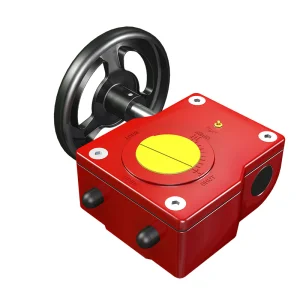
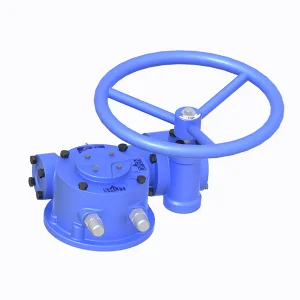
To survive in aggressive industrial environments, valve operators must exhibit structural durability and corrosion resistance. In oil and gas applications, components are frequently exposed to corrosive atmospheres containing hydrogen sulfide (sour gas) or high salinity in marine operations. Stard Automation utilizes high-grade ductile iron (WCB/GGG40) and specialized cast steel for heavy-duty quarter-turn gearboxes, ensuring the housing can withstand high pipeline pressures and operational stresses without cracking.
For applications where weight minimization is critical, such as manual control mechanisms on extended piping runs or marine vessels, we utilize high-strength aluminum alloys. These alloys undergo specialized surface anodization and multi-layered polyurethane coatings to achieve corrosion protection equivalent to stainless steel, at a much lighter weight and more accessible price point.
Through 3D simulation, dynamic modeling, and Finite Element Analysis (FEA), we ensure long-term mechanical safety.
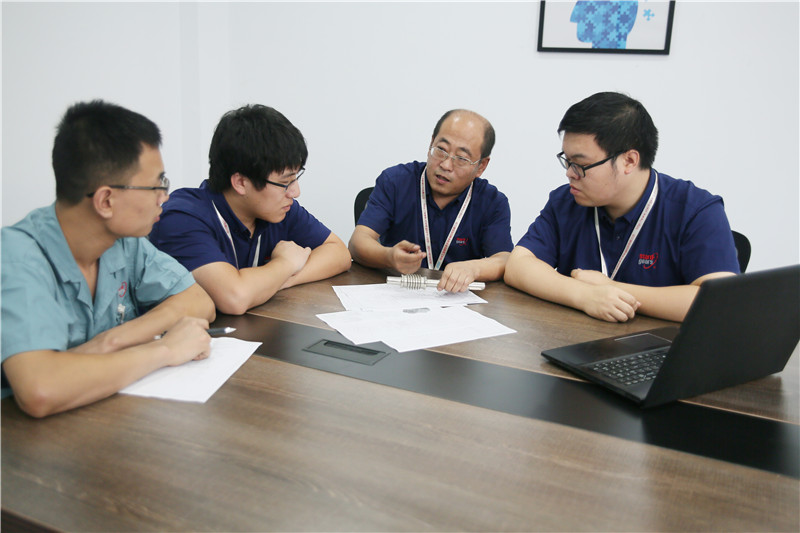
Initial design parameters and torque load requirements are carefully communicated with application engineers to establish clear criteria.
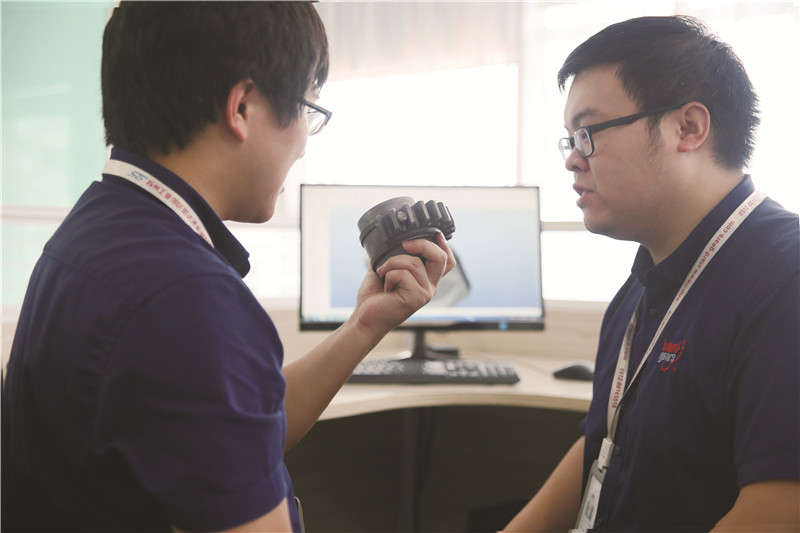
3D models are developed and cross-referenced against mounting standards (ISO 5211) and spatial constraints of the target site.
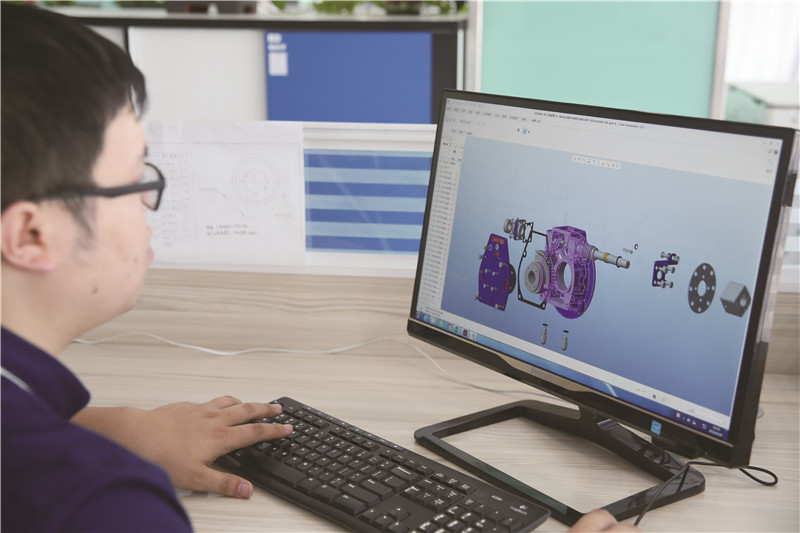
Precision fabrication blueprints specifying tolerances, machining targets, and structural analyses are released directly to the CNC shop floor.
Managing order lifecycles and component tracking through transparent, automated systems.
Stard Automation implements an advanced, customized Enterprise Resource Planning (ERP) system that tracks every order from raw ingot casting to final torque verification. This system minimizes scheduling overheads, monitors production milestones in real-time, and guarantees that our lead times remain highly predictable. By integrating supply chain operations under a unified digital management dashboard, we have reduced material handling waste by over 15%, translating directly into cost savings that we pass on to our partners.
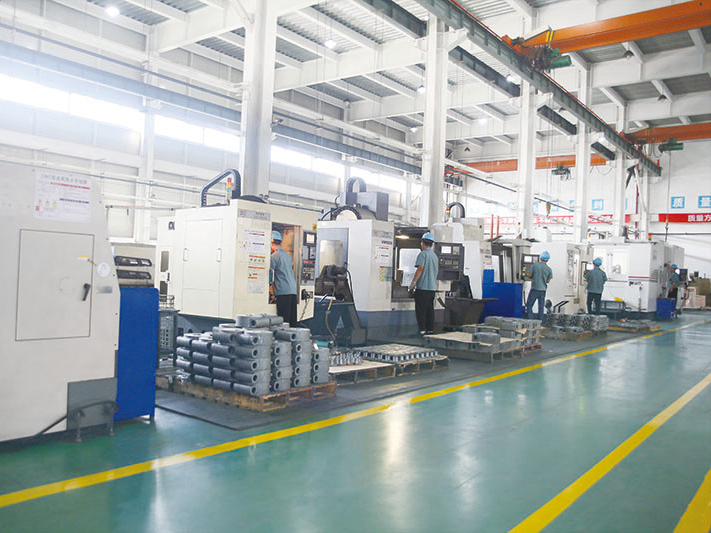
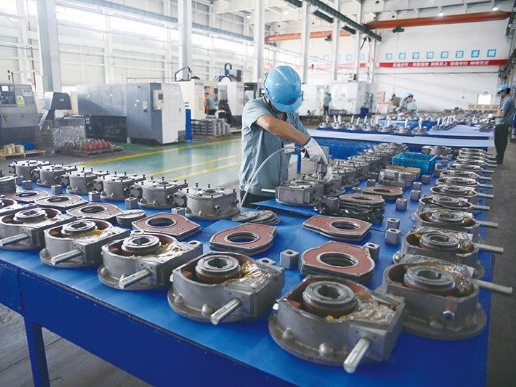
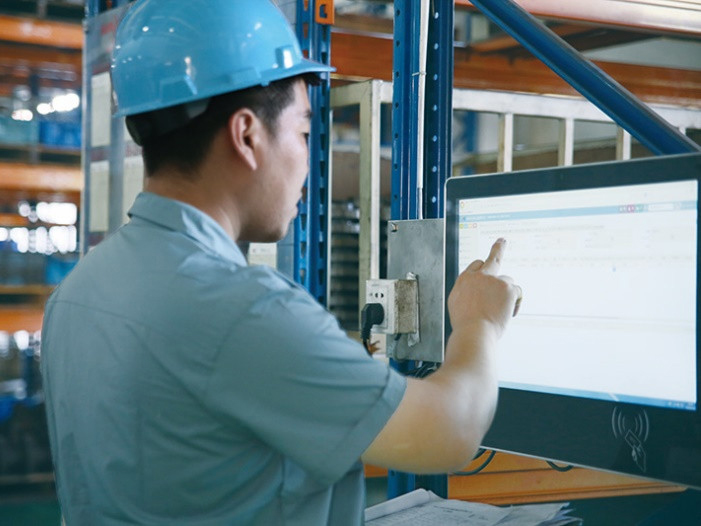
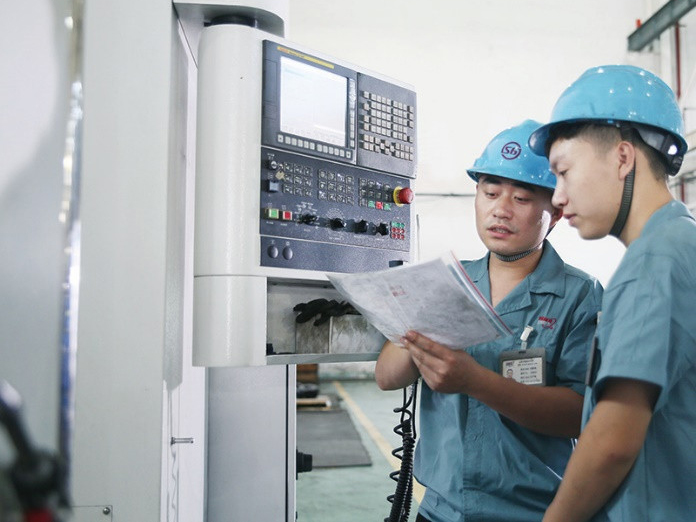
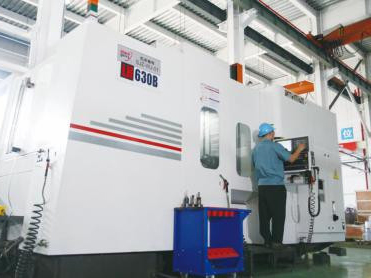
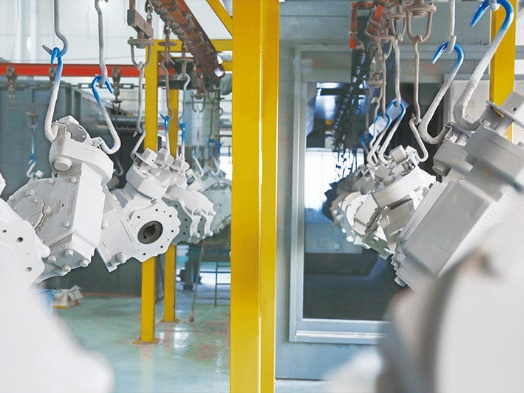
100% qualification rates guaranteed through our systematic testing and calibration protocols.
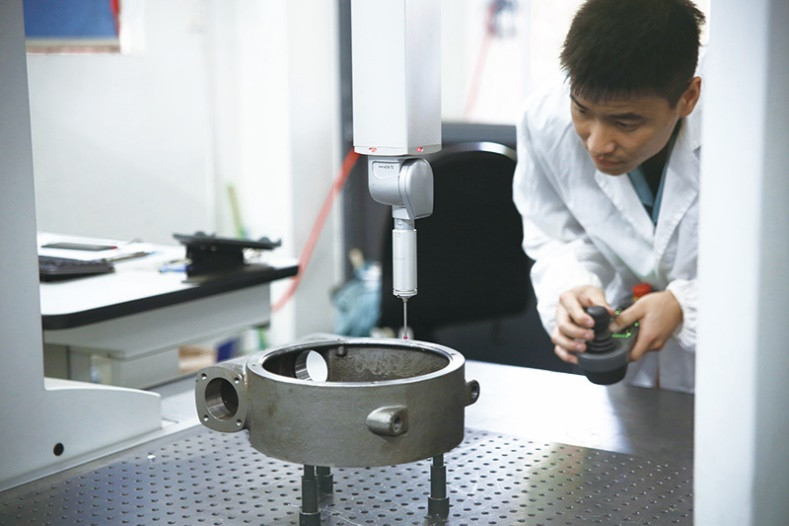
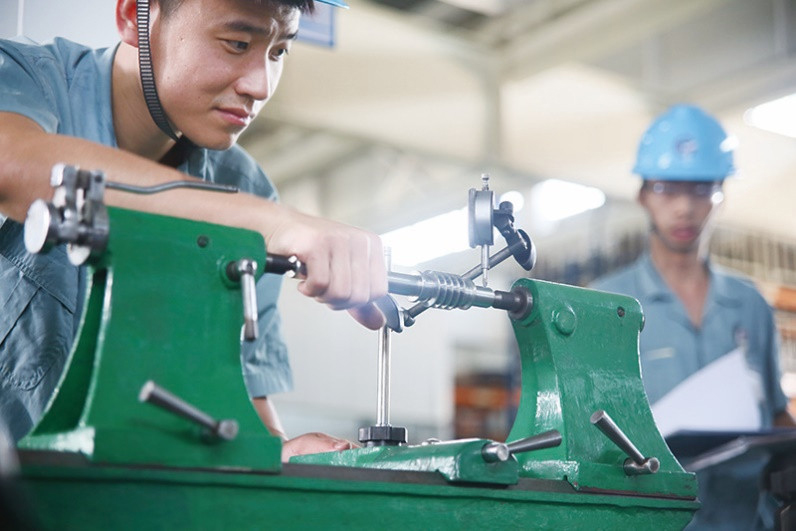
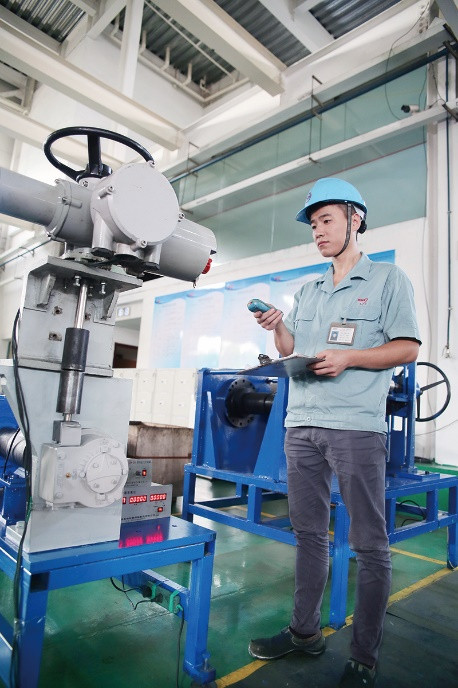
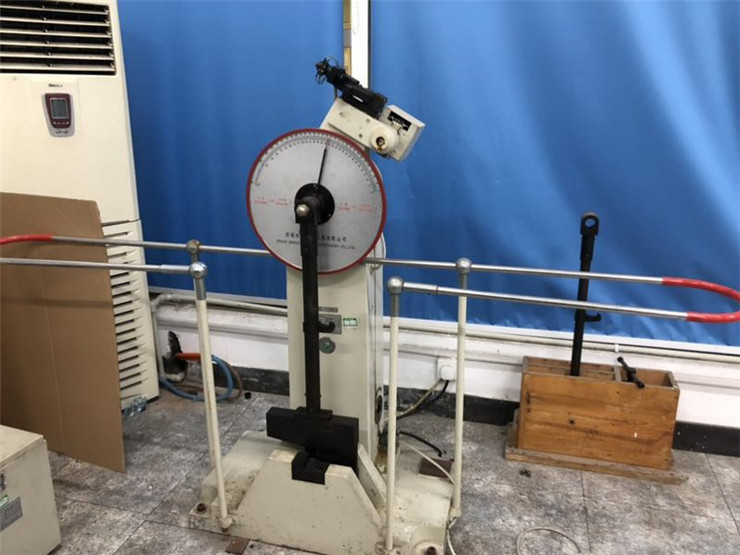
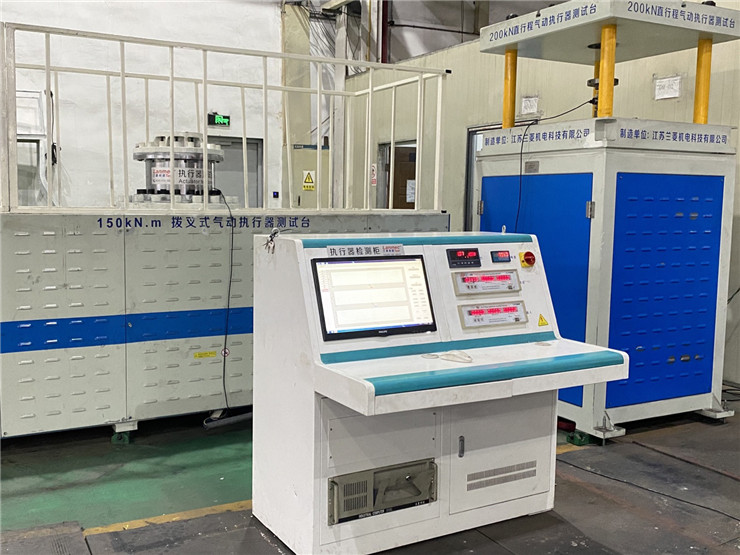
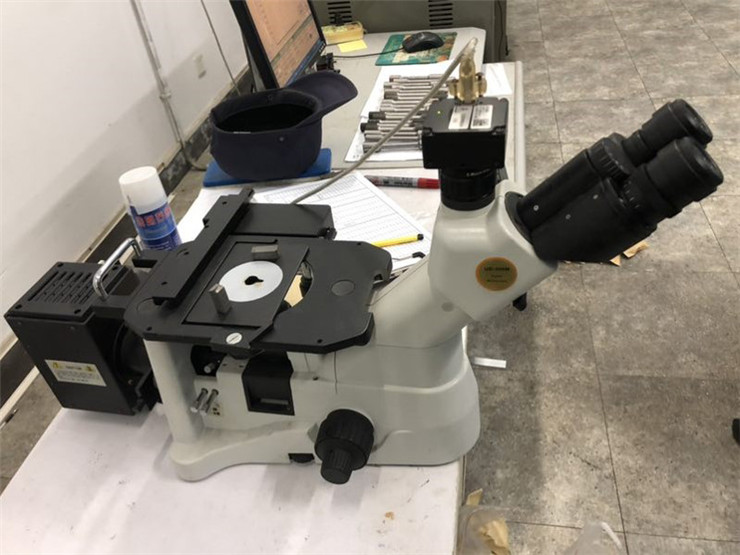
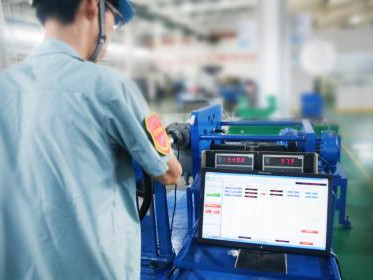
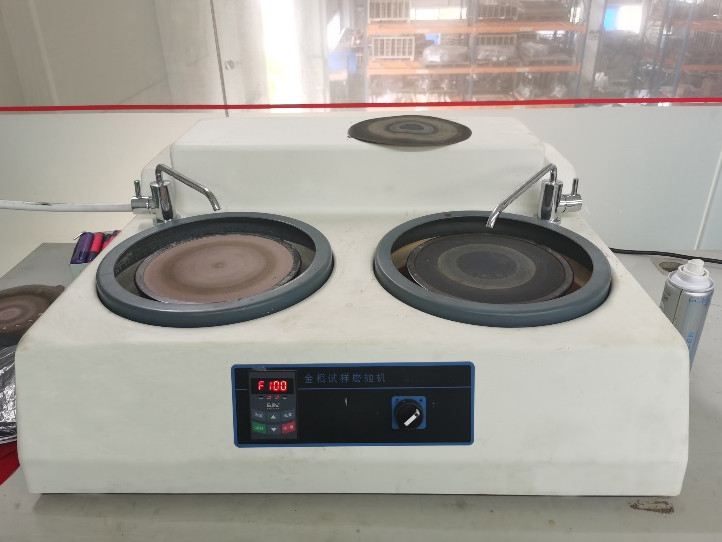
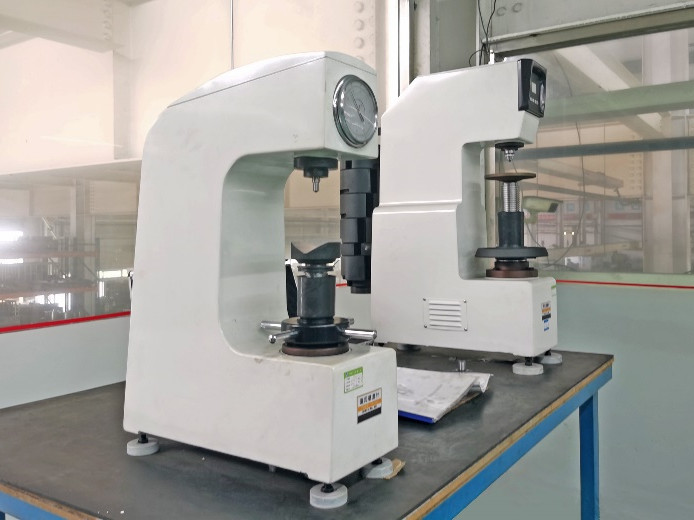
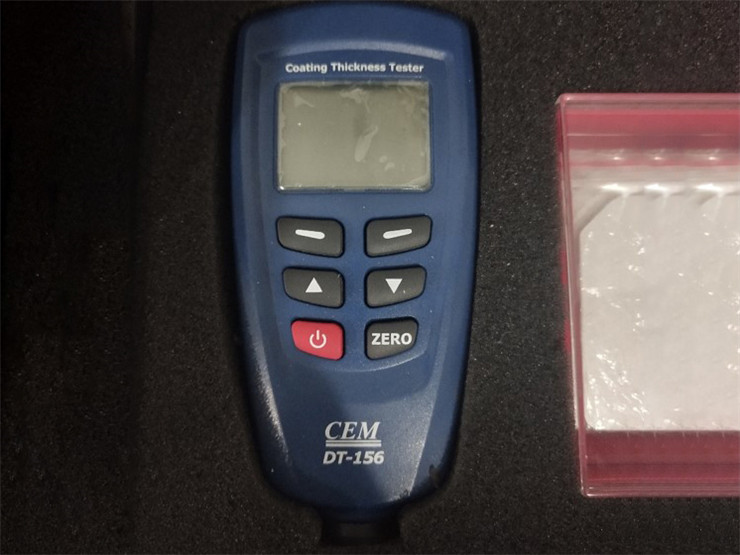
At Stard Automation, our quality control process spans from material entry to dispatch. Every batch of castings undergoes chemical analysis and hardness testing. Our machining technicians perform dimensional validation at each stage, while our quality assurance inspectors verify torque output on custom calibration rigs.
We believe that high-performance components shouldn't require premium price tags. Through rigorous quality gates, we eliminate defects early in the production cycle, reducing scrap rates and keeping our manufacturing costs low.
Industrial operations deploy valve control equipment in highly diverse environment settings, each demanding specific technical capabilities:
As industry standards evolve, three main trends are shaping the future of valve actuation:
Procurement teams today need more than just competitive pricing. In modern sourcing models, reliable delivery timelines, compliance documentation (such as Material Test Reports and CE certificates), and responsive technical support are just as critical. Stard Automation addresses these requirements by combining our specialized design capabilities, efficient Suzhou-based manufacturing, and clear, real-time communication to serve as a reliable long-term partner for global industries.
With an annual capacity of 100,000 sets, we support both large-scale municipal projects and fast-delivery distribution schedules.
Expert insights addressing key design, selection, and purchasing questions for valve operators.
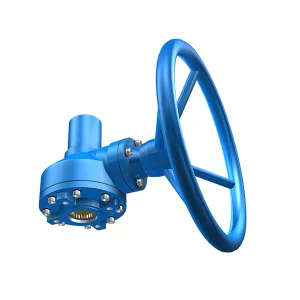
Explore our wider range of high-efficiency manual overrides, multi-turn gearboxes, and customized valve controllers.