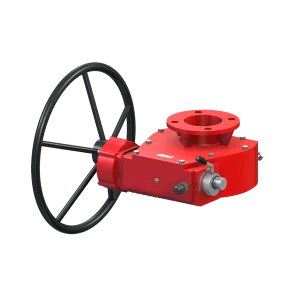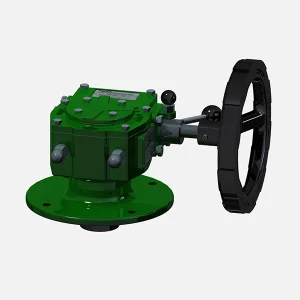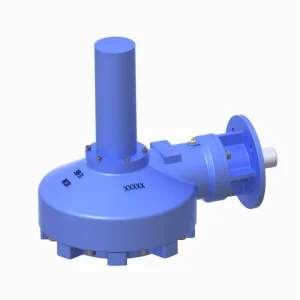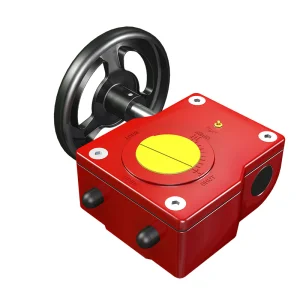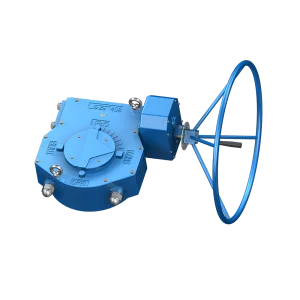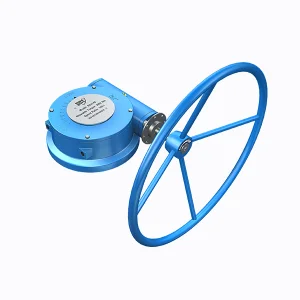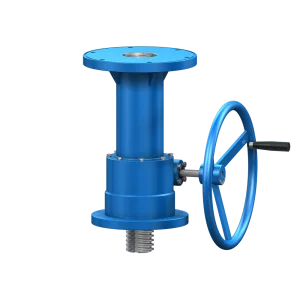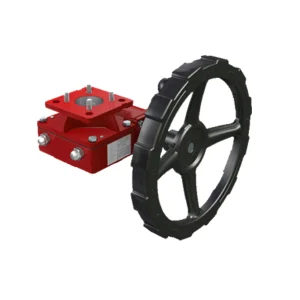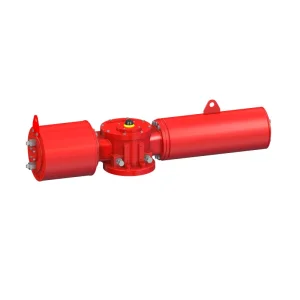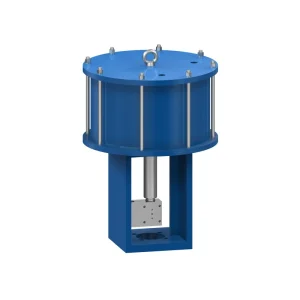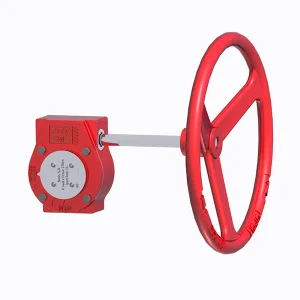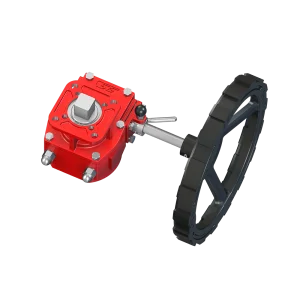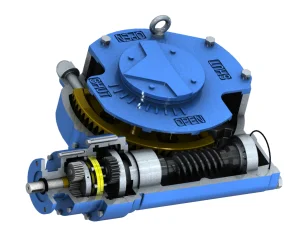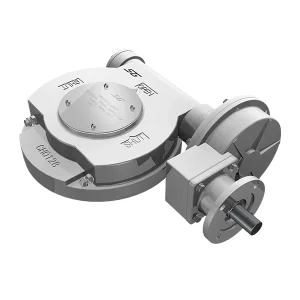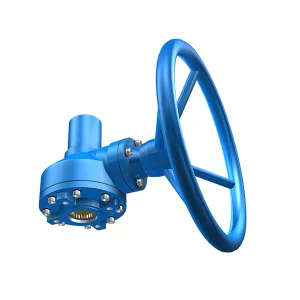
Explore our core selection of heavy-duty bevel, quarter-turn, and manual declutchable gearboxes certified for severe-service applications.
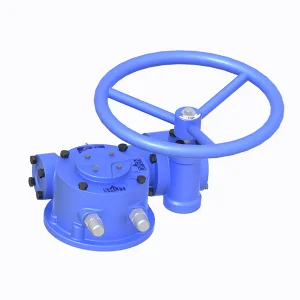
Valve gear operators act as the critical force-multiplier interface in liquid and gas control pipelines globally. As heavy industries move towards automation, the demand for highly reliable, cost-efficient manual and automated overrides has increased dramatically. Modern operators are no longer simple iron wheels; they are complex mechanisms designed to withstand extreme torque, high pressures, and caustic environments.
From urban water treatment installations in North America to deep-buried natural gas transmission networks across Europe, engineers require specific torque conversions and declutchable safety overrides. Managing this complex mechanical variable requires factories with advanced design simulation systems, local supply chains, and robust quality testing rigs.
A global leader in flow control technology, operating out of China's premier industrial development zone.
Established in 1999, Stard-gears is strategically located in the Suzhou Industrial Park. Spanning a state-of-the-art 8,900m² manufacturing facility alongside a 2,500m² corporate office, we design, develop, and export heavy-duty valve operators across the globe. Our annual sales reach $7,000,000, with a consistent year-on-year growth rate of 10% to 20%.
Leveraging the advanced raw materials and component supply chains of the Yangtze River Delta, we deliver high-performance gearboxes at competitive prices. As an ISO 9001 certified facility, we guarantee fast delivery timelines, rigorous mechanical testing, and reliable product performance.
Located in Suzhou, we access top-tier metal casting, component machining, and raw material procurement networks. This proximity keeps transport and procurement costs low, allowing us to pass these savings to our global clients.
Our solutions cater to oil, natural gas, chemical processing, nuclear power generation, municipal water works, and marine installations, meeting international standards such as CE.
Over the last decade, our gearboxes have been exported to the United States, Italy, Germany, Mexico, Singapore, Japan, and other industrialized nations, forging long-term OEM relationships.
By integrating modern engineering practices, our design center utilizes 3D CAD modeling, kinematic simulation, and Finite Element Analysis (FEA). This digital validation allows us to verify structural integrity, minimize stress concentration points, and optimize gearing layouts before production begins.
This rigorous methodology reduces prototyping cycles, prevents in-field gear failures under high torque, and decreases waste. As a result, our final cast steel, aluminum, and iron housings offer maximum durability and optimal size-to-weight ratios.
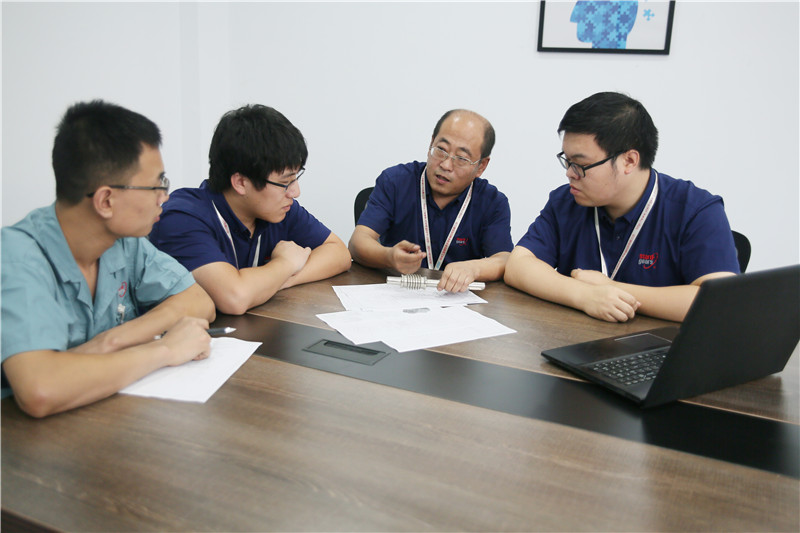
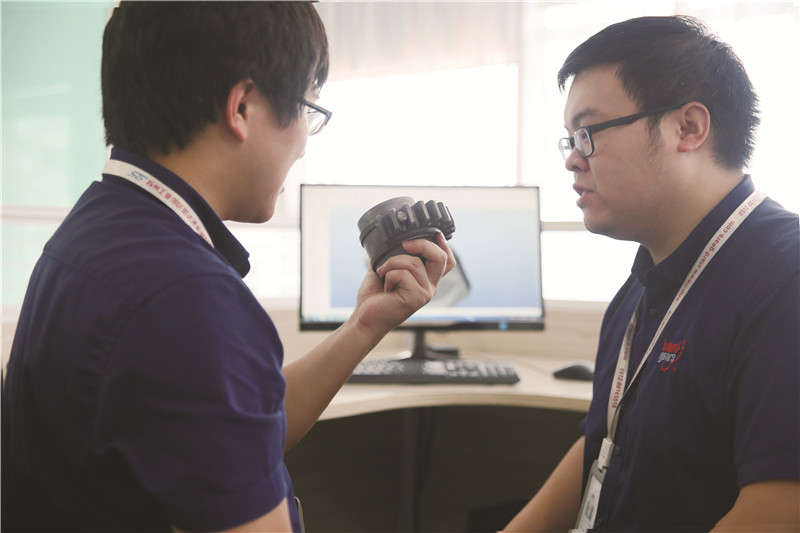
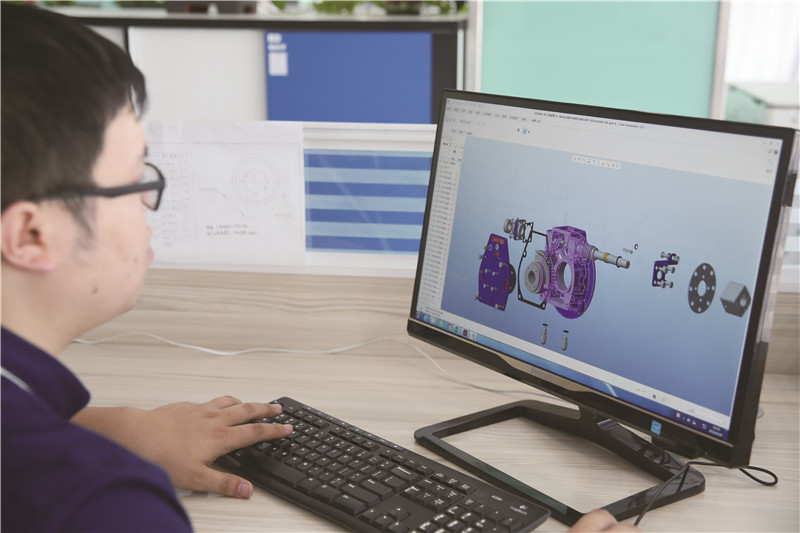
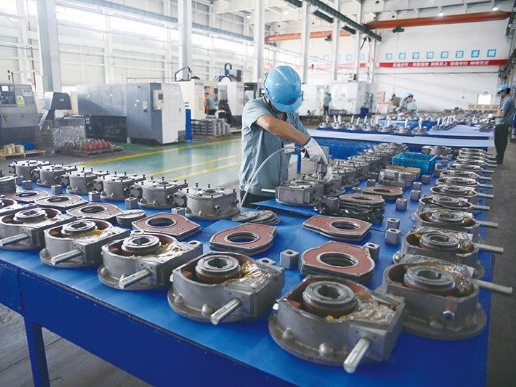
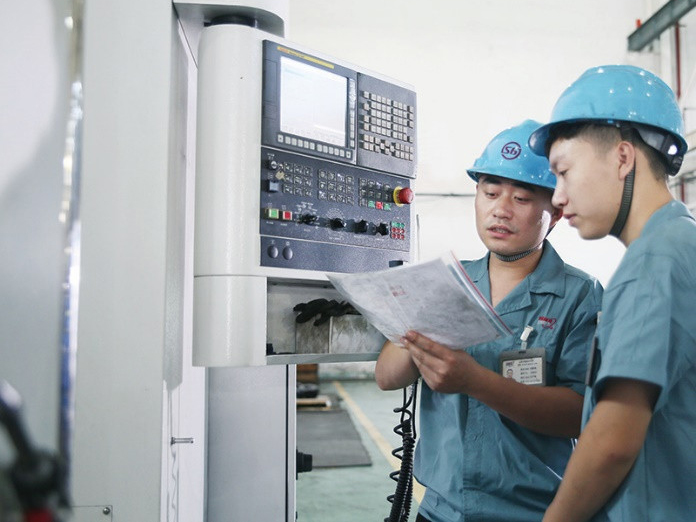
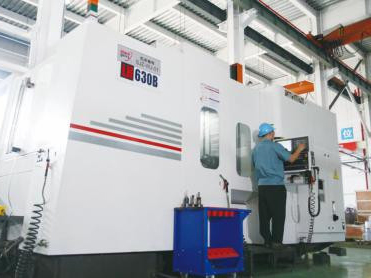
Utilizing high-precision CNC machinery and comprehensive ERP monitoring systems to secure high output capacity and prompt delivery.
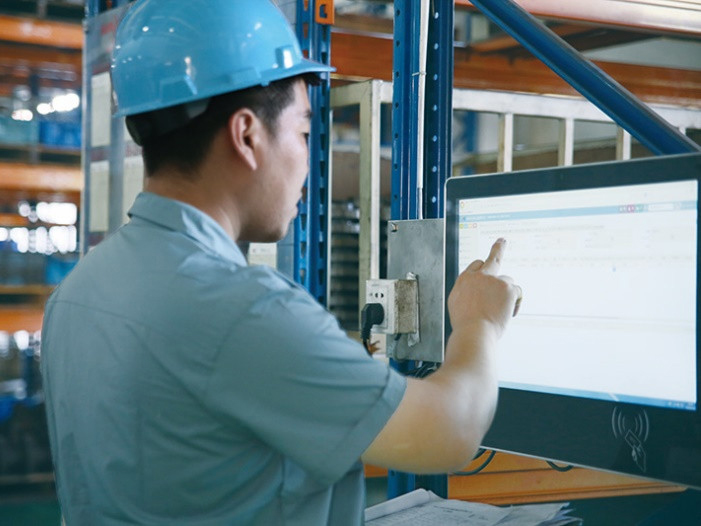
Stard-gears employs a customized Enterprise Resource Planning (ERP) tracking protocol. Every stage of manufacturing—from raw castings and machining to gear cutting and final assembly—is systematically logged.
This system minimizes downtime, increases tool efficiency, and provides customers with real-time status updates on their orders. We maintain our competitive edge by keeping manufacturing cycles short, reducing overhead costs, and maximizing throughput.
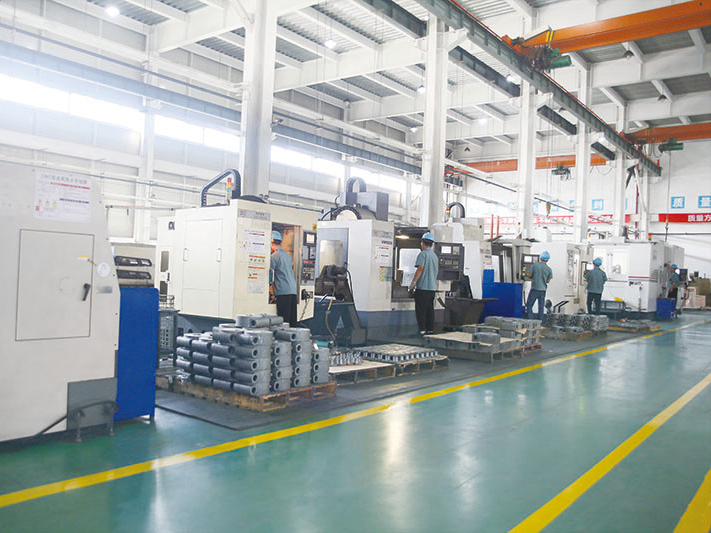
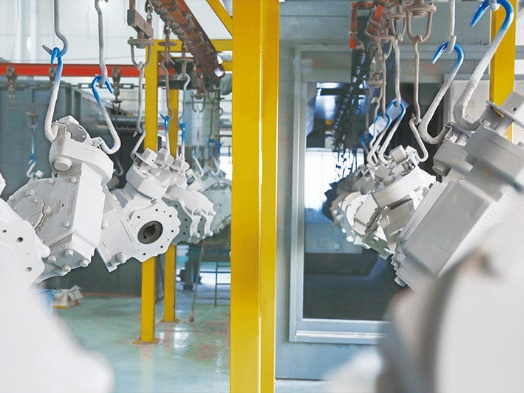
100% inspection rating through full-time QC stations across our entire production line.
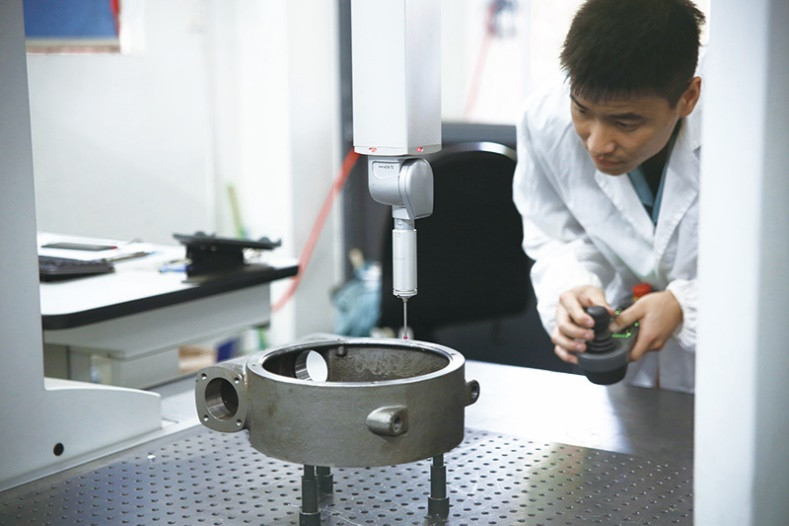
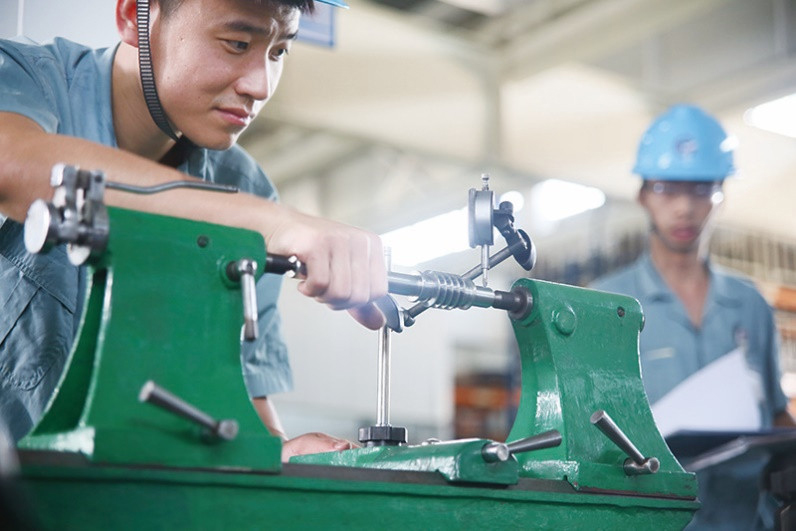
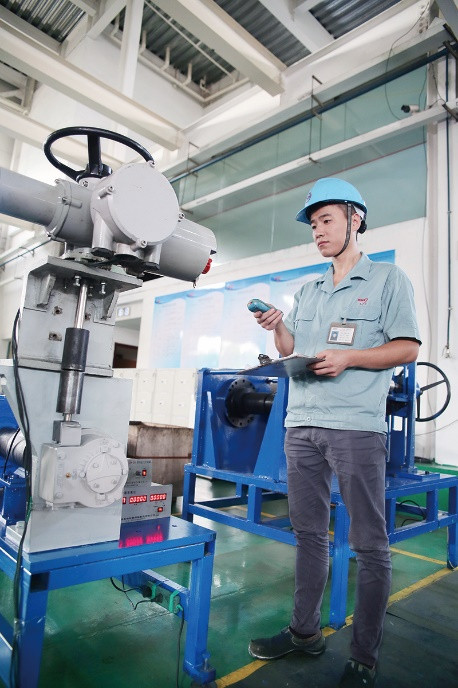
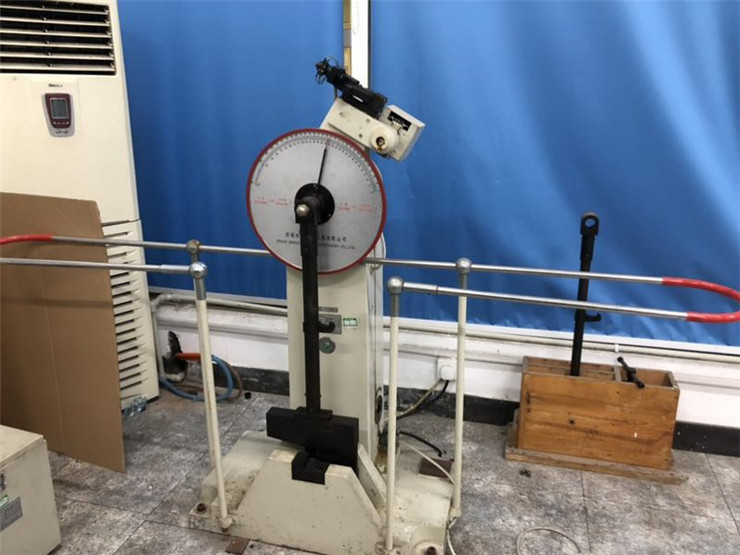
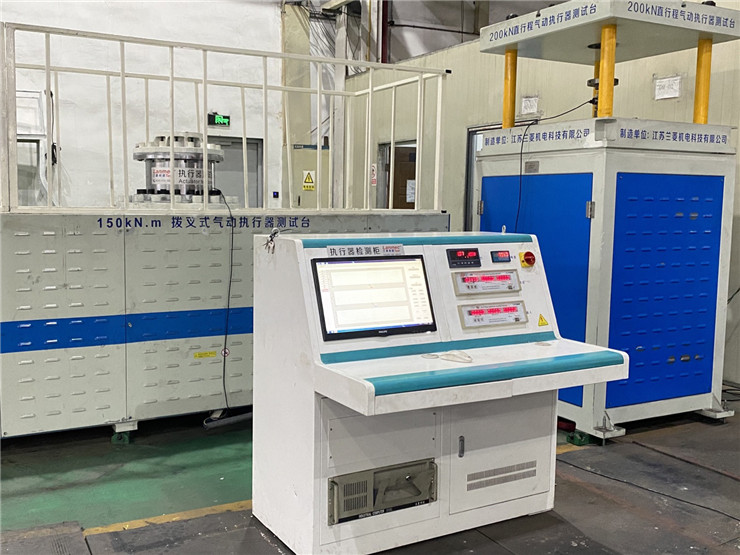
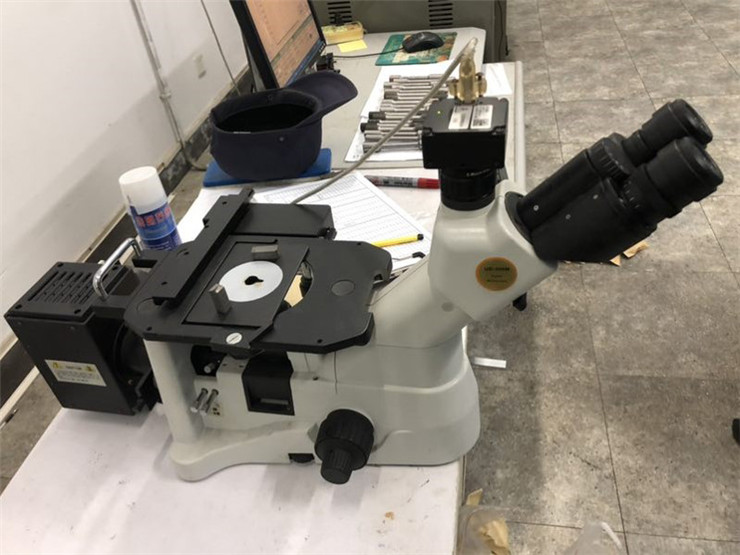
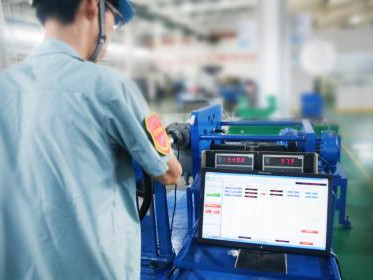
We implement quality control checks at every stage, including incoming material analysis, machining inspection, assembly validation, and final torque testing. This structured approach prevents defect proliferation and helps ensure that all products comply with customer specifications before shipment.
Our inspection processes also cover dimensional checks, paint thickness analysis, IP rating verification, and environmental stress profiling.
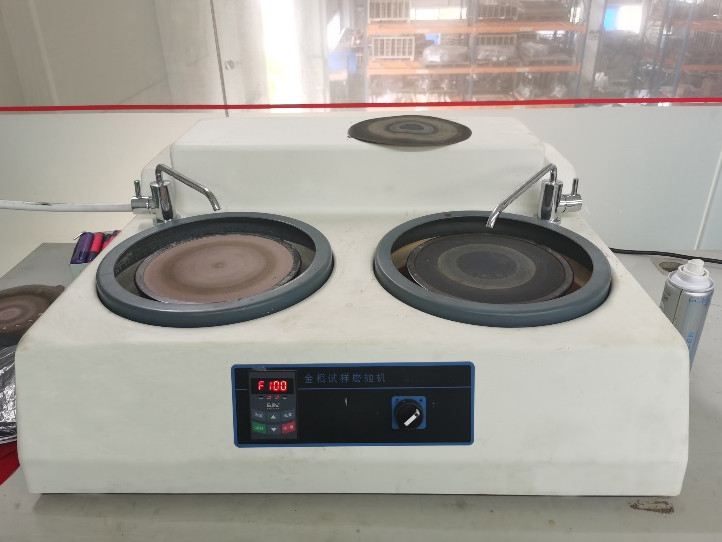
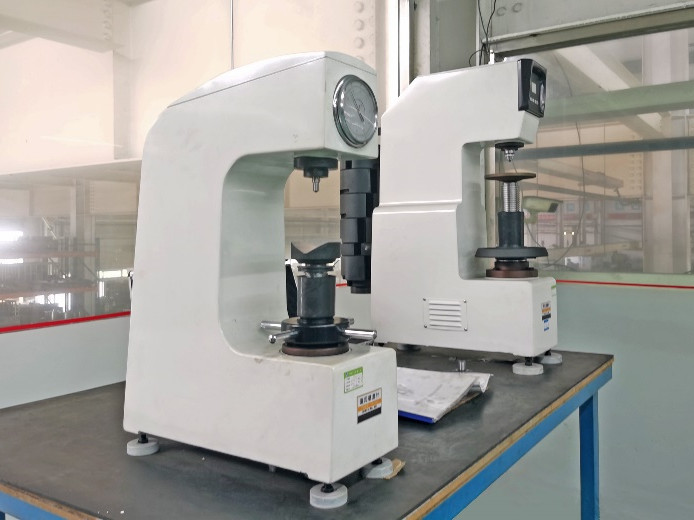
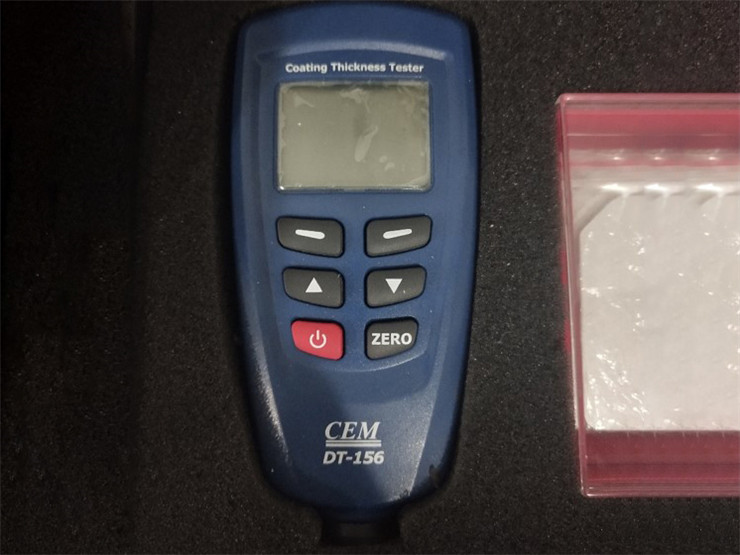
Strategic logistics and component reserves guarantee short lead times even during peak project cycles.
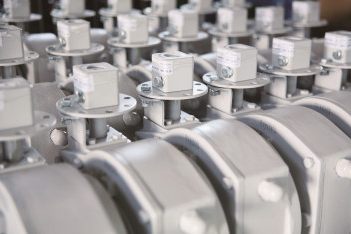
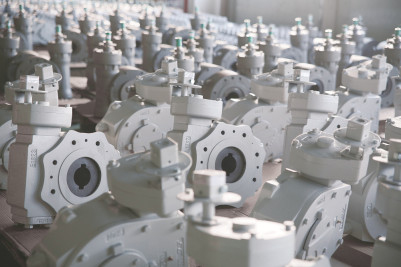
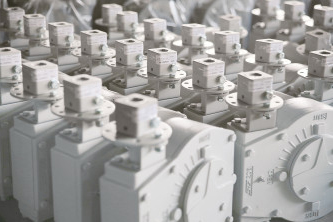
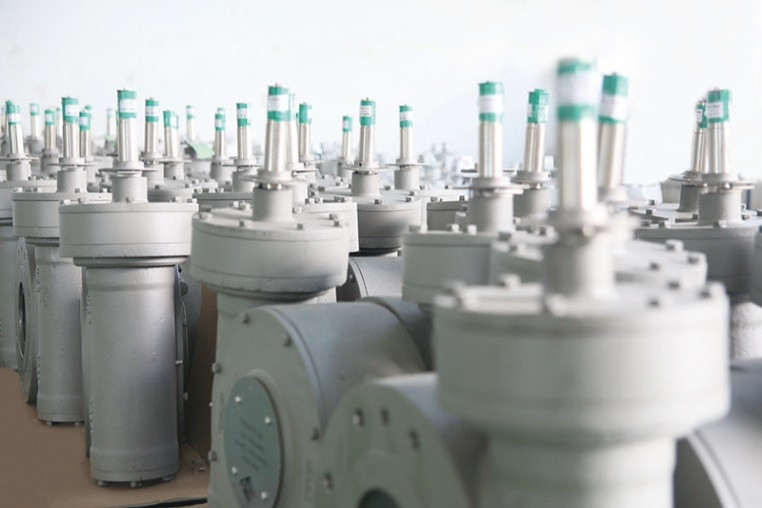
Evaluating operating environments and material configurations to optimize field reliability.
Underground services require durable, grease-filled, maintenance-free gearboxes. Stard-gears provides IP67 and IP68 sealed systems with custom input shaft extensions and protective coatings, allowing reliable long-term sub-surface valve actuation.
In environments with high chemical vapor concentrations, standard cast-iron housings can corrode quickly. Stard-gears supplies lightweight, corrosion-resistant aluminum alloy housing alternatives and epoxy coatings to extend mechanical life in offshore and chemical processing facilities.
Critical control loops require rapid changeover capabilities. Our declutchable gearboxes feature safe-locking engagement and dual manual-actuator operations, providing secure control even in the event of compressed air losses or motor drive failures.
Developing next-generation valve control solutions focused on digital intelligence and material performance.
Integrating non-toxic, synthetic greases with long service lives. These lubricants maintain viscosity from -40°C to +120°C, lowering operator friction, extending component life, and meeting green industrial standard initiatives.
Developing smart worm-gear housing modules that include micro-torque and shaft rotation sensors. These systems transmit status data directly to plant control panels, supporting predictive maintenance and reducing unexpected downtime.
Researching and testing advanced composite carbon and lightweight high-performance alloy housings. These materials aim to match the structural strength of ductile iron while significantly reducing overall weight to simplify installation.
Technical guidance on component selection, torque safety margins, and installation best practices.
Worm gear operators are designed primarily for quarter-turn valves, such as ball, butterfly, and plug valves, because they provide high torque multiplication within a compact envelope and offer self-locking characteristics to prevent line pressure from turning the valve. Bevel gearboxes, on the other hand, are commonly used for multi-turn applications like gate and globe valves, offering high output efficiency and linear thrust handling capabilities.
A declutchable manual override gearbox is placed between a pneumatic actuator and the valve. In standard automatic operations, the gearbox is disengaged (declutched) so the actuator controls the valve directly. If pneumatic pressure is lost or the electrical system fails, operators manually pull the clutch lever to engage the internal worm gear. This allows manual operation via handwheel, ensuring system safety and control.
Buried and underwater applications require materials that resist moisture ingress and external soil chemistry. Ductile iron or cast steel housings with fully O-ring sealed seams (IP67 or IP68 rated) are recommended. The internal worm shafts should be made of carbon steel or stainless steel, paired with aluminum bronze worm gears to minimize friction and prevent galling. The housing should also be finished with an epoxy-tar coating or custom polyurethane paint.
To prevent damage to the valve stem, gearboxes should be selected with a safety factor of 1.3 to 1.5 times the maximum breakaway torque of the valve under differential pressure. Additionally, adjustable mechanical travel stops must be correctly set and locked on the gearbox housing to restrict travel to exactly 0 to 90 degrees (+/- 5 degrees adjustments), preventing over-torque conditions during manual override.
Explore our secondary lineup of linear pistons, declutchable boxes, and single-stage operators.