Founded in 1999, Stard-Gears is strategically situated within the high-tech industrial cluster of Suzhou Industrial Park, China. Spanning a modern production area of 8,900 m² and an engineering design office of 2,500 m², we have committed ourselves for more than a quarter-century to refining precision fluid-control transmission mechanics. Today, we stand as a premier global developer specializing in advanced valve control technology.
Our operational framework has earned the prestigious ISO9001 quality management system certification, guiding an output capacity that reaches up to 100,000 sets annually. With average annual sales of $7,000,000—maintaining a steady year-on-year growth rate of 10% to 20%—our commercial stability is matched only by our technical capability. We operate within the heart of the Yangtze River Delta, a region globally celebrated for its robust precision-machining ecosystems, ensuring that our sourcing of raw castings, advanced machining tolerances, and standardized mechanical seals remains optimized for both lead time and cost efficiency.
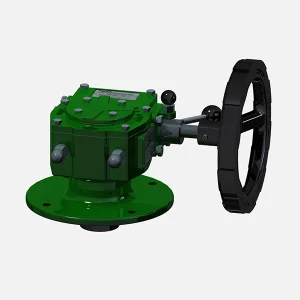
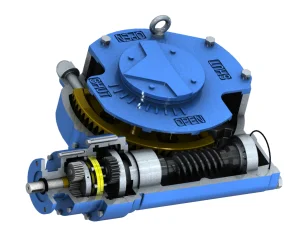
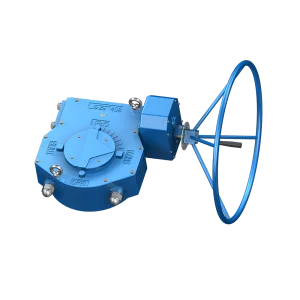
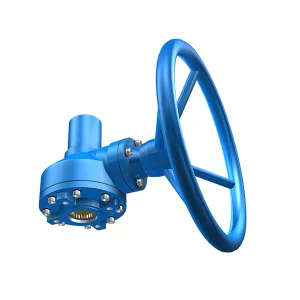
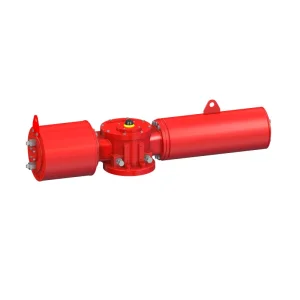
Stard-Gears is a modern company integrating research & development, production, sales, and global trade. Our products are exported to highly regulated regions including the United States, Italy, Germany, Mexico, Singapore, Japan, and other industrial focal points. By engineering 9 primary series and over 80 variations of gear operators, we ensure full compatibility with diverse application environments.
Designed engineered models suited for petroleum pipelines, chemical handling plants, natural gas networks, commercial nuclear power installations, and large-scale water treatment facilities.
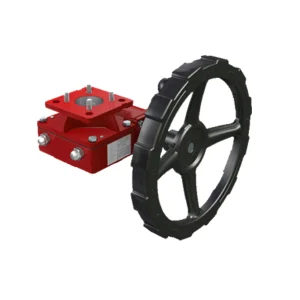
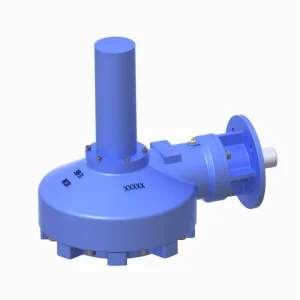
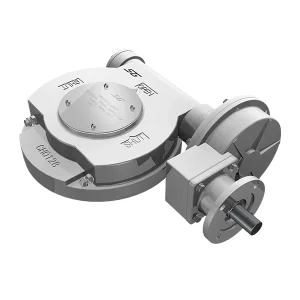
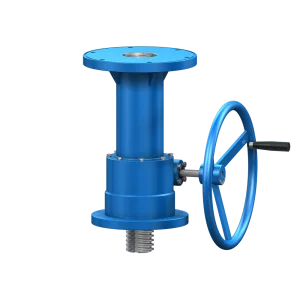
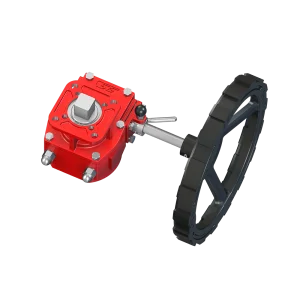
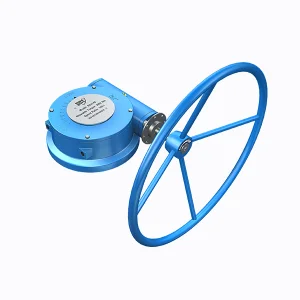
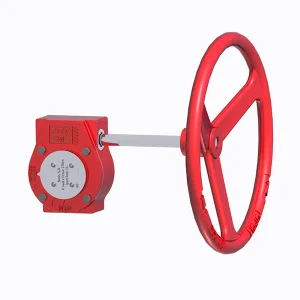
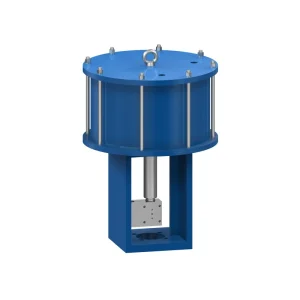
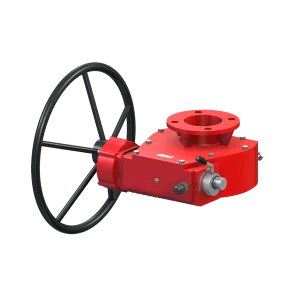
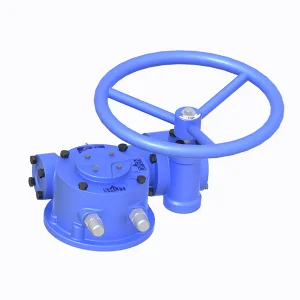
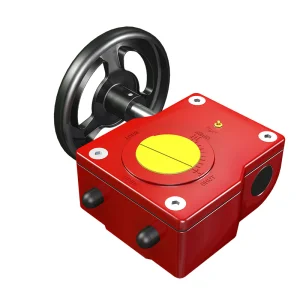
Offering over 80 distinct configurations across 9 specialized series including quarter-turn manual worm operators, declutchable override systems, multi-turn bevel solutions, and heavy-duty steel operators.
Committed to a core operational philosophy of “excellent reputation, best quality and perfect service” supported by prompt engineering customization to match specific industrial valve footprints.
At Stard-Gears, design is more than a 2D layout. Our engineering team utilizes advanced 3D CAD modeling, rigid-body dynamic simulations, and Finite Element Analysis (FEA) to verify structural behavior prior to raw material pouring or machining operations. By modeling stresses on gear teeth, shaft keys, and housing walls under high torsional loads, we identify structural weaknesses and eliminate them at the design stage.
This virtual design loop significantly compresses our prototyping phase while enhancing safety factors. It guarantees that our final gear operators can withstand extreme pressure spikes, cyclic fatigue, and environmental variables without failure. Consequently, this engineering precision reduces the overall structural envelope, lowering raw material weights and overall costs—directly passing these savings to our global procurement partners.
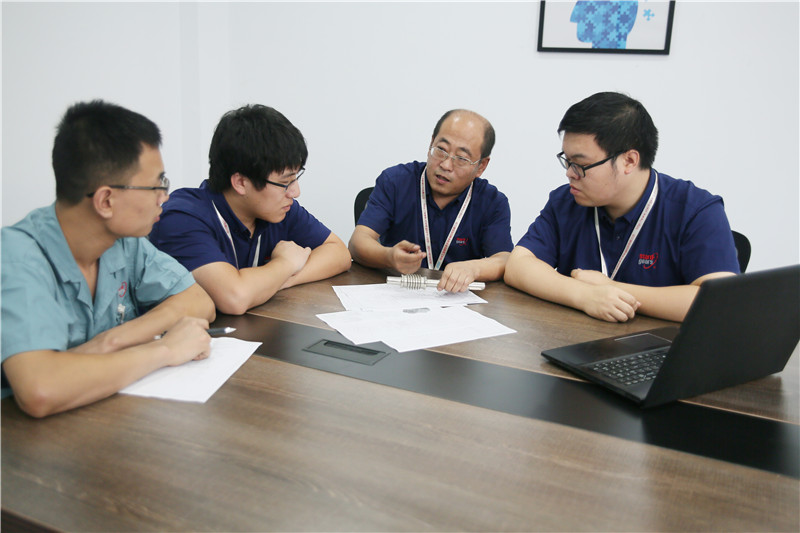 Program Communication
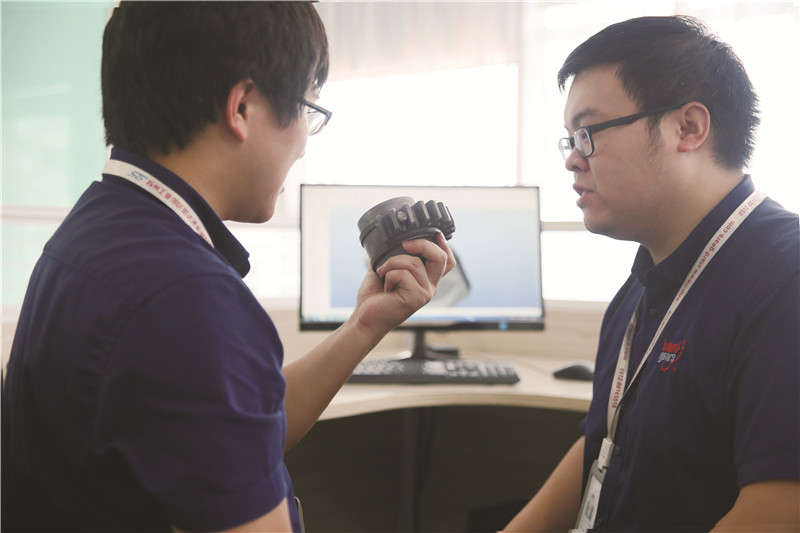 Design Communication
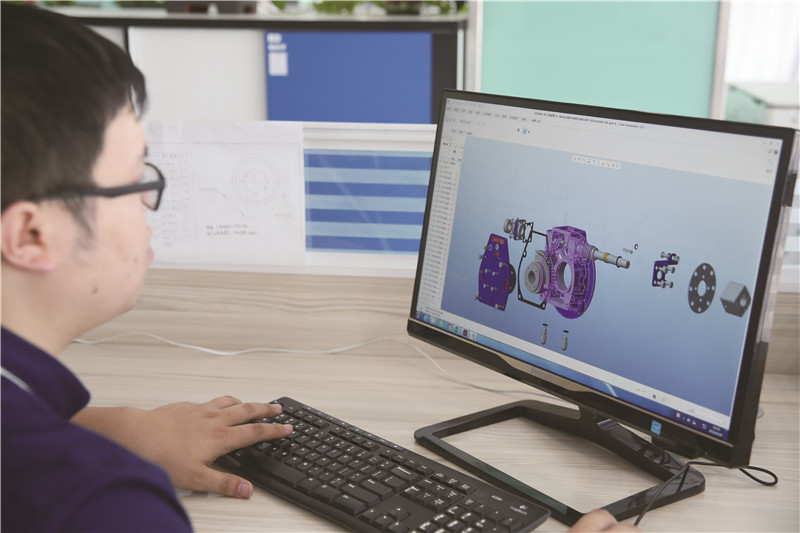 Design Drawing
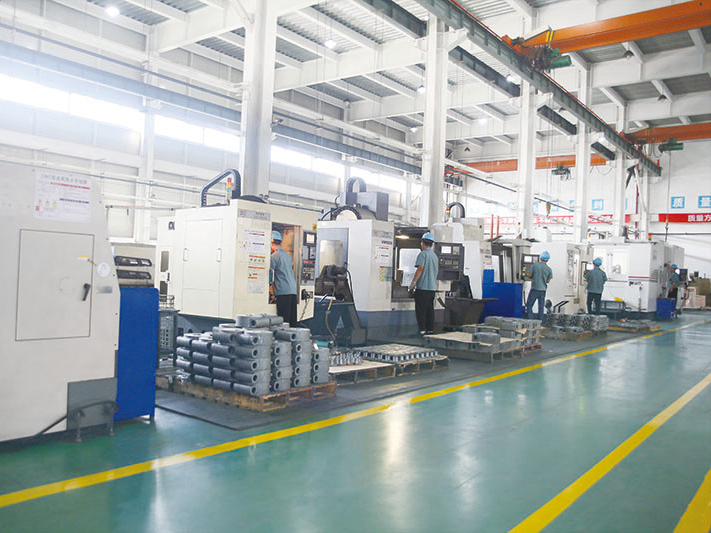
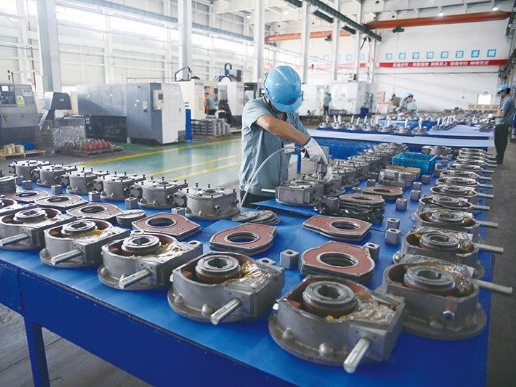
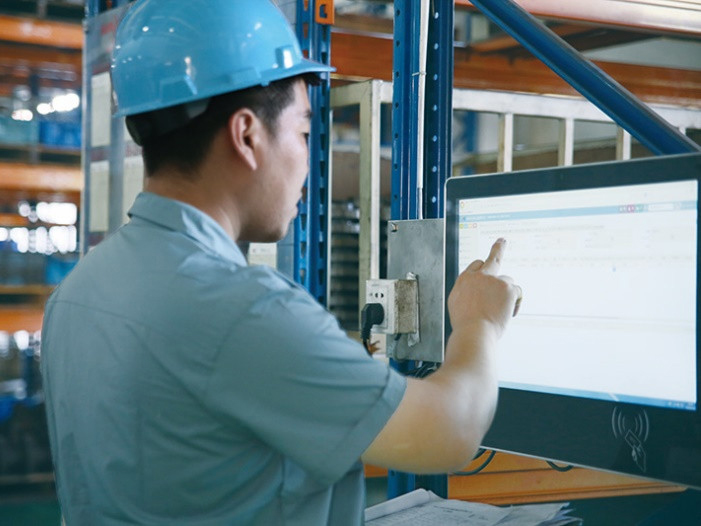
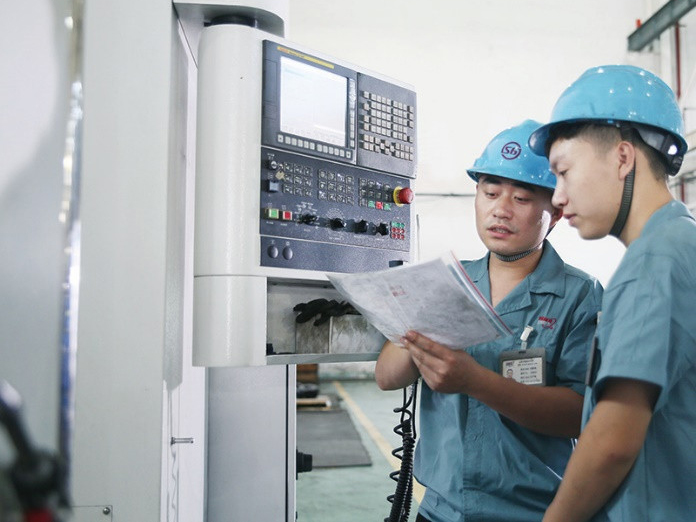
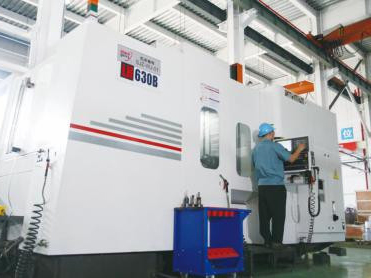
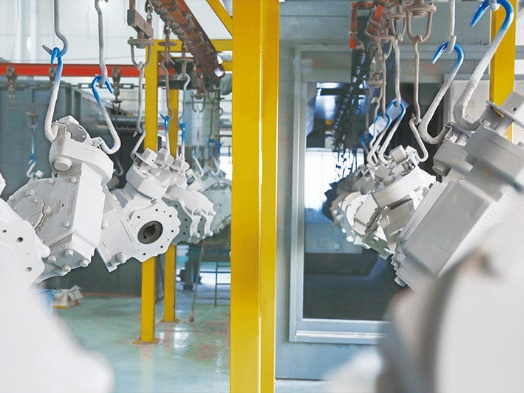
Operational efficiency at Stard-Gears is supported by our comprehensive ERP (Enterprise Resource Planning) management system. This digital nervous system monitors every project from initial metal casting purchase, through CNC machining, manual assembly, finishing paint processes, and finally to crating and export tracking. Live monitoring minimizes line delays, boosts resource efficiency, and provides full transparency regarding lead times.
The annual value of our physical output within the Suzhou industrial cluster reaches upwards of $9,000,000. This financial volume enables us to purchase top-grade steel, ductile iron, and bronze alloys in bulk, lowering unit cost and providing structural stability to our commercial quotes. The result is a robust, scale-ready facility capable of delivering orders of any size on time.
To support a flawless record in critical pipelines, municipal safety lines, and industrial environments, Stard-Gears has implemented dedicated Quality Control (QC) protocols at every phase. Our system monitors product manufacturing from incoming raw stock (IQC), to in-process manufacturing checkpoints (IPQC), and to Final Quality Control (FQC) inspection before shipping.
Equipped with specialized testing machinery, we perform real-load dynamic torque testing, lifecycle durability trials, and hydrostatic housing tests. Each gear operator is performance verified to confirm that output torque curves match original design specifications, and that seals resist water and dust ingress according to IP standards. Only 100% compliant, fully tested gearboxes leave our facility, assuring long-term operation with minimal maintenance.
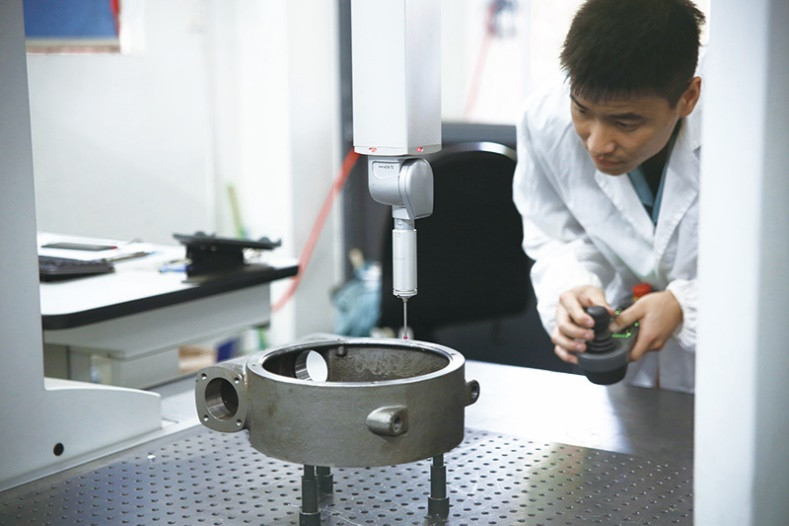 Cast Hardness Inspection
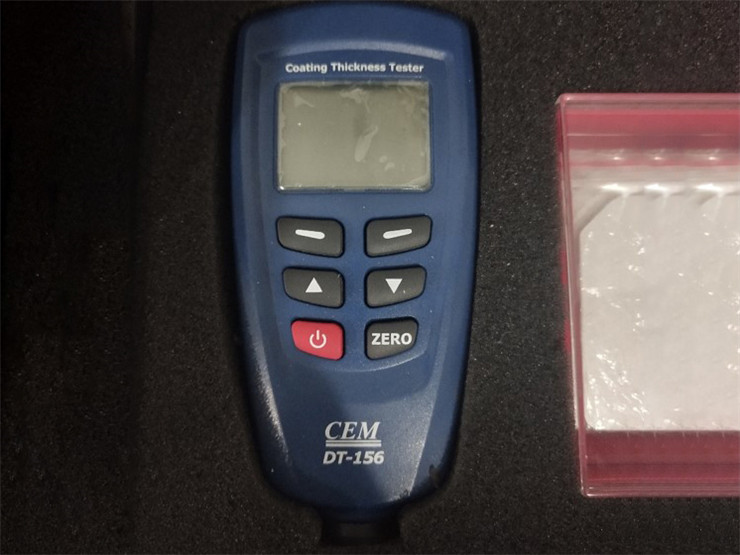
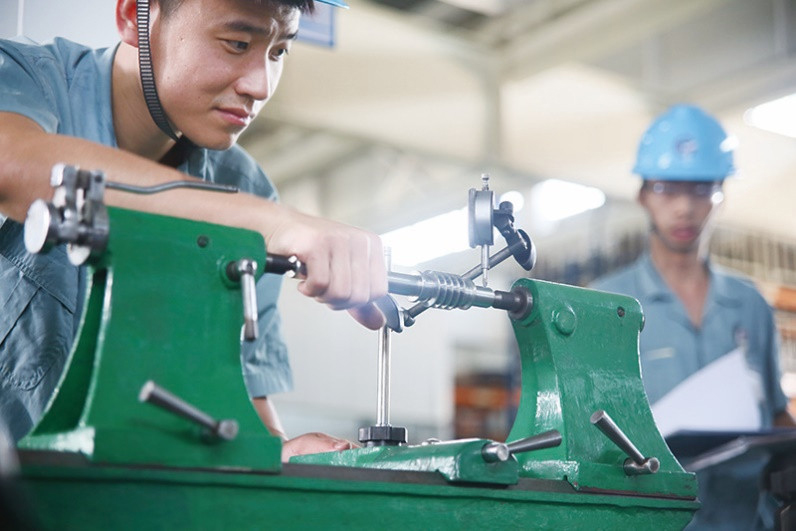 Dimensional Verification
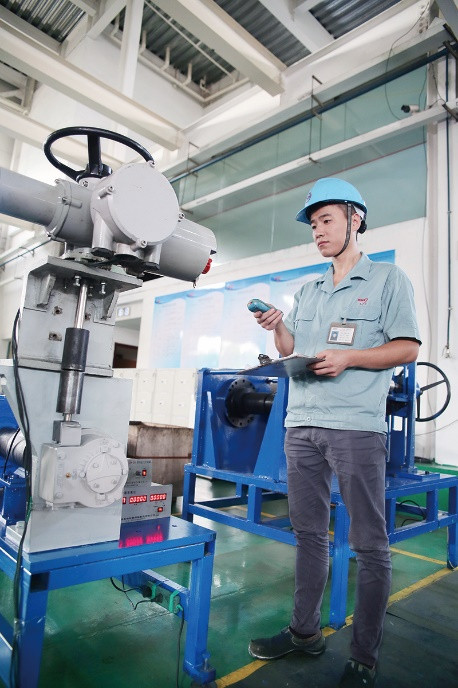 Assembly Performance Test
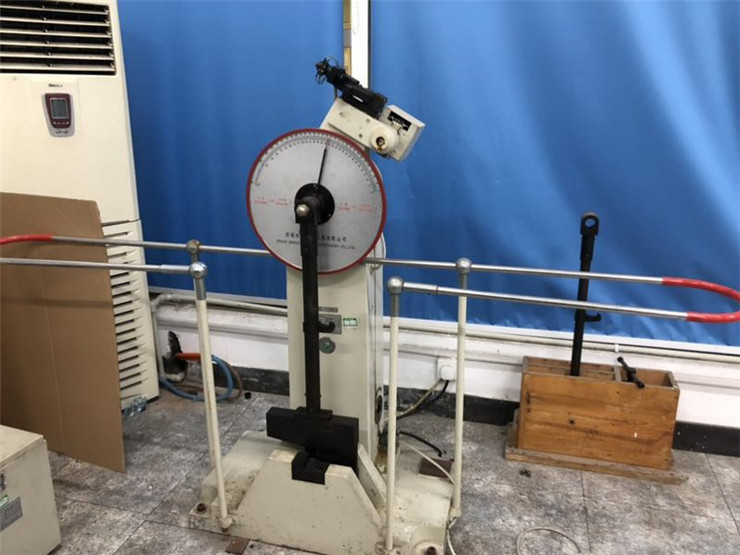
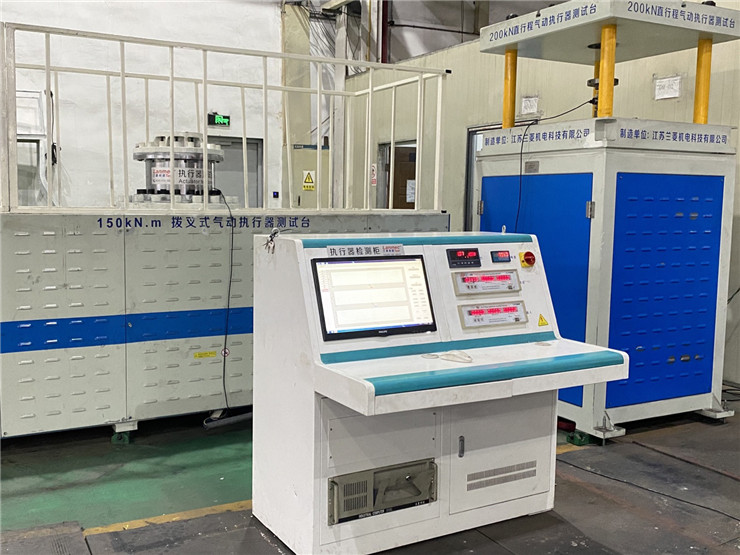
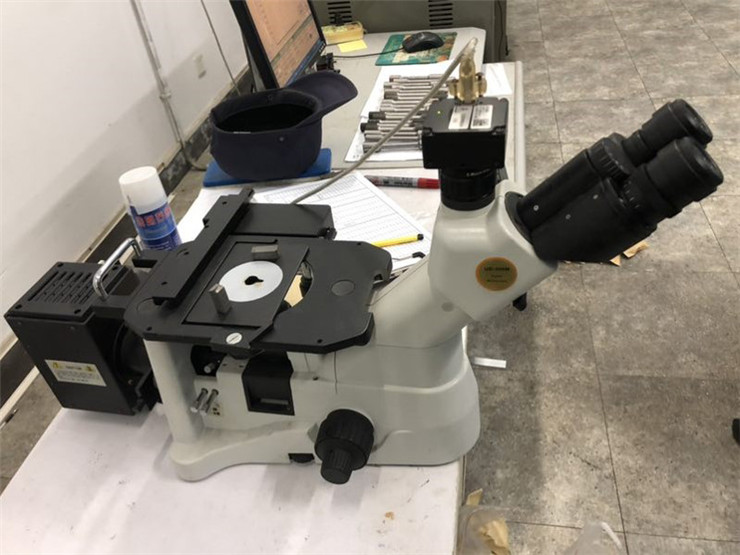
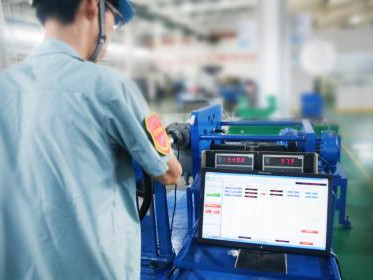
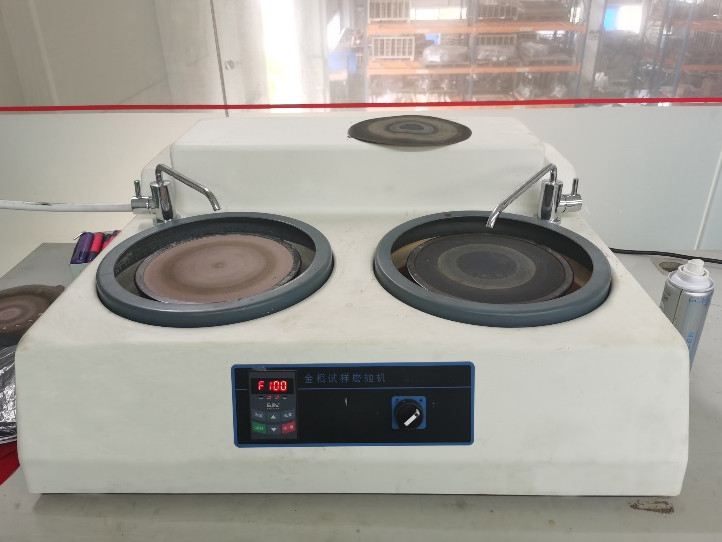
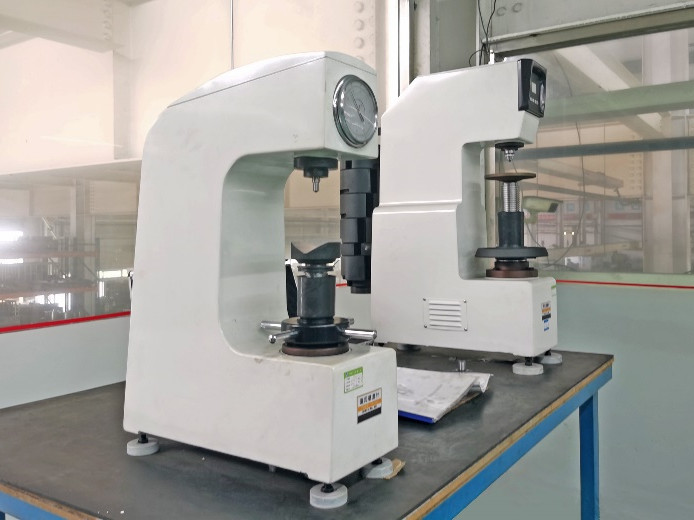
Maintaining high reliability across thousands of operating cycles requires a robust verification setup. Stard-Gears features a dedicated laboratory equipped with advanced physical, chemical, and metrological instruments. This infrastructure allows our engineers to confirm dimensional tolerances, analyze material chemistry, and run full-scale endurance tests on completed gear operators.
Key verification processes include using digital coordinate measuring machines (CMM) for precision alignment, spectrometry for alloy composition verification, and hydraulic torque testing rigs capable of applying real-world resistance to multi-turn bevel and quarter-turn worm configurations. By keeping these capabilities in-house, we control verification schedules and guarantee all products perform reliably under pressure.
The fluid-handling and valve-actuation sectors are shifting toward automation, remote diagnostic feedback, and lower environmental footprints. Stard-Gears is actively designing products to support these technological transitions.
Developing next-generation worm gear operators fitted with non-contact digital position feedback sensors, mechanical overload limiters, and IoT-enabled vibration and thermal modules for preventive plant maintenance.
Upgrading sliding-contact components through self-lubricating synthetic compounds, advanced nickel-aluminum bronze alloys, and low-friction tooth profiles that improve conversion efficiency and prevent wear.
Expanding the use of chemical vapor deposition, thermal spray zinc coatings, and specialized marine paint systems to extend the working life of gears deployed in harsh offshore oil platforms and coastal installations.
Worm and wheel gearboxes from Stard-Gears function as reliable mechanical interfaces in critical infrastructure installations worldwide. We supply customized packages built to meet the specific requirements of various sectors:
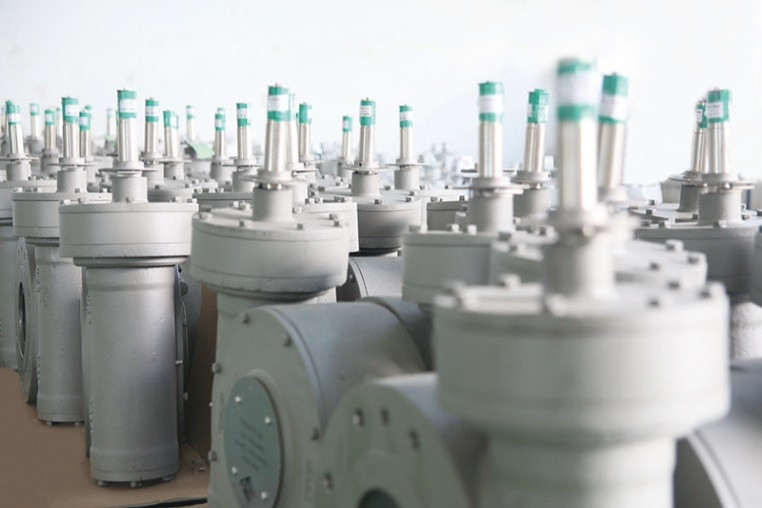
Our location in Suzhou Industrial Park provides access to the Yangtze River Delta's advanced engineering cluster. This concentration of specialized metallurgy, heat treatment, and precision tooling providers allows Stard-Gears to maintain rapid manufacturing times and competitive pricing without compromising quality.
Through close integration with regional suppliers, we maintain stable access to raw castings and core components. Combined with our digital ERP management system, this supply network ensures consistent production flows, buffer stocks, and reliable lead times for international projects—helping global distributors minimize supply risks.
Stard-Gears designs and builds products in strict compliance with international mechanical and environmental standards. We supply CE-marked gearboxes built to ISO5211 mounting patterns, simplifying mounting onto standard industrial butterfly, ball, and plug valves globally.
To support global valve manufacturers, EPC contractors, and procurement departments, we provide complete engineering files, material test reports (MTRs), and pressure test records with each shipment. Our engineering staff is equipped to handle complex documentation requirements, including customized QA/QC tracking, painting specifications, and packaging procedures for long-distance transport.
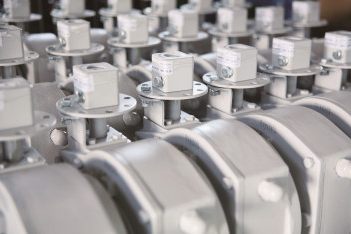 Certified Processing Line
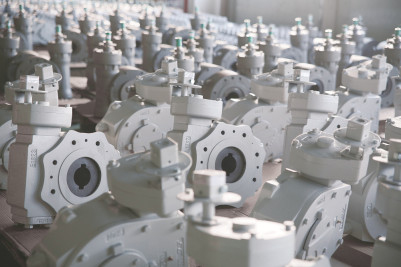 CNC Machined Gear Lots
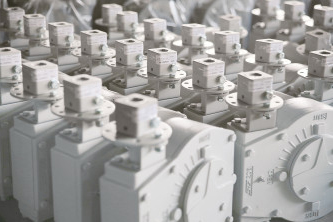 Dimensional QC Inspection
Assembly Infrastructure
Dimensional QC Inspection
Assembly Infrastructure