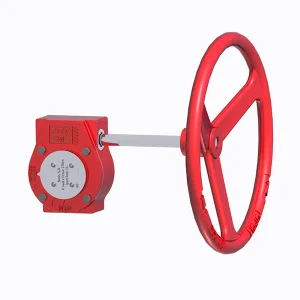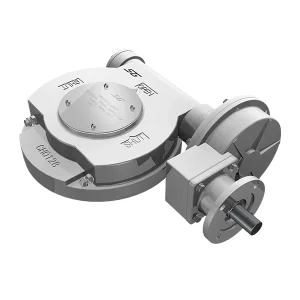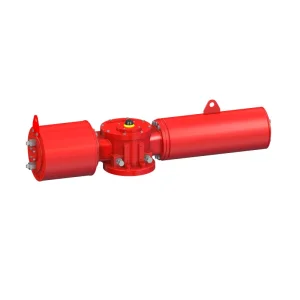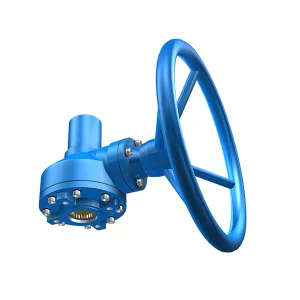
Engineered for extreme torque transmission, reliable isolation, and seamless valve control automation.
Understanding the engineering demand, torque transmission mechanics, and system integrations.
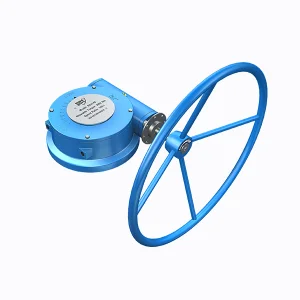
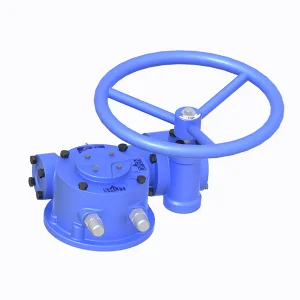
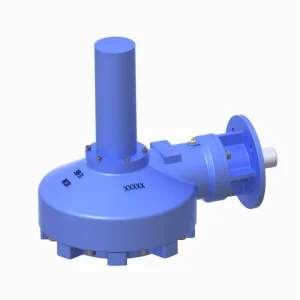
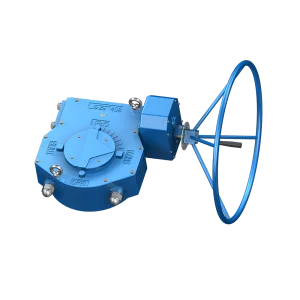
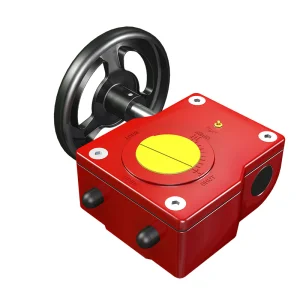
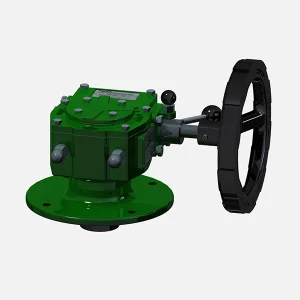
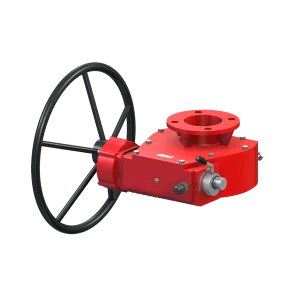
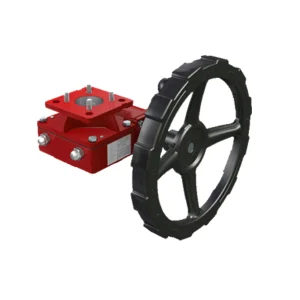
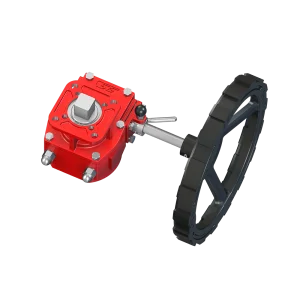
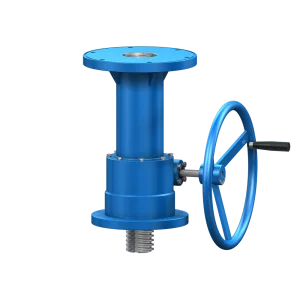
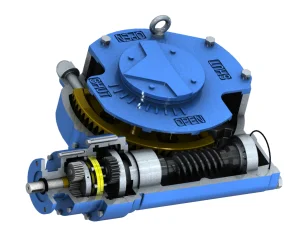
Worm wheels and worm shafts are the cornerstone of heavy-duty angular torque transfer. Providing self-locking capabilities and space-saving layouts, they are vital for safety-critical valve actuation and automation platforms.
Modern process industries require robust, wear-resistant gears. System failures in critical operations lead to massive operational costs. Stard-gears ensures compliance through advanced materials and rigorous QA standards.
Established in 1999 in the Suzhou Industrial Park, Stard-gears is a leading global provider specializing in valve control technology. Our integrated production meets the rigorous requirements of critical fluid handling networks.
For more than 25 years, Stard-gears (Stard Automation) has designed, validated, and manufactured high-performance motion transmission components. Over the last 10 years, our products have successfully exported to the United States, Italy, Germany, Mexico, Singapore, Japan, and other industrialized regions. We specialize in providing the oil, chemical, natural gas, nuclear, and municipal water treatment sectors with reliable torque-controlling assemblies.
How Stard-gears utilizes virtual prototyping and finite element analysis to deliver robust gear tooth geometrics.
The reliability of a worm wheel and worm shaft setup depends entirely on the accuracy of the contact pattern and tooth profile definition. Stard-gears utilizes an advanced digital engineering suite to validate every design iteration prior to machining.
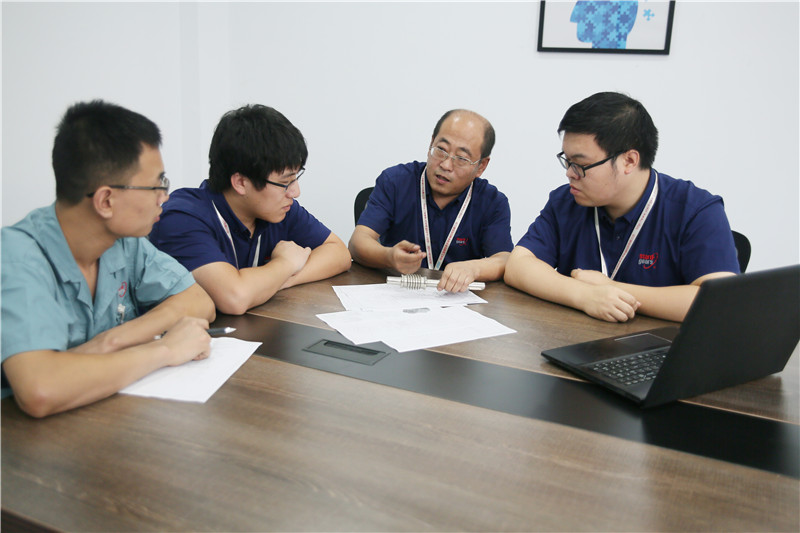 Program Communication & Specification Alignment
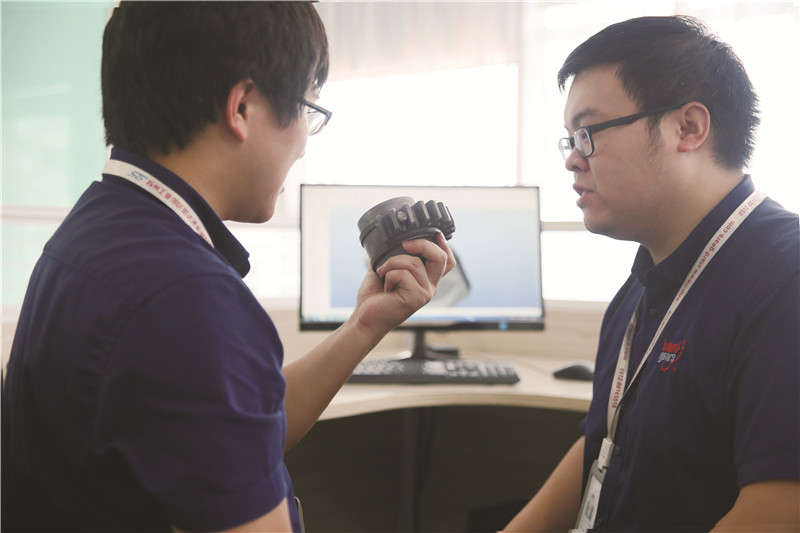 Design Engineering & Team Reviews
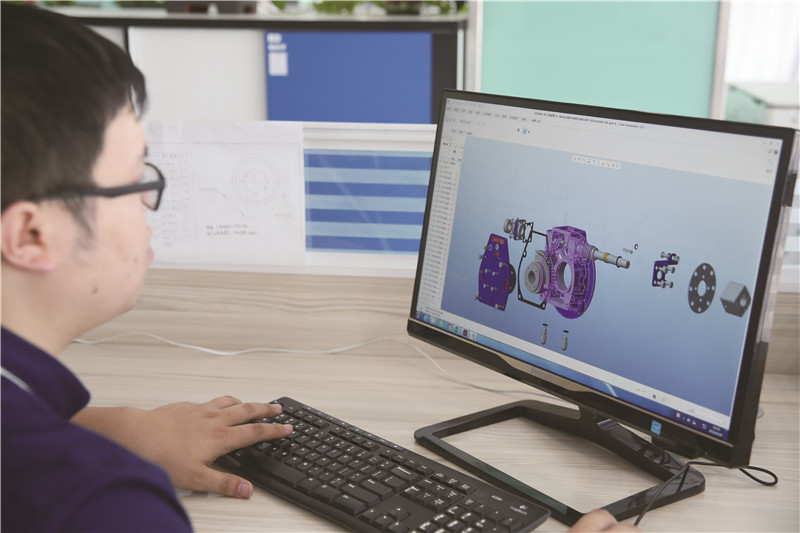 Precision 2D/3D CAD Drawing Controls
Unpacking how local raw material access, advanced metalworking clusters, and efficient integration yield high-value manufacturing.
Located in the Suzhou Industrial Park, Stard-gears taps into the world's most concentrated precision metalworking, heat-treatment, and casting ecosystem. This regional integration reduces lead times and sourcing overheads.
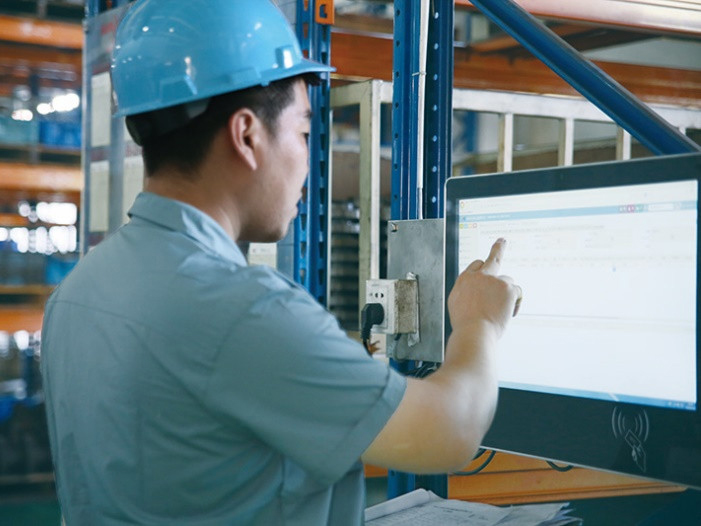
Our complete ERP management platform tracks scheduling from the casting foundry down to the assembly line. This real-time visibility guarantees order tracing, optimized resource allocation, and zero-defect lead scheduling.
By purchasing in bulk from certified local mills, we control chemical purity, grain orientation, and material grades (ductile iron, carbon steel, and premium bronze alloys) at cost-effective price thresholds.
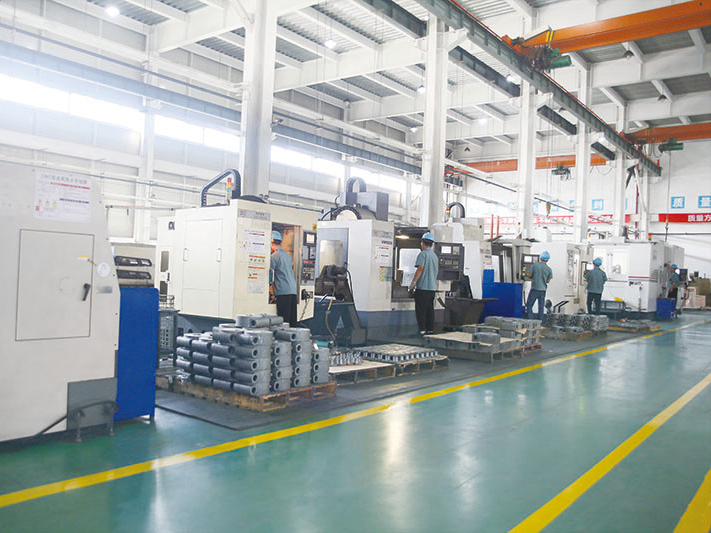
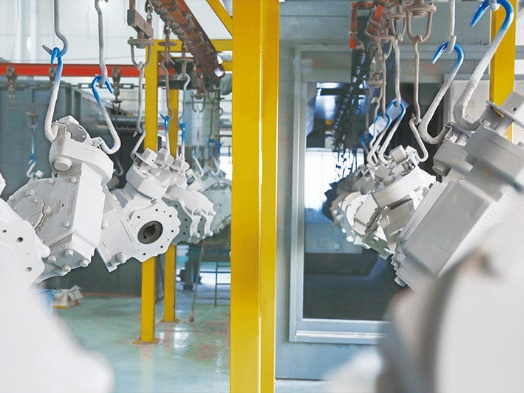
How mechanical gears integrate with digital ecosystems and next-generation smart grid standards.
As electric actuators become the global standard, gearboxes must provide higher torque density within compact housings. Stard-gears is developing micro-alloyed ductile iron gears and optimized worm thread profile profiles that handle 20% higher output loads without increasing frame sizes.
Integrating condition monitoring sensors (such as real-time vibration and temperature logging) within the gearbox casing provides predictive maintenance indicators. Our technical roadmap aims to embed smart diagnostic modules directly on high-performance bevel and partial-turn gear operators.
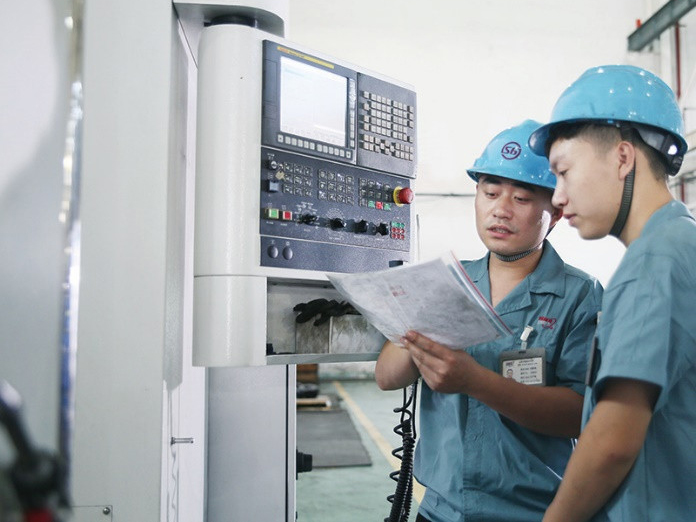
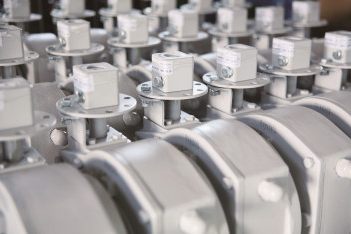 Automated Machining Cells
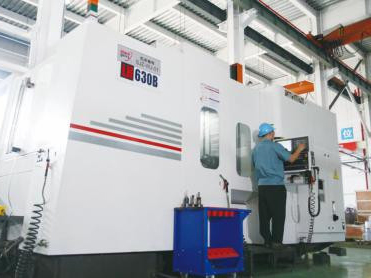
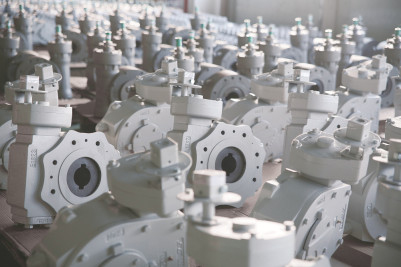 Multi-axis Milling & Turning
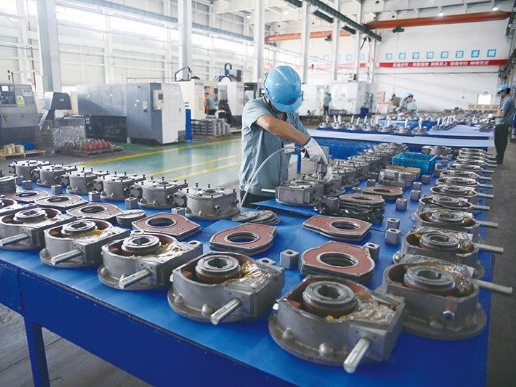
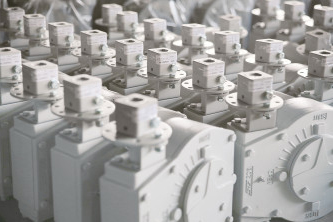 Rigid Assembly Workstations
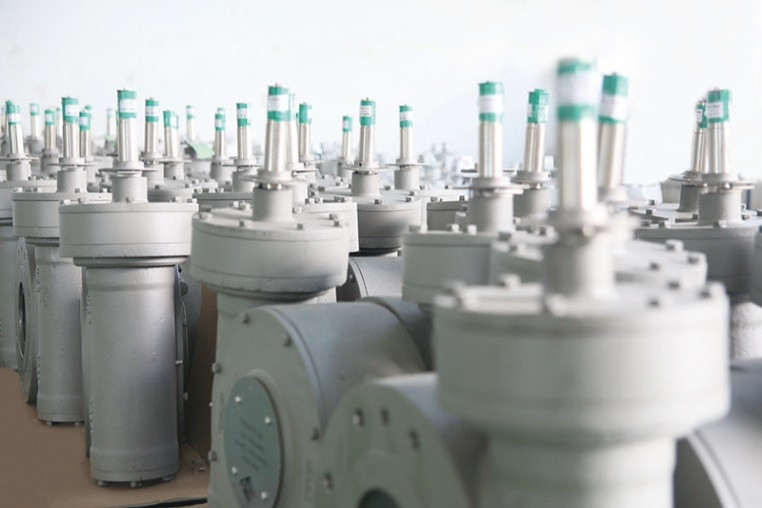 Volume Order Loading Bay
Real-world deployments proving the durability and utility of Stard-gears solutions.
In midstream transportation networks, worm drive gear operators manage isolation ball and butterfly valves. The self-locking gear geometry ensures the valve remains in position against hydraulic surges and pressure spikes.
Exposed to corrosive marine environments or treatment chemical aerosols, Stard manual and motorized operators leverage specialized coatings (like epoxy polymers and zinc-flaked coatings) to resist atmospheric degradation.
Underground pipe networks require gearboxes built for lifetime lubrication and submersion. Our buried valve gearboxes feature specialized IP67/IP68 sealing, double-lip oil seals, and reinforced ductile iron housings to endure permanent subterranean installation.
How we achieve 100% qualified product delivery under ISO9001 and CE compliance frameworks.
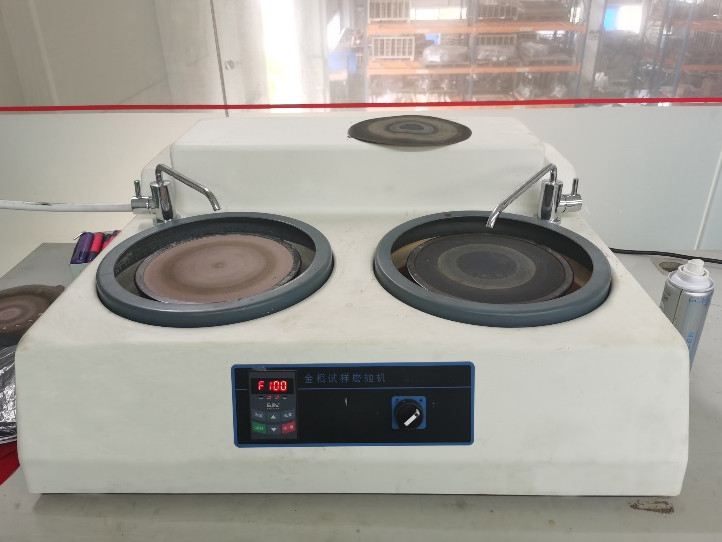
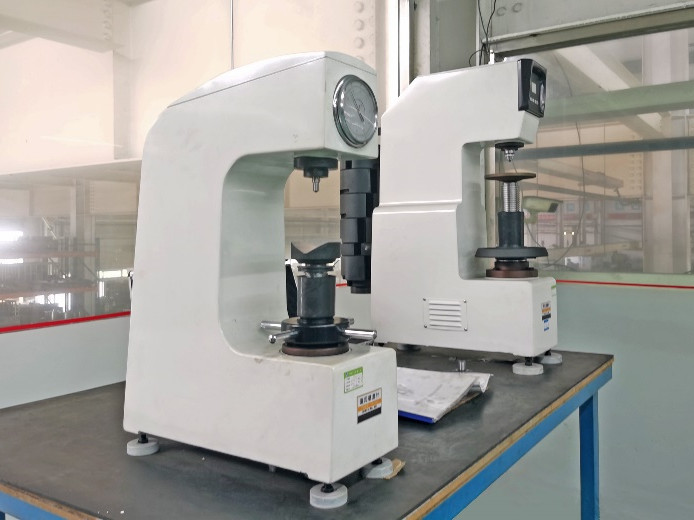
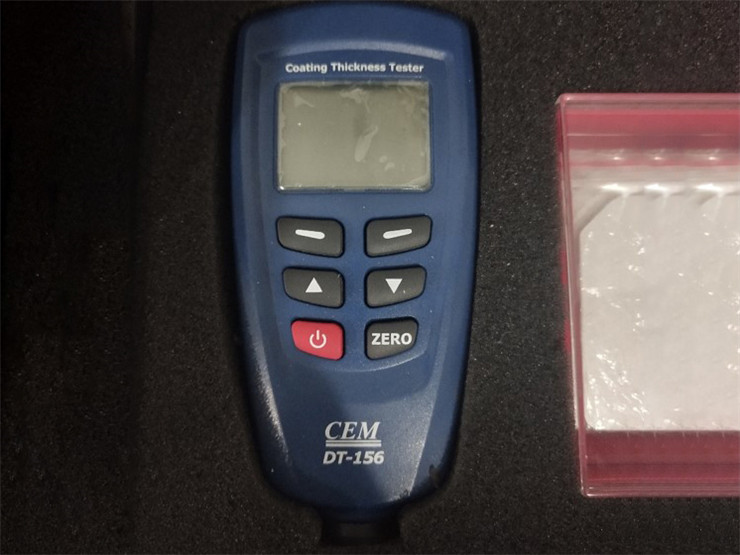
Stard Automation maintains strict control over metallurgical structure and machining dimensional tolerances. Our dedicated QC specialists are active at every production gateway: incoming castings inspection, in-process dimension checks, and final testing.
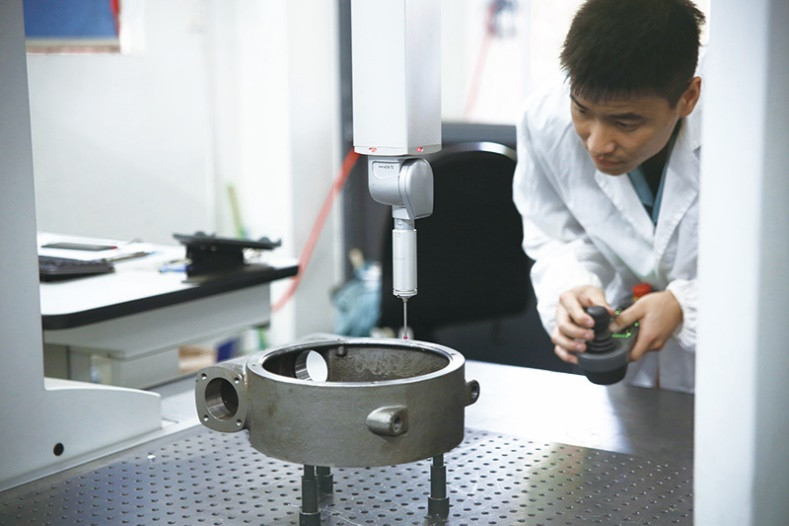
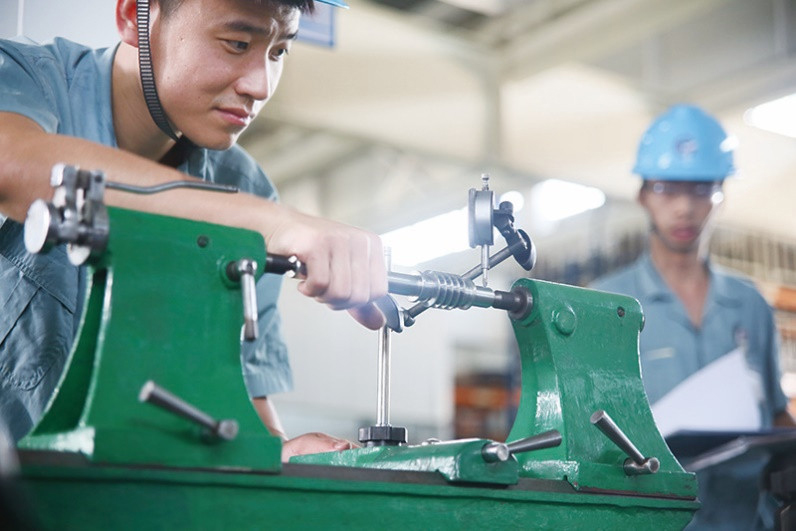
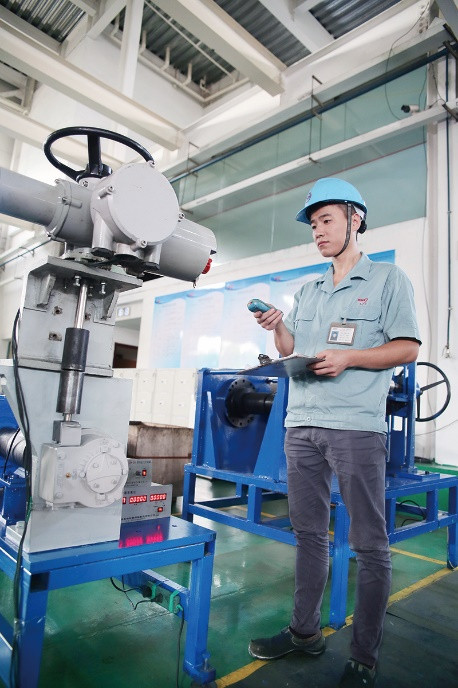
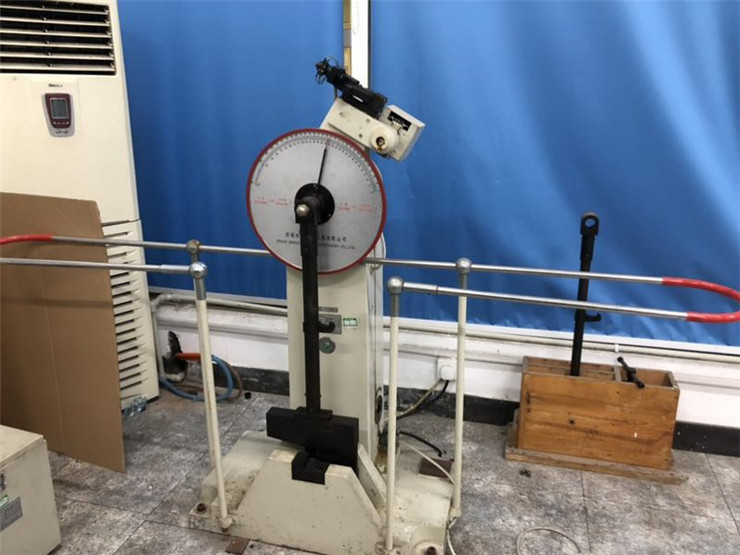
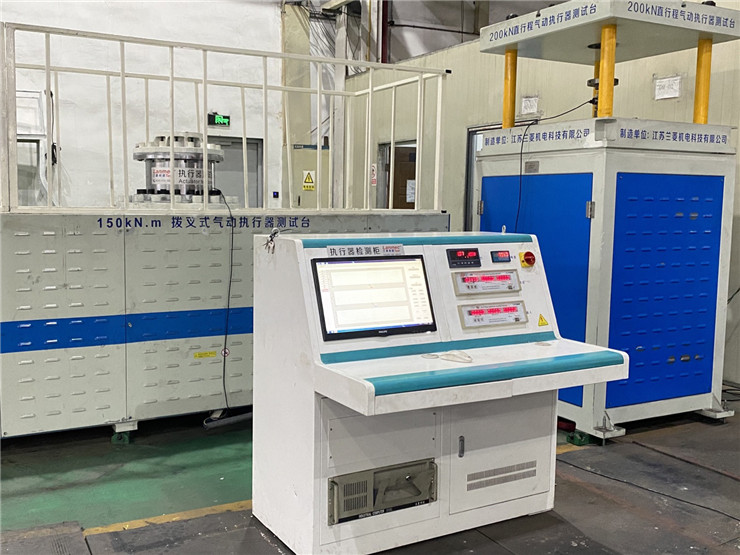
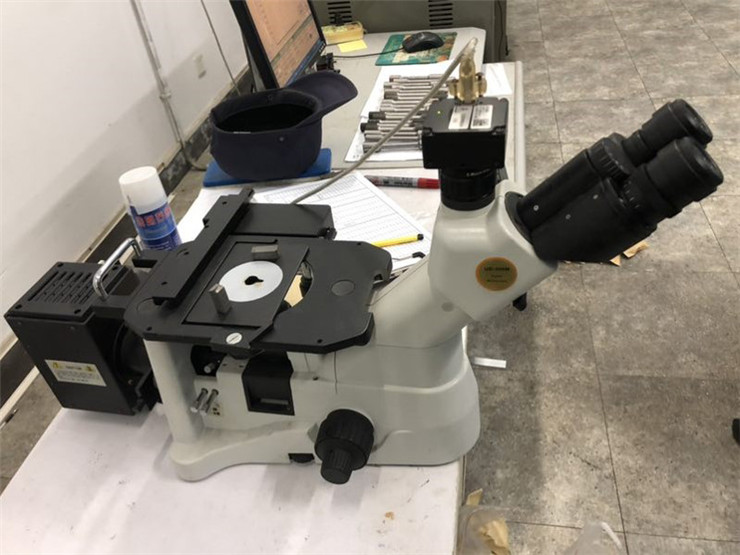
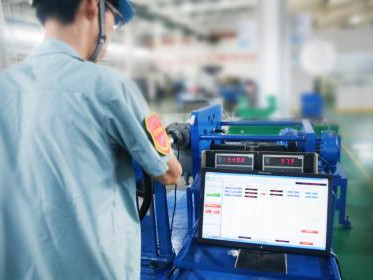
Addressing structural, physical, and global logistics queries commonly posed by procurement managers and design engineers.
Worm gear efficiency is driven by the lead angle of the worm shaft, the sliding velocity at the tooth contact surface, and the choice of lubricant. Higher lead angles (multi-start worm shafts) reduce friction losses, raising efficiency up to 80-90%. Conversely, single-start worms yield lower efficiencies (typically 40-60%) but offer reliable mechanical self-locking capabilities.
Worm gear design pairs a hardened steel worm shaft (high sliding velocities) with a softer bronze worm wheel. This material combination features a low coefficient of friction and resists galling, ensuring localized heat is dissipated effectively, protecting the harder worm shaft from wear.
By locating in the Suzhou Industrial Park, we share supply networks with regional precision foundries. High-speed multi-axis CNC machines and automated grinding lines maximize output. This vertical alignment lowers unit manufacturing costs, allowing us to offer premium products at competitive global prices.
Our gearboxes and valve operators hold CE Certifications, verifying safety and performance under European directives. Our plant runs under an ISO9001 certified Quality Management System, keeping dimensions, heat treatment depths, and materials fully traceable.
Discover our highly customizable declutchable and manual quarter-turn gear operators.