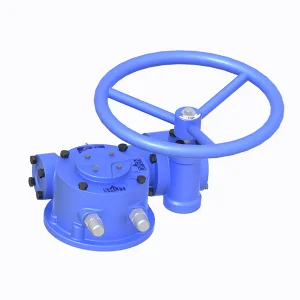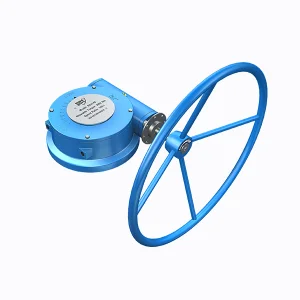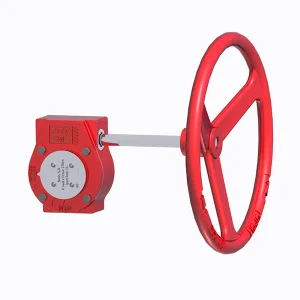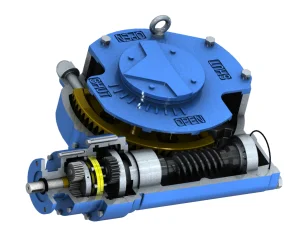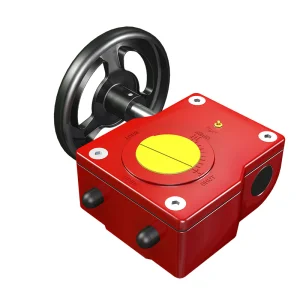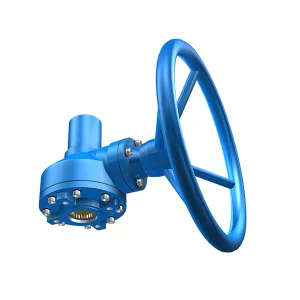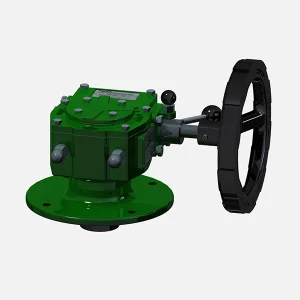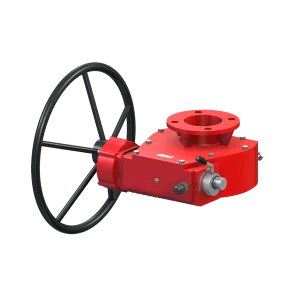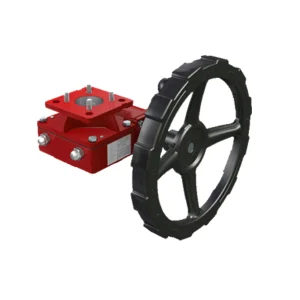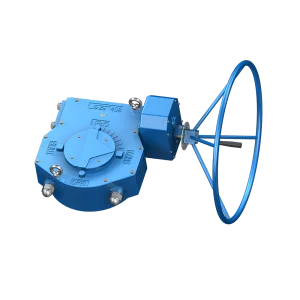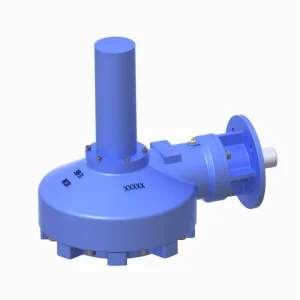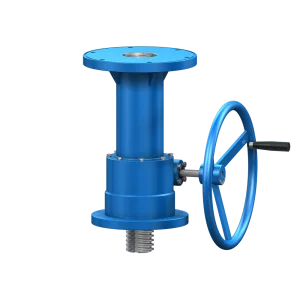
In modern process industries, the control and regulation of fluids demand unmatched precision, extreme torque handling, and long-term mechanical reliability. Bevel Gear Operators occupy a critical niche in this mechanical ecosystem, transforming manual input or electric/pneumatic rotary power into the massive perpendicular torque required to actuate multi-turn and linear valves. With over 25 years of engineering heritage based in the Yangtze River Delta, Stard-gears is a premier manufacturer specializing in advanced valve control technology.
This industrial whitepaper examines the design, engineering metallurgy, application dynamics, and procurement pathways of high-performance bevel gear operators. As global supply chains face macroeconomic shifts, the demand for cost-effective, high-reliability gearboxes has led smart operators to seek discount bevel gear operator suppliers who balance economic efficiency with strict compliance to safety standards (such as CE certification, ISO 9001, and API standards).
"By leveraging the geographical advantages of Suzhou Industrial Park and the integrated supply chains of the Yangtze River Delta, Stard-gears delivers factory-direct pricing (discount optimization) without sacrificing material integrity or engineering precision."
Before launching a physical manufacturing run, our engineers utilize 3D simulation tools to construct highly accurate virtual models of the gear tooth profiles, mechanical housings, and drive sleeves. This virtually eliminates structural interference and optimizes gear ratios early in the design phase.
Our gear operators are subjected to virtual stress testing through finite element analysis. By applying simulated load vectors of up to tens of thousands of Newton-meters, we identify stress concentrations and refine the casing walls, ensuring maximum safety factors for hazardous environment deployments.
We analyze the behavior of spiral and straight bevel gear systems under dynamic load. This process measures backlash, minimizes sliding friction, and maximizes mechanical advantage. Our engineering workflow significantly shortens lead times while maintaining a 100% success rate during physical assembly.
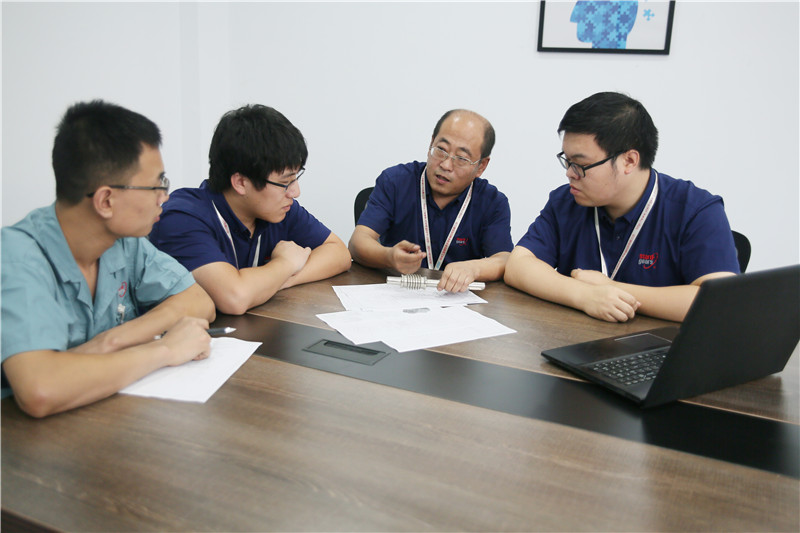 Engineering Program Communication
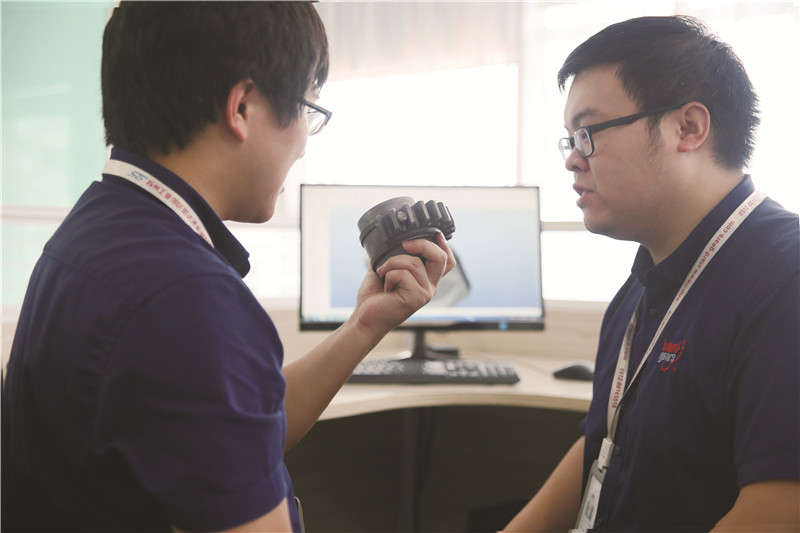 Design Iteration & Team Collaboration
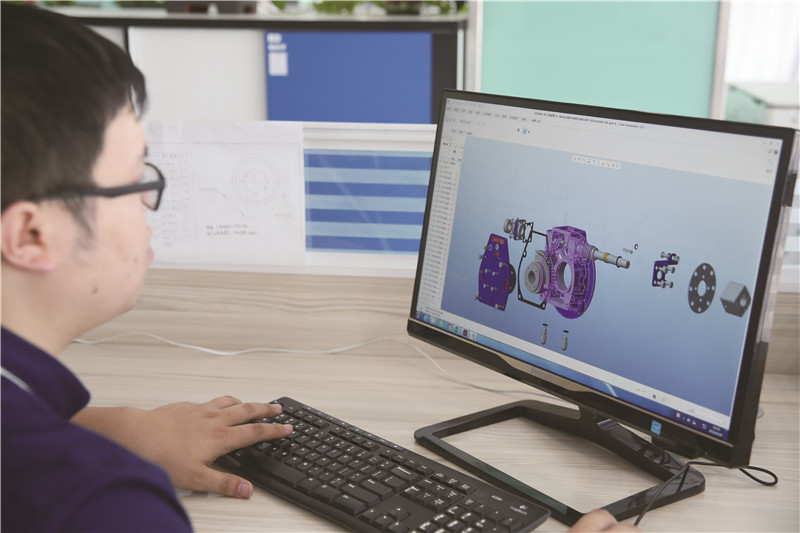 High-Precision CAD Blueprint Development
Located in the heart of the Suzhou Industrial Park, Stard-gears runs a modern manufacturing site covering an 8,900m² factory plant and a 2,500m² corporate operations office. The plant has achieved an annual output value of $9,000,000 with a physical production capacity reaching 100,000 gearbox sets per year. By utilizing a comprehensive Enterprise Resource Planning (ERP) tracking system, we monitor every step of the order lifecycle—from raw casting procurement to machining, heat treatment, final assembly, and quality testing.
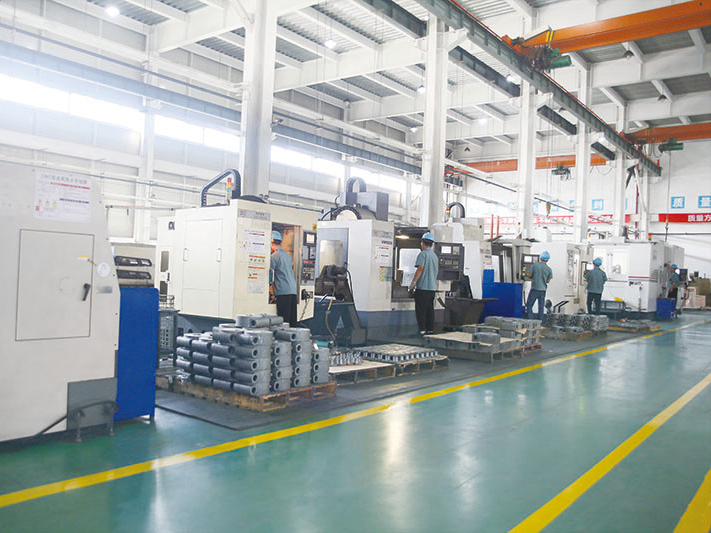 Vertical Machining Center
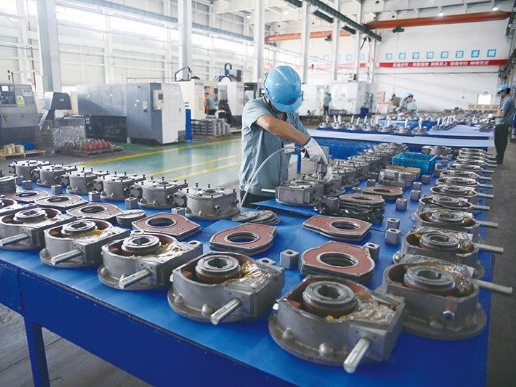 Gear Hobbing and Milling
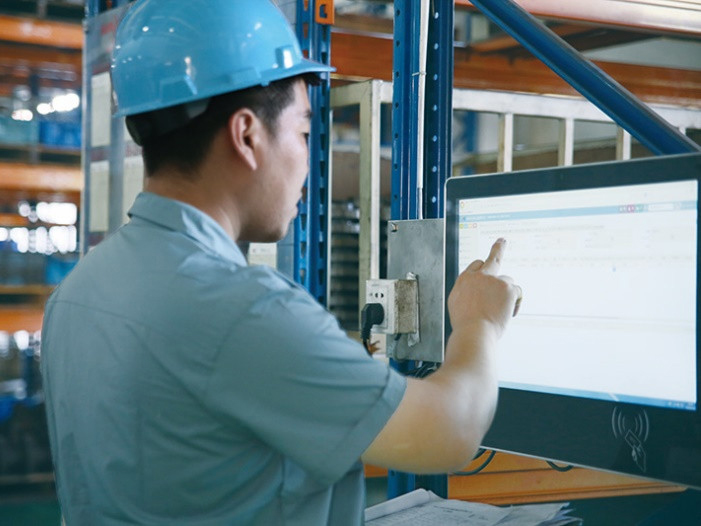 Semi-Automated Assembly Line
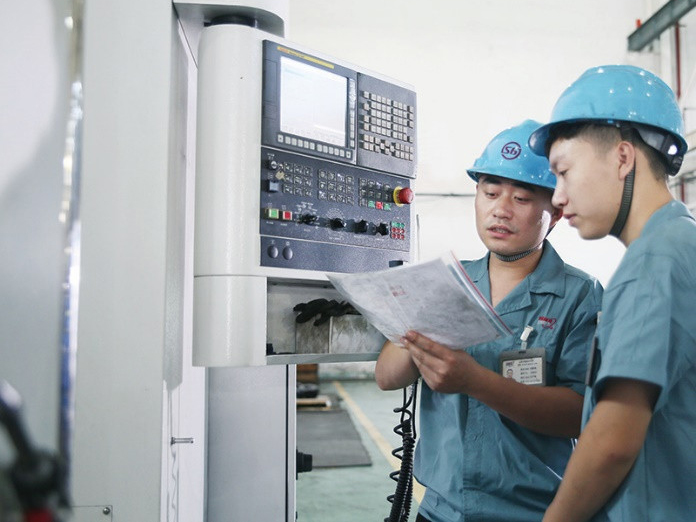 Quality Assurance Station
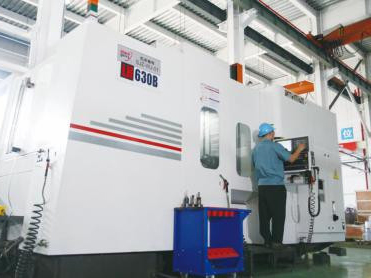 ERP Supervised Parts Inventory
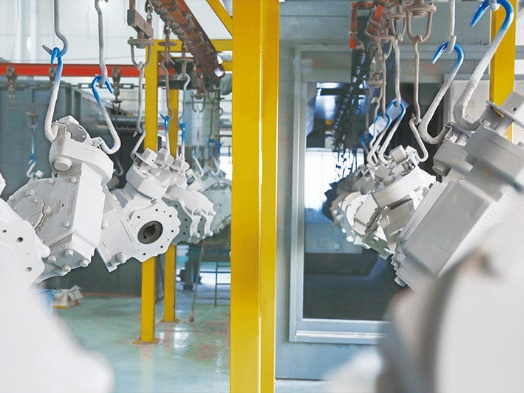 Final Product Inspection Zone
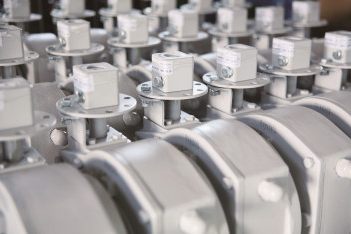 Heavy Duty Gearbox Assembly
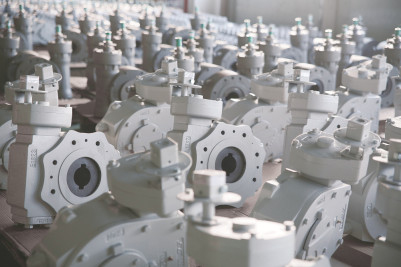 Multi-Turn Operators in Queue
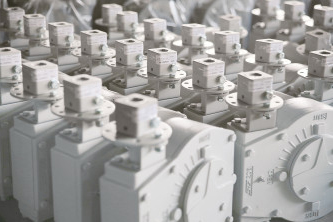 Manual Override Declutch Assemblies
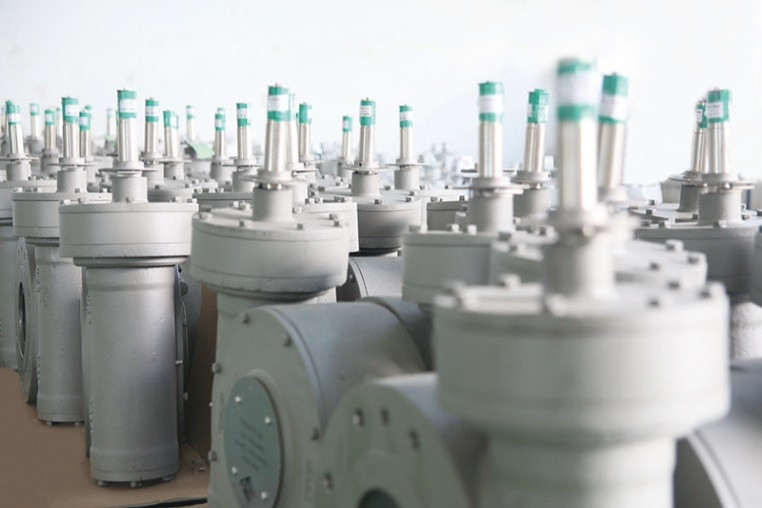 Finished Valves Ready for Packaging
To achieve high reliability, Stard-gears maintains full-time QC stations at every step of production. We implement a three-tier quality verification process: Incoming Quality Control (IQC) for cast steel and ductile iron raw blanks; In-Process Quality Control (IPQC) during teeth hobbing, thermal hardening, and boring; and Final Quality Control (FQC) involving hydro-testing and paint thickness measurement. The goal is simple: 100% compliance before packaging.
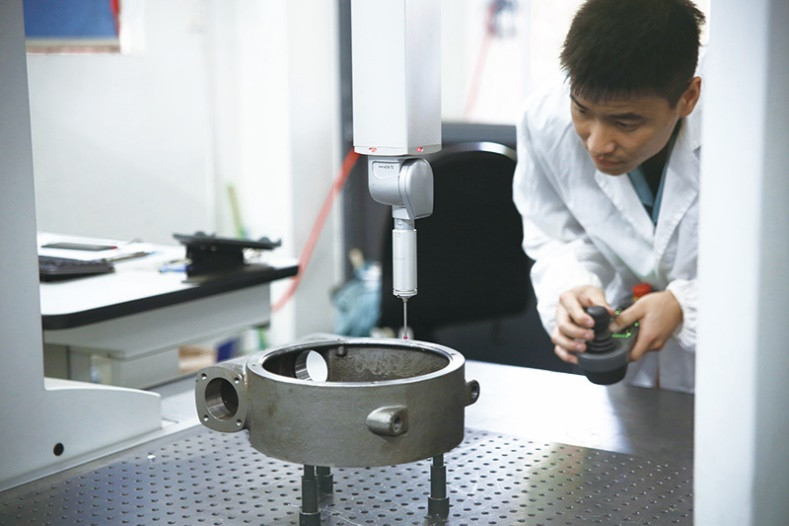
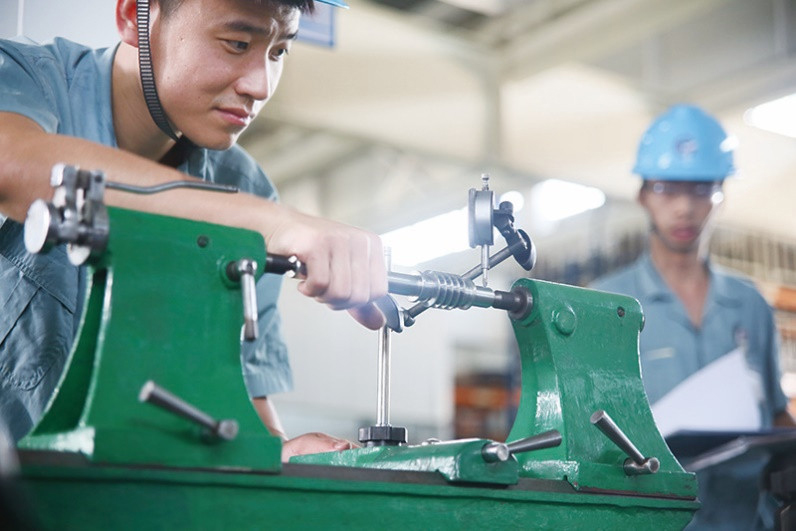
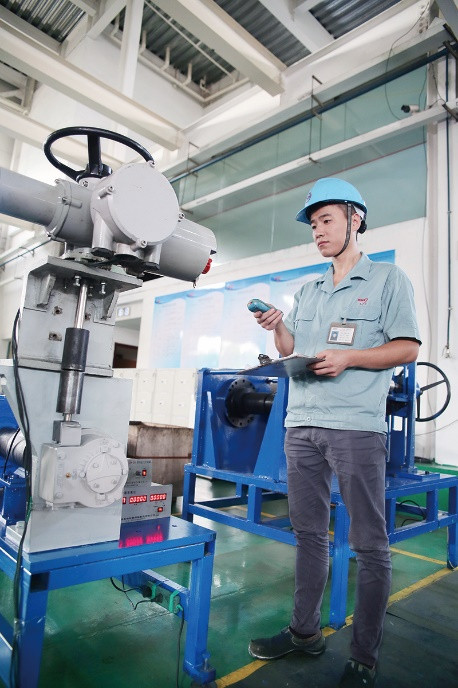
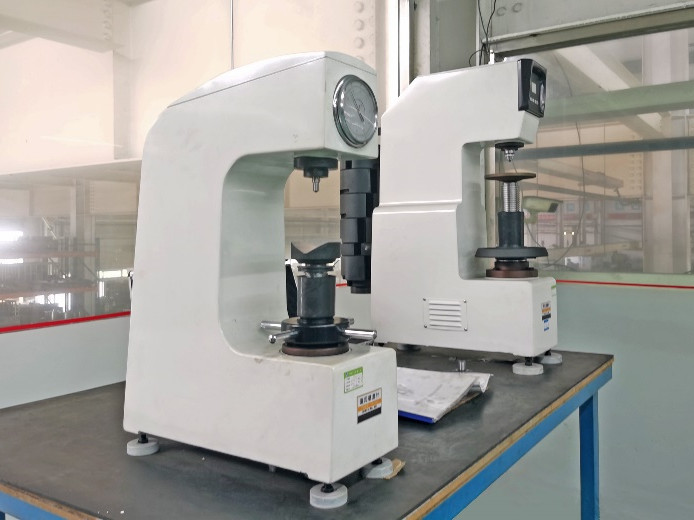
Stard Automation maintains custom metrology laboratories equipped to execute structural tests. This includes high-performance electronic torque calibrators, coordinate measuring machines (CMM) for checking gears, and environmental chambers for life-cycle and ingress testing.
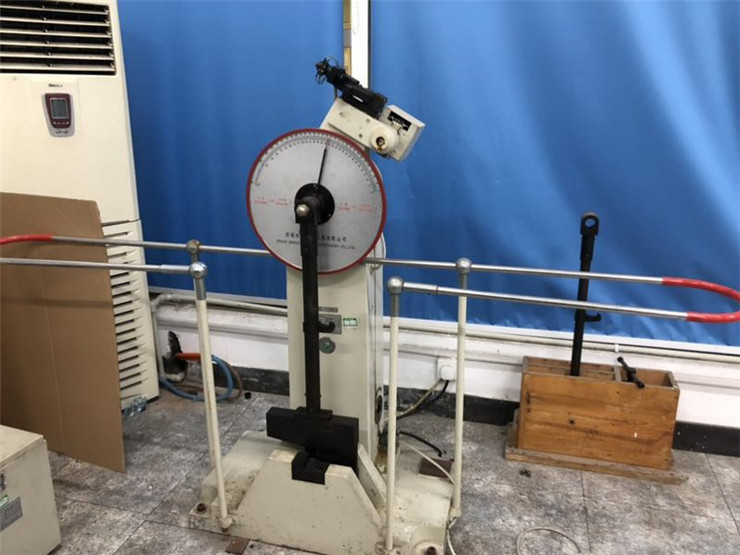 Heavy Duty Torque Dynamometer
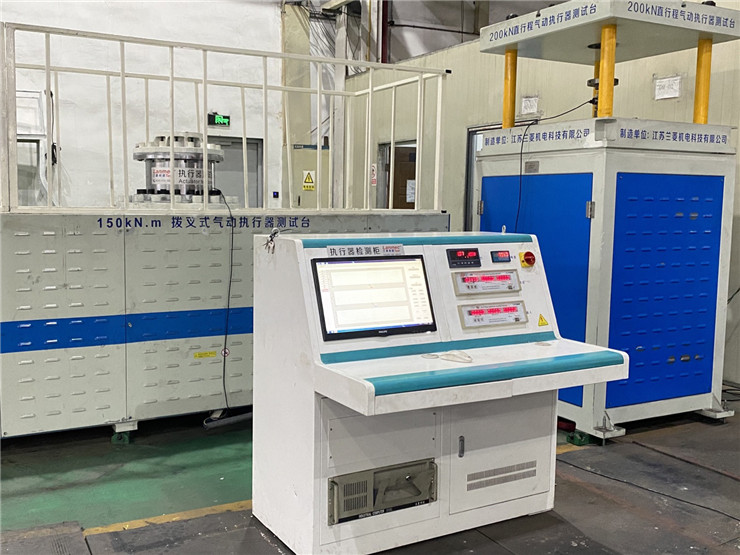 Mechanical Loading Rack
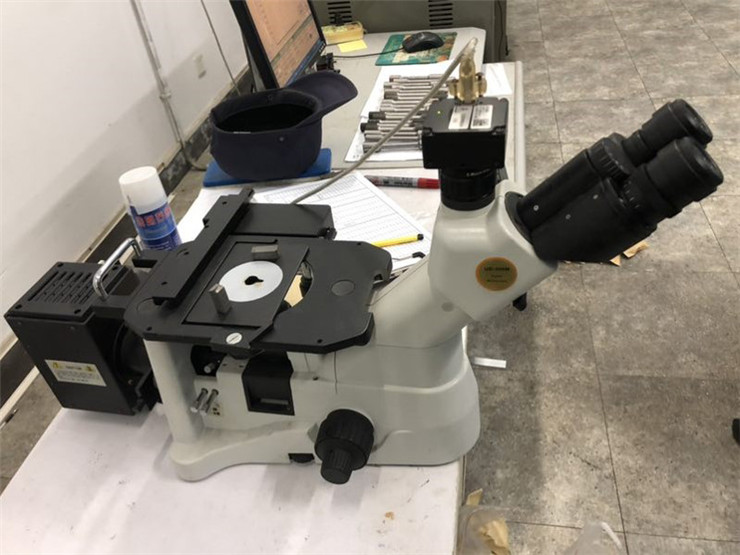 Precision Axis Alignment
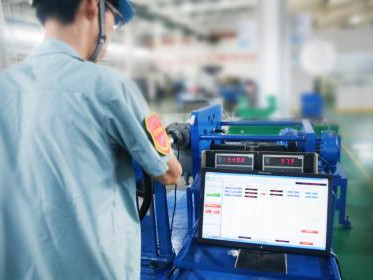 Digital Gear Coordinate Testing
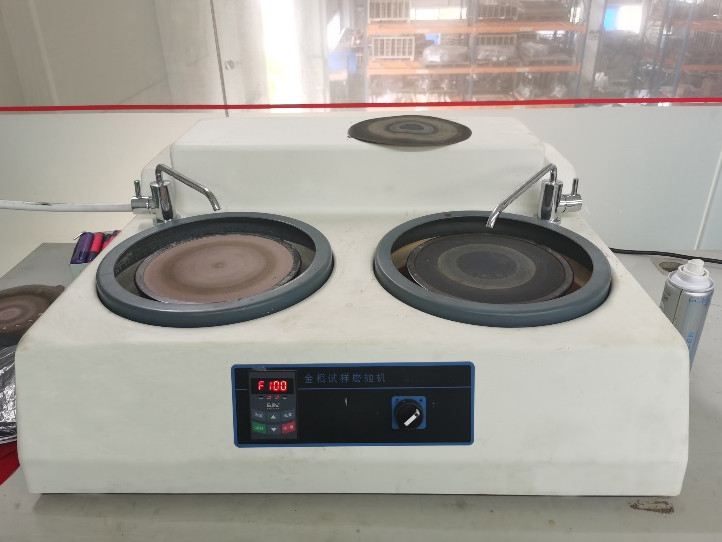 Hardness Testers
 High/Low Temp Verification Chamber
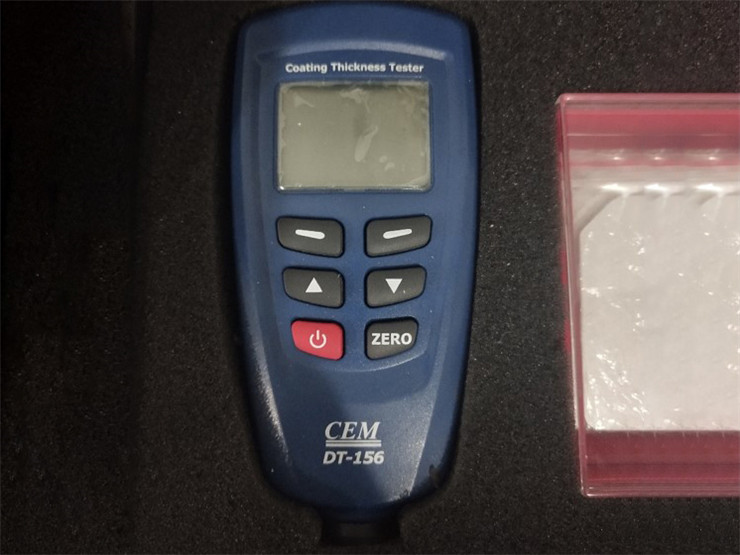 Calibrator Units
Over the past decade, our exports have expanded to the United States, Italy, Germany, Mexico, Singapore, Japan, and other industrial markets. This global footprint has shaped our production lines to meet diverse standards, including ISO, AWWA, DIN, and API, ensuring our gearboxes are compatible with international projects.
Different environments require specialized materials. We manufacture our gearboxes in various metals, including cast steel (WCB) for high-pressure systems, ductile iron (QT450-10) for standard industrial applications, and aluminum alloys for lightweight or marine installations. Our high-precision spiral bevel gears are heat-treated to improve wear resistance and maintain smooth operation over their service life.
The industry is moving toward automation. Stard-gears is designing smart, IoT-enabled declutchable gearboxes and electric-ready bevel gear operators. These units feature integrated position sensors and digital torque feedback systems, allowing them to communicate with central SCADA platforms and support predictive maintenance strategies.
In high-pressure oil and natural gas transmission lines, large valve diameters require massive operating torque. Our multi-turn bevel gearboxes provide the mechanical advantage needed to reliably actuate gate and globe valves in demanding environments.
Corrosive chemicals require highly resistant housings. Stard-gears offers custom-coated ductile iron and stainless steel gearboxes, fitted with viton seals, to withstand acid and solvent vapors in petrochemical plants.
Municipal water plants and raw sewage facilities require durable components. Our underground pipe valve gearboxes, designed with IP68 ratings for buried applications, operate reliably without needing frequent excavation or maintenance.
Power generation relies on consistent performance. Our high-efficiency control valve gearboxes undergo testing for safety and radiation tolerance, providing reliable backup manual overrides for critical automated loops.
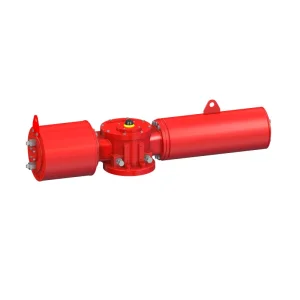
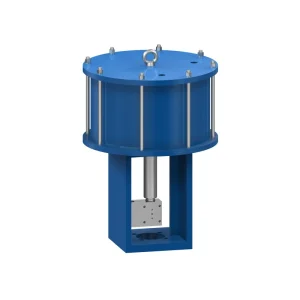
Whether configuring a municipal water line or a multi-stage chemical refinery, selecting the right valve actuator interface is critical. Stard-gears provides integrated solutions, matching gearboxes with pneumatic actuators, scotch yoke configurations, or multi-turn electric actuators. Our designs comply with ISO 5210 and ISO 5211 mounting standards, allowing for easy integration with standard international valves.
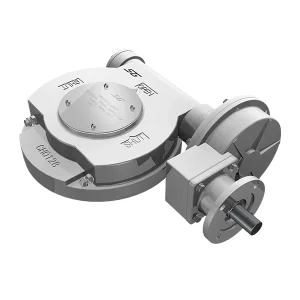
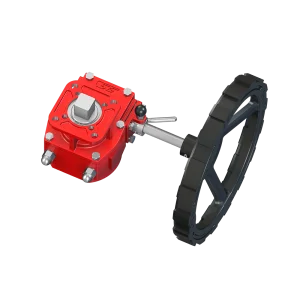
Bevel gear operators feature intersecting shafts, typically at a 90-degree angle, allowing the input handwheel shaft to sit perpendicular to the valve stem. This is ideal for gate, globe, and multi-turn valves where vertical stem movement is required. Spur gear operators use parallel shafts, which are generally used when input and output shafts must align in the same direction, typically for quarter-turn butterfly or ball valves.
Our pricing advantage comes from our location in the Yangtze River Delta. This region features a well-developed supply chain for casting and machining, which lowers raw material and shipping costs. Combined with our ERP management and automated machining processes, we are able to manufacture cost-effectively without compromising material quality or regulatory standards.
Yes. Our CE Certification Underground Pipe Valve Gearboxes are designed for buried services. They feature IP68-rated enclosures, specialized protective grease, polyurethane coatings, and fully sealed gasket pathways to prevent groundwater ingress and maintain smooth operation over decades of underground use.
Our heavy-duty bevel gearboxes can be engineered to handle torques exceeding 300,000 Nm. For high-stress applications, we utilize cast steel (WCB) or high-grade ductile iron (QT450-10) for the structural housing, along with heat-treated alloy steel for the gear components to prevent teeth deformation.
A declutchable gearbox sits between the valve and an automated actuator (such as a pneumatic piston or electric motor). In standard operation, the gear is disengaged, allowing the actuator to control the valve. In the event of a power loss or actuator failure, operator staff can engage the manual handwheel drive sleeve to control the valve safely.