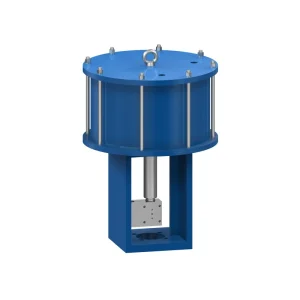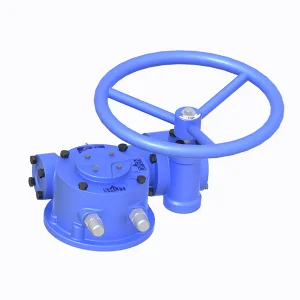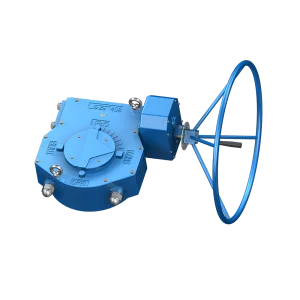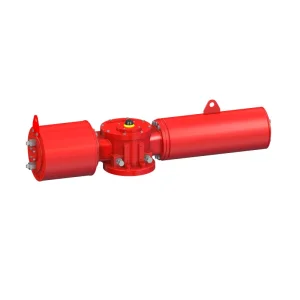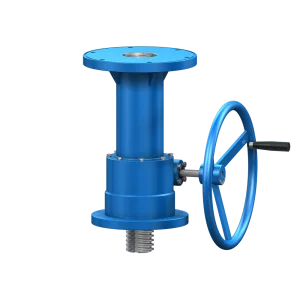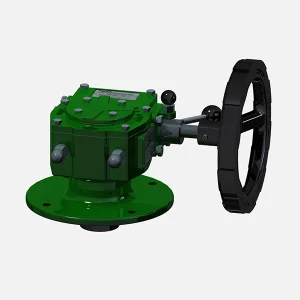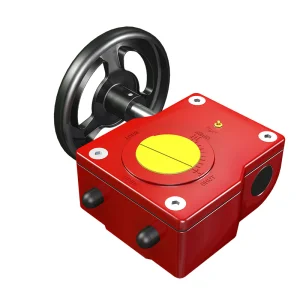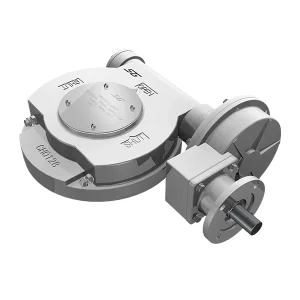
Explore our baseline configurations for multi-turn and quarter-turn gearbox operators engineered for municipal, chemical, and energy supply lines.
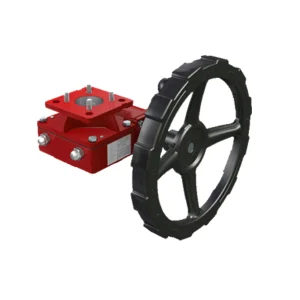
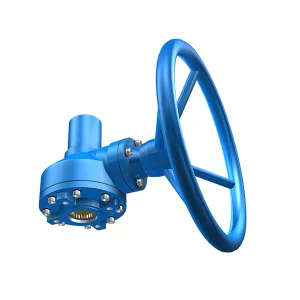
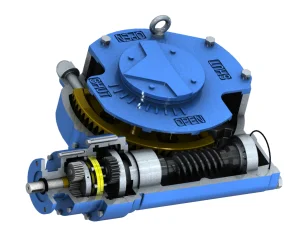
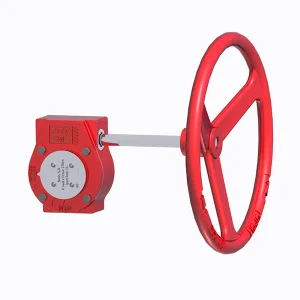
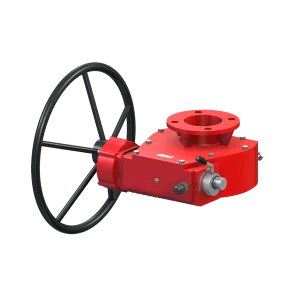
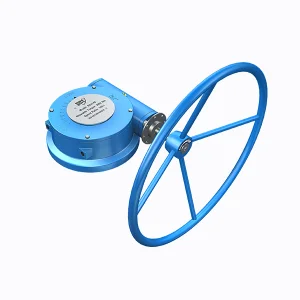
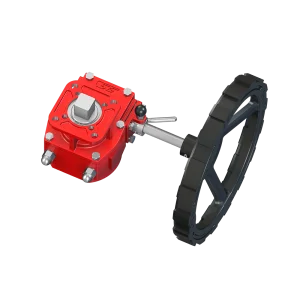
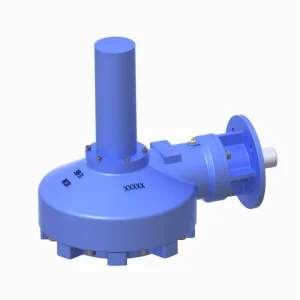
Understanding the essential role of torque-multiplication gearboxes in critical pipeline infrastructure.
Industrial gate valves are foundational to global liquid and gas logistics. However, as pipe diameters scale to handle massive volumetric flows under high differential pressures, manual operational force alone becomes insufficient. Gearbox operators (including multi-turn bevel, spur gear, and worm gear architectures) solve this by multiplying input torque and allowing engineers to safely stroke valves without excessive handwheel force or mechanical failure. These critical components serve massive sectors, including petrochemical refining, municipal water distribution, natural gas transmission, marine ballast systems, and nuclear safety circuits.
In modern industrial process automation, the gearbox is not simply a passive mechanical link; it is the vital bridge connecting physical valve stems with manual handwheels, pneumatic pistons, or electric actuators. Global energy markets mandate that these gearboxes handle extreme environmental conditions—ranging from deep subsea environments to blistering dry deserts. This demands strict material traceabilities, such as cast WCB carbon steel or specialized ductile iron, machined to tolerances that prevent backlash and minimize frictional losses.
When engineering firms search for a discount gearbox gate valve factory, they are not looking for compromised quality or inferior casting alloys. In modern B2B sourcing, "discount" implies the eradication of intermediary supply chain margins, optimized manufacturing efficiency, and localized volume production discounts. Stard-gears delivers exactly this: premium, CE-certified valve operators direct from our Suzhou Industrial Park manufacturing facility, bypassing complex broker markups to provide the best value-to-cost ratio in the industry.
Leveraging 25+ years of excellence in industrial valve control technology.
Founded in 1999 and strategically located in the world-renowned Suzhou Industrial Park, Stard-gears has grown into a leading global provider specializing in high-performance valve control technologies. Our modern facility includes an 8,900㎡ manufacturing plant and a 2,500㎡ corporate headquarters housing our specialized R&D engineering division. With annual sales reaching $7,000,000 and displaying a steady 10% to 20% annual growth trajectory, our high-volume capacity enables us to fulfill massive industrial orders with shorter lead times.
We are fully certified to the ISO9001 quality management standard, demonstrating our commitment to standardized manufacturing steps. Stard-gears offers 9 specialized series encompassing over 80 discrete varieties of gear operators, ensuring compatibility with virtually every type of valve stem, mounting flange, and environmental condition encountered in modern chemical, oil, water, and gas facilities.
How the Yangtze River Delta cluster maximizes efficiency and product consistency.
The geographic concentration of component suppliers in the Yangtze River Delta provides Stard-gears with an unparalleled logistical and manufacturing advantage. This specialized industrial cluster contains hundreds of specialized metallurgical casting foundries, precision heat-treatment plants, and CNC machining shops. By locating our operations in Suzhou, we significantly reduce raw material transit times and maintain instant control over structural casting quality.
Our integration with local supply networks allows us to rapidly secure high-grade materials (such as ductile iron, cast steel, and forged bronze stem nuts) at optimized prices, passing these direct savings on to global engineering projects. Furthermore, the close proximity to major shipping hubs in Shanghai and Ningbo ensures fast, secure containerized transport to customers in the United States, Italy, Germany, Mexico, Singapore, Japan, and beyond.
| Parameter | Traditional Global Source | Stard-gears (Suzhou Ecosystem) | Strategic Value |
|---|---|---|---|
| Raw Casting Lead Time | 4-6 Weeks | 1-2 Weeks | Accelerated project delivery schedules |
| Machining Precision | Variable by sub-tier | In-house CNC with ERP Tracking | Zero-backlash, reliable gear engagement |
| Transport Logistics | Multiple transit zones | Direct highway to Shanghai Port | Reduced ocean freight handling costs |
| Material Traceability | Batch certs often missing | MTRs available for all cast heats | Full compliance with CE & ISO standards |
Employing Finite Element Analysis (FEA) and 3D stress modeling to guarantee long-term performance.
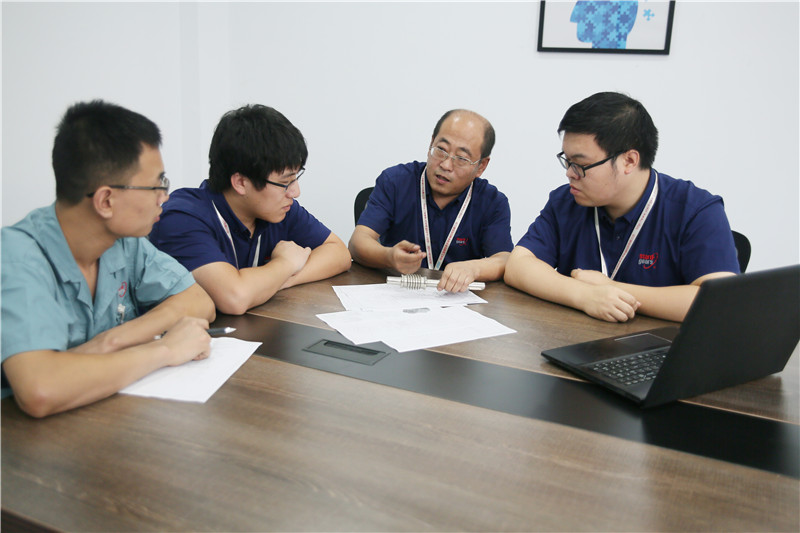
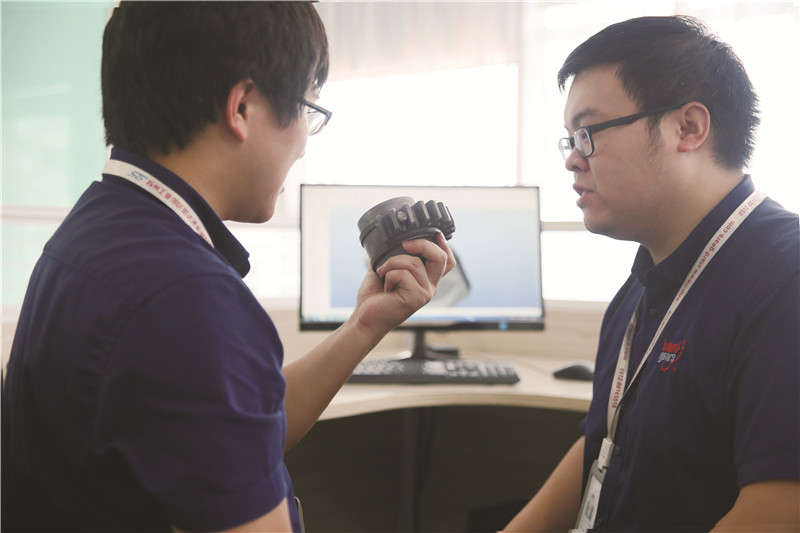
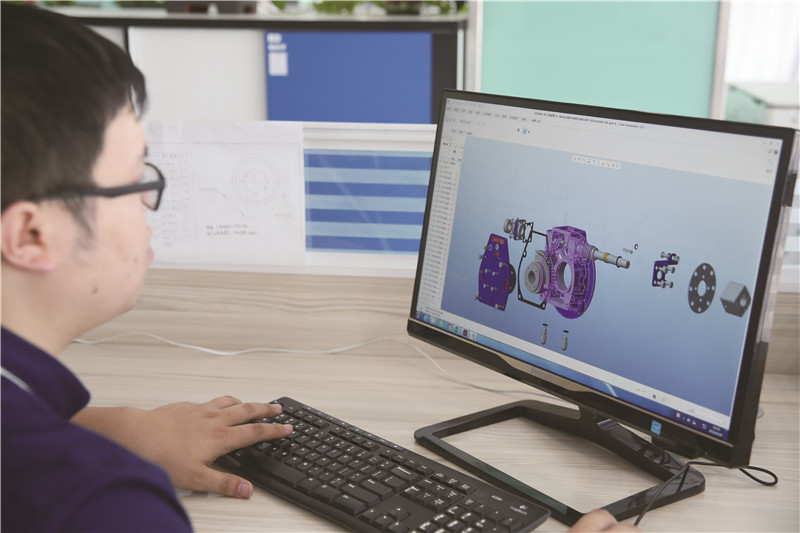
Before any physical casting of a Stard-gears operator occurs, our engineering team constructs a virtual model. By utilizing state-of-the-art 3D computer-aided design (CAD), dynamic simulation systems, and complex Finite Element Analysis (FEA), we can accurately simulate the mechanical stresses under high-torque scenarios. This lets us visualize gear teeth contact points and optimize the structural webbing of the housing to prevent fractures under extreme pressure surges.
This virtual modeling phase significantly shortens development cycles for custom, OEM projects while ensuring that every gearbox possesses a safety factor of at least 2.5 times the rated output torque. We collaborate directly with international client engineering teams, using digital drawing exchanges to ensure quick design verification and eliminate dimensional errors before tooling commences.
Fully integrated ERP workflow ensuring perfect manufacturing visibility from casting to dispatch.
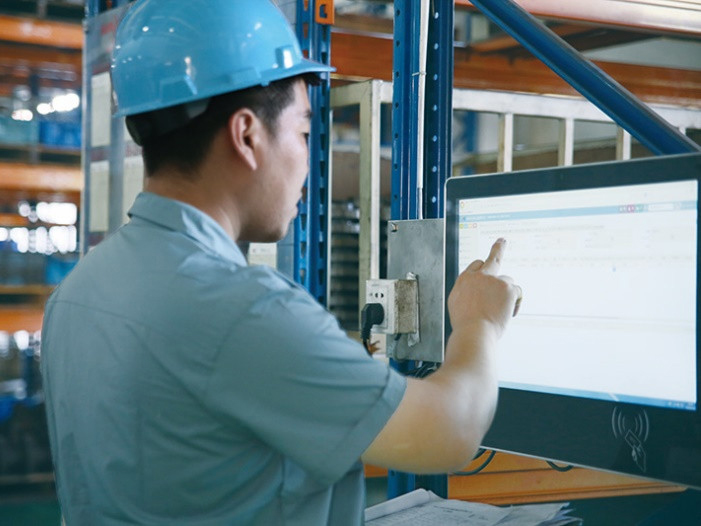
A key aspect of our reliability as a global supply partner is our implementation of a comprehensive Enterprise Resource Planning (ERP) management system. This centralized database links our raw inventory, precision CNC machining centers, QA checkpoints, and packaging areas. Every single gearbox order is assigned a unique batch-tracking barcode, giving our management and clients real-time visibility into production progress and testing states.
This automated flow management system plays an essential role in improving day-to-day work efficiency, preventing component bottlenecks, and guaranteeing that bulk orders are delivered on time, every time.
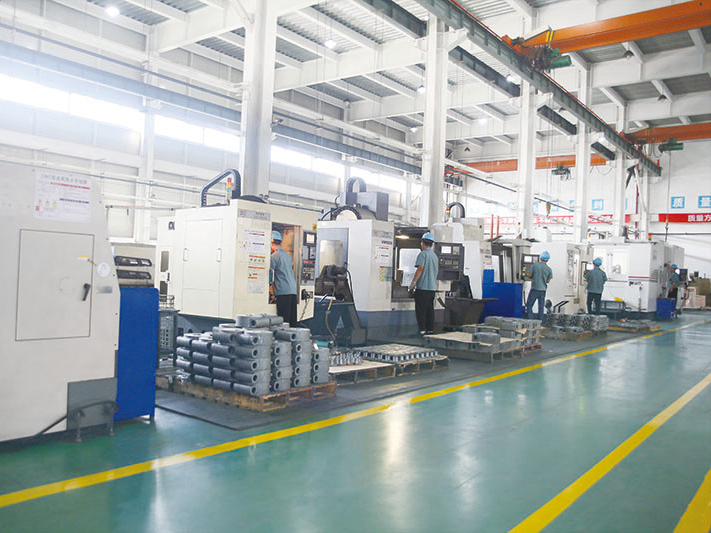
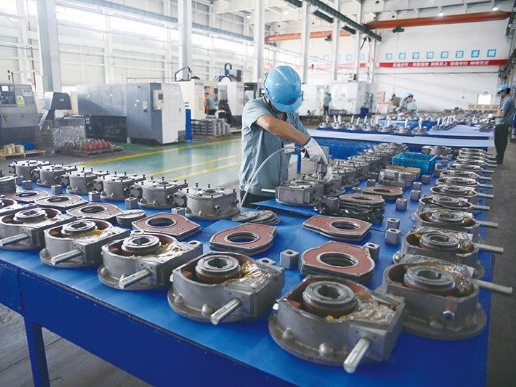
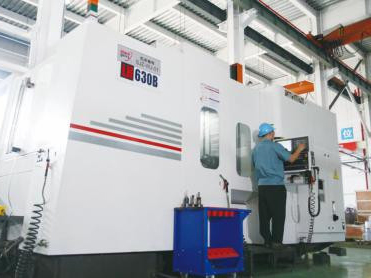
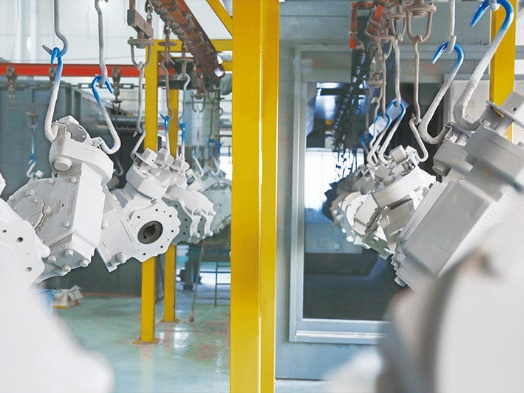
With an annual output capacity of 100,000 sets, we serve municipal water projects, oil refineries, and gas plants with reliable delivery timelines.
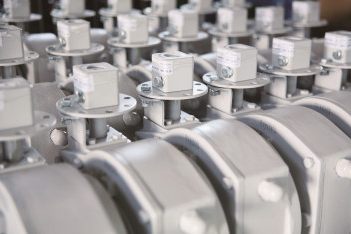
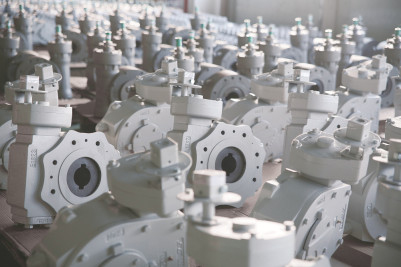
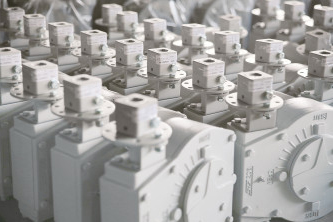
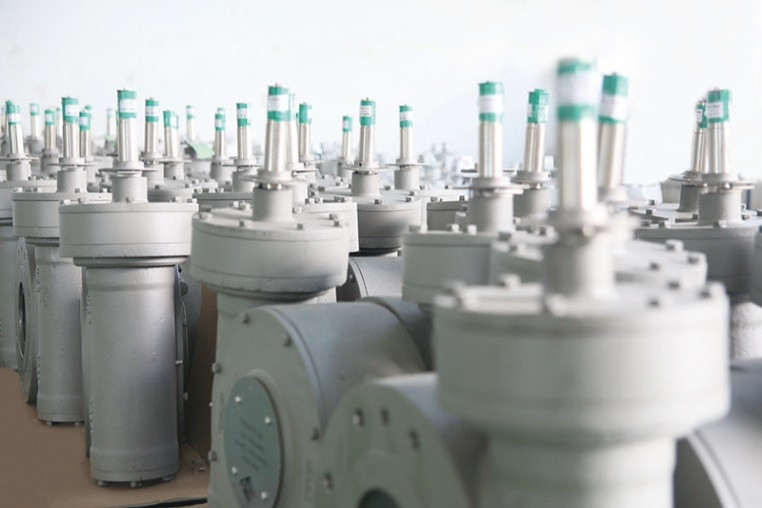
100% inspection rates to verify torque transfer capabilities and environmental seal integrity.
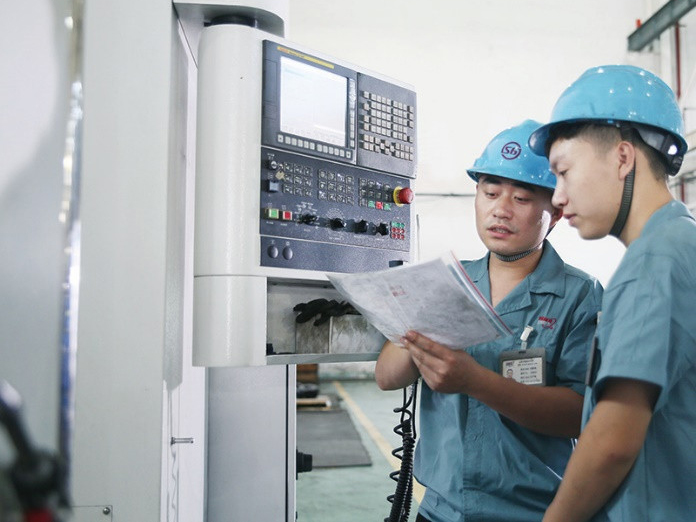
At Stard-gears, we implement strict, multi-phase quality control checkpoints at every step of production. Full-time QC inspectors check incoming raw castings for metallurgical defects using non-destructive testing (NDT), verify precise dimensions during machining, and perform functional tests on completed gear operators before shipping. This complete tracking system ensures that every product leaving our facility is 100% qualified and ready for operations.
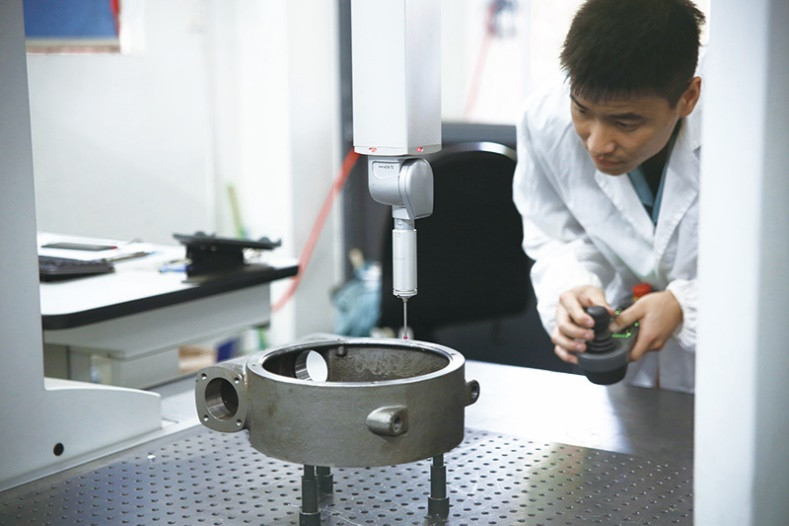
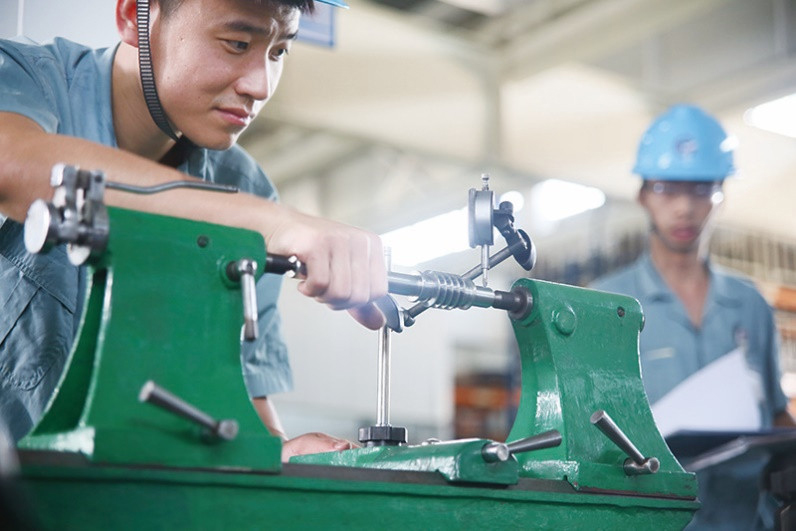
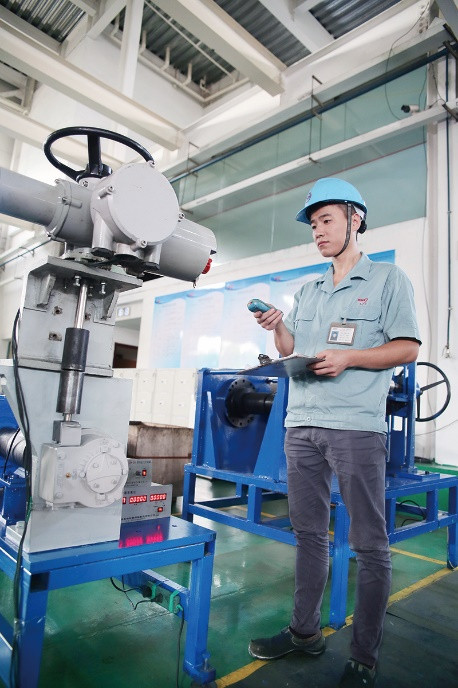
Using advanced torque benches and environmental chambers to verify performance metrics.
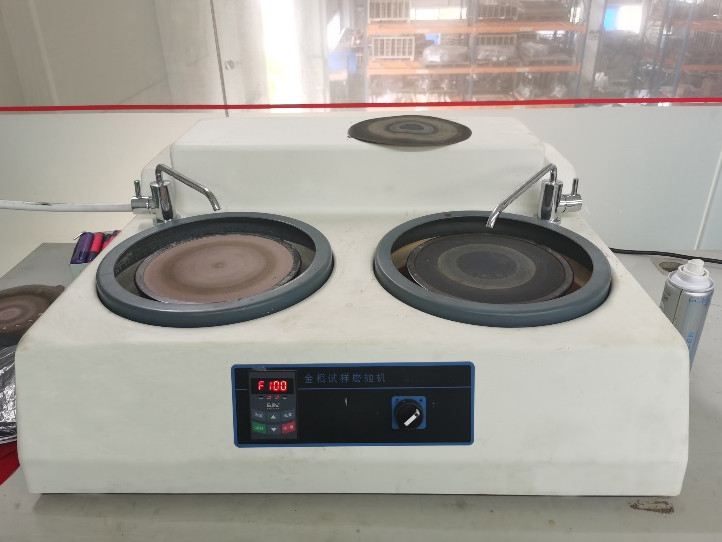
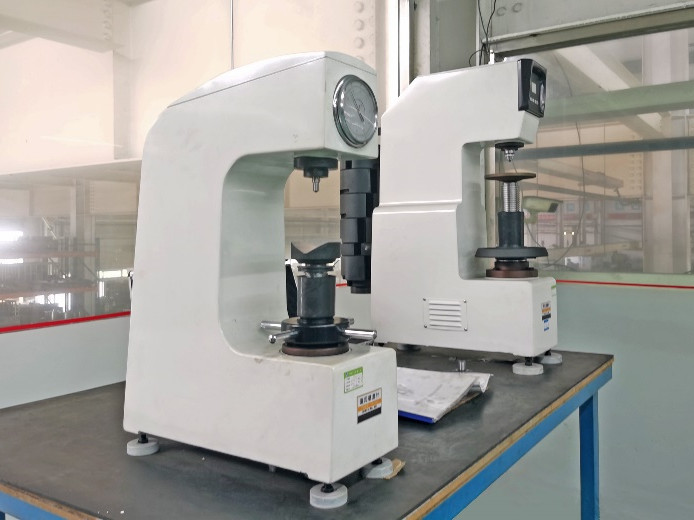
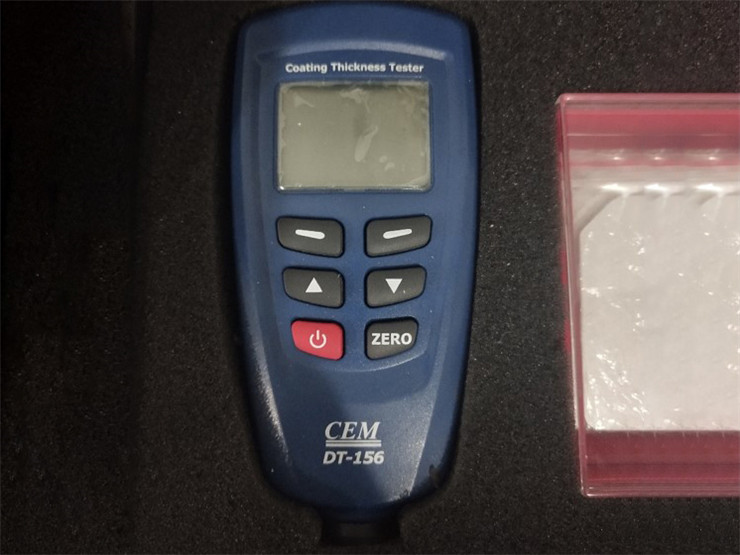
To confirm that our gearboxes operate reliably over decades of use, our testing lab is equipped with specialized torque diagnostic equipment, environmental test chambers, and cyclic life testing rigs. These tools let us verify exact torque outputs under full load, test weather-sealing up to IP67/IP68 ratings, and measure fatigue properties over thousands of operating cycles. This rigorous testing gives project managers complete confidence in the durability of our designs.
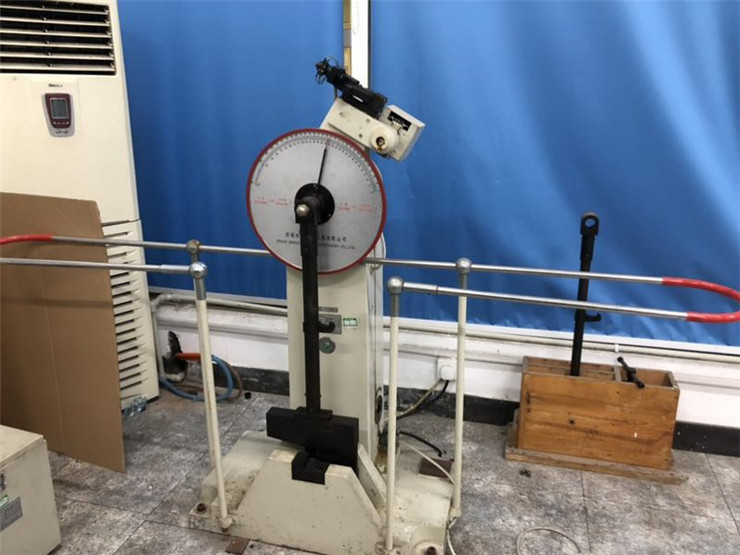
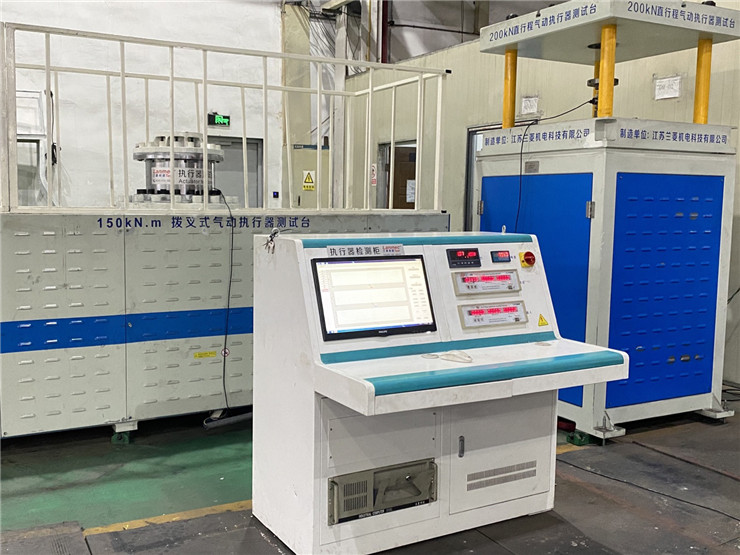
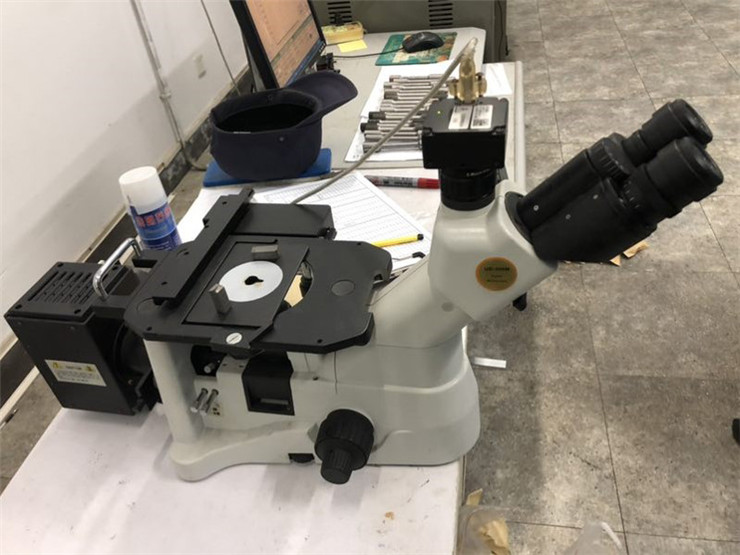
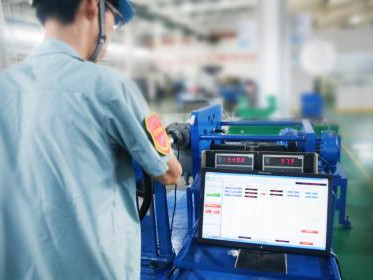
Evaluating localized operational environments and emerging technologies in valve control.
Industrial valve operators face varying challenges depending on their operating environments. In water treatment plants, gearboxes must resist humidity and surface corrosion, calling for thick epoxy coatings and stainless steel fasteners. Conversely, oil and gas networks require robust casings that can withstand extreme pressures and maintain seal integrity during temperature changes.
A key trend in the industry is the integration of dual-mode, declutchable manual overrides with automated systems. In normal operations, an electric or pneumatic actuator controls the valve. However, if power is lost, the operator can engage the manual gearbox via a declutch mechanism, allowing the valve to be stroked safely. This dual-mode design is becoming standard for safety-critical shutoff valves worldwide.
At the same time, design teams are focusing on reducing overall equipment weight by utilizing lightweight, high-strength aluminum alloy housings for smaller valves. This reduces stress on pipe joints and supports, while cast steel and ductile iron housings continue to provide the necessary mechanical strength for heavy-duty, high-pressure pipelines.
Direct technical answers to key questions asked by engineers and procurement professionals.
A: A bevel gearbox features angularly intersecting teeth (typically at 90 degrees), which allows the input handwheel shaft to sit perpendicular to the valve stem. This is ideal for side-access manual operation. A spur gearbox features parallel shafts, keeping the input and output aligned, which is typically used when the handwheel needs to remain parallel to the pipeline or in compact spaces.
A: A declutchable manual override sits between the pneumatic actuator and the valve. In automated mode, the gearbox gears are disengaged (declutched) so the actuator can rotate the valve freely. If air pressure or power is lost, engaging the manual lever connects the internal worm gear, allowing operators to stroke the valve manually. This safety mechanism prevents automated and manual forces from opposing and damaging the valve stem.
A: WCB (Wrought Carbon Steel) has significantly higher tensile strength, impact toughness, and ductility compared to standard cast iron. This allows it to handle sudden shock loads and internal pressure surges without cracking. Ductile iron is also a strong choice, but cast carbon steel remains the industry standard for high-pressure energy pipelines.
A: The gear ratio is selected based on the valve's breakout torque, stem diameter, thread pitch, and the maximum allowed rim pull force for manual handwheels (typically 300 to 450 N depending on regional safety regulations). Our engineers use these parameters to calculate the minimum required mechanical advantage, selecting the correct gear ratio to keep operations safe and smooth.
A: Yes. All our gearboxes are designed in strict accordance with the ISO 5210 (for multi-turn applications) and ISO 5211 (for quarter-turn applications) flange interface standards. This ensures easy installation onto global valve bodies from any brand without custom adapters.
A: For buried service or marine environments, we offer high-durability epoxy coatings (applied to minimum thickness standards of 250 microns), internal grease filling, and complete IP68 environmental sealing. We also supply special models designed for underground pipe valve buried operations with extended stems and input indicators.
Complete your valve automation setup with our linear pneumatic piston actuators, buried operators, and customized alloy gearboxes.