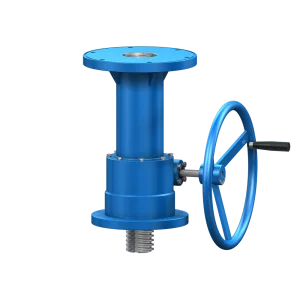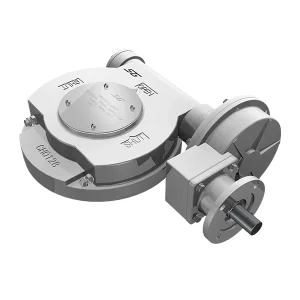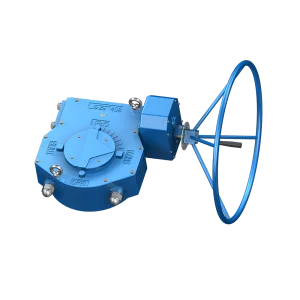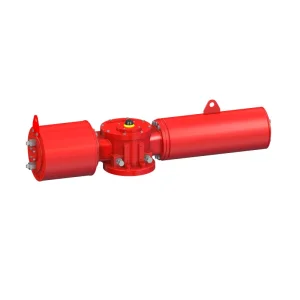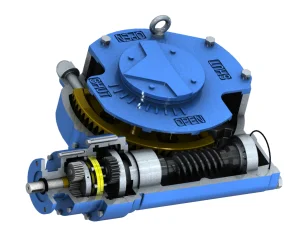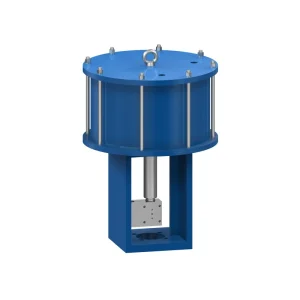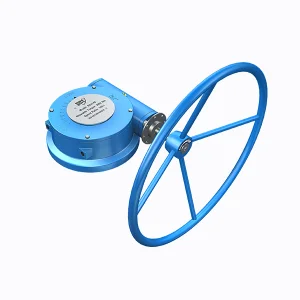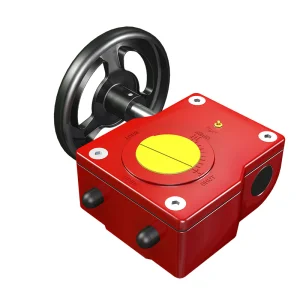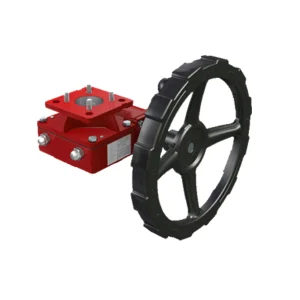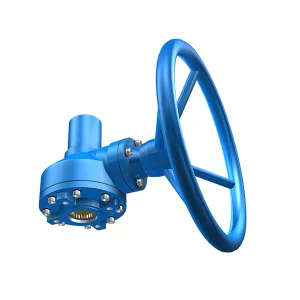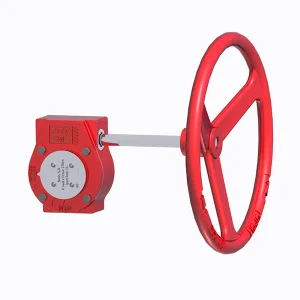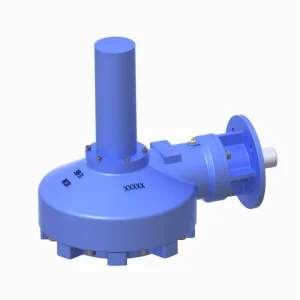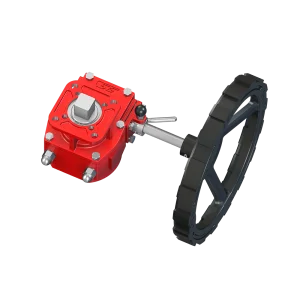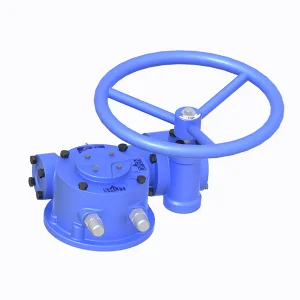
Flow control infrastructures in chemical processing, oil extraction, and power generation demand reliable mechanical actuation. Globe Valve Gear Operators are central to these systems, translating manual rotational input into the massive linear and rotational force needed to seal valves under extreme pressure. As a leading manufacturer established in 1999 in the Suzhou Industrial Park, we specialize in high-efficiency, multi-turn bevel and spur gearboxes that optimize operational performance and safety.
Our solutions feature robust design matrices engineered using Finite Element Analysis (FEA) to handle high stem thrust. By leveraging the comprehensive supply chain ecosystem of the Yangtze River Delta, we deliver custom-engineered gearboxes that offer structural integrity at competitive prices, fulfilling global industrial standards.
To successfully integrate a gear operator into industrial operations, specify the following parameters for our engineering team:
Explore our top-tier industrial gearboxes, Scotch Yoke actuators, and manual overrides engineered to ISO standards for reliable valve control.
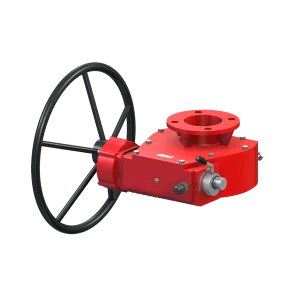
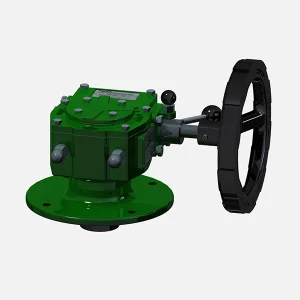
How changing process safety criteria, subsea demands, and digital diagnostics shape the design of modern gear systems.
Manual gear operators are increasingly integrated with digital position indicators and limit switch boxes. In hybrid designs, declutchable manual gearboxes interface with electric or pneumatic actuators, providing a critical manual override fail-safe that ensures valve closure if power is lost.
Modern plants demand gearboxes capable of surviving highly corrosive environments. Moving beyond standard structural cast iron, current designs utilize ductile iron (WCB), cast steel, and high-tensile aluminum alloys. Surface treatments like fluoropolymer coatings are also standard for offshore operations.
Globe valves typically require linear thrust alongside rotary torque, unlike quarter-turn ball or butterfly valves. Multi-turn bevel gearboxes resolve this issue with internal thrust bearings. These systems absorb axial force internally, reducing friction and extending the operating life of the valve stem.
Procurement teams look beyond low unit costs when sourcing gear operators. They prioritize trace material certification, precise torque testing, adherence to international mounting standards, and reliable logistics pipelines.
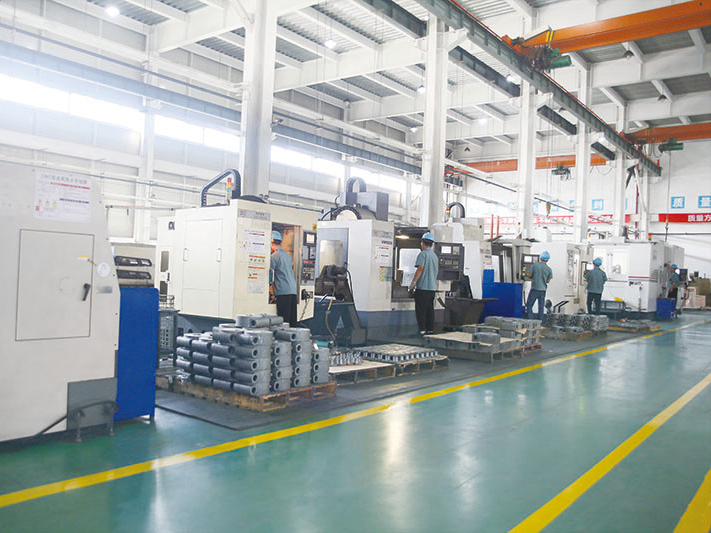
Our manufacturing facility, located in the Suzhou Industrial Park, leverages the advanced engineering infrastructure of the Yangtze River Delta. This proximity integrates raw casting, CNC precision machining, gear hardening, and assembly within a compact geographical area, optimizing production timelines and material sourcing.
By implementing a modern, real-time ERP tracking system, we monitor manufacturing schedules and logistics transparently. Digital process controls and rigorous quality testing verify mechanical assembly clearances and torque characteristics before shipment, ensuring high-quality performance in demanding environments.
From numerical modeling to torque verification, our quality control practices help prevent field failures under extreme operating conditions.
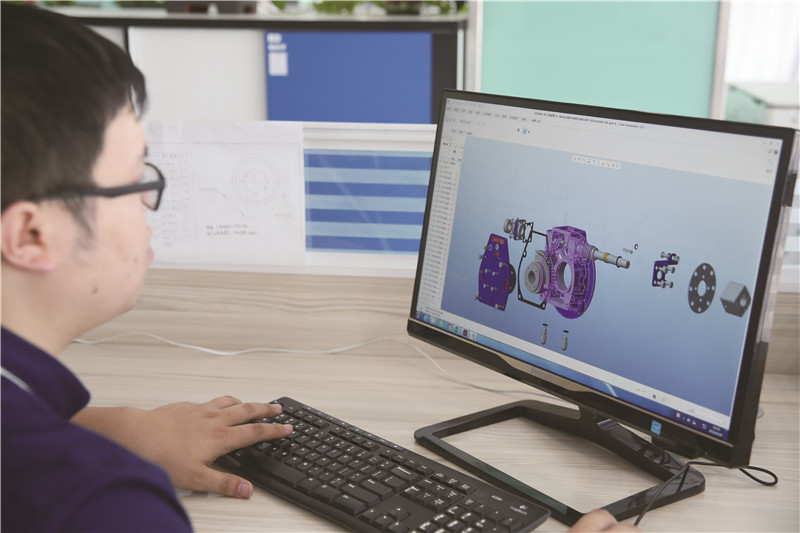
Our engineers use 3D structural modeling, dynamic simulation, and Finite Element Analysis (FEA) to verify stress points, tooth mesh patterns, and structural integrity. This engineering approach optimizes safety margins, shortens design cycles, and manages manufacturing costs.
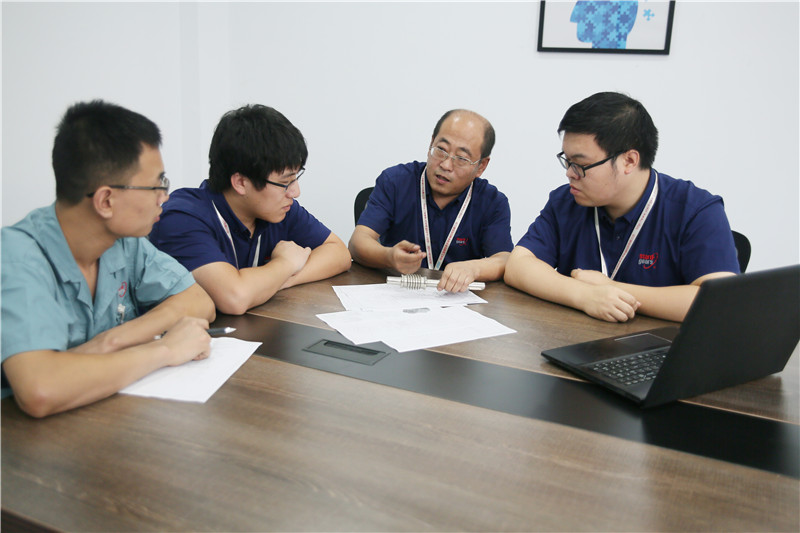
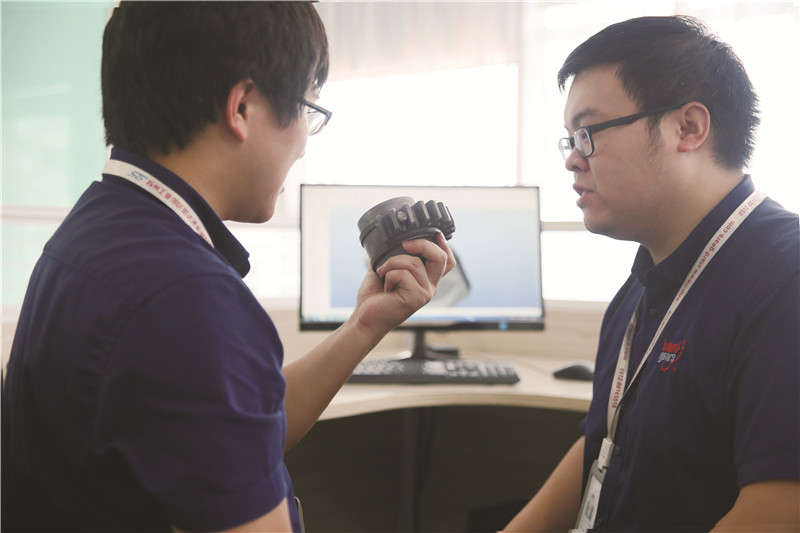
We deploy full-time QC inspectors at key assembly stages. Our quality protocols cover incoming material inspection, machining dimension checks, and final assembly testing, ensuring that only qualified products proceed to packaging and shipping.
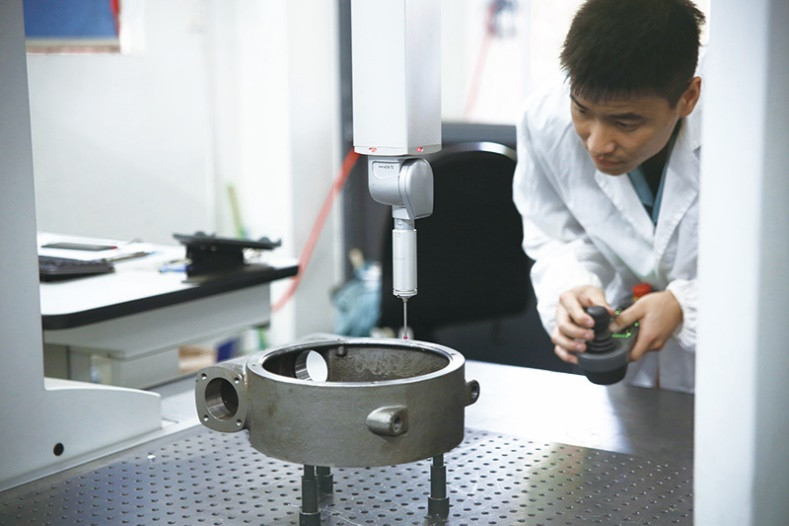
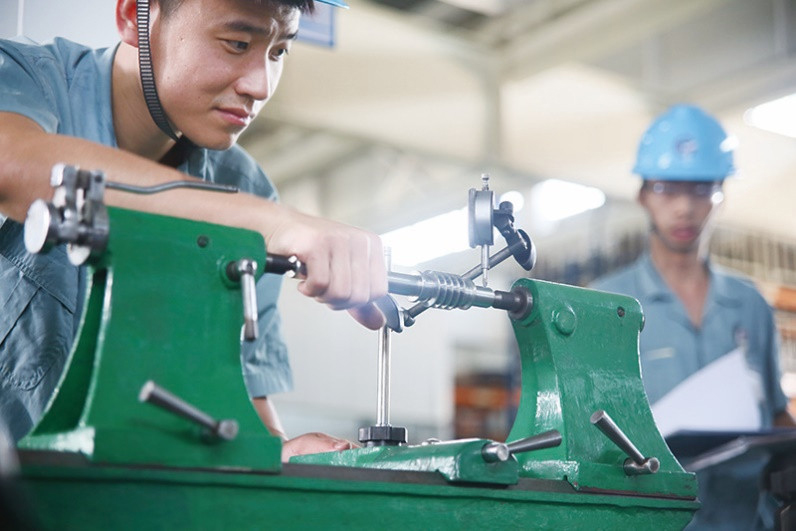
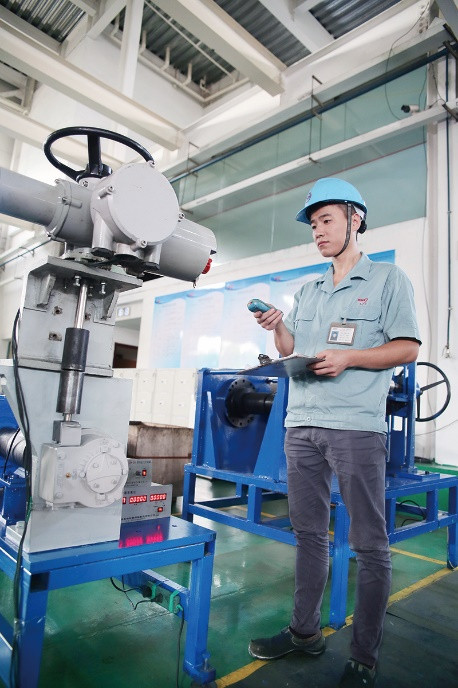
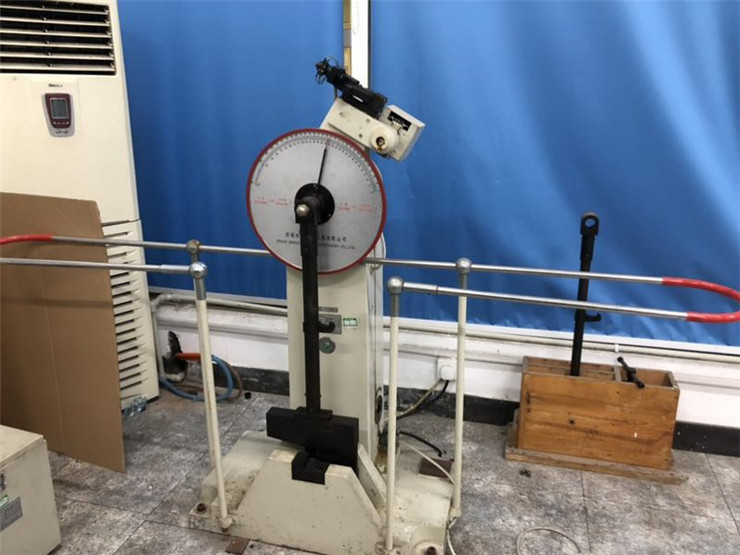
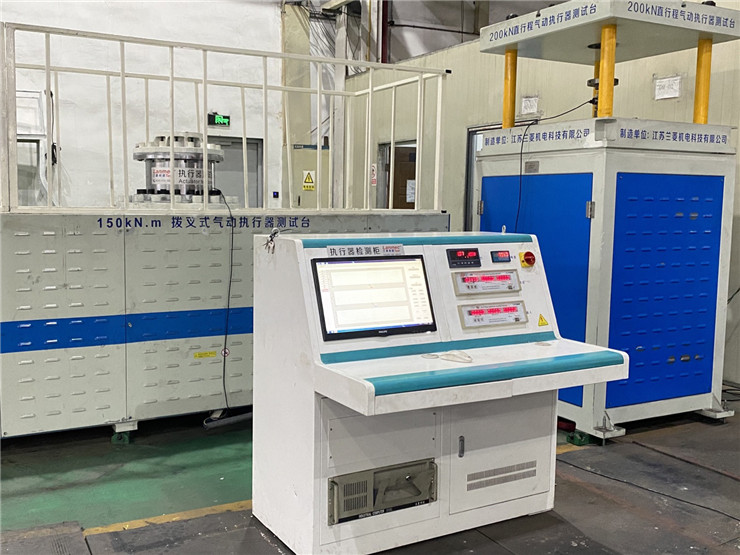
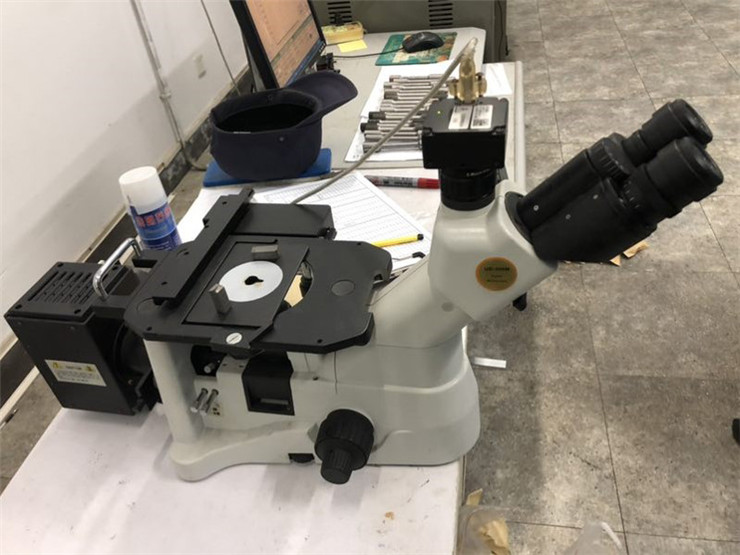
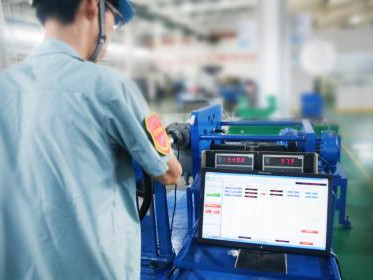
We utilize dedicated testing equipment to verify mechanical performance parameters. These tools allow us to conduct torque output tests, cycle life evaluations, and high-pressure sealing tests, confirming performance under design conditions.
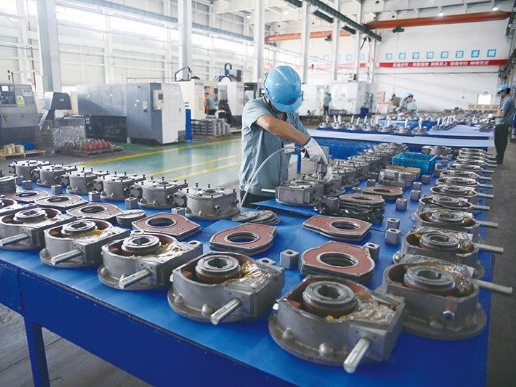
A view of our ISO9001:2015-certified machining center, structural assembly bays, and logistics operations.
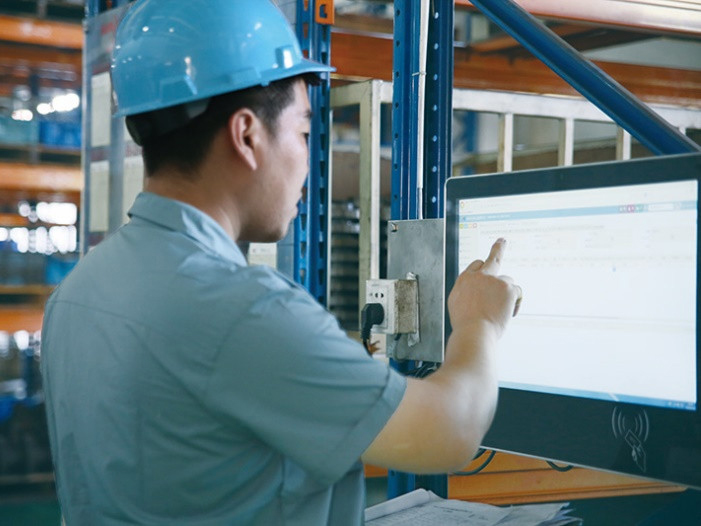
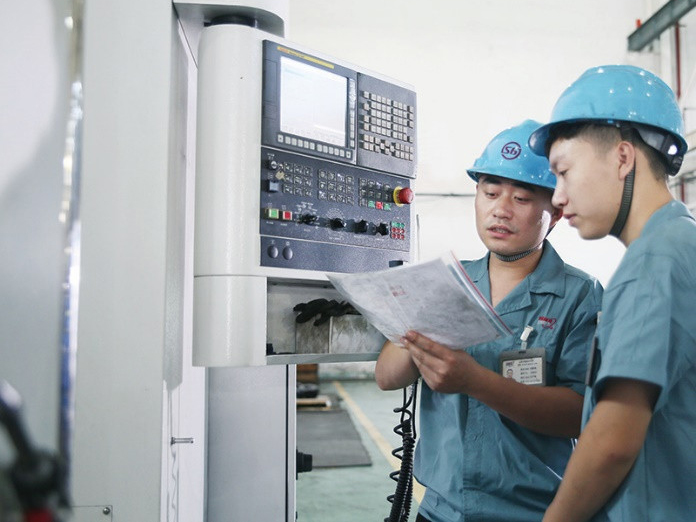
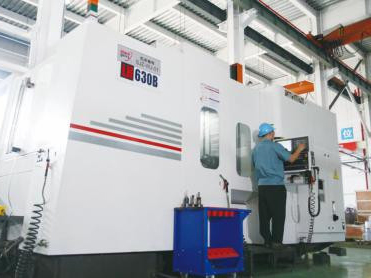
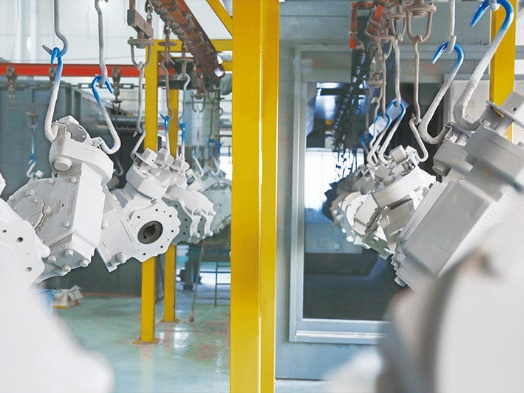
Our gearboxes are designed to meet the demands of various critical industrial environments.
Refinery pipe layouts utilize globe valves for precise throttling control. Because chemical fluids present corrosion and explosion hazards, our cast steel gearboxes feature fire-safe designs and IP67 ratings, helping protect operators during high-torque manual valve adjustments.
Water-cooling circuits in nuclear power generation demand highly reliable mechanical components. Our ISO 9001-certified manufacturing ensures structural traceability. Standardized thrust bearings manage heavy vertical stem loads under continuous high-pressure conditions.
For buried municipal pipelines or subsea manifolds, manual overrides must resist soil pressure and saline environments. Our specialized underground valve gearboxes feature extended shafts and heavy-duty grease fills, protecting moving parts from water ingress and corrosion.
Find answers to common questions about selecting, specifying, and maintaining globe valve gearboxes.
Select from our range of CE-certified cast steel, aluminum alloy, and ductile iron gearboxes designed for high-torque manual and motorized operation.
If you require custom gear operators, torque calculation assistance, or bulk pricing details for infrastructure projects, contact our engineering team. We provide technical consultation and comprehensive drawings based on your flow control parameters.
Factory Address: Suzhou Industrial Park, Suzhou City, Jiangsu Province, China
Quality Certifications: ISO 9001:2015, CE Directive Compliance
Standard Lead Time: 15-30 days based on complexity and order size