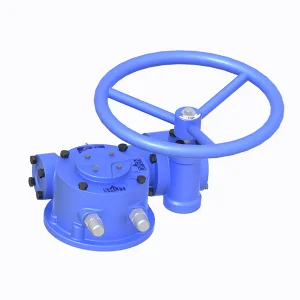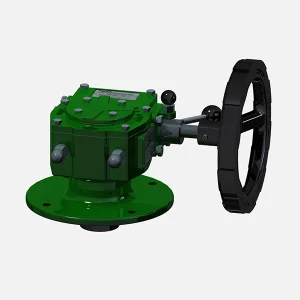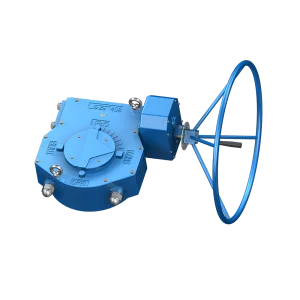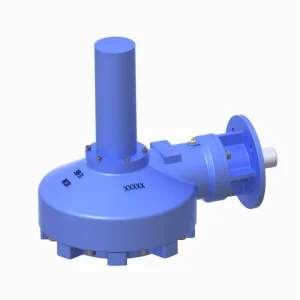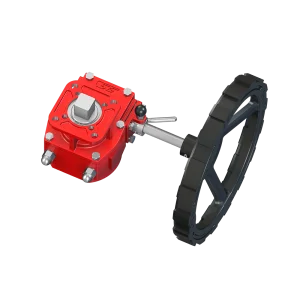
Engineered manual gear operators and declutchable systems certified for critical industrial infrastructure.
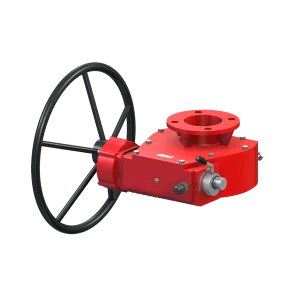
In modern high-flow piping and industrial fluid handling systems, controlling quarter-turn and multi-turn valves demands immense mechanical force. Hand crank worm drive gearboxes serve as the bedrock of manual safety override solutions, converting limited human manual power into vast output torque. For global buyers looking for discount hand crank worm drive gearbox suppliers & factories, the procurement challenge has shifted. Procurement executives no longer seek just low costs; they require engineered savings achieved via logistics efficiencies, design optimizations, and supply chain scale—all while strictly adhering to safety standards.
This whitepaper outlines the mechanical engineering criteria, production strengths, localized application demands, and supply ecosystem dynamics of Stard-gears. Located in the Suzhou Industrial Park, China, Stard-gears integrates state-of-the-art materials science, automated assembly, and high-performance quality control to deliver CE-certified mechanical components that withstand demanding industrial conditions.
At the center of Stard-gears' technological capability is our dedicated R&D division. Through advanced 3D computer-aided design (CAD), dynamic simulation, and Finite Element Analysis (FEA), our design engineers verify the safety and performance of every gear configuration before casting mold fabrication begins. This digital workflow significantly shortens the design cycle, improves safety margins, and keeps prototype development costs low.
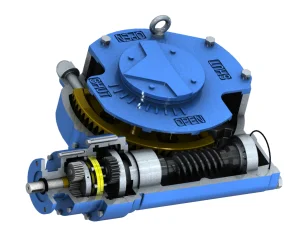
By simulating real-world structural stresses, we ensure that the worm shaft, worm wheel, casing walls, and thrust bearings are optimized for peak pressure, preventing back-driving and structural deformation. This rigorous engineering design process makes it possible for Stard-gears to supply highly efficient, self-locking worm drives at competitive pricing.
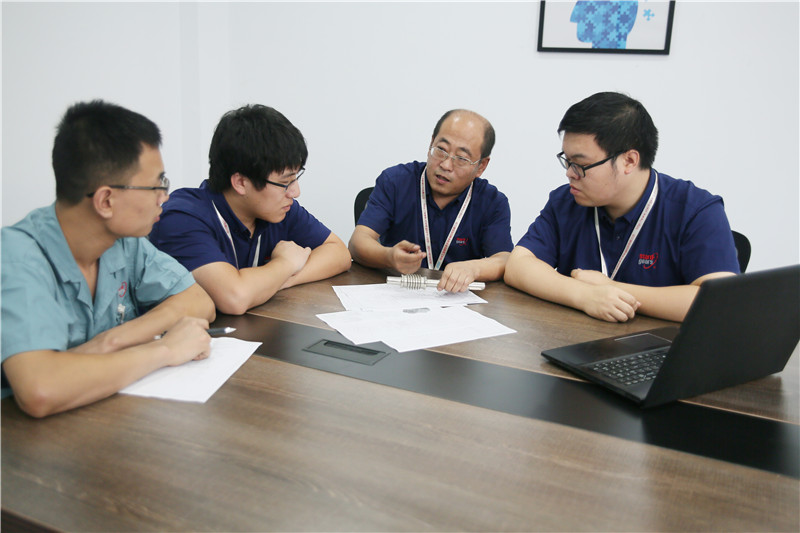
Defining project torque specifications, gear ratio configurations, and environmental sealing requirements with client engineers.
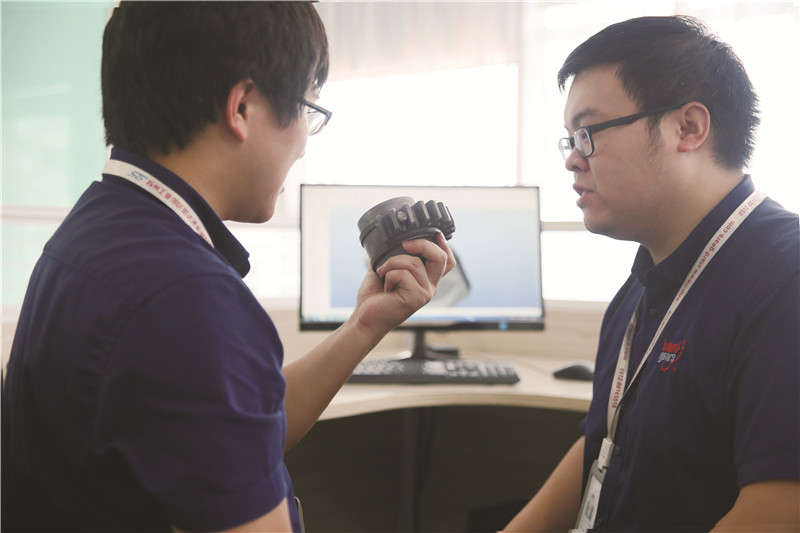
Refining mounting patterns (ISO 5211), shaft adapters, handwheel diameters, and declutching kinematics.
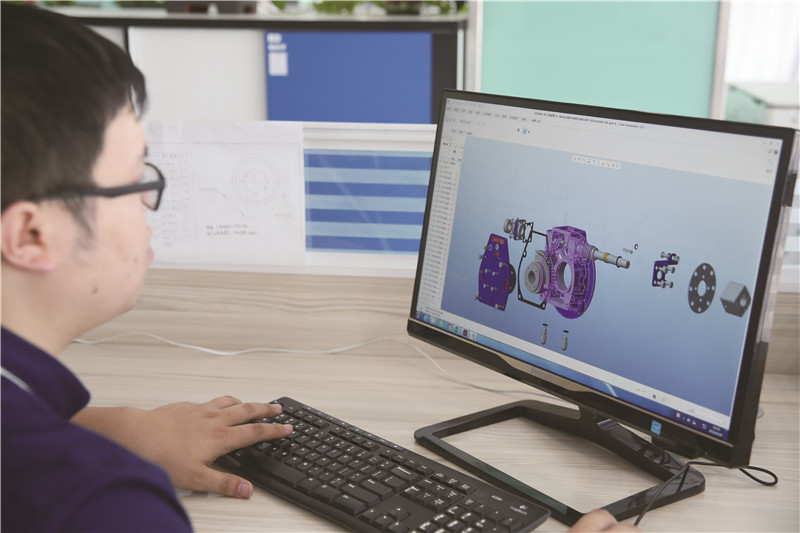
Finalizing the 3D model, manufacturing tolerances, and raw material specs for foundry production.
Located in the Suzhou Industrial Park, Stard-gears occupies an 8,900 m² modern production facility supported by a 2,500 m² administrative center. Annual sales hover around $7,000,000 with steady annual growth of 10% to 20%, highlighting our expanding global market footprint.
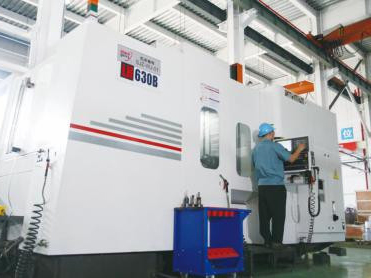
The Yangtze River Delta region of China offers a well-established and convenient industrial supply chain. This clustering effect ensures that our raw castings, precision machining components, heat-treatment processes, and specialized hardware parts are sourced locally with short transit times and lower overhead costs. This geographic advantage enables us to achieve fast deliveries and superior product quality, passing the resulting cost savings on to our global partners.
Stard Automation runs a comprehensive Enterprise Resource Planning (ERP) system to track the design, material supply, casting, machining, assembly, and testing of each individual order. The system offers full traceability, optimizes inventory, and streamlines production schedules to achieve an annual production capacity of 100,000 sets.
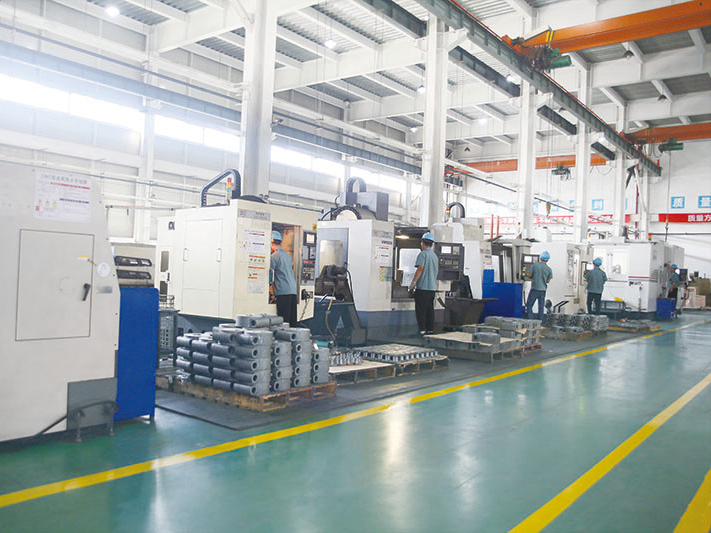
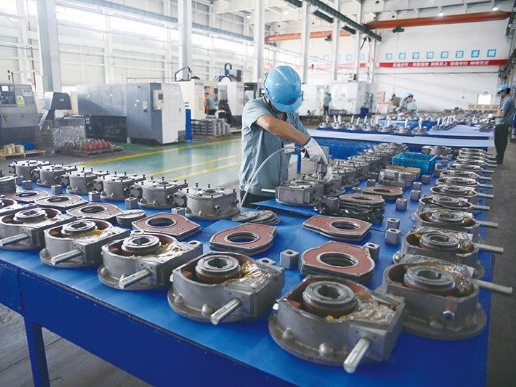
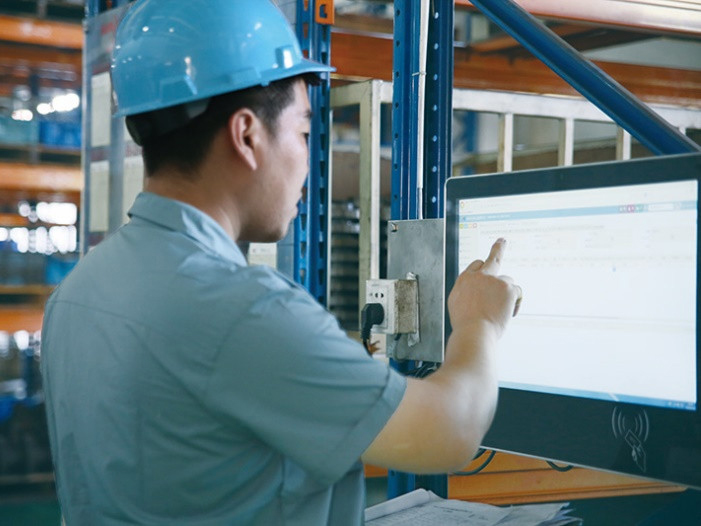
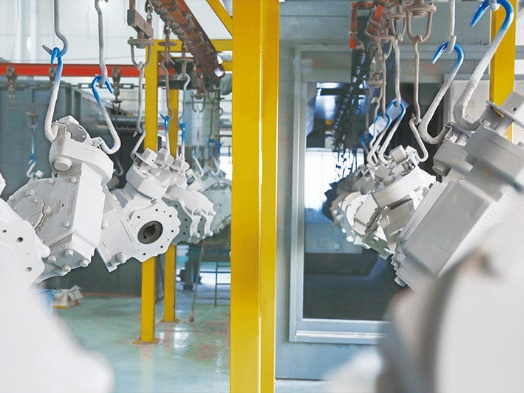
Stard-gears' hand crank worm drive gearboxes are deployed in various environments across municipal, offshore, and petrochemical fields. Below are key engineering applications for our manual actuation systems:
In underground municipal water mains and buried gas transport pipelines, manual operators must function reliably while submerged in soil, mud, or water. Our buried service gearboxes feature IP68 ingress protection, specialized shaft seals, and high-build epoxy coatings to prevent internal corrosion over decades of maintenance-free service.
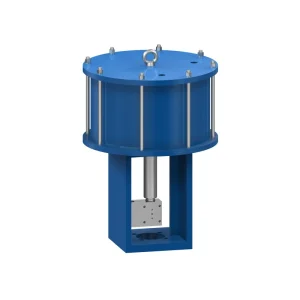
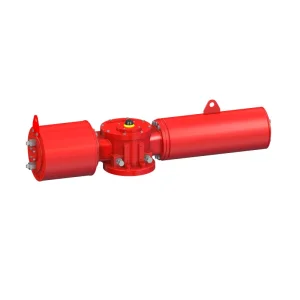
In refineries handling highly volatile chemicals and high pressures, safety systems are critical. Our declutchable gearboxes operate as manual overrides for pneumatic scotch yoke or piston actuators. If control air pressure is lost, operators can engage the handwheel to manually override and lock the valve in a safe position.
Desalination plants present a highly corrosive saline atmosphere that degrades standard metals. Stard offers aluminum bronze and stainless steel internals combined with polyurethane topcoats. These materials prevent oxidation, ensuring smooth worm gear rotation and consistent torque output under heavy salt spray.
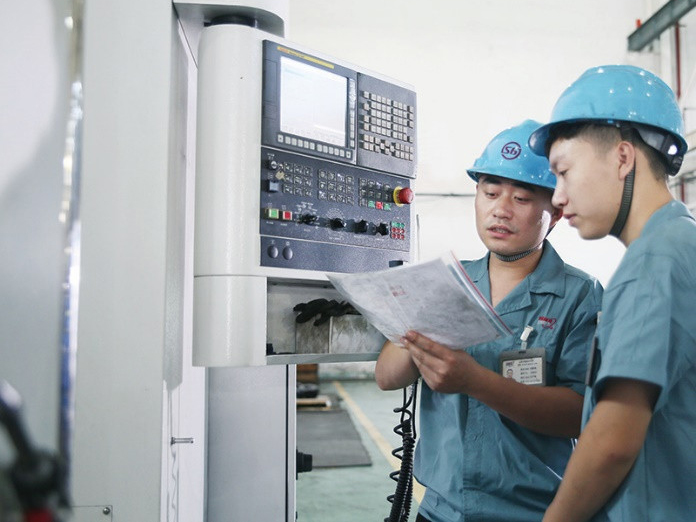
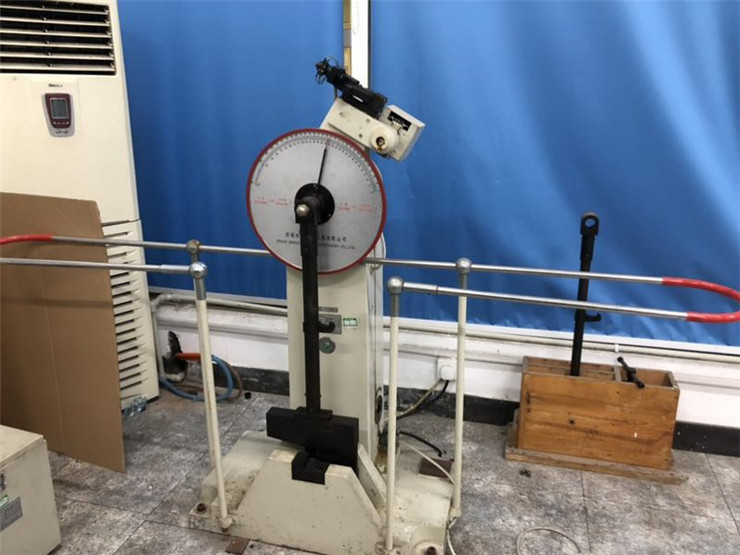
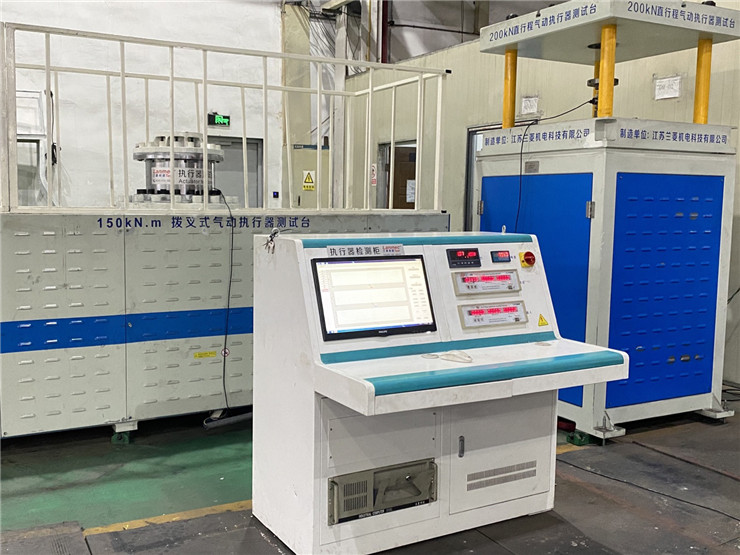
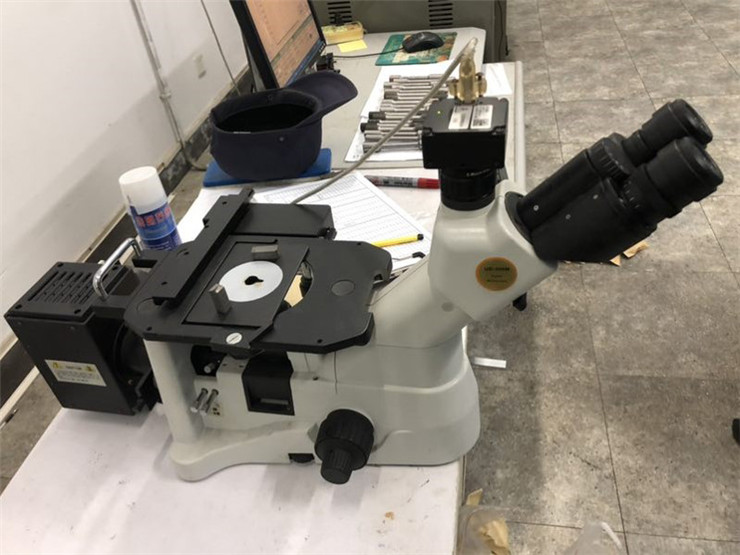
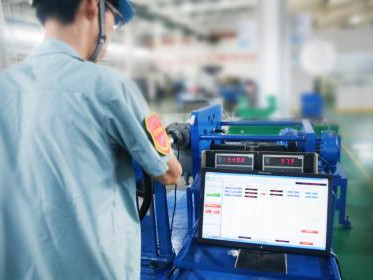
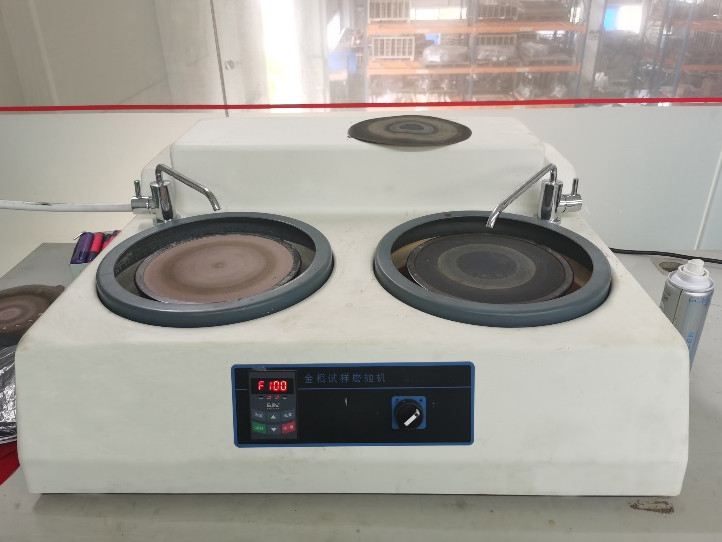
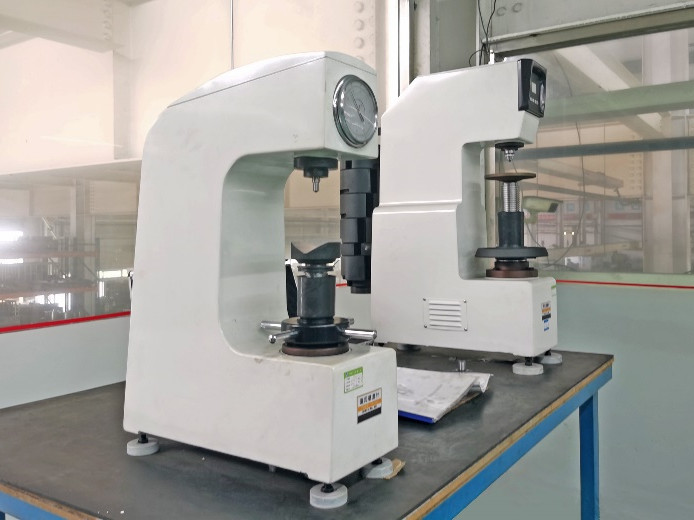
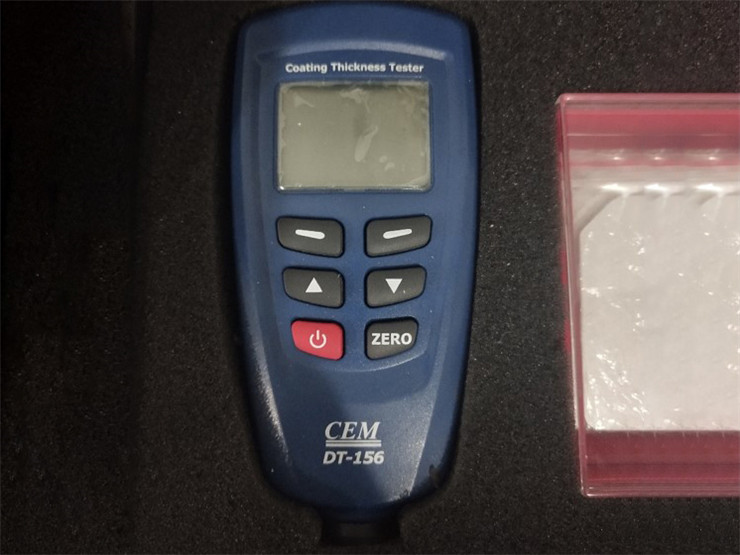
Stard Automation maintains strict control over the manufacturing process to ensure reliability under pressure. We employ full-time QC inspectors at every phase of production, testing materials from raw casting intake through final assembly. As an ISO 9001 certified manufacturer, our standard is 100% qualified products prior to packaging and shipment.
Our quality control lab features modern inspection equipment for measuring dimensional tolerances, material composition, and dynamic torque profiles. This rigorous process allows us to verify output torque ratings, back-drive resistance, and operational lifecycles under simulated field conditions.
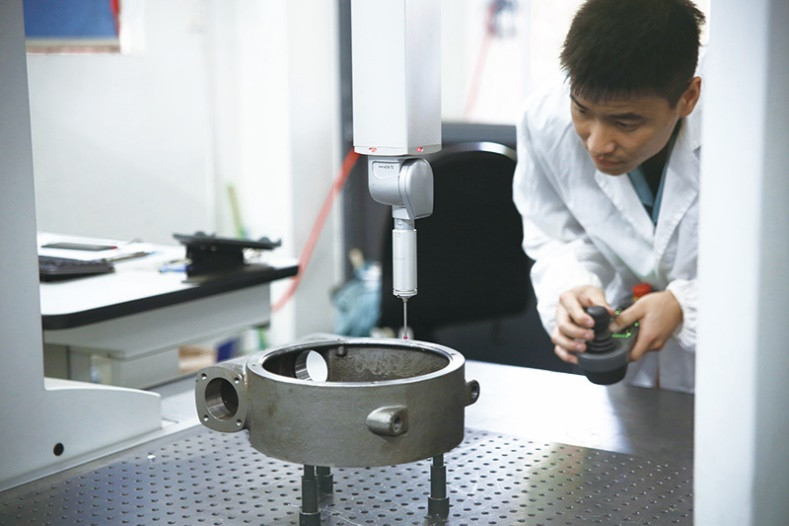
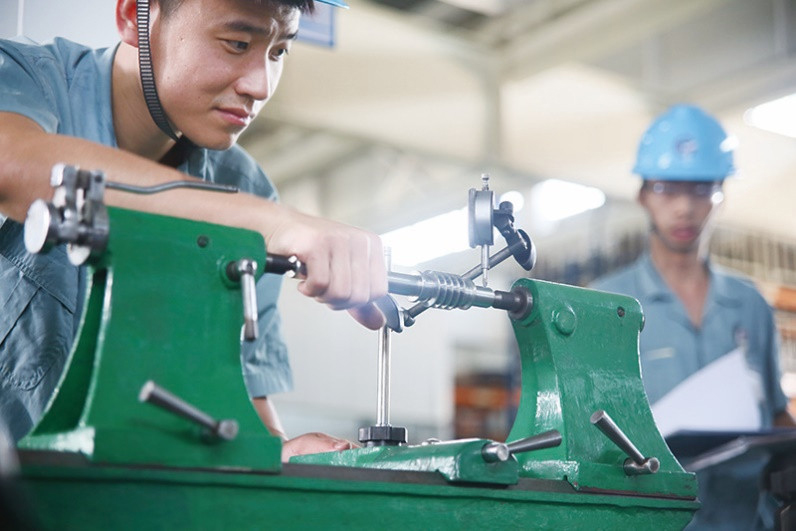
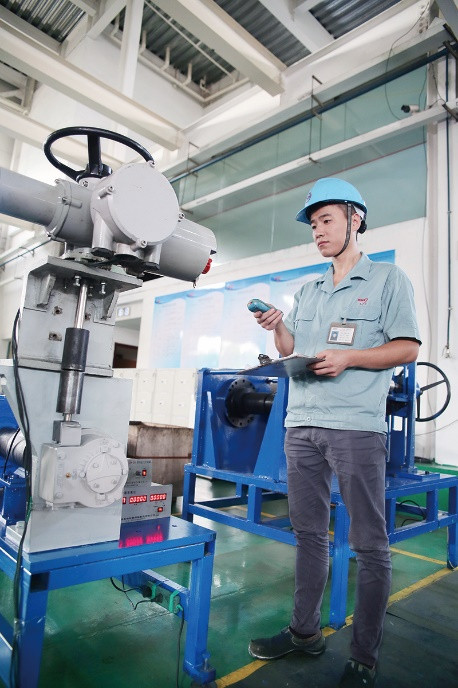
Our laboratory uses calibrated testing equipment to verify mechanical performance, from structural castings to the finished gearbox. We conduct cycle-life simulations and dynamic torque tests to ensure our units handle extreme load conditions without failure.
To help engineers and procurement managers select the right manual gearbox, the table below highlights key performance metrics for our standard product offerings, comparing gear ratios, input torques, and typical applications:
| Series & Configuration | Material Specification | Gear Ratio Range | Max Output Torque (Nm) | Design Certification |
|---|---|---|---|---|
| SJ Series Single Stage | Cast Iron / Ductile Iron | 24:1 to 80:1 | 1,200 Nm | CE, ISO 5211 Compliance |
| SLJ Declutchable Series | Ductile Iron / WCB Cast Steel | 30:1 to 120:1 | 8,500 Nm | CE, ATEX Explosion-Proof |
| SB Bevel Multi-Turn Series | Carbon Steel / Cast Steel | 4:1 to 20:1 | 4,000 Nm | CE, API 6D Standards |
| Customized Undergound Series | Heavily Coated Ductile Iron | 40:1 to 240:1 | 25,000 Nm | IP68 Waterproof Standard |
As industrial automation advances, the division between purely manual components and automated control systems is narrowing. Stard-gears' product development focus centers on three key areas:
1. Material Optimization: Reducing overall weight while retaining high strength is a priority. We are expanding the use of cast aluminum alloys for lower-torque applications and applying advanced heat treatments to gear components to handle higher dynamic loads.
2. Smart Position Indicators: Integrating non-contact, low-power position feedback sensors within our manual gearboxes allows operators to monitor valve status remotely in digital control systems.
3. Standardization of Mounting Interfaces: Standardizing our mounting interfaces to meet ISO 5211 enables our gearboxes to integrate with a wider range of global valve brands and actuators without requiring custom adapters.
Over the last decade, Stard-gears has established an active global presence. Our products are exported to demanding markets in the United States, Italy, Germany, Mexico, Singapore, Japan, and elsewhere. Meeting the engineering and regulatory requirements of these regional markets is central to our manufacturing process.
Our gearboxes are designed to comply with international regulatory frameworks, including European CE directives and ATEX safety standards for explosive environments. This focus on regulatory compliance helps simplify import logistics and engineering approvals for our customers' valve systems.
Expert answers to common engineering and procurement questions regarding hand crank worm drive gearboxes.
Self-locking occurs when the lead angle of the worm gear is smaller than the friction angle between the worm and the worm wheel. Under these conditions, the output shaft cannot back-drive the input shaft. In valve applications, this is critical because it prevents fluid dynamic forces inside the pipeline from forcing the valve disc or ball out of its set position, maintaining safe flow control.
Grey cast iron is brittle under high impact or bending stresses. Ductile iron (such as ASTM A536) contains nodular graphite, which provides significantly higher tensile strength, impact resistance, and elongation. For industrial gearboxes subject to pipe vibration, water hammer, or cold environmental conditions, ductile iron helps prevent structural housing cracking.
The gear ratio is determined by the required valve operating torque and the allowable manual input force (usually limited to 300N–400N to prevent operator fatigue). The formula is: Input Torque = Required Valve Torque / (Gear Ratio x Mechanical Efficiency). A higher ratio reduces the necessary handwheel input force but requires more turns to cycle the valve.
A declutchable gearbox is mounted between a pneumatic actuator and a rotary valve. In normal operation, it is disengaged (declutched) to allow the actuator to control the valve. In a power or instrument air loss scenario, an operator manually engages the clutch mechanism. This links the handwheel to the valve shaft, enabling manual operation until automation is restored.
We leverage the manufacturing ecosystem of the Yangtze River Delta, which consolidates foundries, CNC machining, and thermal treatment facilities locally. By using integrated ERP systems and keeping raw material transport distances short, we minimize overhead costs. Our high production volume (100,000 sets annually) further helps control component costs, allowing us to pass the savings on to our customers.
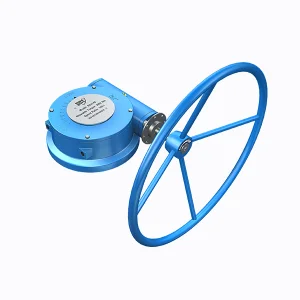
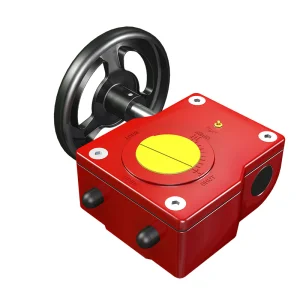
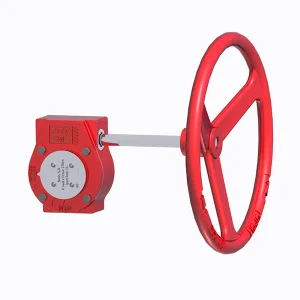
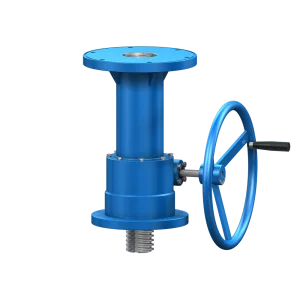
A comprehensive range of high-efficiency manual and declutchable gear operators designed for global valve networks.