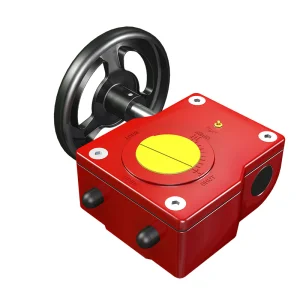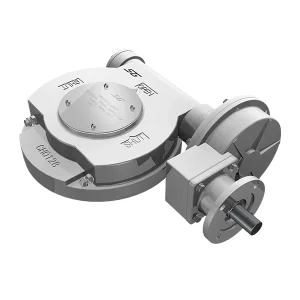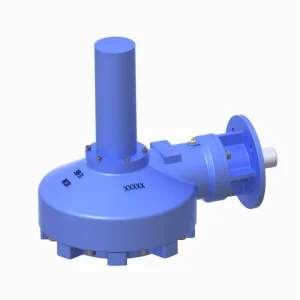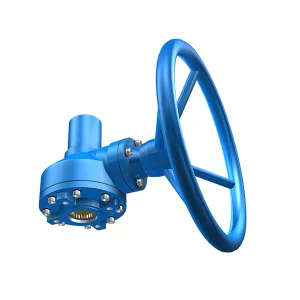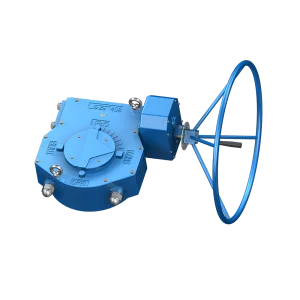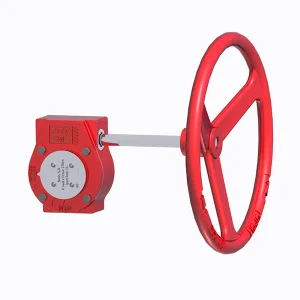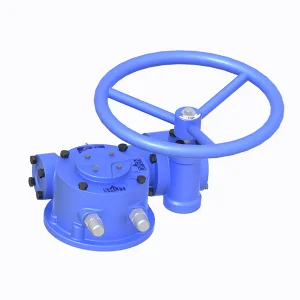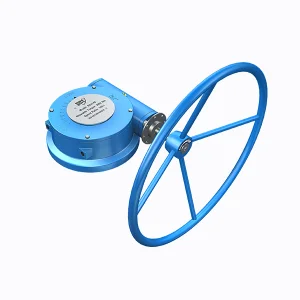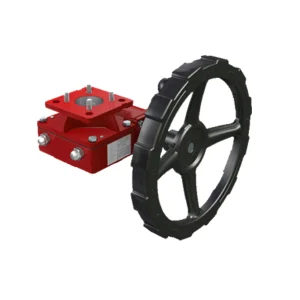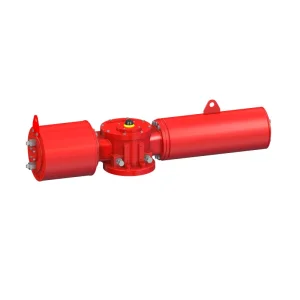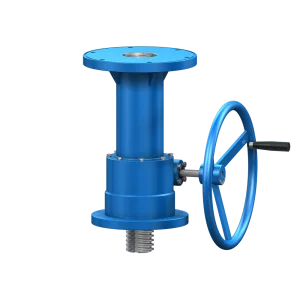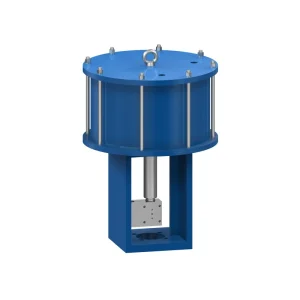
Explore our industrial-grade, certified hardware designed for maximum torque transmission, critical fail-safe overrides, and reliable quarter-turn or multi-turn valve operations.
A deep dive into historical progression, critical industrial functions, and modern mechanical design requirements.
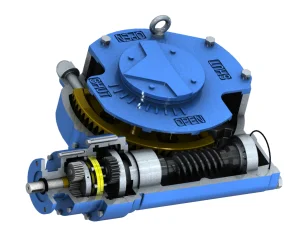
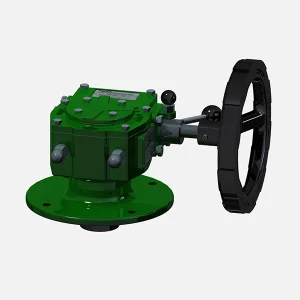
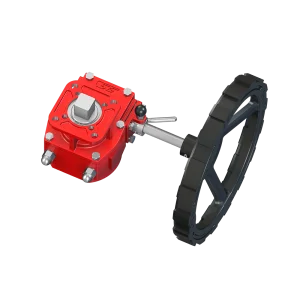
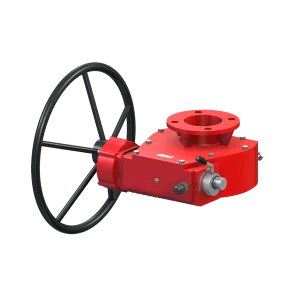
In high-stakes industrial environments, the control of complex fluidics demands absolute precision, reliability, and mechanical integrity. A manual actuator valve remains the foundational bedrock of fail-safe operational designs across global process industries. Originally limited to basic direct-drive handwheels, the modern paradigm of manual actuation is heavily reliant on advanced gear reduction mechanisms, declutchable configurations, and high-efficiency bevel and scotch yoke kinematics.
As industrial processes scaled to accommodate extreme pressures, astronomical flow volumes, and volatile media, direct human torque was no longer sufficient to actuate valves safely. This physics limitation drove the evolution of mechanical advantage devices. Today, industrial operators rely on highly engineered, custom-designed manual gearboxes to actuate quarter-turn and multi-turn valves with minimal effort, providing a crucial override backup in automated ecosystems.
From a functional perspective, manual actuators serve as critical fail-safes. In the event of pneumatic or electrical control power failures, manual overrides—such as declutchable gearboxes—ensure that plants can execute safe emergency shutdowns or process isolation. By engineering solutions that meet global standards like CE, ISO, and API, manufacturers provide the foundational infrastructure that keeps oil & gas pipelines, nuclear facilities, chemical plants, and municipal water grids running safely.
Demystifying "Discount" procurement: Balancing cost-effective manufacturing with elite performance standards.
In global procurement, "discount" is often misconstrued as a compromise on quality. In the modern manufacturing landscape, true cost reduction is achieved not by stripping material integrity, but through optimized supply chain ecosystems, advanced automation, and vertical integration. Operating in elite industrial zones (such as China's Yangtze River Delta) allows companies to source top-tier castings, precision machining, and standard parts with zero logistical friction.
Procuring cost-effective actuators requires a rigorous analysis of TCO. Low initial costs mean nothing if field failures occur within weeks. By focusing on ductile iron housings, high-efficiency gear ratios, and corrosion-resistant coatings, manufacturers achieve a sweet spot of competitive upfront pricing paired with an extended product lifecycle, drastically minimizing long-term maintenance costs.
The consolidation of raw casting foundries, heat-treatment facilities, and high-precision CNC machining centers in close proximity yields massive cost reductions. Stard-gears capitalizes on this geographic advantage in Suzhou, passing the logistics savings directly to the customer as competitive global pricing without sacrificing ISO 9001 quality benchmarks.
How manual actuator valves perform under extreme conditions in critical global infrastructure sectors.
Process industries operate under highly demanding physical parameters. Our manual actuator and valve control systems are engineered to target specialized problems in five primary macro-sectors:
Using next-generation digital twin technologies to virtually verify safety margins before physical cast operations begin.
By subjecting virtual models to torsional stress concentrations, our design team ensures that all gearbox bodies, worm shafts, and input sleeves are optimized for structural safety. FEA allows us to identify weak stress points and reinforce high-load zones, keeping our designs lightweight yet extremely robust.
Dynamic simulations allow us to verify the output torque profile over the entire stroke range of our quarter-turn and partial-turn gearboxes. This engineering precision guarantees smooth mechanical operation and prevents binding under maximum operating pressures.
Through 3D simulation, dynamic simulation, and finite element analysis (FEA), our engineering team virtually verifies the rationality of new designs before they enter the foundry. This workflow significantly shortens the R&D cycle, reduces manufacturing waste, and guarantees safety while lowering overhead costs.
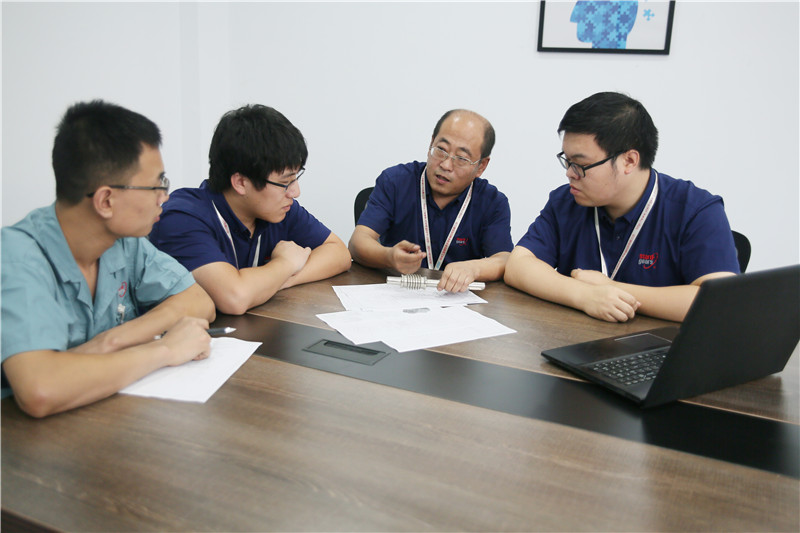
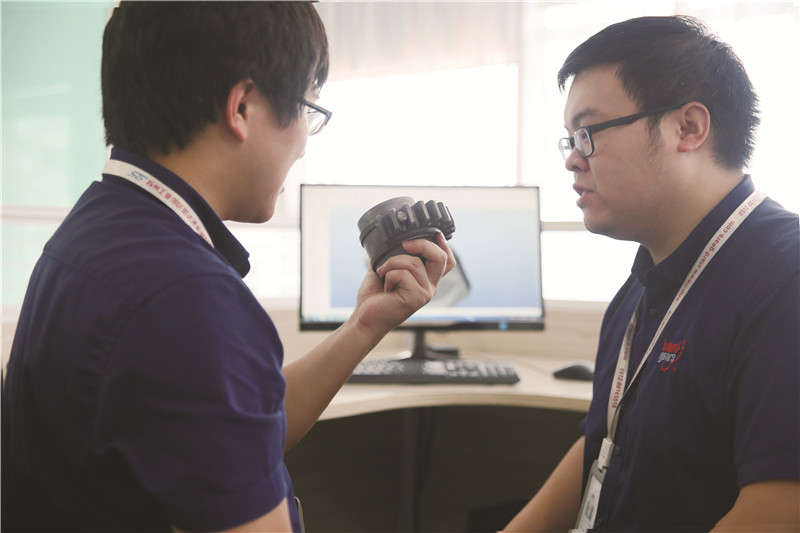
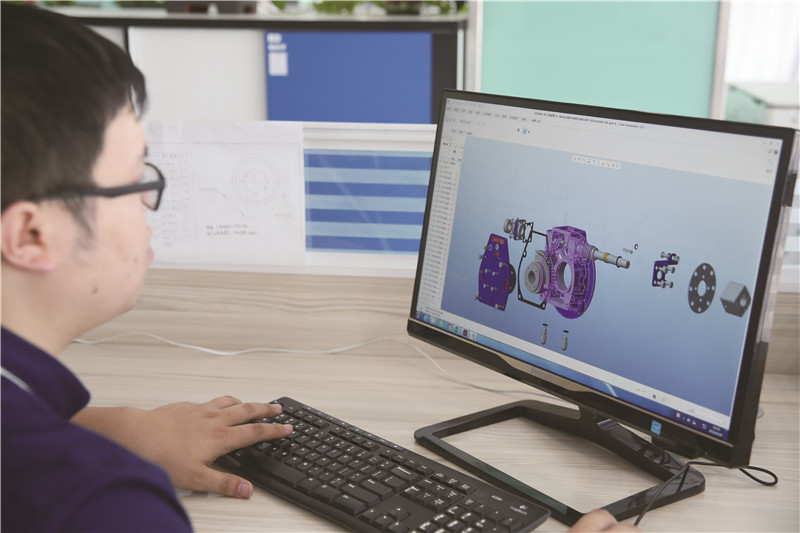
Combining modern manufacturing methods with strict digital control systems to optimize lead times and scale capacity.
Our Suzhou facility operates on a comprehensive Enterprise Resource Planning (ERP) platform. From the moment an order is finalized, material procurement, machining stages, and assembly progress are tracked in real-time. This system ensures total operational transparency, maximizing efficiency and eliminating bottleneck delays.
Established in 1999 in Suzhou, China, our company boasts an 8,900㎡ manufacturing floor and 2,500㎡ offices. With annual sales reaching $7,000,000 (growing steadily at 10-20% per year) and an annual output capacity of 100,000 sets, we leverage the highly developed supply chains of the Yangtze River Delta to deliver fast turnarounds and superior product quality.
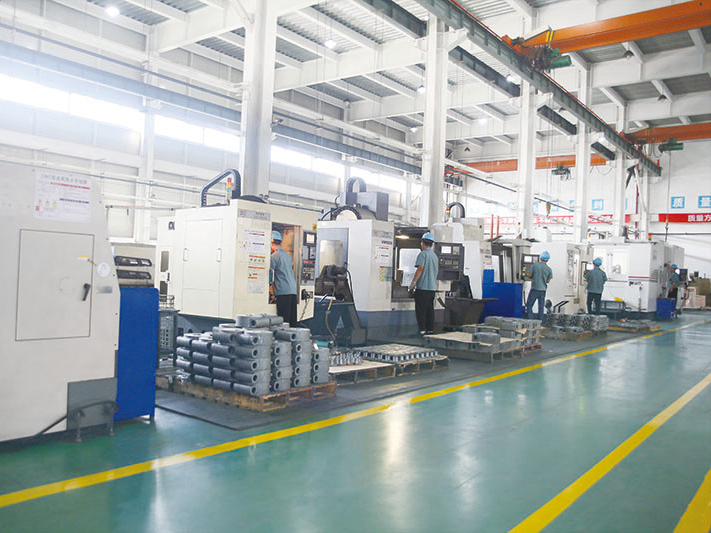
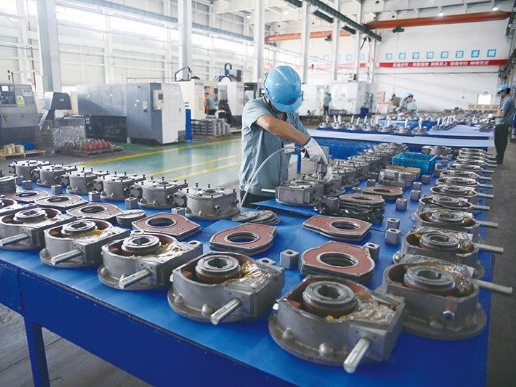
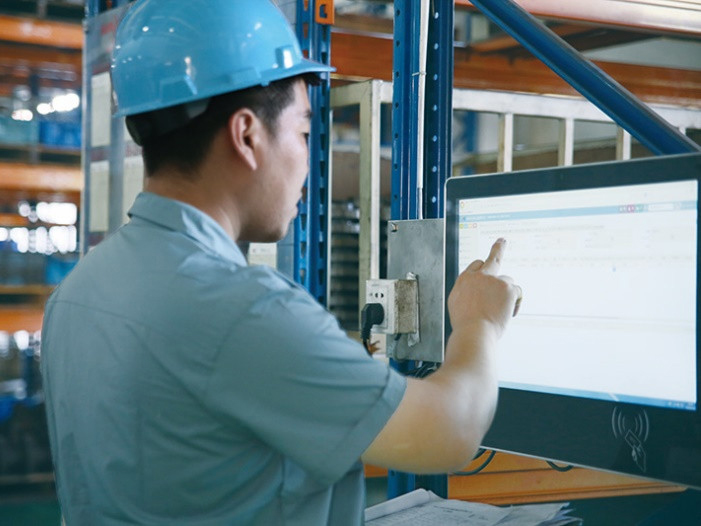
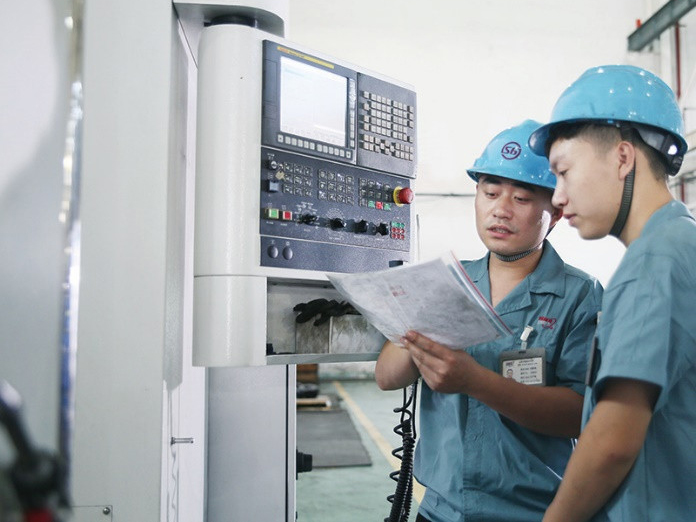
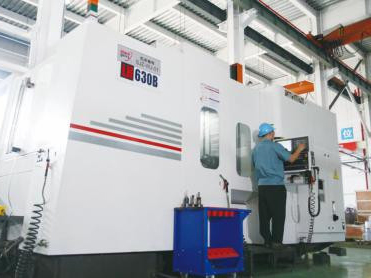
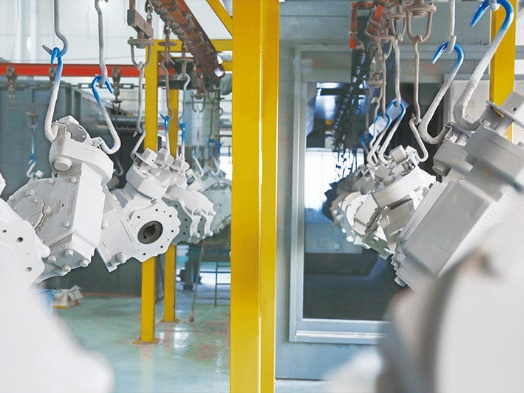
Our Suzhou facility's total potential output value reaches $9,000,000. Operating state-of-the-art machinery, we maintain an annual output capacity of 100,000 units, providing scaling flexibility to meet the demands of global EPC contractors and distributors.
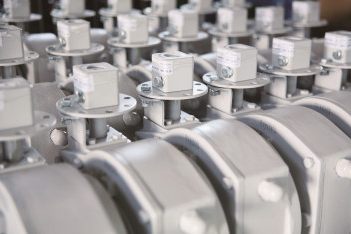
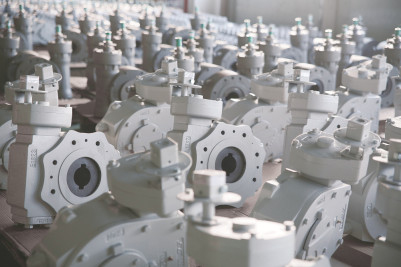
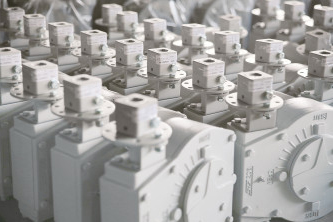
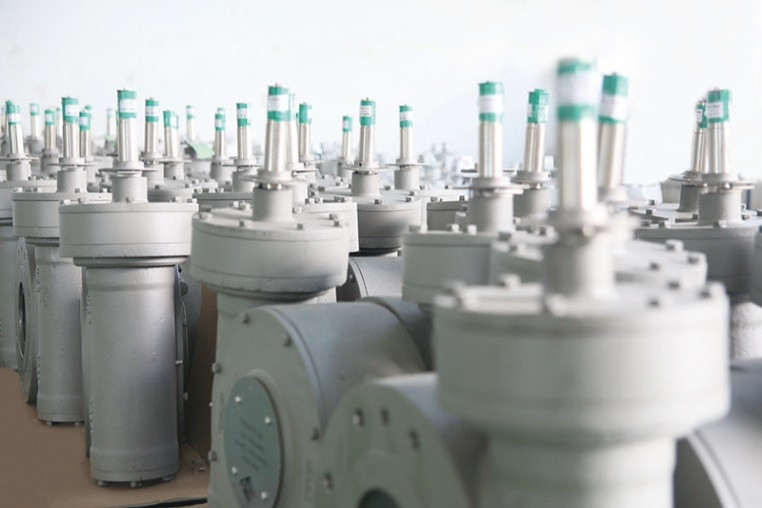
Securing 100% qualification rates from raw castings to finished product logistics.
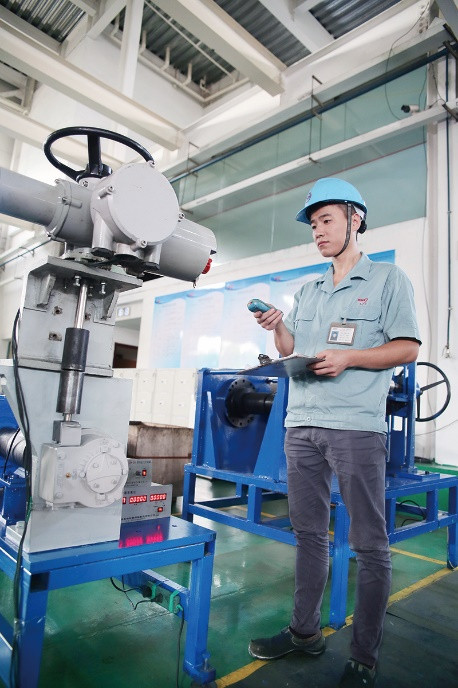
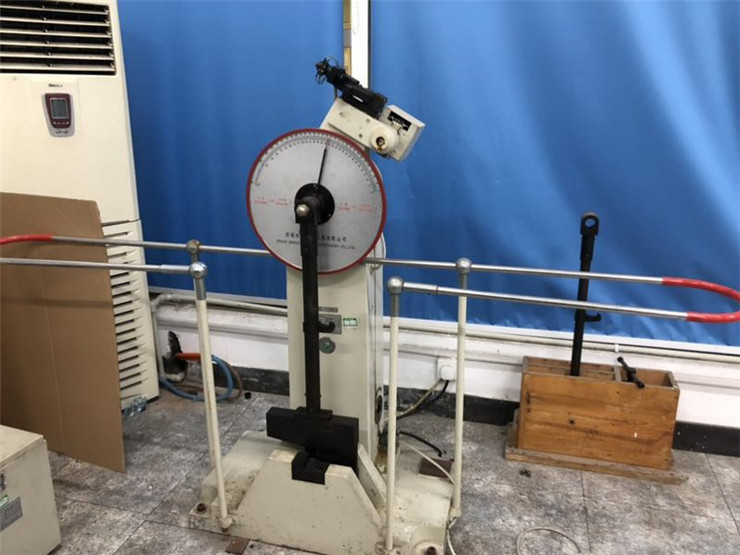
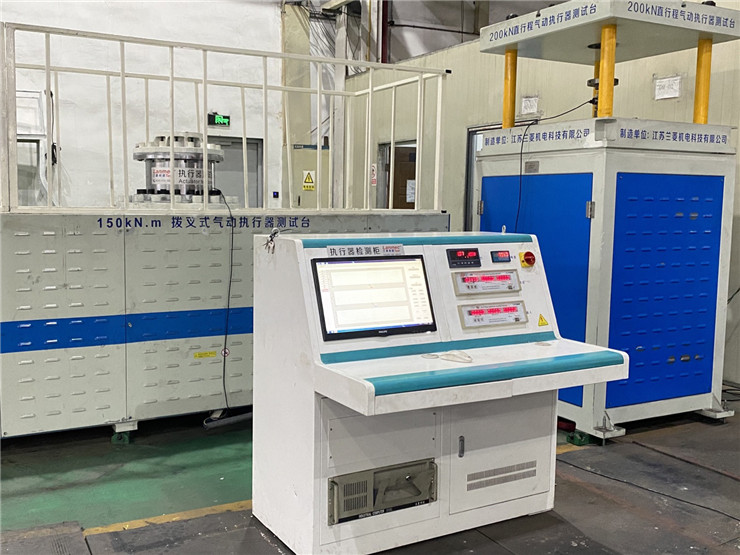
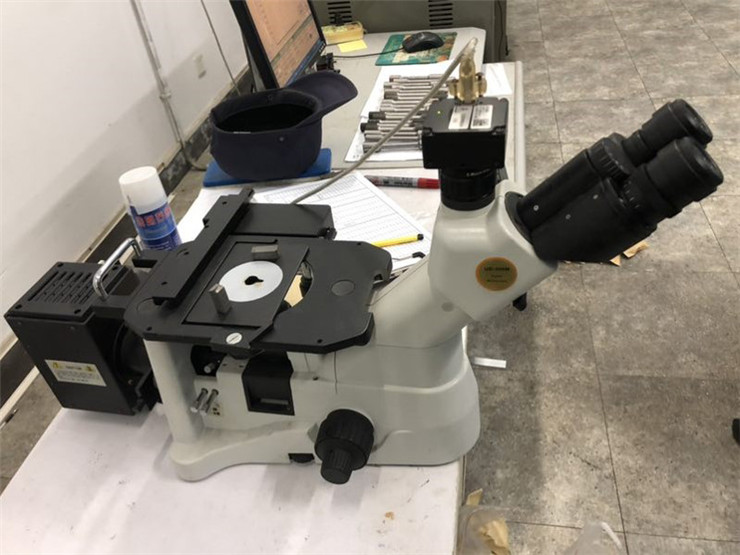
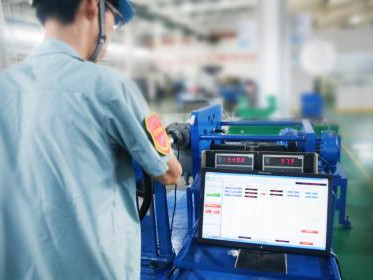
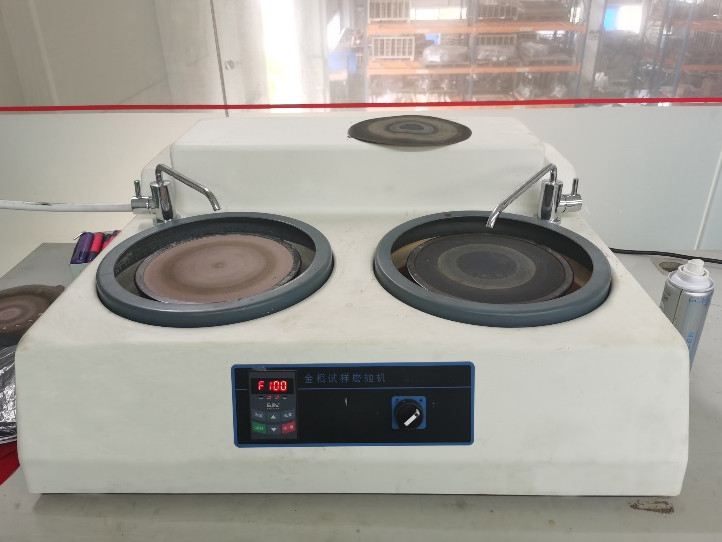
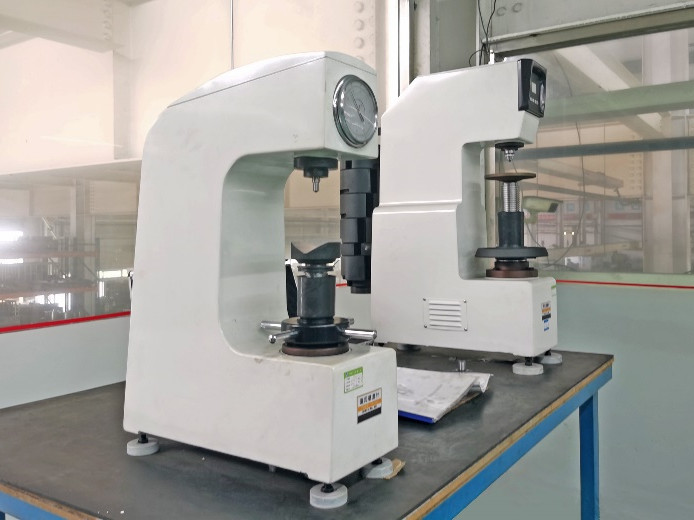
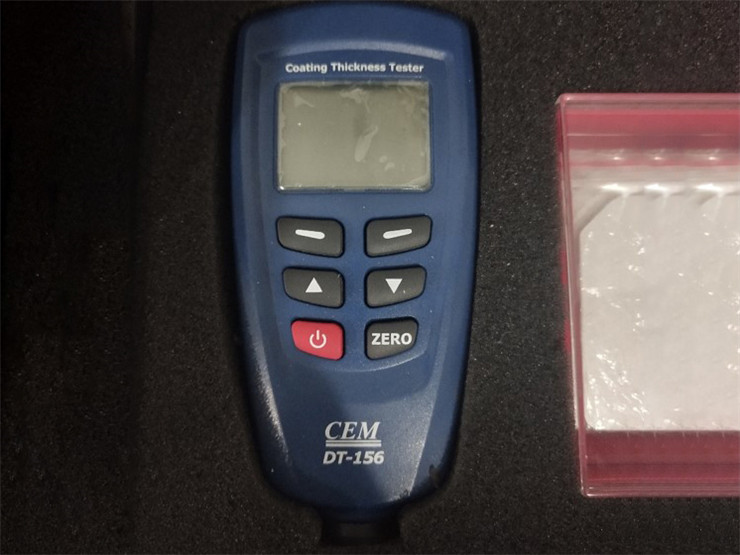
At Stard Automation, our quality assurance framework spans the entire production cycle. We place specialized QC checkpoints at every stage of the manufacturing pipeline, covering incoming raw material reviews, in-process dimension inspection, and final product functional verification. This systematic approach guarantees that every single gearbox and manual override actuator shipped to our global clients is 100% qualified and ready for operations.
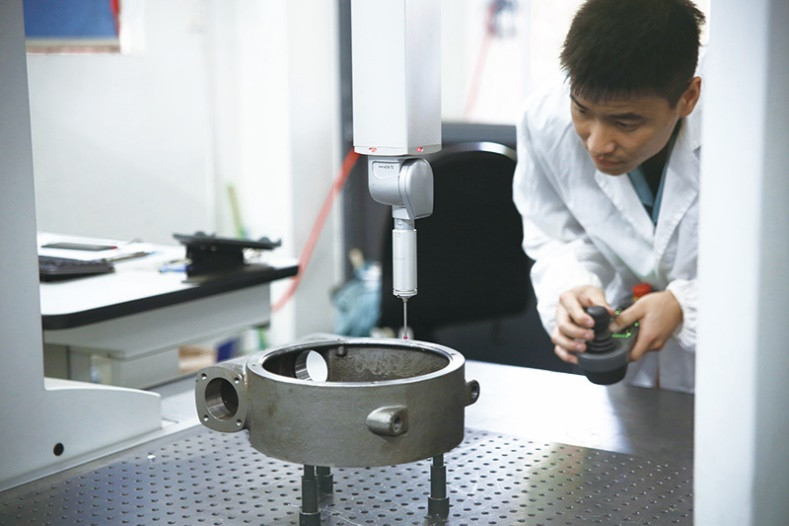
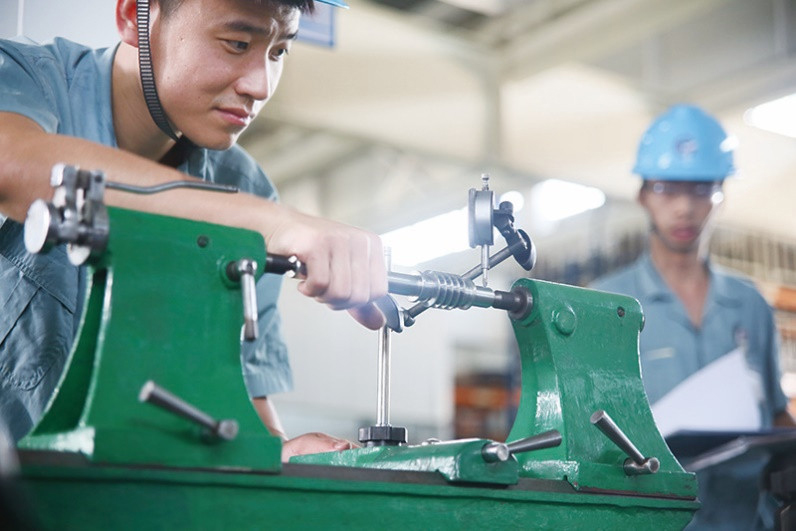
No component enters our assembly floor without verifying its chemical composition and mechanical threshold profiles. Every casting undergoes strict metallurgical tests to ensure ductile iron and steel grades meet ASTM and DIN requirements.
Our diagnostic laboratories feature high-capacity torque test benches and dynamic lifecycle testing tools. This equipment allows us to verify design limits under loads that simulate harsh actual operating environments, ensuring total dependability in the field.
Looking ahead: Adapting to intelligent networks, environmental protocols, and international regulatory demands.
Modern environmental policies require factories to minimize carbon footprints throughout the smelting and machining phases. Stard-gears is redesigning manufacturing cycles to use energy-efficient electric furnaces and eco-friendly lubricants, meeting strict ESG requirements.
The future of industrial automation lies in digital feedback loops. While manual overrides rely on physical gears, the next generation of gearboxes will integrate non-intrusive electronic sensors. These sensors track rotational displacement, cycles, and wear patterns, feeding data directly to central SCADA systems via IoT networks.
Exporting to the US, Italy, Germany, Mexico, Singapore, and Japan requires adhering to diverse regulatory frameworks. Our products carry CE and ISO certificates, verifying compliance with mechanical safety directives. Through strategic partnerships with local engineering providers, we deliver fast technical support, on-site commissioning, and spare parts availability worldwide.
Key technical insights to guide engineer and buyer decisions.
Explore our selection of heavy-duty, cast steel, alloy, and pneumatic override solutions engineered to withstand demanding operational conditions.